
There’s nothing more frustrating than watching your thermostat click off right when your home needs heating or cooling the most. I’ve experienced this issue firsthand – the display goes blank, the HVAC system shuts down, and you’re left wondering what went wrong. A thermostat that keeps turning off isn’t just annoying; it can signal underlying problems that might damage your HVAC system or spike your energy bills.
After researching HVAC forums and consulting with technicians, I’ve learned that most thermostat shutdowns stem from a handful of common causes. The good news is that many of these issues are simple fixes you can handle yourself. In this guide, I’ll walk you through everything you need to know about why your thermostat keeps turning off and how to fix it.
5 Things to Check First
Before diving into complex troubleshooting, try these quick fixes. Based on community discussions from HVAC professionals and homeowners alike, these five checks resolve the majority of thermostat shutdown issues.
1. Replace the batteries – Dead or dying batteries are the number one cause of thermostat shutdowns. Most programmable thermostats use AA or AAA batteries that last 6-12 months. When voltage drops, the display goes blank or the unit powers down completely.
2. Check your circuit breaker – Your HVAC system has its own dedicated breaker. If it trips, your thermostat loses power completely. Look for a breaker in the “off” or middle position and flip it fully off, then back on.
3. Inspect the air filter – A clogged filter restricts airflow, causing your system to overheat and trigger safety shutdowns. If your filter looks gray and dusty, replace it with a fresh one.
4. Check the condensate drain – If you have a high-efficiency furnace or AC unit, a clogged condensate drain can trigger a float switch that shuts everything down. Look for water pooling around your indoor unit.
5. Try a factory reset – Sometimes smart thermostats just need a reboot. The reset procedure varies by model, but usually involves holding down a reset button or navigating through menu options.
12 Reasons Your Thermostat Keeps Turning Off
If the quick fixes above didn’t solve your problem, you’re dealing with something more specific. Reddit’s HVAC community and professional technicians consistently see these 12 causes behind persistent thermostat shutdowns.
1. Dead or Dying Batteries
Most battery-powered thermostats give a low battery warning, but some don’t – they just shut down when voltage drops too low. I’ve seen cases where batteries test “okay” on a meter but still can’t power the thermostat reliably. Replace batteries with fresh ones every 6-12 months, even if the low battery indicator hasn’t appeared.
Smart thermostats typically don’t use batteries for main power, but they may have backup batteries that fail. When these backup batteries die, you might lose programming during power outages or experience weird shutdown behavior.
2. Tripped Circuit Breaker
Your HVAC system has a dedicated breaker in your electrical panel. When this trips, everything loses power – thermostat included. Breakers trip due to power surges, short circuits, or overloaded circuits. If your breaker trips repeatedly, don’t just keep resetting it – there’s an underlying electrical issue that needs professional attention.
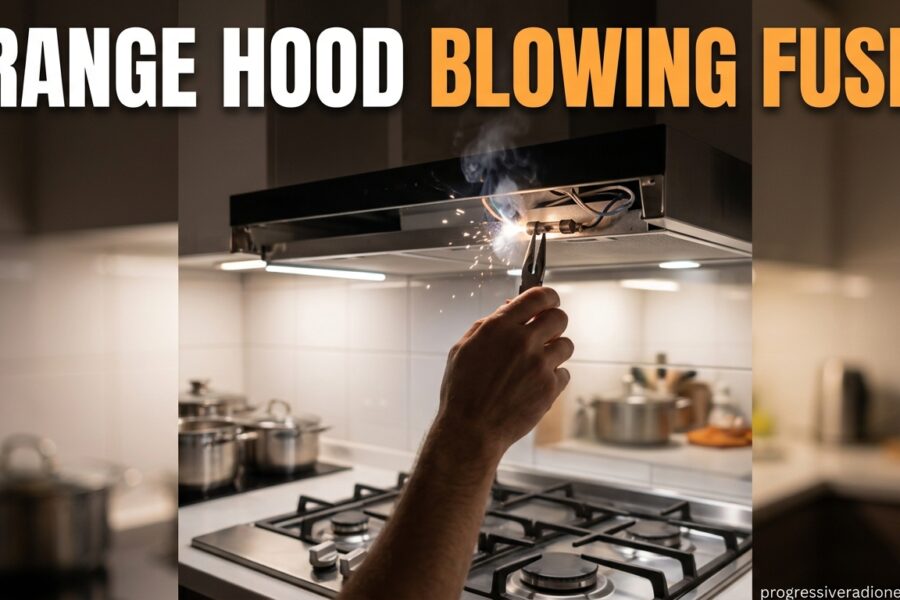
Sometimes the HVAC breaker looks fine but a secondary fuse has blown. Many systems have a small fuse (usually 3-5 amps) on the control board that protects the low-voltage circuit. When this fuse blows, the thermostat goes blank but the breaker remains untouched.
3. Blown Fuse in the HVAC System
Inside your furnace or air handler, there’s typically a small automotive-style fuse protecting the control board. This fuse blows when there’s a short in the thermostat wiring or a component failure. Unlike a tripped breaker, a blown fuse isn’t always obvious – you need to visually inspect it or test it with a multimeter.
Reddit HVAC users report that this is one of the most common causes after batteries. If replacing the fuse fixes the problem temporarily but it blows again soon after, you have a short circuit somewhere in your low-voltage wiring that needs tracing.
4. Loose Wiring Connections
Thermostats connect to your HVAC system through low-voltage wires (usually 24V AC). Over time, these wires can loosen at either the thermostat end or the furnace/air handler end. Even a slightly loose connection can cause intermittent power loss that looks like random shutdowns.
Checking wiring requires removing your thermostat from the wall plate. Look for wires that have pulled out of their terminals or appear corroded. Green corrosion on copper terminals is a common issue in humid climates and can cause unreliable connections.
5. Clogged Condensate Drain Line
High-efficiency HVAC systems produce condensation that drains through a PVC pipe. When this line clogs with algae, debris, or sediment, water backs up into a safety pan. A float switch in this pan detects the water and immediately cuts power to prevent flooding.
This is arguably the most common cause mentioned in online forums. The good news is it’s easy to fix – you just need to clear the drain line. The bad news is many homeowners don’t realize this safety switch exists and spend hours troubleshooting other components.
6. Activated Float Switch
The float switch I just mentioned deserves its own entry because it’s so commonly overlooked. Many homeowners don’t even know they have one until their AC stops working. Located in the drain pan under your indoor unit, this switch is a simple mechanical device that rises with water level.
When your condensate drain clogs, water fills the pan and the float rises, tripping the switch and cutting power to your thermostat. Sometimes the float gets stuck in the “up” position even after you clear the drain, requiring manual resetting or replacement.
7. Tripped High-Limit Switch
Your furnace has a safety switch called a high-limit switch that monitors temperature. If your furnace gets too hot (usually due to restricted airflow), this switch trips to prevent damage or fire. When it trips, your entire HVAC system shuts down including the thermostat.
Common causes of high-limit trips include dirty filters, closed vents, or a failing blower motor. Some high-limit switches reset automatically once the furnace cools down, while others require manual resetting. If yours trips repeatedly, you’re risking serious furnace damage.
8. Dirty Air Filter
I mentioned this in the quick fixes, but it’s worth expanding on. A clogged air filter is the root cause of many shutdown issues. When airflow is restricted, your system works harder, runs longer, and overheats. This overheating triggers safety switches (like the high-limit) which shut everything down.
Many homeowners forget about filters because they’re out of sight. I recommend checking monthly and replacing at least quarterly – more often if you have pets or allergies. A $15 filter can prevent hundreds in repair bills.
9. Short-Cycling Compressor
Short-cycling is when your AC compressor turns on and off rapidly rather than completing full cooling cycles. This puts tremendous strain on your equipment and can cause protective shutdowns. The thermostat might be working correctly – it’s responding to a compressor that keeps cutting out.
Causes of short-cycling include an oversized AC unit, low refrigerant, a failing capacitor, or a malfunctioning compressor. If your outdoor unit runs for just a few minutes then shuts off, you’re dealing with short-cycling, not a thermostat problem.
10. Smart Thermostat Software Glitch
Smart thermostats are essentially small computers, and like all computers, they sometimes crash or freeze. Users on forums report Nest, Ecobee, and Honeywell smart thermostats randomly rebooting, going blank, or becoming unresponsive.
Firmware bugs can cause these issues, especially after automatic updates. WiFi connectivity problems can also make smart thermostats behave erratically. A factory reset often resolves software glitches, but you’ll lose your programming and settings.
11. Faulty Temperature Sensor
Inside your thermostat is a temperature sensor that tells the system when to turn on and off. When this sensor fails or drifts out of calibration, weird things happen. Your thermostat might shut off prematurely, run excessively long, or display temperatures that don’t match reality.
Sensor issues are more common in older thermostats but can affect new ones too. Some thermostats allow sensor calibration through menu options, but generally a failed sensor means replacing the entire thermostat.
12. Old Thermostat Needing Replacement
Thermostats typically last 10-20 years depending on the model. Like any electronic device, components eventually fail. If your thermostat is over 15 years old and experiencing shutdown issues, replacement is often more cost-effective than repair.
Signs of an aging thermostat include flickering displays, slow response to button presses, inaccurate temperature readings, and increasingly frequent shutdowns. Modern thermostats also offer better energy efficiency and programmability that can pay for themselves over time.
Smart Thermostat vs. Regular Thermostat Issues
The type of thermostat you have affects which problems are most likely. Smart thermostats and programmable models have unique failure modes that don’t affect basic mechanical thermostats.
Smart Thermostat Specific Problems
Smart thermostats like Nest, Ecobee, and Honeywell WiFi models add complexity that creates additional failure points. The C-wire (common wire) that provides continuous power is a frequent source of issues. Without a proper C-wire connection, smart thermostats can shut down when their internal battery drains.
WiFi connectivity issues also cause problems. When your smart thermostat loses its network connection, it may continue operating normally or it might shut down completely depending on the model. Some units require WiFi for basic functionality.
Software bugs and firmware updates are unique to smart thermostats. I’ve seen cases where an automatic update introduced bugs that caused random shutdowns or reboots. Manufacturers usually patch these quickly, but you might be stuck with a glitchy unit until the next update arrives.
Non-Programmable Thermostat Problems
Basic thermostats have fewer failure modes, which makes troubleshooting simpler. Power issues are almost always the culprit – either dead batteries, a tripped breaker, or loose wiring. Since there’s no software involved, you don’t have to worry about glitches or firmware problems.
Mechanical thermostats (the kind with a mercury switch or bimetallic strip) can fail when dust accumulates inside or when the calibration drifts. Digital non-programmable thermostats fail similarly to smart thermostats – usually due to component aging or sensor failure.
The advantage of basic thermostats is simplicity. Fewer components mean fewer things can go wrong. If your basic thermostat keeps turning off, it’s almost certainly a power issue rather than a software problem.
Understanding Safety Switches
Modern HVAC systems include multiple safety switches designed to prevent damage or dangerous conditions. These switches protect your equipment but can also cause frustrating shutdowns when they trip repeatedly.
Float Switch
The float switch prevents water damage from condensate overflow. When your drain line clogs, water rises in the emergency drain pan. The float switch detects this water level and cuts power to your system. Most float switches are normally closed – they break the circuit when activated.
Testing a float switch is straightforward. Remove the drain pan water, and the switch should reset automatically. If your system still won’t power on after clearing the drain, the float switch might be stuck in the open position and need replacement.
High-Limit Switch
Located inside your furnace, the high-limit switch trips when internal temperatures exceed safe limits (usually around 200°F). This prevents furnace damage and potential fire hazards. Common tripping causes include dirty filters, blocked vents, or blower motor failure.
Some high-limit switches reset automatically once the furnace cools, while others require manual resetting by pressing a button. If yours trips more than once or twice per heating season, you need to find and fix the root cause rather than repeatedly resetting the switch.
Low Pressure Switch
Air conditioners have low pressure switches that trip when refrigerant pressure drops too low. This usually indicates a refrigerant leak. When this switch trips, your outdoor unit won’t run, and the thermostat may go blank or display an error code.
Low pressure issues require professional service. Adding refrigerant without fixing the leak is illegal in most cases and won’t provide a lasting solution anyway. A qualified HVAC technician can locate and repair the leak, then recharge your system to the correct refrigerant level.
Door Switch
Most furnaces have a safety switch on the access panel that kills power when the door is removed. This protects anyone working inside the unit from live electrical components. Sometimes these switches fail or become misaligned, causing shutdowns even when the door is properly closed.
If your furnace was recently serviced and the thermostat stopped working afterward, the door switch might not be making proper contact. Check that the panel is seated fully and that the switch button is fully depressed when closed.
When to Call a Professional
Many thermostat issues are DIY-friendly, but some situations require professional expertise. Calling a technician early can prevent further damage and might actually save money in the long run.
Call a professional if:
Your circuit breaker keeps tripping – This indicates an electrical problem that could be dangerous. Don’t keep resetting a breaker that trips repeatedly.
You smell burning – Any burning smell from your HVAC system is an immediate red flag. Turn off the system and call for service right away.
The HVAC system won’t run at all – If the furnace or AC unit itself isn’t working (not just the thermostat), you need professional diagnostics.
You’ve tried multiple fixes without success – If you’ve replaced batteries, checked breakers, cleaned filters, and the problem persists, there’s likely a deeper issue requiring expertise.
Your system is over 10 years old – Older systems might benefit from professional evaluation rather than DIY repairs. A technician can assess whether replacement makes more sense than continued repairs.
Preventing Future Shutdowns
Regular maintenance prevents most thermostat shutdown issues. A few simple habits keep your HVAC system running reliably and extend equipment lifespan.
Change air filters every 1-3 months depending on your household. Homes with pets or allergy sufferers need more frequent changes. Mark your calendar or set phone reminders – it’s easy to forget filter maintenance.
Replace thermostat batteries annually, even if the low battery warning hasn’t appeared. Most batteries fail gradually, and weak power can cause erratic behavior before complete failure occurs.
Schedule annual professional maintenance. A qualified technician can clean coils, check refrigerant levels, test safety switches, and identify potential problems before they cause breakdowns. The cost of annual maintenance is far less than emergency repairs.
Keep the area around your indoor unit clear. Don’t store items near your furnace or air handler that could restrict airflow. Ensure vents throughout your home aren’t blocked by furniture or curtains.
Frequently Asked Questions
Why does my thermostat keep turning off on its own?
How do you know if a thermostat is going bad?
Signs of a failing thermostat include inaccurate temperature readings, unresponsive buttons, flickering display, frequent shutdowns or reboots, and temperature differences between the set point and actual room temperature. If your thermostat is over 15 years old and experiencing multiple issues, replacement is usually more cost-effective than repair. Digital thermostats typically last 10-15 years while mechanical models can last 20+ years.
Why won’t my thermostat stay on?
If your thermostat powers on then immediately shuts off, you likely have a power supply issue. Check batteries first, then inspect the circuit breaker and the HVAC system’s internal fuse. Loose wiring connections at the thermostat or furnace can also cause intermittent power loss. For smart thermostats, verify you have a proper C-wire connection providing continuous power.
What’s the average lifespan of a thermostat?
Most thermostats last 10-20 years depending on the type and quality. Basic mechanical thermostats often last 15-20 years, while digital programmable models typically last 10-15 years. Smart thermostats may have shorter functional lifespans (8-12 years) due to software compatibility issues, even if the hardware still works. Consider replacement if your thermostat is over 15 years old and experiencing problems.
Conclusion
A thermostat that keeps turning off is usually pointing to a specific, fixable problem. Dead batteries, tripped breakers, clogged drain lines, and dirty filters account for most shutdown issues. Start with the simple checks before moving to more complex troubleshooting.
Understanding why your thermostat keeps turning off helps you respond appropriately. Some issues are DIY-friendly, while others require professional expertise. Don’t ignore repeated shutdowns – they’re warning signs that something needs attention before it becomes a bigger problem.
Regular maintenance prevents most issues and keeps your HVAC system running efficiently. Change those filters, replace batteries annually, and schedule professional maintenance. Your thermostat – and your wallet – will thank you.
Leave a Comment