
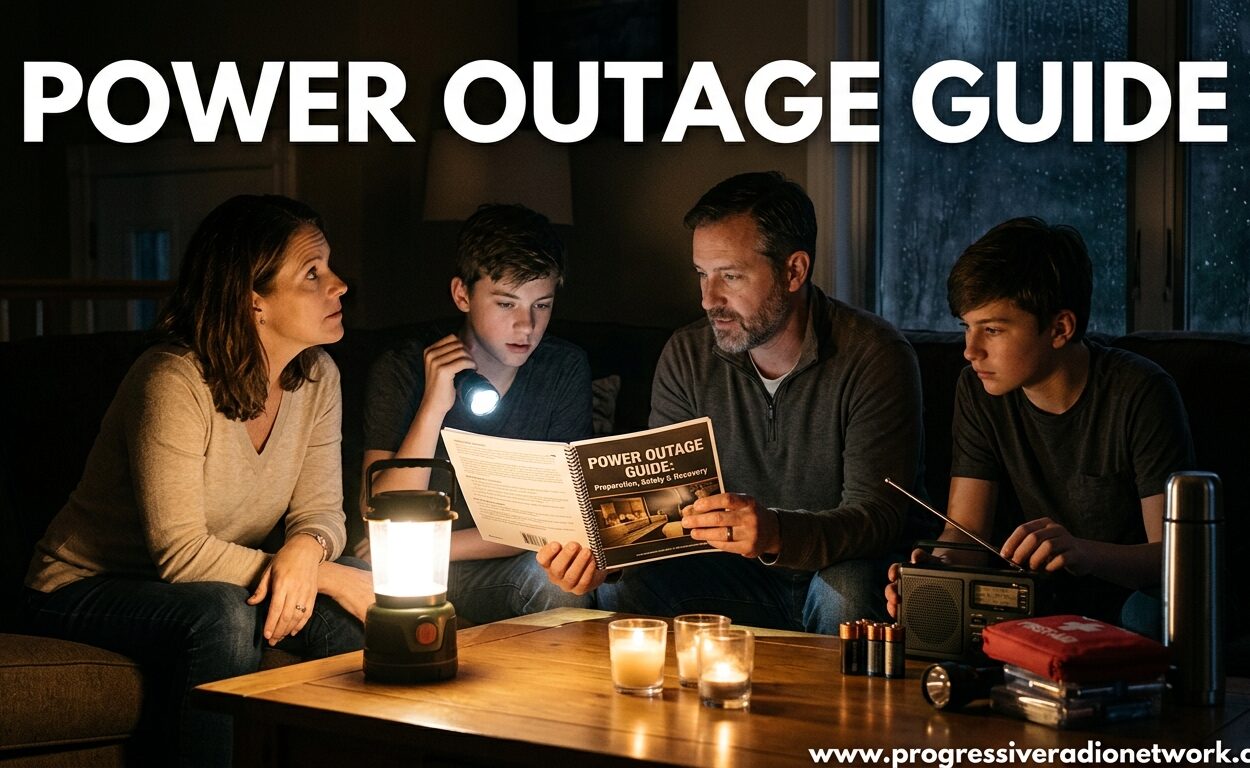
Power outages can strike without warning, leaving your home without electricity for hours or even days. Whether caused by severe weather, equipment failure, or grid issues, being prepared makes all the difference in keeping your family safe and comfortable. This comprehensive power outage guide covers everything you need to know before, during, and after an outage hits.
From building an emergency kit to keeping food safe and entertaining your family without screens, I’ve compiled practical tips based on official guidelines from Ready.gov, Red Cross recommendations, and real experiences from people who’ve survived extended outages. Let’s make sure you’re ready for whatever comes your way.
What is a Power Outage
A power outage is when electrical power goes out unexpectedly, disrupting your home’s electricity supply. These outages can range from brief momentary losses lasting seconds to extended blackouts continuing for days. The electrical grid that delivers power to homes can fail due to various reasons including severe storms, equipment malfunctions, vegetation interference, power grid failures, or even intentional rolling blackouts during high demand periods.
Understanding the different types helps you prepare better. A brownout is a voltage drop that causes lights to dim, while a rolling blackout is a temporary, controlled outage when utilities rotate power to different areas. A blackout is a complete loss of power. Most outages last less than two hours, but severe weather events can extend that to days. Extended power outages may impact the whole community and the economy, affecting water distribution, transportation systems, communications, and businesses.
During 2026, utility companies have invested in grid modernization, but extreme weather events have become more frequent and intense. Knowing what causes outages helps you anticipate risks in your area. If you live in regions prone to hurricanes, ice storms, wildfires, or extreme heat, your outage risk is higher. Understanding your local vulnerability helps you prepare appropriately for your specific situation.
Power Outage Preparation: Build Your Emergency Kit
Building your emergency kit before a power outage strikes is the single most important step you can take. I recommend starting with the basics and expanding based on your household’s specific needs. The goal is to have everything you need in one accessible location, so you’re not scrambling in the dark when the lights go out.
Basic supplies every household needs:
Water storage tops the list. Store at least one gallon per person per day for at least three days. A family of four needs 12 gallons minimum. Fill clean containers and store them in a cool, dark place. Replace stored water every six months. For longer outages, additional water becomes critical for sanitation purposes beyond drinking.
Non-perishable food should be easy to prepare without electricity. Stock canned goods, dry mixes, peanut butter, crackers, and energy bars. Include a manual can opener. Avoid refrigerated items as your primary emergency food. Think about what your family actually eats and rotate supplies into regular meals to maintain freshness. Include comfort foods that lift morale during stressful situations.
Lighting is essential for safety and comfort. Flashlights are safer than candles, which create fire risks. Keep multiple flashlights with fresh batteries distributed throughout your home. LED headlamps are game-changers for hands-free tasks. Consider solar-powered lanterns or hand-crank options that don’t rely on battery supplies. Battery-powered LED lanterns provide better room lighting than flashlights for extended periods.
Battery-powered or hand-crank radio keeps you informed. Emergency broadcasts provide critical information about outage duration, shelters, and safety instructions. Many models also include built-in flashlight and phone charging capabilities. NOAA weather radios are especially valuable during storm-related outages.
Medical and special needs:
If anyone in your household relies on medical devices that require electricity, you need a backup power plan. CPAP machines, oxygen concentrators, wheelchairs, and home dialysis equipment all need power. Discuss backup options with medical providers and utility companies. Some medical device companies offer loaner programs for emergencies. Register with your utility’s medical baseline program for priority restoration notification.
Prescription medications should be kept in an accessible location. Keep copies of prescriptions and maintain at least a week’s supply on hand. Medications requiring refrigeration have special considerations we’ll cover in the food safety section.
Communication and power:
Portable power banks keep phones charged for communication and information. Aim for capacity to charge your phone at least 3-4 times. Solar chargers provide renewable power during daytime outages. Keep charging cables organized and accessible. Car chargers work as backup when your vehicle has fuel.
A printed list of emergency contacts is essential when phones die. Include family, doctors, utility companies, and local emergency services. Know how to manually open your garage door. Keep some cash available, as card readers and ATMs won’t work during outages.
Pet preparation:
Don’t forget your furry family members. Stock food and water for pets alongside human supplies. Include medications, leashes, carriers, and comfort items. If you evacuate, pets need options too. Many emergency shelters don’t accept pets, so identify pet-friendly options in advance. Microchip information should be current in case you’re separated.
Document important information by taking photos of insurance policies, identification, and medical records. Store these on your phone and in cloud storage. Having this information accessible streamlines recovery after extended events.
What to Do During a Power Outage
When the power goes out, your immediate actions set the tone for the duration of the outage. I’ve been through several outages, and staying calm while following a systematic approach makes the experience much less stressful. Here’s what to do first when the lights go out.
Check your circuit breaker or fuse box first. Sometimes the issue is internal rather than grid-wide. If breakers are fine, check with neighbors or look outside to see if streetlights are out. This confirms whether it’s your home or a larger outage.
Preserve food immediately by keeping refrigerator and freezer doors closed. A refrigerator keeps food cold for about four hours if unopened. A full freezer maintains temperature for 48 hours, half-full for 24 hours. Each time you open the door, cold escapes and the timer resets. Group foods together to help them stay cold longer. If you know an outage is coming, freeze water containers to help keep food cold longer.
Disconnect appliances and electronics to prevent surge damage. When power returns, voltage spikes can fry sensitive equipment. Turn off major appliances at the breaker if possible. Leave one light switched on so you know when power returns. This prevents overloading the system when everything restarts simultaneously.
Use flashlights, not candles. Candles cause approximately 15,000 home fires annually. Battery-powered LED lights are safer and more effective. If you must use candles, never leave them unattended and keep them away from flammable materials. Place them on stable surfaces out of reach of children and pets.
Stay informed through battery-operated radio. Local stations provide outage updates, weather information, and emergency instructions. Many utilities also provide outage maps and text updates if you have cell service. Conserve phone battery by dimming screens and closing unnecessary apps. Text rather than call to save battery.
Manage temperature based on season. In winter, close off unused rooms and gather in one living space. Use fireplace safely if available, but never use gas stoves or ovens for heating. Carbon monoxide kills. In summer, stay on the lowest level where it’s coolest. Use battery-powered fans. Know signs of heat exhaustion and hypothermia for vulnerable family members.
Practice carbon monoxide safety strictly. Never use generators, grills, camp stoves, or other gasoline or charcoal-burning devices inside homes, garages, or near windows. Carbon monoxide is odorless, colorless, and deadly. Install CO detectors with battery backup on every level of your home. Test them regularly.
For families with young children, keeping everyone calm and occupied becomes a primary task. Maintain routines as much as possible. This helps reduce anxiety, especially for kids who rely on predictable schedules. Explain what’s happening in age-appropriate terms to reduce fear of the unknown.
Food Safety During Power Outages
Food safety becomes a major concern during extended outages. I’ve lost hundreds of dollars in groceries during past outages, and it’s frustrating. Knowing exactly when food is safe and when to discard it protects your family from foodborne illness. The guidelines here might surprise you.
Refrigerator safety: Keep the door closed as much as possible. A refrigerator keeps food below 40 degrees Fahrenheit for about four hours after power loss, assuming the door remains unopened. Discard perishable foods like meat, poultry, fish, eggs, and leftovers after four hours without power. Hard cheeses, butter, and fresh fruits and vegetables typically last longer. Use appliance thermometers to know actual temperatures rather than guessing.
Freezer guidelines: A full freezer holds temperature for 48 hours, half-full for 24 hours. Food in a well-insulated freezer may stay safe for several days. If food contains ice crystals or is 40 degrees Fahrenheit or below, it’s safe to refreeze. Group food together in the freezer to help it stay cold longer. If you anticipate an outage, fill empty spaces with water containers that freeze and help maintain temperature.
Using coolers effectively: Transfer critical items to coolers with ice or frozen gel packs when the four-hour mark approaches. Keep coolers out of direct sunlight. Cover with blankets for additional insulation. Open minimally to maintain cold. Dry ice keeps food frozen for extended periods. Handle with gloves as dry ice burns skin. Five pounds of dry ice keeps a 10-cubic-foot freezer frozen for 2-3 days.
When in doubt, throw it out. This old saying exists for a reason. Foodborne illness is miserable and can be dangerous, especially for vulnerable populations. Never taste food to determine safety. Check temperatures with a food thermometer if possible. Keep a running list of what’s in each cooler or appliance so you don’t have to open doors to check.
Potentially hazardous foods requiring special attention:
Raw meat, poultry, seafood, and eggs should be discarded after four hours above 40 degrees. Soft cheeses, milk, and leftovers also follow the four-hour rule. Hard cheeses, processed cheeses, butter, and fresh fruits and vegetables have more leeway but still require temperature monitoring. Condiments like mustard, ketchup, and relish generally remain safe longer due to acidity.
For families with babies, formula preparation becomes challenging without clean water. Ready-to-feed formula is the safest option during outages. If using powdered formula, ensure water is from a safe source or bottled. Breastfeeding mothers should maintain hydration for milk supply.
Consider investing in a refrigerator thermometer. They’re inexpensive and remove the guesswork from food safety decisions. Some models even track temperature history, helpful for insurance claims if food spoils.
Generator Safety: Essential Guidelines
Portable generators provide backup power but come with serious risks if used incorrectly. Carbon monoxide poisoning from generator misuse kills approximately 70 people annually in the United States. Following proper safety protocols is non-negotiable. I’ll emphasize the critical safety rules that must never be violated.
Never operate a generator indoors. This includes garages, basements, crawl spaces, and partially enclosed areas. Generators produce deadly carbon monoxide gas that can’t be seen or smelled. CO from generators can kill you in minutes. Even with open windows or doors, carbon monoxide builds up quickly. The only safe location for a generator is outdoors in a dry area, at least 20 feet from your home, windows, and doors.
Proper generator placement matters. Position generators away from air intakes to your home. CO can enter through vents and openings. Use a canopy or open shed to protect from rain if needed, but ensure walls don’t create enclosure. Point exhaust away from living spaces. Install battery-operated CO detectors on every level of your home and test them monthly.
Electrical safety prevents electrocution hazards. Never plug a generator directly into a wall outlet, which causes backfeeding and endangers utility workers. Use a transfer switch installed by a qualified electrician to connect generator power to your home’s electrical system. This properly isolates your home from the power grid. When using extension cords, ensure they’re rated for the electrical load and are in good condition. Never run cords under rugs where heat builds up.
Fuel storage requires safety precautions. Store generator fuel in approved containers away from living areas in a well-ventilated space. Gasoline vapors can ignite from pilot lights or electrical sparks. Turn off the generator and let it cool before refueling to prevent fires from hot surfaces. Never store fuel near the generator while it’s running. Rotate fuel every six months as it degrades over time. Consider fuel stabilizers for longer storage.
Generator capacity planning prevents overload. Calculate your power needs before purchasing. Most generators can’t power your entire home simultaneously. Prioritize critical systems like refrigeration, medical equipment, and heating/cooling. Alternating usage extends capacity. Never exceed the rated capacity of your generator, which damages both the generator and connected devices.
Consider whole-house generator installation for high-risk areas. These systems automatically activate during outages and connect to your home’s natural gas or propane supply. While expensive, they provide seamless backup power without the safety concerns of portable units. Proper installation by licensed professionals is essential.
For apartment or condo dwellers, portable generator options are limited due to space constraints. Building codes often prohibit their use on balconies or near windows. Focus on other preparedness strategies and consider battery backup systems for critical devices.
Water Supply and Sanitation During Outages
Water access becomes complicated during power outages. Many people don’t realize that municipal water systems rely on electricity to maintain pressure and pump water to homes. Understanding your water situation before an outage helps you prepare appropriately.
Can you flush the toilet during a power outage? The answer depends on your specific situation. City water systems typically maintain pressure through gravity-fed towers for several hours after power loss. If you have water pressure, toilets flush normally. However, prolonged outages may pressure drop. For homes with well pumps, no power means no water, and toilets won’t refill after flushing.
The bathtub filling method provides emergency water. Before an anticipated outage, fill your bathtub with water. This water isn’t for drinking but for flushing toilets and cleaning. One bathtub full provides approximately 30-50 gallons of toilet-flushing capacity. Pour a bucket of water directly into the bowl to flush manually when tanks don’t refill. Large plastic containers also work for water storage.
Drinking water requires separate storage. Store at least one gallon per person per day specifically for drinking. Commercial bottled water has the longest shelf life. If filling your own containers, use food-grade containers and treat with bleach if storing longer than six months. Rotate stored water supplies regularly. Unused water from bathtubs isn’t safe for drinking due to potential contaminants from tub surfaces.
Water purification becomes necessary if stored water runs out. Boiling is the most reliable method—bring water to a rolling boil for one minute, three minutes at higher elevations. Water purification tablets are effective and compact for emergency kits. Portable water filters designed for backcountry use work for emergency situations. Household bleach (unscented, regular) can purify water at 8 drops per gallon, let stand 30 minutes before use.
Sanitation alternatives maintain hygiene when water is limited. Hand sanitizer with at least 60% alcohol substitutes for hand washing when water is scarce. Wet wipes help with basic cleaning when showering isn’t possible. For extended outages, create a portable toilet using a bucket lined with heavy-duty trash bags and kitty litter or sawdust to control odors. This becomes necessary when toilets can’t be flushed.
Rural water system considerations differ from municipal supplies. If you have a well, your water access depends entirely on electricity unless you have a manual pump option as backup. Consider installing a hand pump on your well for emergency water access. Cistern systems with gravity feed maintain water pressure longer than pumped systems. Know your specific setup and plan accordingly.
Water contamination can occur during natural disasters that also cause power outages. Listen to emergency broadcasts for boil water advisories. Even if water flows, it may not be safe to drink without treatment. When in doubt, treat or boil before consuming.
Surviving Extended Power Outages: Multi-Day Strategy
While most power outages last hours, some extend for days or even weeks. After about 24 hours, the situation shifts from temporary inconvenience to emergency management. I’ve experienced multi-day outages, and the psychological challenge becomes as significant as the practical ones. Planning for the long term changes your approach significantly.
Entertainment without power becomes a major consideration after day one. We’re so accustomed to screens that being without them feels disorienting. Board games, cards, puzzles, and books provide alternatives. Reading physical books that don’t require power is restful. Crafts, drawing supplies, and musical instruments engage creative energy. Simple activities become entertaining when options are limited. Many families report that forced disconnection from screens brings them closer together.
Cooking alternatives replace your usual kitchen routines. Outdoor grills, camping stoves, and solar ovens work if used safely outside. Never use charcoal or gas grills indoors due to carbon monoxide risks. Camp stoves with small propane canisters work well but require ventilation and outdoor use. Solar cooking options work during daylight hours. For indoor food preparation, consider no-cook meal planning using canned and ready-to-eat foods. Fondue-style setups over canned heat Sterno provide some warm food options.
Battery conservation extends your device capabilities. Charge devices when power is available, even briefly. Turn phones to airplane mode or low power mode when not actively using them. Dim screens to minimum usable brightness. Close unnecessary apps running in background. Use text instead of calls, which uses less power. Consider having one phone dedicated to emergency communications while others remain off. Solar chargers provide limited charging during daylight. Car chargers work if you have fuel and can safely run the vehicle briefly for charging.
Temperature management during multi-day outages requires strategy. In winter, designate one room as living space and close off others. Use safe heat sources properly ventilated. Sleep together for shared body heat. Insulate windows with blankets. In summer, basements remain coolest. Wet bandanas and cool showers help if water is available. Know the signs of heat exhaustion and hypothermia, and check on vulnerable neighbors. Extreme temperatures make prolonged outages dangerous.
Community resources provide support during extended events. Emergency shelters offer temperature control, charging stations, and water. Check with local authorities about shelter locations and pet policies. Some communities open cooling or warming centers during extreme weather. Check on neighbors, especially those with special needs. Community kitchens sometimes provide meals during extended outages. Don’t be too proud to accept help—these resources exist for exactly these situations.
Financial considerations during long outages include food loss and other costs. Document food spoilage with photos and lists. Some homeowner’s policies cover food loss. Some utility companies offer compensation for extended outages. Check your specific coverage and utility policies. Hotels expenses during extreme conditions might be covered. Receipts for all disaster-related expenses help with potential reimbursement.
Mental health management matters during extended disruptions. Routines and structure help maintain normalcy. Regular meal and sleep times provide stability. Physical activity reduces stress, even indoors. Connecting with neighbors combats isolation. Acknowledge that the situation is stressful and validate feelings, especially for children. Extended uncertainty creates anxiety—focus on what you can control and accept what you can’t.
After the Power Returns: Recovery Steps
When power finally returns, it’s tempting to immediately return to normal routines. However, taking a systematic approach to recovery ensures safety and prevents problems. I’ve made the mistake of rushing this process and regretted it. Follow these steps in order for a safe return to normal operations.
Check food safety first before eating anything from refrigeration. Check temperatures—food should be 40 degrees or lower. When in doubt, throw it out. Eating contaminated food isn’t worth the risk. Refreeze food only if it still contains ice crystals or is below 40 degrees. Inspect frozen food for thawing and refreezing signs. Textural quality may be compromised even if food remains safe. Clean refrigerators thoroughly before restocking with fresh food.
Reset appliances and equipment properly. Wait 10-15 minutes after power returns before reconnecting major appliances to prevent power surge issues. Turn off appliances you disconnected before the outage. Then reset them one at a time to prevent overloading circuits. Reset clocks, timers, and electronic devices. Check that your sump pump is working if you have one. Reset security systems and check that monitoring is restored.
Check your home’s systems for issues. Run water briefly to ensure no contamination from pressure changes. Check pilot lights on gas appliances and relight if needed according to manufacturer instructions. Inspect electrical systems for any damage from surges. Test smoke and CO detectors to ensure they’re functioning. Check that your water heater is operating correctly.
Restock emergency supplies promptly. Replace used batteries, food, water, and other consumables. Review what you used and what you didn’t—this helps refine your emergency kit for next time. Consider what you wish you had during the outage and add those items. Use the experience as a learning opportunity to improve your preparation. Update your emergency contact information and documents.
Document losses for potential insurance claims. Photos of spoiled food, damaged items, and home systems provide documentation. List specific items with approximate costs and ages. Check your homeowner’s policy for food spoilage coverage. Some policies have specific deductibles for food loss claims. File claims promptly, as most have time limits. Utility reimbursement programs sometimes compensate for extended outages—check your provider’s policies.
Reflect on lessons learned from the experience. What worked well in your preparation? What would you do differently? Did you have adequate supplies for the duration? Was your family prepared and calm? Use these insights to improve your emergency plan. Discuss the experience with your family and make adjustments together. Practice your plan periodically so it becomes second nature when needed.
Power outages will happen again. Each one teaches us something new about our preparedness and resilience. The investment in planning and supplies pays dividends in reduced stress and increased safety when the lights go out again. After experiencing several outages, I can attest that preparation transforms a crisis into a manageable situation.
Frequently Asked Questions
What should I stock up on for a blackout?
Stock up on water (1 gallon per person per day), non-perishable food, flashlights with extra batteries, battery-powered radio, first aid supplies, medications, personal hygiene items, and cash. Include supplies for pets and family members with special needs. Don’t forget manual can opener and phone charging capabilities.
How long will food be ok in the fridge without power?
Refrigerated food stays safe for about 4 hours if the door remains closed. After that, perishables like meat, dairy, and leftovers should be discarded. A full freezer maintains safe temperature for 48 hours, half-full for 24 hours. Use appliance thermometers to know actual temperatures rather than guessing.
Can I flush the toilet if the power is out?
Yes, if you have municipal water service with pressure, toilets flush normally during power outages. However, if you’re on a well pump, you lose water pressure when power fails and can’t flush after the tank empties. Fill bathtub with water before anticipated outages for manual flushing by pouring water directly into bowl.
How to survive 3 days without electricity?
Focus on the basics: adequate water storage, non-perishable food, lighting, and temperature management. Keep freezers closed, use coolers with ice for critical items. Charge devices when possible and conserve battery. Stay informed with battery radio. Have entertainment options that don’t require power. Check on neighbors and use community resources if needed.
Why fill a bathtub with water during a power outage?
Filling the bathtub provides water for flushing toilets and cleaning when municipal water pressure drops or you lose well pump access. This water isn’t for drinking due to potential contaminants from tub surfaces. One bathtub provides 30-50 gallons of toilet-flushing capacity, which can last several days depending on usage.
What are the 5 P’s of disaster preparedness?
The 5 P’s of disaster preparedness are: People (protect family and pets first), Prescriptions (medications and medical needs), Papers (important documents), Personal needs (hygiene items, clothes, comfort items), and Power (phones, flashlights, batteries). This framework helps prioritize what to grab in an evacuation or prepare for emergencies.
Who pays for spoiled food during a power outage?
Some homeowner’s insurance policies cover food spoilage, often with a specific deductible. Check your policy for coverage details. Some utility companies offer compensation for extended outages, though amounts vary. Document losses with photos and lists. File claims promptly as time limits apply. Coverage is often limited to specific outage circumstances.
How to keep food cold during power outage?
Keep refrigerator and freezer doors closed as much as possible. A refrigerator stays cold 4 hours, full freezer 48 hours. Group foods together to help maintain temperature. Transfer critical items to coolers with ice or frozen gel packs when approaching time limits. Dry ice can keep food frozen for days—handle with gloves. Fill empty freezer space with water containers to freeze beforehand.
Conclusion
Being prepared for power outages isn’t about paranoia—it’s about practical planning for inevitable events. This power outage guide gives you the knowledge to handle outages safely and confidently. Start with basic supplies, build your kit gradually, and review your plan periodically. The peace of mind that comes from preparation is invaluable when the lights go out.
Take action today by checking your emergency supplies, updating your contact information, and discussing your plan with family members. Share this guide with friends and neighbors—community-wide preparation makes everyone safer. Power outages will continue to happen, but with the right preparation, they don’t have to be emergencies.

Leave a Comment