

Whether you’re a drummer trying to lock in with the click track, a vocalist needing to hear pitch-perfect harmonies, or a sound engineer monitoring a live mix, the right headphones for live performance can make or break your show. Stage monitoring is about more than just hearing yourself—it’s about clarity, isolation, and protecting your hearing while delivering your best performance every night.
The challenge is that live performance environments present unique demands that consumer headphones simply can’t handle. You need sound isolation to block out stage volume and prevent bleed into microphones. You need durability to withstand frequent transport, setup, and teardown. You need comfort for extended wear during three-hour sets. And you need accurate sound reproduction to make critical mixing decisions in real-time.
In this comprehensive guide, we’ll cover both in-ear monitors (IEMs) and closed-back over-ear headphones designed specifically for stage use. We’ve tested products ranging from budget-friendly options under $100 to professional-grade systems used by touring musicians. Each recommendation prioritizes the critical factors that matter most in live settings: isolation, comfort, durability, and accurate monitoring.
Quick Comparison: Best Headphones for Live Performance
| Product | Type | Price | Rating | Best For |
|---|---|---|---|---|
| Shure SE215 PRO | In-Ear Monitor | $109 | 4.4/5 | Beginners stepping up to IEMs |
| Shure SE425 PRO | In-Ear Monitor | $296 | 4.4/5 | Premium vocal monitoring |
| Sennheiser HD 280 Pro | Closed-Back Over-Ear | $69.99 | 4.5/5 | Industry standard value |
| beyerdynamic DT 770 PRO | Closed-Back Over-Ear | $189.99 | 4.4/5 | Comfortable studio/stage hybrid |
| Audio-Technica ATH-M40x | Closed-Back Over-Ear | $109 | 4.6/5 | Neutral monitoring under $150 |
| Sony MDR7506 | Closed-Back Over-Ear | $109.99 | 4.6/5 | Professional studio standard |
| Audio-Technica ATH-M50X | Closed-Back Over-Ear | $159 | 4.7/5 | Overall best over-ear monitoring |
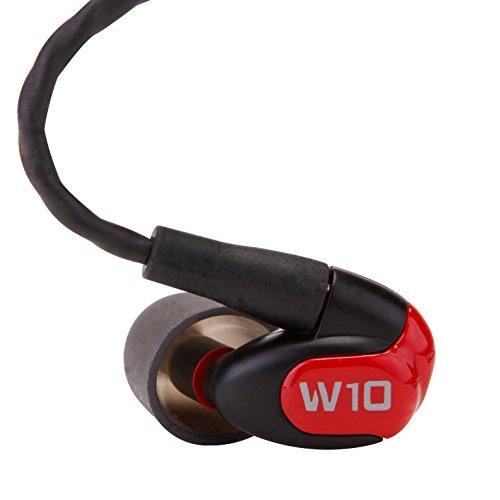
| Westone W10 | In-Ear Monitor | $199.99 | 4.0/5 | Acoustic and vocal clarity |
In-Depth Product Reviews


Buying Guide: Choosing the Right Monitoring Solution
In-Ear Monitors vs Over-Ear Headphones
The choice between IEMs and over-ear headphones depends on your specific needs:
In-Ear Monitors (IEMs) provide superior isolation (30-37 dB), prevent sound bleed into microphones, allow freedom of movement on stage, and offer hearing protection by reducing stage volume. However, they require proper fit for optimal performance, can feel invasive for some users, and may limit awareness of crowd/band communication.
Over-Ear Headphones offer easier fit and comfort, don’t require ear canal insertion, typically cost less, and make it easier to hear ambient sound. However, they’re bulkier for storage and transport, can cause ear fatigue during long sets, and may leak sound if not fully sealed.
Closed-Back vs Open-Back for Stage
For live performance, closed-back headphones are essential. They prevent sound leakage that can be picked up by microphones and provide the isolation needed to hear your monitor mix clearly. Open-back headphones sound more natural and spacious but leak sound badly—fine for studio mixing, unusable for live stage use. See our comparison of the Beyerdynamic DT 770 Pro (closed) vs DT 880 Pro (open) to understand the difference.
Impedance and Amplification
Headphone impedance matters: low impedance (32-64 ohms) works well with portable devices and headphone amps, while high impedance (80-250+ ohms) requires dedicated amplification. Most live monitoring setups provide adequate amplification, but check your equipment before purchasing. The Sony MDR-7506 (63 ohms) and Sennheiser HD 280 Pro (64 ohms) work with most systems.
Wired vs Wireless Systems
Wired monitoring offers reliability, lower cost, and no battery concerns—but limits movement and requires cable management. Wireless systems (Shure PSM 300, Sennheiser XSW) provide freedom of movement but cost $500-2000+ and can experience interference. Most working musicians start with wired IEMs and upgrade to wireless when budget allows and mobility becomes essential.
Custom Molded vs Universal Fit IEMs
Universal fit IEMs (all models reviewed here) work immediately out of the box, cost significantly less ($100-500 vs $1000-1500+), and include multiple tip sizes for reasonable fit. Custom molded IEMs (Ultimate Ears, Westone ES series) provide perfect isolation and comfort but require audiologist impressions and premium pricing. Most musicians start with universal fit IEMs and upgrade to custom when budget allows for serious touring.
Budget Considerations by Experience Level
Emerging artists/budget ($50-150): Audio-Technica ATH-M40x, Shure SE215 PRO, Sennheiser HD 280 Pro—professional features at accessible prices. Working professionals ($150-300): Audio-Technica ATH-M50X, Sony MDR7506, beyerdynamic DT 770 PRO, Shure SE425 PRO—professional quality for regular gigging. Touring musicians ($300-1500+): Custom molded IEMs with wireless systems—investment-level gear for serious careers.
Hearing Protection Considerations
Protecting your hearing is critical for long-term music careers. Stage volume often exceeds 100-110 dB SPL, which can cause permanent damage after just 15 minutes of unprotected exposure. IEMs provide hearing protection by isolating your ears from stage volume while allowing you to monitor at safe levels (80-85 dB SPL recommended).
However, IEMs aren’t a magic solution—monitoring at excessive volumes through IEMs can still cause damage. Follow safe practices: take breaks during long sets, start with low monitor mix volume and gradually increase, use ambient microphones to stay aware of your surroundings, and consult an audiologist annually for hearing checks. Many professional musicians now use IEMs specifically for hearing protection, not just monitoring clarity.
Frequently Asked Questions
What headphones do musicians use on stage?
Professional musicians typically use either in-ear monitors (IEMs) from brands like Shure, Westone, or Ultimate Ears, or closed-back over-ear headphones like the Sony MDR7506, Sennheiser HD 280 Pro, or Audio-Technica ATH-M50x. The choice depends on budget, mobility needs, and personal preference for in-ear vs over-ear designs.
Are in-ear monitors better than wedge monitors?
IEMs offer superior isolation, consistent sound regardless of position on stage, hearing protection benefits, and reduced stage volume. However, they cost more initially, can feel isolating from the audience/band, and require proper fit. Wedge monitors are simpler and cheaper but cause volume wars on stage and inconsistent monitoring. Most touring musicians have switched to IEMs for these reasons.
Do you need special headphones for live performance?
Yes—live performance requires closed-back headphones to prevent sound leakage into microphones. Open-back headphones will bleed sound and ruin live recordings. You also need adequate sound isolation to hear your monitor mix clearly, durability to withstand gigging, and comfort for extended wear. Consumer headphones typically lack these features.
Can you use studio headphones for live performance?
Yes—studio headphones like the Sony MDR-7506, Sennheiser HD 280 Pro, and Audio-Technica ATH-M40x/M50x are excellent for live performance. Many “studio” headphones are actually designed for both studio and stage applications. The key is choosing closed-back designs with good isolation.
What headphones provide the best isolation?
IEMs provide the best isolation (30-37 dB): Shure SE215 PRO, Shure SE425 PRO, Westone W10. Closed-back over-ear headphones provide good isolation (20-25 dB): Sennheiser HD 280 Pro, beyerdynamic DT 770 PRO, Audio-Technica ATH-M50x. Isolation matters because it prevents stage volume from overwhelming your monitor mix and stops your monitor from bleeding into microphones.
How much should I spend on stage headphones?
Budget-conscious musicians can get started with excellent options under $150: Sennheiser HD 280 Pro ($69.99), Audio-Technica ATH-M40x ($109), Shure SE215 PRO ($109). Working professionals typically spend $150-300: Sony MDR7506 ($109.99), Audio-Technica ATH-M50X ($159), beyerdynamic DT 770 PRO ($189.99), Shure SE425 PRO ($296). Touring professionals invest $500-1500+ in custom molded IEMs with wireless systems.
Conclusion: Which Headphones Are Right for You?
Choosing the best headphones for live performance depends on your specific needs, budget, and performance situation:
Emerging artists on a budget should start with the Sennheiser HD 280 Pro ($69.99) for over-ear monitoring or Shure SE215 PRO ($109) for IEMs—both deliver professional performance at accessible prices. Working professionals seeking reliable monitoring will love the Audio-Technica ATH-M50X ($159) for over-ear or Shure SE425 PRO ($296) for premium IEMs. Touring musicians should consider investing in custom molded IEMs with wireless systems for maximum reliability and mobility.
Drummers and percussionists need maximum isolation: Shure SE215 PRO or Shure SE425 PRO IEMs, or Sennheiser HD 280 Pro over-ear. Vocalists and frontmen benefit from IEMs for mobility: Shure SE425 PRO for premium clarity or Westone W10 for acoustic performances. Sound engineers should stick with industry standards: Sony MDR7506, Sennheiser HD 280 Pro, or beyerdynamic DT 770 PRO.
Remember that the right monitoring solution protects your hearing, improves your performance, and makes your job easier. Invest in quality gear that will last, and your ears will thank you for years to come.





Leave a Comment