
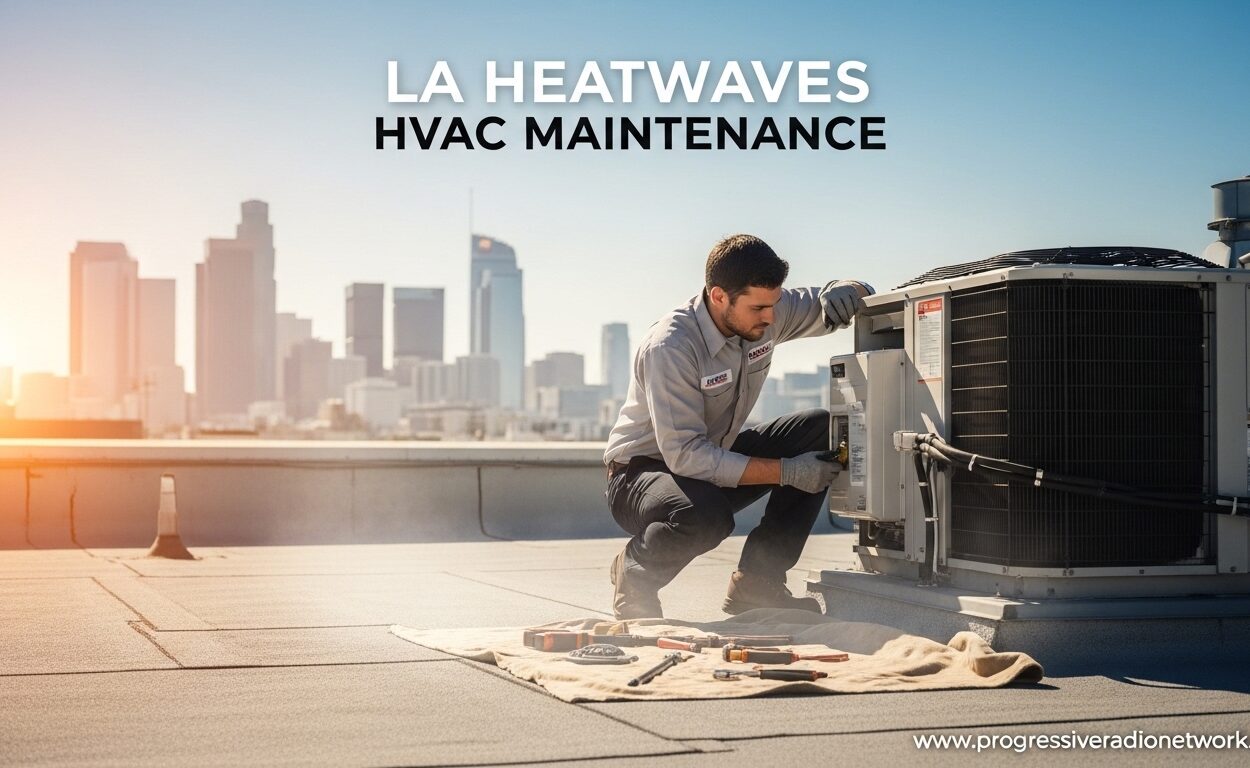
Los Angeles heatwaves push temperatures above 95 degrees Fahrenheit for days or weeks at a time. During these extreme events, your HVAC system works harder than it was designed to handle. Without proper preparation, you risk expensive breakdowns when you need cooling the most. This guide covers everything Los Angeles County homeowners need to know about keeping their air conditioning systems running efficiently during heatwave conditions.
Understanding How LA Heatwaves Strain Your HVAC System
When outdoor temperatures soar, your air conditioning system faces increased thermal load on every component. The compressor, which pumps refrigerant through the system, must work against higher pressure readings due to the hot outdoor air. This extended operation at peak capacity accelerates wear on mechanical parts.
The condenser coils in your outdoor unit struggle to release heat when the surrounding air is already hot. Refrigerant pressure builds up, forcing the system to work harder to achieve normal cooling. If refrigerant levels are low or coils are dirty, the system enters a stress cycle that leads to reduced efficiency and potential failure.
Our team has observed that during prolonged heat events, energy consumption spikes significantly. An unmaintained system can use 20-40% more electricity to achieve the same cooling results. This translates to substantially higher utility bills when you can least afford them.
Signs Your HVAC System is Struggling During Extreme Heat
Your air conditioning system sends warning signals when it cannot keep up with demand. Warm air blowing from vents indicates the cooling cycle is failing. Short cycling, where the system turns on and off rapidly, means the compressor is overheating and shutting down for protection.
Frozen evaporator coils appear when airflow is restricted or refrigerant levels are incorrect. Ice buildup on coils despite high outdoor temperatures is a clear sign of trouble. Unusual sounds like grinding, hissing, or banging suggest mechanical failure is imminent.
High humidity indoors despite running the AC indicates the system cannot remove moisture effectively. If certain rooms stay warm while others cool properly, you may have ductwork leaks or ventilation issues. Persistent bad odors from vents signal mold growth or electrical problems requiring immediate attention.
Pre-Heatwave HVAC Maintenance Checklist
Before temperatures climb, work through this maintenance checklist to ensure your system is ready. First, replace your air filter with a fresh one. Clogged filters restrict airflow, forcing the system to work harder and reducing cooling capacity by up to 15%.
Clear debris from around your outdoor condenser unit. Remove leaves, grass clippings, and vegetation within two feet of the unit. This clearance allows proper airflow around the coils. Trim back any plants encroaching on the unit’s space.
Check your thermostat batteries and verify proper operation. Calibrate the temperature setting to ensure accuracy. If you have a programmable thermostat, confirm cooling schedules are properly configured for maximum efficiency during peak heat hours.
Inspect your condensate drain line for blockages. A clogged drain causes water backup and potential water damage. Pour a cup of water through the drain line to verify it flows freely. Check that all supply and return vents are unobstructed by furniture or drapes.
The $5,000 Rule: Repair vs. Replace Decision
The $5,000 rule provides a practical framework for deciding between repairing or replacing your HVAC system. If a single repair estimate approaches $5,000 or exceeds it, replacement becomes the more economical choice in most cases.
This threshold accounts for the total cost of multiple repairs on an aging system. A system requiring $3,000 in repairs today may need another $2,500 next summer, totaling more than replacement. Newer systems also offer improved energy efficiency, reducing ongoing operating costs.
The rule applies particularly to units over ten years old. At this age, components are approaching the end of their service life. Frequent breakdowns and declining efficiency make replacement more attractive financially. Our team recommends requesting a cost analysis from a trusted HVAC contractor before committing to expensive repairs.
The 3-Minute Rule: Protecting Your Compressor
The 3-minute rule exists to protect your air conditioning system’s most expensive component: the compressor. When your AC cycles off, refrigerant pressure equalizes inside the system. Restarting before this process completes strains the compressor motor.
Most modern systems include a built-in delay circuit that enforces this waiting period. However, manually toggling the thermostat rapidly can bypass this protection. Always wait at least 3 minutes before turning the system back on after it shuts down.
This protection matters especially during heatwaves when the compressor runs continuously. Heat buildup in the mechanical components makes them vulnerable to damage from restart surges. Following this rule extends compressor lifespan and prevents costly emergency repairs.
DIY Maintenance Tips for Homeowners
Homeowners can handle several maintenance tasks without professional help. Filter replacement is the most important DIY task. Check filters monthly during summer and replace them every 1-3 months depending on filter type and usage.
Keep the outdoor unit free of surface debris. Gently rinse the condenser coils with a garden hose to remove accumulated dirt. Never use a pressure washer, as high pressure can damage the delicate fins.
Verify that all air registers inside your home are open and unblocked. Check that return air grilles are clean and accessible. Replace thermostat batteries twice yearly to ensure reliable operation.
Listen for unusual sounds when the system cycles on. Note any changes in cooling performance or humidity levels. Document these observations to share with HVAC technicians during service calls.
When to Call a Professional HVAC Technician
Certain HVAC tasks require licensed professionals due to safety concerns and technical complexity. Refrigerant handling requires EPA certification due to the chemical’s environmental and health hazards. Never attempt to add refrigerant or repair refrigerant lines yourself.
Electrical work, including capacitor replacement and wiring repairs, poses shock risks. Complex diagnostics involving pressure readings and electrical measurements need professional expertise. Component replacement such as compressors, motors, or control boards should be left to trained technicians.
We recommend scheduling professional maintenance visits annually, ideally in spring before summer heat arrives. During heatwaves, emergency service calls cost significantly more and technicians face longer wait times due to high demand. Preventive professional service costs a fraction of emergency repairs.
Optimal Thermostat Settings During LA Heatwaves
The Los Angeles Department of Water and Power recommends setting your thermostat to 78 degrees Fahrenheit during summer months. This temperature balances comfort with energy efficiency. Every degree cooler increases energy consumption by approximately 3-5%.
During peak heat hours, typically 2-6 PM, avoid lowering the thermostat significantly. This overwork triggers short cycling without achieving better cooling. Instead, pre-cool your home in the morning by running the system when rates are lower.
Use ceiling fans to supplement air conditioning. Fans create a wind chill effect that makes rooms feel 4-6 degrees cooler. Turn fans off when rooms are unoccupied to save energy.
Programmable and smart thermostats optimize cooling schedules automatically. Set higher temperatures when away and lower temperatures before returning home. Smart thermostats can learn your schedule and adjust proactively.
LA Cooling Centers and Heat Relief Resources
When home cooling fails or conditions become dangerous, Los Angeles County provides cooling centers for residents. These air-conditioned facilities offer safe refuge during excessive heat events. Call 211 LA County or visit the Ready LA website to locate the nearest cooling center.
The 211 hotline operates 24 hours daily, connecting residents with cooling centers, transportation assistance, and health resources. The Ready LA website provides real-time updates on activated cooling centers during heat emergencies.
During excessive heat warnings, Los Angeles County opens libraries, community centers, and senior centers as cooling stations. These resources prove essential for residents without reliable air conditioning, particularly elderly neighbors and families with young children.
Cost Comparison: Preventive vs. Emergency HVAC Service
Preventive HVAC maintenance costs between $75-200 per visit for basic service. This includes inspection, cleaning, and minor adjustments. Annual maintenance contracts range from $150-500 and cover regular visits plus discounts on repairs.
Emergency service during heatwaves typically costs 50-100% more than standard rates. After-hours calls commonly run $150-300 minimum. Compressor replacement alone costs $1,500-4,000, while full system replacement ranges from $7,500-15,000 depending on home size and efficiency requirements.
A single emergency repair often costs more than two years of preventive maintenance. The inconvenience factor matters too: waiting hours or days for emergency service during a heatwave creates health risks. Our team consistently sees that proactive maintenance pays for itself through avoided emergency costs.
Health Impacts on Vulnerable Populations
Extreme heat poses serious health risks for certain groups. Elderly residents, particularly those living alone or with limited mobility, face elevated risk of heat exhaustion and heat stroke. Check on elderly neighbors during prolonged heat events.
Children under four years old cannot regulate body temperature as effectively as adults. Never leave children in parked vehicles, even briefly. Pregnant women face increased heat sensitivity and dehydration risk. Families with infants should maintain extra hydration and cool clothing.
Individuals with chronic health conditions including heart disease, respiratory problems, and diabetes face elevated risks during heatwaves. Medication effectiveness can be affected by extreme temperatures. These residents should prioritize reliable cooling and monitor symptoms closely.
Recognize heat emergency warning signs: confusion, rapid heartbeat, nausea, and hot dry skin indicate heat stroke requiring immediate medical attention. When in doubt, seek air-conditioned spaces and hydration. Cooling centers exist precisely to prevent these dangerous situations.
Frequently Asked Questions
What time of year is best for HVAC service?
Spring is the ideal time for HVAC maintenance, typically April or May in Los Angeles. Scheduling service before summer heat arrives ensures your system is ready for peak demand. Fall maintenance in September or October also works well to address issues before winter heating season begins.
What is the $5,000 rule for HVAC?
The $5,000 rule states that if a single HVAC repair costs $5,000 or more, replacement is typically more economical than repair. This threshold considers that older systems often require multiple repairs, making replacement the better long-term financial decision.
What is the 3-minute rule for AC?
The 3-minute rule requires waiting at least three minutes between AC cycles to protect the compressor. Rapid cycling before refrigerant pressure equalizes strains the compressor motor and can cause premature failure. Most modern systems have built-in delay circuits to enforce this protection.
What should I set my AC at during heatwave?
Set your thermostat to 78 degrees Fahrenheit during heatwaves for optimal efficiency. Every degree lower increases energy consumption by 3-5%. Use ceiling fans to feel cooler without lowering temperatures. Pre-cool your home in early morning hours when rates are typically lower.
At what temperature should you keep your AC in your home in Los Angeles, CA?
The LADWP recommends 78 degrees Fahrenheit as the optimal setting for Los Angeles homes during summer. This temperature provides comfort while minimizing energy consumption. During excessive heat events, you may lower it for comfort, but be aware of increased energy costs.
Is it cheaper to run your AC all day or turn it off and on?
For most situations, it is more efficient to maintain a consistent temperature than to turn the system completely off and on. When you turn AC off, your home heats up and requires significant energy to cool again. However, raising the thermostat setting by 5-7 degrees when away for several hours can save energy.
Conclusion
Preparing your HVAC system for LA heatwaves requires proactive maintenance and awareness of system limits. The $5,000 rule and 3-minute rule provide practical guidelines for protecting your investment. Regular filter changes and outdoor unit clearance are tasks any homeowner can handle.
Professional service before summer heat arrives prevents most emergency breakdowns. When extreme heat strikes, knowing when to call for help matters as much as maintenance. Los Angeles residents can access cooling centers through 211 LA County when home cooling fails.
Take action now before temperatures climb. Schedule professional maintenance, complete your DIY checklist, and establish cooling contingencies for vulnerable family members. Your comfort, health, and wallet will thank you when the next heatwave hits Los Angeles.

Leave a Comment