
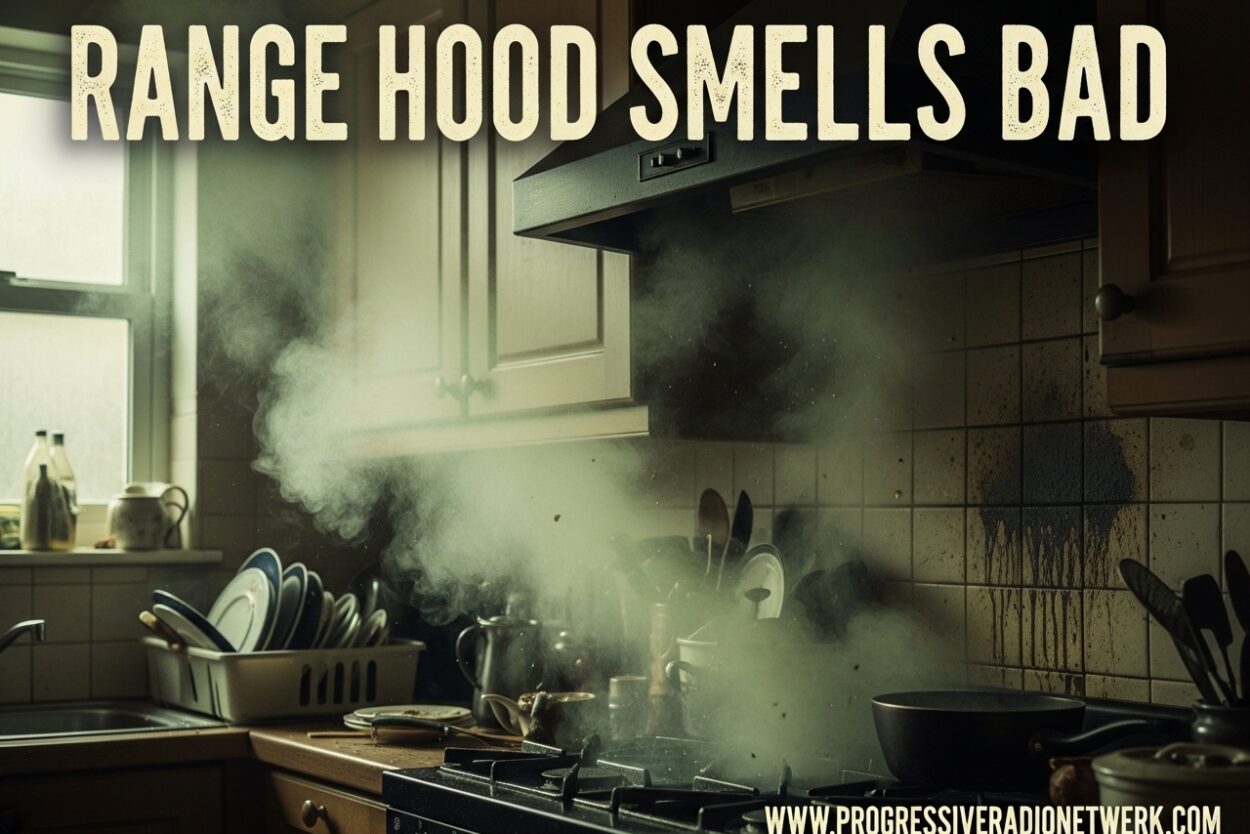
Nothing kills the appetite faster than turning on your range hood and getting hit with a wave of unpleasant odor. If your range hood smells bad, you’re not alone – this is one of the most common kitchen complaints homeowners face. The good news is that most range hood odors are fixable once you identify what’s causing them.
In this guide, I’ll walk you through the five main causes of range hood smells, how to diagnose what type of odor you’re dealing with, and step-by-step instructions to eliminate the smell for good. Whether you’re dealing with a greasy stench, musty mildew, or something else entirely, we’ll get your kitchen smelling fresh again.
Table of Contents
- Why Does My Range Hood Smell? 5 Common Causes
- What Your Smell Type Means: A Diagnostic Guide
- Ducted vs Ductless Range Hoods: Why Your Type Matters
- How to Clean Your Range Hood and Eliminate Odors: Step-by-Step Guide
- Best Cleaning Solutions: Vinegar vs Commercial Degreasers
- Quick Fixes for Immediate Odor Relief
- Maintenance Schedule: How Often to Clean Your Range Hood
- Frequently Asked Questions
- Conclusion
Why Does My Range Hood Smell? 5 Common Causes
Understanding why your range hood smells bad is the first step to fixing it. Based on my research across homeowner forums and professional cleaning resources, these five causes account for over 90% of stinky range hood issues.
1. Grease Buildup in Filters and Ductwork
This is the number one culprit. Every time you cook, tiny grease particles get trapped in your range hood’s filter system. Over time, this accumulated grease starts to break down and release a rancid odor – especially when the hood warms up during use. Metal mesh and baffle filters are particularly prone to this issue if not cleaned regularly.
2. Mold and Mildew Growth
Range hoods deal with a lot of moisture from steam and cooking. When that moisture gets trapped in filters, ductwork, or the hood interior, it creates the perfect breeding ground for mold and mildew. You’ll notice this as a musty, earthy smell that gets worse in humid weather or after heavy steam-producing cooking.
3. Saturated Charcoal Filters (Ductless Hoods)
If you have a ductless range hood, it uses charcoal filters to absorb odors before recirculating air back into your kitchen. These filters have a limited lifespan – typically 6-12 months depending on cooking frequency. Once saturated, they stop absorbing odors and can even start releasing trapped smells back into your kitchen.
4. Ductwork Accumulation
In ducted systems, the ductwork running from your hood to the exterior vent can accumulate years of grease, debris, and even pest activity. This is especially common in older homes or hoods with long, horizontal duct runs. The smell comes from back-drafting, where exterior air pushes odors back through the duct and into your kitchen.
5. Exterior Vent Issues
Sometimes the problem isn’t inside at all. Damaged exterior vent caps, stuck dampers, or debris blocking the outdoor vent can cause odors to accumulate and backflow into your home. Rain, snow, and pests can all create problems at the termination point.
What Your Smell Type Means: A Diagnostic Guide
Not all range hood smells are the same, and identifying the specific odor type can pinpoint the problem faster. Let me break down what different smells typically indicate.
Greasy, Rancid Odor
This smell hits you like a wall of stale restaurant grease. It’s most noticeable when the fan first turns on, and it may intensify when cooking with heat. This indicates grease buildup in your filters, hood interior, or ductwork. The more grease accumulated, the stronger and more rancid the smell becomes as old grease oxidizes.
Musty, Earthy Smell
A musty odor suggests mold or mildew growth. You might notice it gets worse on rainy days or in humid conditions. This smell typically means moisture is trapped somewhere in your ventilation system – either in saturated filters, condensation in ductwork, or even water intrusion from outside. I’ve seen this frequently in homes with roof vent penetrations during heavy rain.
Burning Plastic or Electrical Smell
This is a warning sign that needs immediate attention. A burning plastic smell can indicate overheating components, failing motor, or debris caught in the fan housing. Unlike other odors that develop gradually, this smell usually appears suddenly and should be addressed right away for safety reasons.
Metallic or Chemical Odor
Sometimes range hoods emit a metallic or chemical smell, especially when new or after cleaning. This is typically temporary and caused by manufacturing residues, cleaning chemicals, or protective coatings burning off. If it persists beyond a few uses, investigate whether cleaning chemicals are trapped in the filter media.
Sewage or Rotten Egg Smell
If you’re smelling sewage or rotten eggs, this may not be your range hood at all – it could be a sewer gas issue, especially if your ductwork penetrates near plumbing vents. However, it can also indicate a dead animal in your ductwork (sadly common with older homes). This requires professional inspection.
Ducted vs Ductless Range Hoods: Why Your Type Matters
When diagnosing range hood smells, it helps to understand which type you have – ducted or ductless. The source of your odor problem often depends on this fundamental difference.
Ducted Range Hoods
These vent air outside through ductwork. Ducted hoods are generally less prone to persistent odors because they expel air rather than recirculating it. However, they can develop smells from grease accumulation in long duct runs, especially if there are multiple bends or horizontal sections. Back-drafting is also common when weather conditions change – strong winds can actually push odors back through your duct and into the kitchen.
Ductless Range Hoods
Also called recirculating hoods, these pull air through filters and return it to the kitchen. Ductless hoods are much more prone to odor issues because they rely entirely on charcoal filters to trap smells. Once those filters saturate, there’s nowhere for odors to go. Many homeowners don’t realize charcoal filters need replacement every 6-12 months – not cleaning, but actual replacement. Washing them doesn’t restore their odor-absorbing capacity.
How to Clean Your Range Hood and Eliminate Odors: Step-by-Step Guide
Now that we’ve identified the likely cause, let’s get your range hood smelling fresh again. Follow these steps based on your specific situation.
Step 1: Assess Your Filter Type
Start by removing your range hood filters. Most hoods have either aluminum mesh filters or stainless steel baffle filters. Hold them up to light – if you can’t see through the mesh, they’re definitely contributing to odor problems. For ductless hoods, also check if there’s a secondary charcoal filter (usually a thin, black pad).
Step 2: Pre-Treat Heavy Grease Buildup
For heavily greased filters, don’t skip this step. Place filters in a large tub or sink and sprinkle with baking soda or a commercial degreaser. Let them sit for 15-30 minutes to break down the grease. I’ve found this makes a huge difference in how much grime comes off during actual cleaning.
Step 3: Wash Metal Filters
Metal mesh and baffle filters can be washed with hot water and degreasing dish soap. Use a scrub brush to work into all the crevices. For stubborn grease, a mixture of hot water and vinegar (1:1 ratio) works well. Rinse thoroughly and let dry completely before reinstalling – wet filters can trap new debris immediately.
Step 4: Replace Charcoal Filters
If you have charcoal filters, check their condition. If they’re more than a year old, visibly saturated with grease, or you can’t remember when they were last replaced, install new ones. There’s no effective way to clean charcoal filters – once saturated, they need replacement. This alone often solves ductless hood odor problems.
Step 5: Clean the Hood Interior
Remove the filter housing and clean inside the hood with degreaser. Pay special attention to the fan blades and motor housing (if accessible) – grease accumulates here and causes odors when the fan heats up. Use a microfiber cloth to reach into crevices, and don’t forget to wipe down the underside of the hood where steam condenses.
Step 6: Check Ductwork Access Points
If you have access to your ductwork (through an attic, basement, or cabinet), inspect it for grease buildup. Professional duct cleaning may be needed for long runs or older installations with years of accumulation. For minor issues, a vacuum with a hose attachment can reach some duct sections through the filter opening.
Step 7: Inspect Exterior Vent
Go outside and check your exterior vent cap. Look for obstructions like bird nests, debris buildup, or damage. The damper should move freely and close completely when the fan is off. If it’s stuck open, outside air and odors can enter your ductwork.
Step 8: Test Your Work
Once everything is clean and reassembled, run the hood on high for 10-15 minutes. Any residual cleaning smells should dissipate quickly. If you still detect odors, the problem may be deeper in the ductwork requiring professional cleaning.
Best Cleaning Solutions: Vinegar vs Commercial Degreasers
When tackling range hood odors, choosing the right cleaning solution makes a difference. Here’s what works best based on the type of odor and grease you’re dealing with.
White Vinegar Solution
Mix equal parts hot water and white vinegar for an effective, natural degreaser. Vinegar cuts through light to moderate grease and helps eliminate odors naturally. It’s especially good for regular maintenance cleaning. The vinegar smell dissipates as it dries, taking odors with it.
Commercial Degreasers
For heavy grease buildup, commercial degreasers like Krud Kutter or specialized kitchen degreasers work faster than vinegar. They’re formulated to break down tough, baked-on grease. Forum users consistently recommend heavy-duty degreasers for stubborn cases, especially in ductwork and older installations.
Baking Soda Paste
Mix baking soda with a small amount of water to create a paste for stubborn spots. It’s gentle enough for all surfaces but provides mild abrasive action. This works well for spot cleaning greasy areas without harsh chemicals.
Dish Soap and Hot Water
For regular cleaning, degreasing dish soap in very hot water is surprisingly effective. The key is letting filters soak before scrubbing. This is the most economical option for monthly maintenance cleaning.
Quick Fixes for Immediate Odor Relief
Sometimes you need immediate relief while planning a deeper clean. These temporary solutions can help reduce noticeable odors in the meantime.
Run your range hood for 10-15 minutes before and after cooking to clear lingering odors. This pre-ventilation creates negative pressure that pulls fresh air through the system before you start generating new odors.
Open windows while cooking to reduce the load on your range hood. Cross-ventilation helps carry odors away naturally and prevents them from settling into fabrics and surfaces throughout your home.
Place bowls of vinegar or baking soda near the cooking area to absorb airborne odors. This old trick really does help, especially for strong smells like fish or spices.
Clean your stovetop immediately after cooking – especially after splatter-prone activities like frying. Residual cooking grease continues to release odors long after the meal is done.
Check that your damper is working properly. If it’s stuck closed, moisture accumulates in your ductwork creating musty smells. If stuck open, outside odors enter your home.
Maintenance Schedule: How Often to Clean Your Range Hood
Preventing range hood smells is much easier than eliminating them after they develop. Follow this maintenance schedule based on your cooking habits.
Heavy Cooking (Daily Frying, High-Heat Cooking)
Clean metal filters monthly. Replace charcoal filters every 6 months. Wipe down hood interior weekly. This aggressive schedule prevents grease from ever building up to problem levels.
Moderate Cooking (Several Times Per Week)
Clean metal filters every 2-3 months. Replace charcoal filters annually. Wipe down hood interior monthly. This frequency works for most households and prevents most odor issues.
Light Cooking (Occasional Use)
Clean metal filters every 6 months. Replace charcoal filters every 12-18 months. Wipe down hood interior quarterly. Even light use requires some maintenance to prevent occasional cooking smells from accumulating.
Annual Professional Inspection
Consider having your ductwork professionally inspected annually, especially if you have long duct runs or notice persistent odors despite regular filter cleaning. Professionals have equipment to reach deep into ductwork that homeowners can’t access.
Frequently Asked Questions
Why does my range hood smell like burning plastic?
Burning plastic smells indicate overheating components, failing motor, or debris caught in the fan. This is a potentially serious issue that should be addressed immediately. Turn off the unit and inspect for visible obstructions. If the smell persists, consult a professional as it may indicate motor failure or electrical issues that pose fire risks.
What happens if you don’t clean your range hood?
Unclean range hoods accumulate grease that becomes a significant fire hazard. The NFPA reports that cooking equipment is involved in nearly half of all home fires, and grease buildup is a major contributor. Beyond fire risk, dirty hoods lose efficiency, increase energy costs, reduce air quality, and eventually stop removing odors entirely. Persistent moisture buildup can also create mold problems affecting your home’s air quality.
Can you wash charcoal filters?
No, charcoal filters cannot be effectively washed. They contain activated carbon that traps odors through absorption. Washing them doesn’t restore this capacity – it simply removes surface debris while the carbon remains saturated. Charcoal filters must be replaced every 6-12 months depending on usage. Attempting to wash them may damage the filter housing and reduce effectiveness even further.
Why does my range hood smell bad after cleaning?
If odors persist after cleaning, the problem is likely in the ductwork beyond your reach. Grease accumulates over years in horizontal duct runs and around bends where filters can’t capture it. Back-drafting from exterior weather changes can also push these accumulated odors into your home. Other possibilities include leftover cleaning chemical residues, moisture that hasn’t fully dried, or charcoal filters that need replacement in ductless systems.
How do I get grease odor out of my range hood duct?
For minor duct odor issues, try running the fan on high for 30 minutes with windows open to flush the system. A mixture of vinegar and water placed in the duct (if accessible) can help absorb odors over several hours. For stubborn cases, professional duct cleaning is the most effective solution – they have specialized equipment to reach deep into ductwork. As a last resort, some homeowners use ozone generators temporarily, but these require vacating the home during treatment and should be used cautiously.
Conclusion
Range hood smells bad when grease, mold, or saturated filters accumulate over time. The good news is that most odor problems are solvable with regular cleaning and maintenance. Start by identifying what type of smell you have – greasy, musty, or burning – then work through the appropriate cleaning steps.
Remember that range hoods don’t remove 100% of cooking odors even when functioning perfectly. Some residual smell is normal, especially with strong-smelling ingredients. But persistent, unpleasant odors indicate a problem that needs attention.
For most homeowners, establishing a regular cleaning schedule based on cooking frequency prevents odor problems before they start. Clean metal filters monthly for heavy cooking, replace charcoal filters annually, and don’t forget to inspect your exterior vent periodically.
If you’ve tried everything and still notice persistent range hood smells, consider consulting a professional – especially if you suspect ductwork issues or have an older installation with years of accumulated grease. Sometimes professional duct cleaning makes all the difference.



Leave a Comment