
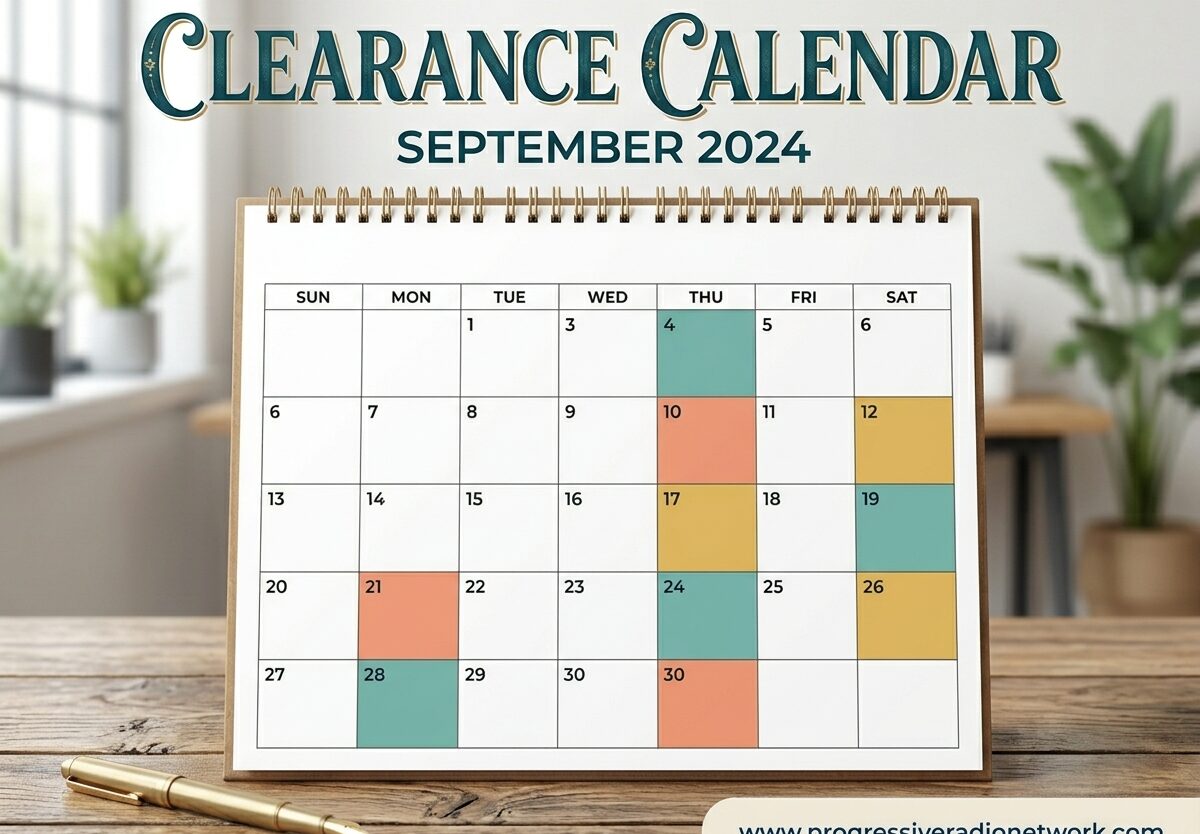
A Clearance Calendar is your strategic roadmap to saving money by tracking when retailers mark down items for clearance. Instead of stumbling upon deals by luck, you’ll know exactly which departments get discounted on specific days, helping you plan shopping trips to catch items at their lowest prices. This guide breaks down the markdown schedules for major retailers like Target, Costco, Walmart, and more, so you can save 50-90% on everything from holiday decor to everyday essentials.
What Is a Clearance Calendar
A Clearance Calendar is essentially a schedule that shows when retailers systematically reduce prices on unsold merchandise. Most major chains follow predictable markdown patterns, marking down specific departments on set days of the week. Understanding these patterns transforms clearance shopping from random luck into a strategic money-saving system.
Retailers use clearance calendars to manage inventory efficiently. When seasonal items, overstocked products, or discontinued merchandise don’t sell at full price, stores need to move them out quickly. They do this through progressive discounting, starting with modest markdowns and reaching deep discounts of 70-90% off if items remain unsold.
The difference between clearance, markdown, and final sale matters for smart shoppers. A markdown is any price reduction from the original retail price. Clearance specifically refers to the final stage of markdowns when stores are committed to selling items regardless of profit. Final sale typically means the item won’t be restocked and returns may not be accepted, though policies vary by retailer.
Retailers follow predictable schedules because consistency helps both staff and shoppers. Store employees know exactly which departments to mark down each morning, creating an efficient workflow. Once you crack the code, you’ll know that Monday mornings mean electronics markdowns at Target, while Wednesday brings new discounts at Costco seasonal displays.
How Clearance Calendars Work
Clearance markdowns follow a predictable progression system that rewards patient shoppers. When items first hit clearance, they typically start at 30% off original retail price. If they don’t sell within a set timeframe, usually 1-2 weeks, they drop to 50% off. The cycle continues to 70% off, and finally reaches the deepest discounts at 90% off for items that have lingered the longest.
The timeline between markdown levels varies by retailer and department. Target typically marks down items every two weeks until they reach 70% off, with some items eventually hitting 90% off. Costco operates differently, with more aggressive initial markdowns but less predictable timing. Understanding these patterns helps you decide whether to buy now or wait for deeper discounts.
Department-specific scheduling means different categories get marked down on different days. This prevents store chaos and spreads deal-hunting traffic throughout the week. At Target, you’ll find new electronics clearance on Mondays, toys on Thursdays, and home goods on Tuesdays. Knowing this schedule means you can plan trips around your priority categories.
Identifying final markdowns takes practice but follows consistent patterns. Look for multiple price stickers layered on top of each other, showing the progression from original price through various discount levels. Some stores use color-coded tags—Target’s yellow clearance stickers and red “price cut” tags indicate different stages. When you see items that have been through multiple markdown cycles and show significant wear from being handled, you’re likely at or near final pricing.
The key decision every clearance shopper faces: buy now or wait for deeper discounts? This depends on item popularity, inventory levels, and how much you want it. Hot items like popular toys or trending electronics often sell out at initial clearance prices, while generic or seasonal items typically linger long enough to reach deepest discounts.
Target Clearance Schedule
Target operates one of the most predictable and well-documented markdown systems among major retailers. Their clearance team marks down different departments on specific weekdays, creating a reliable schedule that dedicated shoppers follow religiously. Target typically marks down items every two weeks, progressing through 30%, 50%, 70%, and occasionally reaching 90% off for items that remain unsold.
Monday mornings bring markdowns on electronics, accessories, kids’ clothing, books, baby items, and sporting goods. If you’re looking for deals on headphones, kids’ apparel, or baby gear, Monday is your Target shopping day. Electronics clearance moves fast at Target, so popular tech items often sell out before reaching deeper discounts.
Tuesday focuses on women’s clothing, domestics, pets, and toys. This is a major clearance day at Target, with multiple departments getting fresh markdowns. Women’s apparel sees significant turnover, making Tuesday mornings prime time for fashion deals. Pet supplies and toys also see substantial markdowns, though popular toy lines may sell quickly.
Wednesday is all about men’s clothing, automotive, lawn and garden, and hardware. Wednesday markdowns include Target’s substantial automotive section and seasonal lawn and garden items. Men’s clothing clearance moves slower than women’s, giving patient shoppers better odds of finding items at 70% off.
Thursday marks down cosmetics, furniture, dinnerware, and housewares. If you’ve been eyeing furniture or home goods, Thursday is your day. These bulkier items have more storage space and tend to linger longer, increasing your chances of catching them at deepest discounts.
Friday brings markdowns on shoes, jewelry, luggage, and accessories. Friday clearance includes Target’s shoe department and seasonal accessories. Holiday-specific items like Halloween costumes or Christmas decorations get their biggest markdowns on Fridays following those holidays.
Saturday and Sunday typically don’t have new markdowns, but they’re when you’ll find the most picked-over selection from the week’s markdowns. However, weekends also mean more shoppers competing for the best deals, particularly Saturday mornings when amateur deal hunters are out in force.
Costco Clearance Calendar
Costco approaches clearance differently than most retailers, focusing on seasonal merchandise rotation rather than weekly markdown schedules. Their system operates on a 365-day calendar where seasonal items arrive and depart according to predictable patterns. Costco doesn’t follow the same progressive discount model as Target, often starting clearance prices at significant markdowns rather than gradual reductions.
January brings post-holiday clearance on Christmas decor, gift sets, and winter holiday merchandise. Simultaneously, Costco starts receiving tax season supplies and early spring items. The transition between outgoing holiday inventory and incoming seasonal products creates overlap opportunities for savvy shoppers.
February features Valentine’s Day candy and gift markdowns immediately after February 14th, alongside winter clothing clearance. Costco also begins receiving spring gardening equipment and outdoor furniture during late February, creating clearance opportunities on remaining winter items.
March through May sees the spring seasonal transition with patio furniture, gardening supplies, and outdoor equipment replacing winter goods. Each incoming seasonal category means clearance on the departing season’s merchandise. Spring cleaning supplies and organizational products also appear during this period.
June through August focuses on summer seasonal items with outdoor recreation equipment, pool supplies, and summer apparel. Back-to-school items begin appearing in July, creating markdown opportunities on remaining summer goods. August brings substantial summer clearance as fall merchandise arrives.
September through November features fall and Halloween merchandise in September, with immediate post-Halloween clearance. October brings Thanksgiving and holiday preparation items. November sees Christmas decorations and holiday entertaining supplies arrive, with the holiday buildup accelerating through the month.
December is prime time at Costco, with holiday food, gifts, and decorations at peak selection. Post-Christmas clearance starts December 26th, with holiday items marked down 50% or more. This continues into early January as Costco clears remaining holiday inventory for tax season merchandise.
Unlike Target’s predictable weekly schedule, Costco clearance timing varies by location and depends on inventory velocity. The best strategy is visiting frequently and watching for incoming seasonal displays—their arrival signals outgoing season clearance.
Walmart Clearance Patterns
Walmart’s clearance system operates differently from Target and Costco, with less predictable timing but potentially deeper discounts. Walmart markdowns typically occur Monday through Tuesday, though the exact timing varies by store and how quickly staff activate price changes in their system. Some locations mark down items Sunday night, while others complete the process Tuesday morning.
The biggest advantage of Walmart clearance is the potential for 90% off discounts. While Target typically caps clearance at 70% for most items, Walmart will mark down clearance to pennies on the dollar. I’ve personally found brand-name kitchen appliances for under $5 and seasonal decorations at 95% off the original price. These extreme discounts make Walmart clearance worth the extra effort to locate.
Walmart clearance items appear throughout stores rather than in dedicated clearance sections. Look for red and white “clearance” stickers on price tags, often paired with a percentage off. Seasonal merchandise gets consolidated in garden centers or seasonal aisles after holidays, with prices dropping rapidly as space is needed for incoming merchandise.
The Walmart app is your secret weapon for finding hidden clearance. Use the store’s price scanner feature to check prices of items that look like they might be on clearance but lack obvious signage. Many Walmart shoppers report finding unmarked clearance simply by scanning items that appear to have been sitting for extended periods.
Online clearance at Walmart.com operates independently from in-store markdowns and often features different items at different prices. Some deals are online-only, while others appear in stores. Price matching policies don’t typically apply to clearance prices, so you’ll need to decide between online convenience and potential in-store deals.
Walmart clearance timing varies significantly by location and department. Electronics and toys move faster than housewares or seasonal items. The key is checking frequently and being ready to buy when you find deep discounts, as Walmart’s most aggressive clearance sells quickly despite the lack of official markdown schedules.
Other Major Retailer Schedules
TJ Maxx operates on an every-other-week markdown schedule that rewards patient shoppers. New markdowns typically appear every other Tuesday, though timing varies by location. TJ Maxx starts with modest discounts and progressively marks down items that don’t sell. The best deals are found on items that have lingered through multiple markdown cycles, particularly in home goods and seasonal merchandise.
Kohl’s clearance combines their markdown schedule with Kohl’s Cash opportunities for maximum savings. Kohl’s marks down clearance items progressively, with the deepest discounts appearing after 6-8 weeks. The strategic play is waiting for items to reach 70-80% off, then using earned Kohl’s Cash on top of clearance prices for effective savings of 90% or more. Watch for additional percent-off coupons that Kohl’s frequently offers, which sometimes apply to clearance.
Macy’s “Last Act” section represents their final clearance stage, with items marked to their lowest prices. These items typically cannot be returned, so inspect carefully before purchasing. Macy’s also runs seasonal clearance events with predictable timing—post-holiday sales in January, swimsuit clearance in August, and coat markdowns in February. Combining Last Act prices with Macy’s cardholder discounts creates substantial savings opportunities.
JCPenney follows a similar pattern to Kohl’s, with progressive clearance marked by yellow tags. Their clearance system operates on a roughly 6-week cycle, with items marked down every two weeks until sold. JCPenney frequently offers additional percentage-off coupons that apply to clearance, making it worth checking their app or website before shopping.
Gap and Old Navy markdowns occur approximately 4 weeks after items arrive in stores. Gap Inc. stores typically mark down items every Tuesday, with clearance progressing through additional reductions every 2-3 weeks. Old Navy operates similarly but often includes baby and kids’ items in their clearance cycles more aggressively than adult clothing.
Hobby Lobby operates on a unique 6-week rotation cycle for seasonal merchandise. Their seasonal items arrive about 6 weeks before the holiday, get marked down 50% immediately after the holiday passes, then drop to 66% off and eventually 80% off as the next holiday approaches. This predictable cycle means you can plan purchases around deep discounts if you’re willing to wait.
Seasonal Clearance Patterns
January kicks off the clearance calendar with post-holiday markdowns on Christmas decor, gift sets, and seasonal merchandise. Retailers clear holiday inventory at 50-75% off starting December 26th, with discounts reaching 90% off by mid-January. Winter clothing, fitness equipment, and organization products also see January clearance as retailers pivot to new year inventory.
February features Valentine’s Day clearance starting February 15th, with candy, gifts, and seasonal decor marked down 50-75%. Winter apparel clearance accelerates in February as stores make room for spring arrivals. This is prime time for coats, boots, and cold-weather gear at deepest discounts of the season.
March brings spring transition clearance on remaining winter items and early spring merchandise. Garden equipment, outdoor furniture, and spring cleaning supplies start appearing, triggering markdowns on winter goods. St. Patrick’s Day merchandise gets cleared immediately after the holiday.
April features Easter clearance immediately following the holiday, with candy, decor, and seasonal apparel marked down 50-75%. Spring clothing from early seasonal releases starts seeing clearance as summer lines arrive. Home decor and furniture often see spring clearance events in April.
May brings Mother’s Day gift clearance and spring apparel markdowns as summer clothing arrives. Outdoor equipment and recreational gear may see clearance as retailers prepare for peak summer inventory. Memorial Day sales often overlap with spring clearance, creating additional discount opportunities.
June features Father’s Day clearance after the holiday, along with early summer merchandise markdowns. Spring clothing clearance accelerates as swimsuits and summer apparel take floor space. Outdoor furniture and gardening equipment may see mid-season clearance as retailers assess inventory needs.
July brings Fourth of July clearance and substantial summer merchandise markdowns. Back-to-school items start appearing in July, triggering clearance on remaining summer goods. This timing varies by region, with southern states seeing earlier fall inventory arrivals than northern areas.
August is prime back-to-school clearance month, with school supplies, dorm essentials, and youth clothing marked down after the school rush begins. Summer apparel, outdoor toys, and seasonal recreational equipment see deep discounts as retailers make room for fall inventory.
September features late summer clearance and early fall merchandise markdowns. Grills, outdoor furniture, and pool equipment get cleared as winter approaches. Halloween merchandise starts appearing, with some retailers clearing fall decor immediately after Halloween hits.
October brings Halloween clearance starting November 1st, with costumes, decor, and candy marked down 50-90% depending on the retailer. Fall clothing and outdoor equipment see clearance as winter inventory arrives. This is also when retailers start clearing space for holiday merchandise.
November features pre-holiday clearance on fall merchandise and some retailers clearing Halloween inventory that lingered. Thanksgiving triggers immediate turkey day decor clearance, though most retailers focus on building holiday inventory rather than clearance during November.
December is unique, with pre-Christmas clearance on some items retailers want to move before the holiday, followed by massive post-Christmas clearance starting December 26th. Holiday decor, gift sets, seasonal food, and Christmas-specific items get marked down 50% immediately after Christmas, with discounts reaching 75-90% off by early January.
Tips and Strategies for Maximum Savings
The buy-versus-wait decision separates successful clearance shoppers from frustrated ones. As a general rule, buy immediately if you see a hot item at initial clearance—popular toys, trending electronics, and seasonal items in high demand typically sell out before reaching deeper discounts. Wait for deeper markdowns on generic items, seasonal products after their holiday has passed, and anything with substantial remaining inventory.
Building relationships with store staff pays dividends. Friendly employees often share insider information about upcoming markdowns, direct you to hidden clearance sections, and sometimes hold items for regular customers. I’ve learned more about clearance schedules from casual conversations with stock team members than from any official source.
Store apps are essential tools for modern clearance hunting. Target’s app allows you to scan items to check prices and inventory at other locations. Walmart’s scanner reveals hidden clearance prices that aren’t marked on shelves. Many retailer apps also notify you of additional clearance events and flash sales that aren’t advertised in-store.
Finding hidden clearance requires knowing where to look. Check end caps, bottom shelves, and areas behind departments—retailers often stash clearance in inconvenient locations. Look for items facing backward on shelves or clustered in unrelated departments. Seasonal clearance gets consolidated in garden centers, seasonal aisles, or near front entrances depending on the retailer and time of year.
Coupon stacking opportunities maximize clearance savings. Some retailers allow you to use additional percentage-off coupons on top of already-reduced clearance prices. Kohl’s, JCPenney, and Macy’s frequently offer coupons that apply to clearance, creating effective savings of 90% or more when combined with already-reduced prices. Always check retailer apps and coupon websites before clearance shopping trips.
Timing your shopping trips matters. Early morning is ideal for newly-marked clearance items, as markdowns typically happen overnight or early morning before stores get busy. However, late shopping trips during the week can yield abandoned items from customers who changed their minds, particularly in furniture and large-item departments where customers leave items at registers.
FAQs
What day does Target mark down toys?
Target marks down toys every Thursday morning as part of their weekly clearance schedule. Toy clearance starts at 30% off and progressively drops to 50%, then 70% off approximately every two weeks. Popular toys often sell quickly at initial markdown prices, while less popular items may reach 70% off or occasionally 90% off during seasonal reset periods.
Does clearance mean the item is not coming back?
Not necessarily. Clearance typically indicates the store wants to move inventory quickly, but this can happen for various reasons. Seasonal items won’t return until next year, discontinued products won’t come back, and packaging changes mean current stock gets cleared. However, some clearance items are simply overstock that will return in different packaging or after inventory resets.
What are the best times to find clearance deals?
The best clearance times are immediately after holidays for seasonal merchandise, end-of-season for clothing and outdoor items, and January for post-holiday general clearance. Weekly, early Monday through Wednesday mornings provide the best selection of newly-marked items. For deepest discounts, shop 2-3 weeks after initial clearance when items reach 70-90% off.
How often does Target lower clearance prices?
Target typically lowers clearance prices every two weeks for most departments, progressing from 30% to 50% to 70% off. Some items eventually reach 90% off, particularly seasonal merchandise and clothing. The markdown schedule is consistent across most Target locations, though specific timing may vary by a day or two depending on staff scheduling.
What day of the week does Target markdown clearance?
Target marks down different departments on different days: Monday for electronics, kids’ clothing, books, and sporting goods; Tuesday for women’s clothing, domestics, pets, and toys; Wednesday for men’s clothing, automotive, and lawn and garden; Thursday for cosmetics, furniture, and housewares; Friday for shoes, jewelry, and luggage. Weekends typically don’t have new markdowns.
How often does TJ Maxx markdown clearance?
TJ Maxx marks down clearance items approximately every other week, with new discounts typically appearing on Tuesdays. The schedule isn’t as predictable as Target’s, varying by location and department. Items that don’t sell get progressively marked down over 6-8 weeks. Home goods and seasonal items typically see the deepest discounts.
Conclusion
Mastering the Clearance Calendar transforms shopping from a budget drain into a strategic money-saving activity. By understanding when retailers mark down specific departments, you can plan shopping trips around markdown schedules and consistently save 50-90% on everything from household essentials to holiday gifts. The key is starting with one retailer’s schedule and expanding your knowledge as you become comfortable with the system.
Begin with Target if you have one nearby—their predictable weekday schedule makes it the easiest to learn. Once you’ve mastered Target’s markdown system, add Walmart’s more chaotic but potentially deeper discounts. Costco’s seasonal patterns provide additional opportunities, particularly for holiday and seasonal merchandise at substantial savings.
The most successful clearance shoppers combine knowledge of markdown schedules with patience and strategic timing. Not every clearance deal is worth buying immediately, but hot items at initial markdown prices often sell before reaching deeper discounts. Learning which items to buy now versus wait for later pricing comes with experience and understanding inventory patterns.
Start using the Clearance Calendar 2026 approach by picking one store, learning their markdown schedule, and planning your shopping trips accordingly. Track your savings to see the impact of strategic clearance shopping. Within a few months, you’ll wonder how you ever paid full price for anything again.





Leave a Comment