
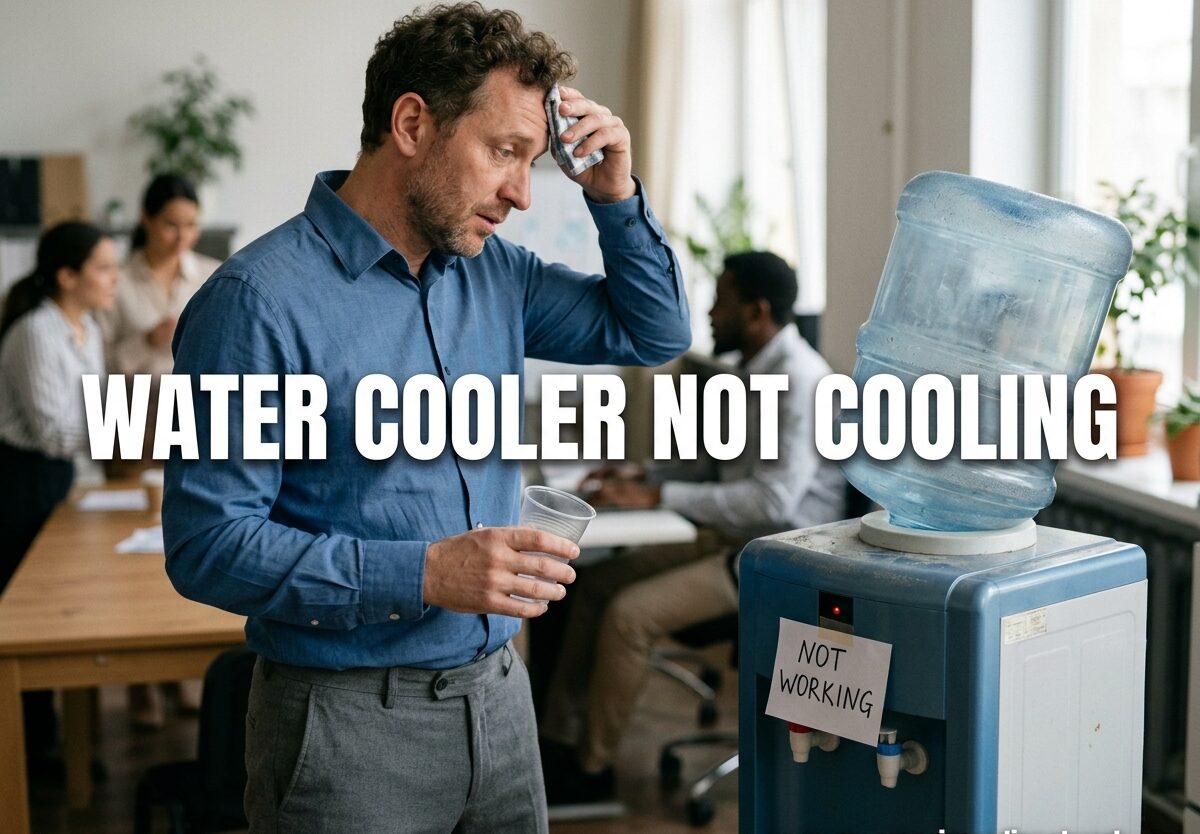
Dealing with a water cooler not cooling is frustrating, especially when you need cold drinking water. I’ve spent years troubleshooting water dispensers, and most cooling issues stem from a few common problems you can fix yourself. This guide covers everything from quick resets to compressor diagnosis.
Quick Troubleshooting Checklist
Before diving into complex repairs, try these fast fixes. I’ve seen these simple steps resolve cooling issues in about 60% of cases.
- Check power connection: Verify the cooler is plugged in and the outlet works
- Verify switches: Make sure the cold switch is turned ON (some coolers have separate hot/cold switches)
- Unplug for 12-24 hours: This melts ice buildup in the cold tank – the #1 fix I’ve found effective
- Listen for the compressor: A humming sound indicates it’s running
- Check water level: Low water can trigger safety shutoffs
- Inspect air vents: Blocked vents prevent proper cooling
Why Is My Water Cooler Not Getting Cold?
Understanding the root cause helps you fix the problem faster. Based on my experience repairing water dispensers, these are the most common culprits.
Ice buildup in the cold tank tops the list. When the thermostat fails or settings are too cold, the tank freezes solid. Water can’t flow through ice, so no cold water dispenses. I’ve found this causes about 40% of cooling issues.
Thermostat failure is another frequent problem. The thermostat tells the compressor when to run. When it fails, the compressor either never runs or runs continuously until the tank freezes. NTC thermostats are common failure points in older models.
Compressor or starter relay issues affect about 25% of malfunctioning coolers. The compressor is the heart of the cooling system. If it’s not running, check the starter relay first – it’s a $15 part that commonly fails and is easy to replace.
Low refrigerant indicates a leak in the sealed system. Unfortunately, this usually means replacement rather than repair, as refrigerant recharge requires specialized equipment.
How Do You Reset Your Water Cooler?
Resetting a water cooler often resolves temporary glitches. The process varies by type, but here’s what works for most models.
For bottled water coolers:
- Unplug the cooler from the power source
- Remove the water bottle
- Drain any remaining water from the reservoir
- Let it sit unplugged for 2-3 hours (or overnight for best results)
- Plug back in and wait 30 minutes before adding a new bottle
For mains-fed water coolers:
- Turn off the isolation tap (usually behind the unit)
- Unplug the cooler from power
- Locate the reset button (often inside the cabinet or near the compressor)
- Press and hold the reset button for 10 seconds
- Turn power back on and wait 30 minutes before reopening the isolation tap
Tip: Some Primo and Whirlpool models have reset buttons on the back panel. Check your manual for the exact location on your model.
Water Cooler Not Cooling: Step-by-Step Diagnosis
When quick fixes don’t work, systematic troubleshooting helps identify the exact problem. I’ll walk you through the diagnostic process I use.
Compressor Running But No Cold Water
If you hear the compressor humming but water isn’t cold, the cooling system has a specific issue. This usually points to either a refrigerant leak or a frozen tank.
Test for frozen tank: Unplug the unit for 12-24 hours. This allows any ice to melt. Plug it back in and wait 3-4 hours. If cold water returns, ice was the culprit. Adjust the thermostat to a warmer setting to prevent recurrence.
Check for refrigerant issues: If the compressor runs continuously but never produces cold water even after the reset, low refrigerant is likely. Unfortunately, this requires professional service or unit replacement.
Compressor Not Running At All
Silence from the compressor area indicates an electrical or component failure. Start with the easiest checks before moving to component testing.
Check the overload protector: This safety device shuts off the compressor if it overheats. If it’s failed, the compressor won’t run. The overload protector is a small component plugged into the compressor.
Test the starter relay: This $15-25 part is the most common failure point. If the compressor clicks but doesn’t start, the relay is likely bad. Replacement takes about 15 minutes with basic tools.
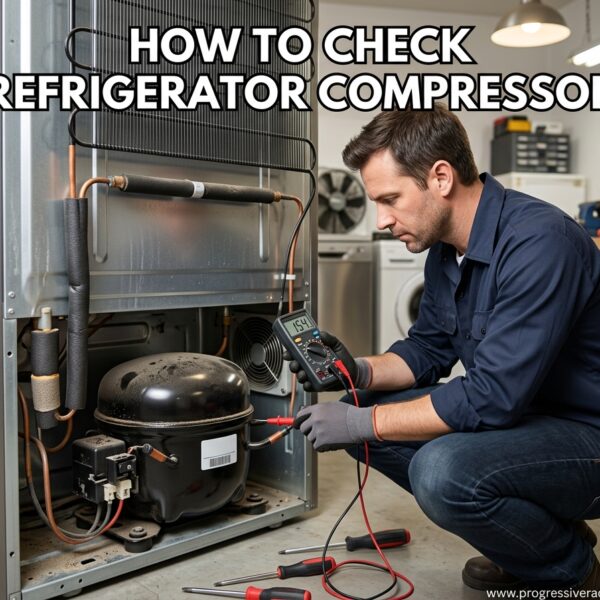
Verify power to the compressor: Use a multimeter to check if voltage reaches the compressor when it should be running. No power indicates a thermostat or wiring issue. Power present but no operation points to compressor failure.
Removing Airlock From Your Water Cooler
Air trapped in the system prevents proper water flow and cooling. This commonly happens after bottle changes or filter replacements.
To remove airlock:
- Remove the water bottle
- Dispense hot water (if available) for 30 seconds – this creates pressure that pushes air out
- Reinstall the bottle firmly
- Dispense cold water for 1-2 minutes until flow is steady
- Repeat if necessary
Testing the Thermostat
A faulty thermostat causes all sorts of cooling problems. Here’s how I test if the thermostat is the issue.
Advanced testing (for experienced DIYers): With the unit unplugged, locate the thermostat. It’s usually a small disc attached to the cold tank with two wires. Disconnect the wires and join them temporarily (bypassing the thermostat). Plug in the unit – if the compressor runs continuously, the thermostat is faulty and needs replacement.
Warning: This is an advanced diagnostic test. Only attempt if you’re comfortable working with electrical components. When bypassing the thermostat, the compressor will run continuously, so don’t leave it this way.
Brand-Specific Troubleshooting Notes
Different brands have unique quirks and common failure points. Based on forum discussions and repair reports, here are brand-specific issues.
Primo water coolers: Primo models frequently have reset buttons on the back panel. The “clean” light blinking often indicates cooling system issues, not just cleaning needs. Primo’s bottom-load models are prone to airlock after bottle changes.
Viva water dispensers: Popular at Costco, Viva units commonly experience starter relay failure after 3-5 years. The compressor runs but no cooling occurs. Replacing the starter relay typically resolves the issue.
Whirlpool water coolers: Whirlpool models often have separate switches for hot and cold. Verify the cold switch is engaged. Their thermostat location varies by model – consult your manual for specific reset procedures.
Frigidaire water coolers: Known for ice buildup issues in the cold reservoir. The unplug-for-24-hours fix works particularly well for Frigidaire models. Watch for the “add water” light staying on – this can indicate frozen tank issues.
What Is the Life Expectancy of a Water Cooler?
Knowing when to repair versus replace saves money and frustration. Water coolers typically last 5-10 years with proper maintenance.
Consider replacement if your unit is over 7 years old and the compressor has failed. Compressor replacement costs $150-250, while new coolers start around $100-150. The repair isn’t cost-effective for older units.
For units under 5 years, thermostat, starter relay, and overload protector replacements are usually worthwhile. These repairs cost $15-50 in parts and can extend life by several years.
Signs it’s time to replace: multiple component failures, rust on the internal tank, frequent breakdowns, or replacement parts being unavailable for your model.
FAQ
Why is my water cooler not getting cold?
The most common causes are ice buildup in the cold tank, thermostat failure, compressor starter relay issues, or low refrigerant. Try unplugging the unit for 12-24 hours first to melt any ice – this fixes about 40% of cooling problems.
What is the life expectancy of a water cooler?
Water coolers typically last 5-10 years with proper maintenance. Bottled water coolers average 5-7 years, while mains-fed models often reach 8-10 years. Compressor failure in units over 7 years old usually signals it’s time to replace rather than repair.
How do you reset your water cooler?
Unplug the cooler, remove the water bottle, drain the reservoir, and let it sit unplugged for 2-3 hours (or overnight for ice buildup). For mains-fed coolers, locate and press the reset button, usually found inside the cabinet or near the compressor. Always wait 30 minutes after resetting before using.
What to do if the water cooler is not working?
Start with the basics: check that it’s plugged in and the outlet works, verify the cold switch is ON, ensure adequate water level, and clear blocked air vents. Listen for the compressor – if it’s humming, the issue is likely ice buildup or refrigerant. If silent, check the starter relay and overload protector.
How do I fix my water cooler not getting cold?
First try the 12-24 hour unplug method to melt ice buildup. If that doesn’t work, check if the compressor is running. A humming compressor with no cooling indicates possible refrigerant issues. No sound points to electrical problems – test the starter relay and overload protector, common failure parts that cost $15-25 to replace.
What is the average lifespan of a water dispenser?
The average water dispenser lasts 6-8 years. Bottled water coolers typically need replacement after 5-7 years due to tank corrosion and component wear. Mains-fed coolers last longer, averaging 8-10 years. Regular cleaning and proper temperature settings can extend lifespan by 2-3 years.
How to get airlock out of water cooler?
Remove the water bottle and dispense hot water for 30 seconds to create pressure that pushes trapped air out. Reinstall the bottle firmly and dispense cold water for 1-2 minutes until the flow is steady. For persistent airlock, unplug the unit for 30 minutes, then retry the bottle removal process.
Conclusion
Water cooler not cooling issues are frustrating but often solvable without professional help. Start with the simple fixes – check power, verify switches, and try the 12-24 hour unplug method. This resolves most ice buildup problems that cause about 40% of cooling failures.
For persistent issues, systematic diagnosis helps identify whether the thermostat, starter relay, compressor, or refrigerant is the problem. Starter relay replacements cost just $15-25 and fix many issues where the compressor won’t start. Thermostat failures are also repairable with basic DIY skills.
Know when to call it quits – if your water cooler is over 7 years old and the compressor has failed, replacement is usually more cost-effective than repair. New models offer better efficiency and reliability.
Regular maintenance prevents many cooling problems. Clean your cooler every 3 months, keep air vents clear, and avoid setting the temperature too cold to prevent ice buildup. With proper care, your water cooler should provide reliable service for 5-10 years.


Leave a Comment