
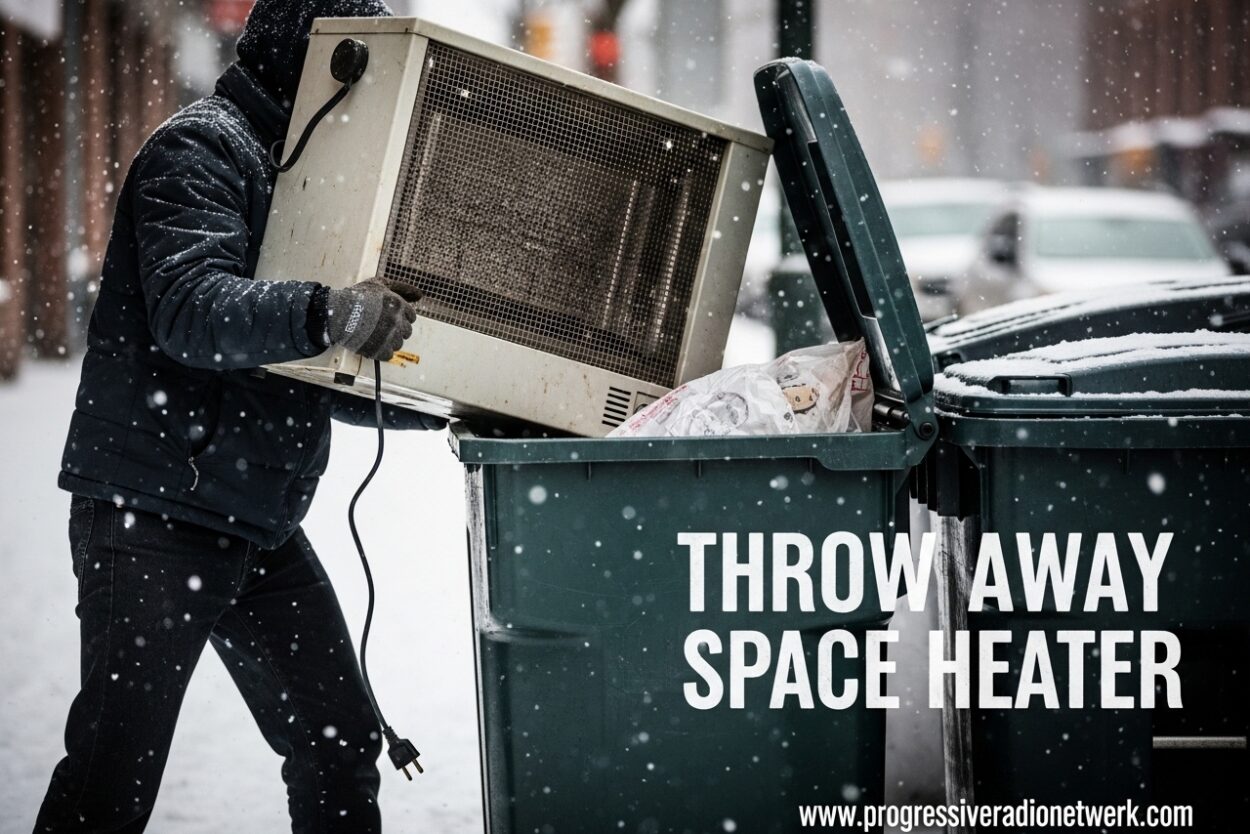
You’re ready to throw away a space heater that’s seen better days, but you can’t just toss it in the trash. Space heaters contain hazardous materials that harm the environment and may violate local laws. I’ve researched disposal methods across every heater type and compiled the most up-to-date options for getting rid of your old unit safely and legally.
The problem with throwing away space heaters starts with what’s inside them. Even a basic electric heater contains copper wiring, heating elements, and electronic components that leach toxic chemicals into soil and groundwater when sent to landfills. Oil-filled models hold gallons of mineral oil that contaminate water supplies. Older units may even contain asbestos insulation around heating elements.
Why You Cannot Throw Away a Space Heater
Space heaters fall under electronic waste regulations in most municipalities. The electrical components make them e-waste, while the oil in radiators classifies them as household hazardous waste in many areas. When compacted in garbage trucks, heaters can crush and leak oil, create fire hazards from damaged wiring, or release toxic dust from insulation materials.
Local ordinances explicitly prohibit space heaters in regular trash pickup. According to environmental agencies, small appliances like heaters contain materials that should never enter landfills: mercury in switches, lead in solder, chlorofluorocarbons in older units, and heavy metals throughout the internal components.
The fire risk alone makes them unsuitable for trash collection. Heating elements can stay hot enough to ignite trash, especially if the unit was recently used. Damaged cords can create sparks when compacted, and oil becomes a fuel source if the tank ruptures during collection.
Types of Space Heaters and Disposal Differences
Electric Space Heaters
Standard electric space heaters without oil are the simplest to dispose of properly. These units contain metal casings, heating elements, fans, and electrical wiring but no fluids. Most recycling centers accept them as scrap metal or e-waste. The metal shell can be recycled, copper wire has scrap value, and motors can be processed for parts recovery.
Oil-Filled Radiator Heaters
Oil-filled heaters require special handling. The mineral oil inside serves as the heat transfer medium and must be drained before disposal. Many hazardous waste facilities accept the drained oil if stored in a sealed container, while the empty metal housing goes to scrap recycling. Never puncture an oil-filled heater—the oil can create an environmental mess and the metal components may have sharp edges.
Gas and Propane Heaters
Gas heaters introduce additional disposal concerns. Propane tanks must be completely emptied and the valve removed for recycling. Natural gas units may have residual fuel lines that need professional disconnection. These heaters often contain more complex electrical components and may require specialized e-waste processing rather than simple scrap metal recycling.
How to Throw Away a Space Heater Safely
Follow this step-by-step process to dispose of your space heater properly:
Step 1: Determine if the heater works
Test the unit by plugging it in (for electric models) or checking the fuel connection (for gas). If it still heats properly, consider donation instead of disposal. Working heaters can help families in need through local charities, thrift stores, or community organizations.
Step 2: Identify your heater type
Check whether your unit is electric, oil-filled, or gas-powered. Look for oil reservoirs, fuel tanks, or propane connections. This determines which disposal options are available to you. Oil-filled units will need draining, while gas models require fuel line disconnection.
Step 3: Check local regulations
Contact your city’s waste management department or visit their website. Many municipalities have specific guidelines for appliance disposal. Some offer free drop-off locations, while others schedule special collection days for bulk items and electronics. Your local rules may restrict certain disposal methods.
Step 4: Choose your disposal method
Based on your heater type and local options, select the appropriate disposal channel: hazardous waste facility, e-waste recycler, scrap metal yard, retailer take-back program, or scheduled bulk pickup. Each method has different requirements and potential costs.
Step 5: Prepare the heater for transport
For oil-filled units, drain the oil into a sealable container using a pump or siphon. Clean any exterior surfaces. Tape electrical cords to the unit to prevent tripping. Wrap sharp edges if the housing is damaged. Place the heater in your vehicle securely so it won’t shift during transport.
Step 6: Transport to the disposal location
Take the heater to your chosen facility during operating hours. Some locations require appointments or have specific drop-off procedures. Bring identification if required, and ask for a receipt or confirmation of proper disposal for your records.
Disposal Options Compared
Household Hazardous Waste Facilities
Hazardous waste facilities accept oil-filled heaters after oil removal, and some accept the drained oil as well. These facilities specialize in safe handling of dangerous materials. Most cities offer free drop-off for residents, though some require appointments. The main drawback is limited operating hours—you may need to wait for a scheduled collection day.
E-Waste Recycling Centers
Electronic waste recyclers process space heaters for material recovery. They extract valuable metals like copper and aluminum while safely handling toxic components. Many cities have permanent e-waste drop-off locations at libraries, community centers, or transfer stations. Some recyclers charge small fees for appliances, but many accept heaters for free.
Scrap Metal Yards
Scrap metal yards purchase space heaters for their metal content, paying a small amount based on weight. Electric heaters without oil are ideal for scrapping—the copper wiring and steel casings have recycling value. Call ahead to confirm they accept appliances, and remove any plastic parts if possible. Oil-filled units are only accepted after complete oil draining.
Retailer Take-Back Programs
Major retailers like Home Depot, Lowe’s, Best Buy, and Staples offer appliance recycling programs. Policies vary by location—some accept space heaters for free, while others charge fees or restrict certain types. Call ahead to confirm your local store accepts heaters. These programs are convenient if you’re already shopping for a replacement unit.
Bulk Trash Pickup
Some municipalities include space heaters in scheduled bulk pickup collections. Check your city’s sanitation website for the bulk item schedule. This is the most convenient option, but not all cities allow heaters in bulk pickup due to environmental regulations. Those that do may require the unit to be placed curbside on specific dates.
Donating Working Space Heaters
If your space heater still functions properly, donation extends its life and helps someone in need. Local Goodwill, Salvation Army, and thrift stores often accept working heaters. Call ahead to confirm they’re currently accepting appliance donations.
Community organizations like homeless shelters, senior centers, and churches frequently need heating assistance. Post on local Facebook groups or Freecycle—people upgrading their heating systems may appreciate a free working unit. Clean the heater thoroughly and include any manuals or accessories when donating.
Common Mistakes to Avoid
The biggest mistake people make is assuming small electric heaters can go in regular trash. Even compact units contain electronic components prohibited from landfills. Another common error is not draining oil-filled radiators—facilities will reject leaking units, leaving you stuck with a messy heater.
Don’t assume all retailers accept heaters without calling first. Store policies vary widely, and some locations have stopped accepting certain electronics. Also, avoid storing old heaters indefinitely in garages or basements—oil can leak over time, and dust accumulation creates fire hazards if the unit is accidentally plugged in.
Never attempt to dismantle a heater to extract copper yourself unless you have proper training and tools. Capacitors can hold dangerous electrical charges even when unplugged, and sharp metal edges pose injury risks. Professional recyclers have the equipment to safely dismantle units.
FAQ
How to get rid of an old space heater?
To get rid of an old space heater, first determine if it works. If functional, donate it to charity or give it away. If broken, identify the type (electric, oil-filled, or gas) and check local disposal regulations. Take it to a household hazardous waste facility, e-waste recycling center, scrap metal yard, or retailer take-back program. Never place it in regular trash pickup.
How to dispose of an old electric heater?
Old electric heaters can be disposed of through e-waste recycling centers, scrap metal yards, or retailer take-back programs. Many cities accept them at household hazardous waste facilities as well. Remove any personal information if the heater has smart features, clean the unit, and transport it to the drop-off location during operating hours. Some municipalities include electric heaters in bulk pickup schedules.
What items should never be thrown away?
Never throw away electronics like computers, TVs, and space heaters. Hazardous materials including batteries, paint, chemicals, and fluorescent bulbs require special disposal. Appliances containing refrigerant, motor oil, or other fluids are prohibited from trash. Medical waste, smoke detectors, and pressurized containers also need proper handling through designated facilities rather than regular garbage collection.
Can I scrap a space heater?
Yes, most scrap metal yards accept space heaters for recycling. Electric heaters contain copper wiring and steel that have scrap value. Oil-filled radiators are accepted after the oil is completely drained. Call ahead to confirm the yard accepts appliances and ask about current pricing. Some yards pay by weight while others offer flat rates for small appliances.
Does Home Depot accept old space heaters?
Home Depot’s appliance recycling program varies by location. Some stores accept space heaters for free recycling when you purchase a replacement, while others charge small fees or restrict certain types. Call your local Home Depot directly to confirm their current policy before bringing in your old heater. Best Buy, Lowe’s, and Staples also offer similar programs with varying acceptance policies.
Can you throw away a space heater in the trash?
No, you cannot legally throw away a space heater in regular trash. Space heaters are classified as electronic waste or household hazardous waste depending on type and local regulations. Placing them in trash violates environmental laws in most municipalities. The electrical components, oil in radiator models, and potentially hazardous materials inside require proper disposal through designated recycling facilities or collection programs.
Conclusion
Learning how to throw away a space heater properly protects the environment and keeps you compliant with local regulations. Whether your unit is electric, oil-filled, or gas-powered, there’s a safe disposal method available in your area. Choose between hazardous waste facilities, e-waste recyclers, scrap yards, retailer programs, or scheduled bulk pickup based on your heater type and local options. If the unit still works, consider donating it instead—someone in your community may need the warmth it provides.

Leave a Comment