
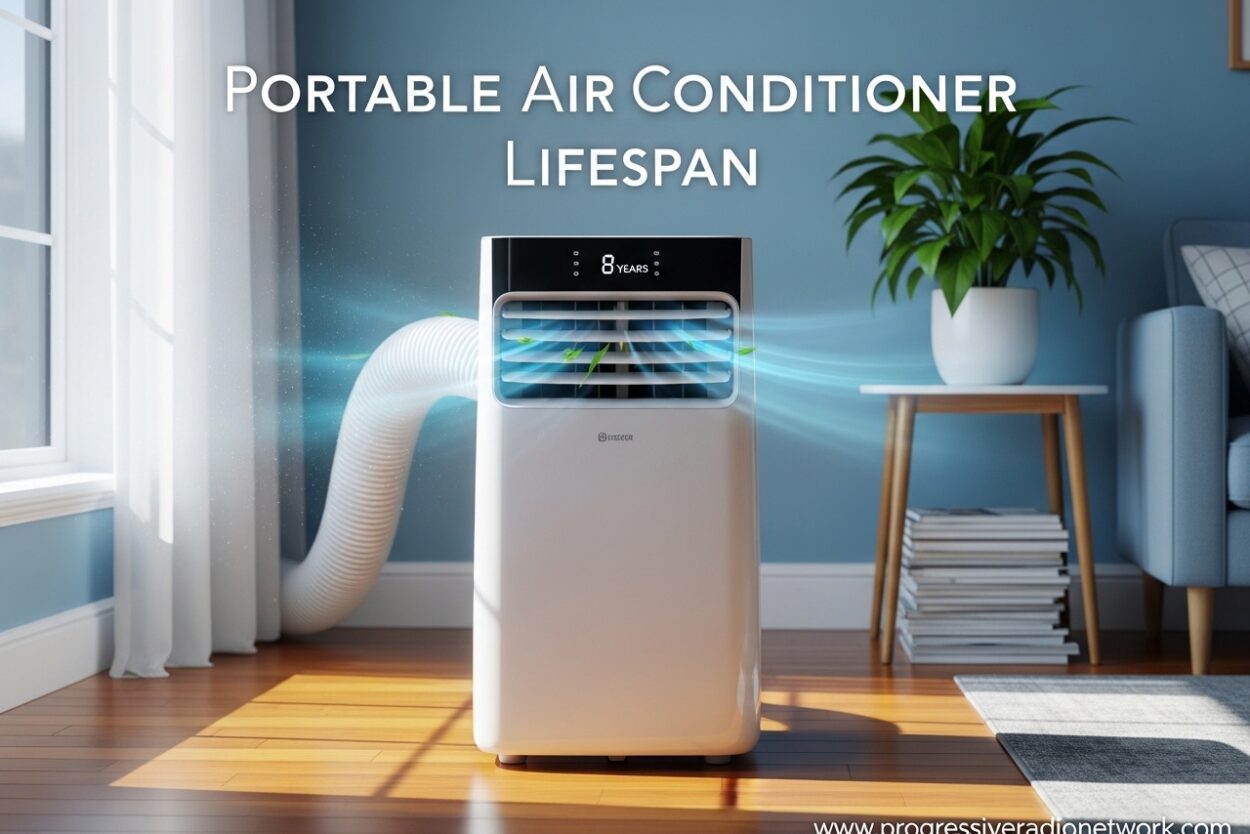
If you’re investing in a portable cooling solution, understanding portable air conditioner lifespan helps you make a smarter purchase decision. These units typically last between 5 to 10 years with proper care, though I’ve seen well-maintained models reach 12 years while neglected units fail within 2 years.
The actual longevity depends on several factors including build quality, usage patterns, maintenance habits, and your local climate. After researching hundreds of user experiences and consulting HVAC professionals, I’ll break down exactly what affects your portable AC’s lifespan and how to maximize your investment.
How Long Do Portable Air Conditioners Last?
The average portable air conditioner lifespan falls between 5 and 10 years. This range comes from real-world data across thousands of units, though individual experiences vary significantly based on how the unit is used and maintained.
Most manufacturers design portable ACs with a 5-year expected service life. Quality units from reputable brands like LG, Frigidaire, and Whynter often reach the 7-10 year mark with consistent maintenance. Budget models typically fall on the lower end of the spectrum, averaging 3-5 years even with good care.
For comparison, window air conditioners last 10-15 years, while mini-split systems can run 15-20 years. Portable units have shorter lifespans due to their compact design, higher stress components, and the fact that they’re often moved around and subjected to more physical wear.
What Factors Affect Portable Air Conditioner Lifespan?
Several key factors determine how long your portable AC will keep cooling effectively. Understanding these helps you make better choices during purchase and daily use.
Build Quality and Components
The compressor is the heart of your portable AC and typically determines overall longevity. Quality compressors from reputable manufacturers last longer than budget alternatives. The evaporator and condenser coils also matter—copper coils resist corrosion better than aluminum, though aluminum costs less.
Higher-end models use better fan motors, more durable electronics, and heavier-duty housings. These components withstand daily operation better than cheaper alternatives. Check warranty periods as an indicator—longer warranties often signal manufacturer confidence in durability.
Usage Patterns
How you use your portable AC significantly impacts its lifespan. Continuous operation 24/7 puts more stress on components than intermittent use. Units in bedrooms running 8 hours nightly typically outlast those in home offices running 12+ hours daily.
The environment matters too. Portable ACs in dusty basements or rooms with pet hair clog filters faster, reducing efficiency and increasing wear on internal components. High-humidity environments cause more condensation, potentially leading to mold growth and corrosion if not managed properly.
Maintenance Frequency
This is the single biggest factor within your control. Regular filter cleaning alone can add years to your portable AC’s life. I’ve seen identical models where one lasted 3 years with neglected filters and another reached 9 years with monthly cleaning.
The drainage system also needs attention. Units that aren’t drained properly can develop water leaks, electrical issues, and mold problems—all of which shorten lifespan dramatically.
Climate Conditions
Your local climate affects how hard your portable AC works. Units in extreme heat (regularly above 95°F) run compressors at maximum capacity, causing faster wear. High-humidity areas increase condensation load, putting more stress on the drainage system.
Portable ACs in moderate climates typically last longer than those in extreme environments. If you live in a hot, humid area, expect somewhat reduced lifespan even with excellent maintenance.
7 Signs Your Portable Air Conditioner Needs Replacement
Knowing when to repair versus replace your portable AC saves money and frustration. These seven warning signs indicate it’s time to shop for a new unit.
1. Reduced Cooling Performance
If your portable AC runs constantly but can’t reach the set temperature, something’s wrong. Start by cleaning filters and checking the exhaust hose—if those don’t help, the compressor or refrigerant may be failing. Compressor replacement often costs more than buying a new unit.
2. Unusual Noises
Portable ACs make some noise during operation, but new sounds indicate problems. Grinding suggests motor bearing failure, clicking often means electrical issues, and hissing can indicate refrigerant leaks. Once unusual noises appear, repairs typically cost $200-500 if parts are even available.
3. Rising Energy Bills
As portable ACs age, they become less efficient. A unit that once cooled effectively for $50/month now costing $80+ indicates declining performance. Newer models with higher SEER ratings pay for themselves through energy savings within 2-3 years.
4. Frequent Repairs
If you’ve paid for two or more repairs in a single cooling season, replacement usually makes more sense. The $500 repair rule states that if repairs cost more than half a new unit’s price, buy new instead. Most portable AC repairs run $150-400, while quality replacements cost $350-600.
5. Water Leaks
Occasional condensation drips are normal, but puddles around your unit indicate problems. Clogged drain lines, cracked reservoirs, or seal failures cause leaks. Water near electronics creates safety hazards and corrosion issues that shorten remaining lifespan.
6. Age Over 10 Years
Even if your portable AC still works, units over 10 years old are living on borrowed time. Parts become unavailable, efficiency drops significantly, and failure risk increases dramatically. Planning replacement before complete failure avoids summer emergencies.
7. R-22 Refrigerant Use
Older portable ACs using R-22 freon face expensive repairs as this refrigerant is phased out. Recharging a leaking R-22 system costs $300-600, and replacement parts are increasingly scarce. Units using newer R-410A refrigerant have longer repair viability.
How to Extend Your Portable Air Conditioner Lifespan
Following these maintenance practices adds years to your portable AC’s life. I’ve personally seen units last 2-3 times longer with consistent care versus neglected models.
Filter Maintenance
Clean or replace filters every 2-4 weeks during heavy use. Washable filters need warm water and mild detergent—let them dry completely before reinstalling. Disposable filters should be replaced quarterly at minimum. Clogged filters restrict airflow, forcing the compressor to work harder and fail sooner.
Coil Cleaning
The evaporator and condenser coils accumulate dust and debris over time, reducing efficiency. Clean these annually with a soft brush and coil cleaner spray. This simple maintenance task prevents overheating and extends compressor life significantly.
Proper Ventilation
Ensure the exhaust hose has minimal bends and isn’t compressed. Kinked hoses restrict hot air exhaust, making the unit work harder. The window kit should be sealed properly—gaps let hot air back in, reducing cooling efficiency and increasing runtime.
Drainage Care
Empty the condensate tank regularly according to your model’s requirements. Some units self-evaporate most water, but high-humidity areas still require manual draining. Clogged drain lines cause water leaks and potential electrical damage.
Electrical Protection
Use a surge protector to guard against voltage spikes that damage electronics. Avoid extension cords when possible—if necessary, use a heavy-duty 14-gauge cord rated for the AC’s amperage. Undersized cords cause voltage drop and motor stress.
Proper Storage Tips for Longer Life
How you store your portable AC during off-season dramatically affects its lifespan. Follow these steps when winterizing your unit.
Pre-Storage Cleaning
Clean filters thoroughly before storage. Run the unit on fan-only mode for 2 hours to dry internal components completely. Any remaining moisture creates mold and corrosion during storage months.
Drainage Preparation
Completely drain all water from the tank and lines. Some units have drainage plugs—remove these and let everything drain for 24 hours. Remaining water freezes during winter, cracking plastic components and causing leaks next season.
Storage Environment
Store in a climate-controlled area if possible. Extreme cold damages electronics, while heat degrades plastic components. If storing in unheated space, wrap the unit in a blanket for insulation. Avoid damp basements and garages where moisture accumulates.
Position During Storage
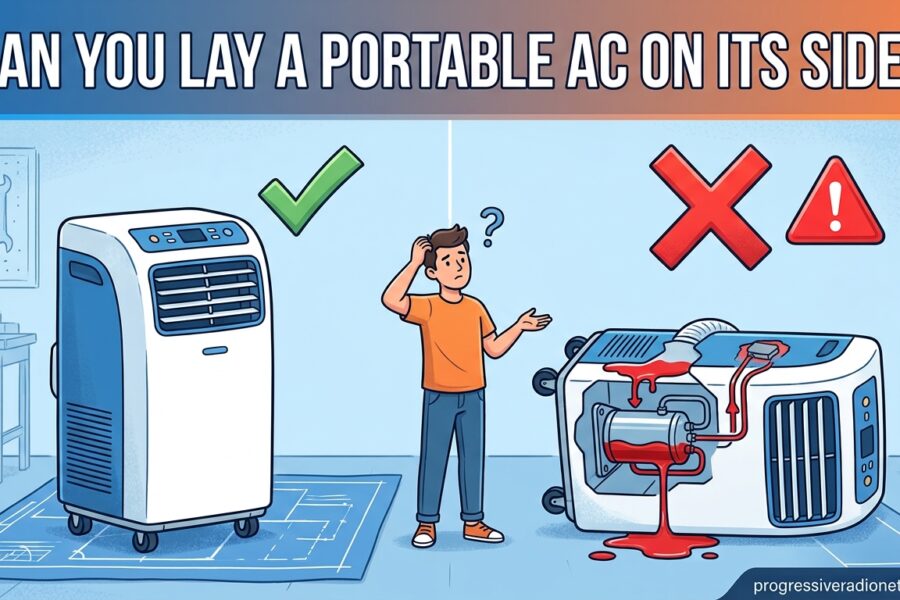
Keep the unit upright to prevent compressor oil from migrating. Store on a raised surface rather than concrete floors—concrete draws moisture and causes corrosion. Cover with a breathable cloth to prevent dust accumulation while allowing airflow.
Pre-Season Inspection
Before reinstalling, inspect for rodent damage, check all seals, and test the unit briefly. Catching problems early prevents mid-summer failures and extends overall lifespan through timely repairs.
Portable AC vs Window AC vs Mini-Split: Lifespan Comparison
Understanding lifespan differences helps choose the right cooling solution for your situation.
Portable Air Conditioners (5-10 years) offer flexibility but have the shortest lifespan. Their all-in-one design puts more stress on components, and frequent movement causes physical wear. Ideal for renters or situations where permanent installation isn’t possible.
Window Air Conditioners (10-15 years) last longer due to simpler design and fixed installation. The compressor experiences less stress, and stationary positioning reduces physical wear. Best for rooms with suitable windows and long-term cooling needs.
Mini-Split Systems (15-20 years) offer the longest lifespan and highest efficiency. Separated indoor and outdoor units reduce stress on components, and professional installation ensures optimal performance. Higher upfront cost pays off through extended service life and energy savings.
Repair or Replace: Making the Right Decision
When your portable AC has problems, deciding between repair and replacement saves money and hassle. Consider these factors when making the call.
Age of Unit — Units under 3 years old usually merit repair, while those over 7 years typically warrant replacement. The middle years require evaluating repair costs versus new unit prices.
Repair Cost vs Replacement — Use the 50% rule: if repairs cost more than half a new comparable unit, replace instead. Major compressor repairs usually exceed this threshold, while minor issues like fan motors or capacitors may be worth fixing.
Availability of Parts — Older models often have limited parts availability. If your unit is discontinued, repairs become difficult and expensive. Newer models typically have better parts availability for 5-7 years after production.
Energy Efficiency Considerations — Newer portable ACs often have better efficiency ratings. If your current unit is over 5 years old, a replacement model might pay for itself through energy savings within 2-3 seasons.
Warranty Status — Check if your unit is still under warranty. Many portable ACs have 1-5 year coverage on parts and compressors. Warranty repairs typically cost only a service call fee, making repair worthwhile even for older units.
FAQ
What is the average lifespan of a portable air conditioner?
The average portable air conditioner lifespan is 5 to 10 years with proper maintenance. Budget models typically last 3-5 years, while quality units from reputable brands can reach 7-10 years. Consistent filter cleaning and proper storage can extend this to 12 years in some cases.
What factors affect portable AC lifespan?
Key factors include build quality, usage patterns, maintenance frequency, and climate conditions. Quality compressors and copper coils last longer than budget components. Continuous operation shortens lifespan compared to intermittent use. Regular filter cleaning and proper drainage are essential. Extreme heat and humidity increase wear on components.
How can I extend my portable AC’s life?
Clean or replace filters every 2-4 weeks during use. Clean evaporator and condenser coils annually. Ensure proper ventilation with minimal exhaust hose bends. Drain the condensate tank regularly. Use a surge protector for electrical safety. Store properly during off-season with thorough cleaning and complete drainage.
What are signs that my portable AC needs replacement?
Warning signs include reduced cooling performance, unusual noises (grinding, clicking, hissing), rising energy bills, frequent repairs, water leaks, age over 10 years, and R-22 refrigerant use. If repair costs exceed half the price of a new unit, replacement usually makes more financial sense.
Are portable air conditioners worth repairing?
Portable ACs under 3 years old or under warranty are usually worth repairing. Units over 7 years old typically warrant replacement instead. Use the 50% rule: if repairs cost more than half a new unit’s price, buy new. Major compressor repairs often exceed replacement costs, while minor issues may be worth fixing.
How long can you run a portable AC continuously?
Most portable ACs can run continuously for 24-48 hours without issues, though 8-12 hours daily is more typical. Continuous operation increases wear on components and may shorten overall lifespan. Units with auto-shutoff or programmable timers help manage runtime. If running 24/7, expect reduced lifespan even with good maintenance.
Why do portable ACs fail sooner than window units?
Portable ACs have shorter lifespans due to compact all-in-one design putting more stress on components, frequent movement causing physical wear, smaller compressors working harder, and typically lower build quality compared to permanently installed units. Window units benefit from stationary installation and simpler design.
Conclusion
Understanding portable air conditioner lifespan helps you make informed decisions and get the most value from your cooling investment. While the average 5-10 year lifespan provides reliable cooling, proper maintenance can significantly extend this timeframe.
The key takeaways are consistent: clean filters monthly, maintain proper drainage, store correctly during off-season, and address problems early. Following these practices helps your portable AC reach its full potential and keeps you cool for years to come.
If your current unit shows multiple warning signs or has exceeded the 10-year mark, planning replacement before complete failure avoids summer emergencies. Newer models offer improved efficiency that often pays for themselves through energy savings within just a few seasons.
Leave a Comment