
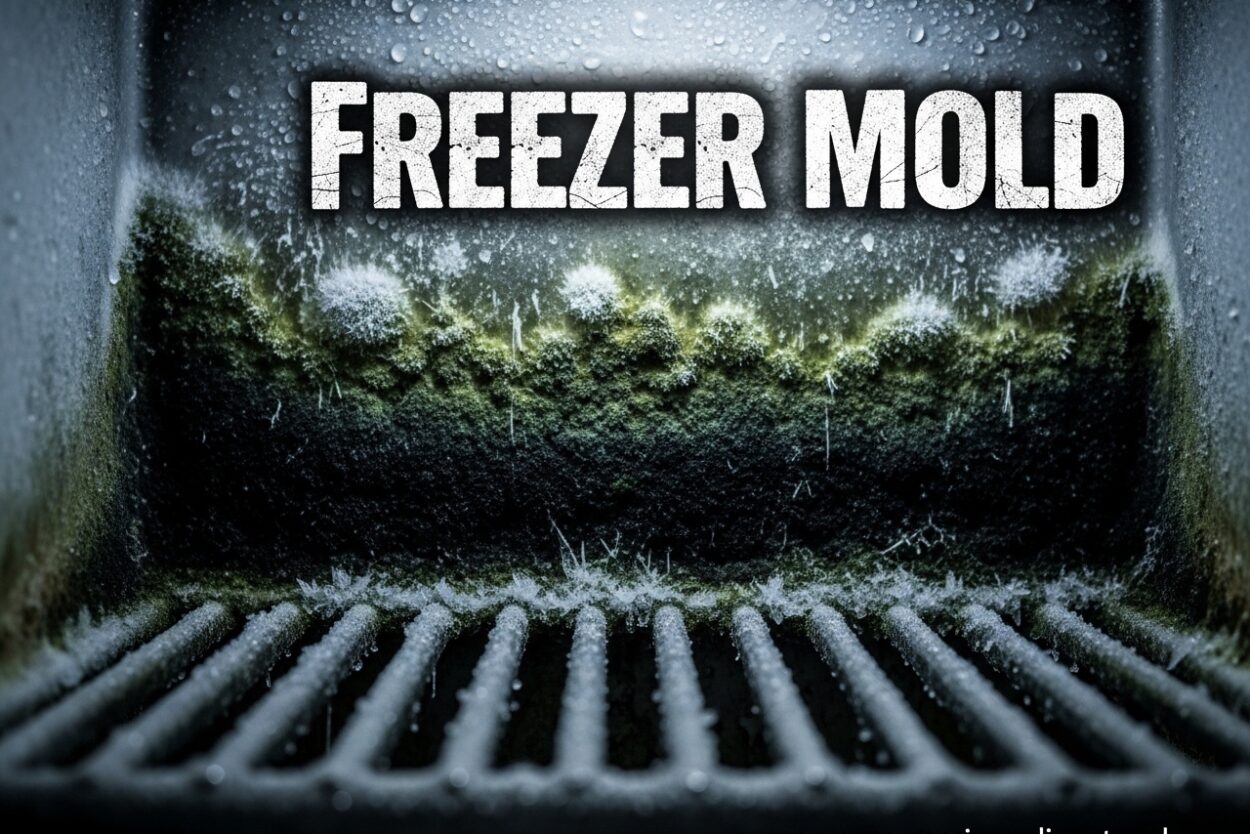
Finding mold growth in your freezer can be an alarming discovery that leaves you questioning the safety of your food and the appliance itself. Freezer mold is a surprisingly common problem that affects homeowners and renters alike, often appearing when least expected. Whether you have just moved into a new home or noticed something unusual in your trusty appliance, understanding freezer mold is essential for maintaining a healthy kitchen environment.
I have researched the causes, identification methods, and remediation techniques to help you tackle this issue head-on. Let me walk you through everything you need to know about freezer mold, from recognizing the signs to completely eliminating it and preventing its return.
What is Freezer Mold?
Freezer mold refers to fungal growth that develops inside freezing compartments due to moisture accumulation, temperature fluctuations, or poor ventilation. Contrary to popular belief, certain mold species can survive and even grow in freezing temperatures, though they typically become dormant and reactivate when conditions improve. This biological adaptation makes freezers vulnerable to mold contamination when moisture management fails.
The term can sometimes cause confusion, as it may also refer to silicone freezer molds – food-grade containers used for portioning and storing soups, sauces, and meal prep items. These products are completely different from mold contamination. This guide focuses specifically on unwanted mold growth in your freezer compartment.
Common types of mold found in freezers include black mold (Cladosporium), pink mold (Aureobasidium), and various other species that thrive in damp, enclosed spaces. These fungi can spread quickly through mold spores that become airborne whenever the freezer door opens.
Common Causes of Mold in Freezers
Understanding why mold develops in your freezer is the first step toward preventing future outbreaks. Several factors contribute to mold growth, and addressing these root causes will help keep your freezer mold-free for the long term.
Excess Moisture Accumulation
Moisture is the primary catalyst for mold growth in any environment, and freezers are no exception. When water accumulates from melted ice, condensation, or spills, it creates the perfect breeding ground for mold spores. This moisture often pools in hard-to-reach areas like drain tubes, beneath bottom drawers, or along freezer walls where evaporation is slow.
Temperature Fluctuations
Consistently cold temperatures below 0°F (-18°C) typically inhibit mold growth. However, when temperatures fluctuate due to door openings, malfunctioning thermostats, or defrost cycle issues, mold can begin to develop. Even brief warming periods allow dormant spores to activate and begin reproducing.
Poor Air Circulation
Adequate airflow is essential for maintaining consistent temperature and humidity levels throughout your freezer. When vents become blocked by overstuffed shelves or large items, cold air cannot circulate properly. This creates warm pockets where condensation forms and mold can thrive unnoticed.
Damaged or Worn Seals
The rubber gasket around your freezer door is designed to create an airtight seal. When this seal becomes cracked, warped, or dirty, warm humid air from your kitchen infiltrates the freezer compartment. This constant influx of moisture-laden air creates ideal conditions for mold development, particularly along the door frame and seal itself.
Signs of Mold Growth in Your Freezer
Identifying mold early can prevent extensive contamination and save you from replacing contaminated food. Look for these telltale indicators that suggest mold may be growing in your freezer.
Visible Growth
The most obvious sign of freezer mold is visible fungal growth. This may appear as fuzzy patches in black, green, white, or pink colors. Check corners, ceiling surfaces, door seals, and beneath drawers where moisture tends to accumulate. Black spots on the rubber gasket are particularly common and indicate mold has established itself in the porous material.
Musty or Earthy Odors
Mold produces distinctive volatile organic compounds that create musty, earthy, or damp smells. If your freezer has an unpleasant odor that persists despite cleaning, hidden mold may be growing behind panels or within insulation materials. This smell often transfers to frozen foods, affecting their taste and quality.
Unusual Discoloration
Stains on freezer walls, shelves, or food packaging can indicate mold activity. These discolorations range from dark speckles to large patches and may appear on surfaces that regularly encounter condensation. Ice that appears cloudy or has unusual particles frozen within it may also signal mold contamination in the water supply or freezer interior.
Freezer Mold vs Freezer Burn: Key Differences
Many people confuse freezer mold with freezer burn, but these are distinctly different issues. Freezer burn occurs when food is exposed to air inside the freezer, causing dehydration and oxidation. It appears as grayish-brown leathery spots on food surfaces but poses no health risks – it only affects food quality and texture.
Mold, conversely, is biological growth that can produce harmful mycotoxins and allergens. Unlike freezer burn’s dry, leathery appearance, mold appears fuzzy or slimy and comes in various colors. The key distinction is that freezer burn affects food quality while mold contamination creates potential health hazards. When in doubt, the safest approach is to discard any food showing signs of mold rather than freezer burn.
Health Risks and Safety Concerns
Exposure to mold in your freezer can pose various health risks, particularly for individuals with respiratory conditions, allergies, or weakened immune systems. Mold spores become airborne whenever you open the freezer door, potentially triggering allergic reactions including sneezing, runny nose, itchy eyes, and in severe cases, asthma attacks.
Certain mold species produce mycotoxins – toxic compounds that can cause more serious health issues with prolonged exposure. Children, elderly individuals, and those with compromised immune systems face higher risks from mold contamination. Additionally, mold can penetrate porous food packaging and contaminate contents, creating food safety hazards even when visible growth is only on packaging surfaces.
How to Clean Mold from a Freezer: Step-by-Step Guide
Removing freezer mold requires thorough cleaning with appropriate solutions and proper safety precautions. Follow this comprehensive process to eliminate mold and restore your freezer to a safe condition.
Preparation and Safety
Before beginning the cleaning process, protect yourself by wearing rubber gloves, safety goggles, and an N95 mask to avoid inhaling mold spores. Remove all food from the freezer and inspect each item carefully – discard anything showing signs of mold contamination or that was stored in open containers. Place questionable items in sealed bags outside the freezer until you can determine their safety.
Recommended Cleaning Solutions
Several effective options exist for killing mold in freezers. White vinegar is an excellent choice as it kills approximately 82% of mold species and is safe for food contact surfaces. Create a solution using equal parts white vinegar and water. For stubborn mold, hydrogen peroxide (3% concentration) can be used undiluted – simply spray it on affected surfaces and let it sit for 10 minutes before wiping.
Bleach solutions are effective but require caution and thorough rinsing. Mix one cup of bleach with one gallon of water for cleaning hard, nonporous surfaces. Never mix bleach with vinegar or other cleaning products as this creates dangerous fumes. Regardless of which solution you choose, ensure proper ventilation by opening windows or running exhaust fans during the cleaning process.
Step-by-Step Cleaning Process
Step 1: Unplug the freezer or turn off the power at the circuit breaker to ensure safety while cleaning wet surfaces.
Step 2: Remove all removable parts including shelves, drawers, and baskets. Wash these separately in your kitchen sink using hot water and dish soap, or soak them in your chosen cleaning solution for stubborn mold.
Step 3: Apply your cleaning solution generously to all interior surfaces using a spray bottle or sponge. Pay special attention to corners, crevices, and areas where visible mold was present. Let the solution sit for at least 15 minutes to penetrate and kill the mold.
Step 4: Scrub all surfaces thoroughly with a stiff brush or sponge, applying extra pressure to visible mold growth. For stubborn areas, make a paste using baking soda and water, apply it to the mold, let it sit for an hour, then scrub.
Step 5: Wipe away all cleaning solution using clean, damp cloths. Rinse surfaces multiple times to remove any chemical residue, especially if using bleach.
Step 6: Dry all surfaces completely using clean towels. Moisture is mold’s enemy – eliminating damp conditions is crucial for preventing regrowth.
Step 7: Leave the freezer door open for several hours to allow any remaining moisture to evaporate completely before returning food or turning the power back on.
Cleaning Mold from Freezer Seals
The rubber gasket around your freezer door requires special attention as its porous surface harbors mold easily. Mix equal parts white vinegar and water, then use an old toothbrush to scrub deep into the seal’s crevices. For stubborn black mold on seals, apply undiluted hydrogen peroxide and let it bubble for 10 minutes before scrubbing thoroughly. Rinse with clean water and dry completely – moisture trapped in seals is a leading cause of recurring mold problems.
DIY Cleaning Solutions Comparison
When choosing a cleaning method for freezer mold, consider these popular options:
White vinegar solution is the safest choice for food preparation areas, kills most mold species, leaves no harmful residues, and is environmentally friendly. However, it may not be effective against all mold types and has a strong odor during application.
Bleach solution is highly effective against virtually all mold species and provides immediate visible results. The downsides are that it requires careful handling, thorough rinsing is mandatory, and it may damage some materials or discolor certain surfaces.
Hydrogen peroxide is effective, safe for food surfaces, breaks down into water and oxygen (no residue), and is less harsh than bleach. It may be slightly more expensive than other options and should be stored in opaque containers to maintain effectiveness.
For tough jobs, I recommend starting with vinegar for general cleaning, then using hydrogen peroxide on stubborn areas. Reserve bleach for severe contamination when other methods fail, and always ensure thorough rinsing regardless of which solution you choose.
When to Call a Professional
Most freezer mold situations can be handled with DIY methods, but certain circumstances warrant professional intervention. If you have extensive mold covering large areas (more than 10 square feet), mold growing inside freezer walls or insulation that you cannot access, recurring mold despite thorough cleaning efforts, or anyone in your household experiencing unexplained health issues that might be mold-related, consult a professional mold remediation specialist.
Professional remediation typically costs between $500 and $3000 depending on severity, but provides peace of mind through thorough inspection, specialized equipment, and expertise in identifying hidden mold that DIY methods might miss. Consider also that older freezers may have mold growth inside insulation layers that cannot be effectively cleaned – in these cases, replacement might be more cost-effective than remediation.
How to Prevent Mold in Freezers
Prevention is far easier than remediation when it comes to freezer mold. Implement these proactive measures to keep your freezer mold-free year-round.
Maintain consistent temperatures below 0°F (-18°C) by checking your freezer’s temperature regularly with an appliance thermometer. Avoid overfilling your freezer, which restricts airflow, but keep it reasonably full as thermal mass helps maintain stable temperatures during power fluctuations or door openings.
Check door seals regularly for cracks, gaps, or debris. Clean the gasket monthly with mild soap and warm water, then dry thoroughly to prevent mold growth in the porous rubber. Test the seal’s effectiveness by closing the door on a dollar bill – it should grip tightly. If it slides out easily, your seals may need replacement.
Address moisture immediately by wiping up spills, condensation, or standing water as soon as you notice it. Check the drain tube for clogs if you notice water accumulating at the bottom of your freezer. During manual defrosting, dry all surfaces completely before returning the freezer to service.
Practice proper food storage by using airtight containers or vacuum sealers for better food preservation. This prevents moisture transfer between items and reduces the risk of cross-contamination if one item develops mold. The best vacuum sealer for freezing can extend food life while preventing the moisture issues that contribute to mold growth. For reliable food storage options, consider browsing vacuum food sealer systems that work alongside proper freezer maintenance.
Inspect your freezer weekly during your regular kitchen cleaning routine. Early detection makes remediation much simpler and prevents extensive contamination. Pay particular attention to corners, the ceiling, and around door seals where mold often begins unnoticed.
Food Safety: What to Keep vs Discard
Discovering mold in your freezer raises difficult questions about food safety. When deciding what to keep and what to discard, follow these guidelines to protect your health while avoiding unnecessary food waste.
Discard any food showing visible mold growth, even if only on packaging surfaces. Mold can penetrate packaging materials and contaminate food without obvious signs. Similarly, throw away any food stored in open containers or wrapped loosely, as mold spores easily settle on exposed surfaces.
Firm fruits and vegetables, hard cheeses, and dense meats may be salvageable if you cut away at least one inch around and below any moldy areas. However, this is risky when dealing with freezer mold contamination since spores may have settled throughout the compartment. When in doubt, the safest choice is to discard – the cost of replacing food is far less than potential medical bills from foodborne illness.
After cleaning your freezer thoroughly, new food added should be safe provided the cleaning was effective and you have addressed the moisture issues that caused the original problem. Consider placing a box of baking soda in the freezer to absorb any lingering odors and moisture as you rebuild your frozen food supply.
Frequently Asked Questions
Can you use a freezer that had mold in it?
Yes, a freezer that previously had mold can be safely used after thorough cleaning and remediation. The key is completely removing all visible mold growth and addressing the moisture issues that caused it. Clean all surfaces with vinegar or hydrogen peroxide solution, scrub seals thoroughly, dry completely, and ensure proper ventilation before restocking. If mold was growing inside insulation or unreachable areas, professional assessment may be necessary to determine if the appliance is salvageable.
What are signs of mold in a freezer?
Signs of mold in freezers include visible fuzzy patches in black, green, white, or pink colors; musty or earthy odors that persist after cleaning; discoloration on walls, shelves, or food packaging; dark spots on rubber door seals; unexplained stains on ice or frozen surfaces; and health symptoms like sneezing or congestion when near the open freezer. Check corners, ceilings, beneath drawers, and around door seals where moisture commonly accumulates.
Can mold be killed in the freezer?
Freezing temperatures do not reliably kill most mold species – they merely make mold dormant. Some molds can survive and even slowly grow at freezing temperatures. To effectively kill freezer mold, you must use appropriate cleaning solutions containing vinegar, hydrogen peroxide, or bleach. Temperature alone is insufficient for mold elimination, which is why proper cleaning methods are essential rather than simply hoping cold temperatures will solve the problem.
How do you get black mold off a freezer seal?
Remove black mold from freezer seals by mixing equal parts white vinegar and water, then scrubbing with an old toothbrush to reach crevices. For stubborn mold, apply undiluted hydrogen peroxide and let it bubble for 10 minutes before scrubbing. As a last resort, use a diluted bleach solution (1 cup bleach per gallon water) but rinse thoroughly. After cleaning, dry seals completely with a towel to prevent regrowth. If mold persists despite thorough cleaning, the gasket may need replacement.
How do you clean a moldy freezer?
To clean a moldy freezer, first remove all food and discard contaminated items. Unplug the freezer for safety. Remove and wash all removable parts separately. Apply vinegar solution (1:1 with water) to all surfaces, let sit 15 minutes, then scrub thoroughly. Wipe clean with damp cloths, rinse multiple times, and dry completely. Clean seals with a toothbrush and hydrogen peroxide. Leave door open for several hours to air dry completely before restoring power and returning food.
Can a moldy freezer be saved?
Most moldy freezers can be saved with proper cleaning techniques, especially if mold is confined to surfaces and seals. However, if mold has penetrated insulation or internal components, replacement may be more cost-effective than remediation. Chest freezers are generally more salvageable than upright models due to simpler construction. Consider the age of your appliance, severity of contamination, and repair costs versus replacement when deciding. Professional assessment provides definitive guidance for borderline cases.
Conclusion
Freezer mold is a manageable problem when you understand its causes, recognition signs, and proper remediation techniques. By maintaining consistent temperatures, controlling moisture, inspecting regularly, and addressing issues promptly, you can keep your freezer mold-free and your frozen food supply safe. Remember that prevention through proper maintenance is always easier than dealing with an established mold problem.
Whether you are facing a current mold issue or working to prevent future problems, the knowledge and techniques shared here will help you maintain a clean, safe freezer environment. When in doubt about food safety or the extent of contamination, err on the side of caution – health is always worth more than the cost of replacing a few frozen items.




Leave a Comment