
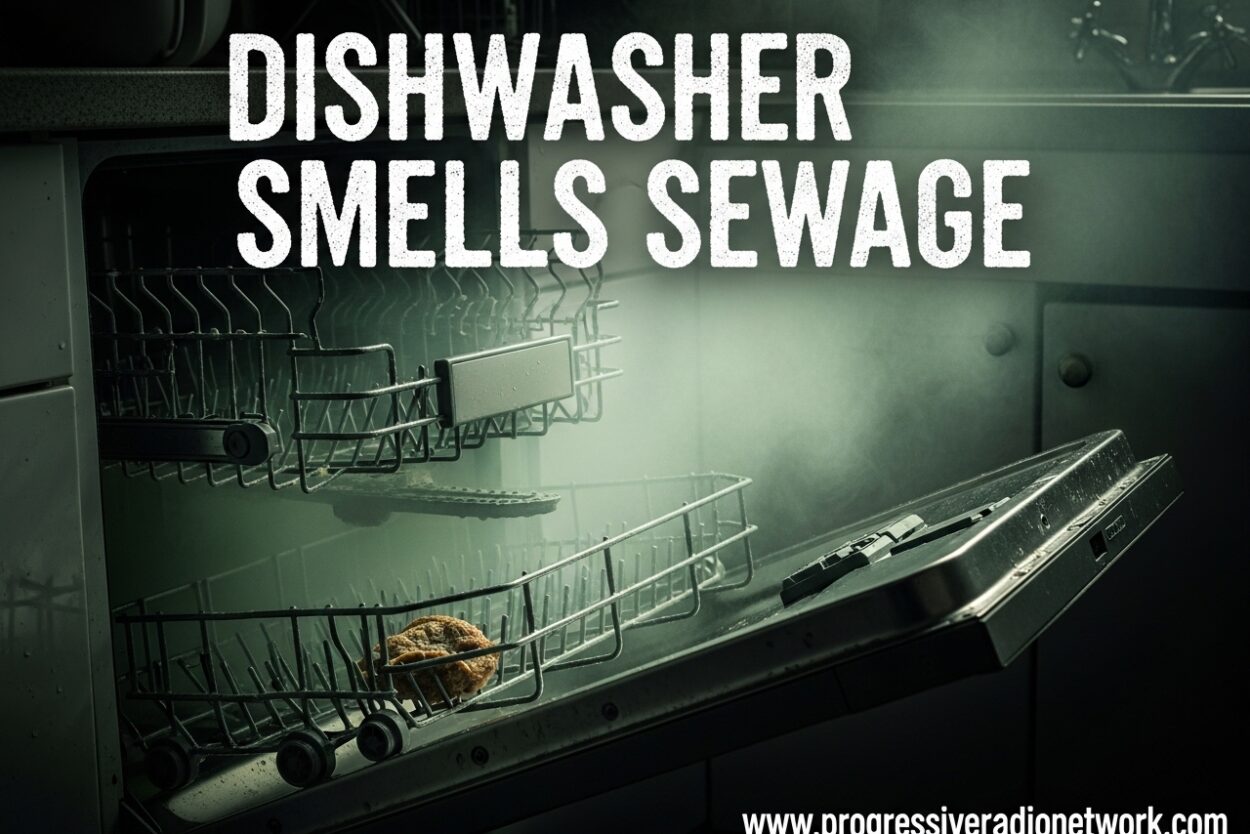
You open your dishwasher expecting clean dishes, but instead you’re hit with a nauseating sewage smell that makes your stomach turn. This is a frustrating problem that affects thousands of homeowners, and the worst part is that cleaning the filter often doesn’t solve it. I’ve researched this issue extensively, consulting plumbing forums and appliance repair experts, to bring you the most comprehensive guide on fixing dishwasher smells sewage.
What Causes Dishwasher Smells Sewage
A sewage smell in your dishwasher is rarely caused by one issue alone. Based on my research of plumbing forums and appliance repair discussions, the most common causes include trapped food debris creating biofilm buildup, a clogged drain hose, or plumbing installation issues that allow sewer gas to backflow into the appliance.
The biofilm that forms in your dishwasher’s drain system is particularly stubborn. This slimy layer of bacteria traps food particles and creates that characteristic rotten egg or sulfur smell. What makes this challenging is that the biofilm often builds up deep in the drain hose where you can’t see it, which explains why cleaning the visible filter rarely solves the problem completely.
Plumbing issues are another major culprit. If your dishwasher drain hose lacks a proper high loop or air gap installation, sewer gas from your home’s plumbing system can flow back into the dishwasher. This is especially common in newly installed dishwashers or homes with DIY plumbing work.
How to Clean Dishwasher Filter (Step-by-Step)
The filter is the first place to start, even though it’s often not the complete solution. A dirty filter is responsible for about 40% of dishwasher odor issues. Here’s the proper way to clean it:
Step 1: Locate your dishwasher filter at the bottom of the tub. It’s usually a cylindrical component in the center, sometimes covered by a small grille.
Step 2: Remove the upper filter cylinder by twisting counterclockwise. Then lift out the lower flat filter basket.
Step 3: Rinse both components under warm running water. Use a soft brush and dish soap to scrub away stubborn debris. Pay special attention to the mesh screen where food particles get trapped.
Step 4: Inspect the filter housing (the hole in the dishwasher bottom) for any debris or standing water. Remove any visible gunk with a paper towel or sponge.
Step 5: Reinstall the lower filter first, ensuring it sits flat. Then twist the upper filter back into place clockwise until secure.
I recommend performing this cleaning weekly if you run your dishwasher frequently, or at least monthly for moderate use. However, if the smell persists after filter cleaning, the issue is likely deeper in the drain system.
Dishwasher Smells Sewage: Vinegar and Baking Soda Method
White vinegar is one of the most effective natural cleaners for dishwasher odors because it breaks down the biofilm that traps bacteria and causes smells. The acetic acid in vinegar dissolves mineral deposits and grease buildup that plain water can’t remove.
Step 1: Place a dishwasher-safe bowl filled with 2 cups of white vinegar on the bottom rack of your empty dishwasher.
Step 2: Run the hottest wash cycle available, but skip the drying cycle. Let the vinegar work through the system during the wash.
Step 3: Once the cycle completes, sprinkle 1 cup of baking soda across the bottom of the dishwasher tub.
Step 4: Run a short hot water cycle (or just the rinse cycle if available) to distribute the baking soda. This will neutralize any remaining odors and leave your dishwasher smelling fresh.
Perform this vinegar cleaning monthly as preventive maintenance. The combination of vinegar and baking soda is more effective than either alone, and it’s safe for all dishwasher components including seals and rubber gaskets.
Clean the Drain Hose to Fix Sewage Smell
This is the step most people miss, and it’s often the real culprit behind persistent sewage smells. The drain hose is the flexible tube that connects your dishwasher to the garbage disposal or drain pipe under your sink. Over time, grease, food particles, and biofilm accumulate inside this hose, creating a breeding ground for odor-causing bacteria.
Step 1: Turn off the dishwasher and locate the drain hose under your sink. It’s usually a 1/2 to 3/4 inch diameter flexible tube connected to either the garbage disposal or a drain tailpiece.
Step 2: Place a shallow pan or towel beneath the connection to catch any water. Disconnect the hose from the drain end (you may need pliers to loosen the clamp).
Step 3: Inspect the hose for any visible clogs or kinks. Shine a flashlight into the hose to check for biofilm buildup, which appears as a slimy dark coating.
Step 4: Flush the hose with hot water, then use a mixture of equal parts white vinegar and hot water to break down the biofilm. You can use a bottle brush or flexible pipe cleaner to scrub the inside if the hose is wide enough.
Step 5: Rinse thoroughly with hot water and reconnect the hose, making sure the clamp is secure. Run a test cycle to check for leaks.
Many forum users report that this was the fix that finally solved their sewage smell problem after months of dealing with the odor. The biofilm in the drain hose is often invisible from the outside but creates a persistent smell that won’t go away with filter cleaning alone.
Check Plumbing Issues: High Loop vs Air Gap
If you’ve cleaned the filter, run vinegar cycles, and cleaned the drain hose but still smell sewage, your problem is likely a plumbing installation issue. This is especially common if you have a new dishwasher or if the smell happens specifically when the dishwasher is running, not when you open the door.
What is a High Loop?
A high loop is when the dishwasher drain hose is secured in a loop shape that reaches as high as possible under the sink before connecting to the drain. This loop prevents water from flowing back into the dishwasher and creates a barrier against sewer gas. The top of the loop should be at least 32 inches from the floor.
What is an Air Gap?
An air gap is a device installed on your countertop or sink that provides a physical break in the drain line. It prevents wastewater from flowing backward into the dishwasher by allowing air to enter the system, which breaks any siphon effect. Air gaps are required by plumbing code in many areas.
Why This Matters for Sewage Smells:
Without proper high loop or air gap installation, sewer gas from your home’s plumbing can flow backward through the drain hose and into your dishwasher. This is why many people report the smell coming up through their sink when the dishwasher runs.
How to Check Your Installation:
Look under your sink and trace the dishwasher drain hose. Does it loop upward near the countertop before connecting down to the drain? If not, you may need to install a high loop bracket. If you have an air gap on your countertop (usually a small chrome cylinder), make sure it’s not clogged with debris.
Fixing plumbing issues often requires a plumber, especially if you need to install an air gap (which requires drilling through your countertop). However, adding a high loop is a simple DIY fix that costs less than $10 and takes about 15 minutes.
Door Gasket and Spray Arm Cleaning
While these are less common causes of sewage smells, they’re worth checking as part of a comprehensive cleaning routine. The rubber door gasket creates a watertight seal when the dishwasher closes, but its folds and crevices trap moisture and food particles, creating a perfect environment for mold and bacteria.
Clean the door gasket weekly with a damp cloth and mild dish soap. Pull back the rubber gently to clean underneath, and pay special attention to the bottom corners where debris accumulates. If the gasket is damaged or moldy, replace it (most cost less than $20 and are easy to install).
Spray arms can also contribute to odors if they’re clogged. When the spray holes are blocked, water doesn’t circulate properly, leaving dirty water and food residue in the bottom of the dishwasher. Remove the spray arms (they usually twist off) and clean the holes with a toothpick or small brush. Run water through them to confirm they’re clear before reinstalling.
When to Call a Plumber for Dishwasher Sewage Smell
Most dishwasher odor issues can be resolved with the DIY steps above. However, there are situations where professional help is necessary. If you’ve tried all the cleaning methods and the sewage smell persists, especially if it’s accompanied by slow draining or water backing up into your sink, you may have a more serious plumbing issue.
Signs you need a plumber include: water backing up through the air gap when the dishwasher runs, persistent smell after thorough cleaning, multiple drains in your home are slow, or you notice gurgling sounds when the dishwasher drains.
A professional plumber can check for issues like blocked plumbing vents, improperly sloped drain lines, or problems with your main sewer line. These issues are beyond typical DIY fixes and can cause ongoing problems if not addressed properly.
The cost for a plumber to diagnose dishwasher drain issues typically ranges from $100-200, depending on your location and the complexity of the problem. While this is more expensive than DIY fixes, it’s often worth it to resolve persistent issues that could indicate larger plumbing problems.
Preventive Maintenance to Keep Dishwasher Fresh
Preventing dishwasher smells is much easier than dealing with them after they develop. Based on my research and personal experience, here’s a maintenance routine that will keep your dishwasher smelling fresh:
Weekly: Wipe down the door gasket and edges with a damp cloth. Remove any visible food debris from the bottom of the tub. Leave the door slightly open between cycles to allow moisture to evaporate.
Monthly: Clean the filter thoroughly. Run a vinegar cycle as described above. Check and clean the spray arm holes.
Quarterly: Inspect the drain hose for kinks or clogs. Check the high loop or air gap for proper installation. Deep clean the interior with a baking soda treatment.
Additionally, always scrape dishes thoroughly before loading them. While modern dishwashers can handle some food residue, large particles contribute to clogs and odor issues. Run the garbage disposal before starting the dishwasher if they share a drain connection.
Run your kitchen sink’s hot water for 30 seconds before starting the dishwasher. This ensures hot water enters the dishwasher immediately, which improves cleaning and reduces the likelihood of food residue buildup.
FAQ
How do I get rid of the sewer smell in my dishwasher?
Clean the filter thoroughly, run a vinegar cycle with 2 cups white vinegar placed on the bottom rack, sprinkle baking soda and run a short rinse cycle, and check the drain hose for biofilm buildup. Most cases are resolved by cleaning the drain hose, which is often the real culprit behind persistent smells.
Can I fix a sewage smell myself?
Yes, most dishwasher sewage smells can be fixed with DIY methods. Start by cleaning the filter and running vinegar cycles. If the smell persists, clean the drain hose and check your plumbing installation for proper high loop or air gap. Professional help is only needed if these steps don’t resolve the issue or if you notice water backing up into your sink.
How do I get my dishwasher to stop smelling like rotten eggs?
The rotten egg smell is caused by hydrogen sulfide gas from bacteria in biofilm buildup. Run a vinegar cycle to break down the biofilm, followed by a baking soda rinse to neutralize odors. Clean the drain hose thoroughly, as biofilm there is often the source of sulfur smells. If the problem persists, check your plumbing for proper ventilation.
Can plumbing issues cause dishwasher smells?
Yes, plumbing issues are a common cause of dishwasher sewage smells. Improper drain hose installation without a high loop or air gap allows sewer gas to backflow into the dishwasher. Blocked plumbing vents can also cause odors. If the smell happens when the dishwasher runs rather than when you open it, the issue is likely plumbing-related.
Why does my dishwasher smell like sewage even after cleaning the filter?
The filter is only one part of the system. Persistent smells usually indicate biofilm buildup in the drain hose, which you can’t see from the outside. The drain hose needs to be disconnected and cleaned thoroughly. Other possibilities include plumbing installation issues (missing high loop or air gap), or a clogged or blocked plumbing vent allowing sewer gas to backflow.
Is sewer gas from dishwasher dangerous?
In small amounts, sewer gas is mostly unpleasant but not harmful. However, prolonged exposure to high concentrations can cause health issues including headaches, dizziness, and respiratory irritation. If you notice strong sewage smells throughout your home (not just the dishwasher), or if anyone in your household experiences unexplained illness, have your plumbing inspected by a professional immediately.
Conclusion
Dealing with a dishwasher that smells like sewage is frustrating, but it’s almost always fixable without calling a professional. Start with the basics: clean your filter thoroughly, run vinegar cycles, and inspect the drain hose for biofilm buildup. The drain hose cleaning is the step most people skip, yet it’s often the real culprit behind persistent odors that won’t go away despite filter cleaning.
If you’ve tried all the cleaning methods and the sewage smell persists, especially if it happens when the dishwasher is running rather than when you open the door, check your plumbing installation for proper high loop or air gap configuration. These plumbing issues are more common than you might think, especially in newer homes or after DIY installations.
Remember that preventive maintenance is key. A simple monthly routine of filter cleaning, vinegar cycles, and visual inspections will keep your dishwasher smelling fresh and prevent the buildup that causes sewage smells in the first place. With the right approach, you can eliminate dishwasher odors for good and enjoy clean, fresh-smelling dishes every time.



Leave a Comment