
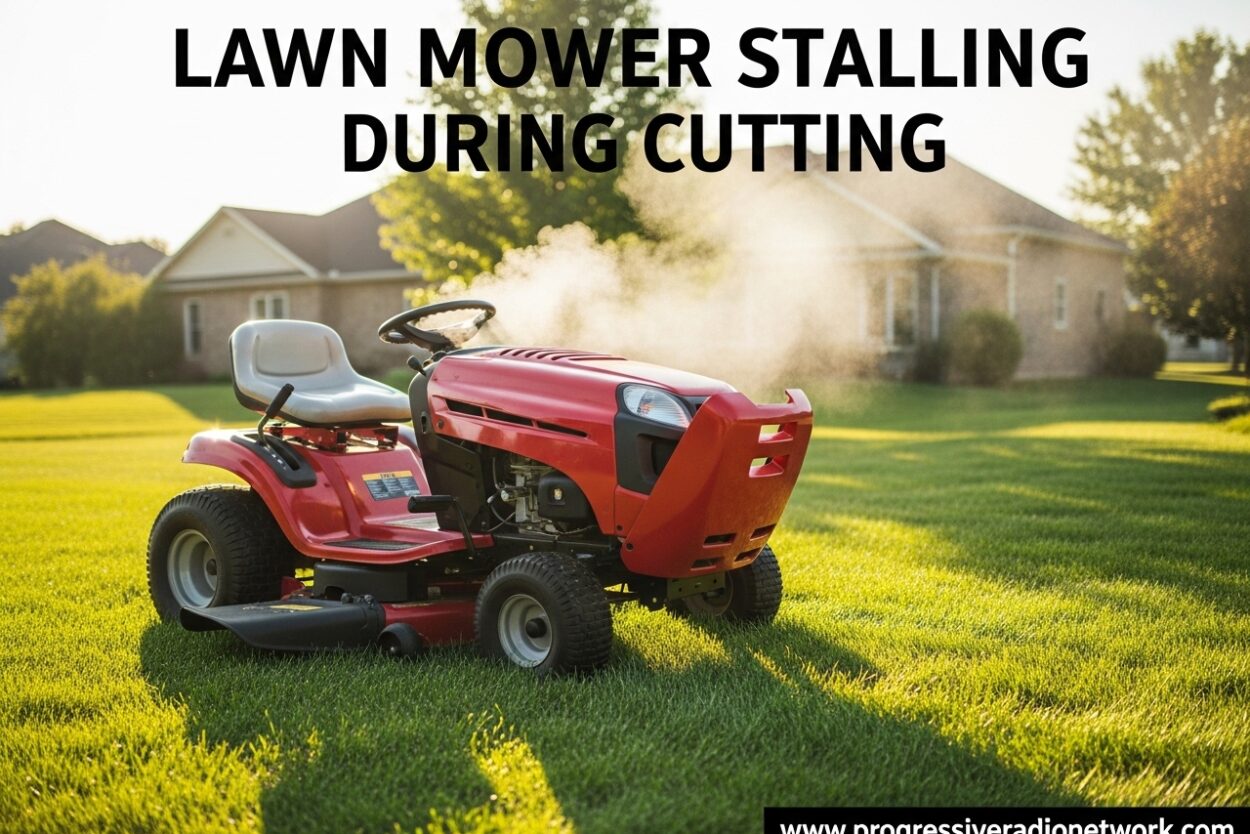
There’s nothing more frustrating than being halfway through mowing your lawn when your mower suddenly dies. You’re left with a half-cut yard and an engine that won’t restart. Lawn mower stalling during cutting is one of the most common problems homeowners face, and it usually happens at the worst possible time.
Whether you have a gas push mower, riding mower, or even an electric model, stalling issues typically stem from a handful of predictable causes. The good news is that most of these problems are diagnosable and fixable at home with basic tools and some patience. If you’re in the market for a replacement, check out these electric lawn mower deals that might solve your problems for good.
In this guide, I’ll walk you through exactly why your lawn mower keeps stalling while cutting grass and how to fix each issue step by step. We’ll cover everything from quick checks to more involved repairs, drawing from real mechanic experience and what actual homeowners have discovered through trial and error.
Quick Diagnosis: What Type of Stalling Do You Have?
Before diving into repairs, let’s identify your specific stalling pattern. This will save you time and point directly to the most likely culprit.
Does your mower stall when:
- Engaging the blade (engine runs fine until you push the lever)
- Cutting tall or dense grass (engine struggles and dies under load)
- Running for a few minutes then dying (heat-related issue)
- Hitting wet grass patches (moisture-related problem)
- Operating on slopes (fuel delivery issue)
Hot engine stalling typically points to ignition coil problems or fuel vaporization. Cold stalling that happens immediately when the blade engages usually indicates carburetor issues or a dirty air filter. Knowing your pattern helps you skip straight to the most relevant solution.
Lawn Mower Stalling During Cutting: Top 6 Causes
Lawn mower stalling during cutting happens when the engine can’t maintain proper combustion under load. The blade creates resistance that demands peak engine performance, and any weakness in the fuel, air, or spark systems will cause immediate shutdown. Let’s examine each cause in detail.
1. Overworking the Mower – Tall or Dense Grass
The most common cause of stalling is simply asking your mower to do too much. When grass is too tall or dense, the blade encounters excessive resistance that overwhelms the engine. This is especially true if you’ve let your lawn grow for 2-3 weeks between cuts.
I’ve seen countless forum posts where users describe their mower “drowning” in longer grass sections. The engine sputters, loses power, and dies because it’s working beyond its capacity. This isn’t a mechanical problem—it’s your mower telling you it’s overwhelmed.
The Solution:
- Raise your cutting height to the highest setting for the first pass
- Mow more frequently—weekly during peak growing season
- Never cut more than 1/3 of the grass blade height in a single mowing session
- Use a bagging attachment in extremely dense conditions to reduce deck drag
- Consider a second pass at a lower angle rather than forcing it in one go
2. Dirty or Clogged Air Filter
Your lawn mower’s engine needs clean air to mix with fuel for proper combustion. A clogged air filter literally chokes the engine, especially when it’s working hard under load. The filter becomes restricted from dust, grass clippings, and debris over time.
Here’s how to check if your air filter is the problem. Remove the filter cover and inspect the element. A paper filter should appear white or light gray—if it’s dark gray or caked with debris, it’s restricting airflow. Foam filters should be cleaned and re-oiled regularly.
The Solution:
For paper filters, simply replace them—they’re inexpensive and critical for engine health. Clean foam filters with warm soapy water, let dry completely, then saturate with clean engine oil before reinstalling. I recommend checking your air filter every 25 hours of mowing time or at least once per season.
3. Fuel System Problems
Old fuel is the enemy of small engines. Gasoline begins breaking down after just 30 days, forming varnish and gum that clogs the tiny passages in your carburetor. This is especially problematic if you didn’t properly prepare your mower for winter storage.
A clogged carburetor jet creates a lean fuel mixture—the engine gets too much air and not enough fuel. Under normal idle conditions, the engine might run rough but survive. When you engage the blade and demand full power, the insufficient fuel supply causes immediate stalling.
The Solution:
Start by draining old fuel and replacing it with fresh gasoline. If the problem persists, you’ll need to address the carburetor. For minor clogs, try running a fuel system cleaner through a fresh tank of gas. For more stubborn issues, you may need to remove and clean the carburetor bowl and jets with carburetor cleaner.
Consider adding a fuel stabilizer to your gas can, especially if you don’t mow frequently. This prevents fuel breakdown and keeps your system clean between uses.
4. Spark Plug and Ignition Issues
A weak or failing spark plug can produce enough spark for idle but fail under load. When you engage the blade, the engine needs maximum spark for combustion. A degraded plug causes the engine to sputter and die precisely when demand increases.
Remove your spark plug and inspect the electrode. A healthy plug shows a light brown electrode and proper gap. A fouled plug appears black, oily, or has a damaged electrode. The gap should typically measure 0.030 inches, but check your specific model’s requirements.
The Solution:
Spark plugs are inexpensive—just replace it if there’s any doubt. I always keep a spare plug in my garage for quick troubleshooting. If a new plug doesn’t solve the problem, your ignition coil might be failing, especially if the mower only stalls after running for 15-20 minutes (heat-related coil failure).
5. Wet Grass Conditions
Mowing wet grass creates multiple problems that lead to stalling. First, wet grass clumps under the deck, creating immense resistance that overwhelms the engine. Second, moisture can make its way into the air filter, further restricting airflow. Third, wet grass coatings on the blade unbalance it and cause vibration issues.
Many users report their mower “struggles to cut grass” specifically in the morning when dew is heavy or after rain. The engine works harder to process the wet material, and the increased load causes shutdown.
The Solution:
Wait until grass dries before mowing. This is the simplest and most effective solution. If you must mow wet grass, raise your cutting height, mow slower, and clean under the deck frequently. Consider spraying the underside of your deck with silicone spray to reduce grass buildup.
6. Safety Sensor Malfunctions
Modern mowers have multiple safety systems designed to protect users. These include seat sensors (riding mowers), blade brake controls, and discharge chute switches. When these sensors fail or become misaligned, they can shut down the engine erroneously.
Common symptoms include the mower dying when you shift position, release the handle, or when the blade encounters resistance. The safety system interprets a sensor glitch as a dangerous condition and kills the engine immediately.
The Solution:
Locate and test each safety switch. Start by ensuring all connections are clean and tight. Check under the seat for loose wires or debris. Test the blade brake clutch assembly for proper function. Note: never bypass safety systems permanently—they’re there for your protection.
How to Clean a Lawn Mower Carburetor Without Removing It
If you’ve ruled out other causes, a dirty carburetor is likely your culprit. The good news is you can often clean it without complete removal. Here’s the process I’ve used successfully multiple times:
Step 1: Preparation
Start with a cool engine. Disconnect the spark plug wire to prevent accidental starting. Gather carburetor cleaner, a clean rag, and basic tools. You’ll also need fresh gasoline.
Step 2: Access the Carburetor
Remove the air filter cover and filter. On most mowers, you can now see the carburetor throat. Locate the main jet adjustment screw (usually on the side) and the bowl drain screw at the bottom.
Step 3: Drain Old Fuel
Place a container under the carburetor. Remove the bowl drain screw and let all old fuel drain out. This removes most contaminated fuel from the system.
Step 4: Apply Carburetor Cleaner
Spray carburetor cleaner directly into the carburetor throat, focusing on visible jets and passages. Work the throttle linkage to distribute cleaner throughout. Let it sit for 15 minutes to dissolve deposits.
Step 5: Clean the Bowl
If accessible, remove the carburetor bowl (usually 1-2 bolts). Clean any varnish or debris from the bowl with carburetor cleaner. Inspect the bowl gasket and replace if damaged.
Step 6: Reassemble and Test
Reinstall the bowl with a new gasket if needed. Reconnect everything, add fresh fuel, and reconnect the spark plug. Start the engine and let it run for a few minutes. The carburetor cleaner will burn off as white smoke initially—this is normal.
This process solves about 70% of carburetor-related stalling issues. If problems persist, complete carburetor removal and cleaning may be necessary.
Seasonal Maintenance Schedule to Prevent Stalling
Prevention beats repair every time. Following this seasonal schedule will dramatically reduce stalling problems and extend your mower’s life:
Spring (Start of Season)
- Change the oil and replace the oil filter if equipped
- Replace the spark plug regardless of appearance
- Sharpen or replace the blade
- Check all belts and cables for wear
- Clean or replace the air filter
- Test safety systems
Monthly During Mowing Season
- Clean under the deck after every 2-3 mowings
- Check air filter condition
- Inspect tire pressure on riding mowers
- Check fuel freshness if storing for more than 30 days
Fall (End of Season)
- Run fuel system stabilizer through the engine
- Drain fuel or run the engine dry before storage
- Clean the entire mower thoroughly
- Change oil before storing to prevent acidic buildup
- Store in a dry, protected area
Using proper hearing protection for mowing is also important for your long-term health, as loud mower noise can damage your hearing over time.
When to Seek Professional Help
Some problems exceed DIY repair. Consider professional service if:
- The engine smokes excessively or produces unusual noises
- You’ve attempted carburetor cleaning without success
- Internal engine components may be failing (low compression, broken connecting rod)
- Electrical systems on modern mowers require specialized diagnosis
- The mower is under warranty and you don’t want to void coverage
A professional tune-up typically costs $75-150 but can add years to your mower’s life. For older mowers, compare repair costs against replacement—sometimes investing in new equipment makes more sense.
Frequently Asked Questions
Why does my lawn mower keep stalling while cutting grass?
Lawn mowers stall during cutting primarily due to overworking from tall or dense grass, clogged air filters restricting airflow, old fuel causing carburetor problems, or weak spark plugs failing under load. The engine needs maximum power when cutting, and any weakness in fuel, air, or spark systems causes immediate shutdown.
What is the 1/3 rule in mowing?
The 1/3 rule states you should never cut more than one-third of the grass blade height in a single mowing session. This prevents stress to the grass, reduces mower strain, and prevents clumping. If your lawn is very overgrown, raise your cutting height and make multiple passes over several days rather than cutting it all at once.
How do I know if my carburetor is bad on my mower?
Signs of a bad carburetor include the engine running only on choke, surging at high RPM, difficulty starting when cold, stalling under load, and black smoke from the exhaust. You can test by spraying carburetor cleaner into the throat while running—if the engine temporarily improves, the carburetor needs cleaning or replacement.
How do you clean a carburetor on a lawn mower without removing it?
First, drain old fuel from the carburetor bowl. Spray carburetor cleaner directly into the throat and visible jets. Let it sit for 15 minutes to dissolve deposits. Clean the bowl if accessible, then reassemble and test with fresh fuel. This method solves about 70% of carburetor issues without complete removal.
Why does my lawn mower struggle to cut grass?
Struggling usually indicates the engine lacks power due to tall or wet grass creating excessive resistance, a dull blade making cutting inefficient, or engine problems like dirty air filters or bad fuel reducing performance. The blade works harder when conditions are difficult, and any engine weakness becomes apparent under this load.
Conclusion
Lawn mower stalling during cutting is frustrating but almost always fixable. Start with the simple checks—air filter condition, fuel freshness, and spark plug status. These three items solve about 60% of stalling problems. If issues persist, move to carburetor cleaning and ignition system testing.
Remember that prevention through regular maintenance saves time and money in the long run. A well-maintained mower not only runs better but also lasts years longer than a neglected one. When your mower finally reaches the end of its life, explore other lawn care equipment options to keep your yard looking its best.
The key is patience—work through each potential cause systematically, and you’ll likely find the problem without needing professional help. Your half-mowed lawn will be finished in no time.





Leave a Comment