
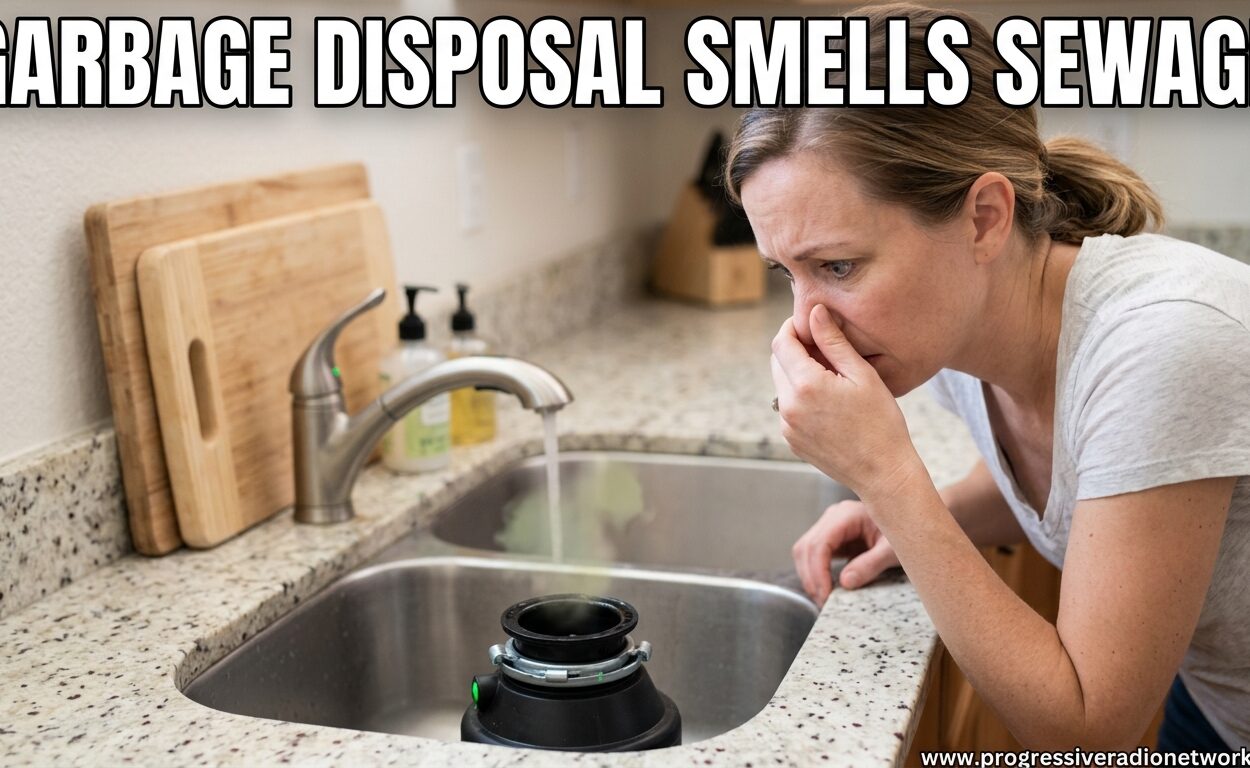
You walk into the kitchen and that awful smell hits you. It’s like raw sewage is coming from somewhere. You check the sink. Yep, it’s the garbage disposal. That rotting, sulfurous stench is unmistakable. A garbage disposal smells like sewage when trapped food waste decomposes inside the unit, producing hydrogen sulfide gas. This nasty problem affects almost everyone with a disposal at some point.
I’ve dealt with this issue myself, and I’ve helped countless homeowners eliminate stubborn disposal odors. Most of the time, you can fix it yourself with basic household items in under an hour. In this guide, I’ll walk you through exactly why your garbage disposal smells like sewage, step-by-step cleaning methods that actually work, and how to keep the smell from coming back.
Common Causes of Sewage Smell in Garbage Disposals
That sewage-like odor coming from your garbage disposal has a specific cause. Understanding what’s creating the smell helps you eliminate it more effectively. Most disposal odors come from one of five sources.
Trapped Food Debris and Bacterial Growth
The most common cause is food particles stuck inside the grinding chamber. Every time you run the disposal, tiny bits of food get pushed into the nooks and crannies of the unit. These particles begin to decompose, and bacteria start multiplying. This process releases hydrogen sulfide gas, which is the same compound that gives sewage its distinctive rotten egg smell.
The problem gets worse over time. As more food accumulates, the bacterial colony grows larger. Your disposal becomes a breeding ground for odor-causing bacteria. You might run the disposal every day, but the smell keeps getting stronger because the source is hidden deep inside the unit.
The Hidden Culprit: Your Splash Guard
The splash guard, also called a baffle, is the rubber flaps inside your sink drain that prevent food and water from splashing back up. It’s also the most overlooked source of disposal odors. Food particles get trapped underneath the rubber flaps where you can’t see them.
I’ve seen homeowners lift up their splash guard for the first time in years and find a thick layer of black slime coating the underside. This buildup is a combination of food waste, grease, and bacterial growth. It creates a constant source of odor that no amount of running the disposal will fix. The splash guard needs to be removed and cleaned separately to eliminate this hidden cause of sewage smells.
Dry or Empty P-Trap
The P-trap is the curved pipe underneath your sink. It’s designed to hold water, which creates a seal that blocks sewer gas from coming up through your plumbing. If the P-trap dries out or doesn’t have enough water in it, that seal breaks and sewer gas can rise through your garbage disposal.
This commonly happens in sinks that aren’t used regularly, like guest bathrooms or vacation homes. It can also occur if there’s a small leak in the P-trap that’s letting water slowly drain out. If your disposal smell seems more like pure sewer gas rather than rotting food, a dry P-trap is likely the culprit.
Dishwasher Connection Issues
Many homeowners don’t realize their dishwasher drains through the garbage disposal. This connection is often overlooked as a source of odors. Food particles and grease can build up in the dishwasher drain hose where it connects to the disposal, creating a persistent smell.
Even worse, standing water can collect in this hose if it’s not properly positioned. This stagnant water becomes a breeding ground for bacteria and mold. When you run your dishwasher, it pumps water through this contaminated hose and into the disposal, spreading the odor throughout your kitchen.
Deeper Plumbing Problems
Sometimes the sewage smell isn’t coming from the disposal itself but from deeper plumbing issues. A blocked vent stack, which allows sewer gas to escape through your roof, can cause gas to back up into your home through the sink drain. A partial blockage in your sewer line can have the same effect.
These issues are less common but more serious. If you’ve thoroughly cleaned your disposal and the P-trap but the smell persists, you may be dealing with a plumbing problem that requires professional attention.
How to Clean a Smelly Garbage Disposal
Now that you know what’s causing the smell, let’s fix it. I’ll walk you through the most effective cleaning methods, starting with the quickest fixes and moving to more thorough deep cleaning approaches.
Quick Fix: Baking Soda and Vinegar Method
This is the most popular DIY cleaning method for good reason. It works for most mild to moderate disposal odors, and you probably already have everything you need.
Start by pouring 1/2 cup of baking soda down the drain. Make sure it goes into the disposal, not just sitting in the sink. Follow this with 1/2 cup of white vinegar. The mixture will fizz and bubble. This reaction helps break down the grime and kills odor-causing bacteria.
Let the mixture sit for at least 15 minutes. For stubborn odors, wait up to an hour. Then flush the disposal with hot water while running it. This will wash away the loosened debris and bacteria.
This method works well for surface-level cleaning, but it may not reach deep-seated buildup. If the smell returns within a few days, move on to the more thorough cleaning methods below.
Deep Clean: Ice and Salt Scrub
For a more aggressive cleaning that reaches the grinding chamber, use the ice and salt method. This combination physically scrubs the inside of the disposal while the salt acts as a natural sanitizer.
Fill the disposal with ice cubes. You can use regular ice from your freezer. Pour about 1/2 cup of rock salt over the ice. If you don’t have rock salt, regular table salt works too, though it’s less effective. Run cold water and turn on the disposal.
The ice will chop against the interior walls, dislodging food particles and biofilm. The salt scrubs the surfaces and kills bacteria. Keep the disposal running until all the ice is chopped up, usually about 30 seconds to a minute. Flush with hot water afterward.
This method is especially effective if your disposal has a buildup of grease and food sludge on the interior walls. I recommend doing this cleaning monthly to prevent odors from building up.
Citrus Fresh Method
Citrus peels are a popular method for freshening disposals, and they do provide a pleasant temporary scent. However, I need to be clear about what this method does and doesn’t do. Citrus peels mask odors, they don’t eliminate the source.
Throw lemon, orange, lime, or grapefruit peels into the disposal and run it with cold water. The oils from the citrus peel will coat the interior of the disposal, providing a fresh smell that lasts for a day or two. This is great for quick freshening before guests arrive.
For a more powerful citrus treatment, combine this with the ice method. Cut citrus peels into small pieces, freeze them in ice cube trays with water or vinegar, then use these frozen cubes in the ice and salt method. You get the cleaning power of ice and salt with the freshening power of citrus.
Cleaning the Splash Guard (Critical Step)
This is the step most people skip, and it’s often why odors persist. Remember that black slime I mentioned? You need to remove and clean the splash guard to eliminate this hidden source of odors.
First, remove the splash guard from the sink drain. Most splash guards simply pull out, though some may require unscrewing. If yours is built-in, you’ll need to clean it in place, which is more challenging but still possible.
Fill your sink with hot water and add dish soap. Submerge the splash guard and scrub it thoroughly with a brush. Pay special attention to the underside where the slime accumulates. For stubborn buildup, use a mixture of baking soda and water as a scrubbing paste.
If your splash guard is particularly gross, you can soak it in a mixture of warm water and bleach for 10 minutes. Just be sure to rinse it thoroughly before reinstalling. Once clean, dry the splash guard and put it back in place.
For built-in splash guards that can’t be removed, use a bottle brush or old toothbrush to clean the flaps from underneath. You’ll need to reach up into the disposal from below with the drain removed. It’s awkward but necessary for truly eliminating odors.
Enzyme-Based Cleaners for Stubborn Odors
If natural methods haven’t worked, it’s time to bring out the heavy artillery. Enzyme-based drain cleaners use beneficial bacteria and enzymes to eat away at organic matter. Unlike harsh chemical drain cleaners, enzymes are safe for your disposal and plumbing.
Pour the recommended amount of enzyme cleaner down the drain according to the package instructions. Most products work best when applied at night before bed. The enzymes need time to work, so avoid running water down the drain for at least 6-8 hours, overnight is ideal.
The enzymes will digest the organic matter causing the odor, including the biofilm that natural methods can’t reach. You may need to repeat this treatment for several nights in a row for severe buildup.
Enzyme cleaners are particularly effective for older disposals that have years of accumulated buildup. I’ve seen them eliminate odors that persisted for years after trying every other method.
Dishwasher Drain Hose Cleaning
If your dishwasher drains through your disposal, this hose could be the source of your odor problem. The hose can accumulate food particles and grease over time, creating a breeding ground for bacteria.
First, locate the dishwasher drain hose where it connects to your garbage disposal. It’s usually a corrugated plastic hose connected with a clamp. Disconnect the hose and inspect it for buildup.
Clean the hose with warm soapy water and a bottle brush. Pay special attention to the ends where food tends to collect. If the hose is old or heavily soiled, consider replacing it entirely. They’re inexpensive and available at any hardware store.
Before reconnecting, also clean the dishwasher connection port on the disposal itself. Food often gets trapped in this opening. Use a bottle brush or pipe cleaner to remove any debris.
What NOT to Put in Your Garbage Disposal
Preventing odors is easier than eliminating them. A major cause of disposal smells comes from putting the wrong foods down the drain. Some foods create more problems than others.
Avoid fibrous vegetables like celery, asparagus, and corn husks. The fibers can wrap around the grinding mechanism and create a tangled mess that traps food and bacteria. Potato peels and other starchy vegetables can turn into a thick paste that coats the interior of your disposal.
Never pour grease or oil down the disposal. As it cools, it solidifies and coats the interior walls. This greasy layer traps food particles and creates the perfect environment for odor-causing bacteria. Coffee grounds are another common mistake. They accumulate in pipes and can cause clogs and odors.
Eggshells are controversial. Some people say they sharpen the blades (disposals don’t actually have blades). In reality, the membrane inside the shell can wrap around parts and cause problems. It’s best to compost them instead.
Finally, avoid putting large bones or fruit pits down the disposal. They can damage the grinding mechanism and create hidden pockets where food accumulates and rots.
Prevention and Regular Maintenance Tips
Once you’ve eliminated the odor, keep it from coming back with regular maintenance. A few simple habits can prevent most disposal odor problems.
Run your disposal regularly, even if you don’t have much food to grind. This prevents food from sitting in the unit and decomposing. Always run cold water while using the disposal and for at least 15 seconds afterward. This flushes food particles through the pipes rather than letting them accumulate.
Once a week, flush your disposal with a mixture of baking soda and vinegar as a preventive measure. Once a month, do the ice and salt cleaning to keep the grinding chamber free of buildup.
Before leaving for vacation or extended periods, clean your disposal thoroughly. Run the ice and salt method, followed by the baking soda and vinegar treatment. This prevents odors from developing while you’re away and the P-trap from drying out.
Finally, get in the habit of cleaning your splash guard monthly. Lift it up and inspect the underside. A quick clean will prevent the black slime from building up and keep your disposal smelling fresh.
When to Call a Professional Plumber
Most disposal odors can be eliminated with the methods above. However, some situations require professional help. If you’ve tried all the cleaning methods and the smell persists, there may be a deeper plumbing issue.
If you notice gurgling sounds when you run the disposal or when water drains from other fixtures, this could indicate a venting problem. A blocked vent stack needs to be cleared by a professional.
Sewage odors that seem to come from multiple drains rather than just the disposal suggest a main sewer line issue. This is definitely not a DIY problem and requires immediate professional attention.
If you’ve had your disposal for more than 10-15 years and it’s constantly developing odors despite regular cleaning, it may be time to replace it. Older units can develop internal issues that make them prone to trapping food and bacteria.
Finally, if you’re not comfortable working under the sink or disconnecting plumbing components, there’s no shame in calling a professional. A plumber can thoroughly clean your disposal system and identify any potential problems before they become serious.
Frequently Asked Questions
How do I get the sewer smell out of my garbage disposal?
Start with baking soda and vinegar: pour 1/2 cup baking soda down the drain, followed by 1/2 cup vinegar. Let it sit for 15 minutes, then flush with hot water while running the disposal. For stubborn odors, clean the splash guard by removing it and scrubbing with hot soapy water. The splash guard often traps food particles underneath that cause persistent smells.
Is it okay to pour boiling water down a garbage disposal?
No, boiling water can damage some garbage disposal components, especially plastic parts. Hot tap water is sufficient for flushing your disposal. The heat helps melt grease and flush away debris without risking damage to seals or the grinding mechanism. If you need to sanitize, use the baking soda and vinegar method instead.
Can a plumber fix disposal odors?
Yes, a plumber can diagnose and fix persistent disposal odors that DIY methods can’t resolve. They can check for deeper issues like blocked vent stacks, problems with the P-trap, or sewer line issues. A plumber can also thoroughly clean the entire drain system and identify if the disposal itself needs replacement due to age or damage.
What causes your garbage disposal to stink?
The main cause is trapped food debris decomposing inside the grinding chamber, which produces hydrogen sulfide gas. Other common causes include bacterial buildup on the splash guard, a dry P-trap that allows sewer gas to escape, grease coating the interior walls, and food accumulation in the dishwasher drain hose connection. The smell worsens in hot weather and when disposals aren’t used regularly.
Why does my garbage disposal smell like rotten eggs?
The rotten egg smell is hydrogen sulfide gas produced when bacteria break down organic matter trapped in your disposal. This happens when food particles accumulate in the grinding chamber, splash guard, or drain pipes. The smell is strongest when the disposal hasn’t been used in a while, allowing bacteria to multiply. Cleaning with baking soda and vinegar or enzyme-based cleaners eliminates the bacteria and removes the odor.
How often should I clean my garbage disposal?
For maintenance, do a quick cleaning with baking soda and vinegar once a week. For a deeper clean, use the ice and salt method once a month. Clean the splash guard monthly to prevent bacterial buildup. If you notice odors developing, increase the frequency until the smell is eliminated. Before vacations or extended periods away, do a thorough cleaning to prevent odors while you’re gone.
Conclusion
A garbage disposal that smells like sewage is unpleasant, but it’s almost always fixable. The odor comes from trapped food debris decomposing and producing hydrogen sulfide gas. Most of the time, the culprit is either the grinding chamber, the splash guard, or a dry P-trap.
Start with the baking soda and vinegar method for quick results. If the smell persists, move on to the ice and salt deep clean, and don’t forget to remove and clean the splash guard. For truly stubborn odors, enzyme-based cleaners can eliminate years of accumulated buildup.
Prevention is the best approach. Run your disposal regularly, avoid problematic foods, and maintain a weekly and monthly cleaning schedule. With proper maintenance, your garbage disposal can stay odor-free for years to come.
Leave a Comment