
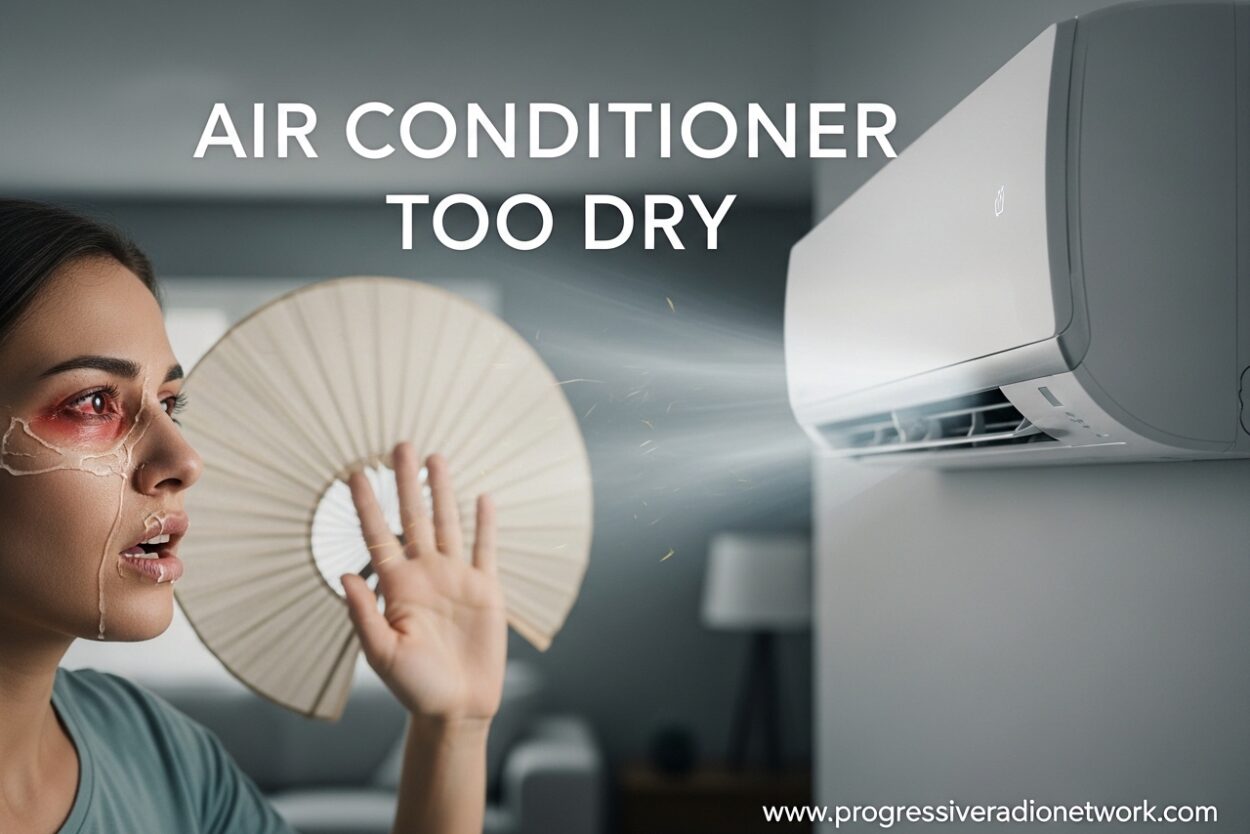
If you’ve ever woken up with a parched throat, dry nose, or irritated skin after running your air conditioner all night, you’re not alone. Air conditioner air too dry is a common complaint that affects millions of people, especially during hot summer months when AC runs constantly. The good news is that understanding why this happens and knowing how to fix it can make a huge difference in your comfort and health.
In this guide, I’ll explain exactly why your AC dries out the air, how to recognize the signs, and practical solutions you can implement tonight.
Why Your AC Air Becomes Too Dry
Here’s the simple truth: air conditioners are designed to remove moisture from the air. That’s not a side effect – it’s literally how they work. When warm, humid air passes over your AC’s cold evaporator coils, water vapor condenses into liquid droplets (just like water beads form on a cold soda can). This moisture then drains away through your condensate line.
The problem is that this dehumidification process doesn’t stop at a comfortable level. Your AC keeps pulling moisture out of the air as long as it’s running. The harder and longer your AC works, the drier your indoor air becomes. This is why running your AC continuously, especially at very low temperatures, can drop indoor humidity levels below 30% – well into the uncomfortable zone.
There’s also a scientific factor at play: colder air naturally holds less moisture than warm air. As your AC cools your home, the air’s capacity to retain water vapor decreases. Even without active dehumidification, simply cooling the air reduces relative humidity. Combined with the moisture removal happening at the evaporator coil, this double-whammy creates the dry conditions you’re experiencing.
Signs Your Air Conditioner Air Is Too Dry
How can you tell if your AC is making your air too dry? Look for these telltale signs that indoor humidity has dropped below comfortable levels:
- Dry, itchy skin – especially noticeable after showering or washing hands
- Chapped lips that persist despite using lip balm
- Dry, scratchy throat upon waking, even when hydrated
- Stuffy or dry nose – sometimes accompanied by minor nosebleeds
- Increased static electricity – shocks when touching metal objects or other people
- Wood furniture or flooring issues – cracks, gaps, or warping appear
- Houseplants drying out faster than usual despite regular watering
- Dust accumulation increases – dry air allows dust particles to stay airborne longer
If you’re experiencing three or more of these symptoms while running your AC regularly, your indoor air is likely too dry. The ideal indoor humidity level for comfort and health is between 30% and 50%. Anything below 30% creates the problems listed above.
Health Effects of Dry AC Air
Living with chronically dry air isn’t just uncomfortable – it can actually impact your health in several ways. Understanding these effects explains why addressing air conditioner air too dry matters more than just comfort.
Respiratory irritation: Dry air irritates your nasal passages and throat, making you more susceptible to colds and respiratory infections. Your nose and throat rely on moist mucus membranes to trap and filter out pathogens. When these membranes dry out, they become less effective at protecting you.
Sinus problems: Many people report increased sinus congestion, headaches, and even sinus infections during periods of dry air. Can AC cause sinus issues? Absolutely. The drying effect thickens nasal mucus, making it harder for your sinuses to drain properly.
Skin complications: Dry air pulls moisture from your skin, leading to flaking, itching, and accelerated aging. Existing skin conditions like eczema and psoriasis typically flare up in low-humidity environments.
Eye irritation: Your eyes can feel gritty, tired, and uncomfortable in dry air. Contact lens wearers often experience increased discomfort and need to use rewetting drops more frequently.
Sleep disruption: Dry throat and nasal passages can cause snoring, mouth breathing, and disrupted sleep patterns. Poor sleep quality affects your energy, mood, and overall health.
Optimal Indoor Humidity Levels
So what’s the magic number for indoor humidity? The consensus among HVAC experts and health organizations is clear: aim for 30-50% relative humidity in your home. This range provides enough moisture for comfort without encouraging mold growth or dust mites.
Below 30%, you’ll experience the discomfort and health issues mentioned above. Above 50%, you create an environment where mold, dust mites, and bacteria thrive. During 2026, many homes naturally fall between 30-40% humidity during summer months, but constant AC use can push levels even lower.
The best way to monitor your humidity is with a simple hygrometer – an inexpensive device that measures relative humidity. Place one in your bedroom and main living areas to track levels throughout the day. This data helps you understand when humidity drops and adjust your AC use accordingly.
How to Fix Dry Air from AC
Now for the practical solutions you’ve been waiting for. How do you fix dry air from AC without turning off your cooling and suffering through the heat? Here are proven methods ranging from quick tonight-only fixes to long-term solutions.
1. Use a portable or whole-house humidifier: This is the most effective solution. A humidifier adds moisture back into the air, counteracting your AC’s drying effect. For bedrooms, a cool-mist humidifier placed 3-4 feet from your bed can make a dramatic difference. Whole-house humidifiers connect to your HVAC system and maintain consistent humidity throughout your home.
2. Adjust your AC temperature setting: Higher AC settings mean less dehumidification. Try setting your thermostat to 74-76F instead of 70-72F. The reduced cooling cycle pulls less moisture from the air while still keeping you comfortable.
3. Use the fan-only mode: Run your AC’s fan without the cooling function during cooler parts of the day or night. This circulates air without actively removing moisture. You can set your AC to cool for 2 hours, then fan for 1 hour, repeating this cycle throughout the night.
4. Place bowls of water near vents: This old-school trick actually works. Set shallow bowls of water near your AC vents or registers. As air blows over the water surface, it picks up moisture and distributes it throughout the room. For better results, add more surface area by placing damp towels or sponges near the bowls.
5. Add houseplants to your space: Plants release moisture through transpiration. Grouping several plants together creates a mini-humidifying effect. Peace lilies, Boston ferns, and spider plants are excellent choices for moisture release.
6. Avoid overcooling your home: The larger the temperature difference between indoor and outdoor air, the more condensation occurs at your evaporator coil. During cooler evening hours, consider opening windows instead of running the AC continuously.
7. Use bathroom and kitchen fans strategically: These exhaust fans remove moisture from your home. In dry conditions, minimize their use, or crack a window while running them to bring in some humid air from outside.
Bedroom and Nighttime Tips for Sleeping with AC
Sleeping with AC requires special attention since you spend 6-8 hours breathing the same conditioned air. How to sleep with AC without dry throat? Try these targeted strategies for bedroom comfort.
Set your AC timer to turn off 2-3 hours before you typically wake. This allows humidity levels to recover overnight while you’re in deep sleep and less sensitive to temperature changes. Many Reddit users report this simple trick eliminates morning dryness completely.
Position your bed away from direct AC airflow. Being in the path of cooled, dried air all night maximizes drying effects on your skin and respiratory system. Use a deflectors or adjust vents to aim air toward walls or ceilings rather than directly at your sleeping area.
Keep a glass of water on your nightstand and sip it if you wake up dry. Staying hydrated from the inside out helps combat external dryness. Some people find relief with a bedside water mister – a quick spritz of your face before sleep can make a noticeable difference.
Use moisturizer before bed. Applying a quality moisturizer to your face, hands, and any exposed skin creates a barrier that helps retain moisture despite the dry air. Look for products with hyaluronic acid or ceramides for maximum hydration.
Consider nasal saline spray or gel before bedtime. These products coat your nasal passages, preventing the drying effect that leads to congestion, nosebleeds, and sore throat upon waking.
Understanding Dry Mode vs Cool Mode
Many modern air conditioners feature a “dry mode” setting that often confuses users. Should you use dry mode when your air feels too dry? Probably not. Here’s why.
Dry mode is specifically designed to reduce humidity without lowering temperature as much as cool mode. It runs the compressor at lower speeds for longer periods, maximizing moisture removal. This mode is perfect for humid climates or rainy days when you feel sticky but not necessarily hot.
When you’re already experiencing air conditioner air too dry, dry mode will actually make the problem worse. Instead, use regular cool mode at a moderate temperature setting, or try the eco/energy-saving mode if your unit has one. These settings balance cooling with reasonable humidity levels.
If your AC doesn’t have a dry mode, it’s likely already operating in a balanced mode that removes some moisture but doesn’t aggressively dehumidify. The key is managing run time and temperature rather than searching for a special setting.
Frequently Asked Questions
How to fix dry air from AC?
The most effective solutions are: 1) Use a humidifier to add moisture back into the air, 2) Raise your AC temperature setting to reduce dehumidification, 3) Use fan-only mode during cooler periods, 4) Place bowls of water near vents to add moisture naturally, 5) Set your AC timer to turn off a few hours before waking. Combining these approaches typically resolves dry air issues within 1-2 days.
Why is AC air so dry?
Air conditioners remove moisture from the air as part of the cooling process. When warm air passes over cold evaporator coils, water vapor condenses into liquid and drains away. This dehumidification continues as long as the AC runs. Additionally, colder air naturally holds less moisture than warm air, so the cooling effect itself reduces humidity levels even without active moisture removal.
Can AC cause sinus problems?
Yes, air conditioners can cause or worsen sinus problems. Dry AC air irritates nasal membranes, thickens mucus, and impairs proper sinus drainage. Many people experience increased congestion, sinus headaches, and sinus infections when exposed to dry air for extended periods. Using a humidifier and maintaining 30-50% indoor humidity typically provides significant relief.
What is a healthy humidity level for homes with AC?
The healthy indoor humidity range is 30-50% relative humidity. Below 30% causes dry skin, respiratory irritation, and static electricity. Above 50% encourages mold growth and dust mites. Most HVAC experts recommend 40-45% as the sweet spot for comfort and health when using air conditioning regularly.
How to humidify a room with AC running?
To add moisture while running AC: 1) Run a cool-mist humidifier in the room, 2) Place bowls of water near AC vents, 3) Add houseplants that release moisture, 4) Keep bathroom doors open after showers to let steam circulate, 5) Use a damp towel placed near a vent. The most effective method is a humidifier, but combining multiple approaches provides the best results.
Conclusion
Dealing with air conditioner air too dry is frustrating but completely manageable. Now that you understand why AC dries out air and how it affects your health, you can take targeted action. Start with the quick fixes tonight – a bowl of water by the bed, a higher thermostat setting, or a small humidifier in your bedroom. For long-term relief, consider investing in a quality whole-home humidifier or portable unit for your most-used spaces.
The key is balance: you can stay cool AND comfortable by maintaining healthy humidity levels. Your skin, sinuses, and sleep quality will all thank you for making these simple adjustments. Try the solutions that fit your lifestyle and budget, and enjoy refreshed, comfortable air all season long.





Leave a Comment