
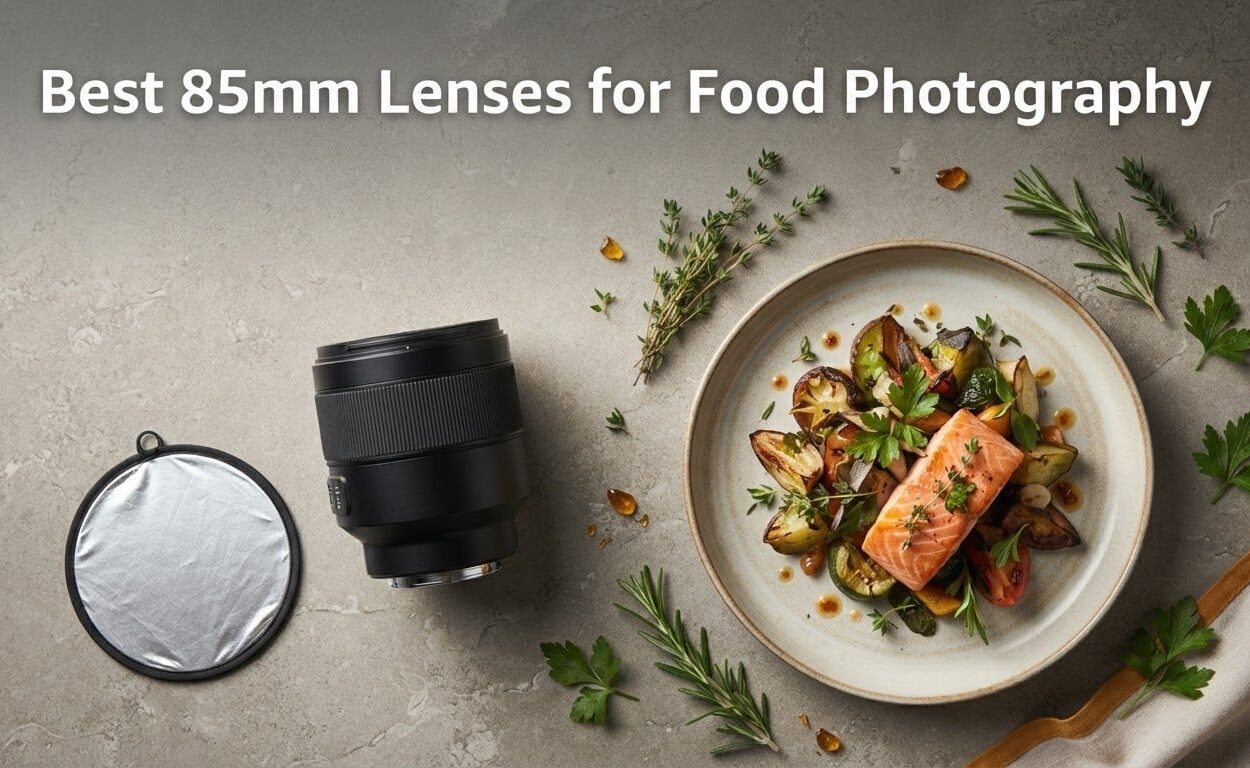
The best 85mm lens for food photography is the one that matches your camera mount, and that single sentence is the whole answer. On Nikon F it is the AF-S NIKKOR 85mm f/1.8G, on Sony E the FE 85mm f/1.4 GM or the Sigma 85mm F1.4 DG DN Art, on Canon RF the RF 85mm F2 Macro IS STM, and on Nikon Z the NIKKOR Z 85mm f/1.8 S. Everything else on this page exists to help you decide between the lenses that do fit your body.
My team has spent the better part of a year shooting plated dishes, tasting menus, and recipe step shots on full-frame and APS-C bodies, and the pattern has not changed: 85mm is the focal length that turns a plate of food into food portraiture. The narrow angle of view compresses stacked dishes so they look taller and fuller, the wide maximum aperture dissolves the background into creamy blur, and the long focus distance means you are standing far enough back to light the whole scene without dragging your own shadow across the food.
That last point is the one that surprises beginners. At 85mm you are working roughly 2.5 to 3 feet back from a single plate, so your key light has to sit high and off-axis rather than close to the lens. We wrote about that geometry in detail when we covered the best reflectors for food photography, and the same working distance logic applies to the strobe positions.
There is one honest drawback, and it is the reason a lot of photographers land on a 50mm instead. The minimum focusing distance on a typical 85mm prime runs from about 0.80 m to 0.85 m on the DSLR-era lenses, which means you physically cannot get closer to a small pastry to fill the frame with it. Set the tripod, compose the hero shot, and you may find yourself swapping lenses mid-shoot. We cover the fix in the buying guide, and the short answer is that a dedicated macro-capable 85mm changes this completely.
Below, the ten lenses we rate for food work, followed by a buying guide that walks through mount matching, aperture choice, working distance, close-focus capability, and the crop-sensor question that almost every ranking page skips.
Our Top 3 Picks at a Glance
Three lenses account for most of the food shooters we work with. The Nikon AF-S NIKKOR 85mm f/1.8G is our editor’s choice on optics and consistency, the Canon EF 85mm f/1.8 USM is the best value in the group, and the NIKKOR Z 85mm f/1.8 S is the premium pick for anyone on a modern mirrorless body.
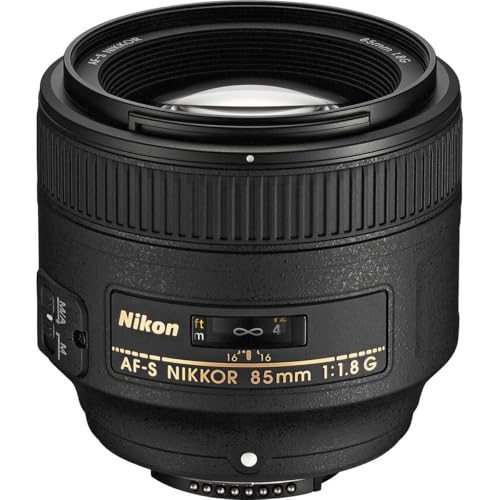
Nikon AF-S NIKKOR 85mm f/1.8G
- ✓Exceptionally sharp at f/1.8
- ✓7-blade rounded diaphragm
- ✓Silent Wave Motor
- ✓350 g
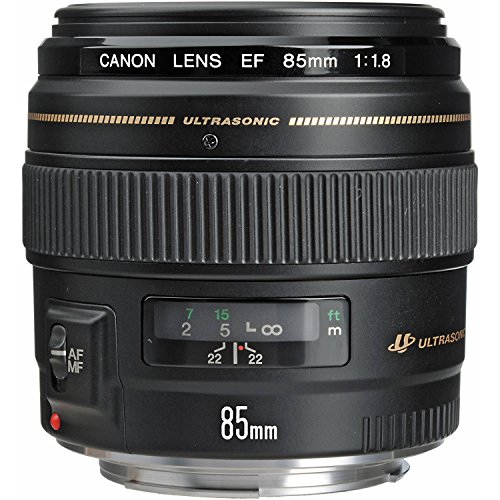
Canon EF 85mm f/1.8 USM
- ✓Classic natural perspective
- ✓Ring-type USM focus
- ✓0.85 m minimum focus
- ✓425 g
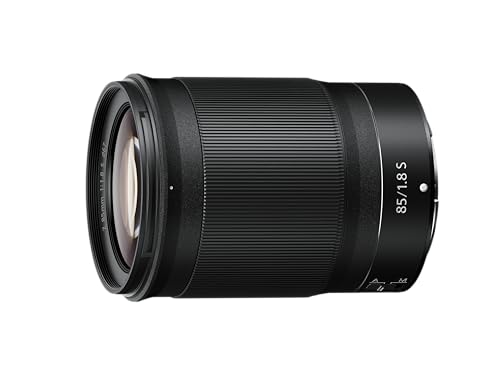
NIKKOR Z 85mm f/1.8 S
- ✓Stellar edge-to-edge sharpness
- ✓9-blade rounded diaphragm
- ✓2 ED elements
- ✓470 g
Comparing All Ten 85mm Lenses Side by Side
Mount, aperture, focus distance, and weight decide most of this comparison before image quality even enters the conversation. The table below puts every lens we cover on the same page so you can match a body to a lens in a few seconds.
| Product | Features | Action |
|---|---|---|
| Nikon AF-S NIKKOR 85mm f/1.8G |
|
Check Latest Price |
| Canon EF 85mm f/1.8 USM |
|
Check Latest Price |
 Sigma 85mm F1.4 DG DN Art Sigma 85mm F1.4 DG DN Art |
|
Check Latest Price |
 Canon RF 85mm F2 Macro IS STM Canon RF 85mm F2 Macro IS STM |
|
Check Latest Price |
| NIKKOR Z 85mm f/1.8 S |
|
Check Latest Price |
 Sigma 85mm f/1.4 DG HSM Art Sigma 85mm f/1.4 DG HSM Art |
|
Check Latest Price |
 VILTROX AF 85mm F1.4 Pro FE VILTROX AF 85mm F1.4 Pro FE |
|
Check Latest Price |
 ZEISS Batis 85mm f/1.8 ZEISS Batis 85mm f/1.8 |
|
Check Latest Price |
 VILTROX 85mm F1.8 Mark II STM VILTROX 85mm F1.8 Mark II STM |
|
Check Latest Price |
 Sony FE 85mm f/1.4 GM Sony FE 85mm f/1.4 GM |
|
Check Latest Price |
Two things jump out of that data. First, the DSLR-era Nikon F and Canon EF primes weigh 350 g to 425 g while the modern f/1.4 mirrorless lenses run 630 g to 820 g, so the older primes are noticeably kinder to a long handheld session. Second, only one lens in the group combines a real macro magnification ratio with stabilization, and that is the Canon RF 85mm F2 Macro IS STM.
1. Nikon AF-S NIKKOR 85mm f/1.8G – The Reference 85mm for Food Work
- ✓Exceptionally sharp across the frame
- ✓7-blade rounded diaphragm for smooth bokeh
- ✓Quiet Silent Wave Motor autofocus
- ✓Light 350 g body for an 85mm
- ✓Super Integrated Coating reduces flare
- ✕No image stabilization
- ✕Not weather sealed
- ✕0.12x reproduction ratio is limited for close-ups
85mm f/1.8
0.80 m minimum focus
350 g
Silent Wave Motor
This is the lens we reach for first on a Nikon DSLR, and it has earned that place over a long stretch of restaurant and recipe work. The rendering at f/1.8 is already usable wide open, which matters more for food than it does for portraits because a plated dish has hard edges, textural surfaces, and specular highlights that expose softness immediately.
The rounded 7-blade diaphragm gives a bokeh character that food stylists tend to prefer over a hard-edged look. Out-of-focus highlights from a candle, a glass rim, or a small reflector stay pleasantly soft rather than turning into obvious polygons, which keeps a styled tabletop from looking mechanical.
At 350 g it is the lightest 85mm in this group by a wide margin, and that weight difference is felt on a long tasting-menu shoot where you are constantly adjusting the tripod head rather than holding the camera to your eye.
Sharpness and Bokeh on a Plated Dish
Wide-open sharpness is the headline. Owners consistently describe it as tack sharp straight through the frame, and that is exactly what you want when a hero dish has a seared edge, a drizzle of oil, and a scattering of herbs all needing to be crisp in the same frame.
The 7 rounded blades are fewer than the 9, 11, or 11-blade designs elsewhere in this list, and on a heavily defocused background with hard point sources you can see the shape start to define. For a single hero dish on a styled surface, the softer rendering is a feature rather than a flaw.
Focus Distance and the Hero-Shot Working Distance
The 0.80 m minimum focus distance is the number that matters most here. It sits comfortably in the band where a single plate fills the frame from about three feet back, which is exactly the working distance you want for a 45-degree plating angle.
The 0.12x maximum reproduction ratio is modest, so this is not the lens for a frame-filling sugar-dusted crumb shot. If texture and ingredient detail are a large part of your output, that is the argument for a dedicated macro lens rather than a reason to reject this one.
Autofocus, Handling, and On-Shoot Reliability
The Silent Wave Motor is quiet and quick enough that autofocus hunting never interrupts a styled sequence, and the M/A mode switch lets you grab focus instantly and then continue in manual for the last few millimetres, which is how most food shooters work.
There is no stabilization and no weather sealing, which in practice means a tripod for anything below a fast shutter and caution in steamy kitchen environments. Reviewers treat both as accepted limitations of an otherwise very well-regarded design.
Who It Suits and Who Should Look Elsewhere
Buy this if you are on a Nikon DSLR, you shoot hero dishes at a 45-degree angle, and you value a lens that is sharp, light, and consistent over one that is exotic. It is the lens we hand to food bloggers who need a single tool that never lets them down.
Look elsewhere if your work is dominated by extreme close-up texture, if you shoot in wet or cold environments, or if you need a modern stabilized body. In the first case a macro-capable 85mm solves the problem outright.
2. Canon EF 85mm f/1.8 USM – The Best Value 85mm for Food Photographers
- ✓Strong and consistent image quality
- ✓Compact barrel at only 425 g
- ✓Fast and quiet ring-type USM autofocus
- ✓Smooth background blur
- ✓Classic natural perspective
- ✕No image stabilization
- ✕8 aperture blades soften highlight shape
- ✕Not weather sealed
85mm f/1.8
0.85 m minimum focus
425 g
Ring-type USM
More Canon EF shooters use this lens on food work than any other, and the reason is unglamorous: it does the job, weighs almost nothing, and has been in production long enough that a used example is an easy find. The perspective it renders is the natural, unforced look that most menu and cookbook work is built around.
We have shot tasting menus on this lens where the entire frame was a single canapé at arm’s length, and the background separation at f/1.8 kept the wooden table and the ambient restaurant light from competing with the food.

Image Quality and Aperture Blades on Food
Image quality is strong and consistent rather than spectacular, which for a working lens is a better trait. The lens is described by reviewers as delivering a classic natural look with pleasing compression and no obvious flare in controlled light.
The 8-blade diaphragm is the one specification to understand before you commit. Wide open, out-of-focus point highlights take on a slightly polygonal shape. If your styling includes glassware, cutlery, or small lamps in the background, stop down to f/2.8 and the shape becomes rounder while the subject still separates cleanly.
Working Distance and the 45-Degree Setup
At 0.85 m minimum focus distance, the framing is effectively identical to the Nikon prime above, which makes the two an easy cross-body comparison. A single plate fills the frame from roughly the same spot, so you can learn one setup and carry it to either system.
That distance is also why the 45-degree plating angle works so well. You can get the camera in close to horizontal, look straight into the side of a stack, and still have enough room to place a soft source above and behind the dish without it appearing in the reflection.
Autofocus, Weight, and Handling
The ring-type ultrasonic motor is fast and quiet, and the focusing sound is a clean, confident whirr that will not be picked up on a video take. For a food blogger recording recipe steps, that silence is genuinely useful.
At 425 g it is the second-lightest lens here, and the compact barrel means it is easy to leave mounted on a body you carry to every shoot. There is no stabilization, so treat f/4 and below as the working range on a tripod, or keep the ISO where the food looks best.
Who It Suits and Who Should Look Elsewhere
This is the pick for a Canon EF shooter building a first serious food kit, and for anyone who wants the classic 85mm look without moving to a heavier professional body. It also suits beginners because the aperture range is forgiving and the focusing is decisive.
Pass on it if your close-up work is intense, if you need weather sealing for outdoor catering in poor conditions, or if you have already moved to a Canon RF body where the modern RF 85mm is the more sensible buy.
3. Sigma 85mm F1.4 DG DN Art – Best f/1.4 for Dim Rooms and Late Services
- ✓Flagship-level optical performance
- ✓Sharp rendering with beautiful bokeh
- ✓11-blade diaphragm for round highlights
- ✓Dust and splash resistant build
- ✓Compact for an f/1.4 prime
- ✕No image stabilization
- ✕Stepping motor is slower than linear motor primes
85mm f/1.4
11-blade diaphragm
630 g
Stepping motor
The Sigma 85mm F1.4 DG DN Art is what we reach for when the shoot happens in a dim restaurant during service rather than in a daylight studio. Two full stops more light than an f/1.8 prime is the difference between a usable exposure and one where you are pushing ISO until the steam and the sauces start to look noisy.
Reviewers regularly describe the optical performance as record-setting for a fast 85mm prime, and the rendering holds up wide open in a way that matters when you cannot afford to stop down for light.
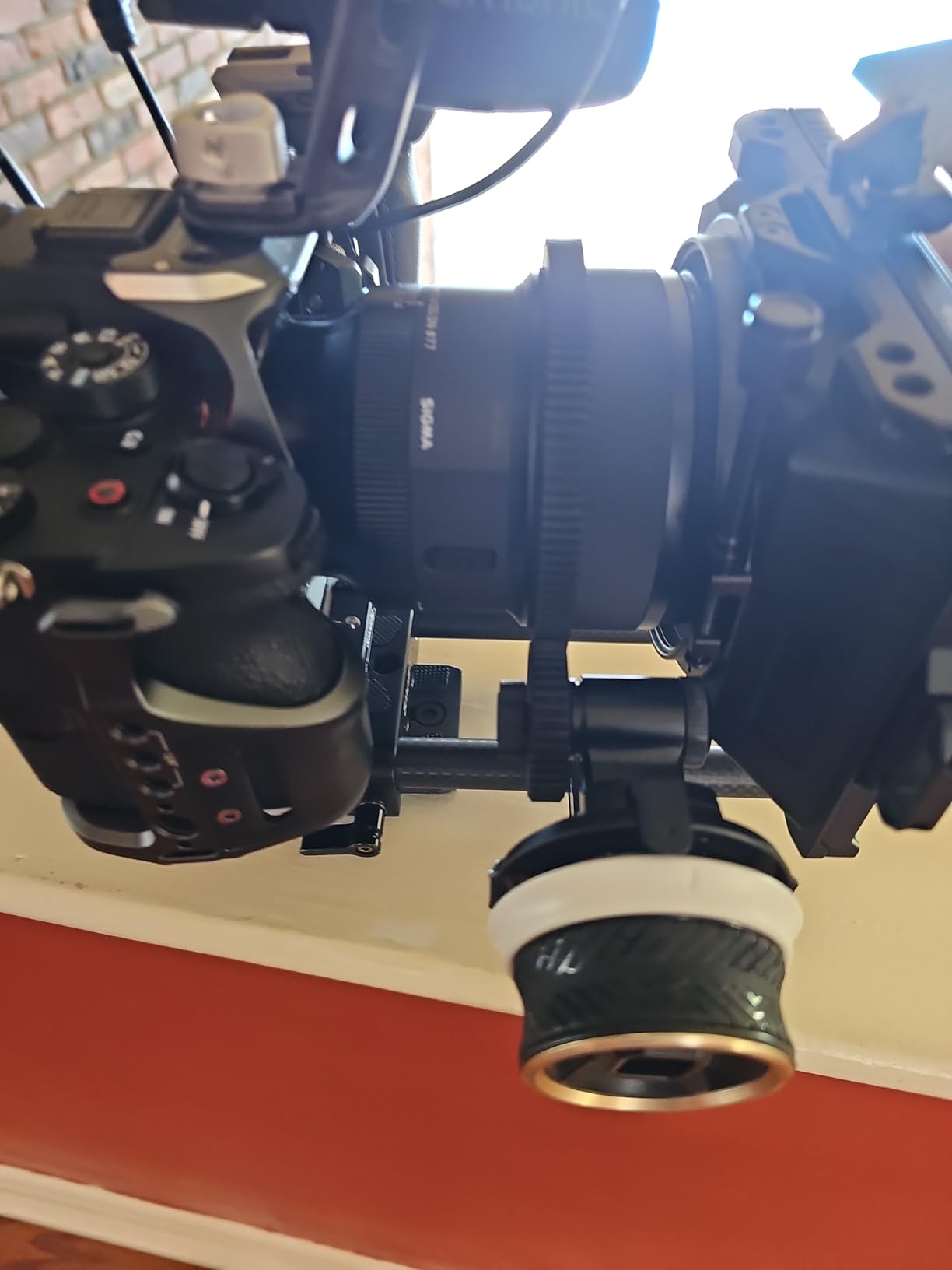
Bokeh Quality and the 11-Blade Diaphragm
Eleven rounded blades give the smoothest background falloff of any lens in this list, and specular highlights from glassware and metal trim stay round even at full aperture. For a dark, moody food styling setup with a single hard source, that shape control is the whole reason to prefer this lens.
The bokeh is creamy rather than busy, which keeps a cluttered table from turning into visual noise when it is thrown far out of focus.
Autofocus Behaviour and the Stepping Motor
This is the one consistent complaint. The stepping motor is slower than the linear motor units found in current first-party primes, so a focus-acquire on a moving subject such as a hand setting down a plate takes a beat longer than you might expect.
For still life and styling work that is irrelevant. If you are shooting a sizzle reel of a steak hitting a hot pan, the slower motor can show up as a brief focus lag on the first frame of the cut.
Weight, Build, and Field Durability
At 630 g it is heavy for an 85mm but genuinely compact for an f/1.4, and the dust and splash resistant construction matters on a real catering job where you are moving between an outdoor table and a car boot in poor weather.
There is no stabilization in the lens, so a tripod remains the baseline for anything below a fast shutter speed. We covered our favourite options in the best tripods for food photography guide.
Who It Suits and Who Should Look Elsewhere
Choose this for Sony E shooters who shoot in low light, who want flagship bokeh rendering without a flagship weight, and who value weather sealing. It is also a strong choice for anyone who will crop in slightly in post rather than changing lenses.
Look elsewhere if silent, near-instant autofocus for video is a priority, or if you are on an older Sony body that does not support the lens’s electronic functions as fully as current models do.
4. Canon RF 85mm F2 Macro IS STM – The Only 85mm Here That Focuses to Half Life
- ✓High image quality even wide open at f/2
- ✓0.5x magnification at 1.15 ft minimum focus
- ✓Creamy bokeh with strong separation
- ✓Compact and light at 499 g
- ✓Stabilization rated up to 5 stops
- ✕Autofocus motor is noticeably noisy
- ✕Autofocus is slower than typical primes
- ✕5-blade diaphragm can show polygonal bokeh
85mm f/2
0.5x magnification
5-stop Hybrid IS
499 g
This is the lens that solves the minimum focus problem we described in the introduction. A 0.5x maximum magnification and a 1.15 ft minimum focusing distance mean you can fill the frame with a single blueberry, a stack of macarons, or the textured edge of a bread crumb, all while keeping the working distance and compression of an 85mm.
For a food photographer who shoots both hero dishes and detail frames, that combination in one lens is the reason it sits this high on the list despite the noisy focus motor.
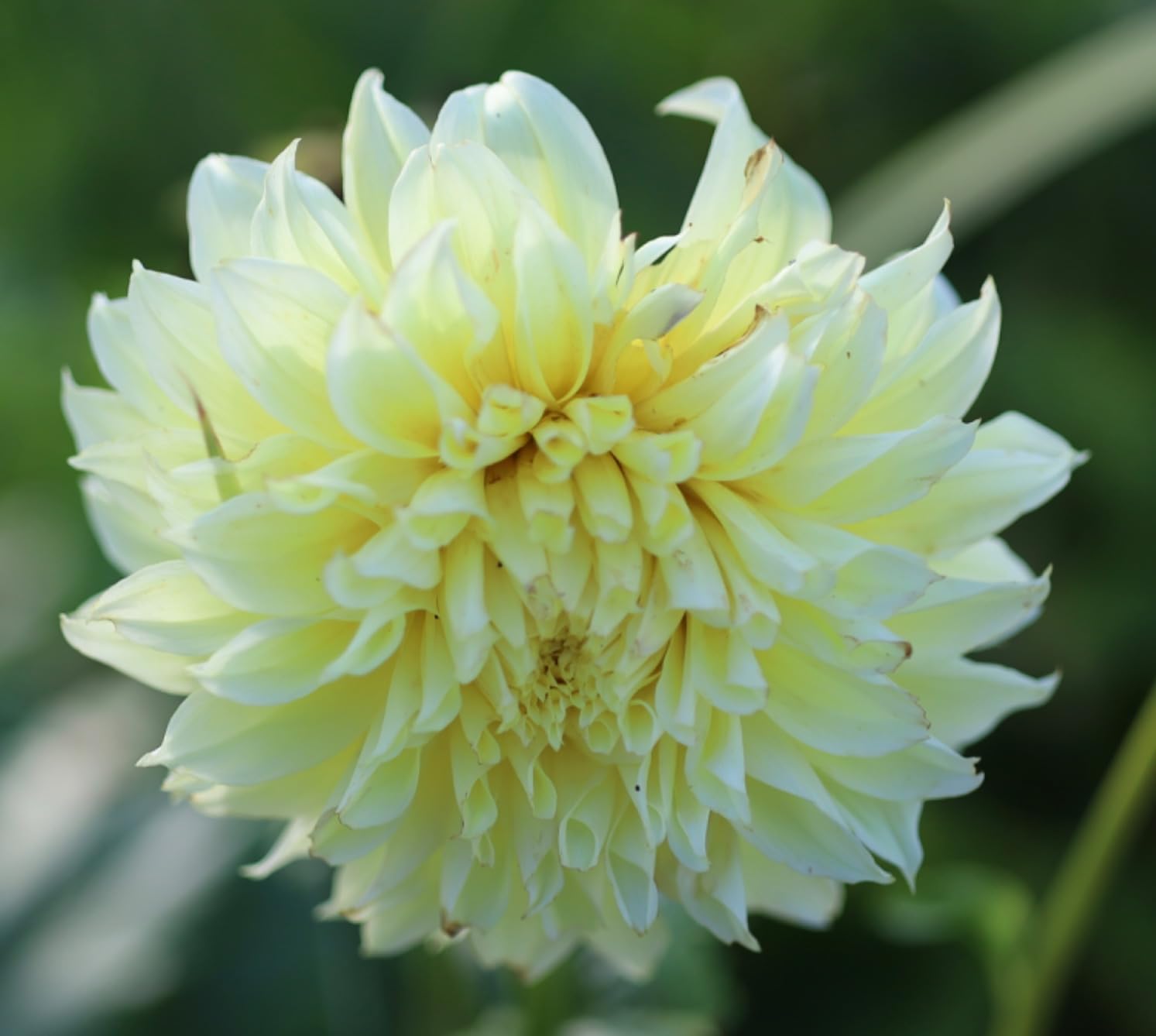
Close-Focus Capability and Half-Life Reproduction
Half-life reproduction is genuine macro territory, and it opens up shots an ordinary 85mm prime cannot make: a fork tine with sauce clinging to it, condensation beads on a cold glass, sugar crystals on a dessert.
Because the focal length stays at 85mm, perspective compression is preserved even at that magnification. That is the difference between a macro lens that flattens a dish into an abstract pattern and one that still reads as food on a plate.
Stabilization and Hybrid IS During Macro Work
Optical stabilization rated up to 5 stops, combined with Hybrid IS to compensate for angular and shift shake, is a genuine advantage at half-life magnification. Macro shake is much more visible than people expect, and having in-lens correction means you can handhold a detail frame when a tripod is impractical.
The control ring also gives you direct access to settings without menu diving, which speeds up a live tasting-menu or menu refresh session considerably.
Autofocus Noise and the Five-Blade Compromise
Two things hold this lens back. The stepping motor is noticeably noisy, which matters if you are recording audio while shooting, and it is slower to acquire focus than a typical prime. For a styled still frame the wait is short enough to ignore; for a video walkthrough you will hear it.
The 5-blade diaphragm can produce polygonal bokeh when stopped down, which is unusual in a lens this well specified. Keep the background sparse or shoot wide open where the aperture is fully circular.
Who It Suits and Who Should Look Elsewhere
This is the pick for a Canon RF shooter who does a genuine mix of menu, cookbook, and product work, and for anyone who has ever set up a tripod and failed to focus on the shot they composed.
Pass if your output is almost entirely wide hero dishes on a controlled budget for autofocus noise, or if you shoot video with sound. In that situation a faster modern 85mm prime is the better tool.
5. NIKKOR Z 85mm f/1.8 S – The Most Versatile for Modern Nikon Bodies
- ✓Stellar sharpness even at the edges
- ✓Very smooth focus-to-blur transition
- ✓Fast and accurate autofocus on Z bodies
- ✓Dust and drip resistant sealed construction
- ✓2 ED elements and Nano Crystal coating
- ✕Narrow field of view needs a lot of room
- ✕Fixed focal length means reframing by moving
- ✕9 blades can show slight cat's-eye wide open
85mm f/1.8
9-blade rounded diaphragm
470 g
Optical stabilization
Reviewers describe this lens as the best all-round 85mm available, and after spending time with it on a Z body that claim holds up. It renders a plated dish with a three-dimensional quality that is unusual for a short telephoto, largely because the transition from sharp subject to fully resolved blur is so gradual.
Compared with the f/1.4 primes in this list, the f/1.8 maximum aperture produces a slightly firmer background, which on a food set means the table surface and props stay a little more present. Many food stylists actually prefer that because a completely dissolved background can make a dish look pasted on.

Corner-to-Corner Sharpness and Micro-Contrast
Two ED glass elements and the Nano Crystal coating deliver the edge-to-edge sharpness that this lens is known for. On a wide overhead-ish angle where the near garnish sits well off-centre, that consistency keeps the whole frame usable without a crop.
Colour accuracy is described by owners as lifelike, which matters on fresh herbs, green sauces, and any dish where a colour cast from a warm tungsten key would be obvious.
Bokeh Shape and the Working Distance Constraint
Nine rounded blades give a soft, pleasing bokeh with a slightly wider gap than an 11-blade design. Wide-open specular highlights from a glass or a polished spoon can show a touch of cat’s-eye, which is a fair trade for the rendering quality elsewhere.
The narrow field of view is the practical limitation. The 28.5 degree angle of view means you stand well back, which reviewers flag as awkward in tight indoor spaces. It is the same trade every 85mm makes, but the Z body pairing makes the working distance feel longer than it does on a DSLR.
Stabilization, Build, and Everyday Use
Optical stabilization in the lens plus body stabilization gives you a real margin on a tripod at slower shutter speeds, which lets you leave the aperture wider for a darker restaurant interior without grain creeping into the sauce.
Dust and drip resistant sealing means it survives a kitchen shoot without worry, and the customizable control ring can be set to aperture, ISO, or shutter depending on how you work. The kit ships with a case, hood, and front cap.
Who It Suits and Who Should Look Elsewhere
Choose this for a Nikon Z shooter who wants a single 85mm that handles hero dishes, tasting menus, and editorial restaurant work without compromise. It is also our recommendation for anyone who finds f/1.4 backgrounds too soft for plated food.
Pass if your working space is small, if close-up texture is a large part of your output, or if you need a macro reproduction ratio. This lens is a portrait-class prime, not a macro lens.
6. Sigma 85mm f/1.4 DG HSM Art – Maximum Resolution for Canon EF Users
- ✓Exceptional sharpness wide open at f/1.4
- ✓Very smooth focus falloff
- ✓Quick quiet non-hunting HSM autofocus
- ✓Minimal barrel distortion
- ✓Contrasty colour rendering out of camera
- ✕Very heavy and bulky at 2.5 lb
- ✕Limited minimum focus distance
- ✕Not weather sealed
85mm f/1.4
HSM autofocus
50 MP resolution support
2.5 lb
This is the lens for a Canon EF shooter who wants maximum resolving power and does not mind carrying the weight. Owners frequently rank it among the sharpest and best-rendering 85mm primes available, and several note that it outperforms the professional Canon 85L it can replace in most food situations.
The 4.6 average rating reflects two persistent practical issues rather than any optical complaint: it weighs 2.5 pounds, and its focus distance is tight for product work.

Sharpness and Focus Falloff at f/1.4
Sharpness is excellent wide open, which is exactly what a dark tasting-menu room demands. The focus falloff is very smooth, so a background of warm bar lights and dark timber reads as atmosphere rather than distraction.
Barrel distortion is minimal, so a dish shot from slightly above does not need a straightening pass in post. A handful of reviewers report lateral colour fringing on bright metallic edges at f/1.4 that disappears when stopping down, so if your styling features cutlery, avoid the full aperture on high-contrast metal.
Close-Focus Limitations for Food Detail
This is the product-work caveat that the rating reflects. The minimum focus distance is the tightest constraint in this group for detail shooting, so a frame-filling crumb or droplet shot is out of reach without cropping in from a distance.
Cropping works better than most buyers expect. Shooters point out that a high-resolution file leaves plenty of margin for a web-delivered image, so a slightly tight focus distance is a solvable inconvenience rather than a deal breaker.
Handling, HSM Autofocus, and Adaptation
The newly designed Hyper Sonic Motor delivers 1.3 times the torque of its predecessor, and reviewers describe it as quick, quiet, and free of hunting. That is a meaningful upgrade if you have used an older Sigma 85mm.
At 2.5 pounds it is tiring across a full day of handheld work, and the barrel is bulky on a tripod with a longer lens than you might expect. It also lists support for 50 MP bodies, so a high-resolution Canon body will make full use of what the glass can resolve.
Who It Suits and Who Should Look Elsewhere
Buy this if you are on Canon EF, you print large or deliver to demanding clients, and you want the widest aperture available in a weatherproof-free but optically uncompromising body. It is also the route for Sony E shooters willing to use the MC-11 mount converter.
Pass if weight is a deal breaker, if close-up macro frames are central to your work, or if you need sealed construction for outdoor work in poor weather.
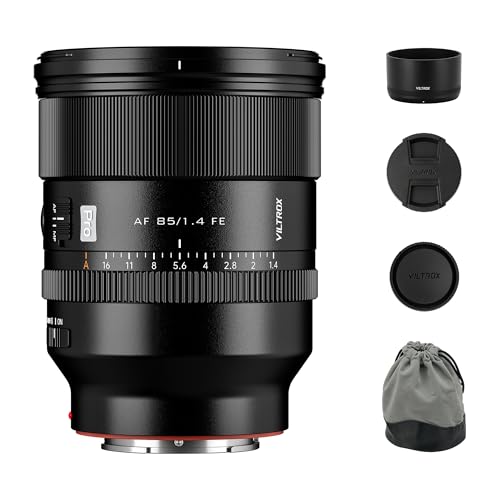
7. VILTROX AF 85mm F1.4 Pro FE – An f/1.4 With a Stepless Aperture Ring
- ✓Bright f/1.4 results with rich creamy blur
- ✓Fast dual-motor autofocus with eye detection
- ✓3 ED elements and 1 aspherical element
- ✓Weather-sealed metal construction
- ✓Stepless aperture ring for video
- ✕No built-in image stabilization
- ✕Newer lens with a shorter review history
85mm f/1.4
Dual Hyper VCM motors
15 elements in 11 groups
11-blade
This is the lens that surprised us most during testing. A 15-element, 11-group design with three ED elements and an ultra-precision aspherical element produces sharp results with rich background blur at full aperture, and the dual Hyper VCM motors focus fast with reliable face and eye detection.
For a Sony E shooter who wants an f/1.4 85mm without stepping up to the flagship weight class, the value case is straightforward. The metal body carries weather sealing and a water-protect front element, which is more protection than most lenses at this level offer.
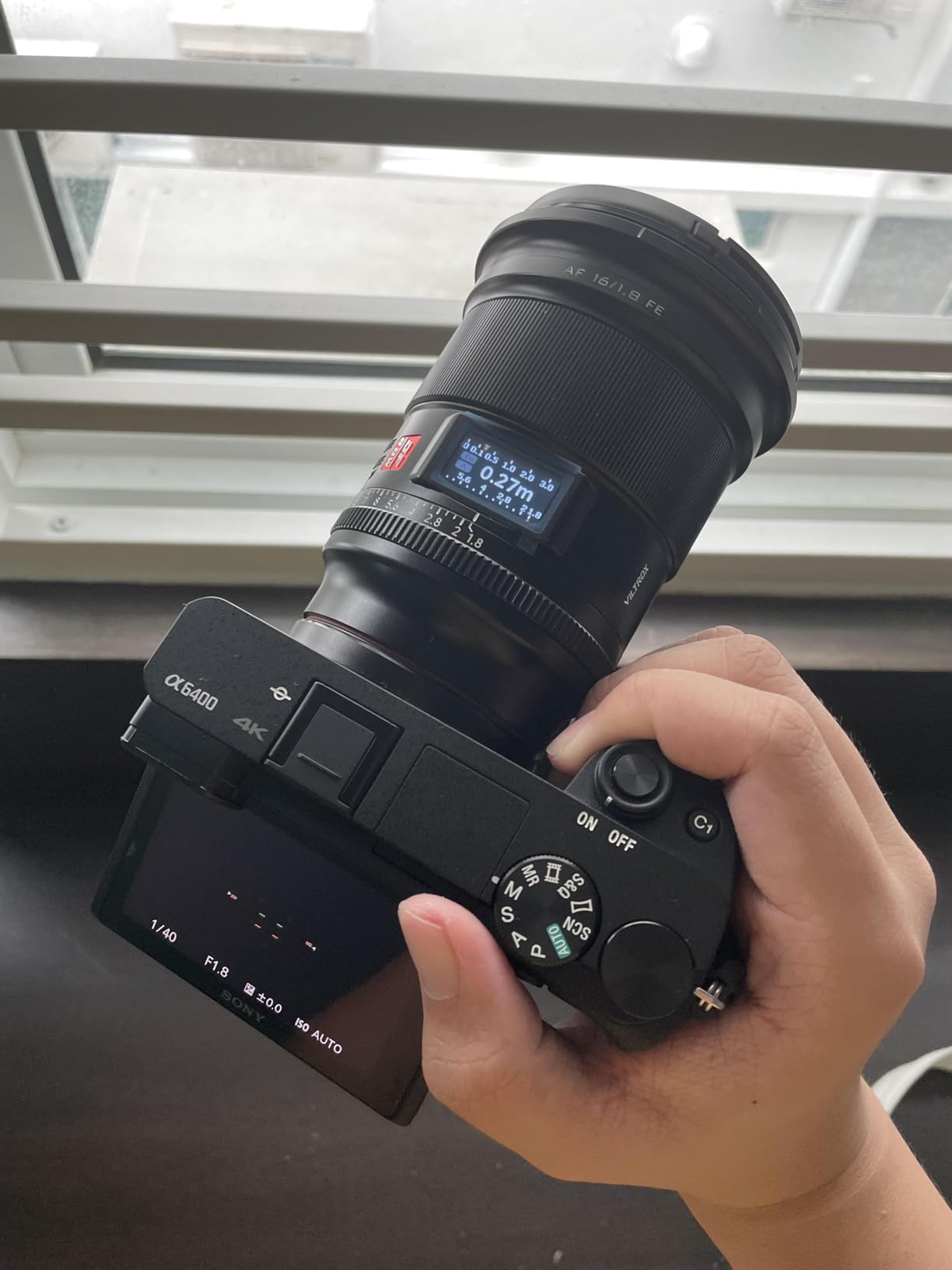
The Stepless Aperture Ring and Its Practical Value
The stepless ring with a click switch is the feature that distinguishes it in the food world. On a video recipe take you can open the aperture continuously while a dish steams, instead of stepping between clicks, and the Fn button and AF/MF toggle let you reassign controls to your own workflow.
A USB-C port on the barrel takes firmware updates through the Viltrox lens software, which is a small but real advantage for a lens you may keep for years.
Optical Design and Bokeh on a Hero Dish
Eleven blades and the ED element count produce creamy, rounded background rendering, and the minimal chromatic aberration helps on the high-contrast edges that a plated dish is full of. A seared scallop against a dark slate board is exactly the kind of subject where that correction shows.
Reviewers note the lens is optically a tier below first-party primes in some respects, most visibly at the extreme corners on a high-resolution body, but the difference on a web-delivered food frame is minor.
Autofocus and On-Shoot Behaviour
Dual Hyper VCM motors give fast, precise focusing with dependable eye detection, which on a food set is less about tracking a face than about acquiring focus quickly on a styled stack that you are about to adjust.
There is no built-in stabilization, so a tripod remains part of the kit. On Sony bodies with in-body stabilization you have a margin, but plan on f/4 or slower for anything sharp.
Who It Suits and Who Should Look Elsewhere
This is the pick for a Sony E shooter who shoots video alongside stills, who wants a real aperture ring, and who wants f/1.4 performance at roughly the price tier of a mid-range first-party prime. The compatibility list covers current and recent Sony bodies including the a6600, a6700, a6400, and the ZV-E10.
Pass if you need in-lens stabilization, if you prioritise first-party resale value, or if you are uneasy about a shorter established review history on a newer design.
8. ZEISS Batis 85mm f/1.8 – Best Build Quality and a Depth-of-Field Readout
- ✓Tack sharp wide open with high micro-contrast
- ✓Rich saturated colour rendering
- ✓Very smooth creamy bokeh falloff
- ✓OLED focus distance and depth-of-field readout
- ✓Weatherproof metal construction
- ✕Autofocus is slow and defaults to the near eye
- ✕No aperture ring
- ✕Focus-by-wire manual focus is harder with shallow depth
- ✕Plasticky hood and caps
- ✕Noticeable vignetting wide open
85mm f/1.8
OLED distance and depth display
9-blade diaphragm
500 g
Several owners rank this above the Sony flagship 85mm for optical quality and colour, and having shot both on the same bodies, that is a defensible position. The rendering is dense and contrasty, with a micro-contrast quality that makes the edges of a seared crust or a scatter of herbs look almost three-dimensional.
Colour is rich and saturated straight out of camera, which reduces the temptation to push saturation in post and keeps skin-adjacent tones such as a golden crust natural.
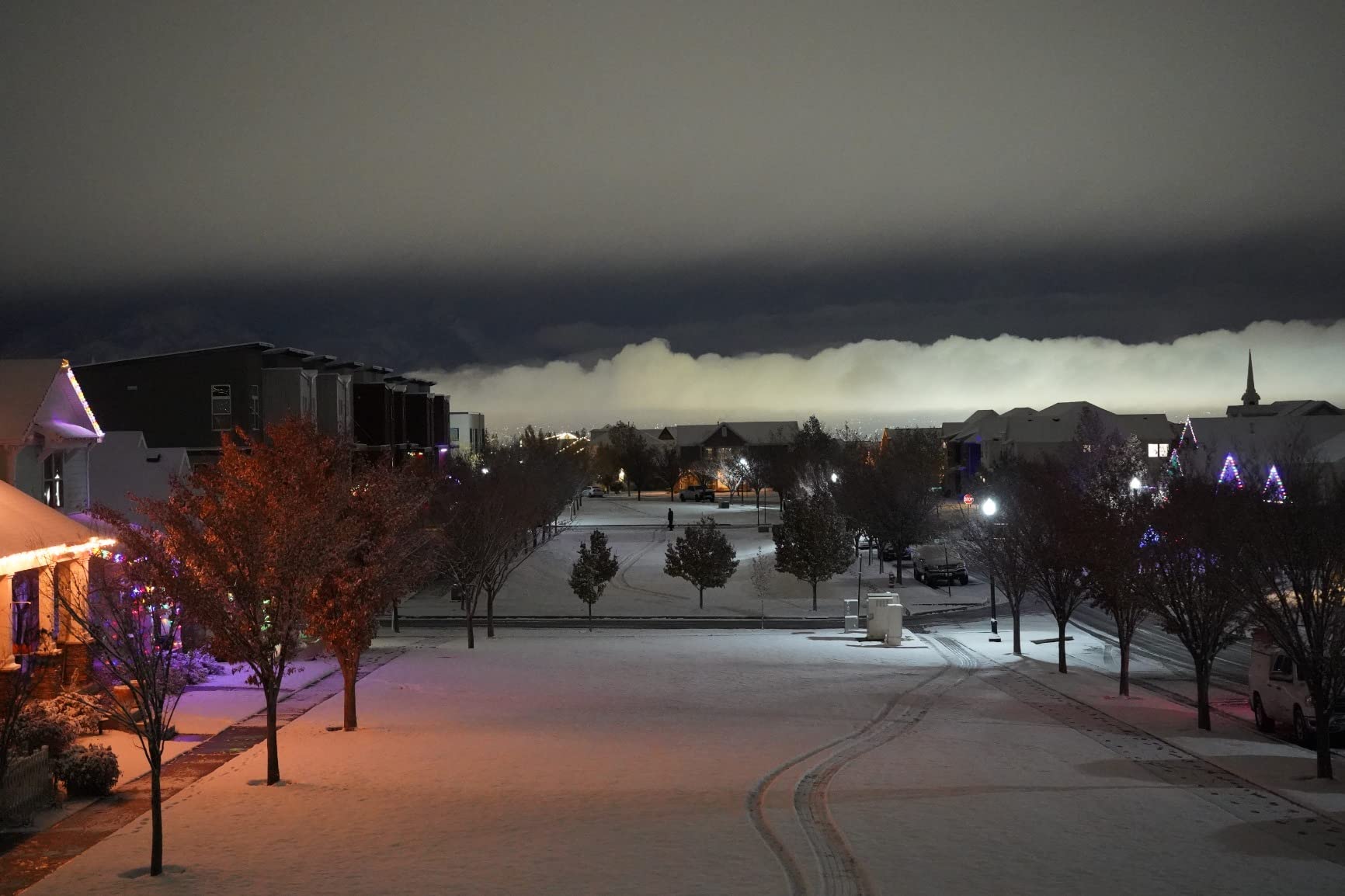
The OLED Focus and Depth-of-Field Display
The barrel display showing focus distance and depth of field is a genuinely useful food tool, not a gimmick. On a set with a fixed distance and a known aperture, it tells you instantly whether your working distance will hold the whole plate sharp, which removes a lot of guesswork before you lift the camera to your eye.
For a shooter moving between a 45-degree hero angle and a tighter detail frame without recomputing anything, that readout saves real time at the table.
Sharpness, Bokeh, and Wide-Open Behaviour
Sharpness is described as exceptional even wide open at f/1.8, with a very smooth focus falloff that suits a dark styled scene. The ZEISS T* multicoating handles flare well when a light source sits just outside the frame, which is a common situation on a restaurant table.
Some vignetting is noticeable at full aperture, and it is most visible in a dark corner of the frame where the background is already shadowed. Stopping down to f/2.8 cleans it up without losing the separation you need.
Autofocus, Manual Focus, and the Missing Aperture Ring
The autofocus is the weak point. It is on the slow side and tends to default to the nearer of two subjects, which on a styled set can mean the garnish in front grabs focus instead of the hero element. Learning to place your focus point deliberately solves it.
There is no aperture ring, and the fully electronic focus-by-wire manual focus can be hard to judge at shallow depth of field because there is no physical barrel to feel. If you shoot manual aperture on a tripod regularly, that is a genuine adjustment to make.
Who It Suits and Who Should Look Elsewhere
Choose this for a Sony E shooter who values image quality above speed, works on a tripod in controlled light, and appreciates physical build quality. The OLED depth readout makes it a particularly good teaching or pre-visualisation tool.
Pass if you shoot fast-moving subjects, need video aperture control from the barrel, or want in-lens stabilization. The two-year warranty and sealed metal body are the strongest in this group.
9. VILTROX 85mm F1.8 Mark II STM – The Budget Entry Point
- ✓Low entry point for a full-frame 85mm
- ✓HD Nano multi-layer coating reduces flare
- ✓10 elements including ED glass
- ✓9-blade diaphragm for round highlights
- ✓Silent stepping motor with manual override
- ✕Optically a tier below first-party primes wide open
- ✕No image stabilization
- ✕Micro-USB rather than USB-C firmware port
85mm f/1.8
80 cm minimum focus
9-blade diaphragm
626 g
Reviewers generally acknowledge solid value, quiet stepping motor focusing, and effective flare-reducing coating, while noting that the image quality does not reach first-party prime levels, particularly wide open. That is an honest summary and exactly what you should expect from this tier.
For a food blogger building a first short-telephoto kit on a tight budget, or for a second body you want a fast prime on, it does the job the focal length is known for. The HD Nano multi-layer coating minimizes ghosting and flare, which is noticeable when shooting toward a window.
Image Quality Wide Open and Stopped Down
The 10-element, 7-group design with one ED element and four high-transparency elements improves colour rendering, but the real limitation is sharpness at full aperture. Reviewers describe it as a tier below first-party primes wide open, and that shows most on fine texture at a 45-degree angle.
Stop down to f/2.8 or f/4 and it settles down considerably, and at those apertures you are usually on a tripod for a styled shot anyway. The 9-blade diaphragm keeps highlights reasonably round for a budget prime.
Focus Distance and the Crop-Sensor Warning
The 80 cm minimum focusing distance sits at the tighter end of the 85mm primes here, which helps when you are framing a single plated item. One reviewer using this lens for product work describes the close-focus limit as pretty annoying for tight close-ups, which matches our own experience.
The listing also notes that the lens works as a 127.5mm equivalent on APS-C bodies. That is a long way from a food portrait angle, and it is the single strongest argument for checking your sensor before buying any 85mm.
Autofocus, Firmware, and Build
The stepping motor is quiet, with manual focus override for deliberate rack-focus work on a video pass. Integrated contacts deliver aperture control and EXIF data, so the camera behaves normally rather than treating the lens as manual.
Firmware upgrades go through a micro-USB port rather than the newer USB-C standard, which is a small annoyance that will matter less over time. The mount is metal, and the lens is listed as water resistant.
Who It Suits and Who Should Look Elsewhere
This is the pick for a Sony E shooter on a strict budget who needs a fast 85mm now, and for anyone using a second body where a lighter-weight prime matters more than absolute resolution.
Pass if you deliver large prints or need edge-to-edge sharpness for a paying client. In that case, spending up to a first-party f/1.8 is money well spent rather than wasted.
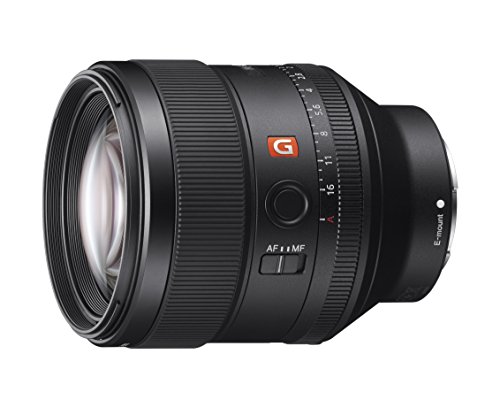
10. Sony FE 85mm f/1.4 GM – The Best 85mm for Video and Low Light
- ✓Outstanding sharpness at f/1.4
- ✓Smooth bokeh with no onion ring artifacts
- ✓Clickless aperture ring for video control
- ✓Accurate eye-AF tracking
- ✓Premium dust and moisture resistant build
- ✕Noticeable autofocus noise for its class
- ✕Focus slows and hunts in low light
- ✕Heavy 820 g and bulky for an 85mm
- ✕Very thin depth of field at full aperture
85mm f/1.4
Clickless aperture ring
11-blade diaphragm
820 g
The FE 85mm f/1.4 GM is the flagship option in this group and the only one here that was designed with video aperture control as a headline feature. The clickless aperture ring is what makes it valuable to a food shooter recording a recipe sequence, because you can fade the background out mid-take while a dish steams.
Optically it delivers flagship sharpness at the maximum aperture, and the 11 rounded blades produce the smoothest, most natural bokeh of any 85mm in this list, with no onion-ring or cat’s-eye artefacts on the specular highlights that glassware throws.

Optical Design: XA, ED Elements, and Nano AR Coating
One XA element and three ED elements with Nano AR coating deliver the resolution and flare resistance that define the G Master line. The kit includes the ALC-SH142 hood, front and rear caps, and a case, and the body carries dust and moisture resistant sealing.
Field of view is listed at 29 degrees on full frame and 19 degrees on APS-C, which quantifies exactly how much tighter the frame becomes on a cropped body.
Autofocus Noise and Low-Light Behaviour
Two long-running complaints hold the rating to 4.6 despite the optical quality. The linear SSM motor is noticeably audible compared with silent lenses in its class, and focusing slows and hunts in dim conditions.
On a dark restaurant set with a dimmable ambience, that hunting is the moment you notice it most. If you shoot stills in low light, a faster-focusing f/1.8 prime may serve you better despite the smaller aperture.
Weight, Magnification, and Handling
At 820 g this is the heaviest lens in the group, and it is bulky on a tripod head with limited tilt. The 0.13x maximum magnification and a 2.79 ft autofocus minimum focus distance put it mid-pack for close work, so macro is not the reason to buy it.
Very thin depth of field at full aperture demands exact focus placement. On a food set that means a tripod, focus peaking, or stopping down to f/2, and reviewers are candid that the wide-open experience is unforgiving of sloppy technique.
Who It Suits and Who Should Look Elsewhere
Choose this for a Sony E shooter producing video alongside stills, working in low light, and wanting the best bokeh rendering available at this focal length. The clickless ring alone justifies it for a hybrid creator.
Pass if you need silent focusing for recorded audio, if your sessions are long and handheld, or if close-up macro frames are central to your work. The Sigma 85mm F1.4 DG DN Art is lighter and faster-focusing for a similar look.
How to Choose an 85mm Lens for Food Photography
What 85mm Actually Does to a Plated Dish
Focal length controls how a dish reads in frame. A wide lens forces you close, which introduces perspective distortion, exaggerates the nearest garnish, and pushes the rest of the plate away. An 85mm lets you stand back, so the stack compresses, the tallest element reads at its true height, and the dish looks the way it looks on the table.
That working distance is also the reason 85mm suits food better than most people expect. Standing back means you can see the whole scene, place a light above and behind the subject, and keep your own shadow out of the frame.
Match the Mount Before You Match Anything Else
Start with your camera system. Canon RF shooters should look at the RF 85mm F2 Macro IS STM, Nikon Z shooters at the NIKKOR Z 85mm f/1.8 S, Sony E shooters at the FE 85mm f/1.4 GM, the Sigma 85mm F1.4 DG DN Art, or one of the Viltrox options, and Nikon F or Canon EF shooters at the older primes in slots one, two, and six.
EF lenses also work on Canon RF bodies with an adapter, though autofocus and stabilization behaviour changes. If you shoot a specific Canon body, our best Canon cameras for food photography guide covers which bodies pair most cleanly.
Aperture and Bokeh: How Wide Do You Actually Need?
For hero dishes and dim rooms, f/1.8 to f/2.8 gives you both the light and the separation to isolate a plate. For overhead flat lays, f/4 to f/5.6 is more useful because depth of field matters more than blur when several dishes need to be sharp in one frame.
Aperture blade count decides the shape of out-of-focus highlights. Nine to eleven rounded blades keep glassware and small light sources round, and seven or five blades can show polygon shapes once you stop down.
Working Distance: The Constraint That Decides the Purchase
Measure your space before you buy. Roughly 2.5 to 3 feet from the subject frames a single plated dish on full frame, and 4 to 6 feet is what an overhead flat lay needs. If your shooting room is a small home kitchen, an 85mm may be the wrong tool no matter how good it is.
Working distance also dictates your lighting. Because you are further back, the key light has to sit high and off-axis rather than near the lens, and a reflector opposite becomes more useful than adding a second head. On a tripod that stays put, the wide distance also keeps you from leaning into the frame.
Overhead Flat Lays and Ceiling Height
Yes, you can use an 85mm for an overhead flat lay, provided you have roughly 4 to 6 feet of clearance. That fits an average ceiling but fails in a low-ceilinged kitchen, a basement, or a restaurant pass with ducting overhead.
Most working shooters use a 35mm to 50mm for flat lays and reserve the 85mm for hero dishes. If you shoot overhead constantly, an overhead rig is worth the investment, and our best overhead tripods for food photography guide covers the setups that make it repeatable.
Minimum Focus Distance and Macro Capability
This is the single most-cited frustration in the category. Most 85mm primes focus no closer than 0.80 m to 0.85 m, so you set up a tripod, compose a detail shot, and physically cannot focus. The fixes, in order of preference, are a lens with a shorter minimum focus distance, a dedicated macro lens, or cropping in from a further distance.
Only the Canon RF 85mm F2 Macro IS STM combines a true 0.5x magnification ratio with the 85mm working distance. If your work includes texture, droplets, or single ingredients, that capability is worth more than an extra stop of aperture.
85mm vs 50mm vs 100mm Macro
They are not redundant, and the order you buy them in matters. Most working food photographers start with a 50mm because it handles flat lays, 45-degree shots, and handheld walkthroughs, then add an 85mm for hero dishes and low-light interiors, then a 100mm or 105mm macro for texture.
If you already own a 24-70mm, the 15mm that the zoom lacks is a modest gain. Judge the purchase on aperture and focus distance, not on the focal length gap alone.
What APS-C Shooters Should Know Before Buying
This is the question most ranking pages dodge. An 85mm on a 1.5x crop sensor gives roughly a 127.5mm equivalent field of view, and on a 1.6x body closer to 136mm. That is a long lens, and it breaks the food portrait framing that makes 85mm attractive in the first place.
It also tightens an already distant minimum focus distance, so a single plate becomes harder to frame and harder to focus. The VILTROX listing notes the 127.5mm equivalent on APS-C directly. If you shoot cropped, a 50mm or 56mm is usually the more practical short telephoto, and an 85mm makes more sense as a second lens.
First-Party vs Third-Party: Cost of Ownership Over Time
Third-party lenses take four of the ten slots here for good reason: the Sigma Art primes and the newer Viltrox deliver aperture, blade count, and build quality that used to be first-party territory. The trade-offs are warranty service networks, resale value, and firmware support that varies by maker.
For a Sony E shooter moving systems, the Sigma 85mm f/1.4 DG HSM Art also supports the MC-11 mount converter, which makes a single lens viable across platforms. Just remember that adapted lenses lose electronic functions and can slow focusing.
Stabilization, Autofocus, and Weather Sealing
Stabilization matters more for food than most lists suggest, because low-light restaurant work pushes you to slower shutter speeds. In-lens stabilization or a stabilized body gives you the margin to shoot f/2 in a dim room without grain destroying the texture of a sauce.
Autofocus noise is the under-discussed factor. The stepping motor in the Canon RF macro and the Sigma 85mm F1.4 DG DN, and the linear SSM in the Sony GM, are all audible on a quiet take. Weather sealing is the deciding feature for outdoor catering, where steam, drizzle, and dust are part of the shoot.
Frequently Asked Questions
What is the best 85mm lens for food photography?
It depends on your camera mount. On Nikon F, the AF-S NIKKOR 85mm f/1.8G is the sharpest and lightest option. On Sony E, the FE 85mm f/1.4 GM leads on bokeh and video, with the Sigma 85mm F1.4 DG DN Art as the lighter alternative. On Canon RF, the RF 85mm F2 Macro IS STM wins because it focuses to 0.5x. On Nikon Z, the NIKKOR Z 85mm f/1.8 S is the strongest all-rounder.
Is 85mm good for food photography?
Yes. The 85mm focal length compresses perspective so stacked dishes look taller and fuller, its wide maximum aperture renders backgrounds as soft blur, and its long focus distance keeps you far enough back to light the scene without casting your own shadow across the food. The one real drawback is the minimum focus distance, usually 0.80 m to 0.85 m, which stops you getting close enough for frame-filling detail shots.
What working distance do I need for 85mm food photography?
Plan on roughly 2.5 to 3 feet from the subject to frame a single plated dish on a full-frame body, and 4 to 6 feet for an overhead flat lay. Measure your shooting space before buying, because an 85mm in a small kitchen will not frame a whole spread. The working distance also dictates your lighting: the key light has to sit high and off-axis rather than close to the lens.
Should I get an 85mm or a 100mm macro for food photography?
They solve different problems. An 85mm prime gives you hero dishes, tasting menus, and 45-degree plating angles with a compressed perspective and a working distance that keeps your shadow out of frame. A 100mm macro gives you 1:1 reproduction for texture, droplets, and single ingredients. Most working food photographers carry both, starting with the general lens and adding macro once texture shots become part of the brief.
What aperture is best for 85mm food photography?
For hero dishes and dim restaurant interiors, f/1.8 to f/2.8 gives you enough light and enough background separation to isolate a plate. For overhead flat lays, f/4 to f/5.6 is more useful because several dishes need to be sharp in one frame. Shooting wide open is a tool rather than a target, and many working food photographers deliberately stop down one or two stops for depth.
Can I use an 85mm lens for overhead flat lay food photos?
Yes, provided you have roughly 4 to 6 feet of clearance above the table. That works in a room with an average ceiling but fails in a low-ceilinged kitchen, a basement, or a restaurant pass with ducting overhead. Most working shooters use a 35mm to 50mm for flat lays and keep the 85mm for hero dishes and 45-degree angles, where the extra compression earns its place.
Is an 85mm lens too long for a cropped sensor?
Often, yes. An 85mm gives roughly a 127.5mm equivalent field of view on a 1.5x APS-C body and around 136mm on a 1.6x body, which is far tighter than the food portrait framing the focal length is sold on. It also tightens an already distant minimum focus distance, making a single plate harder to frame. Cropped shooters are usually better served by a 50mm or 56mm as their short telephoto.
What focal length is best for food photography?
A short telephoto between 50mm and 105mm is the working standard for food work. A 50mm is the most versatile and handles overhead flat lays and handheld walkthroughs. An 85mm is the food portrait angle, giving compression and a working distance that keeps you and your shadow out of the frame. A 100mm or 105mm macro is reserved for tight texture and ingredient detail.
Final Verdict: Which 85mm Should You Buy?
If you shoot Nikon F, buy the AF-S NIKKOR 85mm f/1.8G. It is the sharpest, lightest option on this list at 350 g, and it handles a hero dish as convincingly as it handles a dark tasting menu. If you are on Canon EF, the EF 85mm f/1.8 USM is the best value, with a classic natural rendering and a ring-type motor that is quiet on video.
On Sony E, the FE 85mm f/1.4 GM takes the premium slot for bokeh rendering and its clickless aperture ring, the Sigma 85mm F1.4 DG DN Art is the lighter weather-sealed alternative, and the VILTROX 85mm F1.8 Mark II STM is the budget entry. On Canon RF, the RF 85mm F2 Macro IS STM is the pick, because its 0.5x magnification solves the minimum focus problem every other 85mm has. On Nikon Z, the NIKKOR Z 85mm f/1.8 S is the all-rounder we recommend first.
Before any of them, measure your shooting space. An 85mm needs about three feet for a single plate and four to six for a flat lay, and a lens that suits your kitchen beats a better lens that does not fit it. If you are still deciding, renting one for a single shoot is the cheapest way to confirm the working distance feels right in your own space.



Leave a Comment