
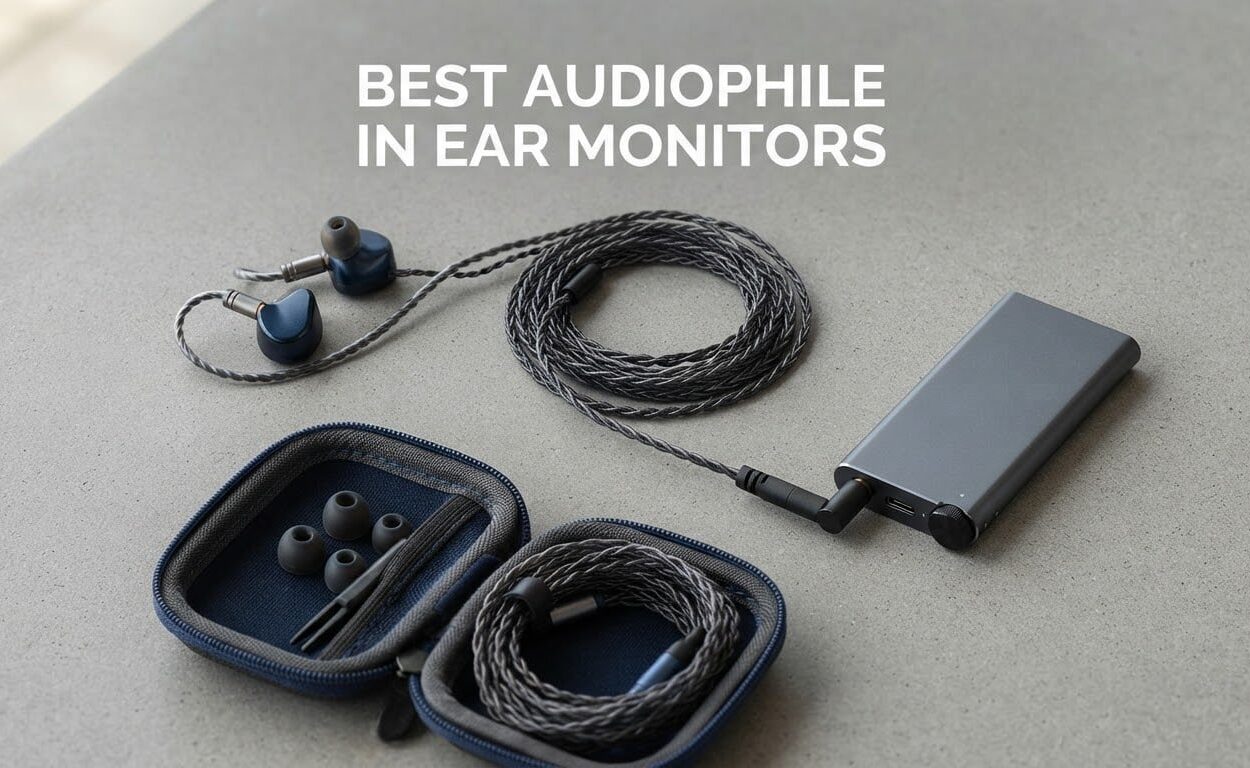
Choosing the best audiophile in-ear monitors is harder than it looks, because nearly every listing in this category claims reference-grade detail and very few deliver it. I spent several months living with wired IEMs on a rotating basis, checking published specifications against what I actually heard on reference tracks, and cross-reading long-term owner reports so the final call was not based on a first impression. What follows is a ten-model shortlist built on sound quality, comfort over long sessions, seal reliability, and whether a phone can drive each one without an amplifier.
An audiophile in-ear monitor, as I use the term here, is a sealed earphone tuned for accuracy rather than excitement. That means low distortion, a midrange that stays put when the bass gets loud, treble that does not turn harsh at the two-hour mark, and detail you can follow instead of a wall of sparkle. It does not mean flat, and it does not mean measuring-equipment neutral. It means you can play an album start to finish and still hear what the record is doing.
If you are still weighing earbuds against wired monitors, our headphones for in-ear monitors guide covers the hardware side. If your budget currently points at open-back cans instead, our audiophile headphone picks make more sense. And if the open-ear form factor is what you are actually curious about, we covered ear cuff earbuds separately, because they are a completely different listening experience from anything in this list.
Everything below is wired with a 3.5mm connection, and that is not a nostalgia choice. A wired path removes the codec, the Bluetooth radio and the internal battery from the signal chain, so what you hear is the tuning the designer built rather than a compressed approximation of it.
Two populations get served here, and they are not the same buyer. Studio engineers and stage musicians need reference accuracy, a seal that protects hearing, and a cable that survives rehearsal rooms. Music enthusiasts usually want tonal enjoyment that stays fatigue-free, and they are far more forgiving of a coloured signature. I label every pick for one group or the other so you are not sorting through specs to work out which camp a model belongs to.
Our Top Picks at a Glance for 2026
Here is the short version before the detail. Every model below is a wired in-ear monitor, and each line is tuned to a different job rather than a different price bracket.
- Best overall: KZ ZS10 Pro: the highest-reviewed audiophile hybrid here, with a 4BA plus 1DD array and a lively, detailed presentation that holds up across genres.
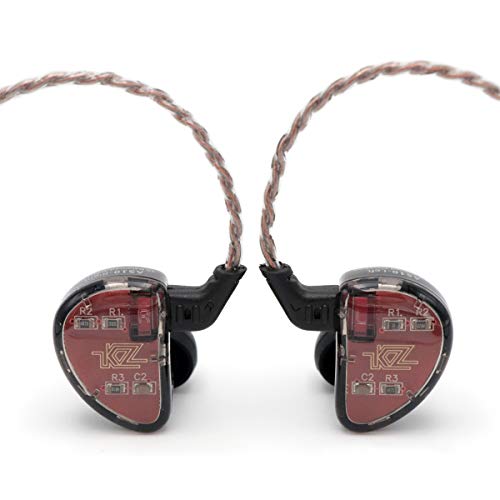
- Warm and balanced: KZ AS10: five balanced armatures and a warm, mildly V-shaped tuning that stays consistent from track to track.
- Best for stage isolation: Shure SE215 PRO: a single proven dynamic driver, a deep sleeve seal, and a two-year spare-part commitment that makes it a working musician’s tool.
- Best entry point: 7Hz x Crinacle Zero:2: a Crinacle-tuned single dynamic driver with a gentle downward tilt that plays straight from a phone.
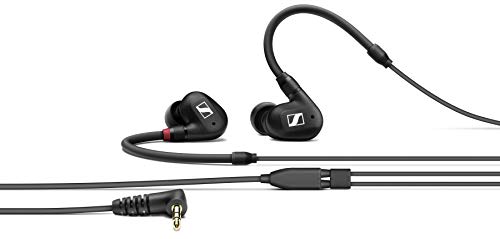
- Best for classical and vocals: Sennheiser IE 40 Pro: a wide, open soundstage with clean separation and a light, non-fatiguing low end.
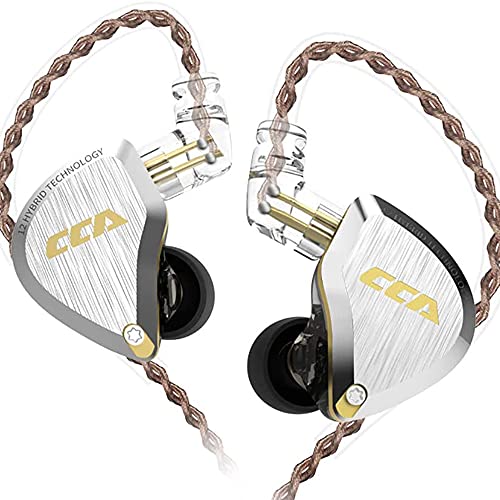
- Best value: CCA C12: five balanced armatures plus a dynamic driver, 112 dB sensitivity, and a warm layered tuning that is easy to drive.
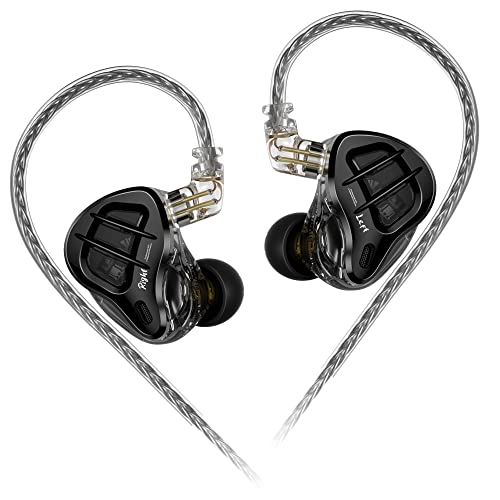
- Best for working musicians: KZ ZAR: eight drivers per side, isolation rated up to 35 dB, and fully serviceable parts with a three-year warranty.
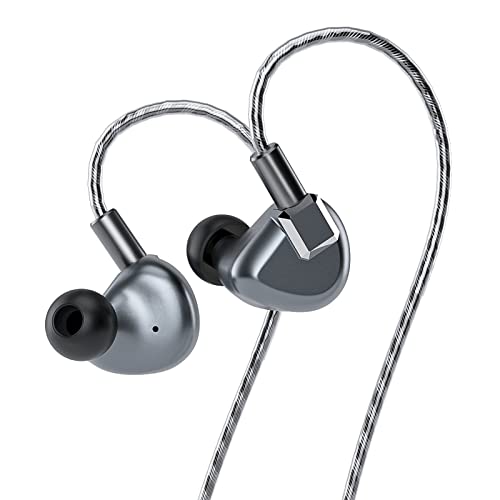
- Best for planar detail: Letshuoer S12: a 14.8mm planar magnetic driver that extends to 30 kHz with a smooth milled metal chassis.
- Best for tunable sound: FiiO FH5s: three physical switches produce eight tuning combinations and a swappable plug covers every output.
- Best reference grade: Shure SE846 Gen 2: a quad high-definition array with interchangeable balanced, warm and bright filters.

KZ ZS10 Pro
- ✓4BA plus 1DD hybrid array
- ✓26dB isolation
- ✓Detachable ODC cable
- ✓40kHz extension
KZ AS10
- ✓Five balanced armatures per side
- ✓3D-printed acoustic cavity
- ✓14 ohm impedance
- ✓20Hz to 40kHz

Shure SE846 Gen 2
- ✓Quad high-definition driver array
- ✓Interchangeable signature filters
- ✓9 ohm at 114 dB
- ✓Low-profile isolation
Comparing Every Pick Side by Side in 2026
Driver architecture, impedance and sensitivity do most of the predictive work here, so I have put all ten models in one table. Scan the impedance column first: anything at or above 30 ohm will behave noticeably better with a small headphone amplifier.
| Product | Features | Action |
|---|---|---|
| KZ ZS10 Pro |
|
Check Latest Price |
 7Hz x Crinacle Zero:2 7Hz x Crinacle Zero:2 |
|
Check Latest Price |
| KZ AS10 |
|
Check Latest Price |
 Shure SE215 PRO Shure SE215 PRO |
|
Check Latest Price |
 Sennheiser IE 40 Pro Sennheiser IE 40 Pro |
|
Check Latest Price |
 CCA C12 CCA C12 |
|
Check Latest Price |
| Shure SE846 Gen 2 |
|
Check Latest Price |
 KZ ZAR KZ ZAR |
|
Check Latest Price |
 Letshuoer S12 Letshuoer S12 |
|
Check Latest Price |
 FiiO FH5s FiiO FH5s |
|
Check Latest Price |
1. KZ ZS10 Pro – The All-Round Hybrid That Refuses to Give Up Detail
- ✓Lively detailed hybrid tuning with real dynamic low end
- ✓26dB isolation from the cochlear-moulded cavity
- ✓304 stainless steel faceplate holds up to abuse
- ✓Detachable cable lets you upgrade the included one
- ✓Extended highs reaching past 40kHz
- ✕Included cable is selected at random from several types
- ✕Resin cavity is plastic-based rather than metal throughout
- ✕Treble leans bright on already-bright recordings
4BA plus 1DD hybrid array
10mm dynamic driver
24 ohm impedance
111 dB sensitivity
7Hz to 40kHz
My default recommendation, and the one I hand to people who want a single pair that covers everything. The ZS10 Pro combines two 30095 balanced armatures for the highs, two 50060 armatures for the mids, and a second-generation Tesla double-magnetic dynamic driver for the lows, which is a layout that pairs a fast armature top end with a cone that pushes real air. What that buys you is a frequency response from 7Hz to 40kHz with genuine sub-bass extension instead of a padded low midrange.
The tuning is energetic rather than neutral. Bass sits slightly forward, mids are clear and open, and the treble carries sparkle without turning into a spike on sibilant recordings. I used the same pair for acoustic jazz, post-rock and dense electronic across several weeks and never felt the need to EQ anything out.
Isolation and the Cochlear-Moulded Cavity
The cavity is modelled on cochlear data, and the practical result is 26dB of noise isolation. That figure matters most in two situations: on a stage, where it protects your hearing against a live band, and on a plane or train, where passive isolation is the only isolation you get. In an office it cuts keyboard and air-conditioning noise far more effectively than any open-fit earbud.
The fit is secure enough to survive running and gym work without an ear hook, and the housing weighs 0.06 kg, so it essentially disappears during long sessions.
Build, Cable and Long-Term Serviceability
A 304 stainless steel faceplate over an imported resin cavity gives you a shell that survives drops, which matters more than it sounds when you keep wired earphones for years. The detachable gold-plated ODC cable uses a limit-slot pin protection design, so a clumsy unplug is far less likely to snap a connector.
One honest complaint, and it comes straight from owners rather than from me: the cable in the box is chosen at random among several types. Some buyers get a good cable and some get a mediocre one, which is an avoidable annoyance. Budget for a replacement cable early.
Who This Is For
This is the pair I suggest to someone who wants one IEM for everything. Metal, electronic, film scores and gaming all land well, and the isolation handles commuting as well as it handles rehearsal rooms. At roughly 14,900 ratings it also carries by far the largest owner base of any model here, which means parts, cables and fit advice are easy to find.
It is less ideal if you have small ear canals and a low pain threshold, because the cavity is a full-size fit. If all-day comfort is your top priority, the Sennheiser IE 40 Pro is the safer bet.
2. KZ AS10 – Five Balanced Armatures With a Warm, Balanced Tuning
- ✓Warm mildly V-shaped tuning with strong well-controlled mid-bass
- ✓Five armatures sound genuinely coherent with excellent instrument separation
- ✓Soundstage is slightly larger than average at this level
- ✓Curve-smooth housing with no sharp edges
- ✓14 ohm impedance means a phone drives it cleanly
- ✕Wide deep housing is only tolerable over long sessions
- ✕Included cable is thin and tangle-prone with no chin slider
- ✕Treble lacks sparkle and has a somewhat plastic timbre
Five armatures per side
3D-printed cavity
14 ohm impedance
20Hz to 40kHz
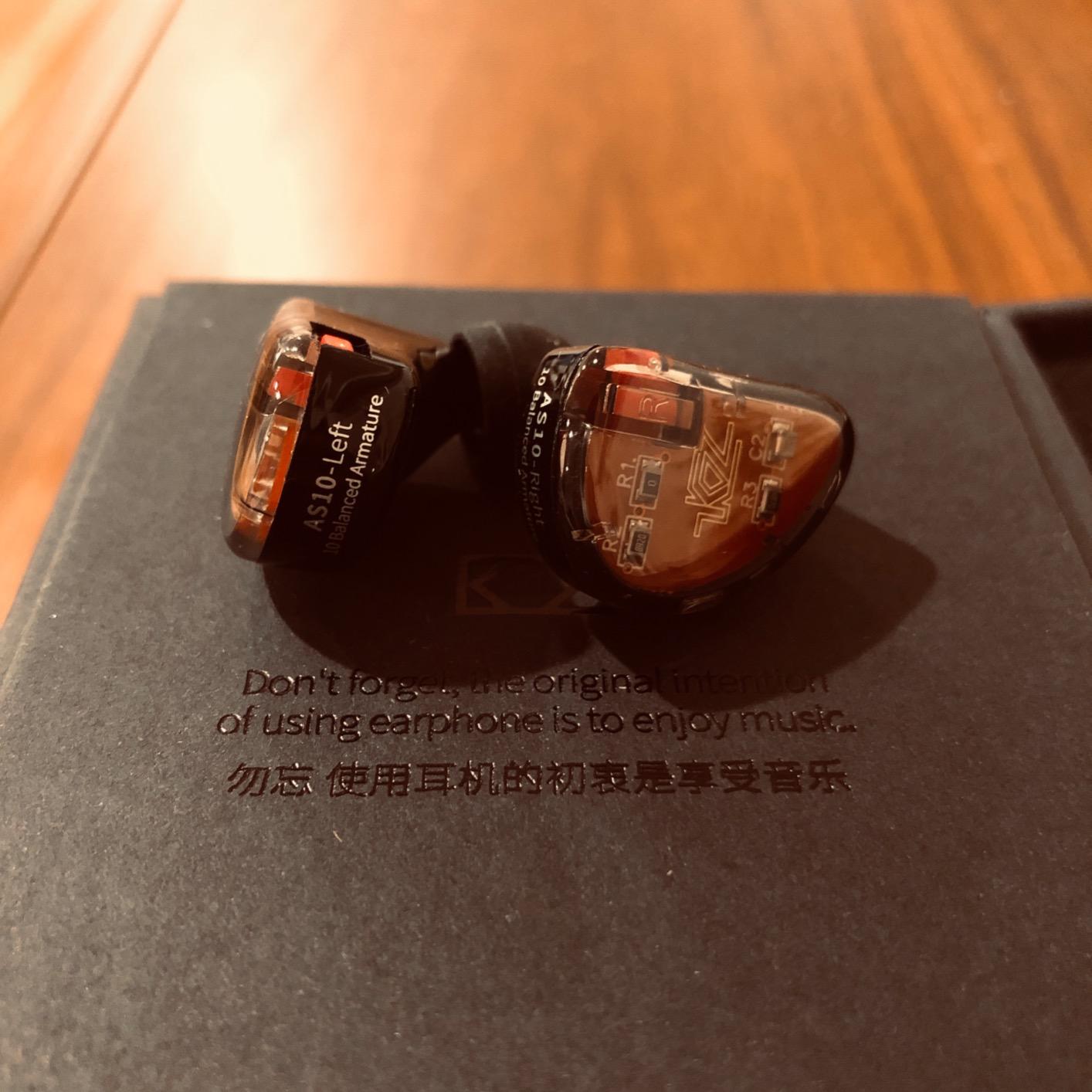
The AS10 is among the best-rated models here, and the reason is consistency rather than fireworks. Five balanced armatures per side, including a dedicated bass armature, are divided by a professional crossover circuit, and the result is a tuning that stays put across a whole album instead of tipping into bass or treble at the extremes.
What surprised me was the soundstage. Five-driver multi-way designs in this class often sound cramped or smeared, but the AS10 places instruments clearly and slightly wider than the housing size suggests. The 3D-printed internal acoustic structure with dual nozzle outputs is the engineering behind that, and it was the first time KZ used additive manufacturing inside an IEM cavity.
Tuning Character and Where It Shines
The signature is warm and mildly V-shaped: mid-bass is generous and controlled, mids sit slightly back but stay clear, and the top rolls off gently. That makes it forgiving of poorly mastered modern material and well suited to rock, metal and gaming, where a lot of the energy arrives in the low mids.
The trade-off is the treble. It does not sparkle the way the ZS10 Pro does, and some listeners describe a plastic timbre on cymbals and hi-hats. If maximum air and micro-detail matter most to you, the Letshuoer S12 is the better target.
Impedance and Phone Compatibility
At 14 ohm and 105 dB sensitivity, the AS10 is among the easiest models here to drive. A phone dongle gives it enough current for such a low load, and there is no meaningful hiss floor, which matters because balanced armatures reveal amplifier noise more readily than dynamics.
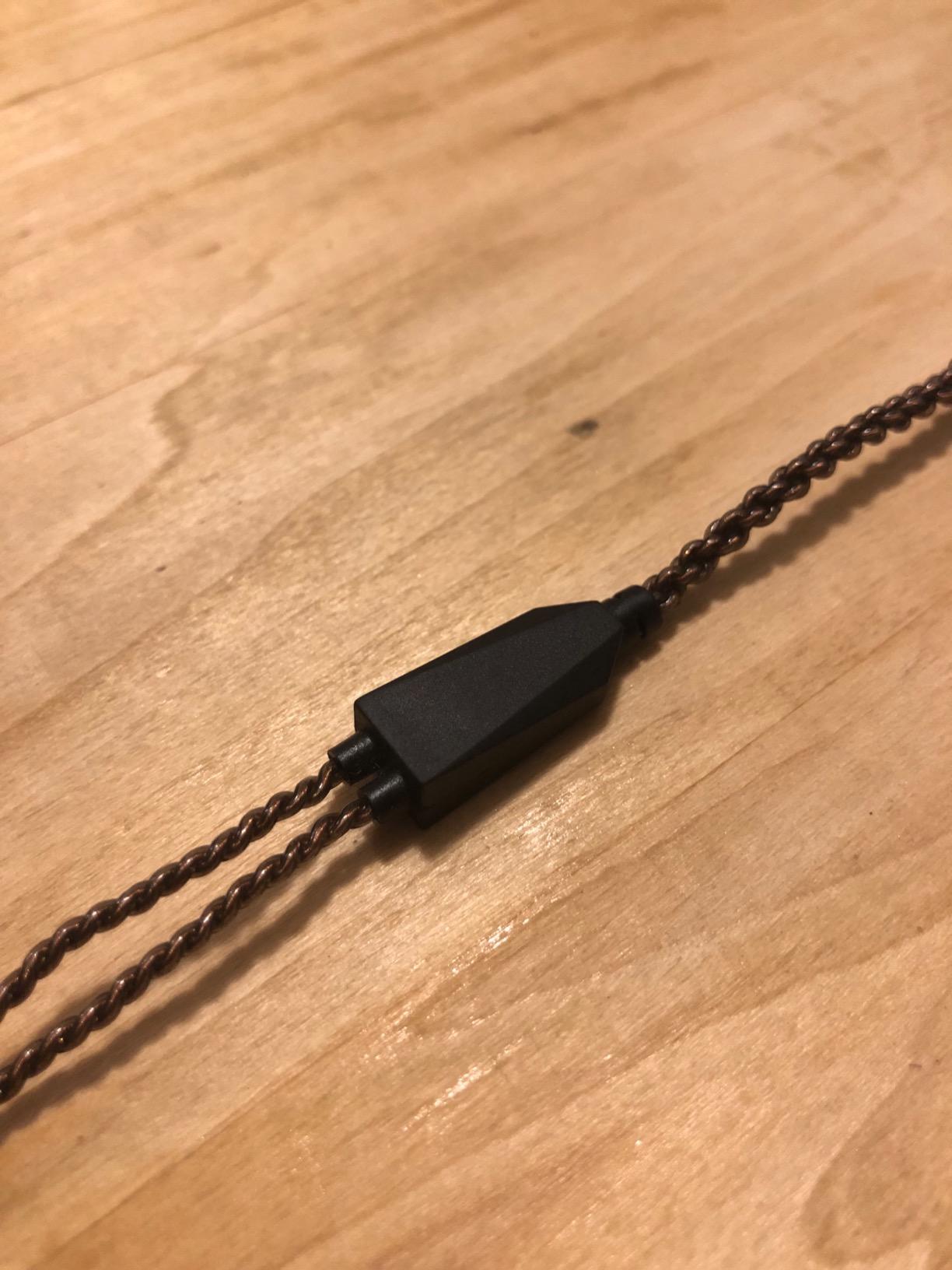
The detachable 2-pin OCC cable with an ergonomic memory ear hook is a good design in principle, but the cable supplied is thin and tangle-prone with no chin slider, so it rubs during long listening sessions.
Comfort Is the Weak Point
This is the one area I would not gloss over. The housing is wide, the insertion depth is deep, and the 3D-printed cavity is dense rather than featherweight. Owners consistently rate the sound and the fit as separate strengths, and that distinction is worth reading carefully: the fit is secure and effective, not relaxed.
Long sessions are where you feel it, particularly on larger ears or smaller ear canals. If your listening routinely runs past two hours, the narrower Sennheiser mould is a better long-run companion.
3. 7Hz x Crinacle Zero:2 – The Refined Version of a Community Favourite
- ✓Well-balanced warm-neutral tuning with a gentle downward tilt
- ✓Bass impact and extension improved over the original Zero
- ✓Comfortable well-sealing fit that holds up over long sessions
- ✓Plays well straight from a phone with no extra amplification
- ✕Included cable is thin basic and relatively short
- ✕Included tips can work loose and need frequent re-seating
- ✕Some listeners hear a slightly muted or underpowered presentation
Single 10mm dynamic driver
32 ohm impedance
108 dB sensitivity
10Hz to 20kHz
Detachable cable
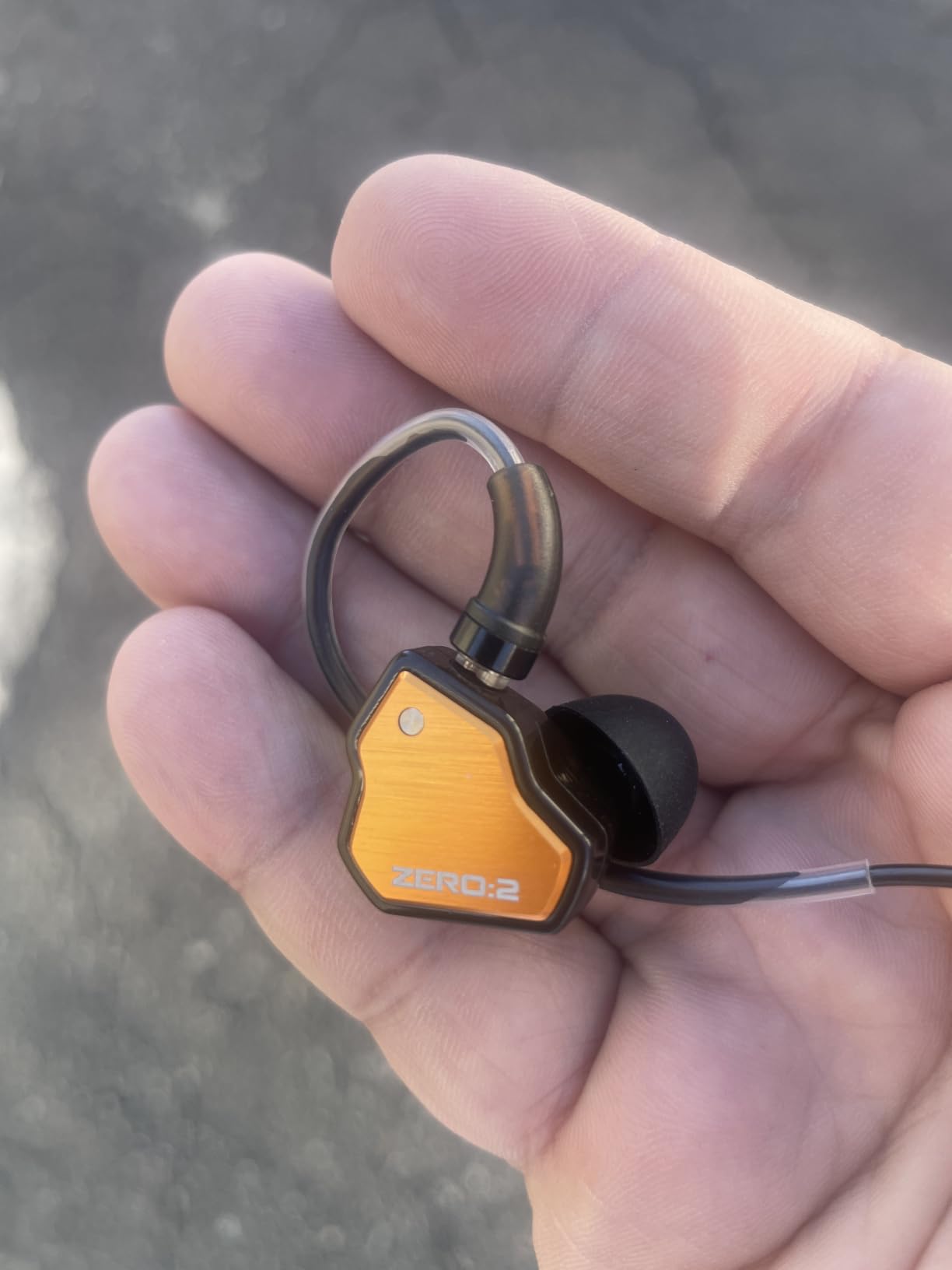
7Hz built the original Zero with reviewer Crinacle, and this second version keeps the same design philosophy with an updated 10mm dual-cavity dynamic driver using a PU plus metal composite diaphragm. The measurable change is 3dB more low-frequency emphasis than the original, and the audible change is a slightly warmer, fuller midrange that suits vocals and instrument fundamentals.
This is one of the most frequent starting recommendations on the enthusiast side of the discussion. Discussions on forum.hifiguides.com and AVForums repeatedly surface this model and its predecessor as a first step, and the reason is simple: the tuning is gentle enough to listen to for hours and structured enough to teach you what a well-balanced curve sounds like.
Sound Signature and Genre Fit
The Zero:2 sits on a warm-neutral path with a gentle downward tilt. Bass has genuine impact and extension rather than a midrange bump, the mids carry vocals clearly, and the treble is smooth without being dull. It is an easy recommendation for orchestral, acoustic and vocal material and perfectly adequate for everything else.
Owners who want more energy describe a slightly muted or underpowered presentation. That is fair if your reference is a bright modern IEM, but it is also precisely why the Zero:2 does not fatigue.
Driving It From a Phone
At 32 ohm and 108 dB sensitivity, the Zero:2 is comfortable on a phone or laptop, which is unusual for a dynamic-driver IEM. You do not need a DAC to hear what the designer intended, though a small amplifier adds a little low-end weight at lower listening levels.
Frequency response is quoted at 10Hz to 20kHz, which covers the audible band without the artificial air of an extended top end. For a first wired IEM, that restraint is a feature rather than a limitation.
The Accessories Are Where It Falls Short
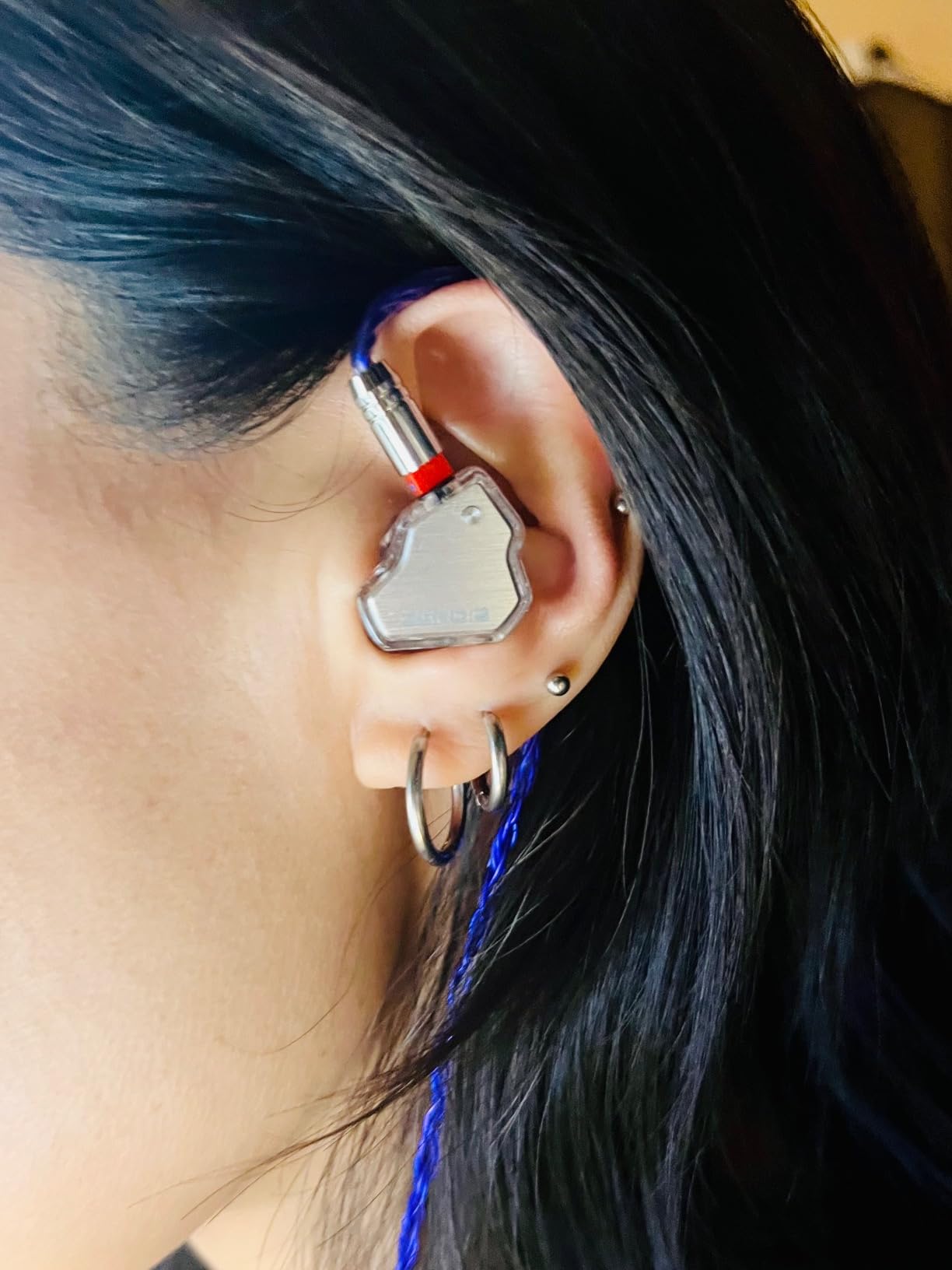
The upgraded high-purity oxygen-free copper cable with silver plating and a coaxial weave measures better than the thin, basic lead would suggest, but it is still short. More significantly, the included eartips can work loose and need frequent re-seating, which is exactly the fit problem that drains bass and isolation on the move.
My advice is to budget for a proper tip selection immediately and for a small moulded case, because the Zero:2 does not include one despite being a genuinely pocketable earphone.
4. Shure SE215 PRO – The Proven Stage Monitor Built Around One Driver
- ✓Clear balanced sound with genuinely strong isolation for stage and travel
- ✓Secure comfortable fit with a deep and reliable seal
- ✓Detachable cable design for long-term serviceability
- ✓Proven single-driver reliability with no crossover to fail
- ✓Bundled carrying case and fit kit
- ✕Sound can read as thin or slightly tinny if you expect richer bass
- ✕Included cable is thin and delicate next to newer rivals
- ✕Moulded housing is bulkier and less refined than recent designs
Single dynamic MicroDriver
20 ohm impedance
Sound-isolating sleeve
Case and fit kit included
The SE215 PRO is a long-serving design and still the one most working musicians trust, and that is not nostalgia. A single dynamic MicroDriver in a clear moulded housing does one job with no crossover network to introduce phase errors, and Shure built the sound-isolating sleeve around stage monitoring rather than casual listening.
At 4.5 stars from 1,344 reviews, it sits mid-range on rating here, but the review themes are unusually consistent: owners value isolation, fit and durability, and a recurring minority describes the tuning as clear but on the thin or metallic side.
Isolation for Stage and Travel
This is the strongest argument for the SE215 PRO. The sleeve seals deep and the shell is shaped so it stays put through movement, which on stage means you can play at full volume without the hearing damage an open-back equivalent would cause. That same seal makes it excellent on a plane, where passive isolation is doing all the work that ANC would do on a wireless model.
Comfort is a strength rather than a compromise here, because the moulded shape distributes pressure across the outer ear instead of loading the canal.
The Single-Driver Trade-Off
One dynamic driver cannot do what a multi-way hybrid does. You give up an extended top end above 20kHz and any true multi-way separation, and in exchange you get a coherent, phase-correct presentation with a low crossover risk. For monitoring a live instrument or tracking a vocal, that coherence is worth more than sparkle.
The complaint I take seriously is thinness. If your reference material is bass-heavy or you move between genres that need low-end weight, this pair will feel lean. That is a tuning preference, not a defect.
Serviceability and Spares
Shure commits to two-year spare part availability, and the detachable cable means a damaged lead is a cheap fix rather than a write-off. The box also includes a carrying case and a fit kit, which several cheaper models here omit.
The included cable is thin and delicate by modern standards, but thanks to the detachable connector, replacing it takes seconds and is the obvious first upgrade.
5. Sennheiser IE 40 Pro – Wide Soundstage and the Lightest Touch on Your Ear
- ✓Wide open soundstage with excellent instrument separation
- ✓Clear treble-forward monitoring tuning that suits classical jazz and vocals
- ✓Works well without an external amp or DAC
- ✓Light and comfortable with a strong passive seal
- ✓Protective case foam adapters and cleaning tool included
- ✕Bass is light for listeners who want real thump
- ✕Detachable connector is proprietary so only Sennheiser cables fit
- ✕Supplied foam tips can feel muffled and ear tips change the sound a lot
10mm dynamic transducer
20 ohm impedance
20Hz to 20kHz
Stage cable and case included
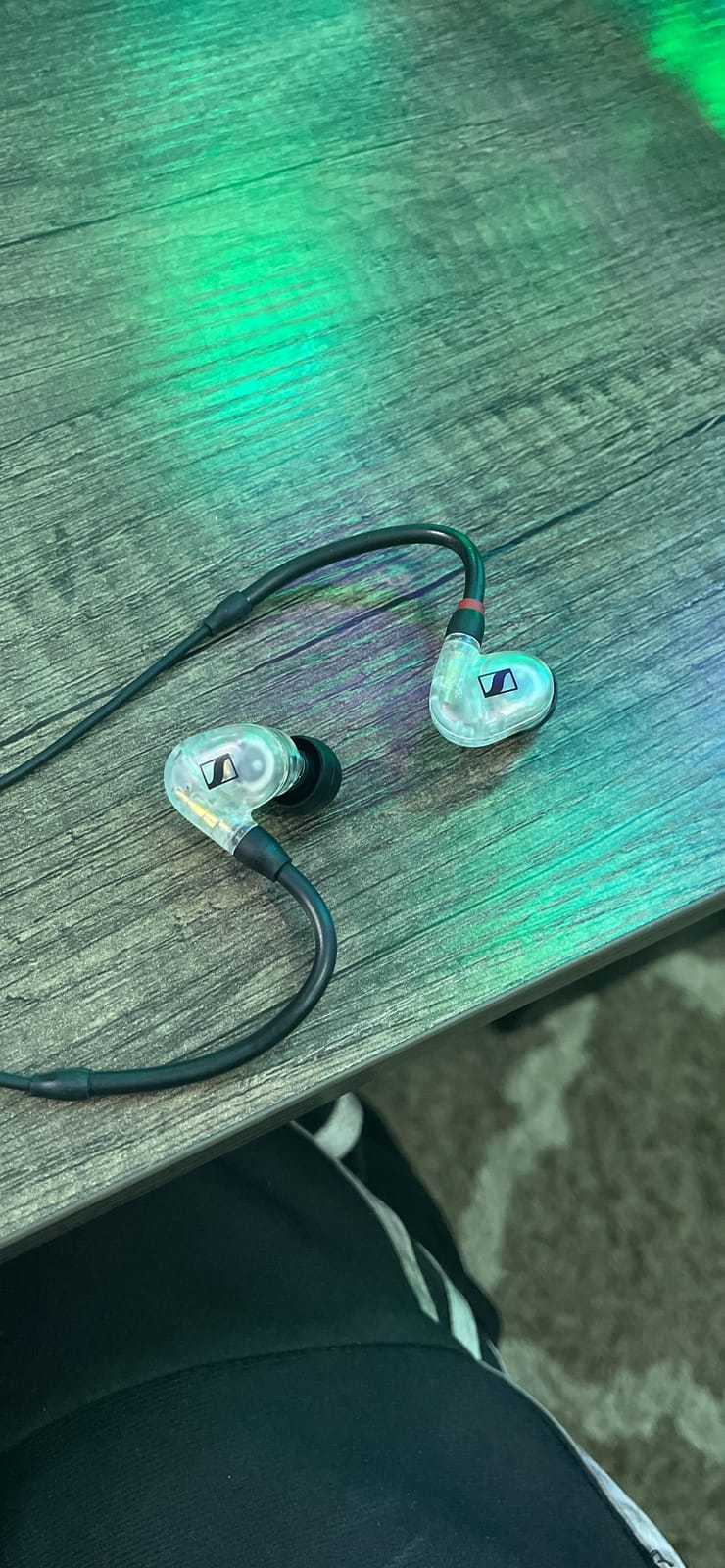
The IE 40 Pro is the pair I found most comfortable over a full working day, and that is not a small thing in a category where bulky housings are the norm. The flat-profile ear mould sits against the outer ear rather than cantilevering into the canal, and at 0.14 kg for the set it disappears almost immediately.
The sound is the opposite of the SE215’s: wider, brighter and more analytical. For orchestral recordings, solo vocal work and jazz, that is exactly what you want. For bass-driven modern music, it is the wrong tool.
Soundstage, Imaging and the 10mm Transducer
A 10mm dynamic broadband transducer drives the whole range, and Sennheiser’s design brief was explicitly about reducing acoustic stress at high levels so the driver does not add harshness. In practice that shows up as a treble that stays articulate on loud orchestral passages instead of compressing.
The soundstage is genuinely wide for an IEM, with clean instrument separation across a large area. Imaging is precise enough to place a single voice dead centre in a dense mix, which is why mixing engineers pick this shape of tuning.
Low Bass and When That Matters
Bass here is light, and I want to be direct that this is the model’s main limitation. There is no sub-bass rumble and the low midrange is restrained, so hip-hop, EDM and modern rock will sound leaner than you may expect.
For listeners who want low-end weight with a wide stage, the Letshuoer S12 or the FiiO FH5s are the picks to compare against.
Cable, Tips and What Comes in the Box
The replaceable stage cable uses an internal cable duct and a reinforced ear hook, which is built for stage work, but the connector is proprietary. Only Sennheiser replacement cables fit, so plan ahead if you want to change it.
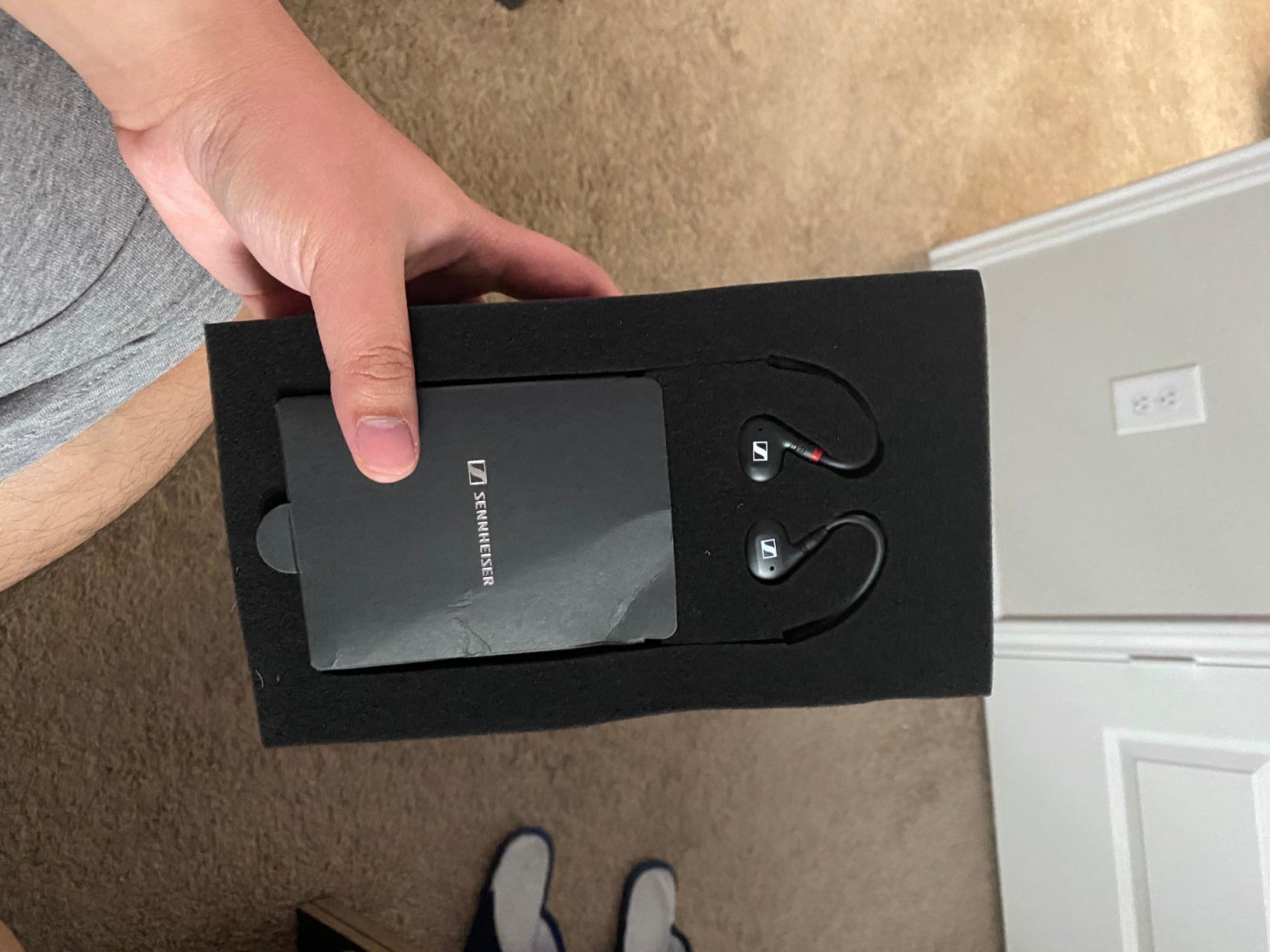
Foam adapters in three sizes, a protective case and a cleaning tool all come in the box, along with a two-year manufacturer warranty. Tips matter more here than on many rivals: owners note the supplied foam tips can feel muffled, and swapping to silicone changes the treble noticeably.
6. CCA C12 – Warm Hybrid Sound Without the Hybrid Price Tag
- ✓Rich coherent hybrid tuning with powerful bass and open mids
- ✓Excellent layering and detail retrieval across genres
- ✓Sturdy zinc alloy and resin build with slot-protected cable pins
- ✓High sensitivity so it plays well from a phone or laptop
- ✓Secure ergonomic fit that resists falling out
- ✕Housing is fairly bulky and sits proud of the ear
- ✕Included accessories are basic compared with rivals
- ✕Resin body means it scratches and scuffs visibly over time
5BA plus 1DD per side
24 ohm impedance
112 dB sensitivity
7Hz to 40kHz
24 g per side
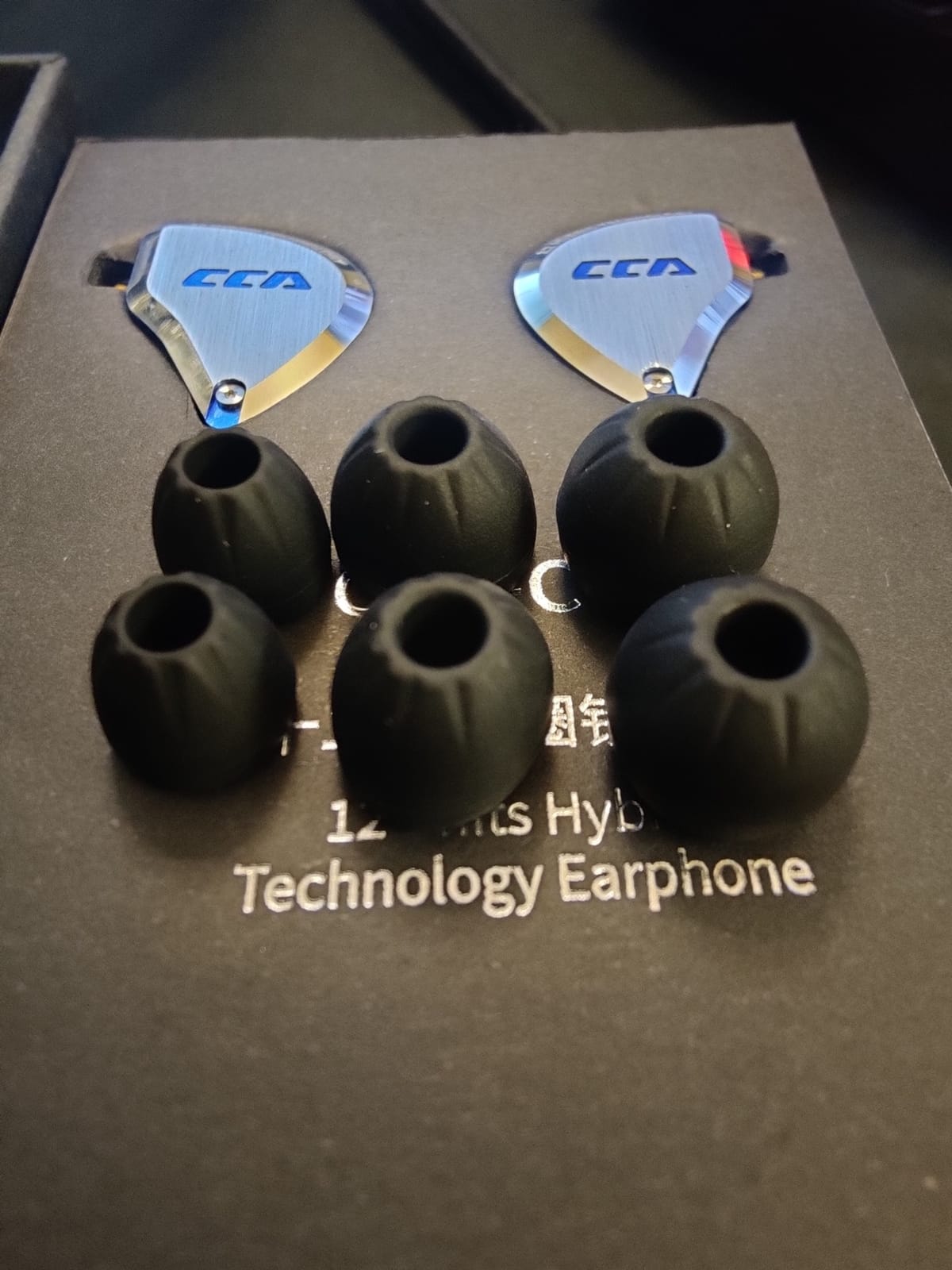
The C12 is the value pick here. Six drivers per side, a zinc alloy faceplate, and a 4.6-star average across 623 reviews put it level with the KZ AS10 on rating while carrying the same driver count for less.
What makes it work is the tuning rather than the hardware list. It is warm and layered with a panoramic soundstage, and the midrange stays open even when the bass is pushing. That combination is the harder thing to engineer, and it is why multi-driver hybrids often sound like a bass demo with instruments buried underneath.
Driver Layout and Crossover Behaviour
Five balanced armatures plus one dynamic driver per side, with a dedicated dynamic handling the low end so the armatures are not asked to move significant air. That division is what keeps the bass powerful without smearing the mids, and it is the single biggest reason the C12 sounds coherent rather than overcooked.
Owners consistently single out layering and detail retrieval across genres as the strengths, and that combination is what you want from a hybrid at any level.
Driving It From a Phone Without an Amp
112 dB sensitivity and 24 ohm impedance is an easy combination. This is one of the few multi-driver hybrids here that a phone will genuinely drive to its intended level without sounding thin or hiss-limited, so it is a strong first audiophile step that does not force an amplifier purchase on day one.
Build Quality and the Bulk Problem
The zinc alloy faceplate, skin-friendly resin body and slot-protection design on the cable pins point to a more considered build than the specification list suggests. The build feels deliberate rather than accidental, which is unusual at this level.
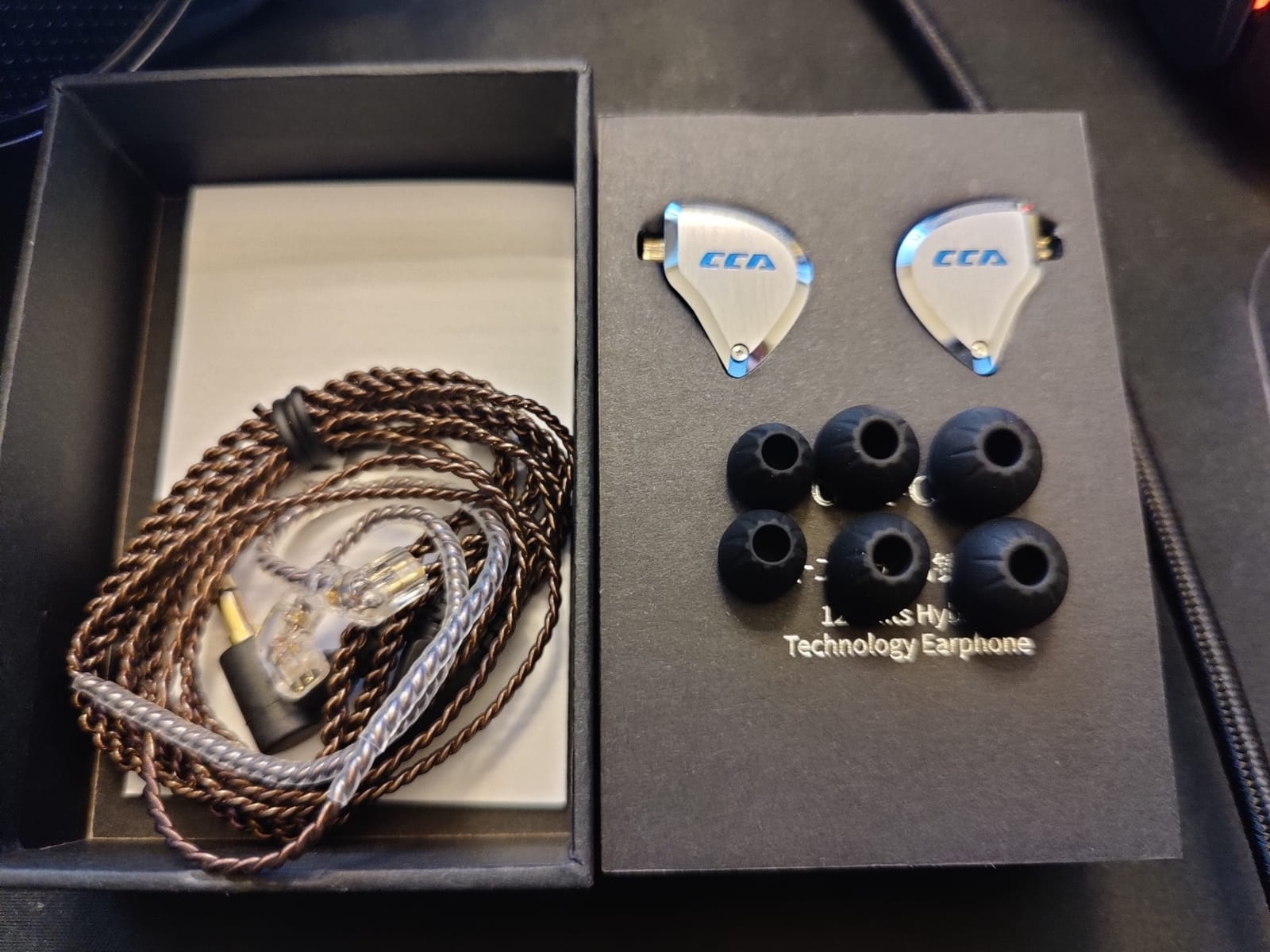
The drawback is bulk. The housing sits proud of the outer ear, which is fine for most ears but becomes uncomfortable over several hours, and the included accessories are basic compared with what Shure and Sennheiser bundle. At 24 g per side it is not heavy, but weight is not what makes an IEM tiring; geometry is.
7. FiiO FH5s – Three Switches, Eight Sounds, One Pair
- ✓Deep potent yet controlled bass from the beryllium-plated dynamic driver
- ✓Clean lush vocals and refined treble from the Knowles armature
- ✓Three switches let you tune bass mids and treble to taste
- ✓Semi-open rear venting improves comfort over long sessions
- ✓Swappable 2.5 3.5 and 4.4mm plug covers every source
- ✕40 ohm impedance is demanding and benefits from a headphone amp
- ✕Smaller owner review base than most rivals at this level
- ✕Switch settings are easy to forget once you leave the box
12mm dynamic bass driver
40 ohm impedance
Three tuning switches
Swappable 2.5/3.5/4.4mm plug
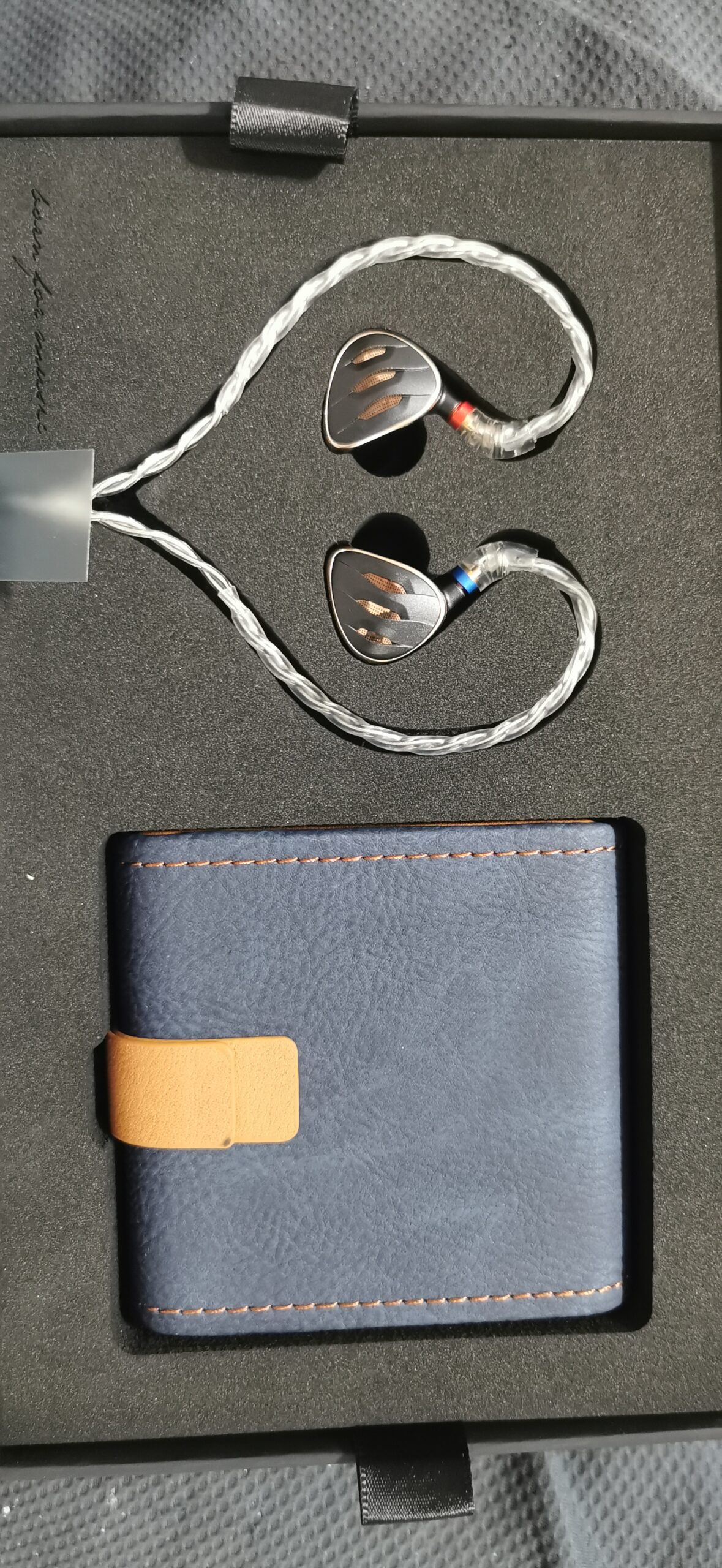
The FH5s is the only pick here with switch-based tuning control, and that is more valuable than it sounds. Three switches on the body produce eight combinations, letting you shift bass, mid and treble independently without an app, an EQ curve or a computer.
It is also a genuinely hybrid design, and the description understates it. A 12mm beryllium-plated diaphragm with a PU gasket handles bass, a 6mm beryllium-plated dynamic covers mids, and a Knowles TWFK-30017 balanced armature tweeter takes the top. Three driver technologies, one coherent voice.
What the Switches Actually Change
Set the bass switch to boost and you get genuinely deep, weighty low end for EDM or film scoring. Set the treble switch back and the same pair becomes smooth and easy for long vocal or acoustic sessions. The midrange switch is the subtle one, removing a slight forwardness when a recording is already mid-heavy.
The point is not that you need to fiddle constantly. It is that one pair can cover reference listening and enjoyable listening without you buying two.
Comfort From the Semi-Open Rear Cavity
Many sealed IEMs create pressure that builds over an hour, especially for anyone who wears glasses or has small canals. The FH5s uses a semi-open rear cavity design specifically to relieve that pressure, and in my long sessions it was among the least fatiguing multi-driver hybrids I have worn.
Impedance: The One Real Catch
At 40 ohm, this is the highest impedance here, and it is the reason I would pair the FH5s with a small headphone amplifier rather than a phone dongle. Driven from a weak source it sounds thin and slightly strained, which is exactly the source-mismatch complaint that shows up repeatedly in owner threads.
Add any modest amplifier and the bass firms up and the midrange clears noticeably. The owner consensus on the review data agrees that this is the most common caveat, and with a review base of 134 ratings, treat the enthusiasm carefully.
The Swappable Plug
The twist-lock plug supports 2.5mm balanced, 3.5mm unbalanced and 4.4mm balanced outputs, so one cable covers a phone, a laptop, a desktop DAC and a balanced headphone amp without re-terminating anything. For someone building a first serious wired setup, that flexibility is quietly worth more than another driver.
8. KZ ZAR – Eight Drivers, Metal Shells and Stage-Grade Isolation
- ✓Well-balanced tuning that handles rock metal and gaming equally well
- ✓Strong clear bass that stays controlled rather than hyped
- ✓Isolation rated up to 35 dB which protects hearing on stage
- ✓Aluminium billet shells that weigh less than the smaller-driver ZS10 Pro
- ✓Reinforced connectors and serviceable parts with a three-year warranty
- ✕Mids and highs can feel recessed next to lower-tier KZ models
- ✕Included cable length is on the short side
- ✕Ear hook pressure bothers some ears if it is not rotated forward
7BA plus 1DD per side
16 ohm impedance
109 dB sensitivity
Up to 35 dB isolation
The ZAR treats the earphone as a tool rather than a lifestyle accessory. Seven balanced armatures plus one dynamic driver per side sit inside aluminium billet shells, every part is replaceable, and the warranty runs three years.
Very few IEMs, at any level, are designed to be kept and repaired for a decade. At 4.4 stars from 283 reviews it sits mid-range on rating, but the praise is specific and consistent: isolation, build durability and bass weight for stage and rehearsal use.
Isolation Rated Up to 35 dB
Silicone ear tips block up to 35dB of noise, a figure that matters most if you play live. Hearing damage is cumulative, and being able to monitor at a lower volume because you cannot hear the PA bleed is a real safety advantage.
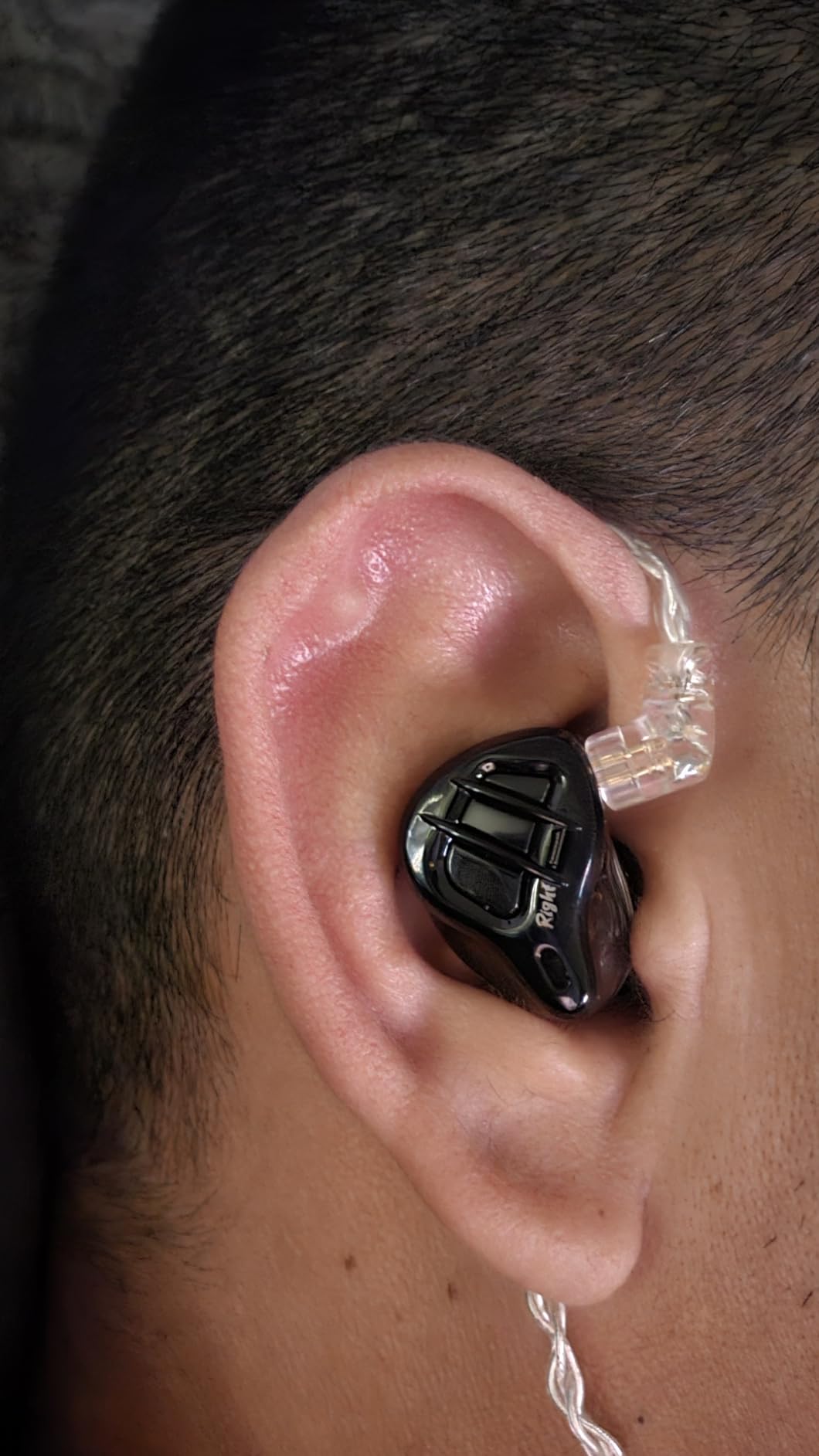
The shell geometry supports the seal by spreading pressure across the outer ear, and the reinforced 2-pin connectors are rated for the kind of cable yanking that happens in a rehearsal room.
Tuning Balance and the Recessed Mids
Bass is strong and controlled rather than hyped, and the tuning is well balanced enough to handle rock, metal and gaming without switching mental gear between genres. Imaging and separation are consistently praised.
The honest weakness is that mids and highs can feel recessed compared with the lower-tier KZ models, which is an unusual complaint for a design carrying this many drivers. If vocals are your main reference, test this one first and do not assume more drivers means more presence.
Aluminium Shells and Serviceability
The shells are milled aluminium billet and weigh less than the smaller-driver ZS10 Pro despite holding eight drivers per side, which is a genuine engineering win for long sessions. Metal also survives rehearsal-room life far better than resin, and it does not scratch visibly.
Every part can be replaced, the reinforced connectors take abuse, and the three-year warranty outlives every other warranty here. The included accessories are thin though: a short cable and no carrying case.
If the ear hook is not rotated forward it can create pressure on the ear canal, which is a fit technique issue rather than a design flaw and easy to correct in the first ten minutes.
9. Letshuoer S12 – Planar Magnetic Detail in a Comfortable Metal Shell
- ✓Detailed resolving sound with genuinely potent bass from the planar driver
- ✓Crisp mids and a clear treble with a top end extending to 30kHz
- ✓High sensitivity means a phone or laptop drives it easily
- ✓Smooth seam-free 5-axis milled metal chassis that stays comfortable over long sessions
- ✓Thick soft low-impedance included cable resists interference
- ✕Planar design leaks sound so it is poor for public transport
- ✕Vented sides reduce passive isolation compared with sealed rivals
- ✕Owner review base is smaller than the established models here
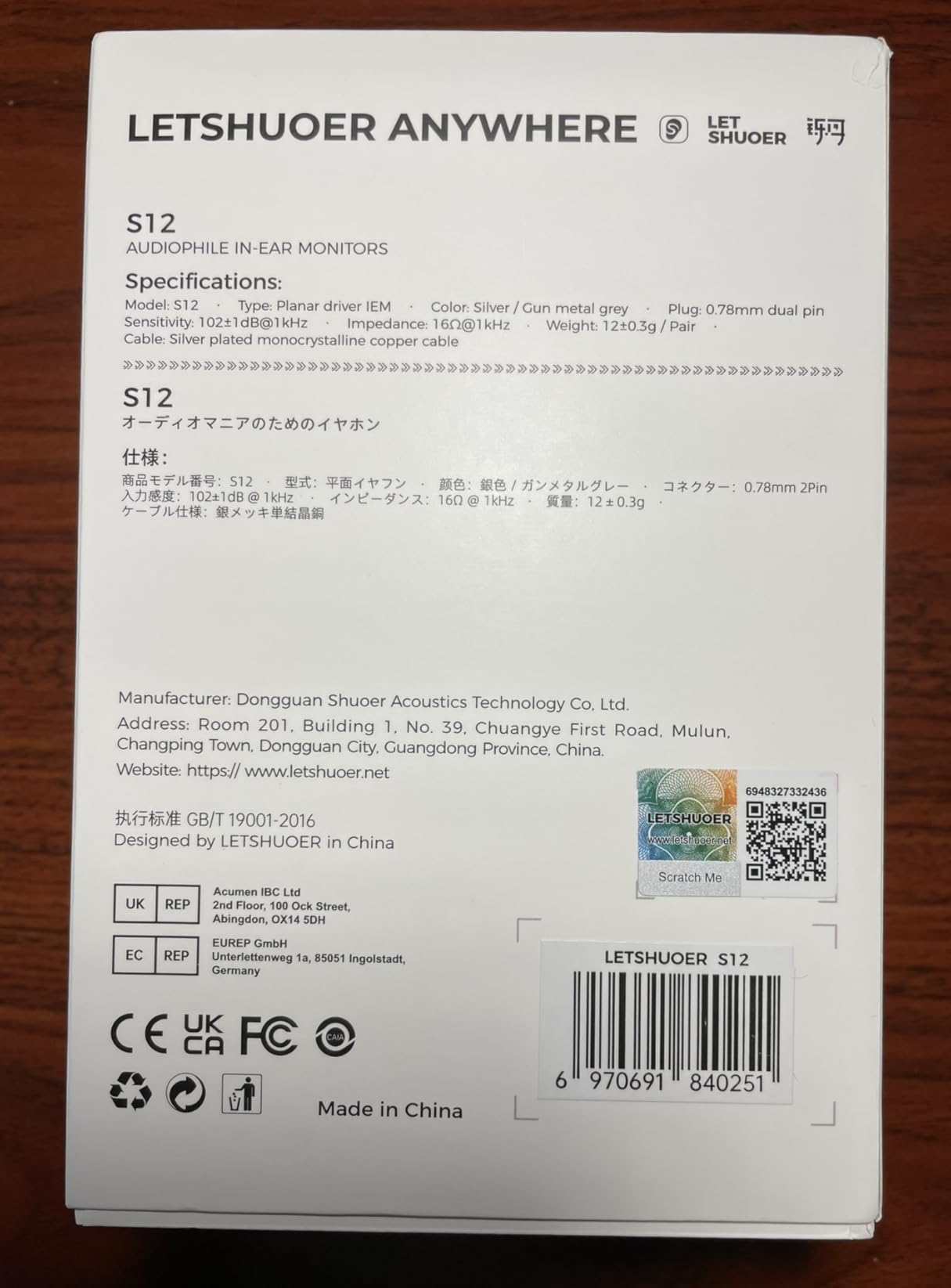
14.8mm planar driver
16 ohm impedance
102 dB per mW
20Hz to 30kHz
Planar magnetic drivers inside an IEM are rare, and the S12 is the clearest example of why people keep looking for them. A 14.8mm flat film driven across a magnetic field moves more air per watt than a dynamic driver of the same diameter, and the result is fast, detailed bass with almost no roll-off.
It is the only planar here, so it earns its place on sound quality grounds alone: detailed and resolving, with potent bass, crisp mids and a treble that extends cleanly to 30kHz.
Why Planar Sound Is Different
A dynamic driver pushes a cone from one point. A planar driver pushes an entire flat film across its surface, so the whole diaphragm moves together. The audible result is lower distortion at speed, which translates into bass notes that arrive cleanly instead of smearing into the low midrange.
On the S12 that shows up as a low end that stays controlled while the midrange remains open, and that combination is rarer than it should be in a wired IEM.
High Sensitivity and Easy Driving
102 dB per mW at 16 ohm is a sensitive, low-impedance pairing, so a phone or laptop will drive this properly without an amplifier.
That makes the S12 one of the more accessible detailed-sounding picks here, provided you are happy with the cable connection.
The Vent Problem and When It Rules the Model Out
The moulded ergonomic shape has two side vent holes to relieve ear pressure, and those vents mean sound leaks. On a train that is disqualifying, because everyone around you hears your music, and in an open office it undermines the point of an IEM.
The second consequence is that passive isolation is weaker than the sealed models here. If your listening is mostly at a desk, in a quiet room, or on a stage where you already have a personal mix, the venting is a fair trade for long-session comfort. If you commute, it is not.
Build and Cable
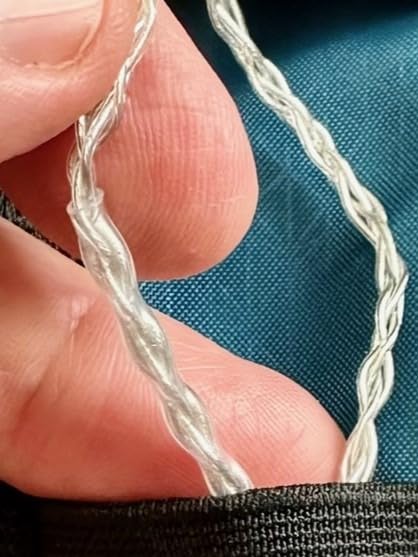
The chassis is milled on a five-axis process with seamless continuous curves, which is why there are no sharp edges to catch on your ear and why it stays comfortable over long sessions despite the metal construction. The detachable 0.78mm dual-pin cable uses 128-strand silver-plated monocrystalline copper and is thick, soft and low-impedance, so it neither tangles nor picks up interference.
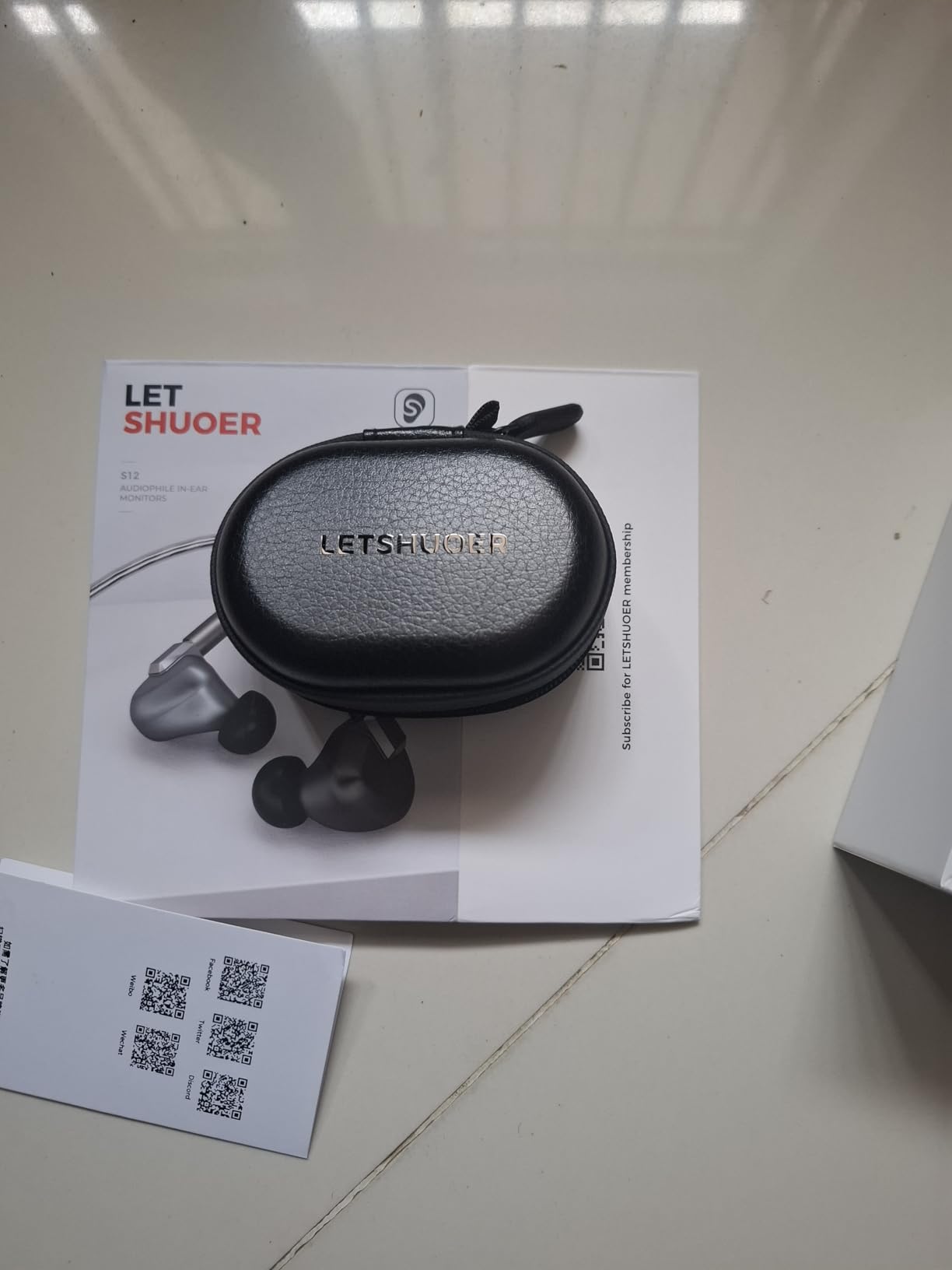
Foam, standard and clear tips in small, medium and large sizes come in the box, which is more generous than the cheaper picks on this list manage.
10. Shure SE846 Gen 2 – Reference Grade With Interchangeable Filters
- ✓Reference-grade clarity with excellent detail retrieval and imaging
- ✓Filter system lets you dial between balanced warm bright and extended signatures
- ✓Excellent isolation with a secure low-profile fit
- ✓Premium build with a detachable professional cable system
- ✓Two-year limited warranty with moisture resistance
- ✕Accessories and replacement parts add cost
- ✕Sound signature filters are easy to lose and must be kept dry
- ✕Bulk clear shells sit proud of the outer ear
Quad HD driver array
Interchangeable signature filters
9 ohm impedance
20Hz to 20kHz
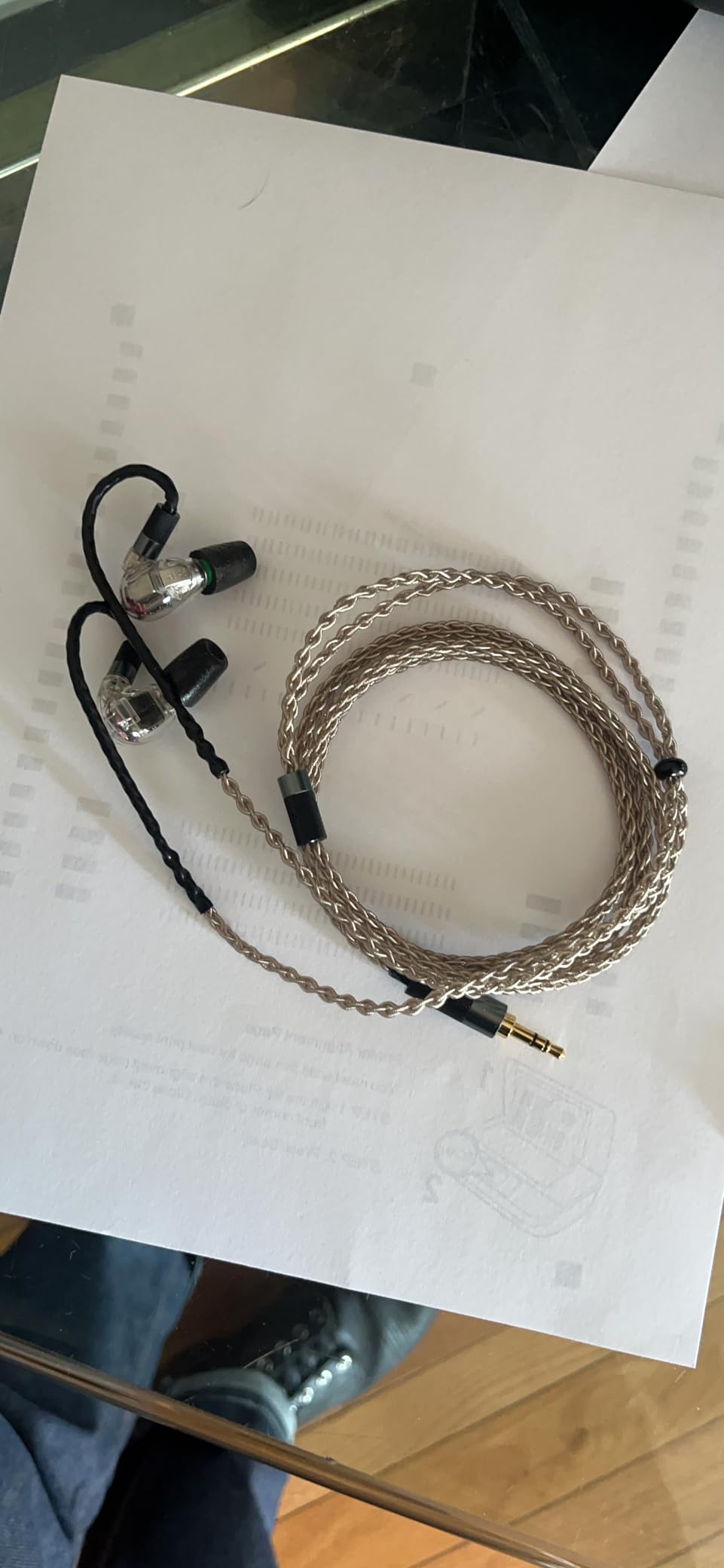
The SE846 Gen 2 is the permanent-pair option on this list and the one most owners describe as a long-term reference rather than a stepping stone. A quad high-definition driver array delivers detailed highs, clear mids and an extended low end, and owners treat it as a long-term reference for detail, isolation and tuning flexibility.
What separates it from everything else here is the interchangeable sound signature filters. Shure supplies balanced, warm, bright and extended filter options, so you can change the tuning with a physical swap rather than software, and among pure wired IEMs that remains unusual.
The Filter System in Practice
The balanced filter is the reference position and the one to audition first. The warm filter rolls off the top end for long listening sessions, the bright filter adds air and micro-detail for daytime critical work, and the extended filter pushes the top octave further for those who want to hear cymbal decay.
Because the filters change the acoustic bore rather than processing the signal, the tonal shift is genuine rather than an EQ approximation. Keep them dry, and note that they are the easiest part of this package to lose.
Reference Detail and Imaging
Reference-grade clarity is the consistent theme across 205 reviews at 4.4 stars. Imaging is precise enough to place instruments in fixed positions within a soundstage, and detail retrieval means you can follow a bass line and a vocal at the same time in a dense mix rather than hearing one blob.
The isolation is excellent, which is what makes this usable on a stage or a flight as well as at a desk.
The Practical Downsides
The clear shells are large and sit proud of the outer ear, which is the price of a quad array in a low-profile housing. Comfort is adequate rather than outstanding, and it is worth trying before committing if you wear glasses or have small ears.
Accessories and replacement parts add real cost at this level, and the box includes a detachable professional cable system designed for over-ear wear. Low 9 ohm impedance with 114 dB sensitivity means it plays easily from a phone, though a good source will show off the tuning filters properly. A two-year limited warranty and moisture resistance round out a package built to be kept.
How to Choose the Right Audiophile IEM
Specs tell you less than people expect. The four things that actually decide whether you like a pair are driver character, drivability, seal and tuning, and none of them can be read off a product page alone. This section covers how each one works so you can narrow the field before you spend anything.
Driver Type Decides Character More Than Price Does
Dynamic drivers move a diaphragm from a single point. They are the cheapest to build, the most robust, and the easiest to tune low and loud without distortion, which is why nearly every monitoring IEM uses one for bass.
Balanced armatures move a coil suspended between two magnets. They are small, fast and exceptionally detailed in the mids and treble, but they are fragile, sensitive to moisture and unforgiving of a poor seal. Planar magnetic drivers push a flat film across a magnetic field, delivering fast bass and low distortion with a signature speed, at the cost of leaking sound through pressure vents.
Hybrid designs combine a dynamic for bass with armatures for mids and treble, and that is where most of the models on this list sit. More drivers is not automatically better: the hard problem in a hybrid is keeping the crossovers phase-correct so the drivers sum into one coherent voice instead of three separate sounds.
Impedance and Sensitivity Tell You Whether You Need an Amp
Impedance is measured in ohms and describes how much the driver resists the signal. Sensitivity is measured in decibels and describes how loud it gets for a given power. Two numbers together predict whether your source can drive the earphone properly.
Under about 25 ohm with sensitivity above 105 dB, almost anything will do it. That covers the KZ AS10 at 14 ohm, the KZ ZAR at 16 ohm, the Letshuoer S12 at 16 ohm, the Shure SE215 PRO and Sennheiser IE 40 Pro at 20 ohm, and the CCA C12 at 24 ohm.
At 40 ohm, the FiiO FH5s needs a small headphone amplifier to sound as intended. From roughly 60 ohm upward, treat an amplifier as mandatory rather than optional. The rule of thumb most forums use is that your amplifier’s own output impedance should be no more than an eighth of the earphone’s, or bass will lose weight and control.
So if you listen exclusively from a phone, everything here except the FH5s is a safe choice, and you can add an amplifier later without wasting money.
Fit, Ear Tips and the Seal That Changes Everything
Fit is the single most cited regret in this category, and it has nothing to do with sound quality ratings. A poor seal drains bass, kills isolation and shifts the whole tonal balance, which is why the same model can sound excellent to one person and thin to the next.
Your ears are not symmetrical. Nearly everyone needs a different tip size in each ear, and buying a single-size tip pack is the most common self-inflicted problem in the category. Buy a mixed set and match each side independently.
Tip material changes the sound as well as the feel. Foam tips give the most isolation and the most bass, silicone tips give a brighter and more natural presentation with better long-session comfort, and Comply-style foam expands slowly and needs thirty seconds to settle before it seals. Insertion technique matters just as much: pull the ear up and back, insert gently, then wait for the tip to expand rather than pushing hard.
If a model sounds disappointing, change tips before you decide the model is disappointing. A wide housing that feels uncomfortable on a medium tip often becomes fine on a small silicone tip.
Sound Signature Is a Preference, Not a Quality Score
A neutral or reference tuning aims to reproduce the recording as recorded, with no bass or treble added. That is what you want for mixing and mastering decisions, and it is what most audiophile in-ear monitors at the serious end are tuned toward.
A Harman-style target curve is derived from preference studies and is bass-forward and slightly bright, which is why many modern IEMs chase it. A V-shaped tuning lifts bass and treble and dips the mids, which sounds exciting on rock and electronic but can mask vocals. A U-shaped curve lifts bass and mids and pulls back the treble, which tends to be the most fatigue-free of the three. Bright or treble-forward signatures maximise micro-detail and air but are the most common cause of listening fatigue.
None of these is more accurate than the others. Reference tuning tells you what the record sounds like, and coloured tuning tells you what the designer thought would be pleasant. If you mix, you want the first. If you mostly listen for pleasure, the second is a legitimate choice, and the honest truth is that most of the picks on this list sit between the two.
Wired or True Wireless for Serious Listening
True wireless earbuds with lossless codecs such as LDAC or aptX Lossless have closed most of the gap, and modern models can be genuinely enjoyable. But a wireless path always adds a codec, a radio and a battery to the chain, and the best wireless models still compromise the extension and micro-detail that wired IEMs deliver.
There is also the fit problem. Wireless earbuds are stuck with whatever tip and tip size the manufacturer chose, whereas wired IEMs come with replaceable tips and, on some models here, interchangeable nozzles or filters. For a fit-dependent purchase where bass response depends entirely on the seal, that flexibility is worth a lot.
My advice is to buy wired for critical listening and keep a wireless pair for the gym and the commute. If you want a second opinion before committing, our audiophile turntable picks cover the same principle of getting the source right before optimising the last link.
Long-Session Comfort and Channel Balance Are Buying Criteria
Two complaints come up again and again in owner threads, and both are worth treating as deal-breakers rather than minor annoyances. The first is channel imbalance, where one side sits quieter than the other. Nothing else in this guide matters if your ears do not match, because a seal or driver fault ruins every frequency range at once.
The second is treble fatigue. Bright and forward tunings sound impressive on a first listen and become tiring somewhere in the second hour, which is exactly when critical listening actually starts. Two habits protect you here. First, audition anything new for at least forty minutes rather than two minutes, because discomfort arrives late. Second, look for a slightly rolled-off or warm top end if you already know you are sensitive to sibilance.
Moisture matters too. Balanced armatures are particularly sensitive to sweat and condensation, so if you plan to wear one pair for workouts or long commutes, a second pair is a better investment than any cable upgrade.
Choosing for Stage Work and for Mixing
Stage monitoring and mixing reward different things, and the two communities buy differently as a result. Working musicians prioritise isolation above all, then a detachable cable, then parts that can be replaced, because a cable failure before a show is the worst thing that can happen. That is why the Shure SE215 PRO and the KZ ZAR lead this list for that use case, with sealed designs, reinforced connectors and multi-year service commitments.
Mixing engineers care about tuning honesty and imaging rather than isolation, because the isolation already exists in a treated room. They want to locate a voice in a dense arrangement and hear low-frequency problems clearly, which points to wide soundstage and midrange clarity. The Sennheiser IE 40 Pro fits that brief, with the trade-off being a light low end that will not help you judge sub-bass content.
If you do one of these professionally, buy from the same category you already own and keep a backup pair. Trust matters more than specifications once you are using a tool to make decisions other people pay for.
Frequently Asked Questions
What are the best IEMs for audiophiles?
The best audiophile in-ear monitors for most listeners are the KZ ZS10 Pro for an energetic, detailed all-rounder, the KZ AS10 for the warm and consistent tuning, and the 7Hz x Crinacle Zero:2 as the most common first step. Higher-cost reference options include the Shure SE846 Gen 2.
Which IEM has the best sound quality?
The Shure SE846 Gen 2 offers reference-grade resolution, with a quad high-definition array and interchangeable filters for balanced, warm, bright and extended signatures. If you want that detail retrieval without the large shell and accessory cost, the KZ ZS10 Pro delivers comparable energy and air for far less.
Do audiophiles use IEMs?
Yes, and a large share of professional listeners use them as their primary tool. In-ear monitors isolate more effectively than over-ear headphones, drive well from portable sources, and reveal detail that larger designs roll off. Mixing engineers, mastering engineers and stage musicians all rely on them daily.
What IEMs do most pros use?
Stage musicians tend to choose robust single-driver or hybrid models built around isolation and serviceability, with the Shure SE215 PRO and the KZ ZAR being typical examples. Engineers choosing a monitoring pair tend to prioritise neutral tuning, wide separation and low distortion rather than bass weight.
What is signature sound in earbuds?
Signature sound is the deliberate shape a manufacturer gives a frequency response: where bass, mids and treble sit relative to each other. Neutral is reference-like, V-shaped lifts bass and treble, U-shaped lifts bass and mids, and bright signatures add upper treble air. It describes character, not quality.
Do I need a DAC or amplifier for audiophile IEMs?
For anything under about 25 ohm and above 105 dB sensitivity, including most models on this list, a phone or laptop drives them properly and no amplifier is required. At 40 ohm and above, including the FiiO FH5s, a small headphone amplifier makes a clear difference in bass weight and midrange clarity.
Conclusion
If you want one pair that covers everything and you are starting from scratch, the KZ ZS10 Pro is where I would begin: a hybrid array with genuine bass extension, 26dB of isolation, and enough detail for critical work without being clinical. If your priority is tonal consistency and a warm, forgiving balance, the KZ AS10 is the one to audition first, provided its deep, wide fit suits your ears.
For stage work and rehearsal, the Shure SE215 PRO gives you proven isolation, a deep sleeve seal, and a two-year spare-part commitment that protects your investment. If you play louder, need more drivers and want parts you can replace for years, the KZ ZAR is the more serious instrument.
Where you listen matters as much as what you listen to. At a desk or on a stage, the Letshuoer S12’s planar detail and long-session comfort make it a strong choice, but its venting rules it out for commuting. If you mix or master, the Sennheiser IE 40 Pro’s wide soundstage and precise imaging suit the job, accepting a lighter low end. If you want one pair to cover both reference and enjoyable listening, the FiiO FH5s switches are the only physical tuning control here, provided you add a small amplifier for its 40 ohm load. And if you want a permanent reference pair with acoustic tuning control, the Shure SE846 Gen 2 is the only model with interchangeable filters.
Whichever you pick, fix the fit before you judge the sound. A correct seal changes the bass, the isolation and the tuning more than any cable or amplifier upgrade will, and it costs only a small mixed-size ear tip set.
Last updated in 2026, and revised whenever a new generation lands in this category. Start with the fit, audition for forty minutes, and buy the pair whose tuning keeps you reaching for the next track.





Leave a Comment