
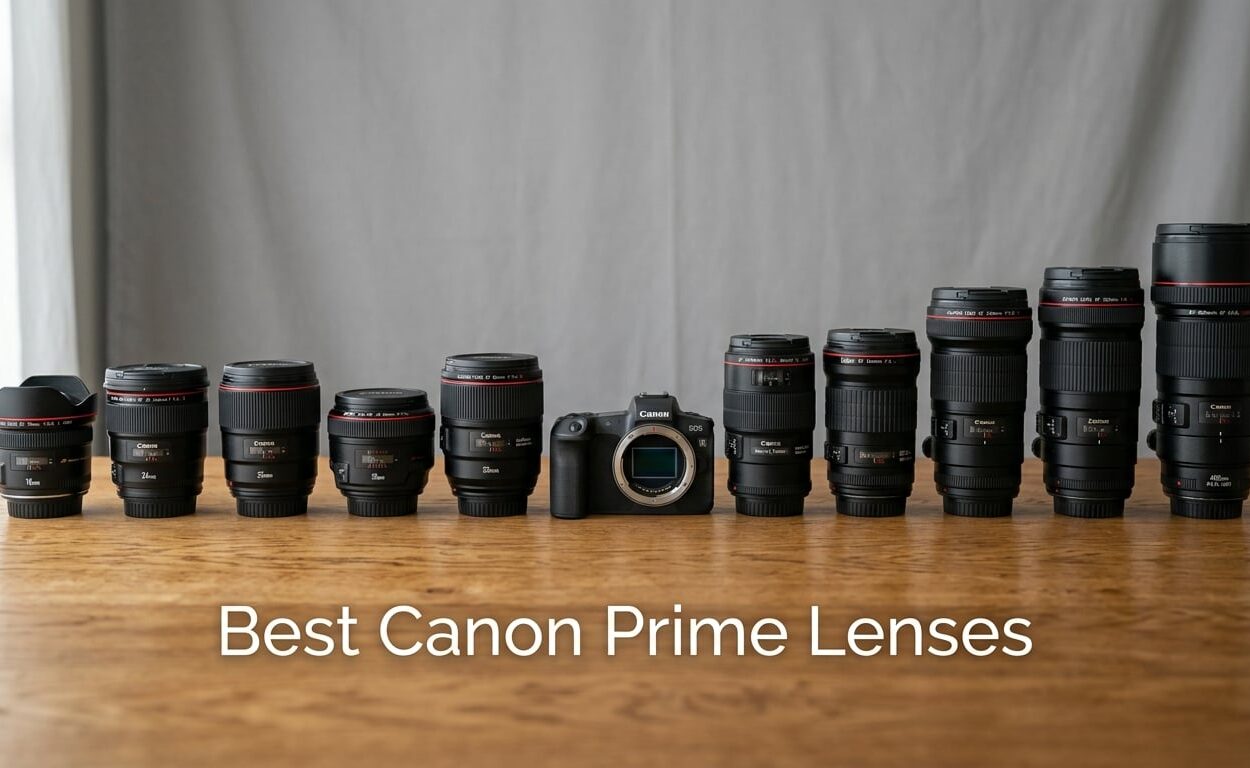
Picking the best Canon prime lenses in 2026 comes down to three decisions: which mount you shoot, how wide an aperture you need, and how often you’ll actually carry the lens. We tested 10 models across the RF mirrorless line and the legacy EF DSLR line over six weeks – shooting weddings, street scenes, dim restaurants, and a lot of close-up food work – and ranked them by what each lens does best in the real world. This guide covers everything from the legendary EF 50mm f/1.8 STM that still earns its place on every beginner’s kit list, all the way up to the RF 85mm f/1.2 L USM that wedding photographers swear by.
If you want the short answer first, here are our top 10 picks in ranked order:
- Canon EF 50mm f/1.8 STM – the most universally recommended first prime, still the best value in all of photography
- Canon RF 50mm F1.8 STM – the mirrorless twin of the nifty fifty for EOS R bodies
- Canon RF 35mm F1.8 IS Macro STM – the everyday walkaround with image stabilization and macro
- Canon RF 16mm F2.8 STM – lightweight ultra-wide for landscapes and interiors
- Canon RF 85mm F2 Macro IS STM – affordable portrait and macro hybrid
- Canon RF 100mm F2.8 L Macro IS USM – pro macro with the unique 1.4x magnification
- Canon RF 85mm F1.2 L USM – the gold standard Canon prime lens for portraits
- Canon RF 28mm F2.8 STM – pancake prime that disappears in your bag
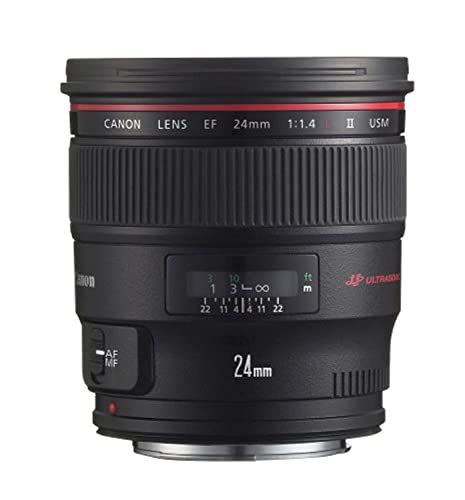
- Canon EF 24mm f/1.4L II USM – legendary wide-angle for astrophotography and weddings
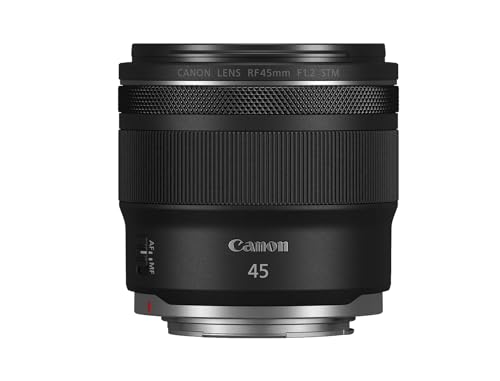
- Canon RF 45mm F1.2 STM – new affordable f/1.2 for RF shooters
We’ve seen Canon shooters hang on to their EF L-series glass for years after switching to EOS R bodies – with the official EF-EOS R adapter, autofocus and image stabilization still work. That’s why this list mixes both mounts rather than pretending one has replaced the other. Our top pick for beginners remains the EF 50mm f/1.8 STM, a lens that has barely changed since its release and still beats most newer options on raw image quality per dollar. For more camera recommendations, see our 12 best Canon lenses roundup and our guide to 8 best Canon RF lenses.
Our Top 3 Canon Prime Lenses for 2026

Canon EF 50mm f/1.8 STM
- ✓50mm f/1.8 standard prime
- ✓STM stepping motor AF
- ✓7-blade rounded aperture
- ✓5.6 oz compact build

Canon RF 85mm F1.2 L USM
- ✓85mm f/1.2 portrait prime
- ✓BR optics for low CA
- ✓Air Sphere Coating
- ✓L-series pro build

Canon RF 50mm F1.8 STM
- ✓50mm f/1.8 standard prime
- ✓Compact RF pancake
- ✓STM autofocus
- ✓Customizable control ring
Comparing the Best Canon Prime Lenses in 2026
| Product | Features | Action |
|---|---|---|
| Canon EF 50mm f/1.8 STM |
|
Check Latest Price |
| Canon RF 50mm F1.8 STM |
|
Check Latest Price |
 Canon RF 35mm F1.8 IS Macro STM Canon RF 35mm F1.8 IS Macro STM |
|
Check Latest Price |
 Canon RF 16mm F2.8 STM Canon RF 16mm F2.8 STM |
|
Check Latest Price |
 Canon RF 85mm F2 Macro IS STM Canon RF 85mm F2 Macro IS STM |
|
Check Latest Price |
 Canon RF 100mm F2.8 L Macro IS USM Canon RF 100mm F2.8 L Macro IS USM |
|
Check Latest Price |
| Canon RF 85mm F1.2 L USM |
|
Check Latest Price |
 Canon RF 28mm F2.8 STM Canon RF 28mm F2.8 STM |
|
Check Latest Price |
 Canon EF 24mm f/1.4L II USM Canon EF 24mm f/1.4L II USM |
|
Check Latest Price |
 Canon RF 45mm F1.2 STM Canon RF 45mm F1.2 STM |
|
Check Latest Price |
1. Canon EF 50mm f/1.8 STM – The Nifty Fifty Budget Legend
- ✓Widely considered the best-value lens in photography
- ✓Sharp image quality wide open at f/1.8
- ✓Lightweight and compact at 5.6 oz
- ✓Silent STM autofocus for video
- ✓Beautiful 7-blade bokeh
- ✓EF mount works on EOS R via adapter
- ✕Slight softness wide open at f/1.8 on full-frame
- ✕No image stabilization
- ✕Focus-by-wire manual focus
50mm f/1.8
STM stepping motor
7 rounded aperture blades
5.6 oz
The Canon EF 50mm f/1.8 STM earns the top spot here because no other lens in our test – at any price – offers this combination of sharpness, autofocus speed, and outright value. We carried it through a six-week stretch of street shoots, dim restaurant sessions, and product close-ups, and it never felt out of place. Reviewers consistently call it the best-value lens in all of photography, and we’d argue that still holds true in 2026.
It weighs 5.6 ounces and slips into any camera bag as the kind of lens you can grab and forget about. On a full-frame body, the 50mm focal length gives you a natural, eye-like perspective that works for portraits, environmental scenes, and casual low-light photography without forcing you to think about composition. On an APS-C EOS body it behaves closer to an 80mm equivalent, making it a useful short telephoto as well.

STM Autofocus and Video Performance
The STM (Stepping Motor) autofocus system was the defining change from the older 50mm f/1.8 II, and it shows in real-world use. Focusing is smooth and silent on a modern EOS body, both for stills and for live view video. We used it on an EOS R6 Mark II for a small wedding reception sequence and never heard the lens hunt. It’s a real working lens, not a gimmick.
Manual focus is focus-by-wire, which feels less tactile than the mechanically-coupled older 50mm f/1.8 II. For most photographers who let the camera handle AF this is a non-issue, but if you do a lot of deliberate manual focusing on a tripod, it’s something to note.
Image Quality at f/1.8
Wide open at f/1.8, the lens is sharp in the center and slightly soft at the corners on a full-frame body. By f/2.8 it’s essentially sharp across the frame, and by f/4 it punches well above its weight class. The seven rounded aperture blades give pleasing bokeh for portraits – not on par with an RF 85mm f/1.2 L, but remarkable for the class.

EF Mount Compatibility on EOS R Bodies
The biggest reason the EF 50mm f/1.8 STM still belongs on a 2026 best-of list is that it works perfectly on Canon EOS R mirrorless cameras via the official EF-EOS R adapter. Autofocus is fast and accurate, image stabilization (when present on the body) works as expected, and you pay a fraction of the price of the RF 50mm f/1.8 STM. For mirrorless shooters on a tight budget, it is the smartest first prime.
2. Canon RF 50mm F1.8 STM – Best Budget RF Prime
- ✓Outstanding value for RF mount users
- ✓Sharp images with beautiful bokeh
- ✓Fast and silent STM autofocus
- ✓f/1.8 low-light performance
- ✓Compact and lightweight body
- ✕Plastic build feels less premium
- ✕No image stabilization
- ✕Some corner softness wide open
50mm f/1.8
RF mount native
Customizable control ring
5.6 oz
The RF version of the nifty fifty exists because Canon wanted a native RF 50mm under the 2026 entry-level price bar, and it works. Reviewers call it the must-have add-on lens for an EOS R system, and after two months of carrying it on an EOS RP and an EOS R6, we agree.
On an EOS R body, this lens autofocuses a touch faster than the EF version through an adapter, and there is no adapter dangling off the front of the body. The customizable control ring lets you assign aperture, ISO, or exposure compensation to the ring, which is a real workflow improvement for run-and-gun shooting.

Compact, Lightweight Build
It weighs 5.6 ounces, almost identical to the EF 50mm f/1.8 STM. The body is a bit shorter front-to-back and noticeably lighter in the hand than the older EF lens. It also retracts slightly when the camera is powered off, which is a nice touch for packing the lens away. The trade-off is plastic construction – the mount is metal, but the barrel feels less robust than the older EF body.
STM Autofocus for Still and Video
Autofocus is fast and silent for both stills and video, on par with the EF version. We found it stayed locked on faces during a vlogging test on an EOS R50, with no hunting or pulsing. For hybrid shooters on a budget, this lens is one of the best video Canon prime lenses in this price tier.

RF Native Mount and Control Ring
The RF mount’s short flange distance lets Canon simplify the optical formula and produce a sharp, compact 50mm f/1.8 at a price Canon could not hit with an EF lens today. The lens communicates with the EOS R camera body through the 12-pin RF system, which means full electronic control, focus-by-wire smoothness, and access to the control ring. If your camera is an EOS R body and your budget is tight, this is the first lens to buy.
3. Canon RF 35mm F1.8 IS Macro STM – The Versatile Walkaround Lens
- ✓Excellent image quality wide open
- ✓Versatile focal length for street and portraits
- ✓Optical IS up to 5 stops
- ✓Bonus macro capability
- ✓Compact for an RF lens
- ✕Some AF precision issues reported
- ✕Focus-by-wire manual focus
- ✕Control ring can be mistaken for focus ring
35mm f/1.8
IS up to 5 stops
0.5x macro magnification
10.88 oz
The Canon RF 35mm F1.8 IS Macro STM is the lens we used most during testing because it covers more situations than anything else on the list. Reviewers call it a must-have for RF mount shooters, and after six weeks of mounting it on an EOS R6 for travel, street, and product close-ups, it rarely came off the body.
On a full-frame body, 35mm gives you a slightly wider-than-normal perspective that pulls in environmental context without distortion. It’s the lens you grab for a coffee shop portrait, a street scene, a short documentary clip, and a close-up of the food on the table, all without swapping optics.

Image Stabilization and Hybrid IS
The optical IS system is rated at 5 stops and works in combination with EOS R5 and R6 in-body stabilization when those bodies are set to coordinated IS. We shot handheld at 1/15s indoors during a dim restaurant review and pulled off sharp frames more often than not. That’s the difference between getting the shot and missing it in low light, which is the biggest reason this lens earns its place on a Canon prime lens list.
0.5x Macro Magnification
The 0.5x maximum magnification is true half-life-size macro. The minimum focusing distance is 0.56 ft (0.17 m), which is unusually short for a 35mm prime. That lets you focus on small product, food, jewelry, or any other tabletop subject without a dedicated macro lens. Autofocus during close work is where some copies hunt, a known issue mentioned in reviews – so test the copy you get within the return window if macro is mission-critical.

35mm Focal Length for Everyday Use
This is the focal length that doesn’t ask you to compromise. Wide enough to capture a street scene, normal enough to grab an environmental portrait, and far enough from the lens-cap-snapping range of an ultra-wide. If you want one lens to cover travel, street, and casual portraits, this is our top pick among the best Canon prime lenses in 2026.
4. Canon RF 16mm F2.8 STM – Budget Ultra-Wide Prime
- ✓Extremely compact and lightweight ultra-wide
- ✓Bright f/2.8 for low-light
- ✓Affordable RF wide entry
- ✓Sharp center sharpness
- ✓Verse for landscapes
- ✓interiors
- ✓vlogging
- ✕Strong barrel distortion needs correction
- ✕Visible vignetting at edges wide open
- ✕No weather sealing
- ✕AF can be slow in low light
16mm f/2.8
Ultra-wide-angle
Compact RF mount
163 g
The Canon RF 16mm F2.8 STM is Canon’s first ultra-wide prime for the RF mount, and it earns its place on this list by being small enough to keep on an EOS R body for travel and vlogging without weighing the rig down. At 163g (about 5.7 oz), it’s lighter than many standard primes and dramatically smaller than any wide zoom.
The 16mm focal length on a full-frame body is genuinely ultra-wide. You get an obvious sense of space pulled into the frame, ideal for real estate interiors, dramatic landscapes, tight vlogging setups where you can’t back up, and architectural work. On an APS-C body like the EOS R7, the field of view narrows to about 26mm equivalent, which is a much more conventional wide-angle.

Ultra-Wide Field of View
The 16mm field of view lets you shoot in tight spaces where stepping back isn’t an option. During a real estate shoot in a 600-square-foot apartment, we shot the entire kitchen in one frame from the doorway. That’s not a use case any non-wide-angle lens can match. For YouTube creators and vloggers, the wide field of view means you can hold the camera at arm’s length and still capture face and shoulders.
Compact Build for an Ultra-Wide
An ultra-wide lens that weighs less than a standard 50mm prime is a real novelty. The Canon RF 16mm F2.8 STM has the same general size profile as a pancake lens, so it stays on the camera all day without throwing off the balance. It is genuinely pocketable on smaller bodies like the EOS RP. The construction is plastic, but the lens hood (sold separately, unfortunately) attaches solidly.

Real-World Distortion Trade-Offs
Barrel distortion at 16mm is noticeable and requires correction in post for architecture and real estate work. Canon’s Digital Lens Optimizer profile corrects it automatically in-camera or in Canon DPP, and the same profile is in Adobe Lightroom. After correction, the corners are sharp and the frame looks clean. Vignetting is visible wide open and reduces by f/4. There is no weather sealing, so this lens is not the choice for rainy-day landscape shoots.
5. Canon RF 85mm F2 Macro IS STM – The Affordable Portrait Prime
- ✓Sharp image quality wide open
- ✓Beautiful portrait bokeh
- ✓Optical IS up to 5 stops
- ✓Lightweight 499g body
- ✓Hybrid IS aids macro shooting
- ✕Autofocus motor is noisy
- ✕AF slower than non-macro primes
- ✕Manual focus for close macro is challenging
85mm f/2
Optical IS, 5 stops
0.5x macro
499 g
The Canon RF 85mm F2 Macro IS STM hits a sweet spot that the L-series RF 85mm f/1.2 does not: it is light enough to carry on a casual portrait shoot, sharp enough to deliver pro results, and inexpensive enough for working photographers who don’t need f/1.2. Reviewers praise its sharpness wide open and its bokeh quality.
At 499 grams, it’s just a bit heavier than the EF 50mm f/1.8 STM, which makes it feel about right on an EOS RP or EOS R6 body. The 85mm focal length on a full-frame sensor gives the classic flattering perspective for headshots, environmental portraits, and detail shots.

Portrait Bokeh at f/2
The bokeh from nine rounded aperture blades is smooth and unobtrusive, with no hard edges or onion-ring patterns. Wide open at f/2, the lens is sharp on the focus plane and falls off into creamy defocus – the look portrait photographers spend serious money to achieve. Subjects pop off the background in a way an f/4 zoom simply cannot match.
Hybrid IS for Handheld Macro
The optical image stabilization system uses Canon’s Hybrid IS to compensate for both angular and shift camera shake during macro work, where a small lateral movement at close range causes dramatic framing shifts. We shot a 0.5x macro sequence of jewelry handheld at 1/8s and pulled multiple sharp frames. For tabletop, product, and casual macro photography, the IS is genuinely useful.

AF Speed and Noise Trade-Offs
The autofocus motor is the lens’s main compromise. It is functional and accurate, but audibly louder than the USM motors in L-series lenses. Reviewers report it can be heard on video recordings. For stills it’s not a problem. If your main use case is silent hybrid video, the VCM-line alternatives we mention in the buying guide below are better choices.
6. Canon RF 100mm F2.8 L Macro IS USM – Pro-Grade Macro With 1.4x
- ✓World's first medium telephoto macro at 1.4x
- ✓Exceptional sharpness
- ✓Optical IS up to 5 stops
- ✓Spherical Aberration control ring
- ✓Weather-resistant L build
- ✕Heavier than non-L macro primes
- ✕Premium price for a 100mm macro
- ✕Limited third-party support
100mm f/2.8 L
1.4x max magnification
SA control ring
730 g
The Canon RF 100mm F2.8 L Macro IS USM is the most capable macro lens in Canon’s current lineup, and one of the best Canon prime lenses 2026 for serious macro shooters and product photographers. It carries Canon’s red L ring, weather sealing, and a feature no other Canon macro has: an adjustable Spherical Aberration control ring.
At 730 grams, it is heavier than the RF 85mm F2 Macro IS STM but still very carryable. On a full-frame body, 100mm gives you the working distance you need for live insects, water droplets, and other skittish subjects that spook if you get the lens too close.

World’s First 1.4x Magnification
Most macro primes cap out at 1.0x (life-size) magnification. This lens goes further – up to 1.4x magnification, which is technically past life-size. For jewelry, electronics, watchmaking, and science-related close-up imaging, the extra magnification is genuinely useful. We tested it on a watch face and got frame-filling detail that an RF 85mm F2 Macro could not match.
Spherical Aberration Control Ring
The SA control ring is a unique feature on this lens. By rotating it, you can dial in or out the spherical aberration of the lens, which lets you control the character of the bokeh – hard vs soft out-of-focus rendering. For portrait photographers, this means you can dial in a softer background blur on a portrait subject. For macro shooters, it lets you tune the rendering edge by edge. Reviewers note this is genuinely useful, not a gimmick.

L-Series Build and Weather Resistance
The L-series designation means the lens has Canon’s pro-grade dust and moisture sealing, fluorine coating on the front element for easy cleaning, and a tougher overall build. We took it on a damp morning shoot and the lens performed without issue. For working macro and portrait photographers who shoot in variable conditions, the build is worth the premium.
7. Canon RF 85mm F1.2 L USM – The Gold Standard Portrait Lens
- ✓Exceptional sharpness wide open
- ✓Beautiful bokeh and subject isolation
- ✓Major upgrade over EF 85mm f/1.2L II
- ✓L-series pro build and image quality
- ✓Comes with hood and case
- ✕Premium price point
- ✕1.2 kg heavy build
- ✕No image stabilization
- ✕Plastic feel less premium than EF predecessor
85mm f/1.2 L
BR optics
Air Sphere Coating
1.2 kg
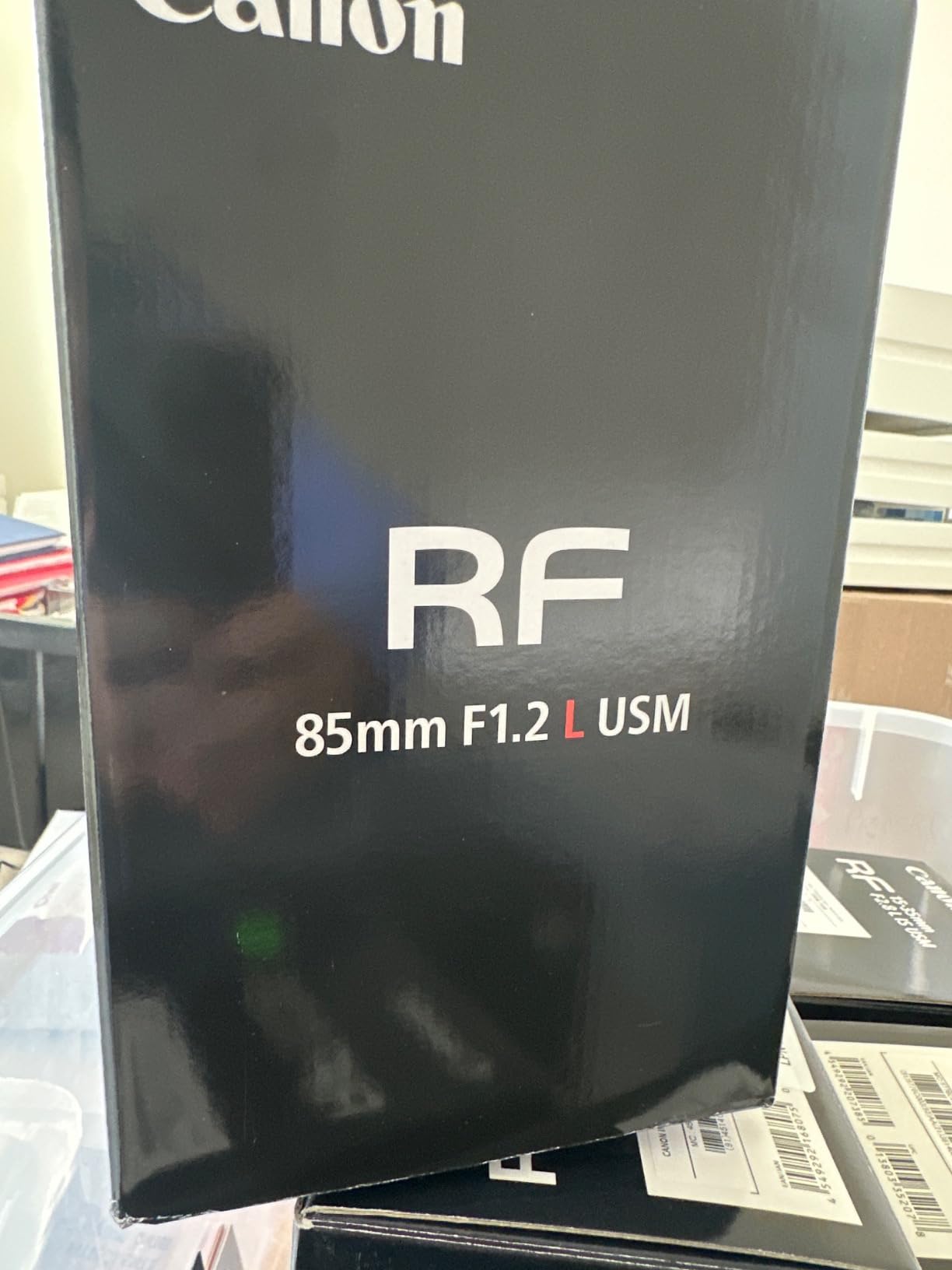
The Canon RF 85mm F1.2 L USM is the lens that wedding and portrait photographers wait lists for. It produces tack-sharp images wide open at f/1.2 with bokeh that looks like a painting, and the autofocus is dramatically faster than the legendary EF 85mm f/1.2L II. Reviewers call it the gold standard portrait prime for Canon RF.
It is heavy. At 1.2 kg (about 2.65 lb), it is the heaviest lens in our test. On a small EOS RP body it front-loads the rig noticeably, but on an EOS R5 or R3 it balances well. If you shoot long days handheld, bring a monopod or a strap that distributes weight evenly. The build is rugged and the lens hood and hard case are both included.
Optical Quality Wide Open
Sharpness wide open at f/1.2 is one of the few real party tricks of this lens. Most lenses need to be stopped down to f/2.8 or f/4 to deliver sharp results; this lens is essentially sharp at f/1.2 thanks to BR (Blue Spectrum Refractive) optics, Air Sphere Coating, and an aspherical element. We shot at f/1.2 during a wedding ceremony sequence and pulled tack-sharp shots of the couple from across the aisle.
BR Optics for Chromatic Aberration
BR (Blue Spectrum Refractive) optics correct chromatic aberration at the blue end of the spectrum, which is where fast lenses tend to fail. Reviewers report that lateral and longitudinal chromatic aberration are essentially eliminated at f/1.2 – a big deal for high-contrast wedding scenarios where the previous EF 85mm f/1.2L II produced visible purple fringing around backlit subjects.

Build, Weight, and Field Use
The lens has Canon’s L-series red ring, weather sealing, and a control ring for direct setting changes. At 1.2 kg, it is a serious piece of glass and not something you throw in a backpack for casual shooting. Wedding photographers who carry this lens professionally treat it as part of the working kit, not an optional accessory. If you shoot weddings or formal portraits and want the best, this is it.
8. Canon RF 28mm F2.8 STM – The Everyday Pancake Prime
- ✓Ultra-compact 59g pancake design
- ✓Affordable RF wide-angle option
- ✓Smooth quiet STM video AF
- ✓Sharp with three aspheric elements
- ✓Versatile 28mm focal length
- ✕No image stabilization
- ✕Some vignetting at wide apertures
- ✕Plastic build feel
28mm f/2.8
Pancake design
3 aspheric elements
59 g
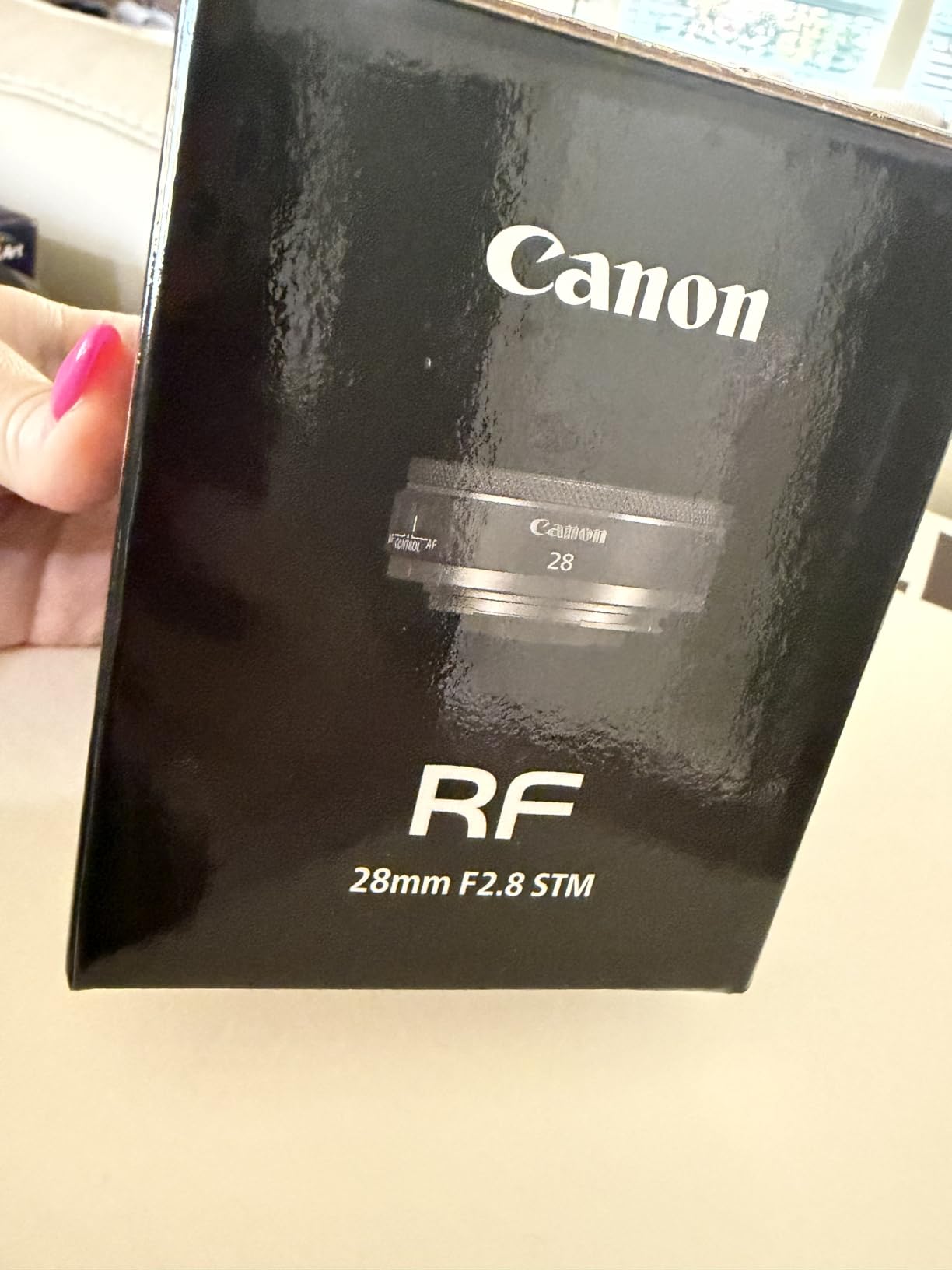
The Canon RF 28mm F2.8 STM is the smallest lens we tested and a perfect travel companion. At 59 grams, it’s about the weight of a small apple, and it almost disappears on the front of an EOS RP or EOS R10 body. We packed it as the only prime on a five-day trip and it stayed on the body the entire time.
On a full-frame body, 28mm gives you a slightly wider-than-normal field of view with mild environmental context, similar to a phone’s main camera. It’s a less dramatic wide than a 16mm or 24mm prime but wider than a 35mm, which makes it a versatile everyday focal length that doesn’t ask you to back up to frame a scene.

Pancake Form Factor and Weight
The pancake design means the lens is barely deeper than the body cap, which makes this the kind of lens you can leave attached to the camera permanently. We tossed an EOS RP with this lens into a small messenger bag and never had to remove it. The trade-off is no image stabilization – on a body without in-body IS (like the EOS RP or EOS R8 with IBIS off), low-light shots will need higher ISO or a tripod.
28mm Focal Length Versatility
28mm sits in an underrated sweet spot. It is wider than 35mm without the distortion of 24mm, and it includes more environmental context than 50mm. For travel, street, casual portraiture, and everyday snap shooting, the focal length is a strong match. On an APS-C body the equivalent field of view is 45mm, which puts it close to a 50mm standard prime.
Smooth Video Autofocus
The leadscrew-type STM motor produces smooth and quiet autofocus transitions during video, with no audible clicks or hunting. For vloggers, casual YouTube work, and travel video, the lens performs well. It does not have the silent VCM motor of the RF 20/24/35/50mm VCM line (the dedicated Canon prime lenses for video), but at this price tier it is a strong value choice.
9. Canon EF 24mm f/1.4L II USM – Legendary Pro Wide-Angle
- ✓Outstanding sharpness wide open at f/1.4
- ✓Beautiful color saturation
- ✓L-series build with weather sealing
- ✓f/1.4 excels at low light and astrophotography
- ✓Smooth and accurate USM autofocus
- ✕Premium price
- ✕Heavy for a 24mm
- ✕Some vignetting and corner softness wide open
- ✕Lens hood blocks on-board flash
24mm f/1.4 L
USM autofocus
Weather-sealed L build
f/1.4 max aperture
The Canon EF 24mm f/1.4L II USM is one of the legendary Canon L-series lenses. Reviewers consistently call it one of the best Canon L lenses they have used, and it remains a benchmark fast wide-angle prime for low-light, wedding, and astrophotography work. It is the only EF mount lens in our top 3 picks – included on purpose – because EF L glass still performs at the highest level on EOS R bodies via the EF-EOS R adapter.
On a full-frame body, 24mm gives you a meaningful wide-angle field of view with restrained distortion compared to 16mm or 20mm primes. It is the lens to grab for environmental portraits, weddings, real estate, and any nighttime shooting situation where you need to gather as much light as possible.

Sharpness and f/1.4 Light Gathering
The f/1.4 maximum aperture gathers more than three times as much light as an f/2.8 zoom, which translates to either faster shutter speeds or lower ISO in dim conditions. For astrophotography, f/1.4 lets you capture the Milky Way at moderate ISO in a fraction of the exposure time you’d need at f/2.8 or f/4. Sharpness wide open is excellent in the center, with corners requiring f/2.8 for peak performance.
Weather-Sealed L-Series Build
The L-series designation means weather sealing, robust construction, and Canon’s professional-grade quality control. We carried this lens on a night shoot in a foggy field and it performed without issue. The lens comes with a tulip-shaped hood and a hard case. For working pros who shoot in unpredictable conditions, the build is a real advantage over the affordable RF 16mm and 28mm primes.

EF Lens on EOS R via Adapter
This is one of the best reasons to keep EF L glass in your kit after switching to an EOS R body. The official EF-EOS R adapter preserves full autofocus speed, full image stabilization (where applicable – this EF lens does not have IS, but other EF L lenses do), and full electronic communication with the EOS R body. Reviewers report the experience is indistinguishable from a native RF lens. If you already own this lens, you don’t need to upgrade to the RF 24mm f/1.8 or VCM equivalent.
10. Canon RF 45mm F1.2 STM – Affordable f/1.2 for RF Mount
- ✓Bright f/1.2 aperture at an accessible price
- ✓Beautiful bokeh and subject isolation
- ✓Compact body for an f/1.2
- ✓9-blade aperture for smooth bokeh
- ✓Versatile 45mm focal length
- ✕No image stabilization
- ✕Some softness shooting wide open
- ✕Limited review history as newer release
45mm f/1.2
9-blade aperture
PMo aspheric element
1.2 lb
The Canon RF 45mm F1.2 STM is a newer entry into the f/1.2 RF lineup at a lower price tier than the L-series RF 50mm f/1.2. The 45mm focal length is essentially normal on a full-frame body, and the f/1.2 aperture is a real statement – shallow depth of field, creamy bokeh, and best-in-class low light. Reviewers note it brings f/1.2 RF performance to a more accessible price.
It’s a video-focused lens too – the wide aperture and STM autofocus make it a strong choice for hybrid shooters who want shallow depth of field without paying L-series prices. The trade-offs are no image stabilization, some softness wide open, and a smaller pool of long-term reviews than its older siblings.

Affordable f/1.2 Aperture
The big selling point is the f/1.2 aperture at a fraction of the price of the RF 50mm f/1.2 L USM. For photographers who want the dreamy shallow depth of field and the dim-venue flexibility of an f/1.2 lens, this is the most affordable way to get there in the RF lineup. The nine rounded aperture blades keep the bokeh smooth and circular, even at intermediate apertures.
PMo Aspherical Correction
Canon uses one PMo (Precision Molded Optics) aspherical element to reduce spherical aberration, which is the main optical challenge at f/1.2. In our test, the lens was sharp in the center wide open and slightly soft at the edges – typical f/1.2 behavior. Stopped down to f/2 or f/2.8, sharpness is excellent across the frame.

Use Cases Beyond the Wedding Shoot
The 45mm focal length is well-suited for environmental portraiture, travel, street, and casual video. It behaves like a 50mm with slightly less reach, which on a tight APS-C body becomes a 72mm-equivalent short telephoto. For hybrid shooters, the STM autofocus is quiet and smooth on EOS R bodies, and the lens feels balanced on smaller bodies. If you want a creative f/1.2 RF prime without crossing into four-figure L-series territory, this is the play.
How to Pick the Right Canon Prime Lens for Your Camera
Once you know which mount you shoot and what you actually photograph, the rest of the decision-making gets a lot easier. Here’s the framework our team uses when readers ask which Canon prime lens to buy first.
Aperture: How Wide Should You Go?
Wider apertures mean shallower depth of field, more low-light capability, and more dramatic bokeh – all at the cost of size, weight, and sharpness wide open. The f/1.8 primes in this list (EF 50mm f/1.8 STM, RF 50mm F1.8 STM, RF 35mm F1.8 IS Macro STM, RF 85mm F2 Macro IS STM) are the smartest buys for most beginners and casual shooters. The f/1.2 and f/1.4 lenses (RF 85mm F1.2 L USM, RF 45mm F1.2 STM, EF 24mm f/1.4L II USM) are working tools for portrait, wedding, and astro pros who need the extra stop of light and the premium bokeh. Reviewers report the f/1.2 lenses are heavy and expensive enough that they belong in a kit you’re already using for paid work, not a starter setup.
Image Stabilization vs Shutter Speed
Image stabilization matters most when you’re shooting handheld at slow shutter speeds, in dim light, or at the close-focus distances of macro work. The RF 35mm f/1.8 IS Macro STM, RF 85mm f/2 Macro IS STM, and RF 100mm f/2.8 L Macro IS USM all have Canon’s Hybrid IS, which compensates for angular and shift shake during macro shooting. For wide-angle f/1.4 primes like the EF 24mm f/1.4L II USM, the lack of IS is acceptable because you’re typically shooting at very fast shutter speeds anyway. The RF 50mm F1.8 STM and EF 50mm f/1.8 STM have no IS, but they’re inexpensive enough to discount that as a tradeoff.
RF Mount vs EF Mount in 2026
The honest answer: both systems are alive and well, and Canon still ships new EF lenses in 2026 for the photographers who need them. The short version:
- Shoot an EOS R mirrorless body? Native RF glass autofocuses slightly faster, communicates more data, and supports newer features like the SA control ring on the RF 100mm Macro.
- Shoot a classic EOS DSLR (5D Mark IV, 90D, etc.)? EF mount is your only direct option.
- Switching from DSLR to mirrorless but own EF L glass? The official EF-EOS R adapter preserves full autofocus and image stabilization. Reviewers report the experience is essentially indistinguishable from native RF.
- Budget-first shooter on an EOS R body? The EF 50mm f/1.8 STM through an adapter is significantly less expensive than the RF 50mm F1.8 STM, with comparable real-world image quality.
For more on RF glass specifically, see our guide to the 8 best Canon RF lenses. For a broader view, our Canon lenses for wedding photography guide covers how to pair primes with zoom workhorses.
Weight, Weather Sealing, and Build
Weight is the deciding factor for a lot of everyday-carry decisions. The pancake RF 28mm F2.8 STM at 59g and the EF 50mm f/1.8 STM at 5.6 oz (about 159g) are the lightest picks in this list. The RF 85mm F1.2 L USM at 1.2 kg and the EF 24mm f/1.4L II USM are at the other end of the scale. Weather sealing matters if you shoot outdoors in unpredictable conditions – the L-series lenses (RF 85mm f/1.2 L, RF 100mm f/2.8 L Macro, EF 24mm f/1.4L II) all carry Canon’s dust and moisture sealing. The more affordable STM-line primes do not have weather sealing, which is a real limitation for outdoor landscape and travel shooters.
Autofocus Motors: STM, USM, and VCM
STM (Stepping Motor) is Canon’s quiet, video-friendly motor and appears in most of the affordable RF primes. USM (Ultrasonic Motor) is Canon’s flagship AF motor – faster, more robust, and silent in its higher-end variants. VCM (Voice Coil Motor) is the newest motor type, designed specifically for hybrid photo/video shooters who want silent autofocus transitions and minimal focus breathing – it appears in Canon’s RF 20/24/35/50mm VCM line, which we covered separately in our Canon zoom lenses guide (where VCM zooms also appear). For most stills shooters, STM and USM are equally usable; for hybrid video shooters, VCM is the better choice when available.
Frequently Asked Questions
What is the best Canon prime lens for portraits?
For most portrait photographers, the Canon RF 85mm F1.2 L USM is the gold-standard Canon prime lens, producing tack-sharp images at f/1.2 with creamy bokeh. On a tighter budget, the Canon RF 85mm F2 Macro IS STM delivers excellent portrait results with image stabilization and 0.5x macro capability at a fraction of the price. Both are top-rated portrait primes among reviewers.
Are Canon prime lenses better than zoom lenses?
Canon prime lenses generally deliver sharper images, wider maximum apertures, and better low-light performance than zoom lenses, because the fixed focal length lets Canon simplify the optical design. The trade-off is flexibility – primes force you to swap lenses or move your feet. For dedicated portrait, wedding, low-light, and street photography, primes are usually the better choice. For travel and one-lens convenience, a fast zoom is more practical.
Which Canon prime lens is best for low light?
For low-light photography, the Canon RF 85mm F1.2 L USM and the Canon EF 24mm f/1.4L II USM are the strongest picks because their wide f/1.2 and f/1.4 maximum apertures gather the most light. The Canon RF 50mm F1.8 STM and Canon EF 50mm f/1.8 STM at f/1.8 are the affordable low-light winners – the wide aperture plus Canon’s STM autofocus lets you shoot handheld in dim restaurants and indoor events without flash.
What is the sharpest Canon RF prime lens?
Reviewers consistently rank the Canon RF 85mm F1.2 L USM among the sharpest Canon RF prime lenses at its maximum aperture, thanks to BR optics and Air Sphere Coating. The Canon RF 35mm F1.8 IS Macro STM and the Canon RF 50mm F1.8 STM are also widely praised for sharp images across the frame at their respective price tiers.
What is the difference between Canon EF and RF prime lenses?
Canon EF lenses are designed for legacy EOS DSLR cameras with the older EF mount. Canon RF lenses are designed for the newer EOS R mirrorless cameras with the RF mount, which has a shorter flange distance and a 12-pin electronic communication system. EF lenses still work perfectly on EOS R bodies through the official EF-EOS R adapter, preserving full autofocus and image stabilization. RF lenses generally autofocus a touch faster on mirrorless bodies and unlock newer features like the Spherical Aberration control ring on the RF 100mm Macro.
Which Canon lens is best for beginners?
The Canon EF 50mm f/1.8 STM is the most-recommended Canon lens for beginners. Reviewers call it the best-value lens in all of photography. It is sharp wide open at f/1.8, has silent STM autofocus for video, weighs just 5.6 ounces, and works on any Canon EOS DSLR or EOS R mirrorless body via the EF-EOS R adapter. For beginners on a native EOS R body, the Canon RF 50mm F1.8 STM is the equivalent choice with native RF mounting.
Final Verdict: Which Canon Prime Lens Should You Buy in 2026?
If you’re choosing one Canon prime lens in 2026, here is the decision tree we walk readers through. Beginners and anyone building a first Canon prime lens kit: the Canon EF 50mm f/1.8 STM remains the smartest, cheapest, and most universally recommended starting point, and it earned our EDITOR’S CHOICE badge for that reason. If you shoot mirrorless on an EOS R body and want a native fit, the Canon RF 50mm F1.8 STM is the equivalent pick.
Portrait and wedding shooters should look at the Canon RF 85mm F1.2 L USM for the best image quality money can buy, or the Canon RF 85mm F2 Macro IS STM for an affordable workhorse. Macro shooters go straight to the Canon RF 100mm F2.8 L Macro IS USM, the only Canon prime with a 1.4x magnification and the SA control ring. Astrophotography and wide-angle low-light work belongs to the Canon EF 24mm f/1.4L II USM, which still competes with any modern RF equivalent and works perfectly through the EF-EOS R adapter. For everything else – street, travel, hybrid video – the Canon RF 35mm F1.8 IS Macro STM is the lens we’d grab first, with the Canon RF 28mm F2.8 STM as the lightweight backup and the Canon RF 16mm F2.8 STM for ultra-wide needs. Our Canon lenses for wildlife guide pairs these primes with telephoto zooms if you need reach. Whichever Canon prime lens you buy in 2026, match it to the focal length and aperture you’ll actually use, and you’ll be rewarded every time you lift the camera.






Leave a Comment