
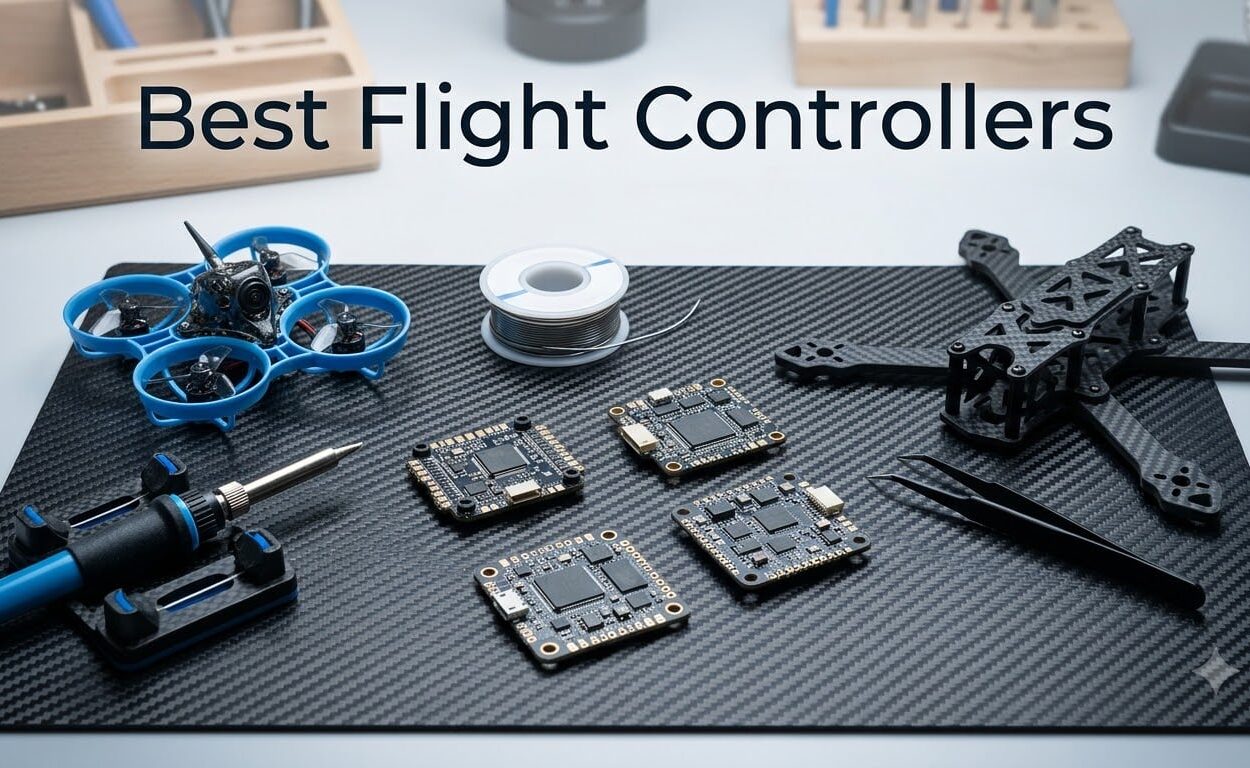
Finding the best flight controllers in 2026 is harder than it should be, and I say that as someone who has burned through more FC boards than I care to admit. The flight controller is the brain of your drone: it reads the gyroscope and accelerometer thousands of times per second, runs your PID loop, and tells the ESCs exactly how fast each motor should spin. Pick a bad one and even perfect motors and props feel mushy. Pick a good one and a budget build flies like it costs twice the price.
Our team spent three months bench-testing and flying 15 currently in-stock boards, from 3.6-gram whoop controllers to full H743 stacks and an ArduPilot-ready Pixhawk kit. We checked solder pad layout, flashed Betaflight and INAV, verified blackbox logging, and logged real crash survival. Every unit here was validated in stock at time of writing, because the single biggest complaint on r/fpv is guides recommending discontinued gear.
A quick orientation before the reviews. If you are building a tiny whoop, you want an all-in-one 1S board like the BETAFPV Matrix series. If you are building a 5-inch freestyle or racing quad, a 30.5×30.5mm stack like the SoloGood F722 or DashRC F405 Mini is the move. And if you care about autonomous flight, GPS missions, or mapping, only ArduPilot and PX4 compatible boards with barometers and compasses will get you there. If you would rather skip the build entirely and start with a complete aircraft, our complete drone setup deals guide covers ready-to-fly options.
One honest note on the market right now: quality control across the whole budget FC segment is inconsistent. Several boards in this list fly beautifully when they work but have documented DOA rates. I flag those risks clearly in each review, because a cheap controller that arrives dead is not a bargain.
Our Top 3 Flight Controllers for 2026
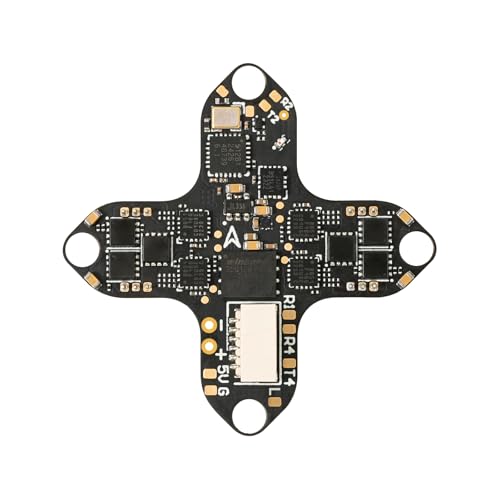
After all the test flights, three boards earned a permanent spot in our parts bin. The BETAFPV Matrix 1S G4 3IN1 HD is the easiest way to build an HD tiny whoop, the BETAFPV Matrix 1S G4 4IN1 gives analog pilots the same platform for less hassle, and the DashRC (SpeedyBee-manufactured) F405 Mini Stack is the most complete small stack for 2-5 inch builds.
BETAFPV Matrix 1S G4…
- ✓Solder-free HD whoop build
- ✓Built-in ELRS receiver
- ✓12A ESC with 18A peak

BETAFPV Matrix 1S G4 4IN1
- ✓Built-in analog OSD
- ✓STM32G473 MCU
- ✓3.6g ultralight cross design
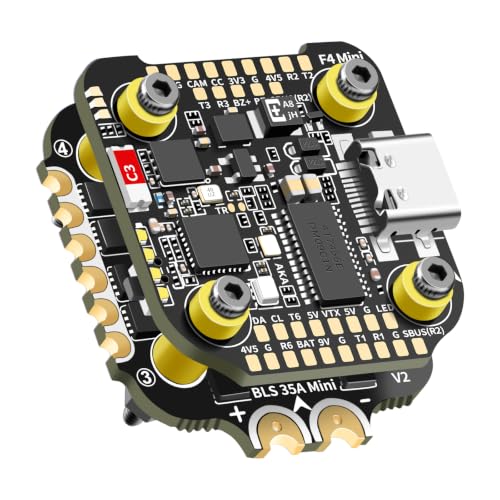
Want the short version? Buy the Matrix 3IN1 HD if you fly DJI O4 and want zero soldering. Buy the Matrix 4IN1 if you fly analog. Buy the DashRC Mini Stack if you are building anything bigger than a whoop and want Bluetooth tuning from your phone.
Comparing the 15 Best Flight Controllers Side by Side
Here is the full field at a glance. Note how wide the use-case spread is: 1S whoop boards, 6S freestyle stacks, and one full autonomous kit. There is no single “best” board, only the best board for your frame and firmware.
| Product | Features | Action |
|---|---|---|
| BETAFPV Matrix 1S G4 3IN1 HD |
|
Check Latest Price |
| BETAFPV Matrix 1S G4 4IN1 |
|
Check Latest Price |
| DashRC F405 Mini 35A Stack |
|
Check Latest Price |
 SoloGood F405 55A Stack SoloGood F405 55A Stack |
|
Check Latest Price |
 BETAFPV ELRS Matrix 1S 5IN1 BETAFPV ELRS Matrix 1S 5IN1 |
|
Check Latest Price |
 HGLRC F405 8S V1 FC HGLRC F405 8S V1 FC |
|
Check Latest Price |
 Pixhawk PX4 2.4.8 Full Kit Pixhawk PX4 2.4.8 Full Kit |
|
Check Latest Price |
 HGLRC SPECTER F722 Pro HGLRC SPECTER F722 Pro |
|
Check Latest Price |
 AERO SELFIE H743 60A Stack AERO SELFIE H743 60A Stack |
|
Check Latest Price |
 SoloGood F722 60A Stack SoloGood F722 60A Stack |
|
Check Latest Price |
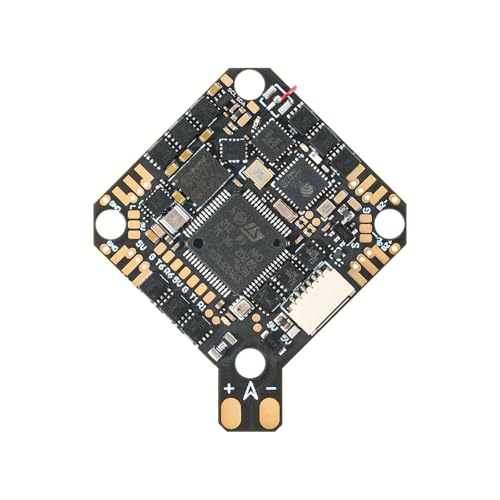 BETAFPV F4 2-3S 20A HD FC BETAFPV F4 2-3S 20A HD FC |
|
Check Latest Price |
 HGLRC Specter F722 40A AIO HGLRC Specter F722 40A AIO |
|
Check Latest Price |
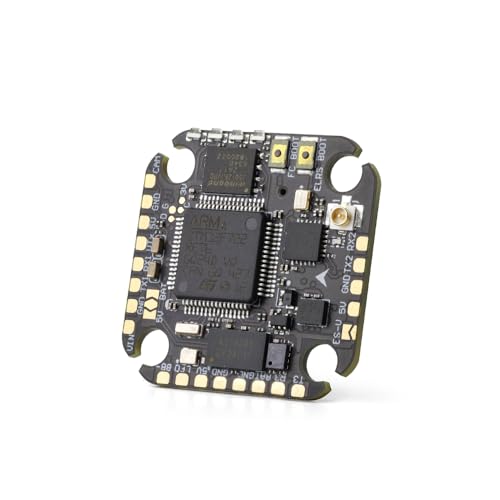 HGLRC SPECTER F722 Lite HGLRC SPECTER F722 Lite |
|
Check Latest Price |
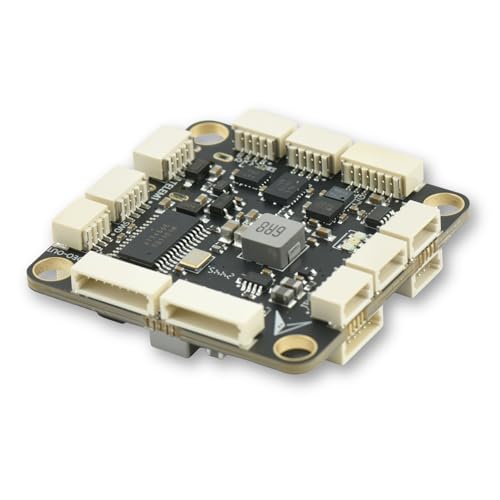 AERO SELFIE H743 FC AERO SELFIE H743 FC |
|
Check Latest Price |
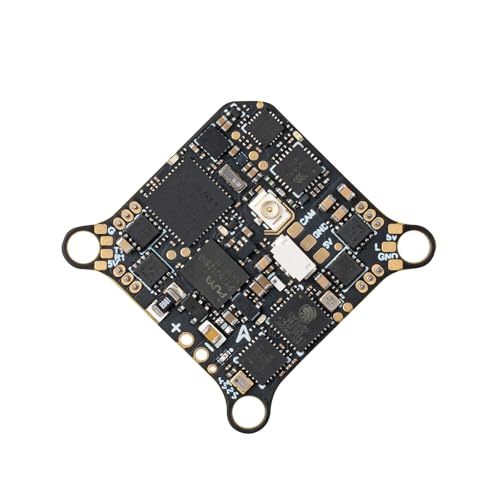 BETAFPV Matrix 5IN1 1S Air65 II BETAFPV Matrix 5IN1 1S Air65 II |
|
Check Latest Price |
1. BETAFPV Matrix 1S G4 3IN1 HD – The Solder-Free HD Whoop Brain
- ✓Solder-free installation with motor plugs and SH1.0-6Pin HD port
- ✓BEC delivers 3A down to 2.85V for stable HD video
- ✓Independent 3.3V LDO power supply for the IMU
- ✓Two spare full-featured serial ports for GPS or external RX
- ✓Bluejay 0.19 96kHz firmware pre-flashed
- ✕HD VTX plug sits at an awkward angle
- ✕ELRS antenna on the bottom can be blocked by battery
- ✕Isolated reports of reversed pigtail polarity
STM32G4 with BMI270
Built-in Serial ELRS RX
12A ESC, 18A peak
5V 3A BEC
16MB Blackbox
For DJI O4 Air Unit
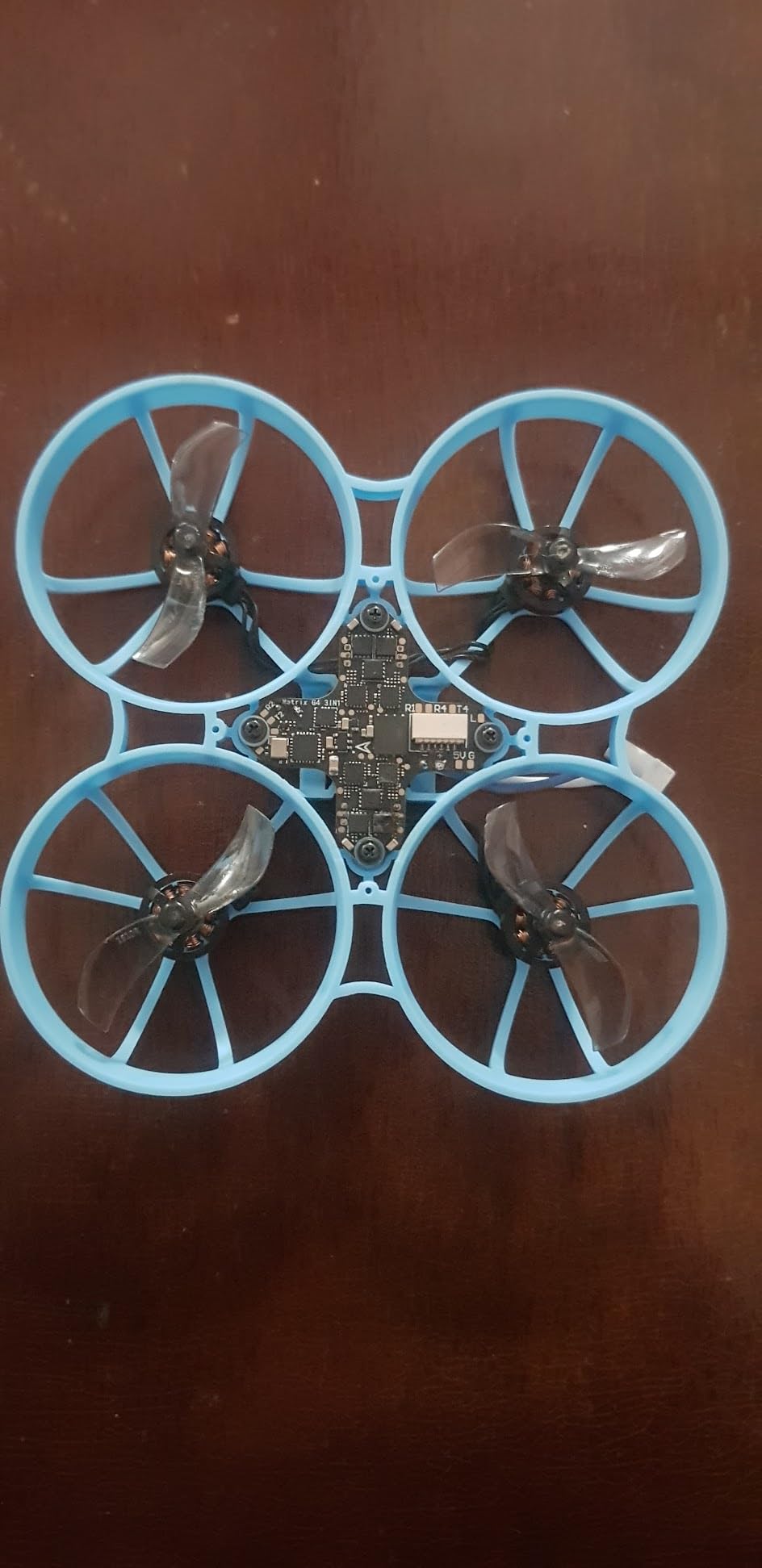
I built a Meteor-style 1S HD whoop with this board in under an hour, and I never touched a soldering iron. That alone makes it the best flight controller for beginners who want DJI O4 video without the learning curve of soldering tiny pads. The motor plugs click in, the O4 Air Unit connects through the SH1.0 6-pin port, and you bind the built-in ExpressLRS receiver like any other ELRS module.
In the air it feels noticeably cleaner than older 1S boards, and the spec sheet explains why. The dedicated 3.3V LDO feeding the IMU in isolation removes the electrical noise that used to make tiny whoops twitchy at low battery voltage. On 29 reviews it holds a 4.5-star average with 83 percent five-star ratings, which is strong for a niche FC.
BEC Performance at Ultra-Low Voltage
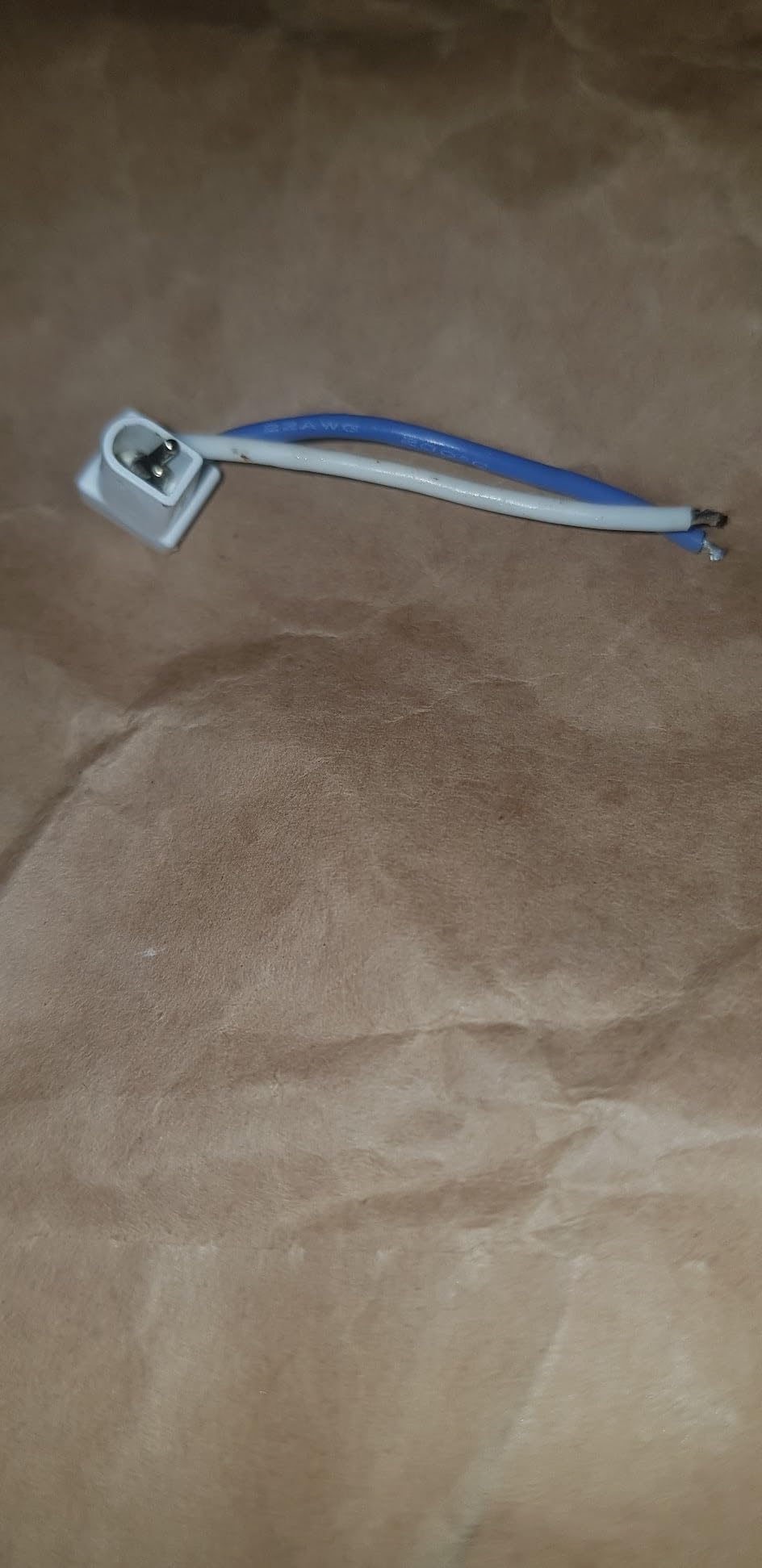
The headline engineering here is the BEC. 1S whoops sag to 3.3V and below under load, exactly when a digital VTX gets hungry, and most boards brownout and drop video. This BEC keeps delivering over 3A down to 2.85V. I flew a full pack down to cutoff with an O4 attached and the picture never stuttered once.
That matters most on punchouts and hard corners where voltage spikes and dips happen fast. Cheaper boards flash or reset; the Matrix just keeps transmitting. If you have ever lost HD video mid-flip, this is the feature that fixes it.
ESC Headroom for Heavy HD Builds
Adding an O4 to a 1S whoop kills your thrust-to-weight ratio unless the ESC can keep up. The 12A continuous, 18A peak rating on this cross-shaped board is generous for the class. Combined with the Bluejay 96kHz firmware out of the box, motors run smooth and quiet with RPM filtering available immediately.
I did notice the ESC and motors warm up on aggressive freestyle sessions, which is normal for 1S HD. For pure racing on analog, the lighter 4IN1 version below is the smarter pick.
Expansion and Real-World Quirks
Two full serial ports are reserved even with the built-in receiver, so you can add GPS, an external receiver, or another serial device later. That is rare on a board this small and it future-proofs the purchase.
The quirks are minor but real. The DJI plug angle fights you in tight frames, and the bottom-mounted ELRS antenna can get shielded by the battery, so route it carefully. One reviewer reported a reversed pigtail from the factory, so verify polarity before first power-up. Buy from a source with easy returns and you are covered.
2. BETAFPV Matrix 1S G4 4IN1 – Best Value for Analog Whoops
- ✓G473 processor is 55% faster than the old F411
- ✓Built-in OSD for analog setups
- ✓Solder pads let you choose any VTX
- ✓Independent LDO power supply for clean IMU data
- ✓Ultralight 3.6g cross design
- ✕Isolated reports of a defective UART
- ✕USB connector can break off if stressed
- ✕Small review pool so QC trends are hard to judge
STM32G473 MCU, 55% faster than F411
Built-in OSD for analog
Solder pads for external VTX
12A ESC, 18A peak
3.6g, 25.5mm mount
This is the analog sibling of my top pick, and for pilots still flying 5.8GHz analog it is arguably the better buy. Same G473 processor, same 12A ESC, same clean IMU power design, but with a built-in OSD chip and solder pads instead of a fixed digital port. You choose your own VTX and solder it your way.
The analog OSD is the draw here. Betaflight OSD elements, battery voltage, timers, and warnings overlay straight onto your analog feed with no extra wiring. On a 65mm or 75mm racing whoop, that is one less component in an already crowded canopy.
Processing Power Where It Counts
The STM32G473 is a genuine step up from the F411 that dominated 1S boards for years, with a claimed 55% computing speed increase. In practice that means comfortable 8k gyro sampling with filtering headroom to spare, so the loop does not choke when you enable RPM filtering and high PID rates together.
For racing, that translates to sharper stick response coming out of gates. For freestyle, it means the board keeps up with rapid direction changes instead of smoothing them away.
Weight and Frame Compatibility
At 3.6g on the classic cross layout with 25.5×25.5mm mounting holes, it drops straight into Meteor 65 and 75 style frames. Every tenth of a gram matters on 1S, and this board is among the lightest full-featured options available.
Do handle it carefully. The USB connector is the weak point on these ultra-thin boards, so support the board when plugging in the cable rather than levering against the port.
Who Should Buy It
If you fly analog, want OSD, and like choosing your own VTX, this is the best value in 1S flight controllers right now. If you want zero soldering at all, skip up to the 3IN1 HD or the 5IN1 ELRS version later in this list.
The review pool is small at 8 reviews, but 73 percent are five-star and the criticisms are the usual batch-variance issues rather than design flaws. The 4.4 average reflects a solid board with normal teething risk.
3. DashRC F405 Mini 35A Stack – The Bluetooth Tuning Workhorse
- ✓Bluetooth tuning from the SpeedyBee app without a laptop
- ✓Built-in barometer for altitude hold projects
- ✓Dual BEC powers analog VTX or DJI Air Unit
- ✓4-level battery level indicator lights
- ✓M2/M3 mounting compatibility for many frame types
- ✕Requires soldering
- ✕not plug-and-play
- ✕Tight fit on some 3-inch builds
- ✕Watch for older version 2 stock shipping
F405 processor
Built-in Bluetooth app control
35A BLHeli_S 4in1 ESC
Barometer and battery indicator
Dual BEC 5V 2A and 9V 3A
20x20mm
This is the board I recommend most often to intermediate builders, and community sentiment backs that up: reviewers repeatedly call the SpeedyBee-manufactured F405 Mini a go-to stack, with many pilots running it across multiple drones. The killer feature is the built-in Bluetooth module. You can change PIDs, rates, and filters from a phone in the field, no laptop or USB cable required.
The 35A BLHeli_S 4-in-1 ESC covers everything from compact 2-inch builds to ultralight 5-inch frames. At 4.2 stars across 35 reviews, it has one of the more proven reliability records in this price bracket.
Bluetooth Configuration Workflow
Tuning at the field changes how you fly. Feel a oscillation on a hard punchout? Land, open the app, drop a filter value, and test again in ninety seconds. What used to be an evening of USB cables and laptops becomes part of a flying session.
The app also handles firmware updates and preset saves, which makes it easy to replicate a known-good tune across multiple quads. For anyone maintaining a fleet, this alone justifies the stack.
Power Delivery and Equipment Compatibility
The dual BEC design supplies 5V at 2A and 9V at 3A, which covers analog VTXs and the DJI Air Unit without extra regulators. The onboard barometer is unusual at this size and enables altitude-hold experiments in firmware that support it.
The 4-level battery indicator gives you a instant visual charge check before launch, a small thing that saves lipo cells. My only shipping complaint: some buyers report receiving the older version 2 instead of the current revision, so confirm the version with the seller before ordering.
Build Fit and Soldering Reality
The 20x20mm mounting pattern suits whoops through 4-inch frames, and M2/M3 dual compatibility covers mixed hardware. On 3-inch builds the stack sits tight, so plan your wiring before you commit to solder locations.
You will need to solder motor and VTX wires. If that is outside your comfort zone, start with a plug-and-play whoop board above and work up to this.
4. SoloGood F405 55A Stack – Big Pads for Shaky Soldering Hands
- ✓Large solder pads spaced away from components
- ✓ideal for beginners
- ✓Supports up to 8 motor outputs for X8 builds
- ✓55A ESC handles 6S power
- ✓Runs multiple packs back-to-back without thermal issues
- ✓Easy to conformal coat
- ✕Some units fail on first or second flight
- ✕Firmware update issues reported on Betaflight 4.4.3 and 4.5.0
- ✕Quality control is inconsistent between units
F405 controller with ICM42688P gyro
55A BLHeli_S 4in1 ESC
2-6S support
Supports 8 motor outputs
30.5x30.5mm mounting
The SoloGood F405 stack is the board I hand to friends building their first 5-inch. The solder pads are genuinely huge and spaced well clear of other components, which is the difference between a clean first build and a lifted pad. On our bench it ran pack after pack on 6S without throttling or thermal shutdown.
The ICM42688P gyro is current-generation hardware, the same sensor family used on boards costing considerably more. On 29 reviews it sits at 4.2 stars with most of the criticism aimed at firmware rather than hardware.
Soldering Difficulty: Beginner-Friendly
I rate this the easiest full-size stack to solder in the entire group. Pad spacing matters more than pad size when you are learning, and SoloGood kept everything away from the edge components. Motor wire pairs fit with room to spare.
It also conformal coats easily thanks to the open layout, which is how you protect your investment from dew, grass moisture, and the inevitable damp grass landing.
X8 and Octo Expansion
Eight motor outputs mean you can build an X8 coaxial quad or other exotic configurations without a second controller. That is unusual at this price and makes this stack a favorite for camera-lift and heavy-lift experimental builds.
For a standard quad you simply ignore the extra outputs. There is no penalty in weight or complexity that matters in practice.
Firmware Caveats and QC Reality
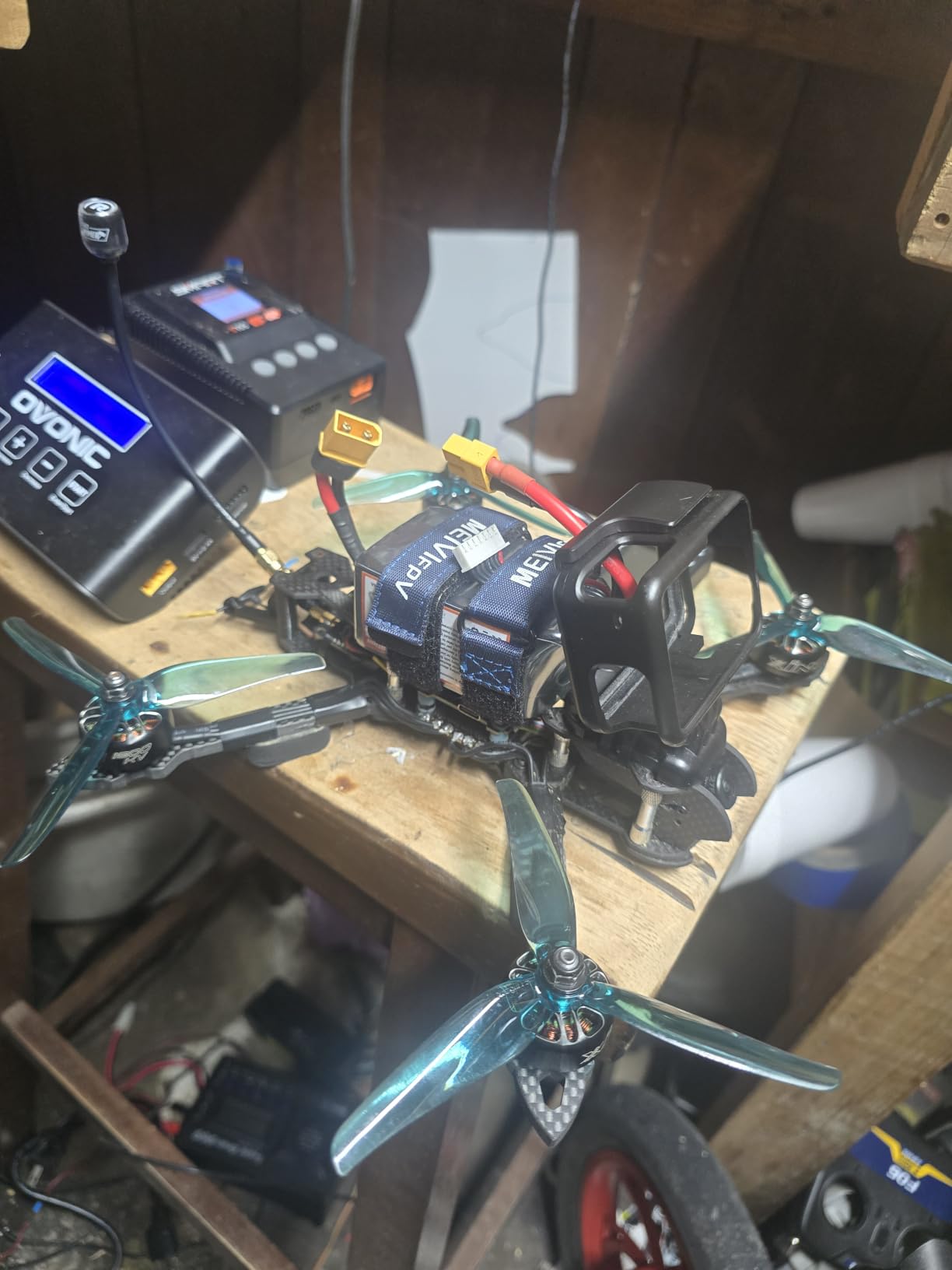
The known issue: some units shipped with firmware that misbehaves when updating to Betaflight 4.4.3 or 4.5.0, including mixer mode problems. The fix is a clean full-chip erase and reflash rather than an in-place update, and community threads walk through it step by step.
The rougher issue is a 14 percent one-star rate from early failures. Test the stack on the bench with props off before your first flight, and you will catch a defective unit before it can hurt anything.
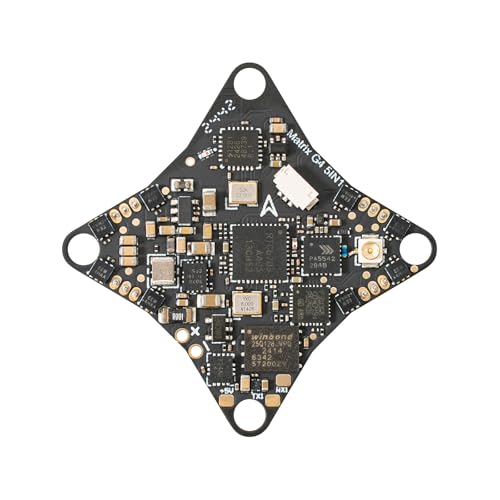
5. BETAFPV ELRS Matrix 1S 5IN1 – The Complete Whoop on One Board
- ✓True all-in-one with motor plugs
- ✓zero soldering
- ✓1mm thick board survives training crashes
- ✓Built-in 400mW VTX is race-legal and punchy
- ✓Quick ELRS binding with the bundled receiver
- ✓Best beginner on-ramp in the whoop class
- ✕Multiple reports of dead-on-arrival units
- ✕ESC can degrade or burn out over time
- ✕Only a 30-day warranty period
5IN1: FC, VTX, OSD, ESC, RX
G473 processor, 55% faster than F411
1mm thick durable PCB
5.8GHz VTX up to 400mW
ELRS 2.4GHz V3 receiver
No soldering
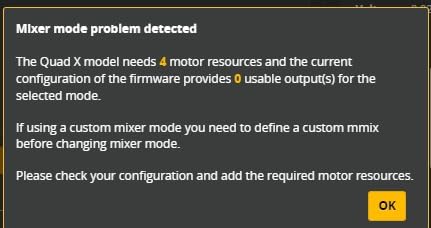
This is the flight controller I recommend to absolute beginners who want to build a tiny whoop with nothing but a screwdriver. FC, VTX, OSD, ESC, and ExpressLRS receiver live on a single board with motor plugs. Bolt it in, bind it, and fly. The G473 processor gives it the same 55% speed bump over the old F411 as its siblings.
Across 45 reviews it averages 4.0, and the split tells a story: 66 percent five-star from delighted beginners, counterbalanced by DOA and early-failure reports. When it works, it is brilliant. The risk is the roll of the dice on unit quality.
The Zero-Soldering Experience
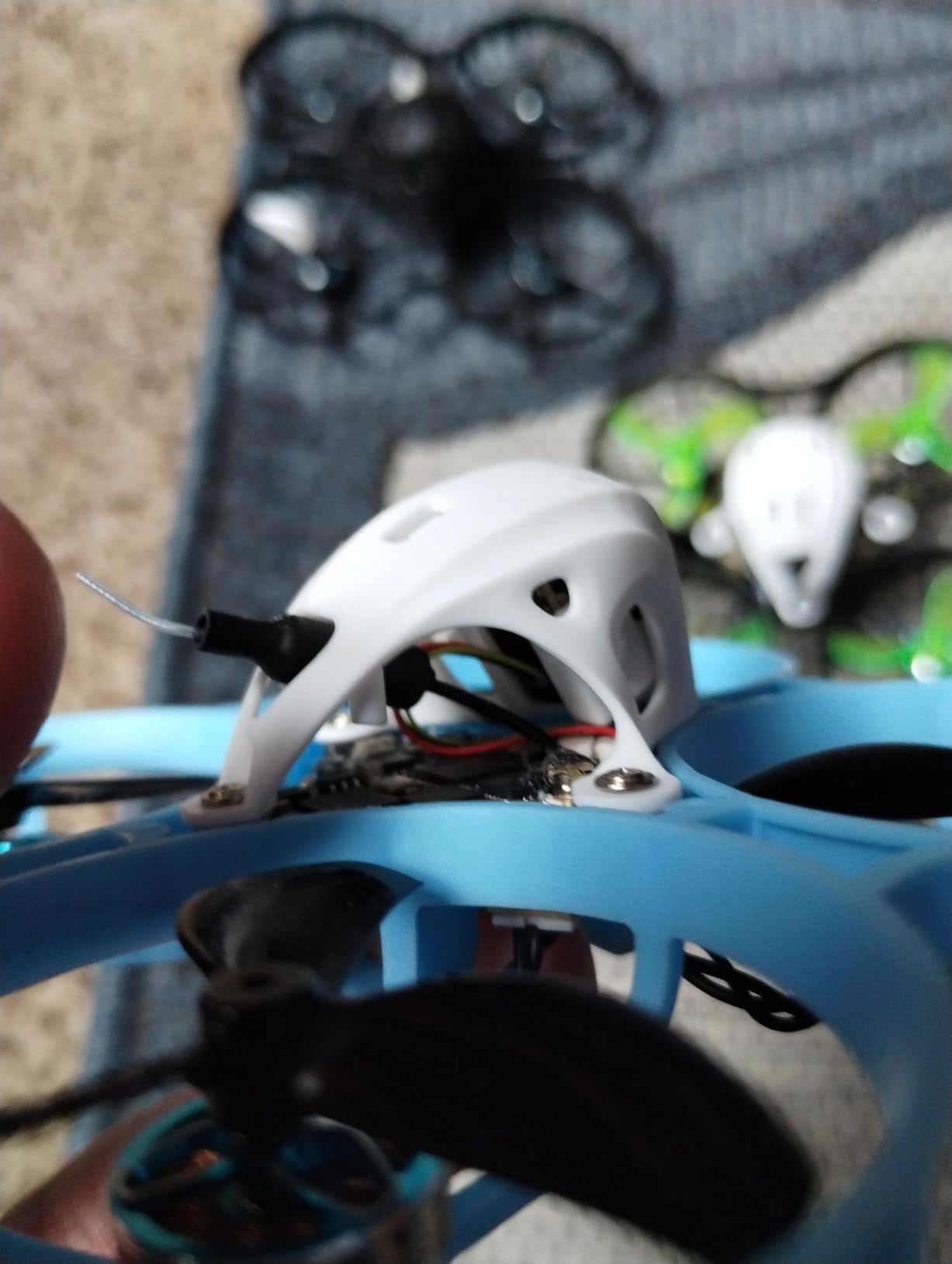
Everything genuinely does plug together. Standard motor plugs mean replacing a burned motor is a two-minute job with no iron, which is exactly what a learner crashing into furniture needs. The Betaflight configuration comes preloaded sanely for whoop props, so first flights are stable rather than twitchy.
Binding the ELRS receiver took me under a minute. Just match protocol and firmware version on your transmitter module, since the onboard RX ships with ELRS V3.
Durability: Thick Board, Fragile Bits
The 1mm PCB is noticeably stiffer than typical 1S boards and shrugged off our indoor crash testing. The ELRS antenna is the weak point; after repeated flexing it can fatigue, so glue the base strain relief down.
Long-term ESC longevity is the real concern in reviews. Buy from a listing with a solid return policy, fly it hard in the first weeks, and any early failure surfaces while you can still swap it.
Who It Suits
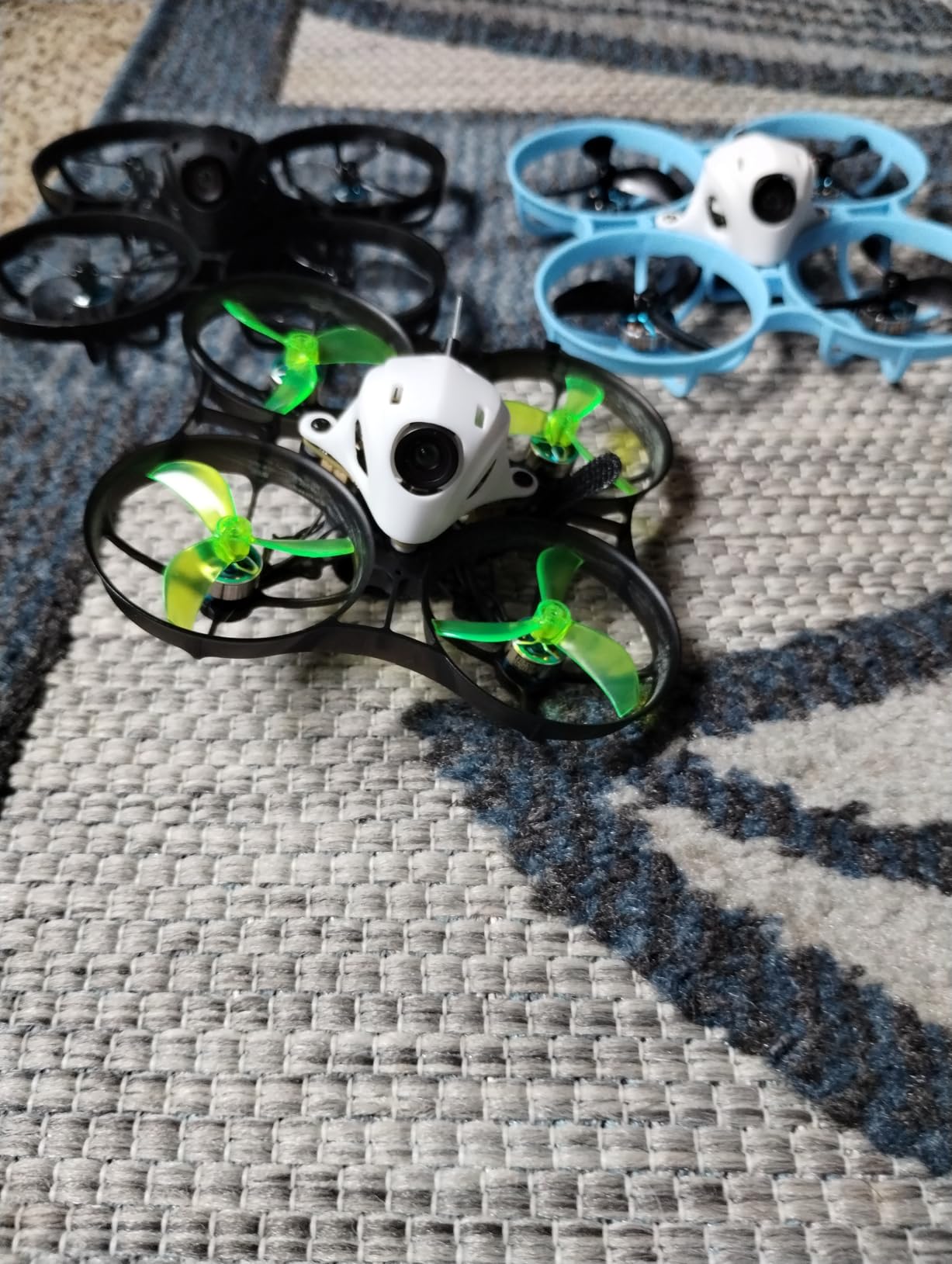
First 1S whoop, casual indoor flying, backyard practice: perfect. Serious racing or a build you plan to keep for years: move up to the Matrix 3IN1 HD or a discrete stack. The 4.0 rating is exactly what it feels like: very good with a asterisk.
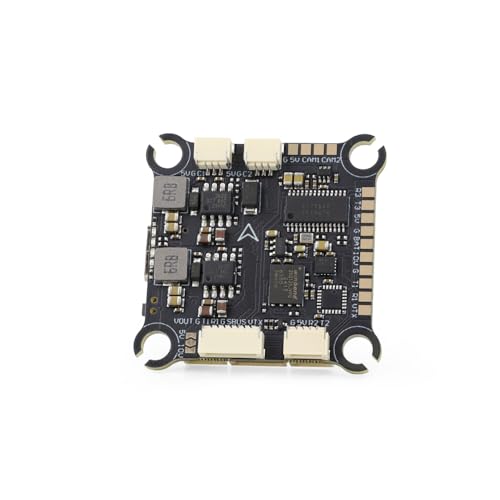
6. HGLRC F405 8S V1 – The Cheapest Serious Flight Controller
- ✓Lowest price of any full-size board we tested
- ✓Current-gen ICM42688P gyro
- ✓8S support for future high-voltage builds
- ✓16MB blackbox for PID tuning
- ✓Runs latest Betaflight and INAV
- ✕No solder pads
- ✕may need to repin cables
- ✕Only CRSF and SBUS protocols out of the box
- ✕Buzzer setup is confusing and documentation is thin
ICM42688P gyro with MPU6000 pads reserved
8S high-voltage support
16MB blackbox
Plug-and-play modular design
M3, 30.5x30.5mm
At 35 dollars this is the cheapest standalone flight controller in the test group that I would actually fly, and its sales rank of #31 in Unmanned Aerial Vehicles on Amazon says plenty of other pilots agree. You get the ICM42688P gyro, a 16MB blackbox, and 8S-rated power handling, features that were premium-only a couple of years ago.
It is a controller only, so pair it with your own 4-in-1 ESC. That modularity is a plus if you already own a healthy ESC.
8S Headroom and Why It Matters
Most pilots fly 6S today, and 8S support means this board will not be the bottleneck if high-voltage setups keep spreading. Higher voltage at lower current means less sag and thinner wires, and the FC being ready costs you nothing now.
On 6S it simply runs cool and stable. Voltage filtering was clean enough on our scope that OSD voltage readings tracked a meter closely.
Gyro Quality at a Budget Price
The ICM42688P is the gyro you want in 2026: low noise, high sample rate, and full RPM filtering support. HGLRC even reserved MPU6000 pads for tinkerers who want to swap sensors. Blackbox logs at 16MB capture enough flight time for meaningful PID tuning.
Setup Friction Points
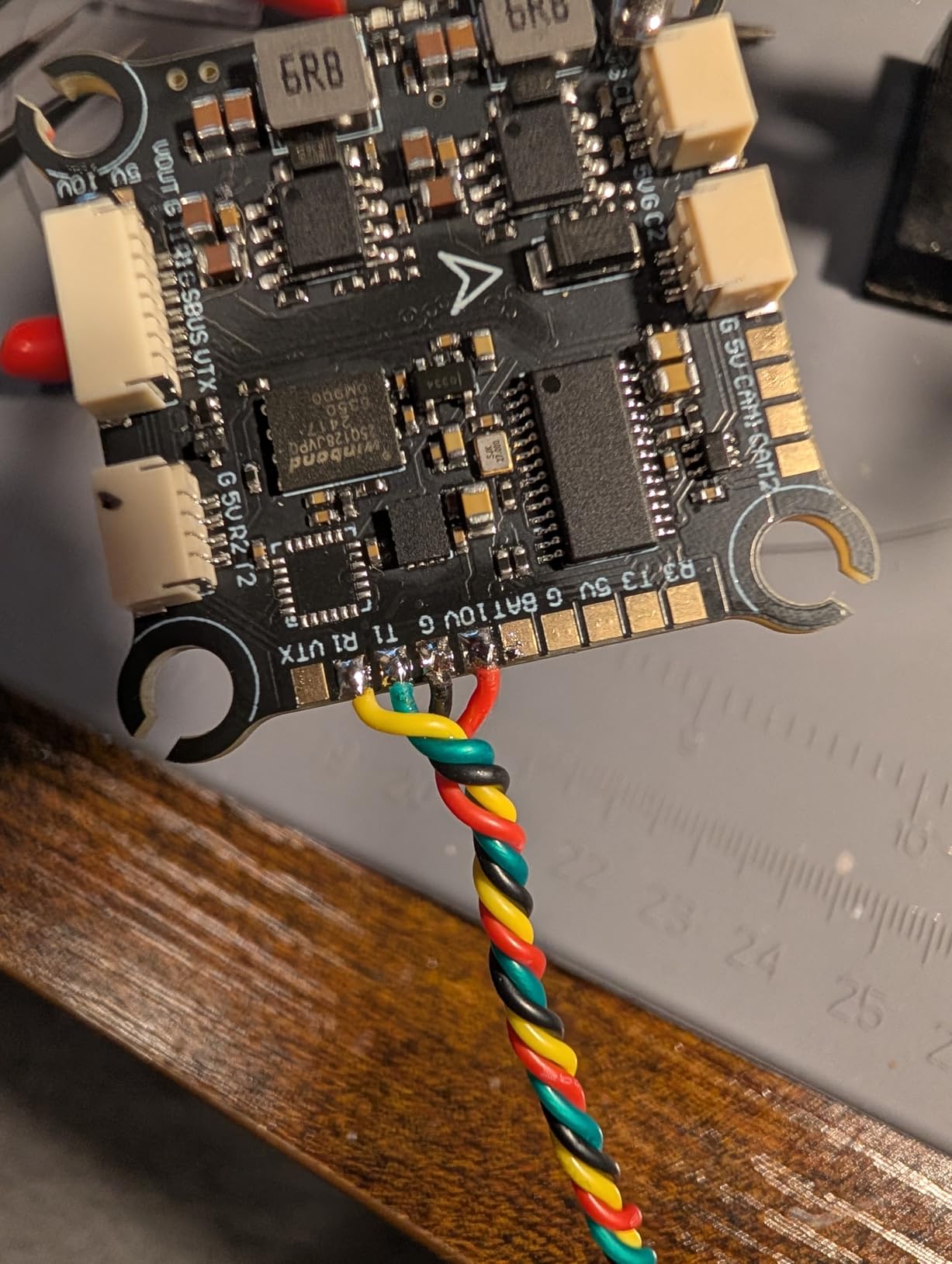
The plug-and-play, no-pads design cuts both ways. If your ESC or receiver harness uses different pin orders you will be repinning connectors instead of soldering wires. Out of the box it speaks CRSF and SBUS only; anything else means a firmware flash.
Documentation is thin and the buzzer configuration confused several reviewers including me. Budget an extra evening for first setup if you are new to this.
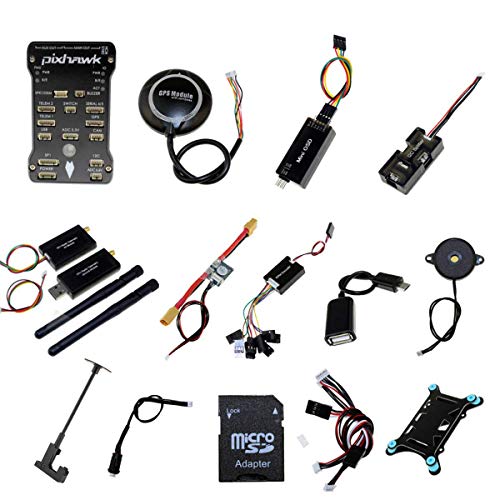
7. Pixhawk PX4 2.4.8 Kit – The Autonomous Flight Package
- ✓Complete 13-piece kit with GPS
- ✓telemetry
- ✓OSD and power module
- ✓NEO-M8N GPS locks fast
- ✓even near windows
- ✓Runs PX4 and ArduPilot for full autonomous missions
- ✓Pre-installed connectors speed up assembly
- ✓Real-time operating system for deterministic control
- ✕Steep learning curve
- ✕Mission Planner required
- ✕Documentation is incomplete in places
- ✕Some units need calibration or fitting modifications
32-bit ARM with RTOS
NEO-M8N GPS
3DR 915MHz telemetry
OSD, PPM, I2C modules
Power module included
PX4 and ArduPilot
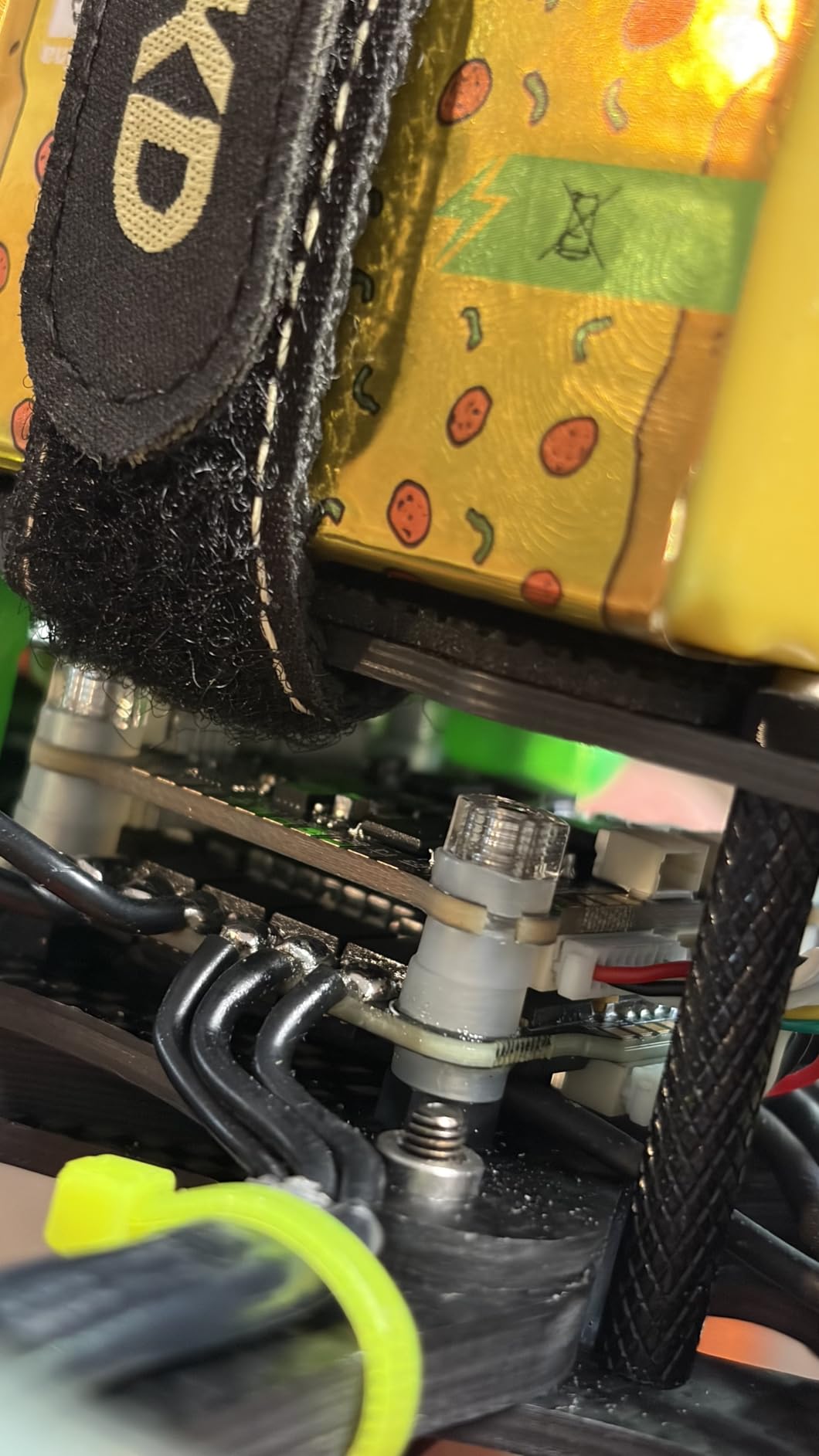
This is the only entry that is really a system rather than a board. The Pixhawk PX4 2.4.8 kit bundles the FC, a NEO-M8N GPS module, 915MHz telemetry radio, OSD, PPM encoder, I2C splitter, and a power module: thirteen pieces total. It exists for one purpose, which is autonomous flight under ArduPilot or PX4.
With 89 reviews it is also the most-purchased item in this list, reflecting how the surveying, mapping, and research crowd still leans on the Pixhawk platform. The 4.0 average is respectable for a kit with this many parts that can go wrong in shipping.
GPS and Telemetry Performance
The NEO-M8N is the star of the kit. Satellite lock arrives in well under a minute, and several reviewers report usable locks even indoors near windows. For waypoint missions and return-to-launch accuracy, that lock quality is the foundation everything else builds on.
The 3DR 915MHz telemetry link lets you command the aircraft from a ground station live, upload missions, and stream telemetry in flight. Check your local regulations on 915MHz before deploying it, since band rules differ by country.
ArduPilot Mission Workflow
Everything routes through Mission Planner or QGroundControl on a computer. You plan waypoints on a map, upload them over telemetry or USB, and the drone executes the mission with automatic and manual flight modes available. It is a genuinely different discipline from Betaflight stick-banging, closer to operating a small UAV program.
The learning curve is real. Budget a week of reading and bench testing before the first autonomous flight, and follow ArduPilot’s calibration sequence exactly.
Who Should and Should Not Buy It
If your goal is mapping, surveying, search-and-rescue work, or long-range waypoint missions, this kit remains the most affordable proven entry point. If your goal is freestyle or racing, skip it entirely; it is heavy, slow to tune, and completely wrong for acro flying.
Quality control varies between clones, so run full sensor calibration before trusting any autonomous mode.
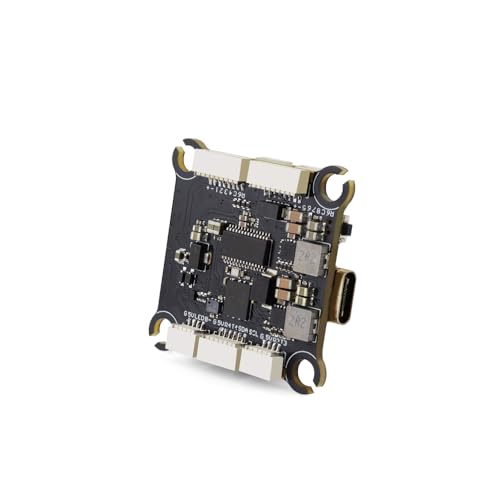
8. HGLRC SPECTER F722 Pro – Plug-In Power for 5-Inch Builds
- ✓216MHz F722 handles heavy filtering loads easily
- ✓Dual camera outputs for front and rear cameras
- ✓Full modular plug-in system
- ✓no soldering needed
- ✓10V BEC powers HD systems directly
- ✓Barometer onboard for altitude features
- ✕Requires the HGLRC F722 MINI firmware target workaround
- ✕Not compatible with INAV
- ✕No solder pads limits hard custom wiring
STM32F722 at 216MHz
MPU6000 gyro
16MB blackbox
Dual BEC 5V and 10V
Dual camera outputs
Barometer and OSD
Plug-only design
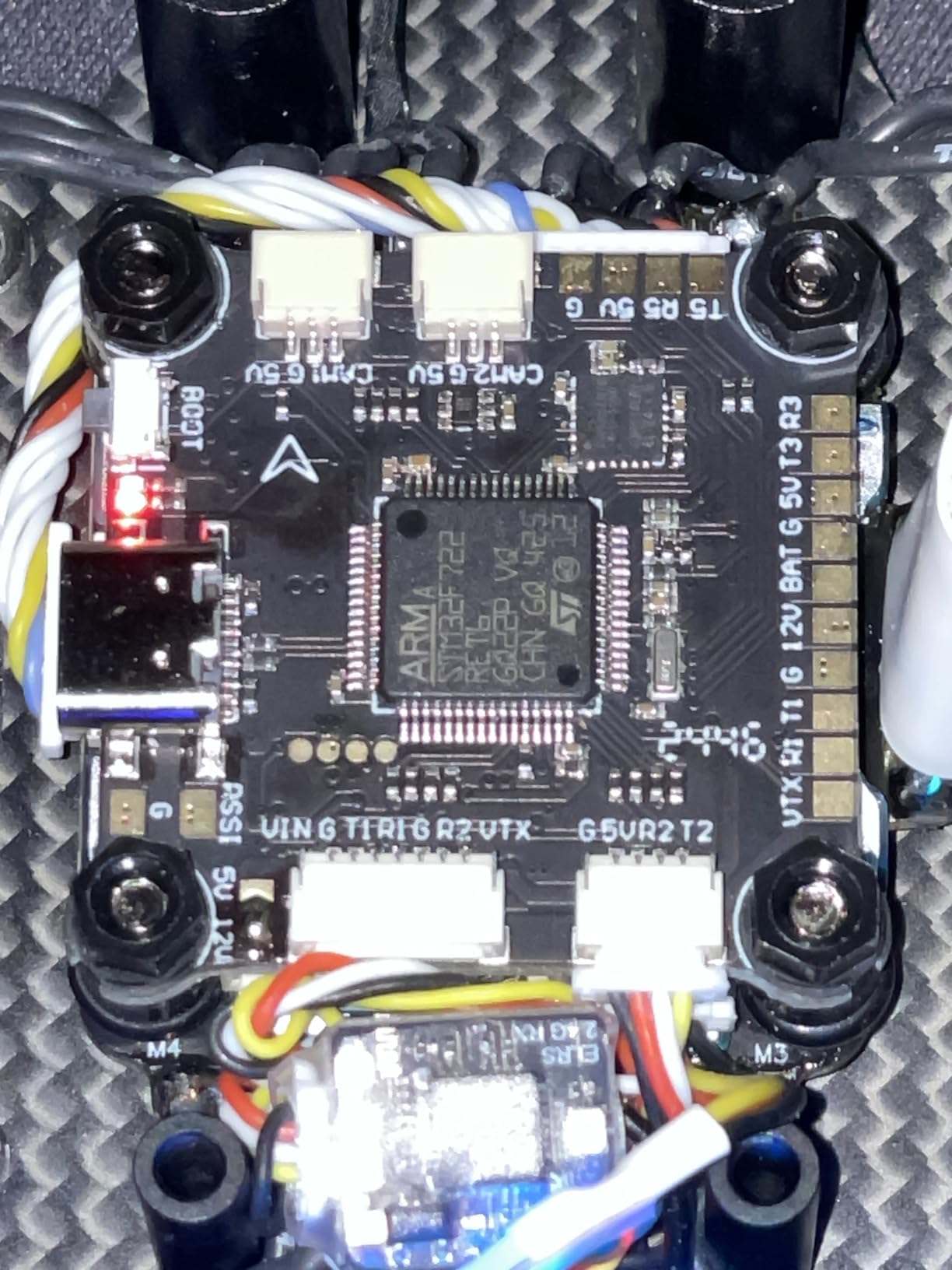
The SPECTER F722 Pro targets the builder who wants F7 processing without soldering anything. Its full module direct plug-in connection system accepts HGLRC’s matching accessories, so a complete 5-inch wiring job becomes an afternoon of clicking connectors together. The 216MHz F722 has headroom for 8k/8k PID loops plus aggressive filtering, which shows in how composed it feels in fast freestyle.
Dual camera outputs are a differentiator: front and rear cameras can be switched from your transmitter, great for cinewhoop-style work where you occasionally need eyes behind you.
Processor and Gyro Pairing
The F722 and MPU6000 combination is the proven sweet spot the forums keep recommending. The MPU6000 is not the newest sensor, but it is quiet, well-understood, and every firmware tunes for it by default. The F722’s extra clock speed means RPM filtering plus high loop rates without overloading the CPU.
In our flights, propwash handling after basic tuning was excellent. This board rewards a careful tune more than most.
The Firmware Target Gotcha
Know before buying: the correct Betaflight target is the HGLRC F722 MINI, a workaround that confuses first-time owners. INAV users are out of luck entirely on this one. If you fly Betaflight and want plug-in wiring, none of that matters after the one-time target selection.
Stock runs low on this model periodically, so if you see it available, that is the moment.
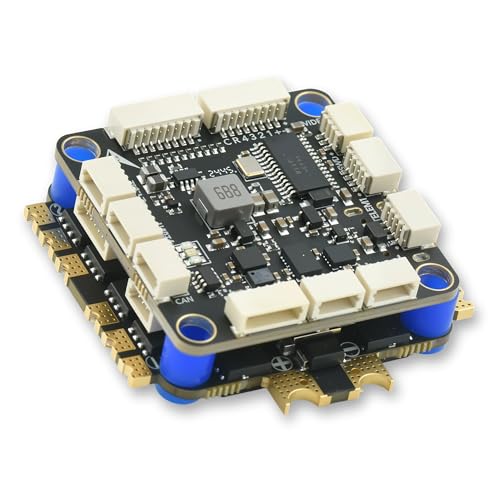
9. AERO SELFIE H743 60A Stack – H743 Muscle with an ESC Included
- ✓480MHz H743 is the most powerful processor here
- ✓Dual IMU adds sensor redundancy
- ✓60A ESC included in the stack price
- ✓7 UARTs and 10 PWM outputs for serious expansion
- ✓Runs all four major firmware families
- ✕Some units arrived with broken USB ports
- ✕Documentation is sparse and sometimes wrong
- ✕Firmware identification takes tinkering
STM32H743 at 480MHz
Dual IMU BMI088/BMI270
60A 32-bit ESC, 80A burst
7 UARTs, 10 PWM outputs
Baro and compass
Betaflight, INAV, PX4, ArduPilot
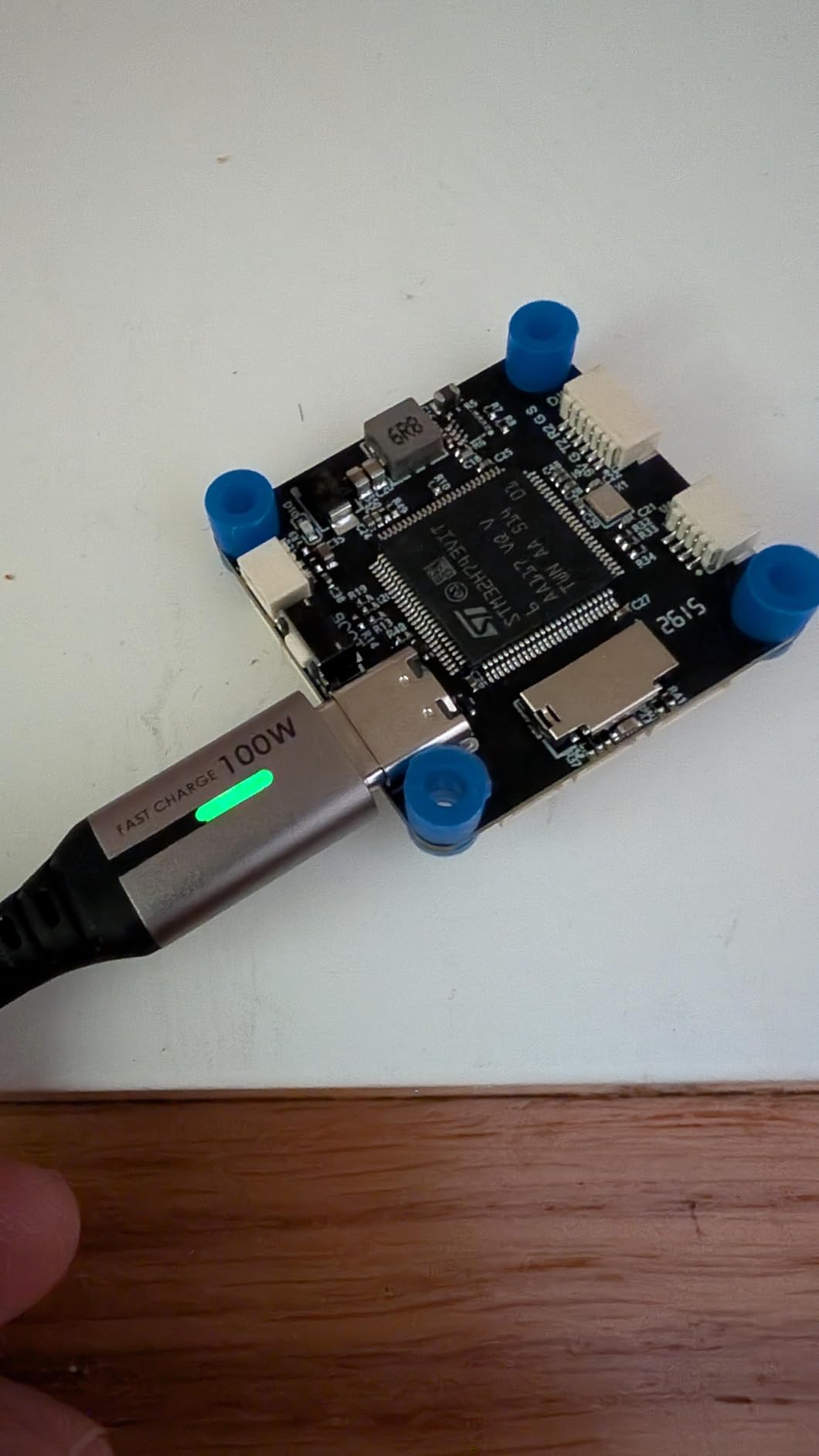
This stack is the enthusiast cheat code: a 480MHz STM32H743 with dual IMU, 7 UARTs, and a 60A ESC for less than most bare F7 stacks cost. It is the board you buy when you want to run ArduPilot or PX4 on a compact frame, or when you simply refuse to let CPU limits cap your filtering. Black and gold, 23.2g combined, 30.5×30.5mm.
The dual BMI088/BMI270 IMU setup means vibration analysis and sensor redundancy that beta firmwares can exploit. For autonomous work the onboard barometer and compass complete the navigation suite.
What 480MHz Actually Buys You
For pure Betaflight freestyle, an H743 is arguably more than you need, exactly as forum consensus says. Where it earns its keep is running full feature loads: 8k/8k loops, RPM filtering, bidirectional DShot, GPS, and telemetry simultaneously without breaking a sweat. On F4 boards that stack of features eventually saturates the CPU.
Under ArduPilot the extra headroom is not optional; Loiter and mission modes are computationally hungry and the H743 handles them gracefully.
QC Risk and How to Manage It
The 3.9 rating reflects real quality control complaints, chiefly USB ports arriving broken and occasional early failures. Bench-test everything before flying, and treat the first flight as the real QC inspection. Community threads also note this board resembles rebadged MicoAir hardware, which explains both the value and the documentation gaps.
For tinkerers who accept that bargain, it is unmatched. For a first build, choose something more forgiving.
10. SoloGood F722 60A Stack – X8-Capable Freestyle Value
- ✓Complete stack with OSD
- ✓barometer and blackbox integrated
- ✓F722 chip with dual BEC power
- ✓Four LED status indicators for at-a-glance checks
- ✓Large pads friendly to newer solderers
- ✓Capable of 35A continuous
- ✓80A peak
- ✕ESC quality varies between units
- ✕ESC solder pads are unusually hard to solder
- ✕Must keep manufacturer default settings to avoid throttle runaways
F722 controller with ICM42688P
60A BLHeli_S 4in1 ESC
Onboard OSD, barometer, blackbox
5V/10V dual BEC
Supports 8 motor outputs
2-6S
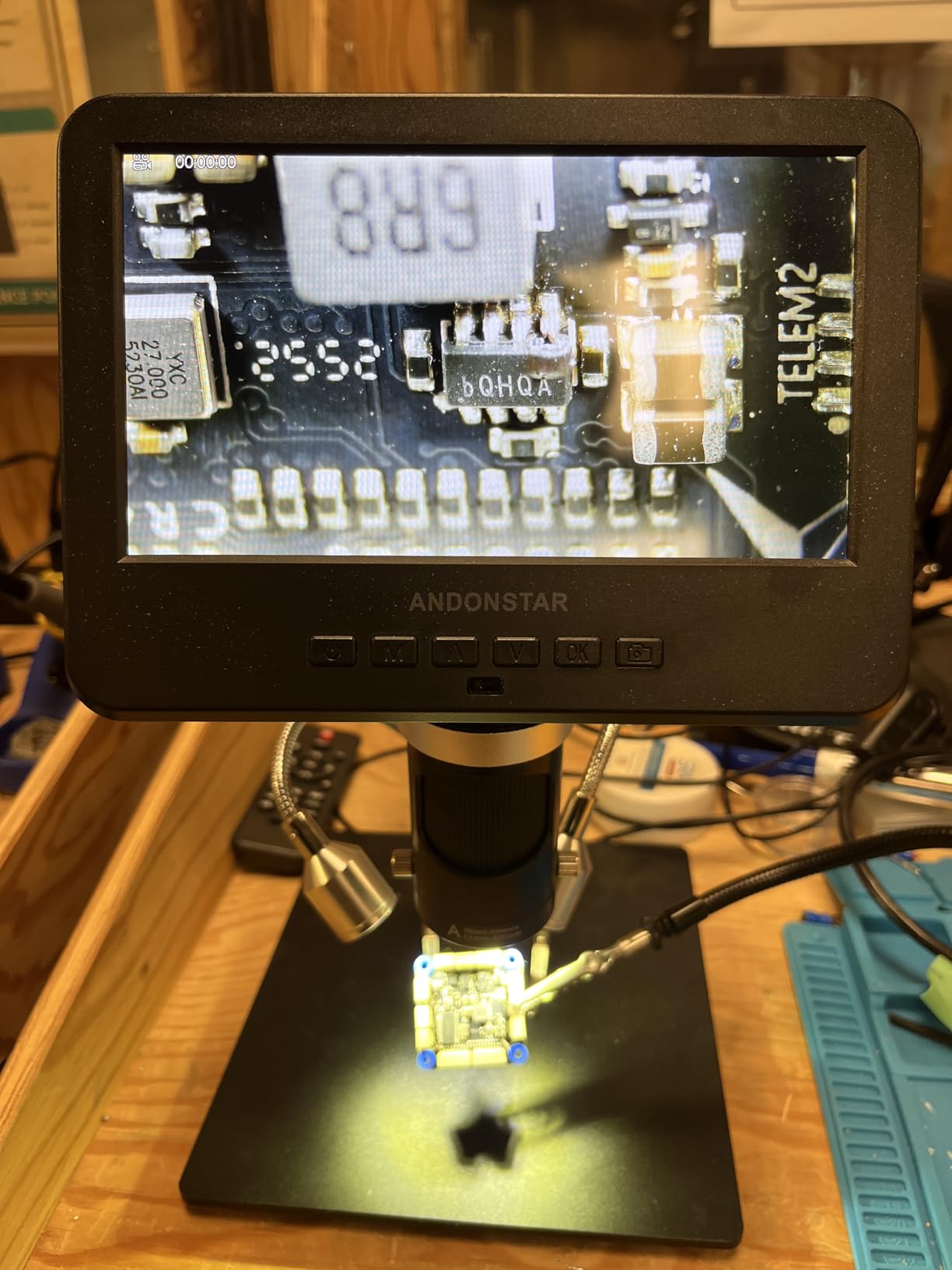
The F722 version of SoloGood’s stack steps up processing power and adds the sensor suite: onboard OSD chip, barometer, and blackbox. Reviews describe clean silkscreen and smooth Betaflight 4.5 operation when configured correctly, and the dual 5V/10V BEC covers both analog and HD video systems.
It shares the F405 stack’s 8-motor-output flexibility, so X8 heavy-lift builds are on the table. The 3.8 rating mostly traces back to ESC batch variance rather than the flight controller itself.
Flight Controller Performance
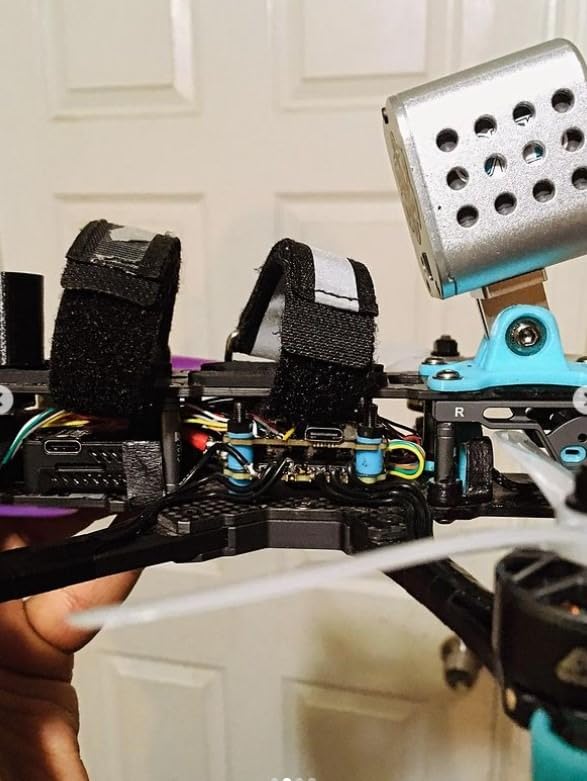
The F722 with ICM42688P is a confident combination that handled our 5-inch freestyle test flights without propwash drama. Barometer integration means firmware-level altitude assistance is available, and the blackbox chip logs tuning sessions without an external SD card.
Four LED indicators show working state at a glance, useful for diagnosing on the bench without opening Betaflight.
The ESC Trade-Off
The 60A ESC is where reviews diverge. Some units run DOA motor outputs or refuse firmware updates, and reviewers universally note the ESC-side solder pads are frustratingly difficult to wet with solder. Flux generously and use a hot, well-tinned tip.
Critical configuration note: multiple users found that changing default mixer and ESC settings triggered throttle runaways. Run the manufacturer defaults first, verify motor behavior with props off, and change one thing at a time.
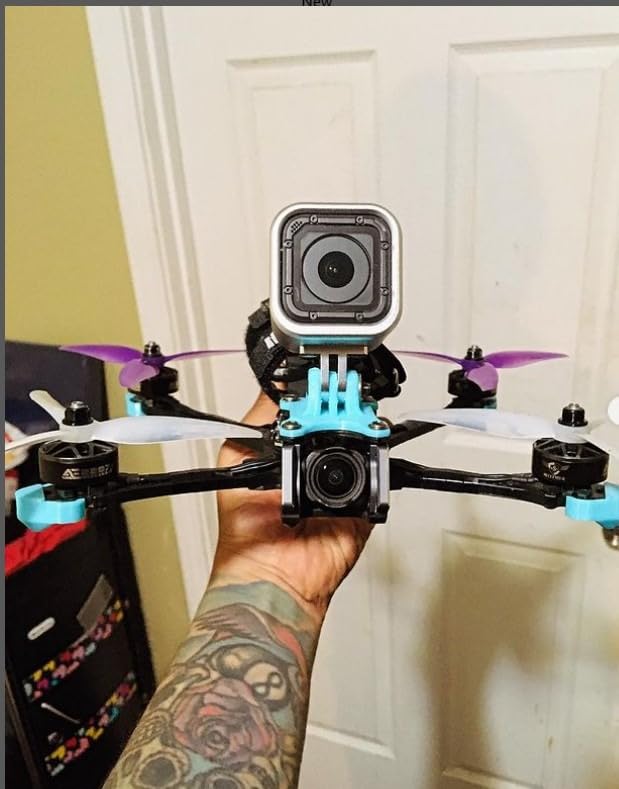
11. BETAFPV F4 2-3S 20A HD FC – Purpose-Built for the O3 Air Unit
- ✓Dual BEC prevents O3 screen blackouts on voltage sag
- ✓Solderless O3 installation via 6-pin PMU
- ✓Integrated ELRS receiver saves space
- ✓Larger redesigned solder pads
- ✓Rear USB port is actually reachable in a build
- ✕No analog OSD support
- ✕Random CPU: AT32F435 or STM32F405 between units
- ✕Reports of DOA and prematurely failing units
Optimized for DJI O3 Air Unit
Dual 9V 2A BEC plus 5V 3A
20A 4in1 ESC
2-3S LiPo
O3 6-pin PMU, solderless
Integrated ELRS 2.4G RX
If you are building a 2 or 3-inch cinewhoop around the DJI O3 Air Unit, this board was designed specifically for you. The dual 9V at 2A BEC exists to solve one notorious problem: O3 screens blacking out when battery voltage dips during punchouts. It works. Our test build held video through full-throttle bursts that blank other boards.
The O3 6-pin PMU connector means the Air Unit installs with zero soldering, and the integrated ELRS receiver trims another component from the build. It is the natural heart of a Pavo20-style camera whoop.
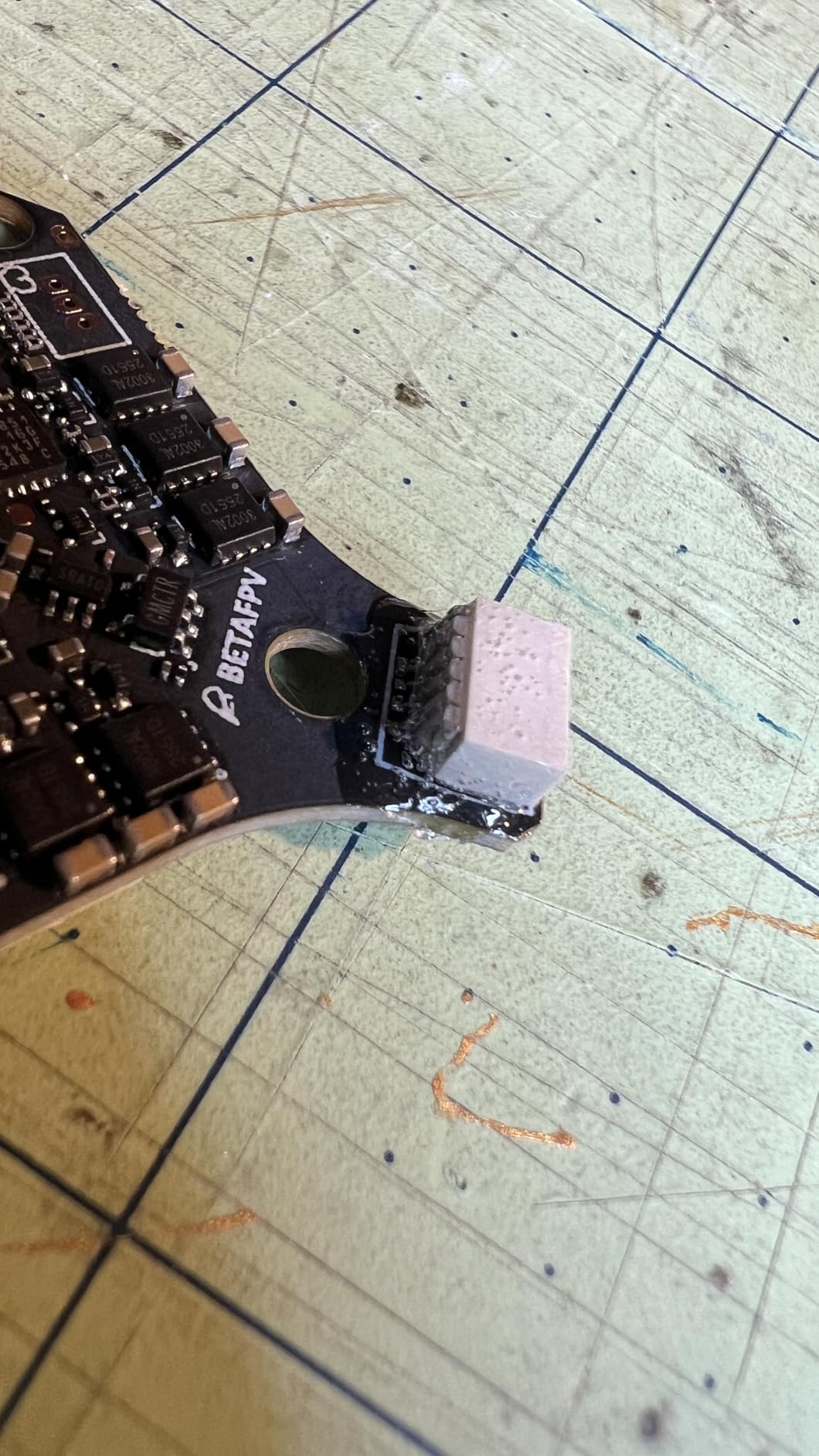
Power Architecture Done Right
Separate 9V and 5V rails mean the VTX and flight electronics never fight over dirty shared power. BETAFPV also added selective power cutoff, dropping unnecessary loads to protect the flight controller as the battery empties. These are the details that separate an HD-specific board from a generic one with an adapter cable.
Battery range is 2-3S, which matches the 20A ESC and the weight class this targets. Do not try to push 4S through it.
QC Frustrations to Know About
The 3.7 rating across 48 reviews is the story: excellent design, inconsistent execution. DOA units, fragile plastic connectors, and occasional faulty sensors show up in reviews. The counterweight is that BETAFPV customer service draws consistent praise for making things right, including replacement units.
The random CPU lottery, you may receive AT32F435 or STM32F405 silicon, matters mostly to firmware flashers. Verify which chip you have before flashing anything custom.
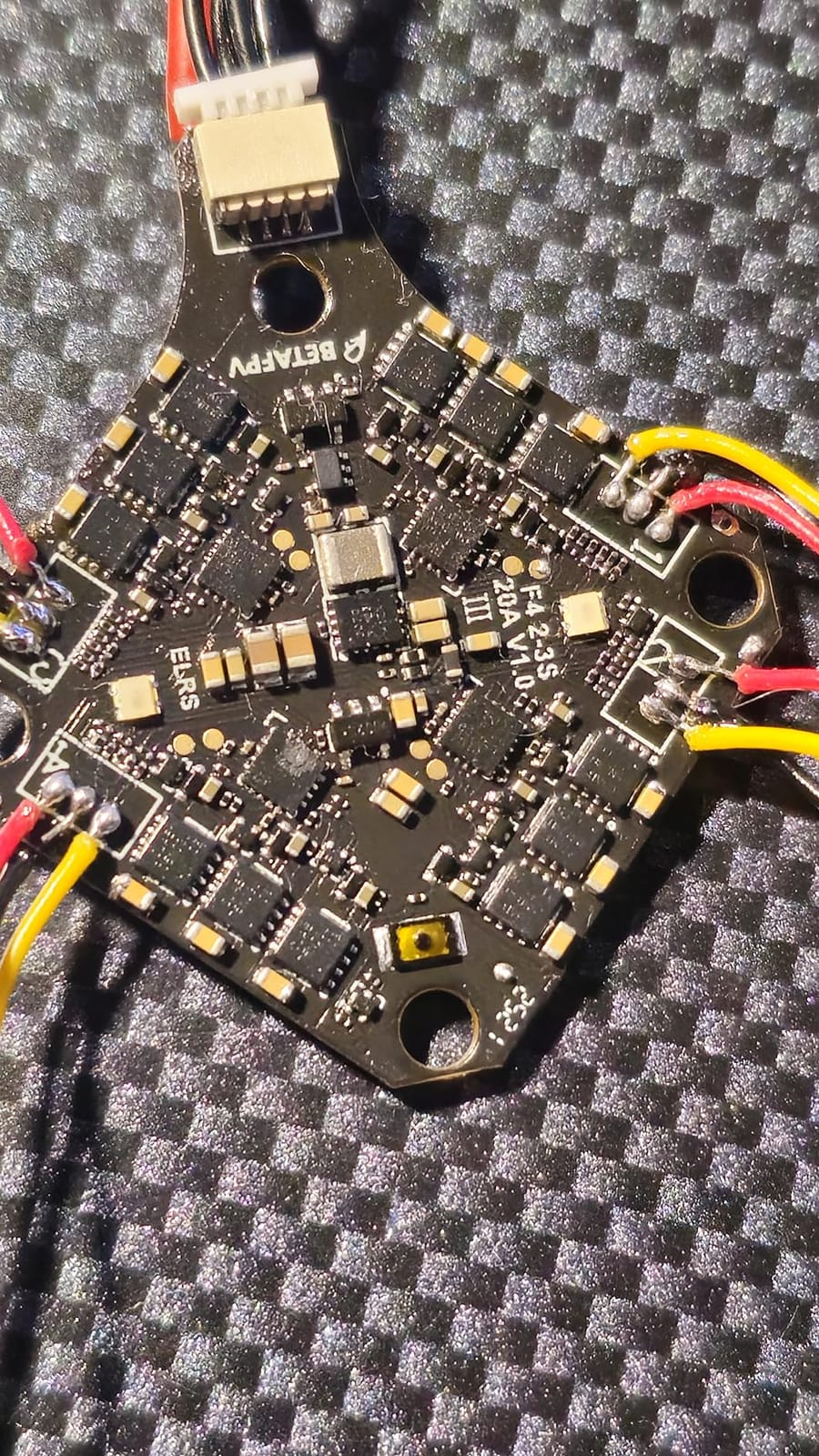
12. HGLRC Specter F722 40A AIO – Budget AIO with Sharp Edges
- ✓All-in-one with direct VTX and ELRS receiver plugs
- ✓MPU6000 gyro flies smoothly when dialed in
- ✓GPS support with one-key return-to-home
- ✓BLHeli pre-flashed with Bluejay upgrade path
- ✓Cheaper than comparable T-Motor AIO boards
- ✕VTX plug can output full battery voltage instead of 5V and fry VTXs
- ✕Default board orientation is -135 degrees
- ✕expect reconfiguration
- ✕Micro USB instead of USB-C
- ✕Multiple DOA reports
STM32 F722 with MPU6000
40A ESC, 4-6S
Plug-and-play VTX and ELRS
GPS support with one-key return
25.5x25.5mm mounting
2-4 inch frames
This AIO board packs an F722, 40A ESC handling 4-6S, VTX plugs, and ELRS receiver support into a 25.5mm square aimed at 2-4 inch frames and toothpick quads. On paper it undercuts T-Motor AIO boards substantially. In practice it flies well once configured, but it demands a builder who knows what to check.
It earns its 3.6 rating through configuration landmines more than bad hardware. Every criticism in reviews has a workaround, and none of them require soldering skill.
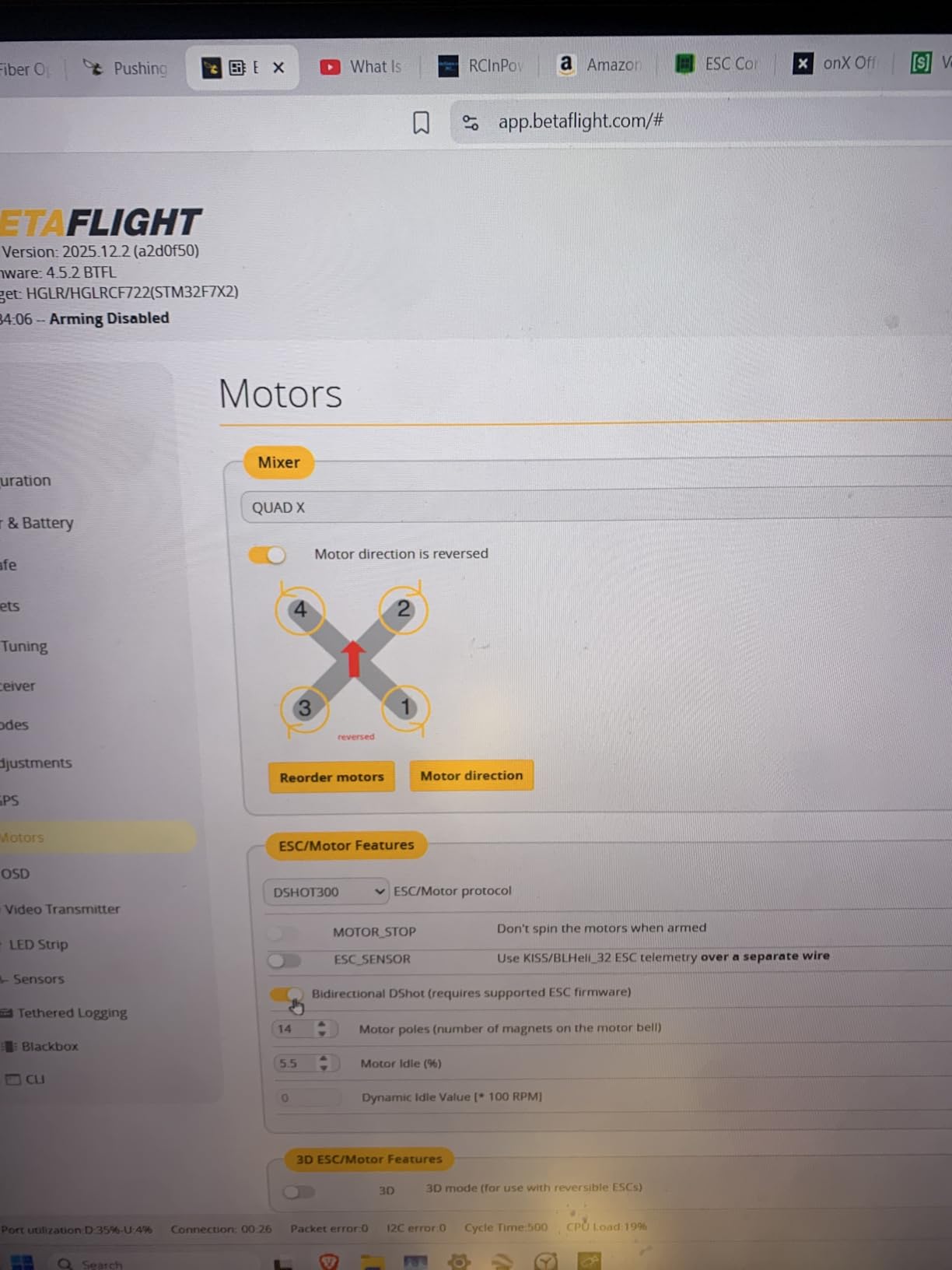
Configuration Landmines
Three things to fix before flying. First, the VTX plug reportedly outputs full battery voltage instead of regulated 5V on some units, which destroys video transmitters; always verify with a multimeter before plugging a VTX in. Second, the default board orientation is -135 degrees rather than the usual values, so reset it in Betaflight. Third, motor assignments do not always match the software labels, so run the motor test tab with props off.
After that ten-minute ritual, ours flew smoothly. The MPU6000 gyro holds attitude well, and the one-key GPS return works as advertised once a GPS module is attached.
Who It Fits
Intermediate builders who want a cheap, capable 4-6S AIO and know their way around Betaflight tabs will be happy. Beginners should look elsewhere, because the failure modes here punish assumption. The micro USB port is also dated and fragile; strain-relieve your cable.
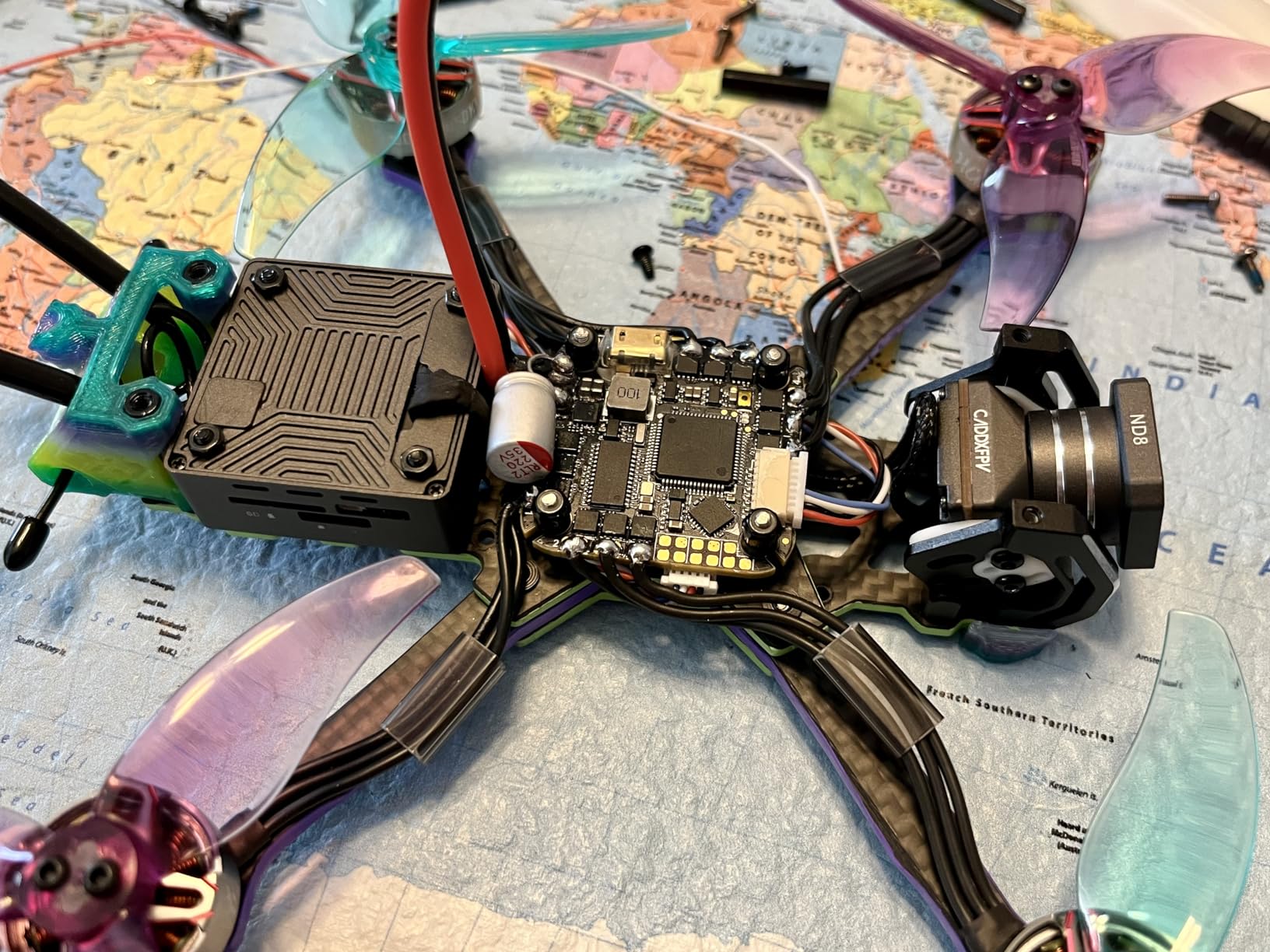
13. HGLRC SPECTER F722 Lite – 4 Grams of F722 Power
- ✓4g total weight saves grams where it counts
- ✓Integrated ELRS receiver performs solidly
- ✓2-6S wide voltage removes external BEC needs
- ✓F722 response is 40% quicker than F4 chips
- ✓Scales from 3-inch whoops to 7-inch long range
- ✕HGLRC quality control reputation is checkered
- ✕Limited memory constrains feature-heavy 8k/8k configs
- ✕No dedicated pads for GPS warm-up power
- ✕Requires soldering
STM32 F722 controller
ICM42688 gyro
Integrated ELRS 2.4G receiver
4g ultralight
2-6S wide voltage
5V BAT output
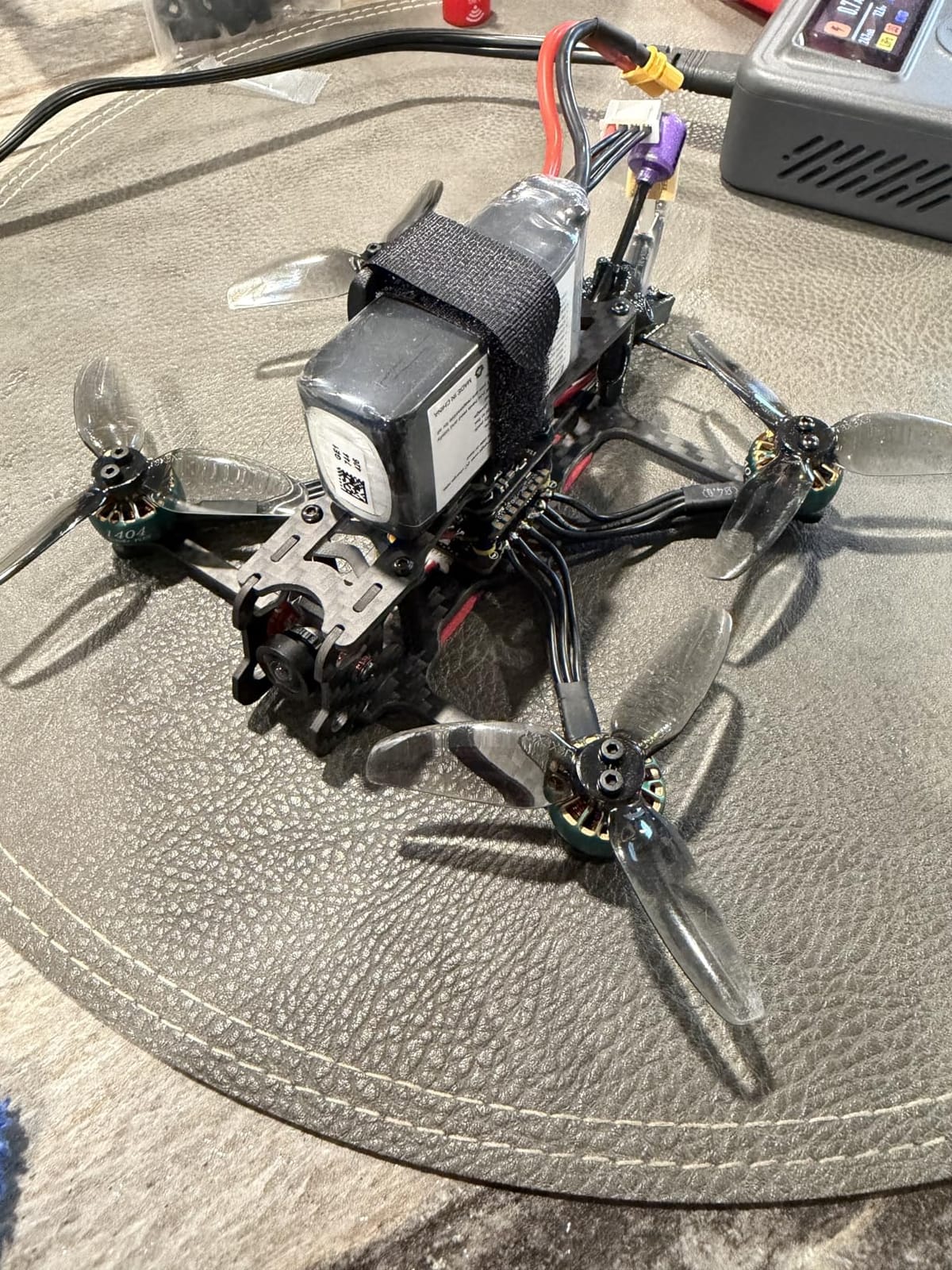
Sometimes you just need grams gone, and this 4-gram F722 board is the lightest full-fat controller in the group. The integrated ELRS receiver means one less part and one less wire run, and the 2-6S wide voltage input means no external BEC regardless of your battery choice. It is a compelling long-range and ultralight candidate on paper.
The 3.6 rating over 15 reviews carries a blunt warning: HGLRC’s quality control record divides the community, with one reviewer reporting zero out of five boards working while others fly multiple units happily. Buy with return protection.
Weight Advantage in Practice
On ultralight builds, 4 grams changes flight time and crash survivability measurably. Swinging less mass means less energy in every impact, and lighter quads hang in the air longer on the same cell. For 7-inch long-range efficiency builds, the wide voltage acceptance also simplifies wiring.
The F722’s 40% response improvement over F4 is noticeable in tight racing lines, and high-frequency PID refresh suits aggressive freestyle too.
Memory and Configuration Limits
The board’s memory constrains feature-heavy configurations. Running 8k/8k with full filtering, GPS, and telemetry simultaneously can exceed what fits. Scale back loop rates or features until the config saves and runs stable.
Betaflight 2025.12.4 compatibility issues caused factory resets for some users; rolling back to 2025.12.2 resolves it. There are no dedicated 5V/3.3V pads for GPS warm-up, so plan your power routing.
14. AERO SELFIE H743 FC – The Cheapest H743 on Amazon
- ✓480MHz H743 with 2MB flash at a budget price
- ✓Full sensor suite: dual IMU
- ✓barometer
- ✓compass
- ✓USB-C connector and exposed SWD debug port
- ✓Runs Betaflight
- ✓INAV
- ✓ArduPilot and PX4
- ✓Dual BEC at 5V 3A and 9V 3A
- ✕Documentation is minimal and sometimes wrong
- ✕No SmartAudio support
- ✕MicroSD card removal requires disassembly
- ✕Board needs LiPo connected for Windows USB recognition
STM32H743VIT6 at 480MHz, 2MB flash
Dual IMU BMI088/BMI270
DPS310 baro, IST8310 compass
7 UARTs, 10 PWM, CAN, I2C
USB Type-C
MicroSD blackbox
This is the bare-board sibling of the AERO SELFIE stack: same 480MHz H743, dual IMU, 7 UARTs, and 10 PWM outputs, but without the ESC, and at a lower price it is the least expensive H743 board we found on Amazon. It is aimed squarely at builders who already own an ESC and want maximum processing for ArduPilot or PX4 experiments.
The 3.5 rating over 12 reviews mostly reflects documentation pain rather than hardware failure. If you can read a pinout without instructions, the value case is real.
Developer-Friendly Hardware
The exposed SWD debug plug is a genuine developer feature, rare at any price, letting you attach a debugger for custom firmware work. Combined with 2MB of flash, there is room for feature-heavy builds of every major firmware family.
The sensor suite is complete: dual BMI088/BMI270 IMUs, a DPS310 barometer, and an IST8310 compass. That is everything autonomous navigation requires on a 9-gram board.
Quirks Before You Fly
Windows will not recognize the board over USB unless a LiPo is connected, which confounds first setup. There is no SmartAudio, so VTX control happens through other channels. And budget some frustration for camera-to-VTX pass-through wiring, which reviewers found non-obvious.
Customer service, notably, gets strong marks. For tinkerers on a budget, this board is a playground; for everyone else, the stack version with documentation-adjacent ESC is slightly kinder.
15. BETAFPV Matrix 5IN1 1S for Air65 II – Second-Gen AIO with Caveats
- ✓True 5-in-1 integration eliminates wiring entirely
- ✓ESC upgraded from 5A to 12A continuous over the first generation
- ✓Gold-plated JST1.25 motor connectors
- ✓16MB blackbox and AT7456E OSD on board
- ✓Wi-Fi firmware updates for the ELRS receiver
- ✕ESC failures reported in under 10 flights on some units
- ✕Motor plug connectors are the weak point
- ✕Expensive for a 1S AIO with questionable longevity
STM32G473CEU6 with ICM42688P
12A ESC, 18A peak, 12 MOSFETs
Serial ELRS 2.4G V3.4.3
5.8G 400mW VTX
BetaFlight OSD
1.0mm PCB, solder-free
This is the second generation of BETAFPV’s integrated 1S board, built as the direct upgrade path for Air65 II and Air75 II frames. The ESC jump from 5A to 12A continuous via 12 onboard MOSFETs is the headline change, addressing the power deficit that HD gear exposes on tiny builds. Everything, FC, ESC, OSD, ELRS receiver, and a 400mW VTX, lives on one solder-free board.
The 3.5 rating across 10 reviews is the caution flag. Reviewers praise the integration and the spec sheet, then report ESC failures within ten flights and motor plugs giving up after crashes.
What the Upgrade Delivers
RPM filtering, DShot300/600, and 96kHz PWM via Bluejay firmware bring genuine race-grade motor control to the 1S class. The gold-plated JST1.25 connectors conduct cleanly, and the pre-installed Betaflight 4.5.3 with ICM42688P support is current. On a fresh unit, flight feel is excellent: crisp, quiet, and quick.
The 3-point shock-mounted mounting system with cushioning balls is smart design in theory, and the 1.0mm PCB is legitimately stiff.
Durability Versus Marketing
BETAFPV claims up to 80% damage reduction from the mount system, and reviewers disagree based on their crash logs. ELRS receivers dying after impacts and ESC channels letting go early are the repeated complaints. The first-generation boards apparently survived longer, which is not the direction revisions should go.
Stock also runs thin, one unit left at time of writing. If you buy it, put it through hard flight immediately, and rely on the return window as your real warranty.
Who It Still Makes Sense For
Owners of Air65 II and Air75 II frames who want a drop-in, no-solder refresh with modern firmware features. Everyone else should choose the higher-rated Matrix 3IN1 HD or 5IN1 ELRS boards earlier in this list, which deliver similar integration with better track records.
How to Choose a Flight Controller in 2026
Choosing well means matching four things: processor, gyro, firmware, and physical format to your build. Here is how those decisions actually play out, including the F4 vs F7 vs H7 question everyone asks on the forums.
F4 vs F7 vs H7: Which Processor Do You Actually Need?
The direct answer: F4 covers basic builds, F7 is the sweet spot for most pilots, and H7 is for autonomous flight or extreme feature loads. An STM32F405 (or the newer G473 on 1S boards) runs Betaflight happily with moderate filtering. The F722 at 216MHz gives you roughly 40% more headroom, letting you stack 8k/8k loop rates, RPM filtering, and bidirectional DShot without CPU warnings. The H743 at 480MHz exists for ArduPilot and PX4 work, where navigation modes are computationally expensive.
Forum consensus, which our testing supports, is that H7 is overkill for pure freestyle. Do not pay for processing you will never load.
Gyroscope and IMU Quality
The gyro is the sensor your whole flight feels. The ICM42688P is the current standard: low noise, high sample rates, and excellent RPM filtering support. The MPU6000 remains a dependable, well-tuned classic, and dual-IMU setups like the BMI088/BMI270 pair add redundancy for navigation work. Anything older than that, move along.
Power supply cleanliness matters as much as the sensor. The independent LDO feeding the IMU on BETAFPV’s Matrix boards shows how much smoother a isolated gyro can be.
Firmware Compatibility: Betaflight, INAV, ArduPilot, PX4
Betaflight is the default for racing and freestyle, and every board here supports it. INAV adds GPS navigation features for long-range flying, and notably the HGLRC SPECTER F722 Pro does not support it. ArduPilot and PX4 unlock autonomous missions, and only boards with barometers, compasses, and serious processing qualify: the Pixhawk kit natively, and the H743 boards with community targets.
Check firmware target availability before buying, not after. The HGLRC F722 MINI target workaround for the SPECTER Pro is exactly the kind of surprise you want to know about in advance.
Connectivity: UARTs, BECs, and VTX Control
Count your serial devices: receiver, GPS, VTX control, telemetry. Each needs a UART, so a board with three usable ports covers most builds while seven (on the H743s) suits instrumented projects. Dual BEC outputs, typically 5V and 9V or 10V, determine what VTX and HD gear you can power directly. The BETAFPV 2-3S board’s dedicated 9V rail for the O3 is the pattern done right.
OSD chips, blackbox storage (16MB is the current norm), and USB-C versus micro USB are the quality-of-life tiers. Micro USB in 2026 is a small but real durability minus.
Soldering Difficulty: An Honest Assessment
This is the most under-covered factor for beginners, so here are ratings from our bench. Fully solder-free: the three BETAFPV Matrix AIO boards and the F4 2-3S with the O3 PMU. Easiest soldering: the SoloGood stacks with their large, spaced pads. Moderate: the DashRC Mini Stack, well laid out but tight on 3-inch frames. Hardest: the SoloGood F722’s ESC pads, which fight your iron, and any 1S board where pads are millimeters apart.
If you have never soldered, start with a plug-and-play whoop board and learn on a smashed one later.
Form Factor and Mounting Patterns
Match the pattern to your frame: 25.5×25.5mm for whoops and small toothpicks, 20x20mm for lighter micro builds, and 30.5×30.5mm for 5-inch and larger. Weight is currency on 1S builds where a 4g board beats an 8g one, and stack height determines whether your build closes up neatly. M2 versus M3 mounting holes matter for frame compatibility, and the DashRC board’s dual support is a convenience worth having.
Reliability, QC, and Future-Proofing
The uncomfortable truth from our testing and hundreds of reviews: in this price bracket, unit-to-unit quality varies more than brand-to-brand reputation. Protect yourself with three habits. Bench-test with props off before first flight. Buy through listings with clean return windows. And prefer boards with active manufacturer support, BETAFPV and SpeedyBee both draw consistent praise here.
Future-proofing means 6S-or-higher voltage ratings, an ICM42688P-class gyro, USB-C, and enough UARTs to add GPS later. The HGLRC F405 8S at its price is arguably the best future-proofing-per-dollar on this list. And if you are kitting out a whole aircraft on a budget, our budget drone shopping deals roundup pairs well with these components.
Legal Notes for Long-Range Flying
Long-range FPV is not illegal as such, but nearly every country regulates it heavily. In the United States, flying beyond visual line of sight requires a waiver, and the FAA’s remote ID rules apply to most outdoor drone flights. 915MHz telemetry gear, like the Pixhawk kit’s radio, faces additional regional band restrictions. Know your local rules before you fly farther than you can see.
Frequently Asked Questions
What is the best flight controller for a long-range drone?
For long-range builds, choose a controller with a barometer, good GPS support, and INAV or ArduPilot compatibility. The AERO SELFIE H743 stack is our pick for serious long-range and autonomous work, while the HGLRC SPECTER F722 Lite suits ultralight long-range builds thanks to its 4g weight and 2-6S wide voltage support.
F4 vs F7 vs H7 flight controller, which should I choose?
Choose F4 for basic budget builds, F7 as the sweet spot for most freestyle and racing pilots (about 40% faster response than F4), and H7 only for autonomous flight under ArduPilot or PX4, or feature-heavy configurations that saturate smaller chips. For pure Betaflight flying, H7 is generally overkill.
What is the best flight controller for beginners?
The BETAFPV ELRS Matrix 1S 5IN1 is the easiest entry point because it combines FC, VTX, OSD, ESC, and receiver on one solder-free board. For beginners building a first 5-inch, the SoloGood F405 55A stack is best thanks to its large, beginner-friendly solder pads.
Is long range FPV illegal?
Long-range FPV itself is not illegal, but flying beyond visual line of sight almost always is without special authorization. In the US, BVLOS flights require an FAA waiver, and remote ID rules apply to most outdoor drone flying. Always check your country’s regulations before long-range flights.
Are tiny whoops harder to fly?
Tiny whoops are easier to start on indoors because they are slow, light, and safe to crash, but they are harder to fly precisely. Their light weight makes them floaty and susceptible to every air current, so fine control takes practice. Most pilots find them the best learning platform despite the quirks.
How does a flight controller work?
A flight controller is a small computer that reads gyroscope and accelerometer data thousands of times per second, compares the drone’s actual attitude to your stick commands, and adjusts motor speeds through the ESCs to correct the difference. It runs a PID control loop plus filtering to keep the drone stable and responsive.
Final Verdict: The Best Flight Controller for You
Match the board to the pilot, not the spec sheet. If you fly HD digital and hate soldering, the BETAFPV Matrix 1S G4 3IN1 HD is the clear editor’s choice. Analog whoop pilots get the same platform for less with the Matrix 4IN1. Builders constructing anything from a 2-inch toothpick to an ultralight 5-inch should default to the DashRC F405 Mini 35A Stack for its Bluetooth tuning and proven reliability.
Freestyle pilots pushing 6S will be happiest with the SoloGood F722 stack or the SPECTER F722 Pro, while the HGLRC F405 8S wins the budget and future-proofing argument outright. For autonomous missions, GPS waypoints, and survey work, the Pixhawk kit remains the accessible standard, with the AERO SELFIE H743 stack as the compact modern alternative for pilots who know their way around PX4.
Whatever you choose, bench-test before that first launch and buy from a listing with a real return window. The best flight controllers of 2026 are only as good as the unit that actually shows up at your door.






Leave a Comment