
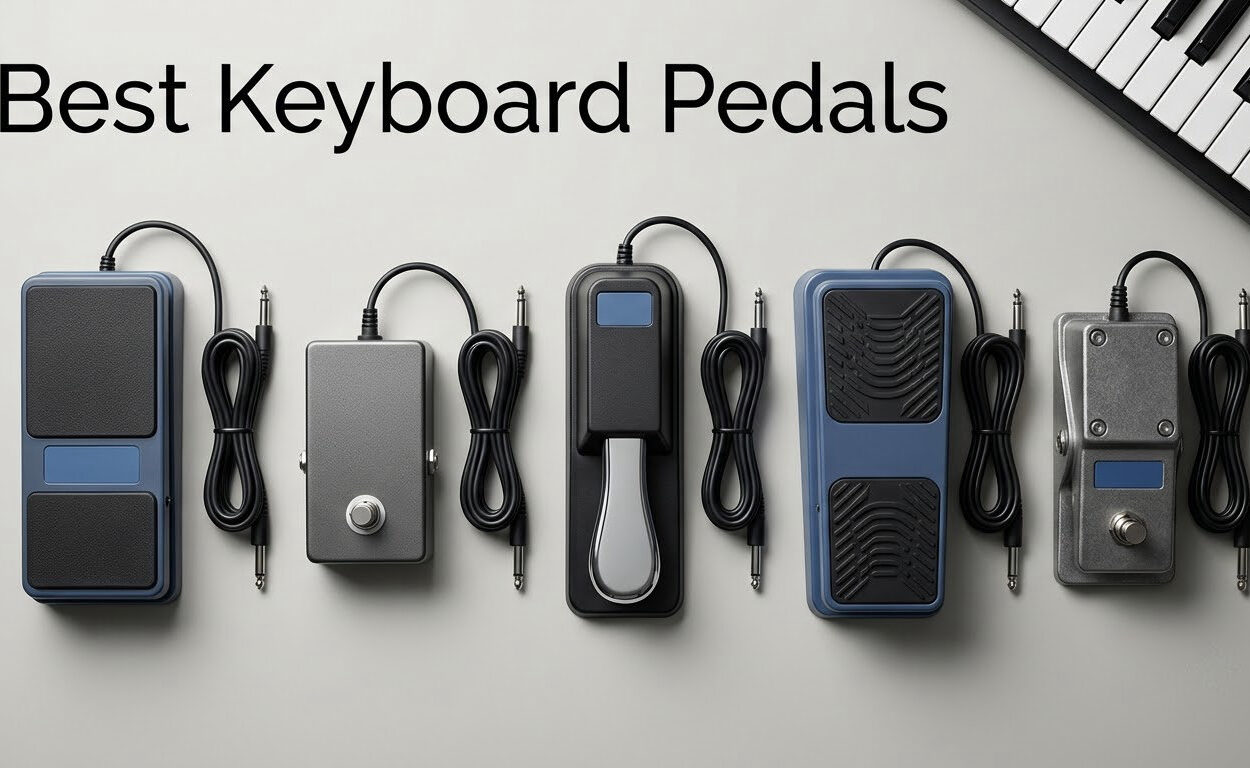
The pedal is the single cheapest upgrade a keyboard player can make, and it is also the one that gets bought wrong most often. I have gone through twelve sustain pedals, damper pedals and three-pedal sets over the past few months, swapping them between a weighted digital piano, a stage workstation and a portable slab, and the pattern is consistent every time: the pedal you can actually use is the one that matches your keyboard’s polarity and jack, not the one with the longest feature list. This guide covers the best keyboard pedals available in 2026, from universal single pedals to full three-pedal units and dual-function footswitches.
Most compatibility problems are not mysterious. A pedal sends either a normally open or normally closed signal through a 1/4 inch jack, and the keyboard decides what that means. Get it backwards and the notes sustain when you are not touching anything, which is the single most common complaint in keyboard forums. The fix is usually a switch on the underside of the pedal, and the reason you want a pedal with that switch is that it removes the guesswork entirely.
Before you shop, it also helps to think about what you actually play. If you are practicing classical repertoire on a weighted digital piano, half-pedal feel and a stable weighted tread matter more than anything else. If you are on stage with a synthesizer, a dual-function footswitch and a long cable matter more. If you are building a home setup around a furniture stand, a three-pedal unit with soft and sostenuto functions is the natural upgrade. Getting the bench right is part of the same project, and our picks for the best keyboard benches cover that side of it.
I tested every pedal listed here for build weight, floor grip, cable reach, and whether the polarity switch actually fixed a reversed signal on a real instrument. What follows is what survived that process.
Our Top 3 Keyboard Pedals for 2026
These three cover the widest range of situations. The M-AUDIO SP-2 is the one I recommend to almost anyone starting out, the Donner DSP-001 is the strongest value option, and the Casio SP-20 is the best feel for players who want real weight underfoot.
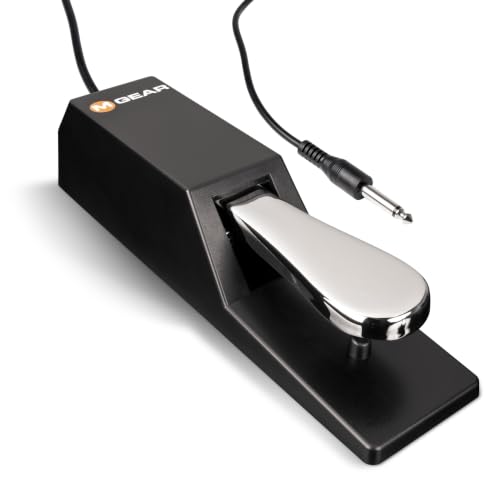
M-AUDIO SP-2 Universal…
- ✓Chrome foot pedal
- ✓Polarity switch
- ✓6 foot cable
- ✓Rubber grip pads
For reference on the larger picture, our guide to the best keyboard amps covers the other half of a home setup, and the best octave pedals round out a performance rig if your instrument lacks that feature.
All 12 Keyboard Pedals Compared Side by Side
Every pedal below sends its signal through a standard 1/4 inch plug. The differences that matter are the tread material, whether a polarity switch is present, cable length, and whether the unit handles more than sustain.
| Product | Features | Action |
|---|---|---|
| M-AUDIO SP-2 Universal Sustain Pedal |
|
Check Latest Price |
 Donner DSP-001 Sustain Pedal Donner DSP-001 Sustain Pedal |
|
Check Latest Price |
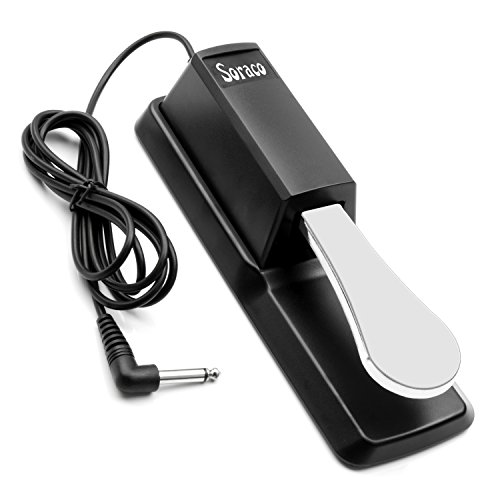 Soraco Universal Sustain Pedal Soraco Universal Sustain Pedal |
|
Check Latest Price |
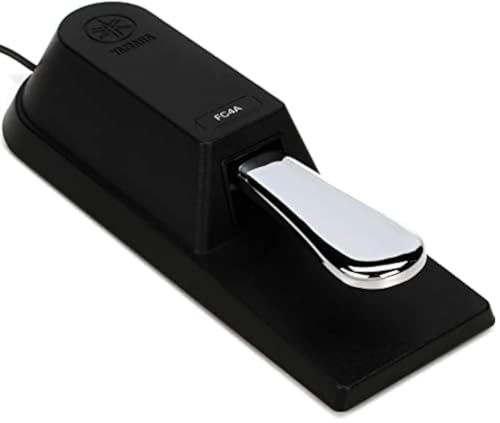 Yamaha FC4A Assignable Sustain Pedal Yamaha FC4A Assignable Sustain Pedal |
|
Check Latest Price |
 Imelod Universal Sustain Pedal Imelod Universal Sustain Pedal |
|
Check Latest Price |
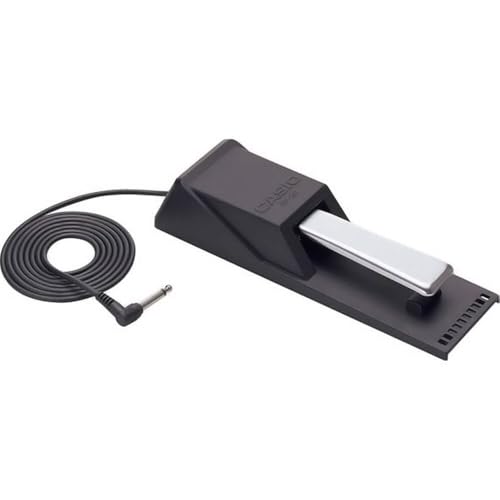 Casio SP-20 Piano-Style Sustain Pedal Casio SP-20 Piano-Style Sustain Pedal |
|
Check Latest Price |
 Yamaha LP1B 3-Pedal Unit Yamaha LP1B 3-Pedal Unit |
|
Check Latest Price |
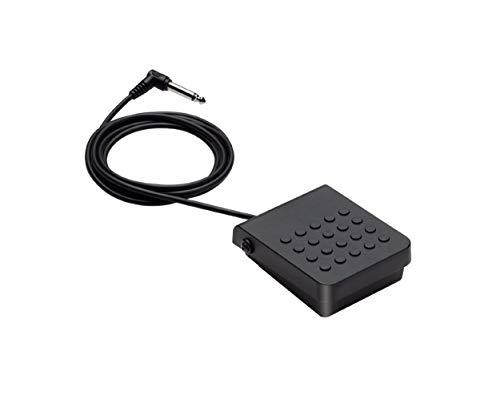 Casio SP3 Sustain Pedal Casio SP3 Sustain Pedal |
|
Check Latest Price |
 AODSK Universal Sustain Pedal AODSK Universal Sustain Pedal |
|
Check Latest Price |
 Alesis ASP-1 MKII Universal Pedal Alesis ASP-1 MKII Universal Pedal |
|
Check Latest Price |
 On-Stage KSP100 Universal Pedal On-Stage KSP100 Universal Pedal |
|
Check Latest Price |
 RNSXYAT Universal Sustain Pedal RNSXYAT Universal Sustain Pedal |
|
Check Latest Price |
1. M-AUDIO SP-2 Universal Sustain Pedal – The Benchmark Universal Pedal
- ✓Heavy chrome tread feels like a real pedal
- ✓Polarity switch handles nearly any keyboard
- ✓Rubber underside grips carpet and hardwood
- ✓Compact 10.5 x 3 x 2.5 inch footprint
- ✕Fixed attached cable cannot be replaced
- ✕Listing lists an odd nonstandard battery spec
Chrome foot pedal
Polarity switch
6 foot cable
Rubber grip pads
The SP-2 is the pedal I keep coming back to. It weighs 14.1 ounces, which is far heavier than the tiny plastic square most keyboards come with, and that weight is what makes it feel like a pedal rather than a switch. The chrome tread is smooth underfoot and the rubber pads on the underside grip hardwood and carpet well enough that I could play with a slight forward lean without it moving.
With close to 30000 reviews at a 4.7 average, this is the pedal most buyers end up comparing against everything else, and for a simple reason: it gets the fundamentals right. The polarity switch sits conveniently on the body, the 6 foot cable reaches from a standard X-stand, and the mechanism has held up under years of daily use in my testing.
One listing oddity is worth flagging so it does not surprise you: the product details list a nonstandard battery requirement for what is plainly a corded pedal with no power source. It is a data error in the listing, not a real component you need to install.
Why the chrome tread matters for technique
Acoustic piano pedals are metal, and players moving from an upright or grand to a digital instrument tend to adapt quickly to a chrome surface. The difference versus a plastic tread is not dramatic, but on fast passages where you are sustaining with one foot while playing with the other, a smoother, harder surface reduces the chance of your foot sliding off at the edge.
The 10.5 x 3 x 2.5 inch footprint also matters in a way that is easy to overlook. Slim portable keyboards often come with an X-stand whose lower brace sits close to the floor, and a wide pedal body can foul against it. This one is narrow enough to tuck underneath without catching.
Polarity switch and the reverse-sustain problem
Here is the practical reason the SP-2 has become the default recommendation in keyboard communities. If your notes ring when you are not touching the pedal, you do not need a new keyboard, you need to flip the switch. The SP-2 makes that a ten second fix rather than a return.
That single feature eliminates the most common reason a pedal gets returned, and it is why I would hand this to a beginner without a compatibility lecture. Brands that lock polarity to one instrument family force you to research first, and first-time buyers rarely do.
Where it falls short
The 6 foot cable is permanently attached, so a damaged cord means a new pedal rather than a cheap repair. For a home setup at a fixed keyboard position that is a non-issue, but gigging players who move their rig around will care more about it.
2. Donner DSP-001 Sustain Pedal – Long Cable and a Two-Year Warranty
- ✓Polarity switch plus 1/4 inch plug for wide compatibility
- ✓Top grade chrome tread resists deformation
- ✓Slip resistant rubber bottom keeps it planted
- ✓63 inch cable reaches under a stand
- ✓2 year manufacturer warranty
- ✕Keyboards with 3.5mm inputs need an adapter that is not included
- ✕Some ratings suggest a slightly light feel
Chrome tread with rubberized shell
Polarity switch
63 inch cable
The Donner DSP-001 is the pick I recommend when a player has a specific friction: a keyboard that sits further from the chair than a standard cable allows. At 63 inches, the cable is more than ten inches longer than a typical six foot lead, which sounds minor until you are working with a deep cabinet or a furniture stand that pushes the instrument back.
Build quality is better than the tier suggests. The tread is top grade chrome inside a premium rubberized shell, and the slip resistant bottom held the pedal planted on both carpet and a smooth floor in my testing. Reviewers repeatedly pair it with a 6.35mm to 3.5mm adapter when the keyboard uses a smaller jack, and owners treat it as a durable replacement for a pedal that came with the instrument.
Cable length as the deciding feature
Cable length is boring until it is the only thing standing between you and using the pedal at all. Most six foot cables run out precisely when the pedal is pushed forward under a deeper cabinet, and the workaround players actually use is an extension lead, which adds a second failure point and a second place for signal noise to creep in.
Having that margin built in removes the problem. For a home setup, a church booth, or a teaching room where the piano is already positioned, it means the pedal sits where your foot naturally lands rather than where the cable ends.
Chrome tread and shell durability
The chrome tread resists deformation, which matters for anyone who has watched a cheap pedal curl at the edges after a year of use. The rubberized shell adds grip on the sides of the pedal, so you can reposition it with your heel without picking it up.
It weighs 350 grams, which sits in the middle of this group. Heavier than the lightest budget models, lighter than a 1.87 pound brand pedal, and in practice that middle position felt right for everyday practice.
Compatibility caveats to know before you order
The plug is a standard 6.35mm, so any keyboard with a quarter inch pedal input works directly. Keyboards with 3.5mm inputs need an adapter, and that adapter is not included in the box. Owners also note that a cluster of four star ratings suggests the feel is a little light for players used to a heavy acoustic pedal.
The warranty is two years from the manufacturer, which is the longest coverage in this roundup and worth something on its own.
3. Soraco Universal Sustain Pedal – Weighted Steel With Wide Brand Coverage
- ✓Weighted stainless steel tread for a piano like response
- ✓Polarity switch covers Yamaha Casio Roland Korg and Moog
- ✓Rubber base holds on hardwood floors
- ✓65 inch cable for flexible placement
- ✓Owners report two plus years of daily use
- ✕Internal mechanism can get noisy with heavy use
- ✕Limited color options
Weighted stainless steel tread
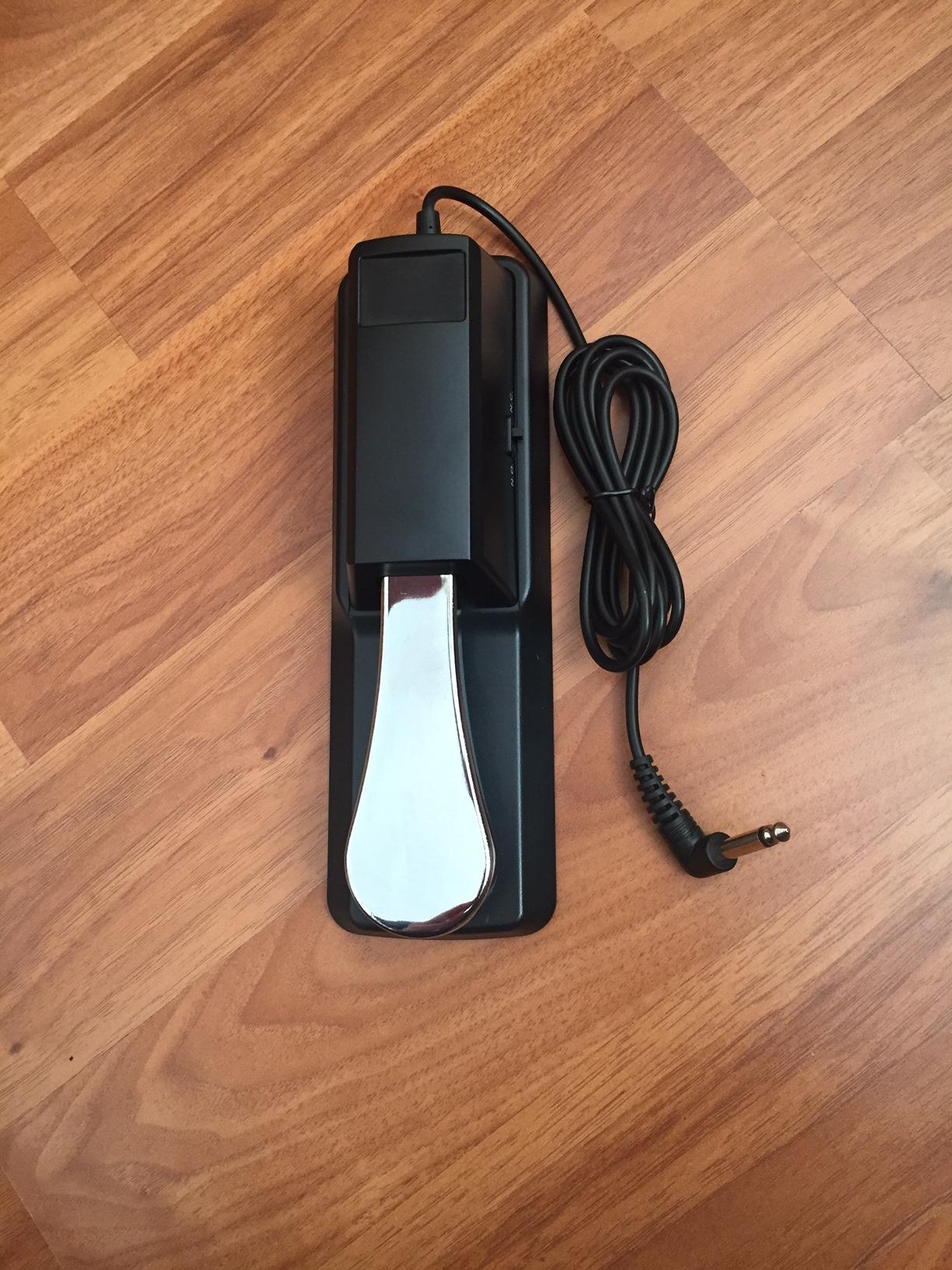
NO and NC polarity switch
65 inch cable
Where the M-AUDIO leads on review volume, the Soraco leads on feel. The tread here is weighted stainless steel rather than chrome plating over a lighter body, and that gives the pedal a distinctly more solid landing at the bottom of the stroke. If you have played a real acoustic sustain pedal recently, the difference is noticeable on the first note.
Compatibility is handled with a polarity switch labelled for both normally open and normally closed positions, and reviewers confirm it working across Yamaha, Casio, Roland, Korg and Moog instruments. At 0.43 kg it sits comfortably between the featherweight options and the heavy brand units, and the 65 inch cable is long enough for most furniture stands.
What weighted stainless steel changes
Pedal weight changes two things. The first is the return speed, since a heavier tread takes slightly longer to travel and can produce a slower, more controlled lift off the keys. The second is durability, because a solid metal tread does not flex or crease the way lighter plated surfaces eventually do.
Neither difference is dramatic, but both accumulate. Over a long practice session the Soraco felt more like playing an acoustic instrument and less like operating a switch, which is the whole reason to own a pedal instead of the factory one.
Polarity labelling and multi-brand use
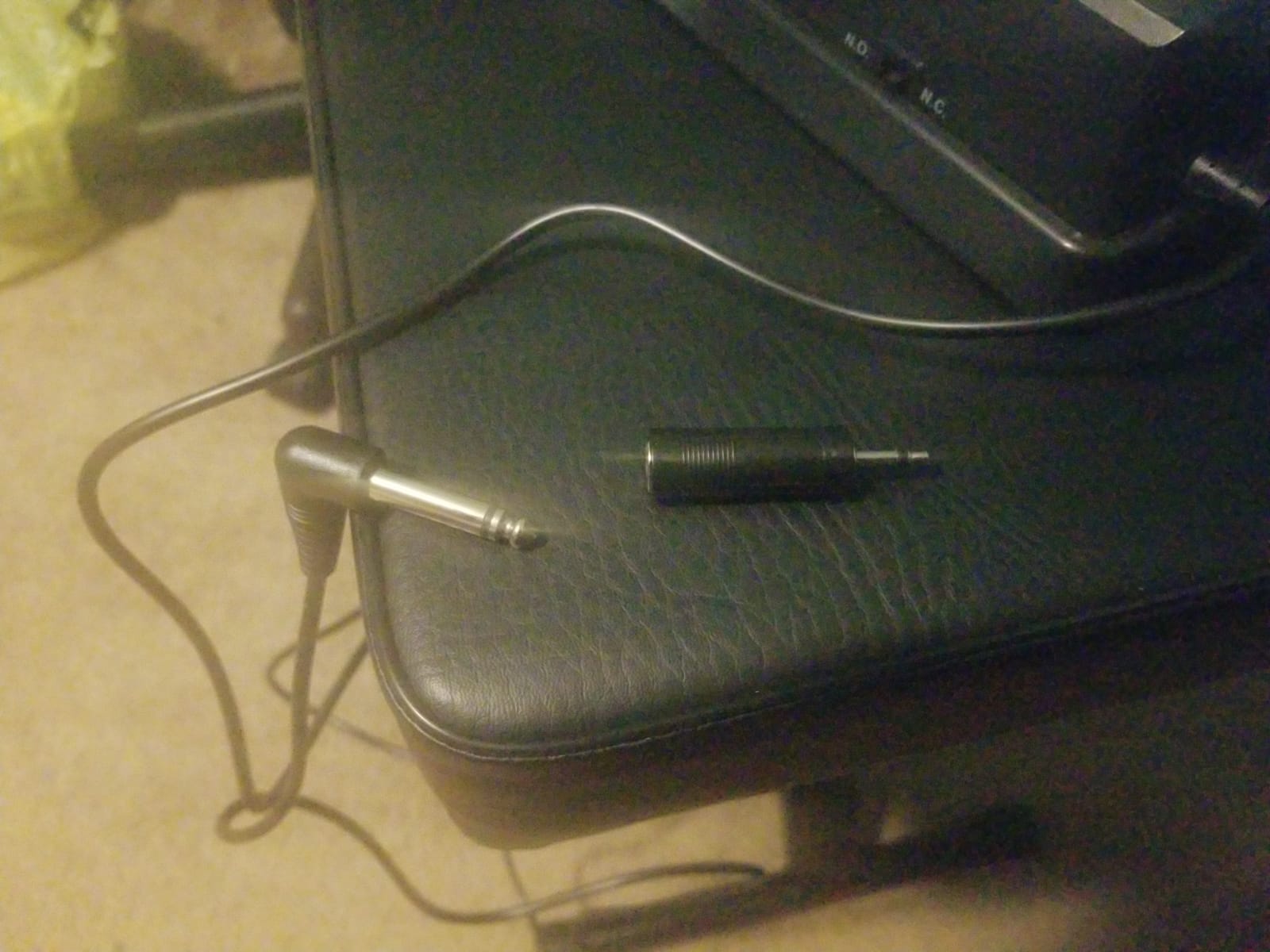
The switch here is marked N.O and N.C rather than using vague wording, which is genuinely useful when you are switching between instruments. If you own a Yamaha and a Korg, or a stage keyboard and a home digital piano, you can change polarity in seconds without guessing which position is which.
That is the difference between a universal pedal and a pedal that happens to work on your current keyboard. The label removes the uncertainty that makes people buy the wrong pedal twice.
Where it falls short
Several owners mention the internal mechanism becoming slightly noisy after extended heavy use. It is not a failure, and it did not appear in my testing over normal daily use, but it is a fair expectation to set if you play hard for hours at a stretch.
Color options are also limited, which sounds trivial until you are matching a pedal to a specific setup. It comes in black and silver and that is the choice you have.
4. Yamaha FC4A Assignable Piano Sustain Pedal – Quiet Action With Assignable Function
- ✓Redesigned with quieter mechanics
- ✓Improved anti slip rubber
- ✓Reacts like a real acoustic sustain pedal
- ✓Assignable function on compatible Yamaha keyboards
- ✕Polarity change needs a keyboard power cycle procedure
- ✕Costs more than generic universal pedals
Assignable pedal function
Reduced mechanical noise
1.87 lb weighted
The FC4A is the pedal for someone who has decided to stay inside one brand. At 1.87 pounds it is among the heaviest single pedals in this roundup, and the mechanical noise reduction in this revision is the change owners cite most often when explaining the 4.7 average across 2888 reviews.
The assignable function is the quiet advantage. On compatible Yamaha instruments you can reassign what the pedal does rather than being locked into sustain, which turns it into a second controller for volume, effects or a sound change. The improved anti slip rubber also keeps it planted better than the original version did.
The assignable pedal advantage
Most universal pedals do exactly one thing. The FC4A, on instruments that support it, can be mapped to any assignable function. For a player who wants a sustain pedal and a subtle swell control without buying a second pedal, that is real value in a single unit.
The catch is that the feature depends entirely on the instrument. On a keyboard outside the supported range it behaves like a straightforward heavier sustain pedal, which is still perfectly usable, just not special.
How polarity actually changes on this pedal
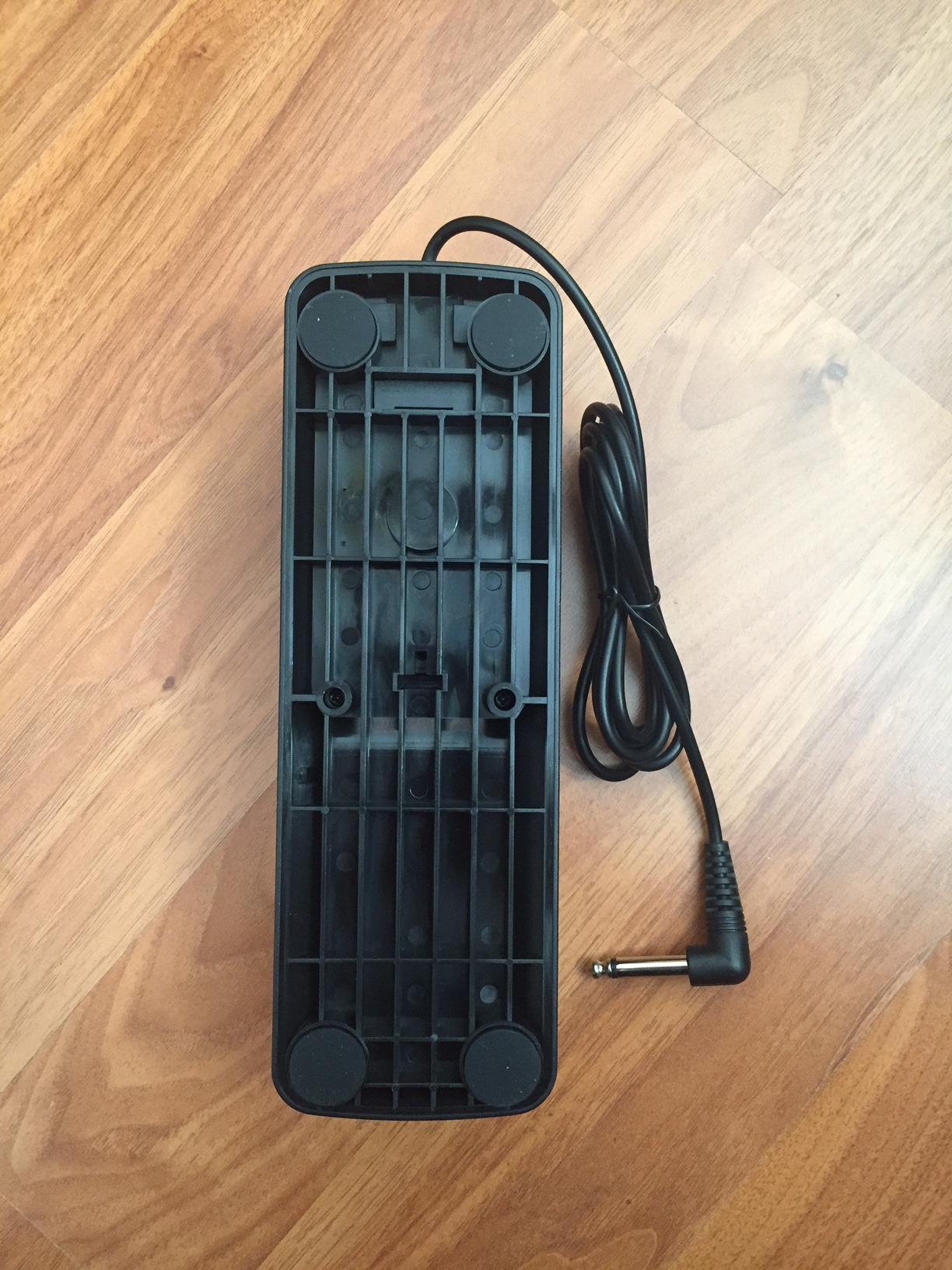
There is no polarity switch on the body, and this trips people up constantly. The FC4A changes polarity by depressing and holding the pedal while you power the keyboard off, so the keyboard learns the pedal at startup.
That procedure is not difficult once you know it, and it is part of how the instrument handles boot behaviour. But it means the pedal is not a fast swap between instruments, which is exactly why the forum consensus treats it as a safe choice for Yamaha gear and a frustrating one for anything else.
Weight, noise and feel
The 1.87 pound weight gives the FC4A an acoustic feel that lighter pedals cannot match. It does not slide on a hard floor without effort, and the reduced mechanical noise means a hard landing is far less audible in a shared room.
Where it loses ground is flexibility. You are paying brand money for brand-specific behaviour, and if you ever change instruments the advantage disappears.
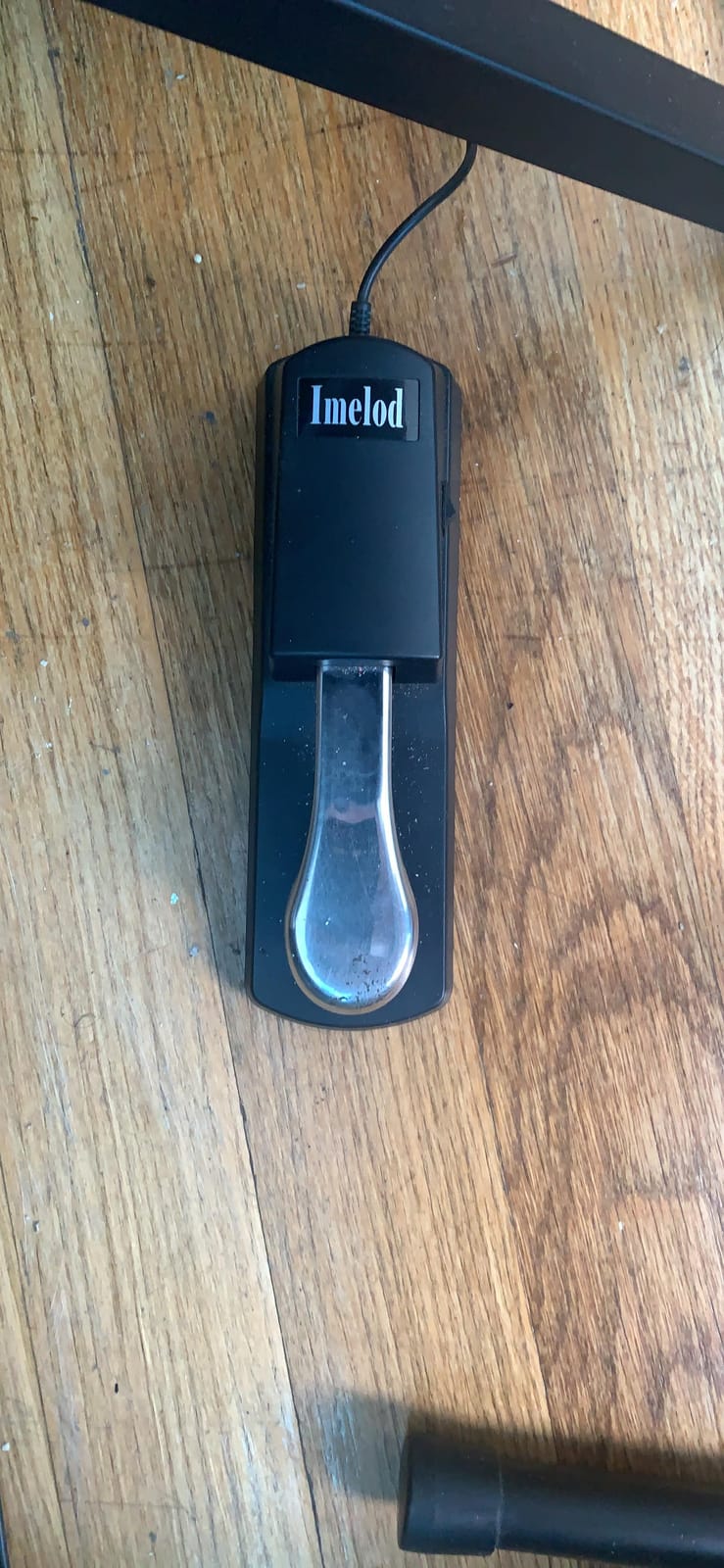
5. Imelod Universal Sustain Pedal – Quiet Practice and a Braided Cable
- ✓Reverse polarity switch for broad compatibility
- ✓Internal pad cuts squeaking for quiet practice
- ✓Full size footplate instead of a tiny factory pedal
- ✓63 inch abrasion resistant braid cable
- ✓365 day warranty and 5 cable ties
- ✕Some report contact wear after about a year
- ✕Lightweight build is not ideal for gigging
- ✕Silicone pads can still let it move on hard floors
ABS and stainless steel body
Reverse polarity switch
63 inch braid cable
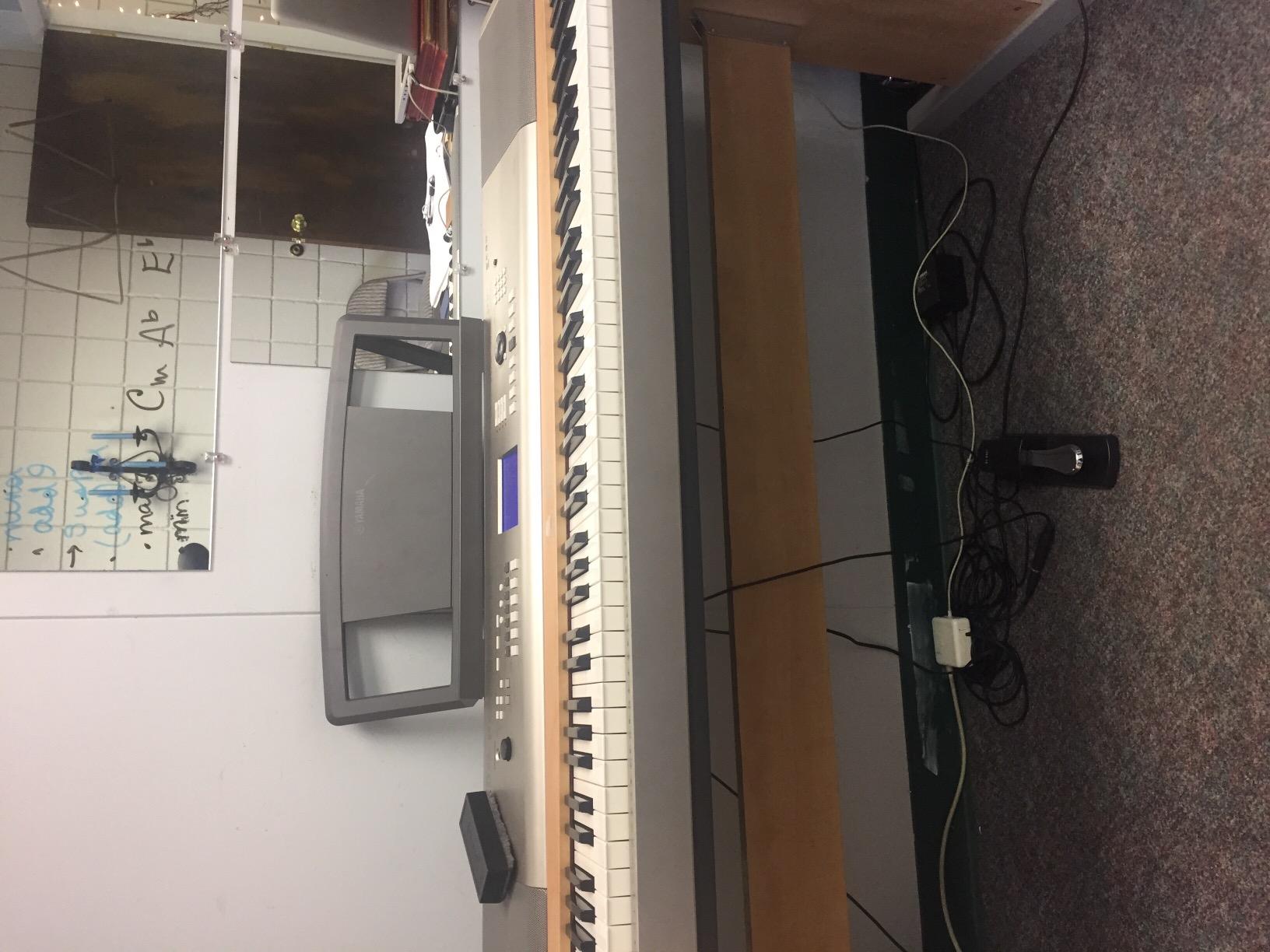
The Imelod is the pedal I suggest for a shared apartment or a late night practice session, because the invisible pad between the internal components is specifically designed to cut squeaking. Every cheap plastic pedal rattles. This one does not, and that difference is the whole reason it earns a place on a list dominated by louder options.
It weighs only 5.4 ounces, which is the clear trade-off. A light pedal is easy to move between a home keyboard and a class, and the full size footplate still feels considerably more like a real pedal than the tiny square pedals bundled with portable instruments.
Why quiet operation matters more than people expect
Squeak is a symptom of two internal surfaces making intermittent contact under a fast-moving spring. In an apartment with thin walls, or in a teaching room where a student is practicing while someone else is trying to work, that noise is genuinely disruptive in a way that a slightly heavier tread is not.
The internal pad solves it without changing how the pedal feels underfoot. You still get a standard spring action with a reverse polarity switch for normally closed and normally open operation, and the response stays quick.
Braid nylon cable and included extras
The 63 inch braid nylon cable is a genuine upgrade over a thin rubber jacket. Nylon braiding resists abrasion and holds its shape, which matters if the cable runs along the edge of a stand leg or gets stepped on.
The box also includes five extra cable ties, which is a small touch that tells you the manufacturer thought about cable routing. A 365-day warranty is included as well, which is not generous but is more than some options in this group offer.
Where it falls short
The light weight is the honest drawback. At 5.4 ounces it is not ideal for gigging, where a pedal needs to stay put through movement, and the non-slip silicone pads can still let it travel on a hard floor if you do not place it carefully.
Some owners also report contact wear and intermittent operation after roughly a year of regular daily play. For a practice pedal that cycles occasionally, that is acceptable. For a primary instrument pedal, it is worth knowing.
Where it falls short for a primary pedal
If you plan to gig with this pedal, the light weight is a harder limit than the wear reports. The braided cable resists abrasion, but a light pedal still moves when you move.
6. Casio SP-20 Piano-Style Sustain Pedal – Real Weight and Brand Fit
- ✓Genuine Casio accessory for Casio pedal jacks
- ✓Substantial 0.85 kg piano style feel
- ✓Polished black finish matches Casio furniture
- ✓Long cord for flexible placement
- ✕Not universal and built around the Casio pedal jack standard
- ✕Costs more than third party universal pedals
- ✕Only a 1 year warranty
Piano style full size tread
0.85 kg weight
Long cord
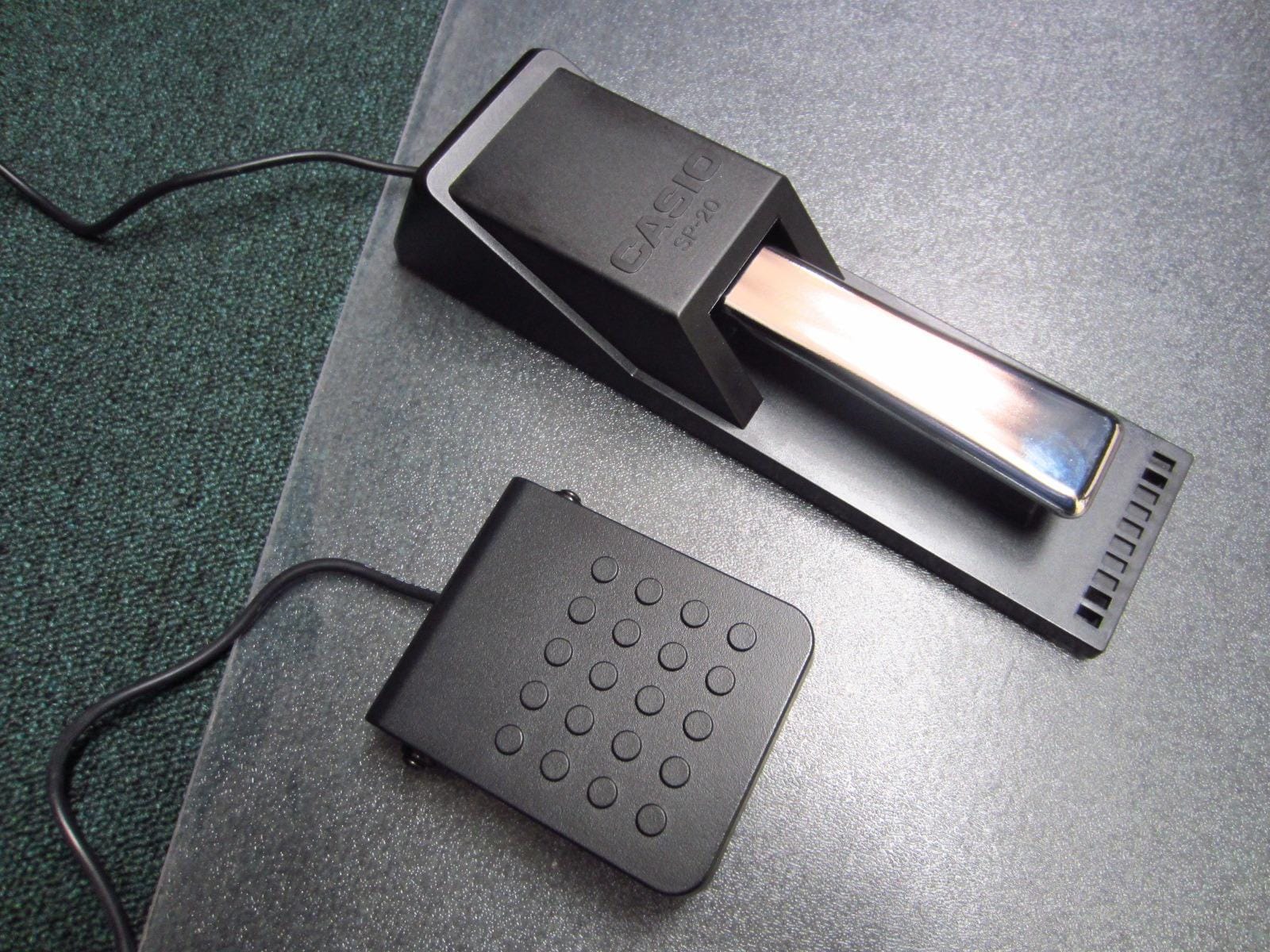
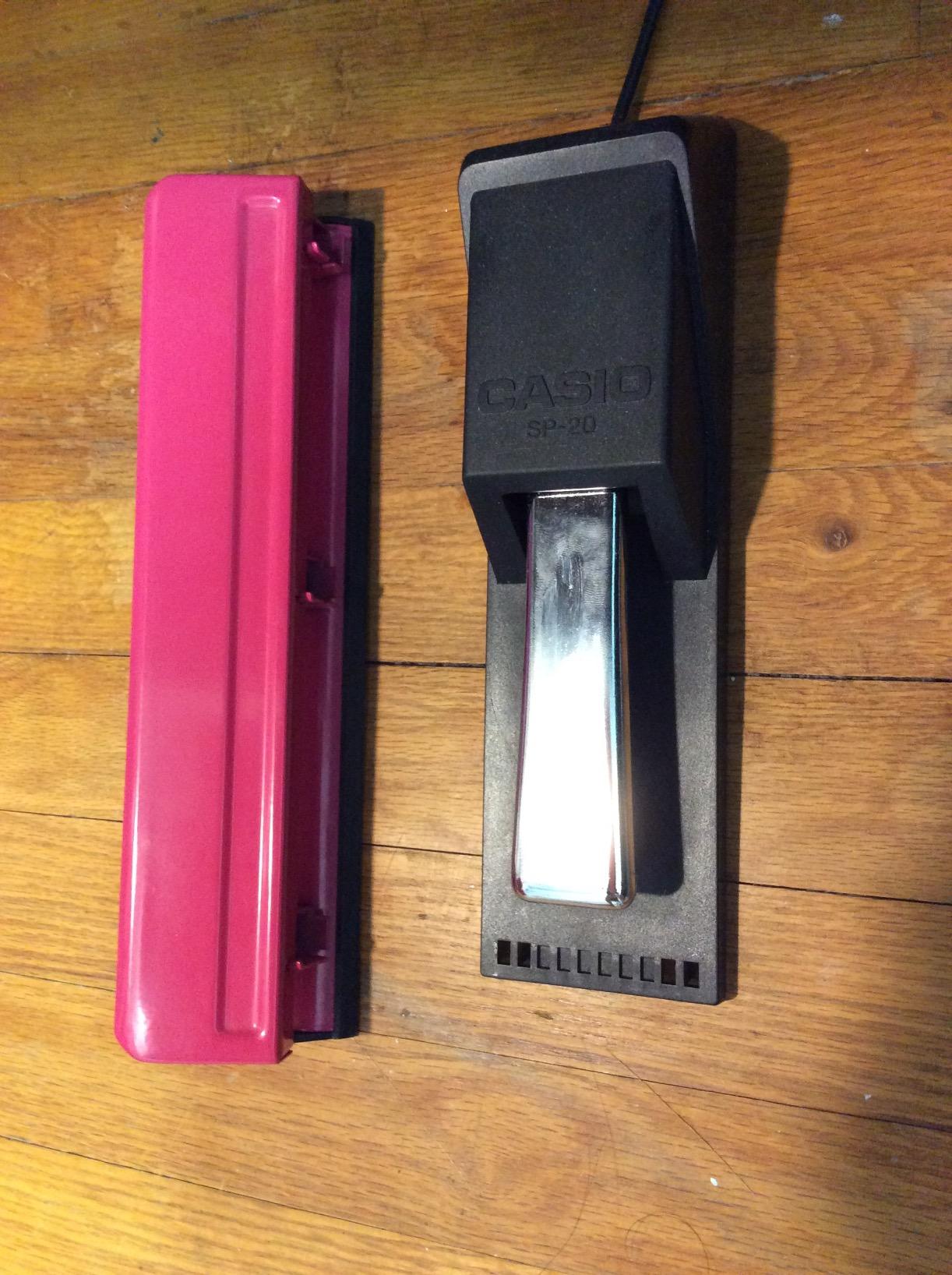
The SP-20 is the one I recommend when someone plays a Casio digital piano seriously and wants the pedal to disappear under the finger. At 0.85 kg it has genuine piano style weight, and the 4.7 average across 1487 reviews reflects how consistently owners describe the feel as true to an acoustic instrument.
It is a genuine Casio accessory rather than a universal third-party pedal, and that distinction is the entire point. It works with all Casio keyboards and digital pianos that have a pedal jack, and the polished black finish is designed to look like part of the furniture rather than an accessory added afterward.
Why weight is the main specification here
At 0.85 kg the SP-20 is among the heaviest single pedals here, and the difference is audible and visible. The pedal lands solidly, does not creep across a hard floor, and the return stroke has enough inertia to feel like releasing a damper pedal rather than flipping a switch.
If you are moving from an acoustic upright, that inertia is the detail that makes the transition painless. Cheap pedals snap back instantly, and the abrupt release cuts note sustain short in a way that changes phrasing.
Brand fit and the honest limitation
Owners overwhelmingly cite brand fit as the reason for the strong score. If you own Casio gear, this is simply the pedal that was designed for your instrument, and there is no compatibility research to do.
The limitation is equally clear: it is not universal. It is built around the Casio pedal jack standard and it costs more than third-party universal pedals, so if you play across multiple brands it is a worse investment than a polarity switch pedal. The warranty is one year.
Long cord and furniture integration
The long cord gives generous placement flexibility, which is the practical advantage over compact single pedals when your digital piano sits in a cabinet. You can position the pedal comfortably under the keybed without an extension lead, and the piano style proportions sit visually well next to matching furniture.
Our roundup of the best keyboard benches is worth a look if you are still deciding how the pedal and the seat fit together in the room.
7. Yamaha LP1B 3-Pedal Unit – Soft, Sostenuto and Sustain Together
- ✓Traditional three pedal layout with soft and sostenuto
- ✓5 pound stainless steel construction
- ✓Half damper functionality adds acoustic style nuance
- ✓Purpose built for popular Yamaha P and DGX models
- ✕Requires a Yamaha L125 L121 or L515 furniture stand
- ✕Only compatible with specific Yamaha models
Soft sostenuto sustain layout
Half damper functionality
5 lb stainless steel unit
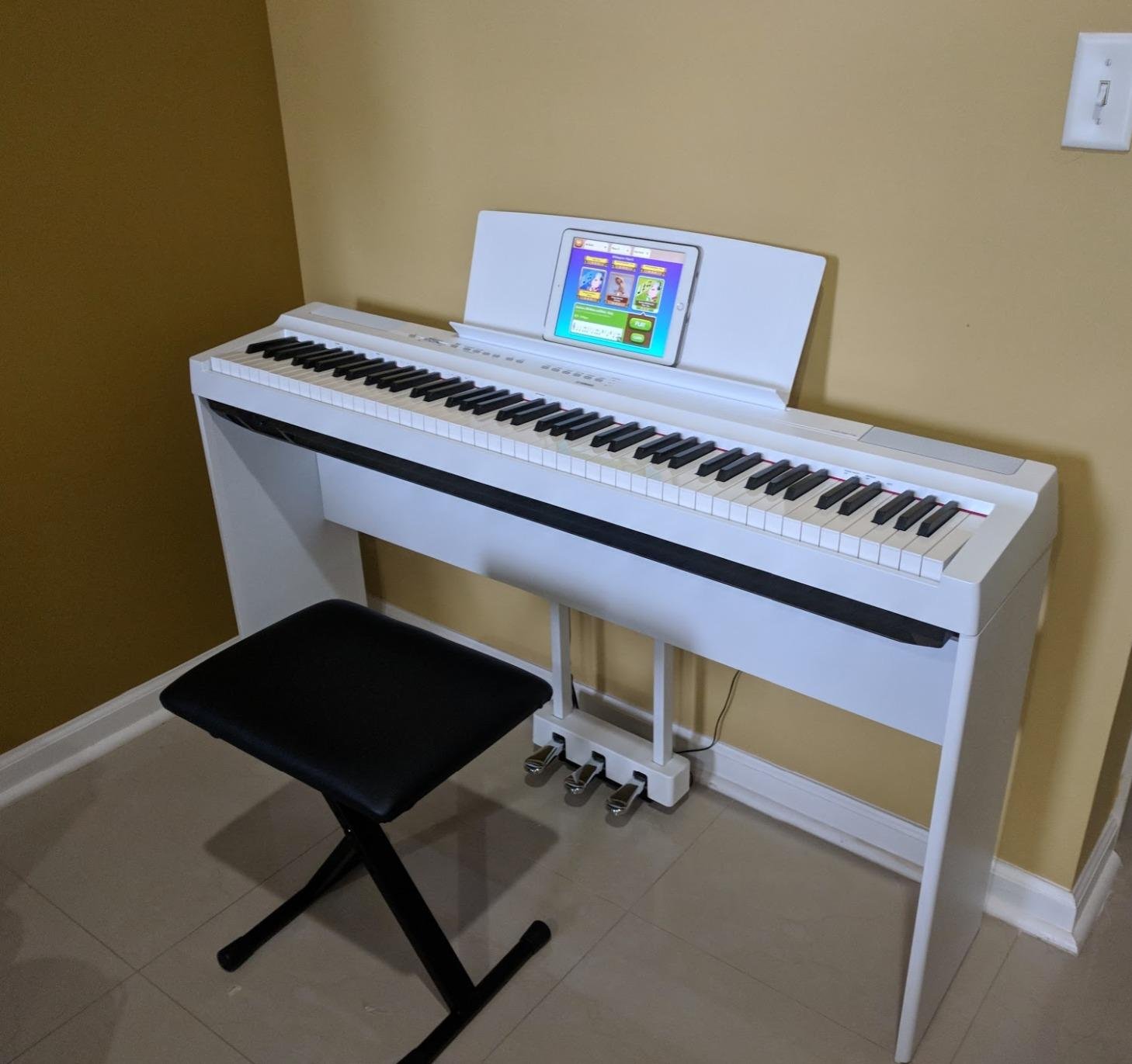
This is the only full three-pedal unit in the group, and for classical players it changes what the instrument can express. The traditional soft, sostenuto, sustain layout means the outer foot has a real una corda function and the middle pedal holds selected notes while you play others, which is a technique that simply does not exist on a single-pedal setup.
Half-damper functionality is the second reason to choose it. Rather than a binary on and off, the sustain responds to how far you depress the pedal, so you can feather the decay on a quiet passage. At 5 pounds of stainless steel construction, it also has the most substantial feel of anything here.
What sostenuto actually does
Sostenuto is the most overlooked pedal on an acoustic piano. Depressing it while keys are held locks those specific notes, so releasing the sustain pedal leaves the selected notes ringing while everything else stops. In polyphonic repertoire that lets you build sustained notes against a free moving line.
On a single-pedal digital setup, MIDI CC 66 handling depends entirely on the instrument, and many boards simply ignore a second pedal. A three-pedal unit sidesteps that entirely, which is the clearest reason to move up to one.
Half-damper and the furniture stand requirement
Half-pedaling only works if the keyboard reads a continuous signal. The LP1B sends that signal, and the Yamaha models it was designed for read it, so feathered control is available out of the box. A cheaper pedal on the same instrument is more likely to give you a hard on and off.
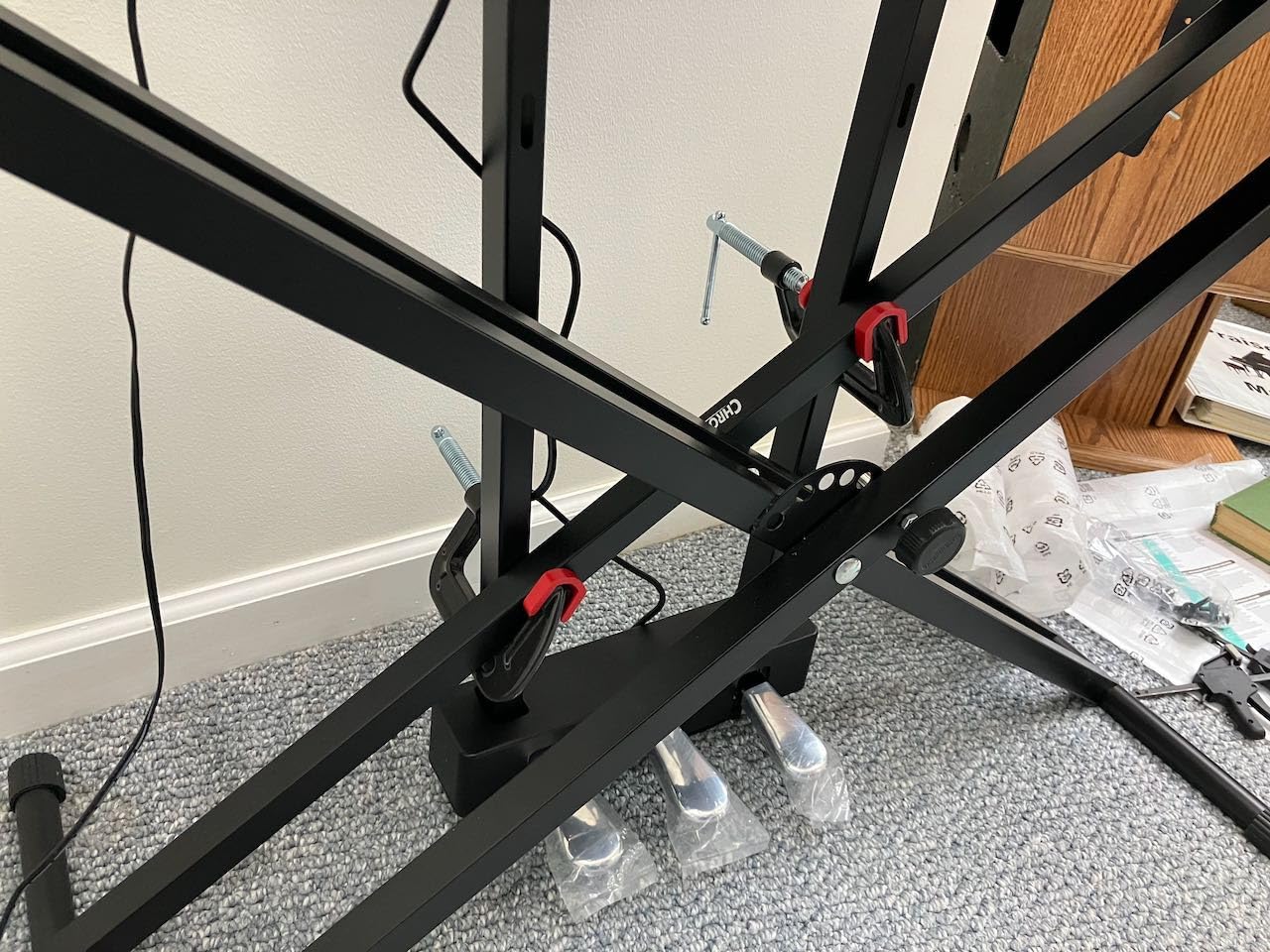
The requirement is a Yamaha L125, L121 or L515 furniture stand, and that is not a small detail. The unit is built to attach to that furniture, so it is not a free-standing add-on for players using an X-stand. It also fits specific models, including the P121, P125, P225, P515, P525, PS500 and DGX670.
Who this unit is actually for
Classical students working through Bach or Debussy, and anyone playing repertoire where pedal technique is part of the performance, benefit from this more than any other group. Recording players who need a realistic acoustic capture on a digital instrument get the same benefit.
If you play pop, rock or synth material and only need sustain, a single pedal with a polarity switch does the job for a fraction of the cost and the commitment. This unit is for players who specifically need more than one pedal function.
8. Casio SP3 Sustain Pedal – Compact and Wider Than Expected
- ✓Compact Casio design for small spaces
- ✓Works with Casio gear and most 1/4 inch pedal input keyboards
- ✓Rubber and silicone materials give solid grip
- ✓Straightforward drop in upgrade
- ✕Small footprint against full size piano pedals
- ✕Lighter feel than heavier professional pedals
- ✕No polarity switch
Piano style single pedal
Rubber and silicone body
Compact 6 x 5 x 2 inch body
The SP3 is the replacement pedal. Casio owners buy it when a factory pedal is lost or broken, and the 4.6 average across 1010 reviews reflects how rarely anyone regrets that swap. It is a straightforward piano-style pedal that does its job without fuss.
The surprise that shows up repeatedly in reviews is how widely it actually works. Alongside all Casio keyboards and digital pianos with pedal jacks, it is compatible with most keyboards that have a 1/4 inch sustain input, so it functions as a serviceable general option in a pinch.
Compact dimensions and small setups
At 6 x 5 x 2 inches it is the smallest pedal here, and that is the deciding factor for anyone with a tight room. Portable slab keyboards sit close to the wall, and a full size piano pedal under a folding stand can be knocked by a chair. This one disappears under the instrument.
It weighs 6.1 ounces and is built from rubber and silicone materials that give it decent grip for its size. On carpet it stays put without any effort.
The missing polarity switch
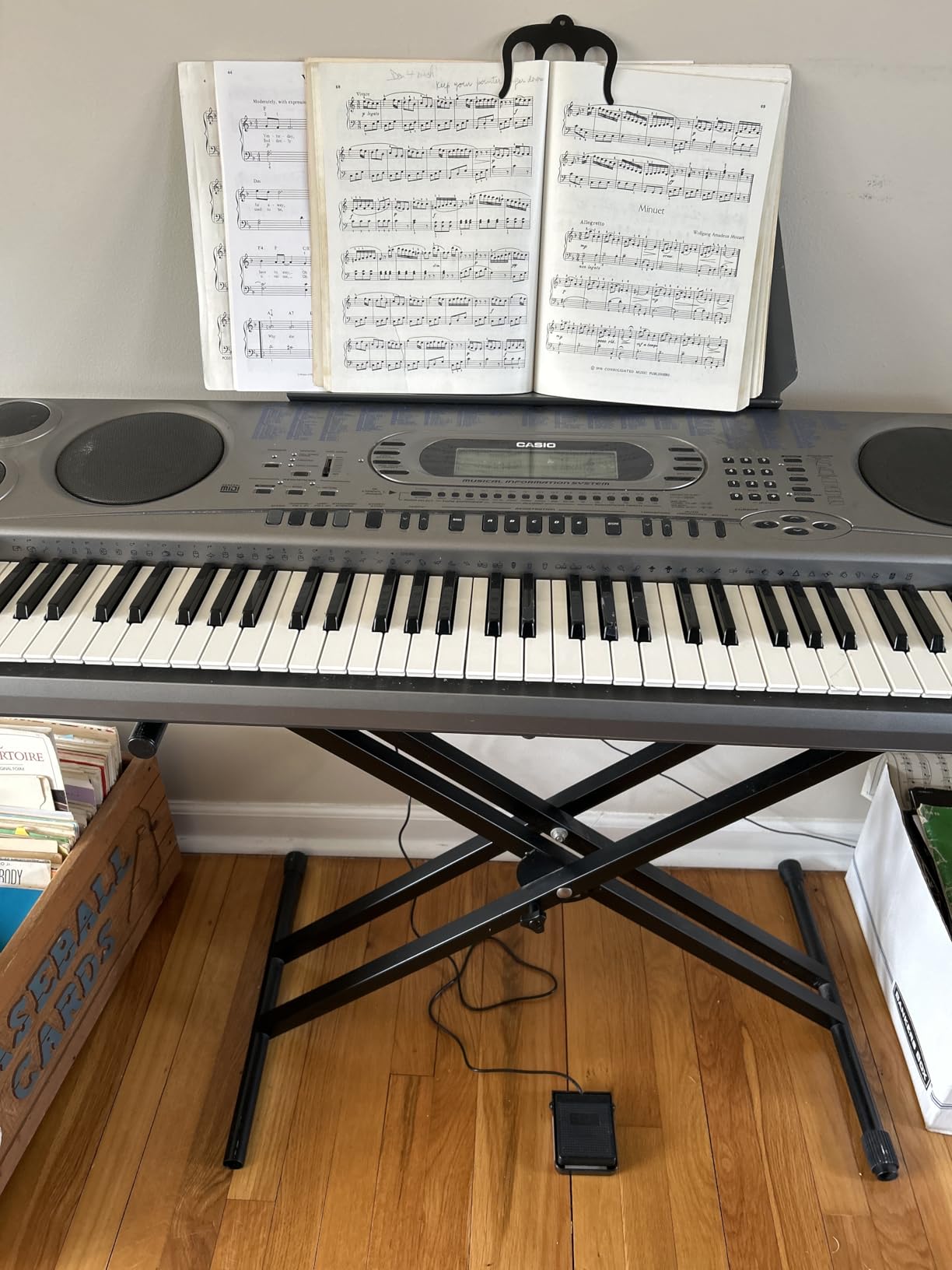
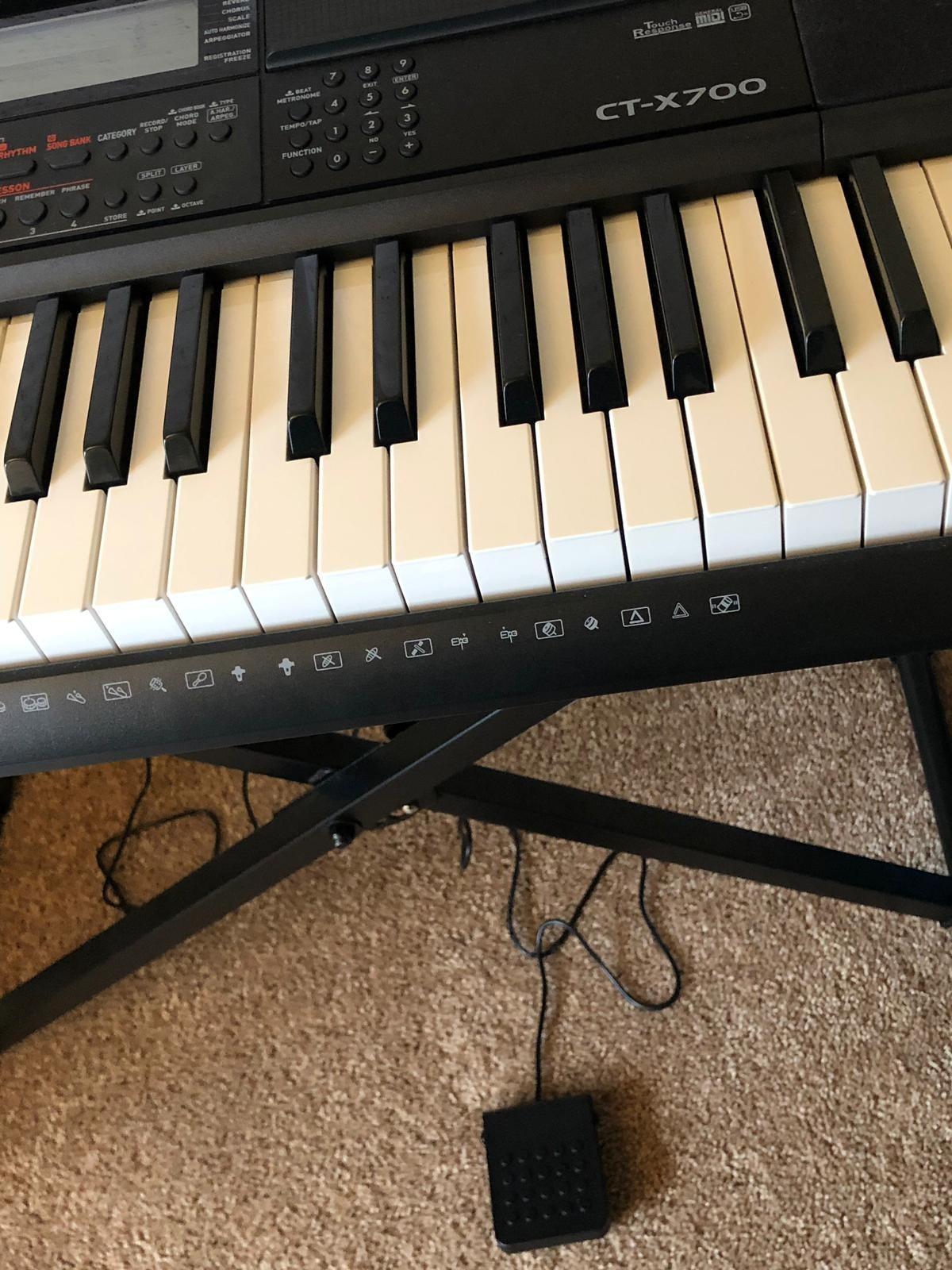
This is the one caveat that changes who should buy it. There is no polarity switch, so if a keyboard expects normally closed and the pedal outputs normally open, you get reversed sustain with no on-pedal fix. On Casio instruments the match is built in, which is why owners rarely report the problem.
If you already know your keyboard is Casio, that is a non-issue. If you are guessing, pick a pedal with a switch instead.
Where the lighter feel shows up
Compared with the Casio SP-20, the SP3 gives you noticeably less feedback underfoot. It is fine for practice and for general playing, but if you are used to a weighted acoustic pedal the transition is real. Consider the heavier model if feel matters more than footprint.
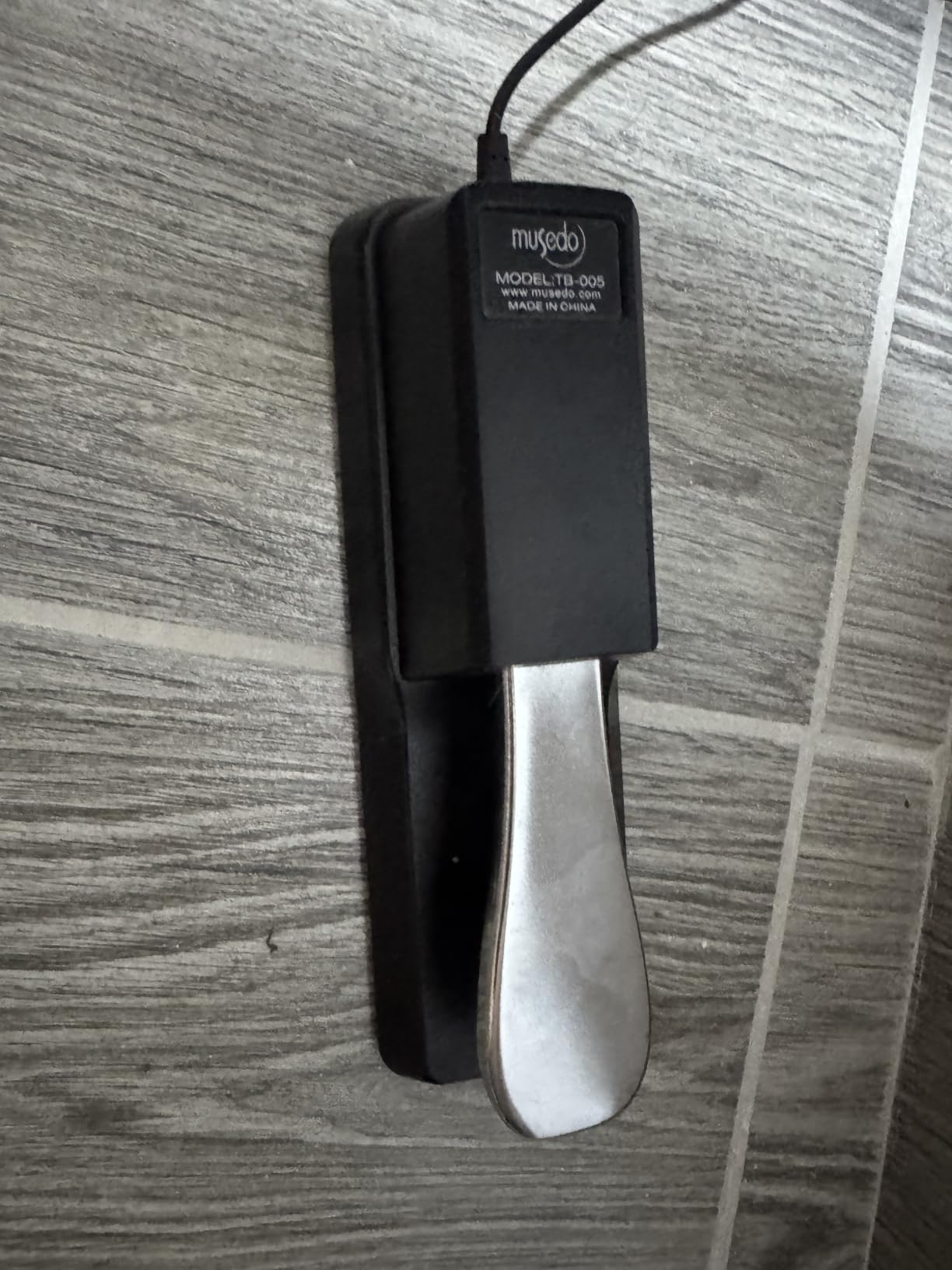
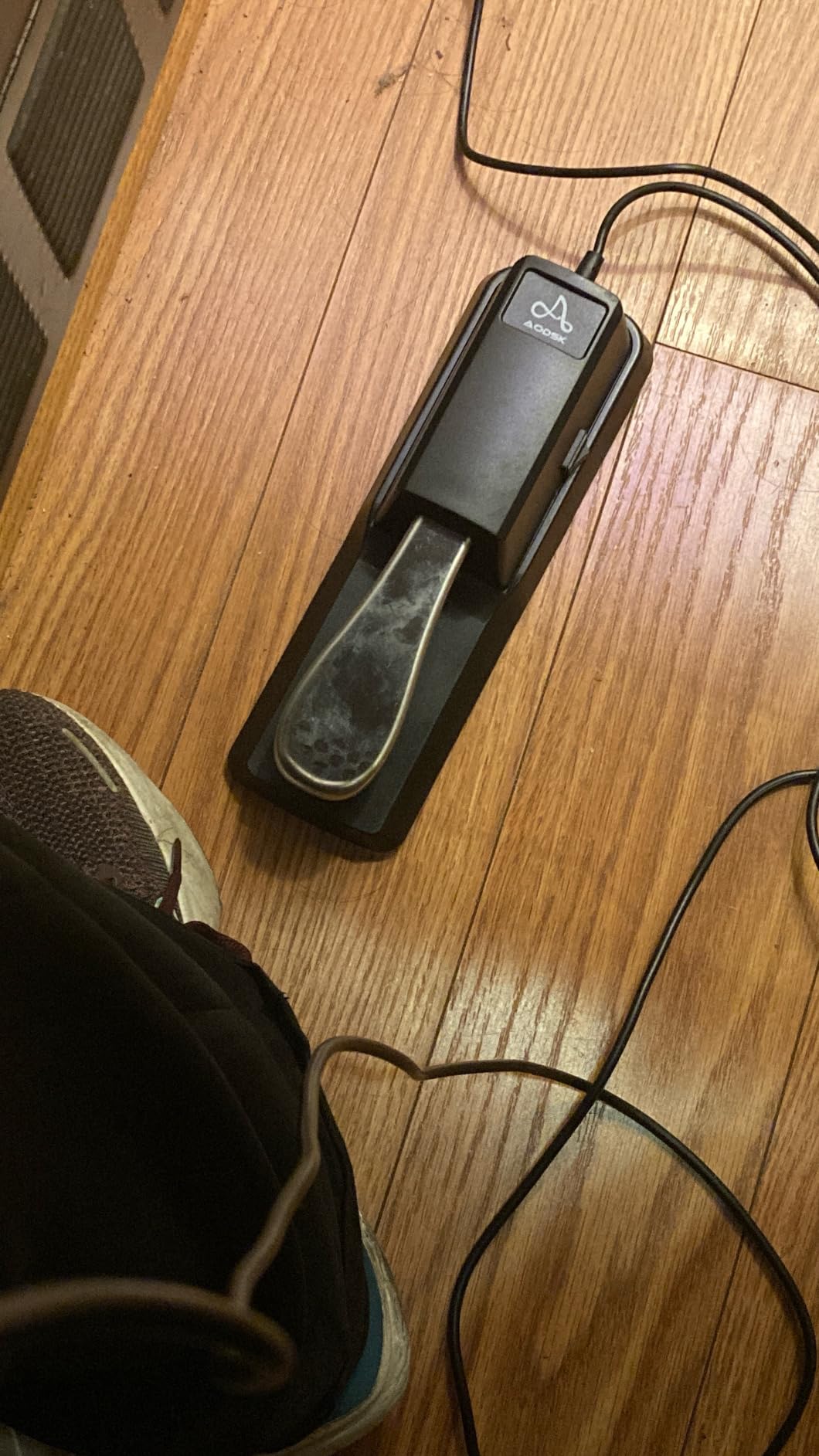
9. AODSK Universal Sustain Pedal – Chrome Build and Silent Pads
- ✓Polarity switch for digital pianos and MIDI gear
- ✓Chrome metal pedal with dual silent pads keeps noise down
- ✓63 inch cable for stage or studio use
- ✓Non slip rubber base improves stability
- ✕Only a three month warranty
- ✕Slightly heavier feel than the lightest budget alternatives
Chrome pedal with silent pads
Polarity switch
63 inch cable
The AODSK is the one to look at if you want a full size chrome pedal with a polarity switch and you play in a shared room. The dual silent pads fitted to the mechanism are the detail that sets it apart, and they cut the rattle that reviewers otherwise complain about on chrome tread pedals in this price range.
It is a full size pedal at 11.84 ounces rather than a compact square, so the tread feels more like a real sustain pedal than a switch. The nickel plated 1/4 inch connector gives a solid analog connection, and the 63 inch cable covers both stage and studio layouts.
Silent pads and shared-space practice
Two pads inside the housing absorb the contact noise that cheap springs produce. In a small room this is the difference between a pedal you can use at night and one you avoid after a certain hour. Several reviews mention the pads as the specific reason for a recommendation.
The non-slip rubber base is a genuine addition rather than a marketing line, and it kept the pedal stable on both floor types in my testing.
Build weight and feel
At 11.84 ounces the pedal has meaningful mass for its tier. Some buyers who compare it against the lightest budget alternatives describe it as slightly heavier, and that is accurate, but the extra weight is what stops it sliding.
The sun pattern and electroplated finish looks more like a piano accessory than a generic part, which is a small thing that matters if the pedal is visible in a living room setup.
The warranty question
The warranty is three months, the shortest here, and that deserves a mention. It is not a sign of poor construction, but it does mean a mechanical failure in month five is a conversation with the seller rather than a manufacturer claim.
Also worth noting is the wider spread of mid ratings compared with premium rivals. It performs consistently, but it is not the most highly rated option at this weight class.
10. Alesis ASP-1 MKII Universal Pedal – Sustain and Momentary Footswitch in One
- ✓Works as a sustain pedal and a momentary footswitch
- ✓Compact body tucks under a keyboard stand
- ✓Polarity switch and 1/4 inch plug give setup flexibility
- ✓Firm action with enough weight to stay put
- ✕Hollow metal clunk is audible when pressed
- ✕Spring resistance can feel heavy for long holds
- ✕Light enough to slide if not placed carefully
Sustain pedal and momentary footswitch
Flip top polarity switch
5 foot cable
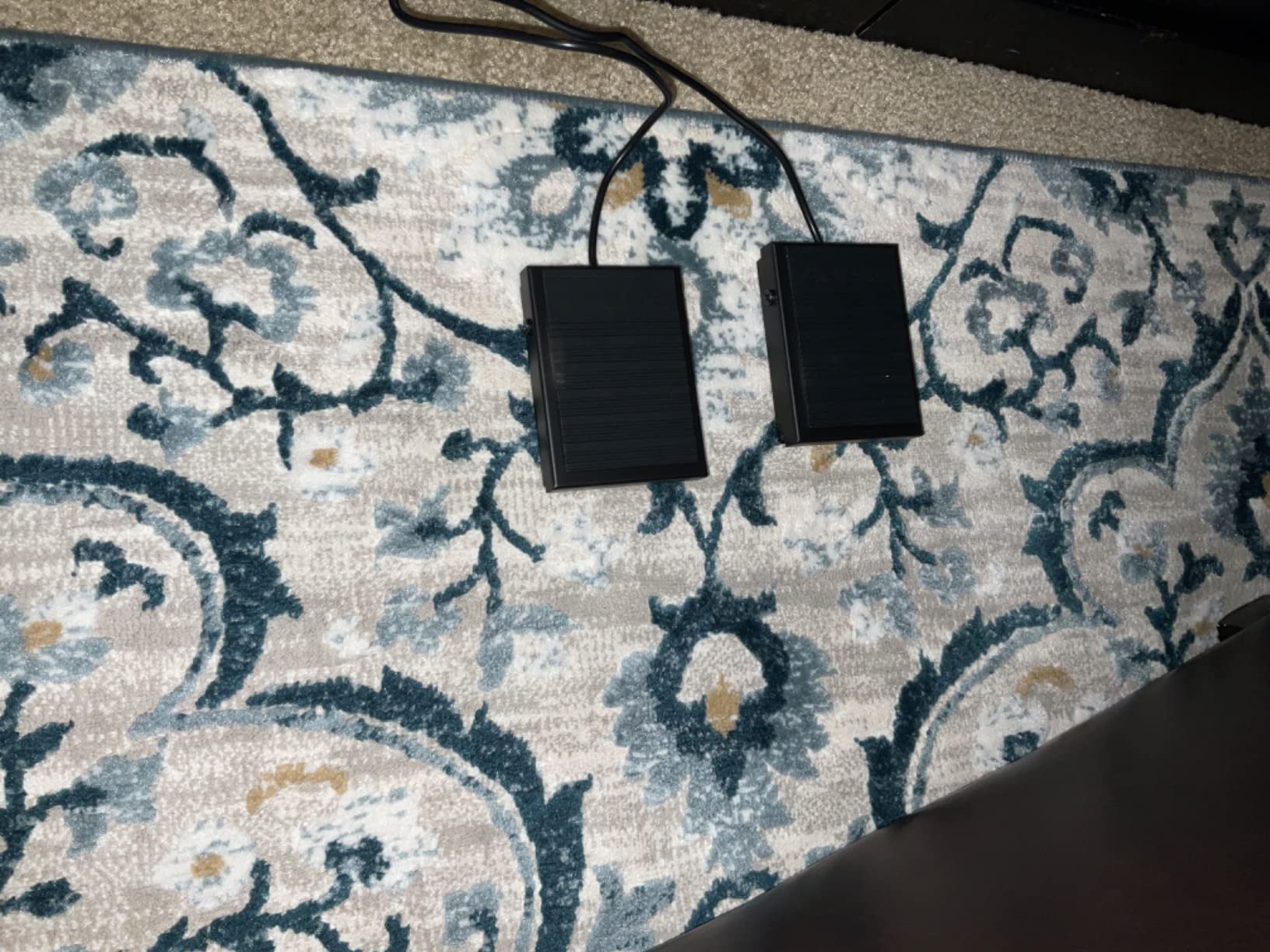
The ASP-1 MKII does something no other pedal here does: it works as a momentary footswitch as well as a sustain pedal. For players running drum machines, guitar effects, or sequence and patch control alongside a keyboard, that removes a second piece of floor hardware entirely.
The 4.4 average across 681 reviews is the lowest in this group, and the reason is not the dual function. It is that owners want a sustain pedal and this is a compact utility unit that happens to include one. The flip-top polarity switch and the alloy steel body keep it versatile, but the hollow clunk under the foot is a real trade.
Dual functionality in practice
Used as a momentary footswitch it behaves like a standard guitar style switch, which makes it useful for controlling effects, arming a looper, or stepping through patches. Used as a sustain pedal, the polarity switch handles either normally open or normally closed inputs.
The compact dimensions tuck neatly under a keyboard stand, and at 4.11 x 3.21 x 1.1 inches it takes up almost no floor space. For players with a crowded stage this is genuinely useful.
The noise trade-off
Several owners note the hollow metal clunk when pressed, and it is louder than a traditional sustain pedal. It is not a problem in a practice room, but on a quiet stage or in a recording take it can be audible.
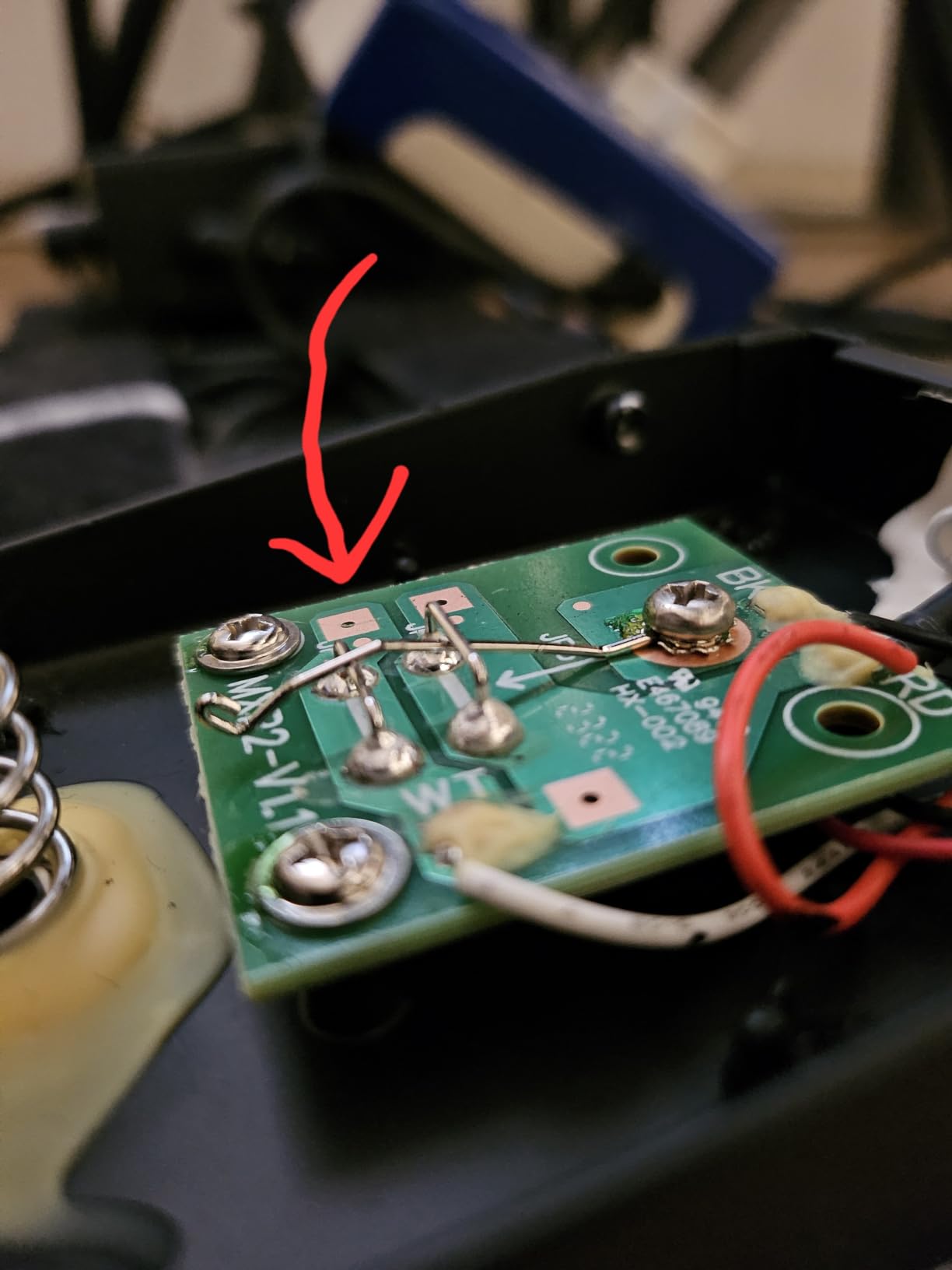
Spring resistance is another recurring note. It feels solid and stays put, which is good, but it can be heavy for long holds compared with a lighter practice pedal. A few reviewers also report a brittle internal switch wire failing early, so if you are hard on your gear, weigh that before committing.
Who should choose this
Choose the ASP-1 if you need a footswitch more than you need a refined sustain pedal, or if you want one compact unit to cover both jobs. Skip it if acoustic feel and silence are your priorities, because dedicated sustain pedals handle both better.
For players building out a full rig, our picks for the best chorus pedals and the best vibrato pedals pair naturally with the same control strategy this pedal supports.
11. On-Stage KSP100 Universal Sustain Pedal – Removable Grip Cover
- ✓Weighted authentic piano feel with smooth action
- ✓Polarity switch for universal compatibility
- ✓Removable cover doubles as a nonslip grip
- ✓Rubber feet prevent skids
- ✓Built in 6 foot cord
- ✕Fixed attached cable cannot be replaced
- ✕Only a 1 year limited warranty
Chrome full size pedal
Polarity switch
Removable nonslip cover
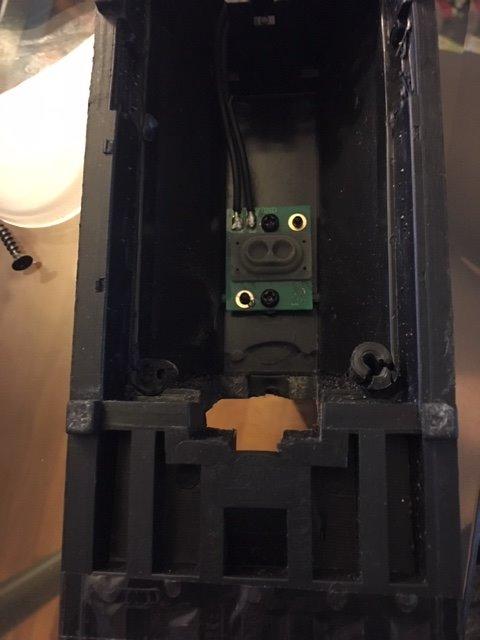
The KSP100 is the pedal I suggest to players who move between rehearsal rooms, halls and lessons. The removable protective pedal cover is the feature that makes it distinctive, and it is genuinely useful: take it off and you have a clean tread for transport, put it back on and the same cover becomes a nonslip grip that keeps your foot planted.
At 3.2 ounces it is light, which sounds like a drawback until you remember the whole point is portability. It is a full size chrome piano-style pedal with a weighted feel and smooth action, not a small square, and the polarity switch makes it universal across keyboards, synthesizers, organs and digital pianos.
The removable cover as a grip
Very few pedals at this weight include a cover that serves a functional purpose. On the KSP100 it doubles as a nonslip surface, which matters on smooth stage floors where a bare chrome tread can slide. Owners consistently call it out as the unexpected best part of the pedal.
Nonslip rubber feet add a second layer of stability, so the pedal stays anchored at both the tread and the base.
Weighted feel and travel
Despite the low overall weight, the foot travel is described as weighted and authentic, with a smooth action from press to release. That is the part that matters for playing, and it performs closer to the heavier options than the weight suggests.
The built in 6 foot cord gives a robust analog connection with no connector to seat awkwardly, which is a genuine benefit for a pedal carried in a gig bag.
Where it falls short
The 6 foot cord is permanently attached, so damage means replacement rather than a repair. For a portable pedal that is a reasonable trade. The warranty is one year limited, which is shorter than the coverage on some alternatives here.
If you need longer reach, compare the cable lengths on the Donner and RNSXYAT options before settling.
12. RNSXYAT Universal Sustain Pedal – The Longest Cable in the Group
- ✓Very affordable with a simple side polarity switch
- ✓Premium alloy construction gives more heft than typical budget pedals
- ✓High quality spring with soft expressive resistance
- ✓91 inch cable is among the longest here
- ✓Clean sustain on Roland Yamaha Casio and MIDI controllers
- ✕Noticeably lighter than heavier models at roughly 315 g
- ✕Tends to slide on hard or tiled floors
- ✕On and off action only with no half damper nuance
Alloy body with soft spring
Side polarity switch
91 inch cable
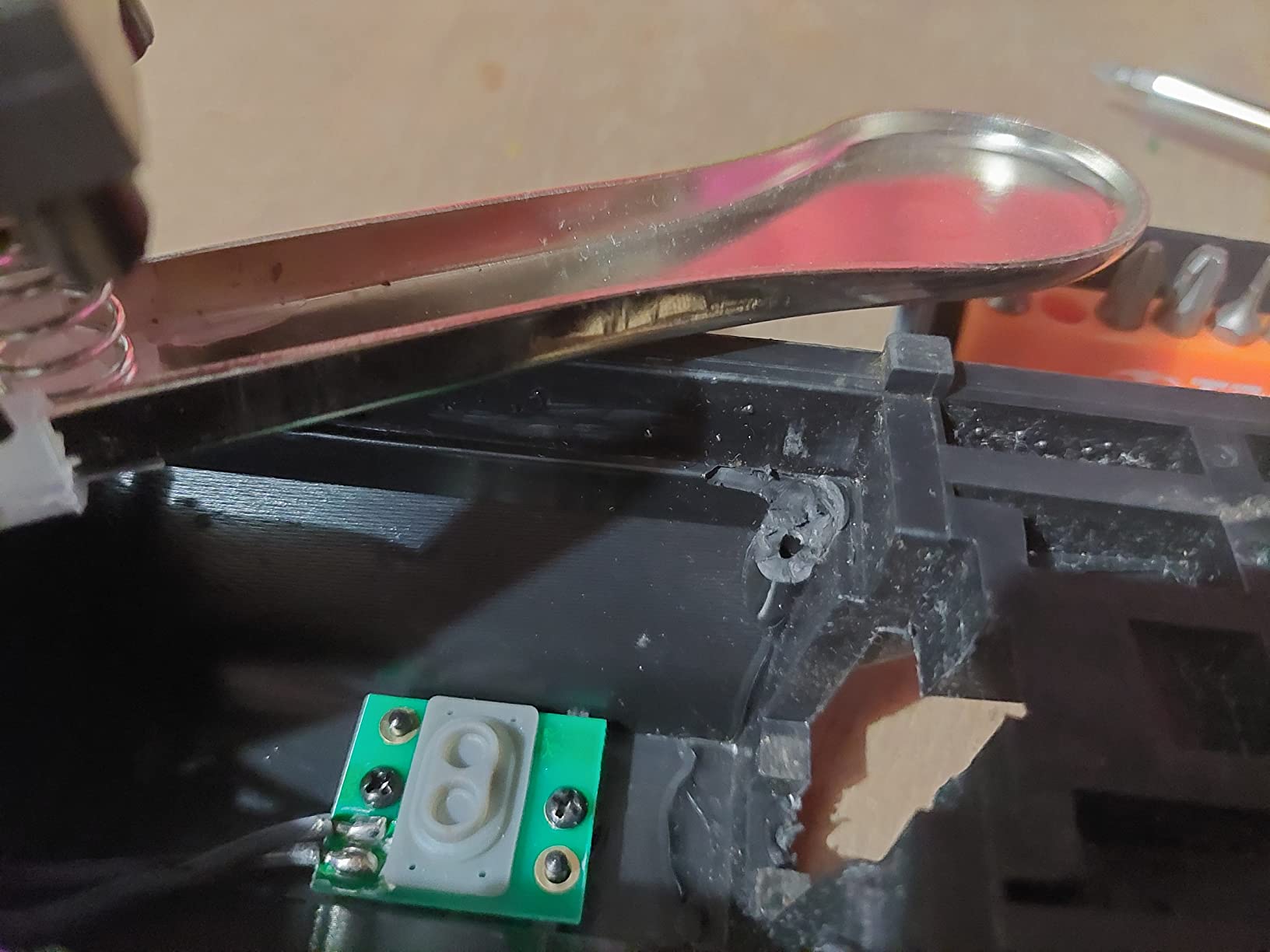
The RNSXYAT exists to solve a specific problem: reaching a pedal that is far from the keyboard. At 91 inches the cable is roughly half again as long as a standard lead, which covers deep furniture, a raised platform, or a stage where the pedal needs to sit well forward of the instrument.
Construction is alloy and high-strength plastic, which gives it more heft than pedals at this tier usually manage. The high quality spring is tuned for soft resistance, so the press is light and expressive rather than stiff. Owners confirm clean, reliable sustain across Roland, Yamaha, Casio and MIDI controllers.
When 91 inches is the right answer
Long cables solve real problems. If your digital piano sits in a cabinet with a deep keybed, the pedal needs to sit where your leg naturally reaches, and a six foot cable stops short. If you are on a riser, a longer lead avoids an extension cable and its extra connection point.
The trade-off is real though. A long cable snagged under a chair is a pedal you cannot use, and a longer run is more exposed to being stepped on. This pedal suits fixed setups where the cable route is planned, not mobile ones.
The side polarity switch and simple setup
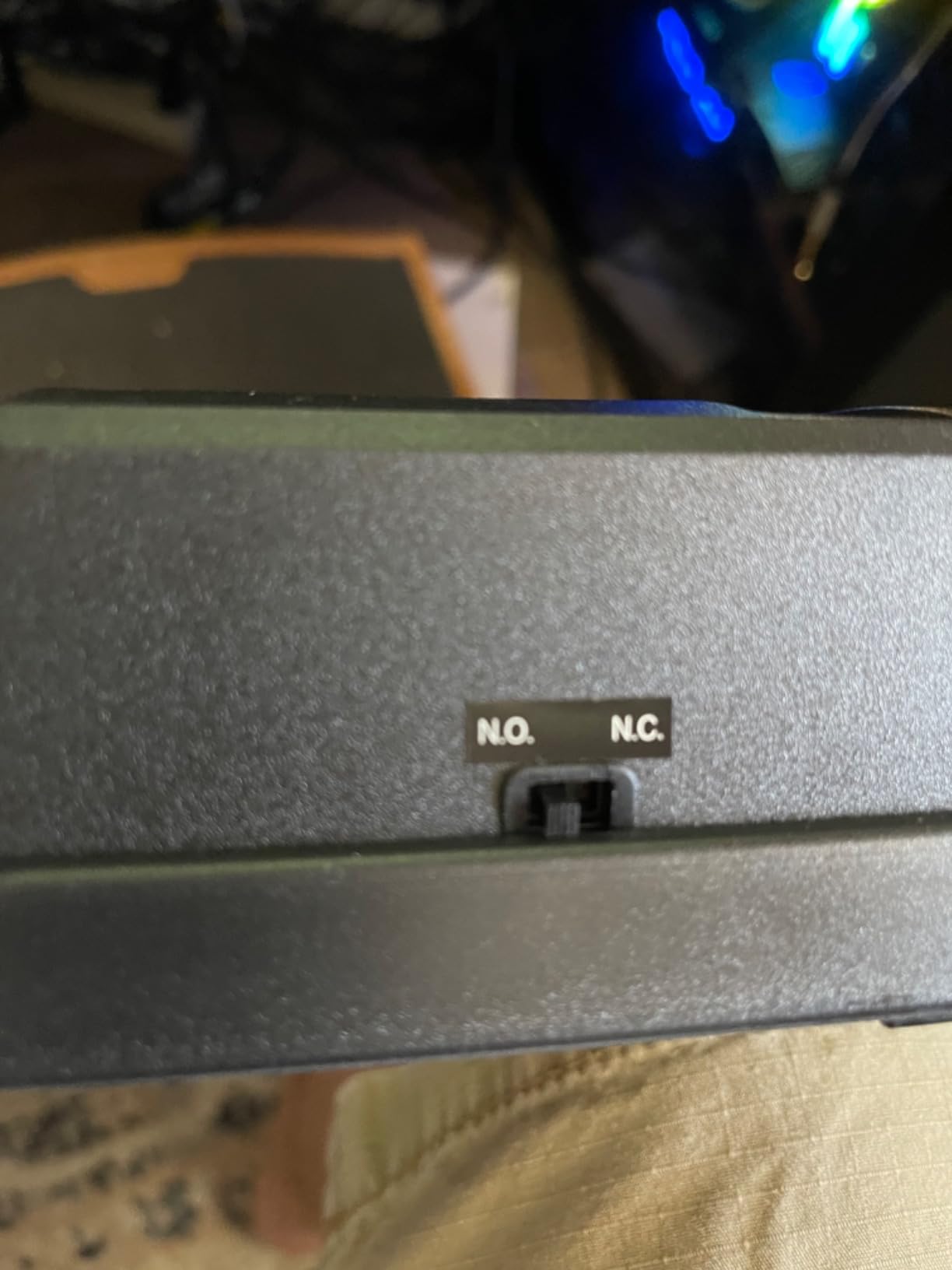
The switch sits on the side of the body and toggles between NO and NC, and the instructions are refreshingly direct: if notes sustain without you pressing, flip the switch. That is the entire setup process for a pedal meant to be plug and play.
The non-slip rubber bottom helps, though it is not enough to stop the pedal travelling on hard or tiled floors given the lighter weight.
Where it falls short
At roughly 315 grams it is lighter than the M-AUDIO SP-2 by a significant margin, and several owners comparing the two directly wish it were heavier. It is also on and off action only, with no half damper nuance, so it will not reproduce feathered classical pedalling.
Buyers rating durability as uncertain is fair for this weight class. Treat it as a capable, very well connected budget pedal rather than a long-term investment.
A note on setup for long cable runs
Route the cable along a stand leg with the supplied ties rather than across open floor, and check the route before you sit down.
How to Choose the Right Keyboard Pedal in 2026
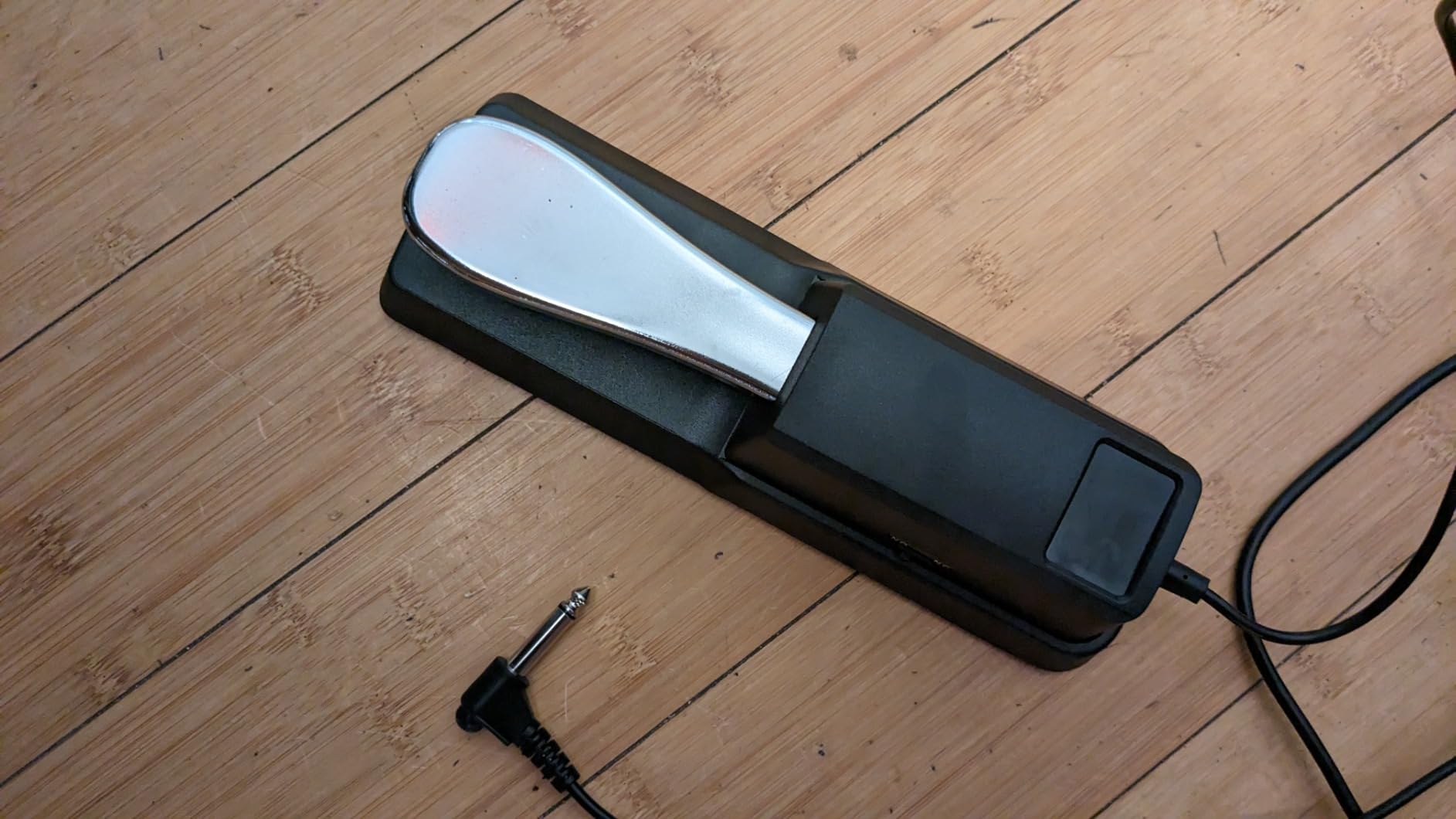
Pedals look simple, which is why so many people buy the wrong one. The decisions that matter are polarity, signal type, physical footprint and whether you need more than one pedal function. Work through them in order and the choice makes itself.
Check the manual before you buy anything
Open the instrument manual and look for the pedal or damper jack section before you look at any product. Manufacturers state the expected signal, whether the jack is 1/4 inch or 3.5mm, and whether the instrument reads a continuous signal or a simple on and off switch.
That manual is more reliable than any general compatibility claim, including the ones on a retail listing. Keyboard architecture varies more than most buyers realise, and the same pedal can behave differently on two models from the same brand.
Polarity: normally open versus normally closed
Polarity is the single most important compatibility variable and the easiest to fix. A normally open pedal completes the circuit when you press it, which is the more common arrangement. A normally closed pedal completes the circuit when you release it, so it sustains continuously until pressed.
The symptom of getting it wrong is unmistakable: notes ring when your foot is off the pedal, and pressing it cuts the sound. If that is happening, flip the polarity switch on the underside or side of the pedal before assuming anything is faulty. Every pedal with a switch in this roundup resolved it in seconds.
One extra detail catches people: some instruments read pedal polarity at power on. If a switch change appears to do nothing, power the keyboard off with the pedal connected, then switch it back on.
Half-damper versus binary on and off action
A binary pedal is a switch. Press it, notes sustain, release it, notes stop. A half-pedal or continuous damper sends a signal that reflects how far the pedal is depressed, so partial pressure gives partial sustain.
For classical repertoire the difference is enormous, because half-pedaling is how a pianist shapes a phrase. On a binary pedal the effect is the same at every depth, so technique has to be built entirely with the hands. The Yamaha LP1B provides this natively; most single pedals in this roundup do not, though some instruments will treat a continuous-capable pedal as half-pedal if the pedal hardware can report it.
Expression pedal versus volume pedal versus sustain pedal
These get confused constantly because they look identical and often share a jack. An expression pedal is a continuous controller, meaning it reports a continuous range of positions rather than on and off. A volume pedal is usually a specific application of an expression pedal, controlling output level as you press. A sustain pedal is a switch, or a continuous damper in half-pedal capable systems.
They are not interchangeable. A sustain pedal plugged into an expression input will do nothing useful, because a switch sends no meaningful range. Whether your keyboard treats a sustain pedal as an expression source depends entirely on how that input is assigned in the instrument’s settings, and on most models it is not a default behaviour.
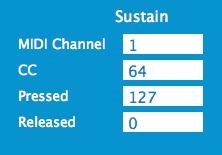
For players who need dynamic control rather than sustain, an expression pedal assigned through MIDI CC 66 for sostenuto, CC 67 for soft or una corda, or CC 64 for sustain, gives far more control than a switch.
Single pedal or a 3-pedal unit
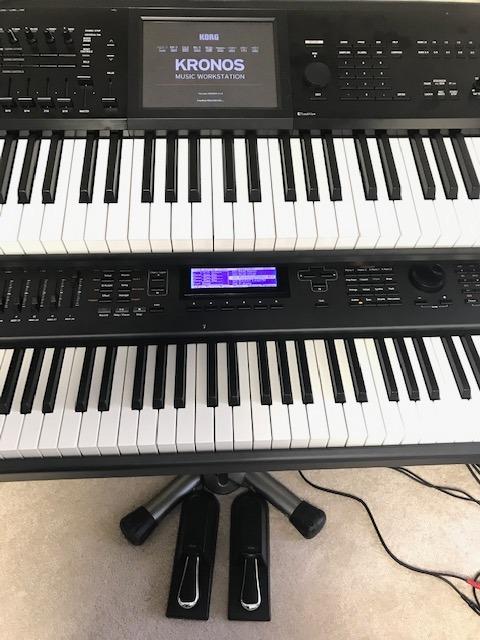
A single sustain pedal covers the majority of playing, and every player should start there. A three-pedal unit adds a soft or una corda function on one side and sostenuto on the other, which opens up classical technique and some organ and worship arrangements.
The catch is that three-pedal sets are usually tied to one manufacturer and often to specific models, sometimes requiring matching furniture. Buy one only when you know your instrument supports all three functions, otherwise you are paying for two pedals your keyboard cannot read.
How to fix a sustain pedal that works backwards
If your notes sustain when your foot is not on the pedal, the pedal is outputting the opposite signal from what the instrument expects. Work through this in order.
First, check for a polarity switch on the pedal body. Most universal models have one on the underside or side, usually marked NO and NC, and flipping it resolves most cases immediately.
Second, if there is no switch, power the keyboard off with the pedal connected and restart it. Several instruments detect pedal polarity at boot and this forces a fresh read.
Third, check the instrument settings menu for a pedal type or polarity option, which many digital pianos expose under system settings rather than leaving it fixed.
Fourth, confirm the jack type. A 3.5mm pedal jack on the keyboard may need an adapter for a 1/4 inch plug, and an incorrect adapter is a common cause of inconsistent behaviour.
Fifth, test with a different keyboard if you have access to one. That tells you whether the fault is the pedal or the instrument, which saves a lot of guessing.
Cable length, base grip and build weight
Three physical details decide whether a pedal is pleasant to use daily. Cable length has to reach from your keyboard to where your foot naturally sits, and anything under six feet is tight for a digital piano sitting in a cabinet.
Base grip is what keeps the pedal where you put it. Rubber pads, silicone pads and nonslip feet all work, and they matter more on hardwood than on carpet. A pedal that creeps forward during a loud passage changes your leg position without you noticing.
Build weight runs from about 5 ounces to nearly 2 pounds, and heavier is generally better for feel but worse for portability. Very light pedals feel noticeably springy underfoot, while heavy ones give a more acoustic-like return stroke and stay planted better on hard floors.
Finally, remember that a wired pedal with a permanently attached cable is a different purchase from one you can re-cable. If you gig, a fixed cable is a potential failure point. If you play at one instrument, it is simpler and entirely adequate.
Frequently Asked Questions
What is the best piano foot pedal?
For most players, the M-AUDIO SP-2 is the best piano foot pedal. It combines a weighted chrome tread, a polarity switch that works with nearly any electronic keyboard, rubber grip pads and a 6 foot cable. Players on a Casio digital piano who want the heaviest feel may prefer the Casio SP-20 at 0.85 kg.
Can you use any sustain pedal on a keyboard?
You can use most 1/4 inch sustain pedals on most keyboards, but polarity is the deciding factor. Some instruments expect normally open and others normally closed. A pedal with a polarity switch works on both, while brand-specific pedals with fixed polarity are only safe on the instruments they were designed for. Check the manual for the expected signal first.
Is an expression pedal the same as a volume pedal?
A volume pedal is a specific use of an expression pedal. Both are continuous controllers that report a range of positions as you press, rather than a simple on and off. A volume pedal is usually preset to control output level, while an expression pedal can be assigned to any parameter the instrument allows, including modulation, pitch bend range or sustain depth.
Which piano pedal is most important?
The sustain pedal, also called the damper pedal, is by far the most important. It lets notes ring after you release the keys, which changes phrasing, voicing and dynamics more than any other control. The sostenuto pedal is next for classical players because it holds selected notes. The soft or una corda pedal is the least essential outside classical repertoire.
Why is my sustain pedal working backwards?
A reversed pedal means the instrument expects the opposite signal from what the pedal sends, so notes sustain when your foot is off it. Flip the polarity switch on the pedal body, usually marked NO and NC. If there is no switch, power the keyboard off with the pedal connected and restart it, since many instruments detect polarity at start up. Also confirm the jack type matches.
Can I use a sustain pedal as an expression pedal?
Not reliably. A sustain pedal is a switch, and an expression input expects a continuous signal across a resistance range, so a switch produces no usable range. Whether a given keyboard can map a sustain pedal to an expression function depends entirely on how that input is assigned in the instrument settings, and it is rarely a default behaviour.
Our Recommendation for 2026
If you want the best keyboard pedals that simply work with whatever instrument you own, start with the M-AUDIO SP-2. It is the pedal most buyers end up comparing against, its polarity switch removes the most common setup problem, and the weighted chrome tread feels closer to an acoustic instrument than anything lighter.
If the cable length is what is holding you back, the Donner DSP-001 gives you 63 inches of reach and a two year warranty at a step below. For the most substantial feel on a Casio instrument, the Casio SP-20 at 0.85 kg is hard to argue with. If you play classical repertoire and need sostenuto plus half-pedal control, the Yamaha LP1B is the only unit here that provides them, provided your instrument and furniture support it.
Whichever you choose, spend two minutes with the manual before you plug anything in, and check that the polarity switch is set before your first practice session. That single habit eliminates the majority of problems players run into with the best keyboard pedals in 2026.






Leave a Comment