
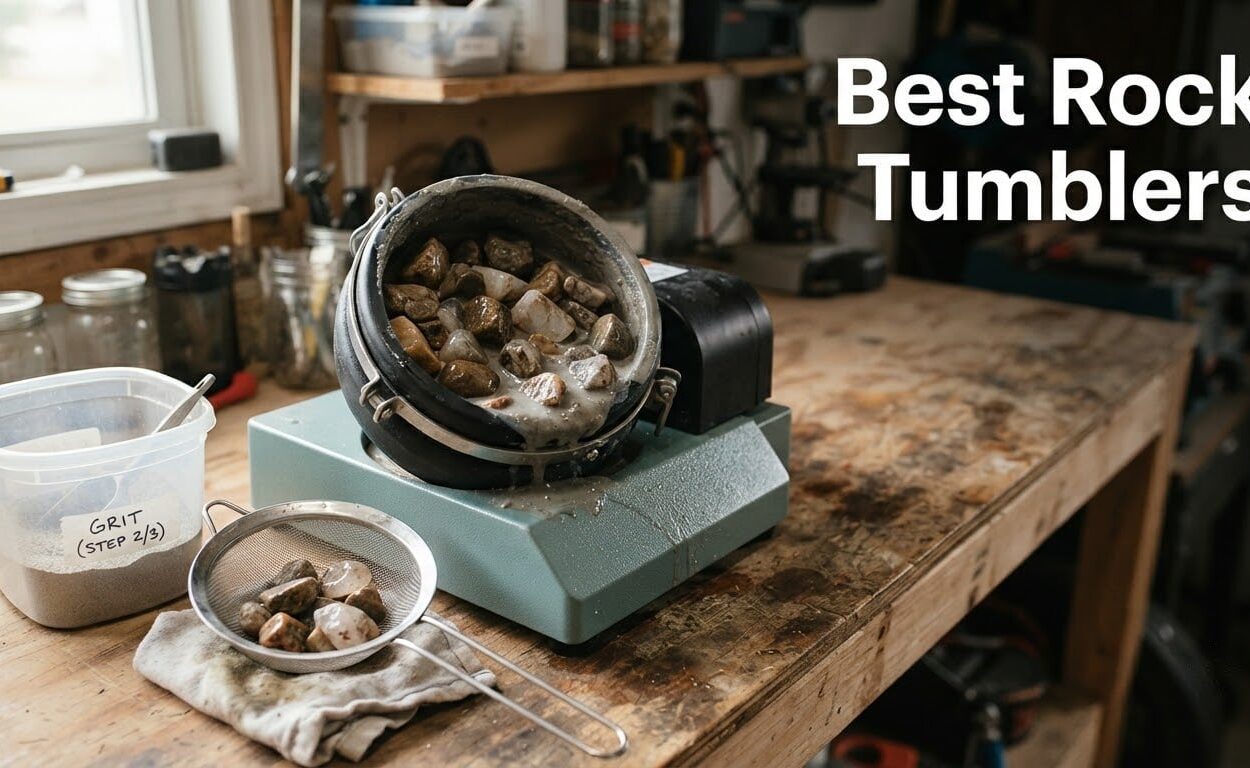
A rock tumbler is a motorized machine with a rotating barrel or a vibrating bowl that grinds rough stones against progressively finer grit and water, rounding off sharp edges and producing smooth, polished stones over a series of stages. It is the single most important purchase in the hobby, because the machine you choose sets your batch size, your cycle time and how much noise you have to live with for weeks at a time.
How it works is simpler than it sounds. You load rocks, grit and water into the barrel, close the leak-proof lid, and let the machine run. The grit acts as an abrasive, cutting the rough down through four stages: coarse silicon carbide, medium grit, a pre-polish, then a fine aluminum oxide polish. Because the grit itself breaks down as it works, you cannot skip stages and expect a mirror finish.
We compared ten machines across the full range of capacities and builds, checked the spec sheets against what owners actually report after finishing a batch, and read through thousands of buyer reviews to sort the durable machines from the disposable ones.
That matters more here than in most buying guides, because entry-level all-plastic kits routinely burn out under the near-continuous multi-day running that tumbling demands. A metal-framed machine with a replaceable rubber barrel is a different purchase entirely, and one that can stay in service for years.
One naming note before we start, since the word gets used loosely: a travel tumbler like the ones in our insulated tumbler guide keeps a drink cold, while a rock tumbler works rough stone into jewelry-grade stone. Readers who came here from our RC rock crawler guide have assumed the two are the same thing. They are not.
Rotary vs Vibratory Rock Tumblers: Which One Do You Actually Need?
A rotary tumbler turns a barrel slowly, usually 20 to 40 RPM, and the rocks cascade against each other like a miniature washing machine. A vibratory tumbler shakes a sealed bowl thousands of times per minute, so the media polishes the stone by abrasion rather than by impact. That one difference explains almost every practical distinction between them.
Rotary machines are the more forgiving first choice. You can fill a rotary barrel two-thirds full, mix a reasonably forgiving batch, and walk away for days. They shape and round aggressive rough well, which is exactly what you need in stages 1 and 2 when silicon carbide is doing the cutting.
Vibratory machines produce a brighter, glassier finish that rotary barrels struggle to match, and they cut the pre-polish and polish stages down to roughly a day each instead of several. The trade-off is a steeper learning curve: different load levels, different media, and a bowl that scratches easily if you put coarse grit in it. Experienced owners on r/RockTumbling almost universally run both, using a rotary for stages 1 and 2 and a vibratory for stages 3 and 4, which roughly halves total cycle time.
If you can only buy one machine, buy a rotary. If you already tumble and want a faster, shinier finish, add a vibratory unit as a finisher.
Our Top 3 Rock Tumbler Picks for 2026
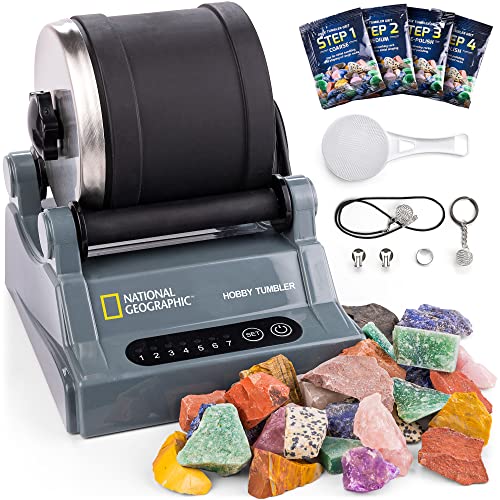
National Geographic Hobby Kit
- ✓One-touch timer with auto shutoff
- ✓Leakproof rubber barrel
- ✓Four grits plus sifter
- ✓Nine varieties of rough
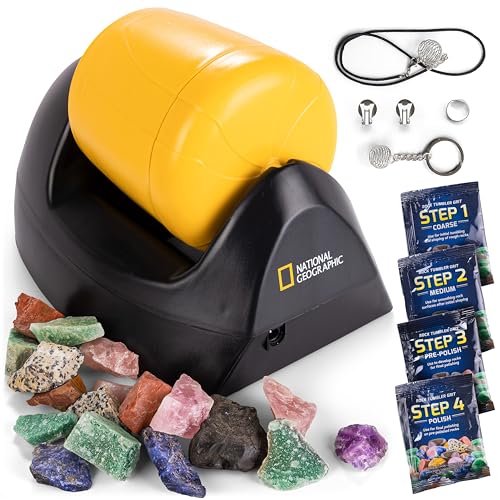
National Geographic Starter Kit
- ✓Leak-proof rubber-lined barrel
- ✓Four-stage grit
- ✓Half pound of rough
- ✓Five jewelry fastenings
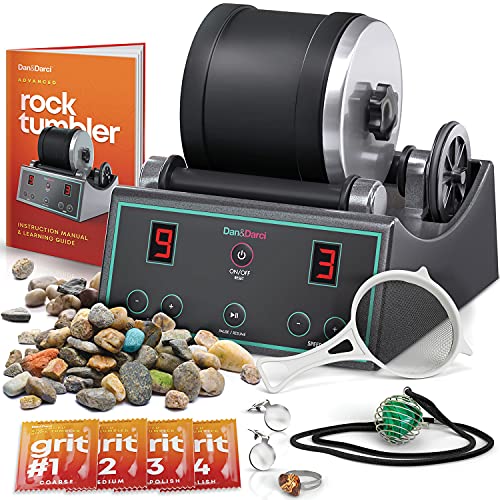
Dan and Darci Advanced Kit
- ✓Three speed settings
- ✓9-day digital timer
- ✓1 lb leak-resistant barrel
- ✓Spare motor belt
Every machine below earned its place on capacity, noise control, build quality and how owners describe results after a full cycle. The shortlist above is the fastest way to narrow your search; the table underneath covers all ten.
Comparing All 10 Rock Tumblers in 2026
| Product | Features | Action |
|---|---|---|
| National Geographic Hobby Rock Tumbler Kit |
|
Check Latest Price |
| National Geographic Starter Rock Tumbler Kit |
|
Check Latest Price |
| Dan and Darci Advanced Professional Rock Tumbler Kit |
|
Check Latest Price |
 KomeStone K1 Quiet Rock Tumbler Kit KomeStone K1 Quiet Rock Tumbler Kit |
|
Check Latest Price |
 KoolStone C1 2.5LB Rotary Rock Tumbler Kit KoolStone C1 2.5LB Rotary Rock Tumbler Kit |
|
Check Latest Price |
 Leegol Electric 3LB Single Drum Rock Tumbler Leegol Electric 3LB Single Drum Rock Tumbler |
|
Check Latest Price |
 KomeStone K2 3LB Brushless Rock Tumbler KomeStone K2 3LB Brushless Rock Tumbler |
|
Check Latest Price |
 National Geographic Ultra Quiet Rock Tumbler Kit National Geographic Ultra Quiet Rock Tumbler Kit |
|
Check Latest Price |
 Thumler Model B Heavy Duty 15LB Rock Tumbler Thumler Model B Heavy Duty 15LB Rock Tumbler |
|
Check Latest Price |
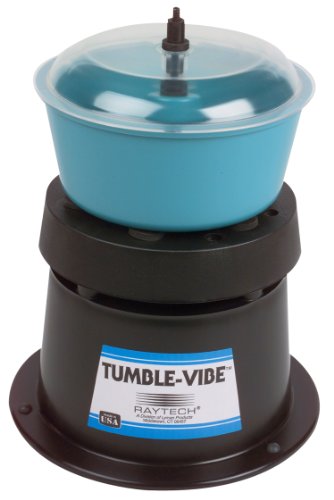 Raytech TV-5 Standard Vibratory Tumbler Raytech TV-5 Standard Vibratory Tumbler |
|
Check Latest Price |
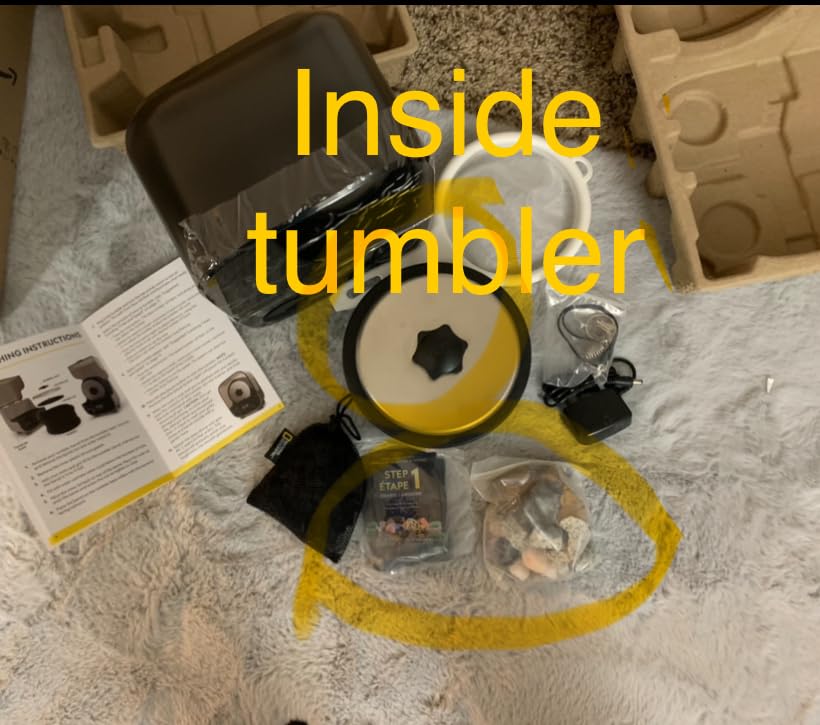
1. National Geographic Hobby Rock Tumbler Kit – Best Overall Starter with Serious Longevity
- ✓Near-instant setup with clear instructions
- ✓Quieter than comparable plastic-barrel tumblers
- ✓Leakproof barrel and a motor rated for years
- ✓Four grits plus sifter and nine rough types in one box
- ✓Strong customer service that replaced a faulty unit
- ✕Runs for days so it needs a dedicated room
- ✕Barrel holds about a third full for best results
- ✕Grit must be repurchased for later batches
- ✕Some users say the final polish stage falls short
One-touch timer with auto shutoff
Leakproof rubber barrel, 75 percent quieter than plastic
This is the machine we recommend to almost everyone who asks. It arrives as a single unit with no assembly, the instructions are genuinely readable by an adult working with an eight-year-old, and the first batch can start within ten minutes of opening the box.
What surprised us most is the barrel. It is a leak-proof rubber barrel rather than the thin plastic shell you find on entry kits, and the manufacturer claims it runs about 75 percent quieter than comparable plastic models. In practice it is not silent, but it is a machine you can run in a garage or a spare room without covering your ears.

The one-touch timer and automatic shutoff matter more than they sound. Rock tumbling runs in multi-day blocks, and a machine that keeps running after you have gone to bed wastes both grit and electricity. Setting the cycle length on a single control removes the temptation to come home and manually switch it off.
Owners consistently report mirror-shine results after a four to six week cycle, and review volume on this specific model runs into the tens of thousands, which means failure modes are well documented. The recurring praise is for setup simplicity and a barrel that does not leak. The recurring complaint is that the included grit covers roughly one cycle, so you are buying supplies before you have finished your first polish.
Why the one-touch timer matters for multi-day cycles
Four stages, each running several days, means a lot of unattended time. The automatic shutoff is what lets you set the machine going before work on a weekday and come back to a finished stage rather than to an over-ground batch.
The one-touch format is deliberately coarse. There are no speed settings and no stage programs to learn, which is a genuine advantage for a first machine and a limitation if you later want to slow the barrel down for a stubborn load.
Barrel capacity and how full you should actually load it
A frequent error with this kit is treating the barrel like a bin you fill to the top. Reviewers report the best results at roughly one third full, which looks wrong at first and leaves plenty of room for the rocks to cascade instead of grinding against the barrel wall.
Because the barrel is small, you will run more batches than you expect. That is fine for a first machine, where you are learning what a stage should look like, but it is the reason many owners upgrade to a 2.5 or 3 pound barrel after a few months.
The included grit covers about one cycle
Four grits and a sifter come in the box, along with nine varieties of rough. That is enough to complete a full four-stage run on the included stones and then not much more.
Running a stage with grit that has turned to sludge produces dull, scratched stones, and beginners usually blame the machine for it.
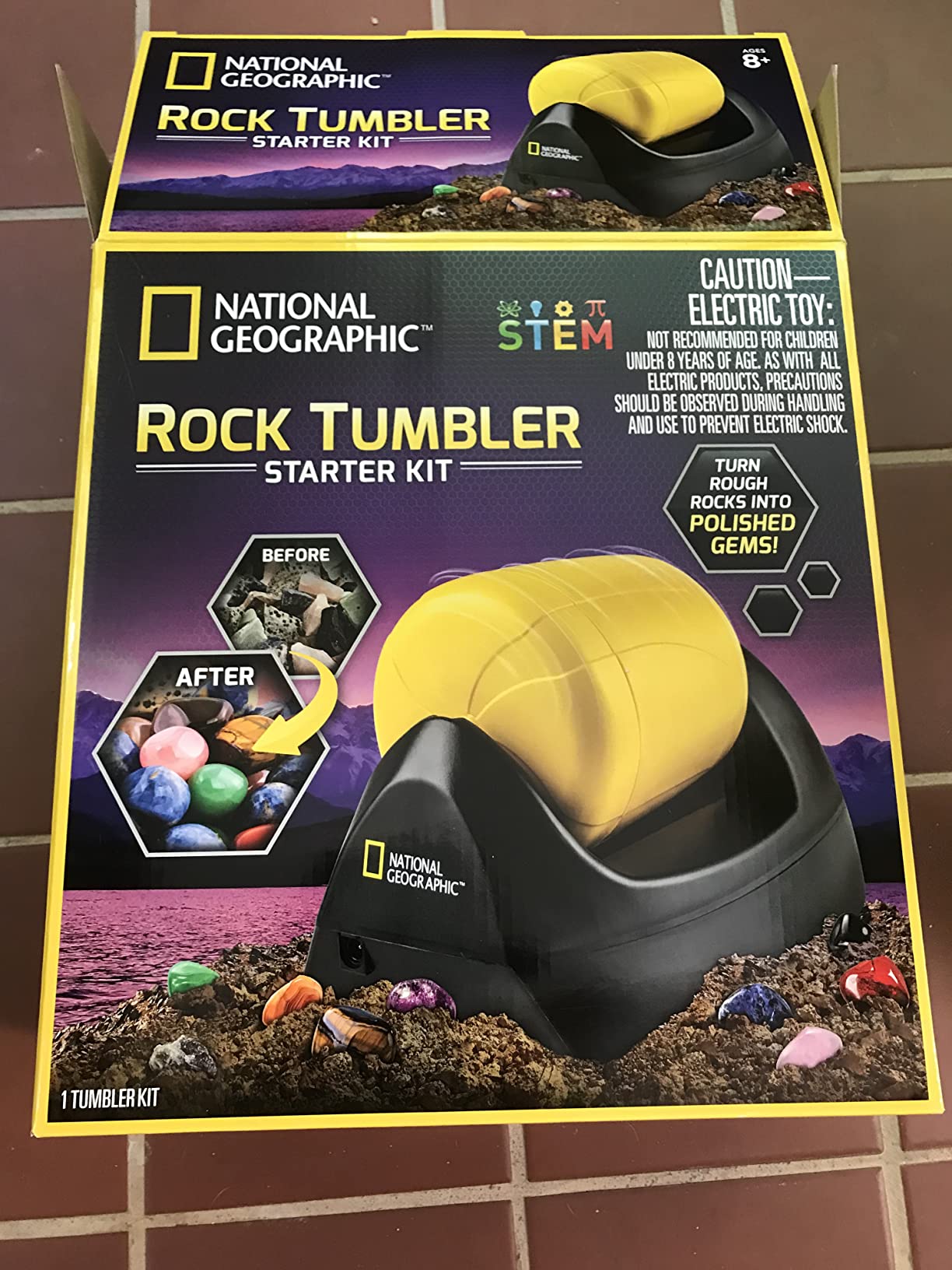
2. National Geographic Starter Rock Tumbler Kit – Best Budget Pick for a First Batch
- ✓Complete first cycle in a single box
- ✓Leak-proof rubber lining keeps the mess contained
- ✓One box includes stones
- ✓grit and jewelry findings
- ✓Clear step-by-step learning guide
- ✕Small barrel limits each batch
- ✕Only half a pound of rough included
- ✕Grit supplies are limited and need replenishing
Leak-proof rubber-lined barrel
Four-stage grit included
Half pound of rough
If the goal is a complete first cycle on a tight budget, this is the one. Everything you need to go from rough stone to a drilled pendant is in the box, including five jewelry fastenings, which is a detail most kits at this level skip.
The batch size is small and the included quantity of rough is half a pound, so this machine is built for learning rather than throughput. That is a fair trade for a first purchase, and plenty of owners use it as a second machine later on for small jewelry batches.
The rubber lining on the barrel does the same job it does on the larger kit: it quiets the drum and stops grit slurry from escaping at the lid seam. Buyers call it quiet for its size, which is fair, since it is still a machine running for days.
About six percent of ratings are one star, and the complaints cluster around capacity and refill costs rather than failures. If you have a rock hounding haul coming, this is the wrong machine. If you want to finish one batch and see whether you enjoy the hobby, it is exactly right.
What half a pound of rough actually gets you
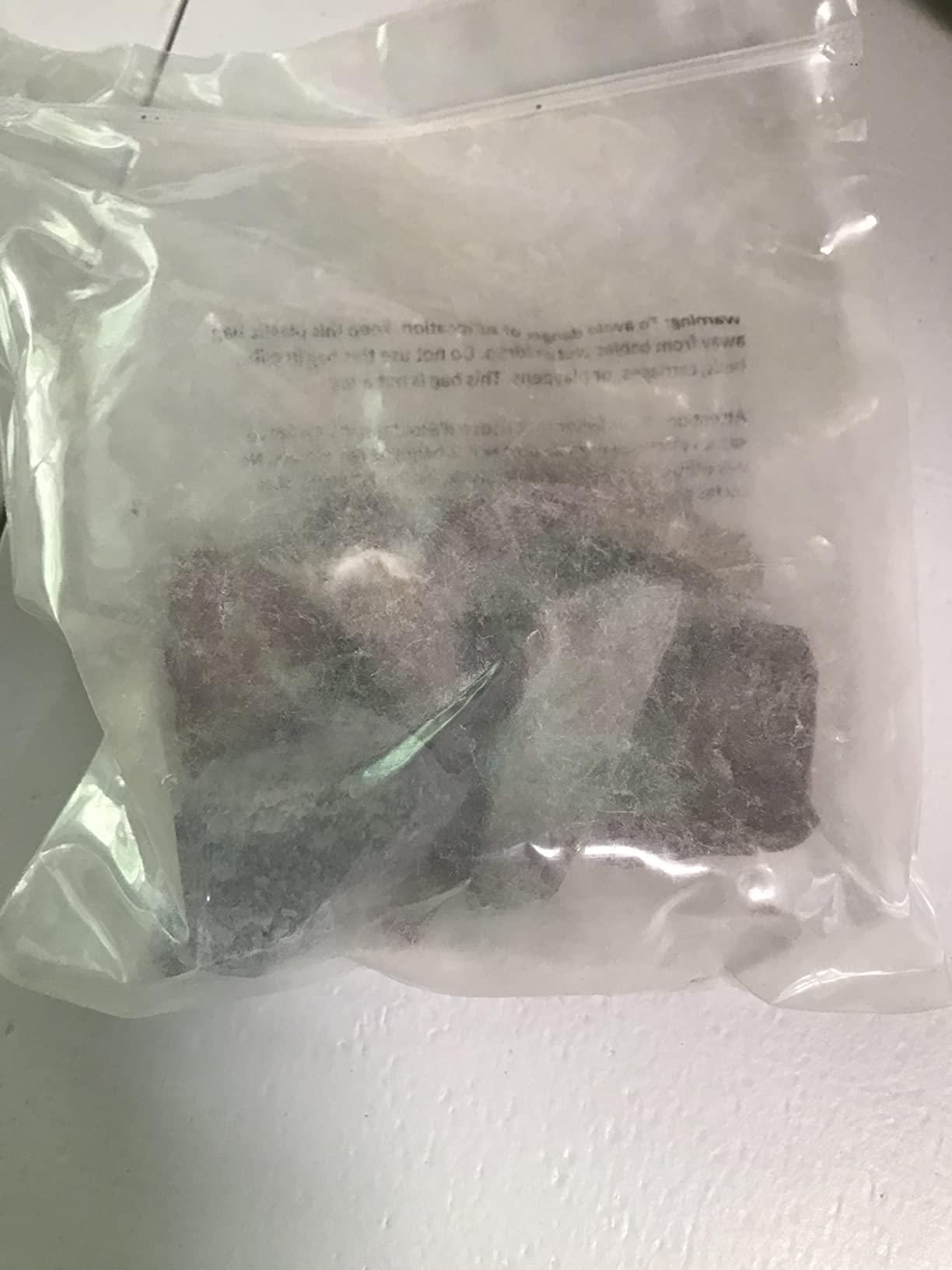
Half a pound across nine mineral types is enough for roughly one full four-stage cycle with a modest leftover. The stones are small on average, which suits a small barrel and produces jewelry-scale results rather than paperweight-scale ones.
Because the rough is varied rather than graded, expect a spread of outcomes from the first run. Some stones will take a polish readily; a few softer pieces will come out dull, and that is normal rather than a machine fault.
When the small barrel becomes a limitation
The limit shows up the moment you try to process a real haul. A small barrel means more batches, more grit purchases and more clean-up cycles, and each one is a separate four-day commitment.
Owners who stay in the hobby usually upgrade once, not because the machine breaks but because they simply run out of barrel. Many keep this kit and buy a 2.5 pound machine alongside it.
Why the included jewelry findings matter
Five fastenings ship in the box, so you can finish stones into wearable pieces rather than just tumbling them for the sake of it. For a first machine aimed at kids and families, that immediate payoff is a large part of why the kit works so well.
It also gives you a clear finish line. A first cycle that ends in a finished pendant teaches the grit progression far better than one that ends with a bowl of grey stones.
3. Dan and Darci Advanced Professional Rock Tumbler Kit – Best for Speed and Timer Control
- ✓Speed control and multi-day timer both work reliably
- ✓Sturdy metal construction rather than plastic
- ✓Much quieter than most machines at this level
- ✓Includes a spare motor belt plus strainer and storage bag
- ✕Included grit quantity is far too small
- ✕Barrel runs fast even on the lowest setting
- ✕Lid seal rubber wears after a few batches
- ✕Customer service can be slow to respond
Three speed settings
9-day digital timer with auto shutoff
1 lb leak-resistant barrel
This is the first machine in our list where the frame is metal rather than plastic, and you feel the difference the moment you set it on a bench. It is also the rare kit that gives you real speed control, with three settings on an LCD next to a nine-day digital timer.
That combination is genuinely useful once you start tuning batches. Slow the barrel for large or fragile pieces and speed it up for pre-polish and polish, where the job is brightening rather than shaping.
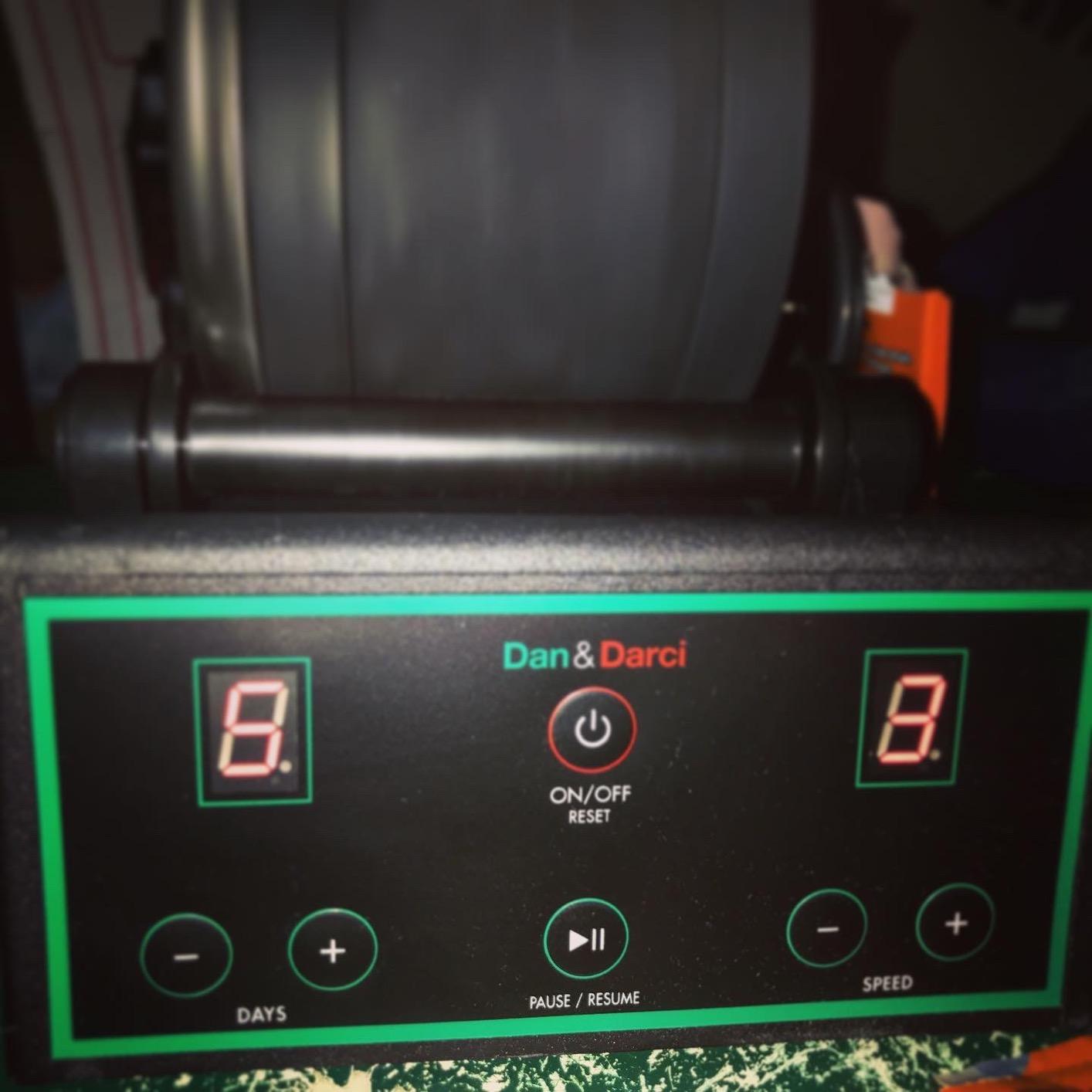
The grit quantity is the complaint that comes up most often across thousands of reviews. Owners finish their four packets early, under-polish, and only discover it in stage four. Treat the included grit as a demonstration and buy a proper supply before you start.
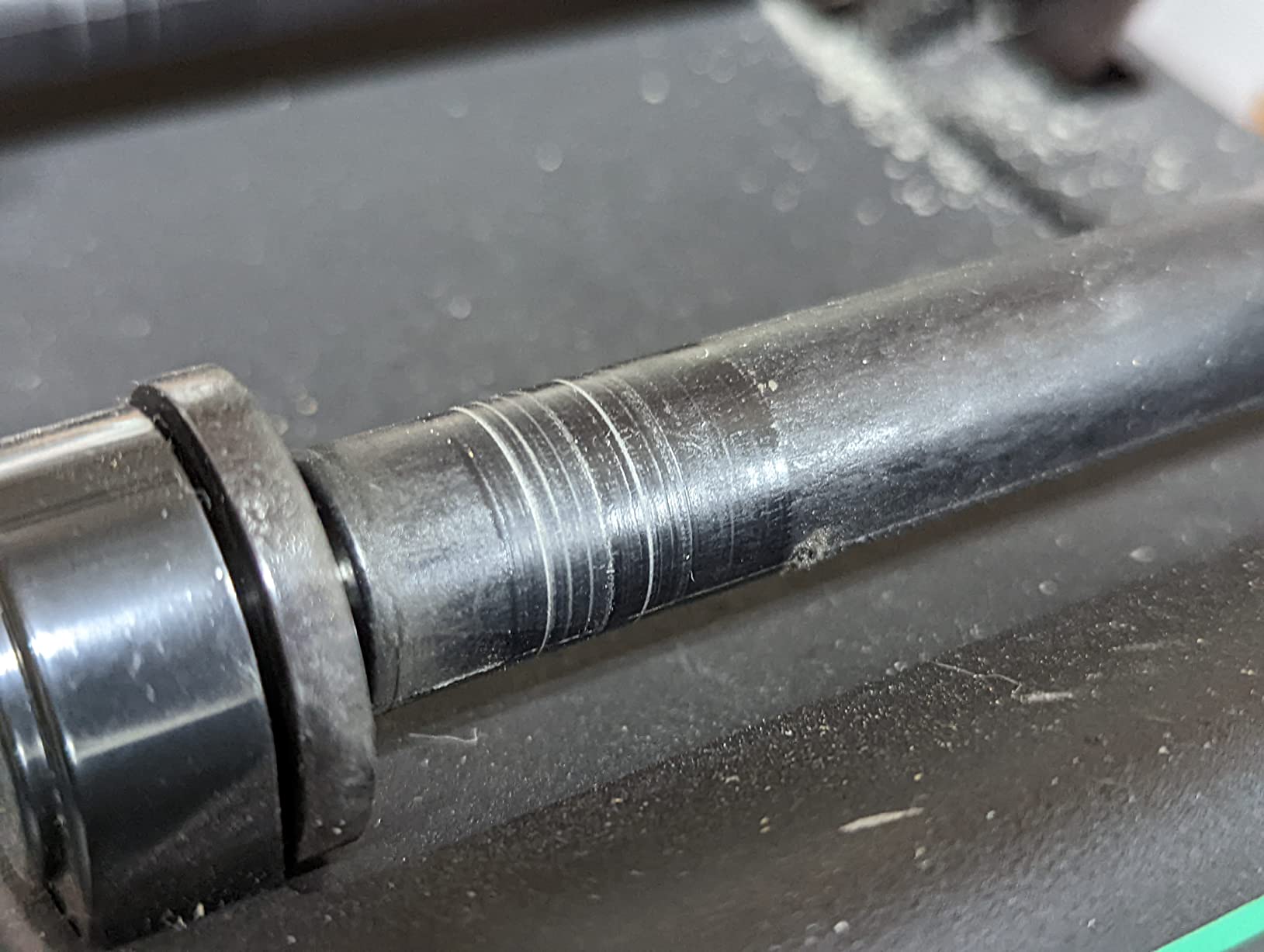
A second theme is barrel speed. Even the lowest setting spins quickly enough that large angular stones keep edges, which is fine for small jewelry-size rough and less so for chunky material. Several owners report the barrel running out of true after extended use, which wears the rollers and washers.
Three speeds versus a single setting
Speed control is the feature that separates this kit from the entry models. Slowing the drum is how you handle a batch with one stubborn stone in it, and it reduces the risk of a piece cracking from impact.
The trade-off is that the lowest setting is still fairly quick by rotary standards. If you are working with large rough and want a gentle shaping stage, be prepared to run shorter cycles rather than expecting a soft start.
Nine-day timer and what happens after a power cut
The timer programs in days rather than hours, which matches how long stages actually take. Automatic shutoff at the end of the programmed run is a genuine convenience when a stage finishes overnight.
Unlike the KomeStone and KoolStone machines further down this list, this one has no settings memory, so a power interruption during a multi-day stage means restarting that stage from zero. On a long stage that is a real loss of grit and time.
Metal frame, spare belt, and what wears first
The frame is metal, which is why this machine tends to survive multi-week continuous running better than plastic-bodied kits. A spare motor belt is included, and belt replacement is a routine repair on any belt-driven tumbler.
The parts that do wear are the lid seal rubber and the rollers under the barrel. Neither is catastrophic, and both eventually need replacing, but budget for a seal replacement if you plan to run several batches.
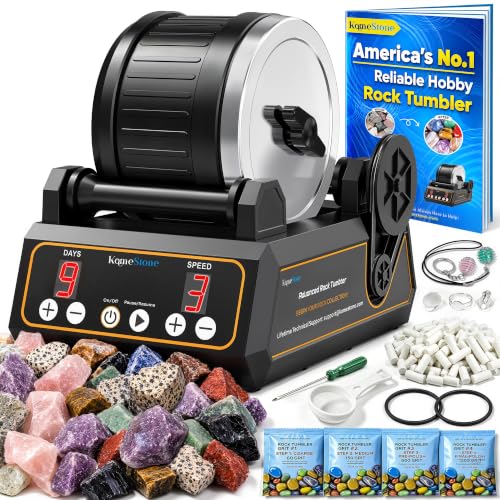
4. KomeStone K1 Quiet Rock Tumbler Kit – Best Step-Up Rotary with Power-Outage Memory
- ✓2.5 lb capacity cuts the number of batches needed
- ✓Thick rubber barrel is quieter than plastic barrels
- ✓Settings memory restores your cycle after a power interruption
- ✓Full accessory set plus separately sold replacement parts
- ✓Strong US-based support
- ✕Each polishing stage still takes several days
- ✕Grit and ceramic media must be replenished for every batch
2.5 lb thick rubber barrel
Three speeds and a 9-day timer
Settings memory
The KomeStone K1 is the machine we point people toward when they are stepping up from a plastic-bodied starter kit but are not ready to spend serious money. The jump from a one-pound barrel to 2.5 pounds is the change you notice first.
It is also one of only a few affordable machines here with a settings memory function. If the power cuts during a four-day stage, the control panel restores the programmed speed and remaining time rather than dumping you back to the start.

Long unattended runs are the norm in this hobby, so that memory function is not a gimmick. It converts the most frustrating failure mode of a budget tumbler, a timer that resets mid-cycle and costs you a stage of grit, into a non-event.
The box contains a pound of rough, four grit bags, ceramic pellets, a strainer, jewelry findings and two drive belts. The manufacturer also sells the motor, control panel, belt, barrel and a metal lid kit separately, which matters if you expect to own this machine for more than a couple of years.
Why 2.5 pounds is the sweet spot capacity
At 2.5 pounds the barrel runs roughly twice the volume of a typical starter kit while staying small enough to move between benches. For a household processing a few pounds of rough at a time, that is a meaningful reduction in how many separate four-stage cycles you have to run.
It also solves the common beginner mistake of overfilling. There is enough headroom to leave the stones room to cascade, which is what actually produces rounding rather than grinding.
Pause, resume and settings memory in real use
Pause and resume let you check the load without opening the machine and dumping grit slurry across the bench. It sounds minor until you have done it the hard way.
The memory function is the bigger deal. Multi-day stages and household power interruptions overlap more often than most buyers expect, and a machine that recovers keeps the cycle on track instead of restarting it.
Ceramic media and the final polish
Ceramic pellets are included alongside the grit, which makes a real difference at stage four. Media carries the polish evenly across the stone and resists the rounding-off that soft grit alone causes.
It is a consumable like grit, and reviewers flag the included quantity as small. Add it to your first-year supply list rather than assuming the box covers a full cycle.

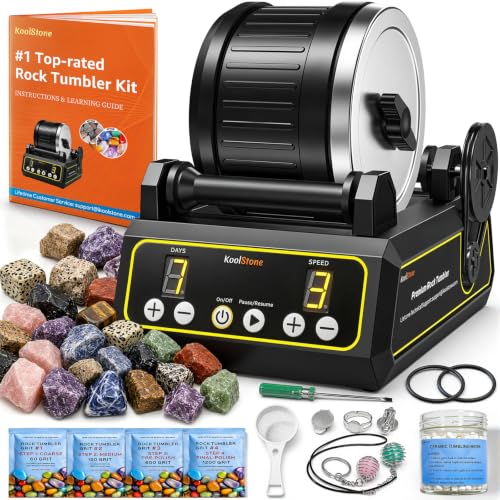
5. KoolStone C1 2.5LB Rotary Rock Tumbler Kit – Top Rated All-Rounder
- ✓2.5 lb capacity suits a genuine first serious machine
- ✓Thick rubber barrel noticeably quieter than plastic
- ✓Three spare drive belts cover years of wear
- ✓One-year warranty with a 90-day trial
- ✕Each polishing stage takes several days
- ✕Expect a multi-week wait before any polish
- ✕Grit and ceramic media are consumables
2.5 lb thick rubber barrel
Three speeds and a 9-day timer
Settings memory
The KoolStone C1 shares the same 2.5 pound capacity and control layout as the KomeStone K1 but dresses the barrel in stainless steel fittings, and it comes with three spare drive belts instead of two. Belt spares matter more than they sound, because the belt is the wear item you will replace most often.
Across its reviews, the message is consistent: this is a well-rounded first serious tumbler. No single feature sets it apart, but the balance of capacity, noise control and controls is hard to beat at this tier.
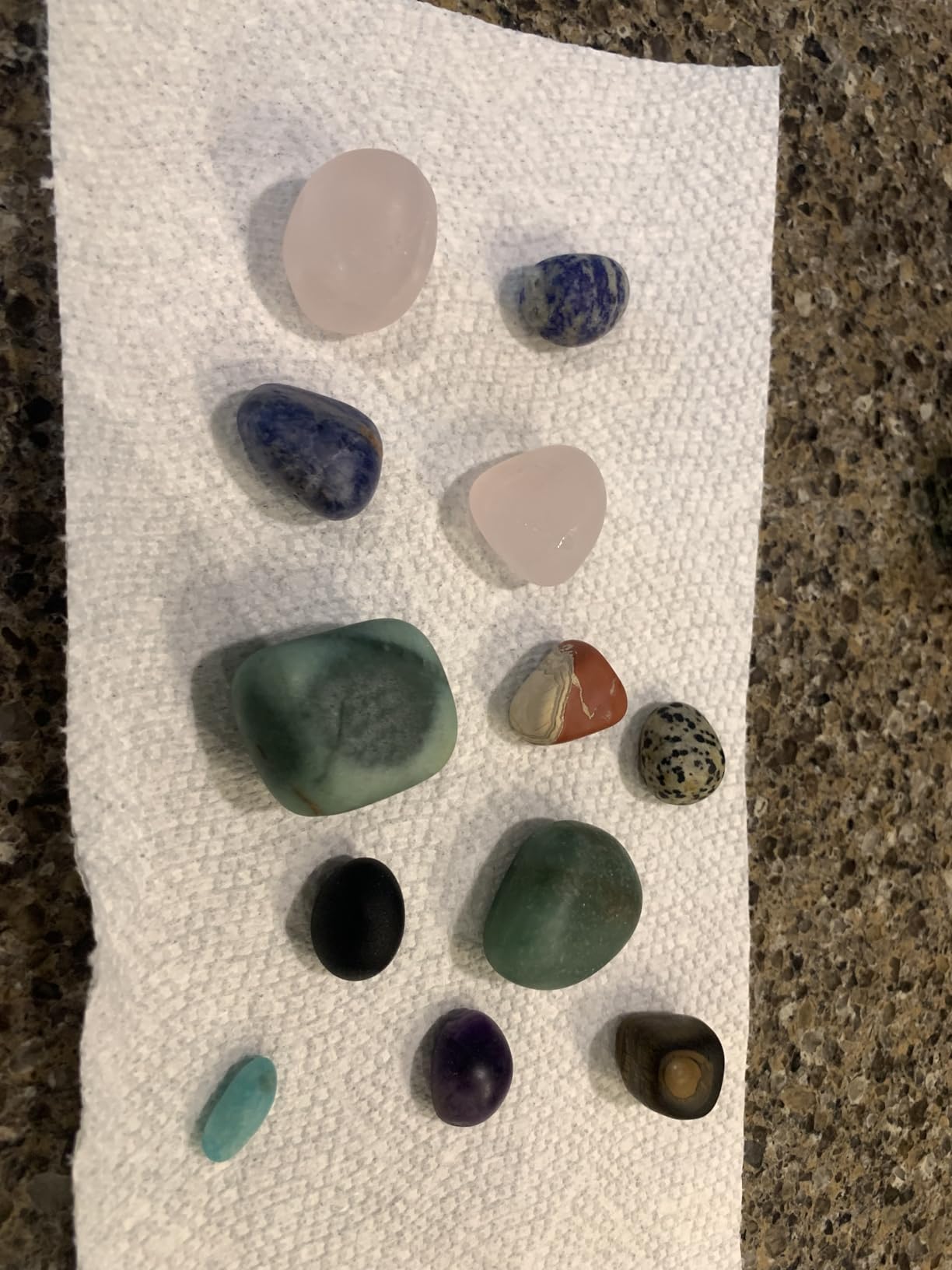
Reviewers repeatedly note the same caution. Finishing stones takes several weeks of continuous running, and people who expected a weekend project tend to be disappointed. Anyone who treats it as a slow craft rather than a quick gift tends to rate it highly.
That is worth saying plainly to anyone buying this for a child. The machine works well, but the payoff arrives a month later. Parents who set expectations that way report far better experiences than those who expected results in a few days.
Brushless versus brush variants in the same range
The manufacturer offers a brushless version of this machine alongside the brushed one. The brushless motor runs cooler and has fewer parts to wear, which matters on a machine designed to run nearly continuously for weeks.
If you are torn between the two, the brushless option is the better long-term buy. The brushed version is fine for learning and cheaper to replace when it eventually goes.
Three spare drive belts as a longevity feature
Belt-driven rotary tumblers need belt changes, and the interval depends on load and how long you run daily. Shipping three spares means you can cover years of service without ordering a single part.
This is one of those details that looks skippable and is not. A belt that snaps at hour sixty of a nine-day stage costs you a full stage of grit, and the spare lives in the box.
What the warranty actually covers
The warranty runs one year against manufacturer defects, with a 90-day trial period on top. That is stronger than the 90-day-only coverage many competing machines carry, and it is meaningful for a machine with a multi-week cycle.
It is still shorter than the coverage on the heavy steel machine later in this list, so if you intend to buy once and keep it for a decade, weight that difference in your decision.
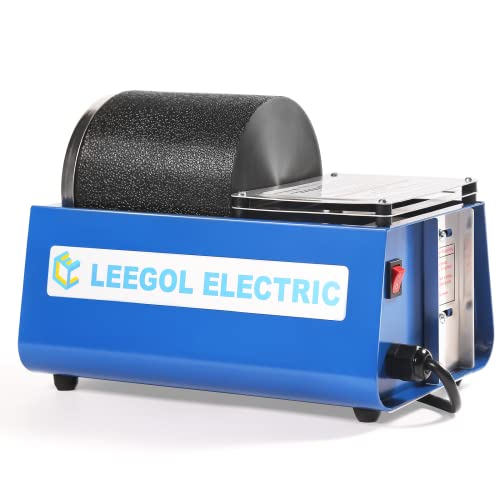
6. Leegol Electric 3LB Single Drum Rock Tumbler – Best for Large Batches on a Budget
- ✓Genuinely generous 3 lb capacity for the money
- ✓Rubber barrel reduces noise compared with plastic
- ✓Double stainless steel cover limits leaking
- ✓Five V-belts plus walnut shell media included
- ✕Lowest average rating among the ten machines here
- ✕Rough stones and polishing grit are not included
- ✕Compact cover needs a screwdriver to open
3 lb leak-proof rubber barrel
Double stainless steel cover
Five V-belts and shell media
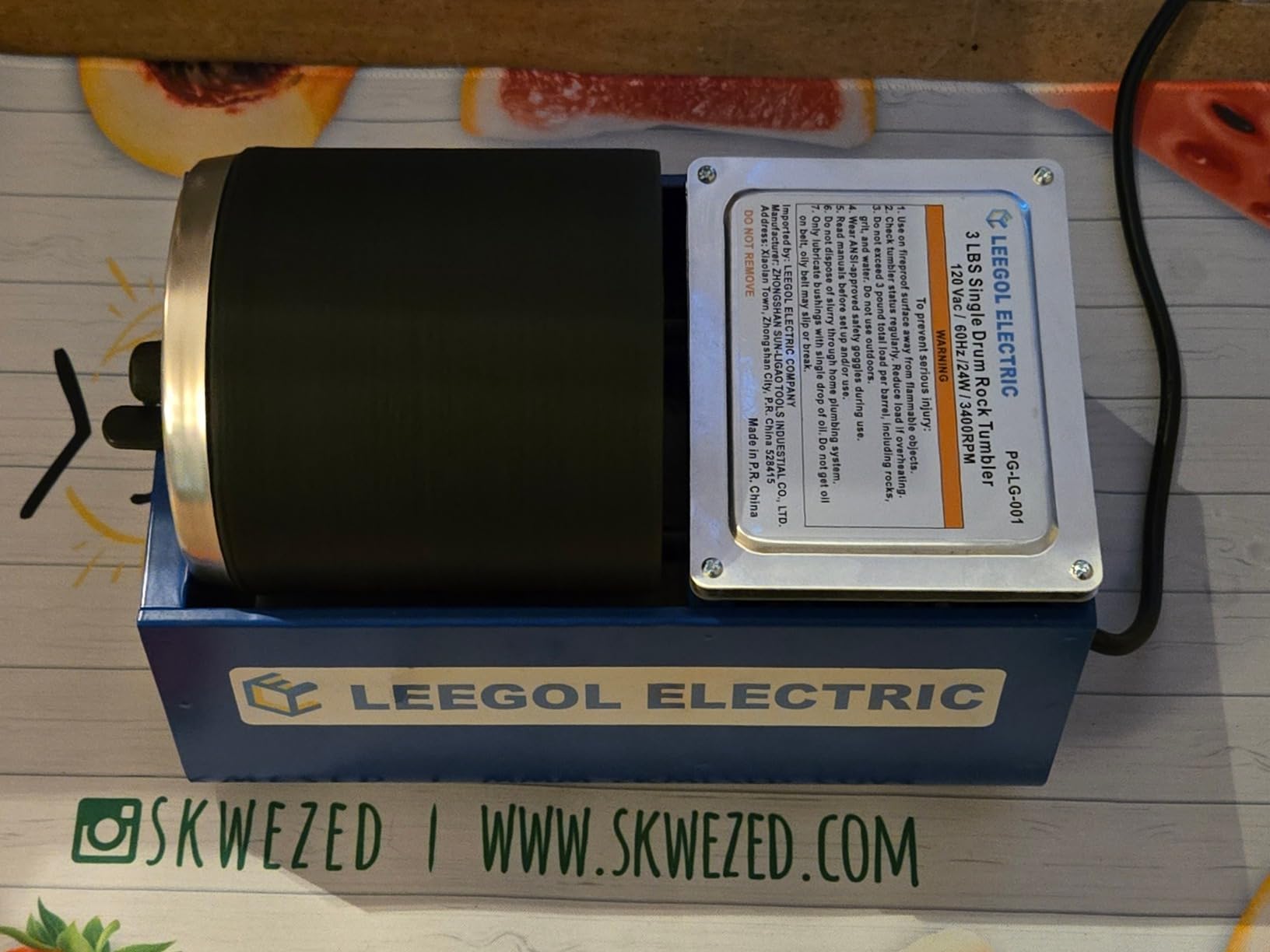
Capacity is the headline here. A 3 pound rubber-lined barrel sits at the lower end of the cost range for a drum this size, and if you are working through volume rather than single pieces, that arithmetic is hard to argue with.
The double stainless steel top cover is the design detail that matters most. It presses down around the barrel mouth, which is where leaks usually start on a rotary machine running wet grit for days.
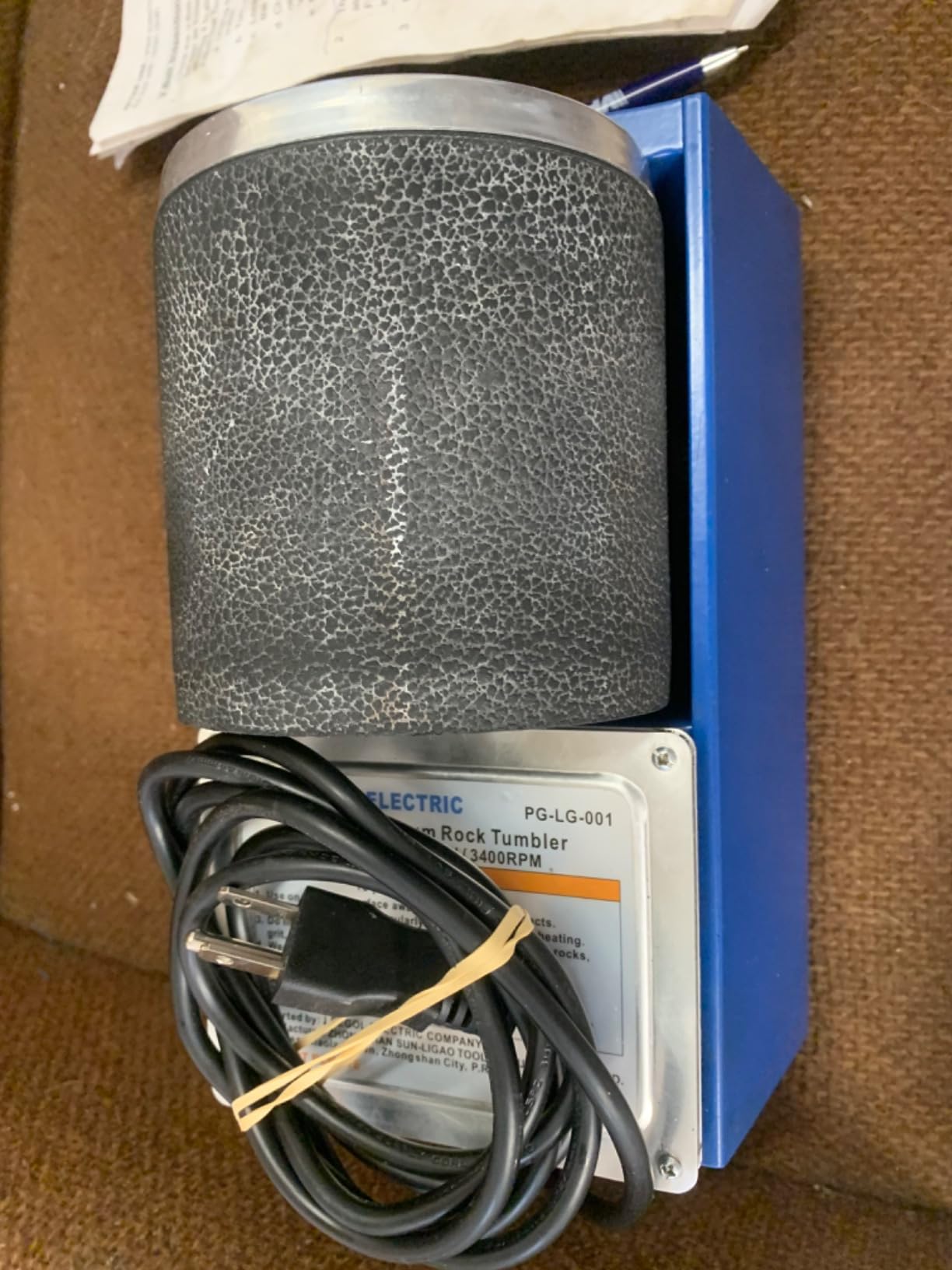
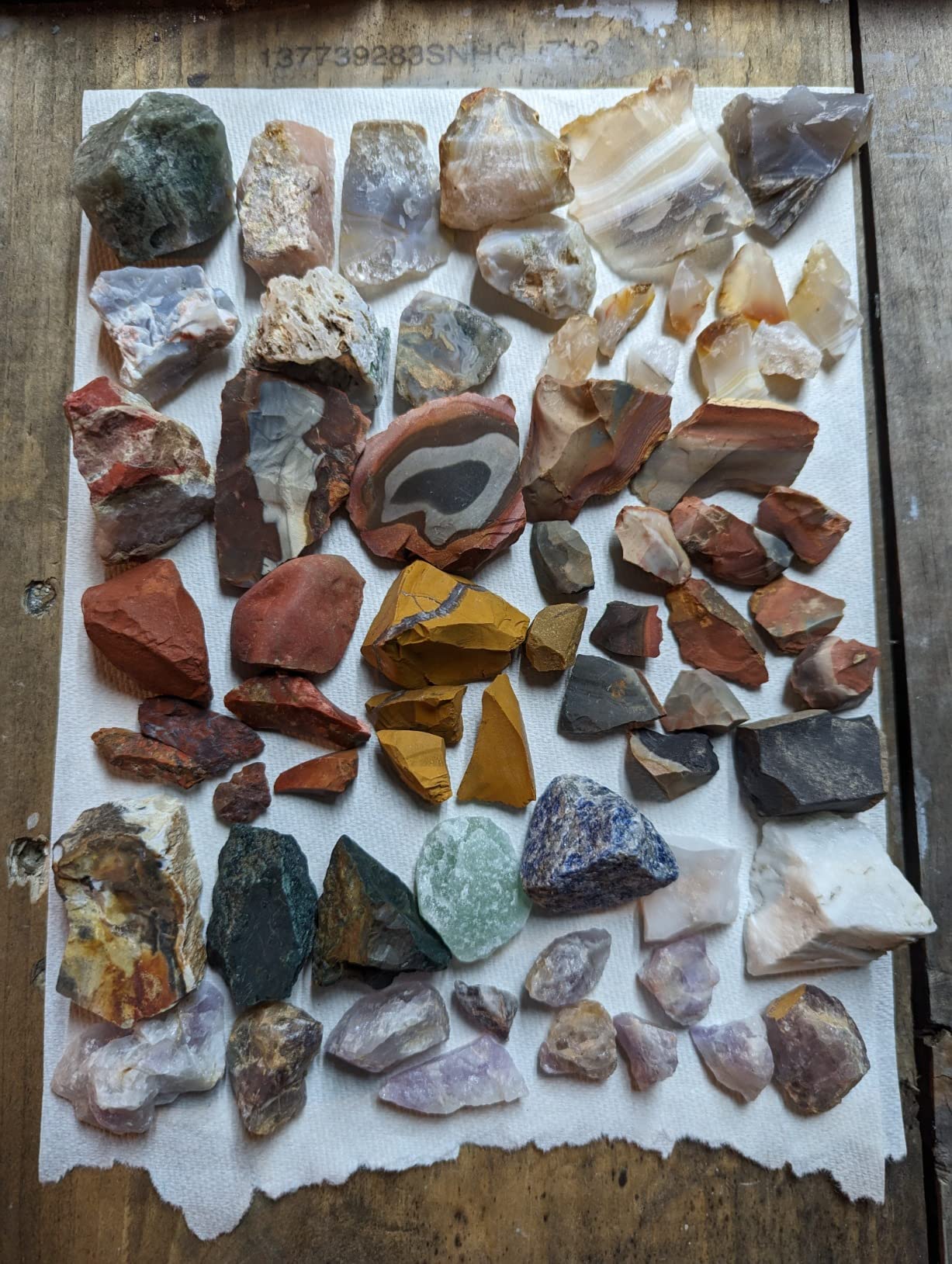
Be clear-eyed about what is not in the box. No rough stones, no polishing grit. You get walnut shell media and five V-belts, which covers media and maintenance but leaves the actual consumables you need for a cycle entirely to you.
That omission helps explain the 4.2 rating, the lowest average among the ten machines here. Buyers pick it on the sticker figure alone, discover they need to add stones and four grits on top, and leave lower ratings than the machine itself deserves. Budget for that before you order.
3 lb capacity versus a 2.5 lb barrel
Half a pound of extra volume sounds small until you run it repeatedly. On a large haul, the difference is one fewer four-stage cycle, and each cycle is roughly a month of running.
The barrel is also single-drum rather than dual. Dual-barrel machines let you run two batches at once, which is a genuine time saver if you have the floor space, and this one does not.
Why the top cover needs a screwdriver
The compact cover is tightened with a screw rather than a hand knob, which is why it seals so well. It also means you are reaching for a screwdriver every time you load a batch.
Owners with limited hand strength flag this as a real inconvenience, and it is a fair criticism on a machine that otherwise scores well. If tight lids are a problem, check that you are comfortable with it before buying.
Walnut shell media and what it is for
Walnut shell media is a graded cleaning compound rather than a polishing abrasive. It is not a substitute for grit, and it is not a stage in the four-stage progression.
It is useful for cleaning and for light finishing work on metal, so treat the included half pound as a bonus rather than part of your first cycle.
7. KomeStone K2 3LB Brushless Rock Tumbler – Best for Quiet Home Use
- ✓Brushless motor runs cooler and wears less
- ✓Covered barrel cuts noise and vibration noticeably
- ✓3 lb barrel holds far more than a small kit
- ✓Settings recall survives a power interruption
- ✓Fast no-questions-asked service on bearings and lids
- ✕Still makes real noise and wants its own room
- ✕Can transmit vibration into wooden floors
- ✕Included ceramic media quantity is small
3 lb rubber barrel with noise-reduction cover
Brushless motor
Three speeds and a 9-day timer
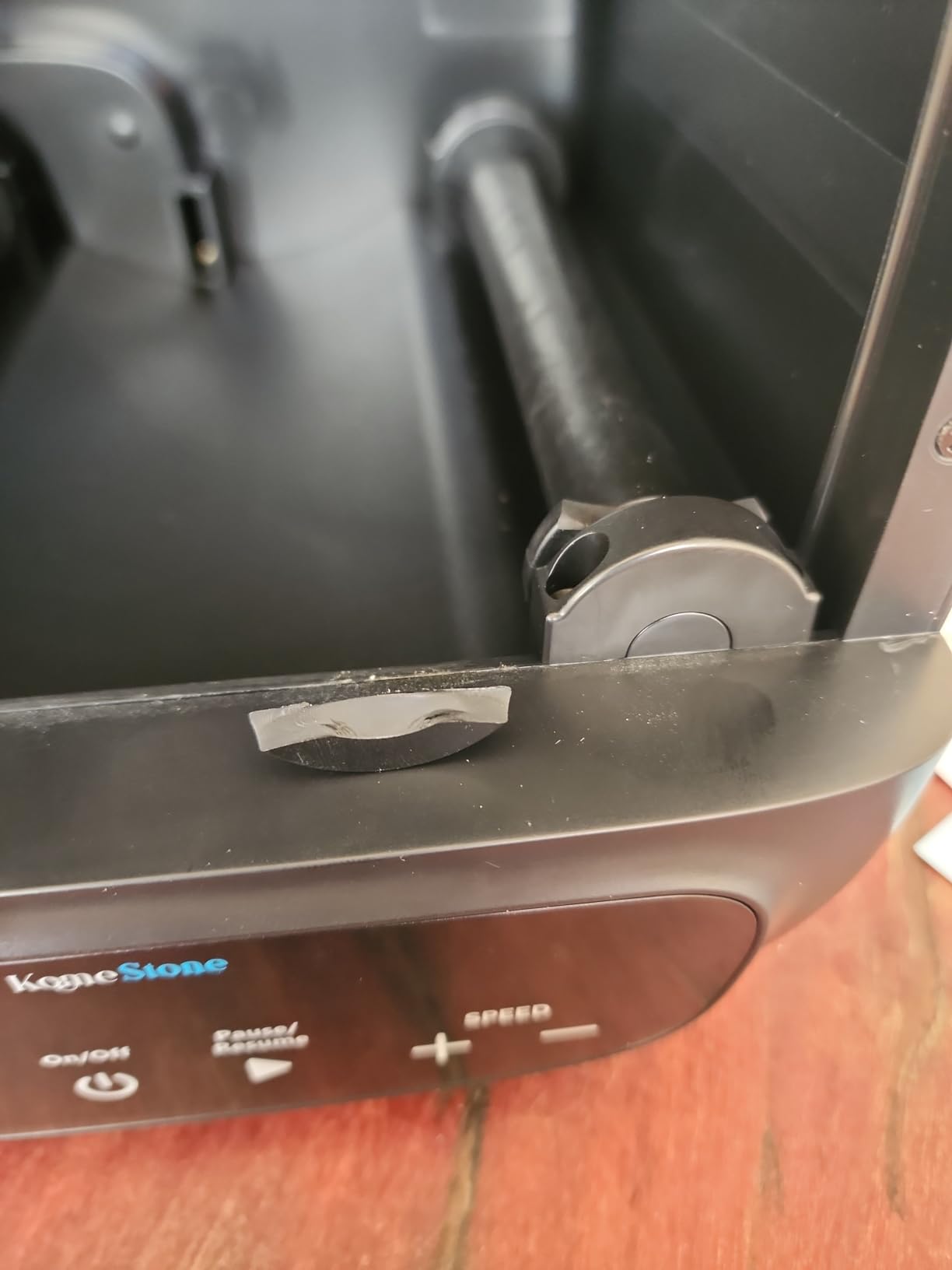
This is the machine for anyone whose objection to tumbling is the noise. The barrel is wrapped by a noise-reduction cover that seals around the drum, and the motor inside is brushless, so there is no carbon brush rubbing away at the shaft for the whole cycle.
The cover does a second job that families appreciate: it forms a barrier between a child and the rotating barrel. That makes this a reasonable choice for an eight-year-old, even though it sits at the pricier end of what we cover.

Owners rate the finish and the support highly, and several mention planning a move to an even larger machine. That is the profile of a machine that does what it says and lasts long enough to outgrow.
We want to be straight about one thing, because the marketing language oversells it. Owners still report real noise and still place it in a separate room. Ultra quiet is relative, and the improvement over a plastic barrel is genuine rather than absolute.
What a brushless motor actually buys you
A brushed motor works by rubbing carbon brushes against a commutator. Those brushes wear, they generate heat, and they are the first thing to fail on a machine that runs for days at a stretch. A brushless motor removes that wear point entirely.
On a hobby machine whose normal use pattern is continuous multi-day stages, that difference in expected lifespan is the whole reason to pay more here.
The noise-reduction cover and where to put the machine
The cover reduces both airborne noise and vibration, and the reviews describe it as the feature that makes indoor use practical. Vibration control matters as much as volume, especially on wooden floors.
Put it on a towel, a rubber mat or a resilient tile rather than bare hardwood, and keep it out of the room where you sleep or hold calls. It is among the quietest machines we cover, not a silent one.
Settings recall on a nine-day timer
Programming days rather than hours on a timer is the correct choice for this hobby, and pairing it with settings recall means a power interruption does not wipe a stage you have already paid grit for.
Several owners specifically call out fast replacement of bearings and lids. When a machine is designed to run near-continuously, knowing the parts are available and the service is responsive changes how long you keep it.
8. National Geographic Ultra Quiet Rock Tumbler Kit – Best for Gifting and Shared Spaces
- ✓Sound-dampening cover suits indoor and shared rooms
- ✓Day-and-hour timer plus three speeds for flexible staging
- ✓GemFoam step produces a brighter final finish
- ✓Complete kit with rocks
- ✓grit
- ✓findings and strainer
- ✕Higher cost than most hobby-grade kits we cover
- ✕2 lb barrel is small next to 3 lb machines
2 lb barrel with sound-dampening cover
Three speeds
Day and hour timer
GemFoam polish
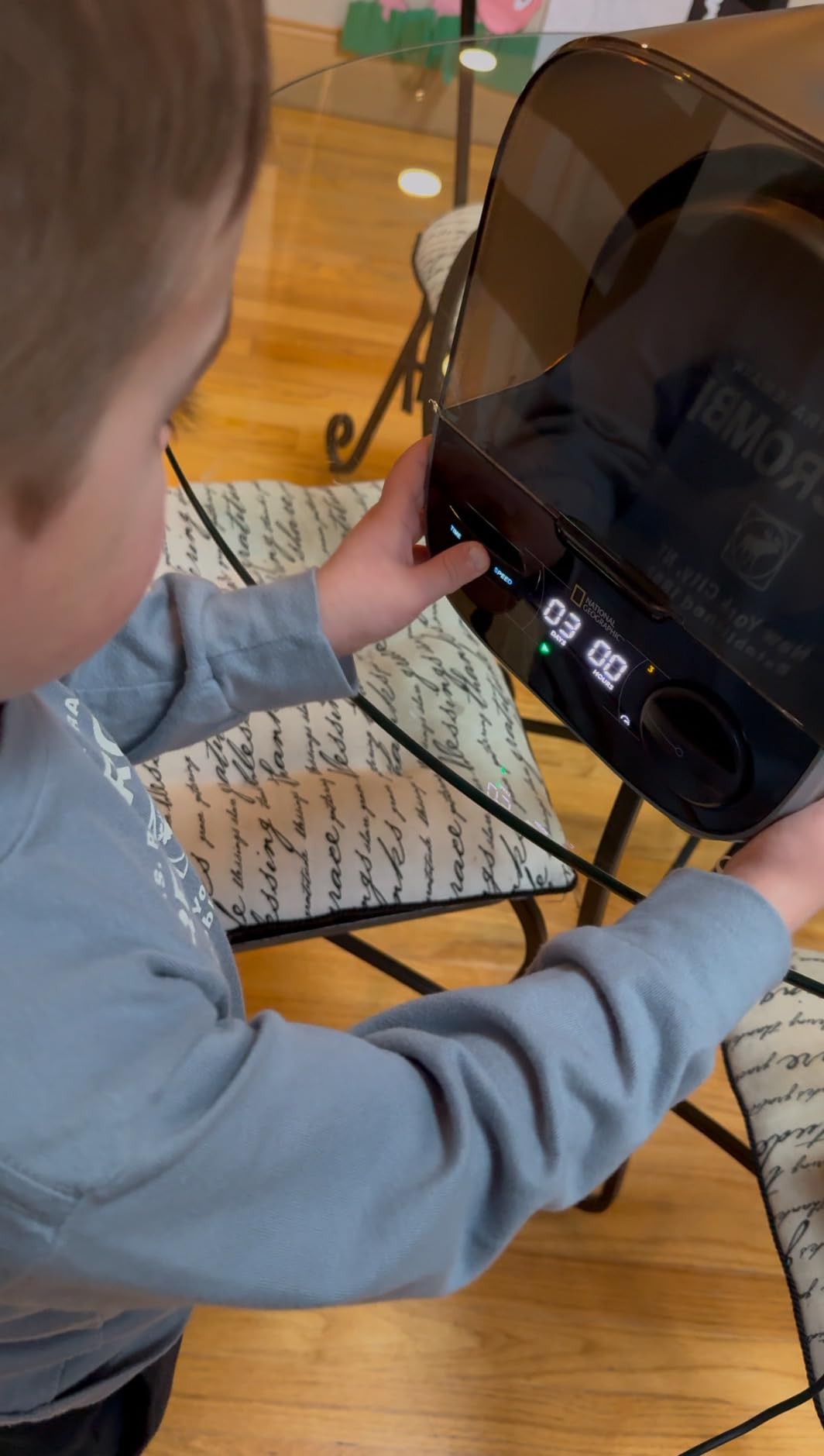
This is the gift. It arrives complete, the presentation matches the rest of the National Geographic line, and the added GemFoam polishing step gives a beginner a visible improvement in shine over the standard four-stage finish.
The sound-dampening cover is the reason it earns its place despite a lower average rating than the machines around it. A quiet machine is a machine you will actually start.
The trade-off owners accept is cost: this kit sits at the upper end of the range here. The 2 pound barrel is smaller than several 3 pound machines, so you are paying for the enclosure and the finish quality, not for capacity.
Buyers who reach for it usually already know they want indoor or shared-space tumbling. For that use it works well. For a garage with a big pile of rough, a larger barrel would serve better.
Day-and-hour timer control in practice
Three speeds and a timer that programs in both days and hours give you finer control than a day-only timer, which is useful when a pre-polish stage finishes in a day and a half and you do not want to commit a full extra day of grit.
The cover is the more important feature. Buyers single it out more often than the controls, which tells you where the value in this kit sits.
GemFoam as the final finishing step
GemFoam is a reusable foam polish used after the last tumbling stage. It is not a replacement for aluminum oxide polish, but it takes a well-prepolished stone and pushes the finish noticeably brighter in a short hand session.
That gives a beginner a satisfying end point. Rather than the stones coming out of the barrel and simply stopping, there is one last quick step that visibly improves them, which is a good argument for this kit as a present.
Setting expectations for a multi-week first project
The honest caveat for anyone gifting this is time. Four stages of multi-day running means a first result in roughly four to six weeks, and the biggest cause of disappointment in this hobby is expecting a weekend.
Pair the machine with a simple explanation of the stages and it becomes a genuinely good project rather than a toy that gets abandoned in month two.
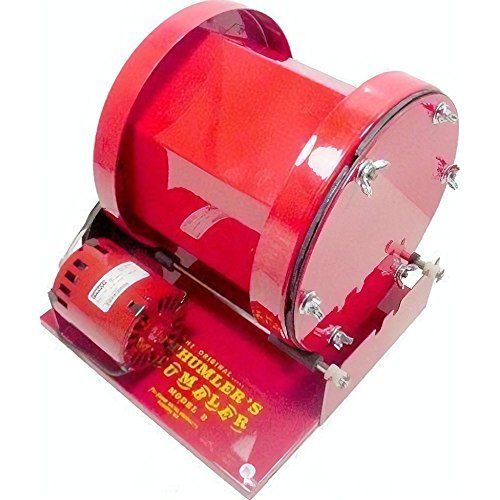
9. Thumler Model B Heavy Duty 15LB Rock Tumbler – Best for Big Rock Hounding Hauls
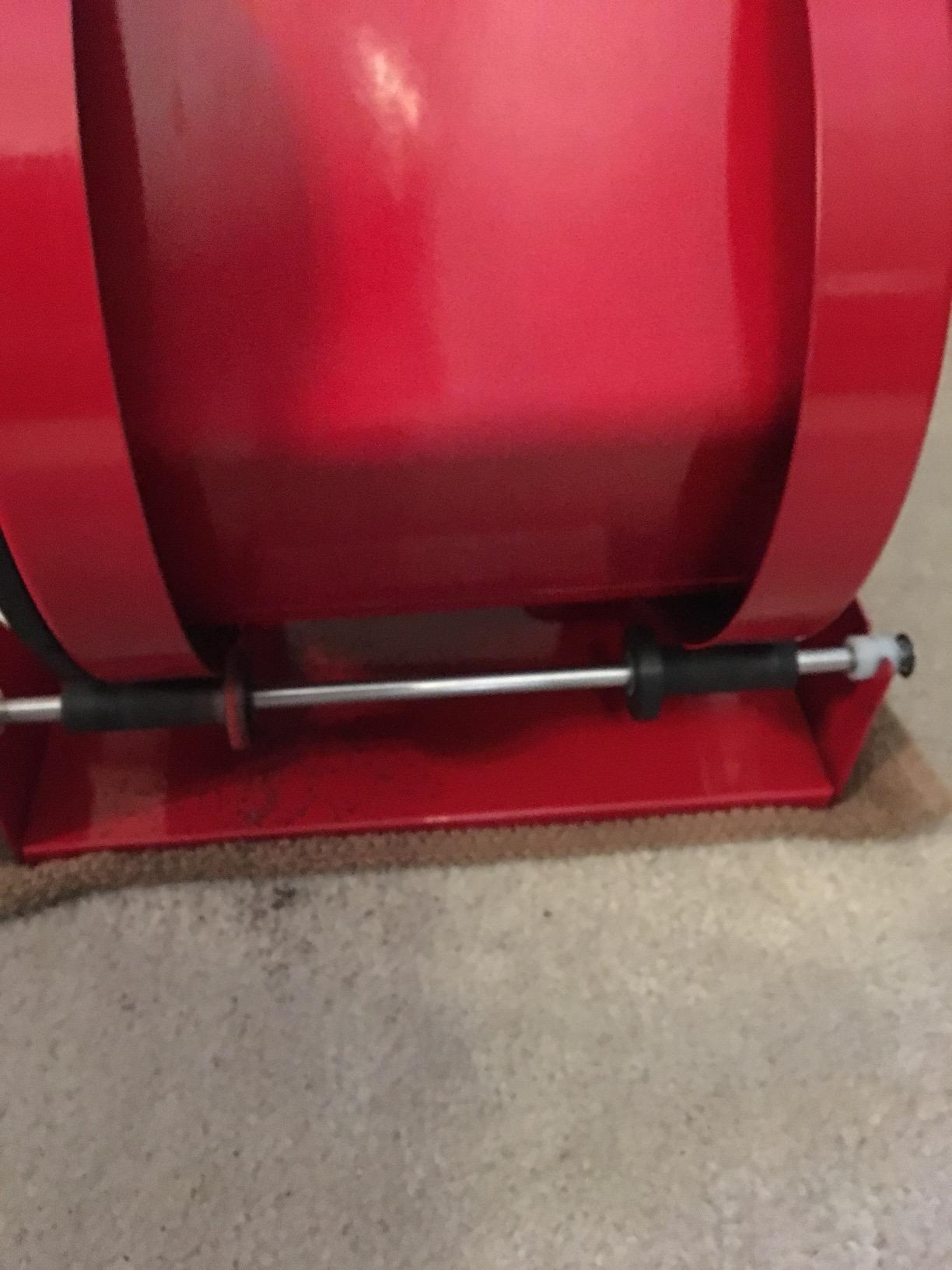
- ✓Heavy steel construction built for decades of service
- ✓Removable rubber liner cuts noise and is replaceable
- ✓Motor has the torque to drive a full heavy barrel
- ✓Drive belts are cheap and widely available
- ✓Rubber lining absorbs vibration for indoor use
- ✕Vibrates noticeably and wants a towel or soft mat
- ✕Lid uses wing nuts rather than thumb knobs
- ✕Moving parts still need replacing after years of constant use
- ✕Rotary barrel shapes better than it mirror-polishes
15 lb steel hex barrel with rubber liner
Fan-cooled 115V motor with overload protection
This is a different category of machine. A 15 pound steel hex barrel with a removable rubber liner holds far more than any of the kits above, and owners report units from decades ago still in service. On r/RockTumbling, Thumler is repeatedly named alongside Lortone as one of the two brands worth buying once.
The motor is fan-cooled with overload protection, which matters here because a full heavy barrel is the point of the machine and the reason an underpowered motor would fail.
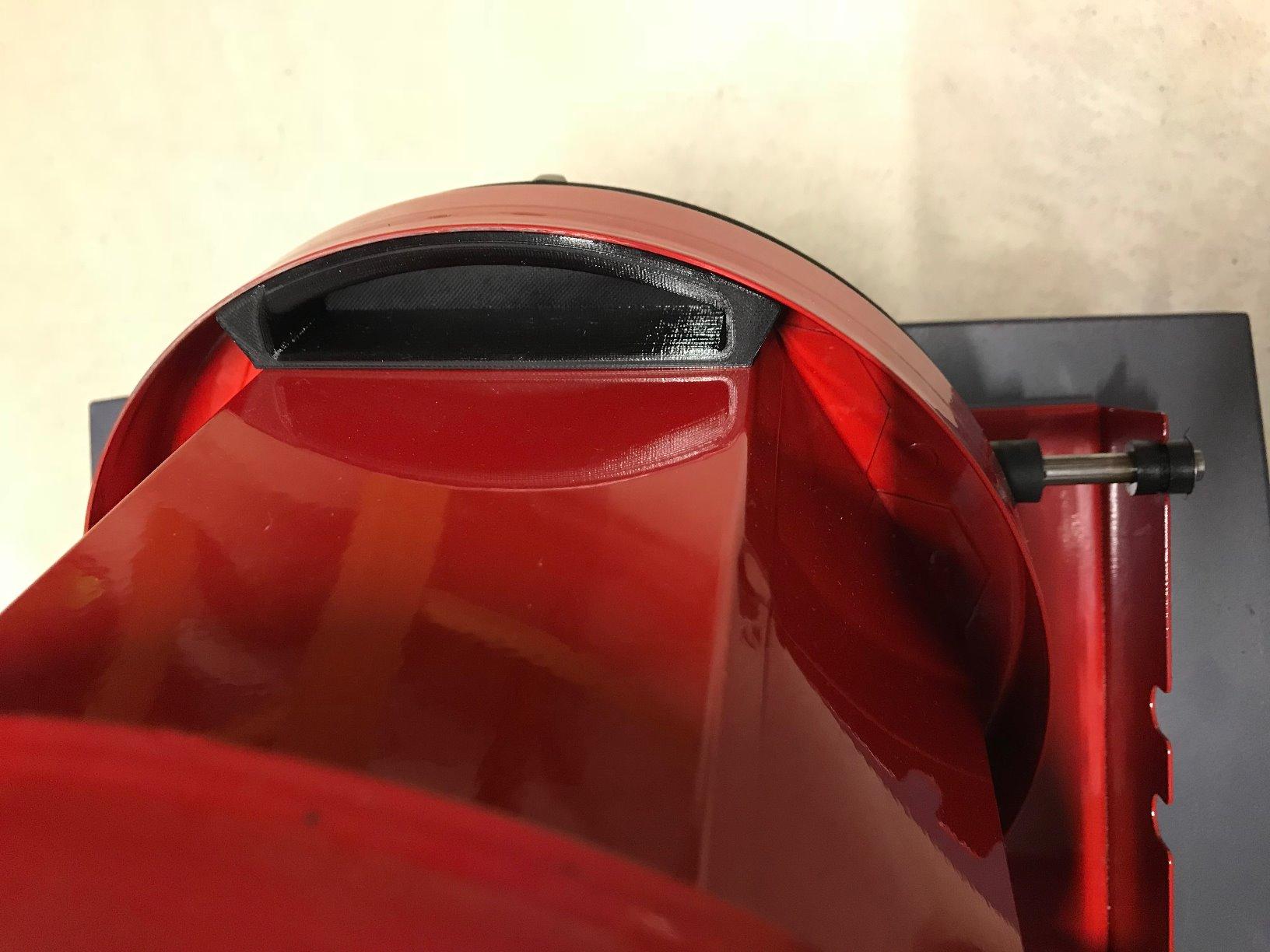
It also does more than rocks. The barrel is marketed for polished brass and other metals, which makes it useful for small workshop or classroom work beyond lapidary.
Repeated owner advice is that this rotary barrel is built for shaping and rounding, not for a mirror finish. If you want glassy polish, pair it with a vibratory machine like the next one rather than expecting this barrel to deliver it.
Why a steel hex barrel outlasts a plastic one
A steel hex shell with a removable rubber liner is mechanically stronger and vastly longer-lived than a moulded plastic barrel. The rubber does the quiet, absorbive work; the steel keeps the shape true under load year after year.
Because the liner is removable and replaceable, the noisy component can be renewed without replacing the whole barrel. That single design decision is most of the reason these machines are still running decades later.
Overload protection and torque on a full barrel
Fifteen pounds of rock and slurry is a heavy load, and cheap motors on full barrels are the main reason budget rotary machines burn out. This one is fan-cooled and has overload protection built in.
Owners consistently describe the motor as having ample torque. If you genuinely have hauls to process, this is the difference between a machine that copes with the load and one that eventually gives up.
Placement, vibration and the wing-nut lid
The rubber lining absorbs most of the vibration, which is why this machine can run indoors. Reviewers still recommend a towel or soft mat underneath, because a steel frame at fifteen pounds transmits more than a plastic one.
The lid uses wing nuts rather than knurled thumb nuts. It is a small thing, but on a heavy barrel you will be opening and closing it often, and the wing nuts are slower to work with than a thumb knob.
10. Raytech TV-5 Standard Vibratory Tumbler – Best Vibratory Finisher for a Mirror Shine
- ✓Produces a glassy shine that rotary barrels struggle to match
- ✓Clear lid lets you check the load mid-cycle
- ✓Compact cube is easy to move between benches
- ✓Handles finishing work and metal as well as rock
- ✕Noticeably loud
- ✕especially at start-up
- ✕Plastic bowl scratches if used for coarse stages
- ✕Lid can rattle loose during long runs
- ✕Tightening knobs lack grip
ABS plastic bowl, up to 4 lb of rock
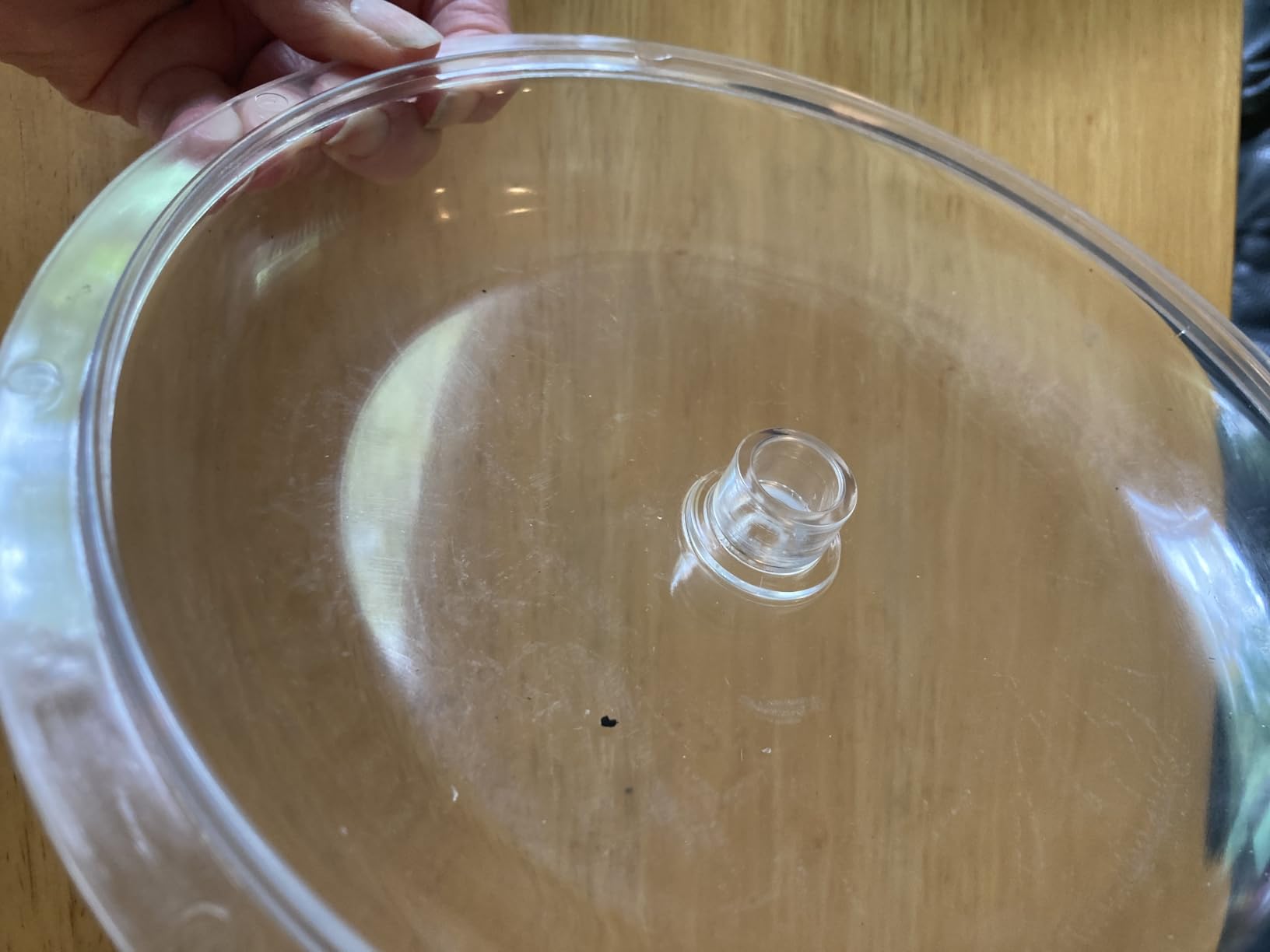
Clear acrylic viewing lid
115V vibratory motor
This is the finisher, and experienced owners are unambiguous about it. The TV-5 shortens the pre-polish and polish stages to roughly a day each and produces a mirror shine that a rotary barrel will not match, however long you run it.
Its place in this roundup is as a companion to a rotary machine, not a replacement for one. Keep a rotary for stages 1 and 2 and use this for stages 3 and 4, and your total cycle time drops sharply.
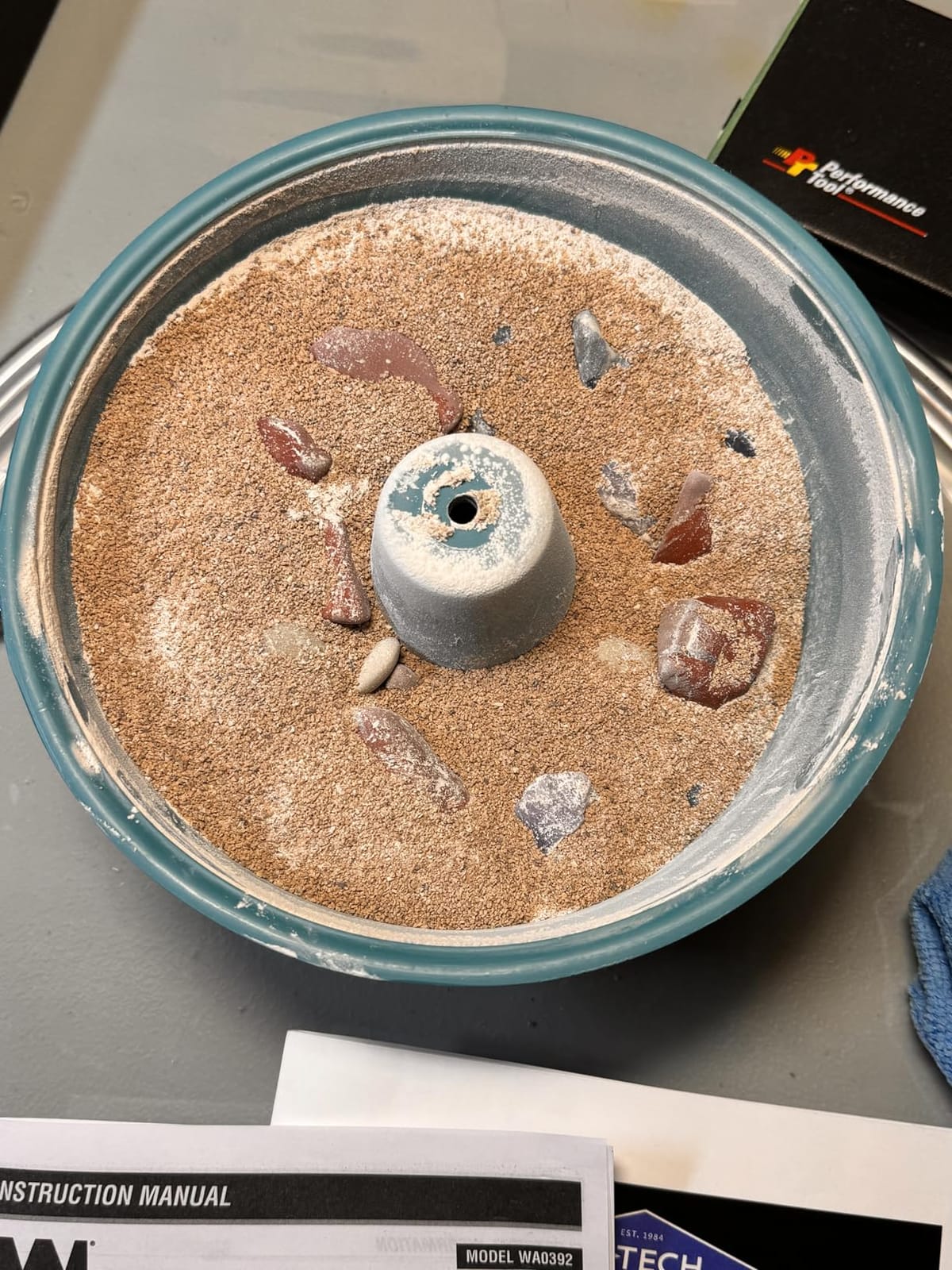
The advice from experienced users is consistent and worth following. Reserve it for late stages with ceramic media, and keep a separate bowl for polishing so coarse grit from earlier stages does not scratch the plastic or contaminate the finish.
It is also excellent on brass and other metal finishing, and the clear acrylic lid means you can watch the load without opening it and losing media across the bench.
Why vibratory beats rotary at stages 3 and 4
A rotary barrel works by impact and cascade, so some energy is always lost to the barrel wall and some stones simply ride rather than rub. Vibration presses media against every stone continuously, which is why the finish comes out brighter.
The same mechanism is why this machine is a poor choice for stage 1. Coarse silicon carbide will scratch an ABS plastic bowl permanently, and a scratched bowl will never produce a clean polish again.
Managing the noise honestly
Owners describe this as loud, particularly in the first few minutes as the load settles. Vibratory units move a lot of mass at high frequency, and there is no barrel liner to absorb anything.
Plan a dedicated room or workshop rather than a living space. A towel underneath helps with vibration transfer to floors, though it will do nothing for airborne noise.
Keeping the lid secure over long runs
The lid can rattle loose during an extended run, which on a vibratory machine means slurry escaping once the seal breaks. Several owners buy additional bowls and fit extra fastening.
The tightening knobs also lack grip, so check them after the first hour rather than trusting them to hold for a full day. Owners who do that report few problems.
Rock Tumbler Buying Guide: The Specs That Actually Matter
Pick your barrel capacity before anything else
Capacity is the decision that is hardest to change later, because a bigger barrel does not finish your current batch faster, it only lets you run more rock per cycle. Start with one pound if you are finishing jewelry-scale stones and just learning the stages. Move to 2.5 or 3 pounds if you want to process a few pounds at a time or run fewer multi-week cycles.
Go to 15 pounds only if you have hauls to work through or a classroom, workshop or small business feeding it. On r/RockTumbling, owners consistently say capacity is the thing they most wish they had bought larger at the start.
Whatever the size, fill the barrel to roughly two-thirds and never to the top. Rocks need room to cascade against each other, and an overfilled barrel grinds against the shell instead of producing rounded stones.
The capacity tiers above are where most buyers land. We would only move past 3 pounds with a real reason: a stream of rough arriving faster than one cycle can process it, or a second person who wants to run a separate batch at the same time.
Rubber barrels versus plastic, and where noise really comes from
Every quiet machine in the list uses a rubber or rubber-lined barrel, and the manufacturers make similar claims about how much quieter they are than plastic. The reason is straightforward: rubber absorbs impact energy that hard plastic reflects back as sound.
Noise is not only about volume, though. Vibration transferred into the floor structure is the part neighbours notice, and it travels through joists well beyond the room the machine is in. Put whatever you buy on a rubber mat, a towel or a resilient tile, and level it.
The other half of noise control is where you put the machine. A garage, basement or spare room works. A bedroom or a shared wall does not, regardless of how quiet the barrel is. Owners in apartments on r/RockTumbling converge on this same answer.
Brushed versus brushless motors
A brushed motor uses carbon brushes that rub against a commutator. Those brushes wear, produce heat and are usually the first failure on a machine that runs for days at a stretch. A brushless motor removes that wear point and runs cooler.
This is the clearest indicator of expected lifespan across this list. The machines with brushless motors are the ones more likely to still be running in five years, and some brands offer a brushless variant of an otherwise identical machine.
Timers, and whether the machine remembers
Look for a timer that programs in days, because a full four-stage cycle runs for weeks and an hour-only timer will not get you through a stage. Automatic shutoff at the end of the programmed run is worth having.
Settings memory is rarer and more valuable than most buyers realise. A power interruption during a four-day stage otherwise restarts the stage from zero, which wastes grit and days of running. The KomeStone K1, the KoolStone C1, the KomeStone K2 and the National Geographic Ultra Quiet all have some version of it.
Kit versus machine only
A kit includes rough stones, all four grit stages, a strainer and often jewelry findings. That is the right choice for a first machine, because starting from scratch means sourcing supplies from several places and learning the grit sizes before you understand why they matter.
Machine-only is better if you already have consumables or if you are buying bulk capacity for processing rough you have collected. The Leegol is the clearest example in the list, and its lower average rating comes from buyers who did not factor in the cost of adding stones and grit separately.
Which rocks tumble well and which to avoid
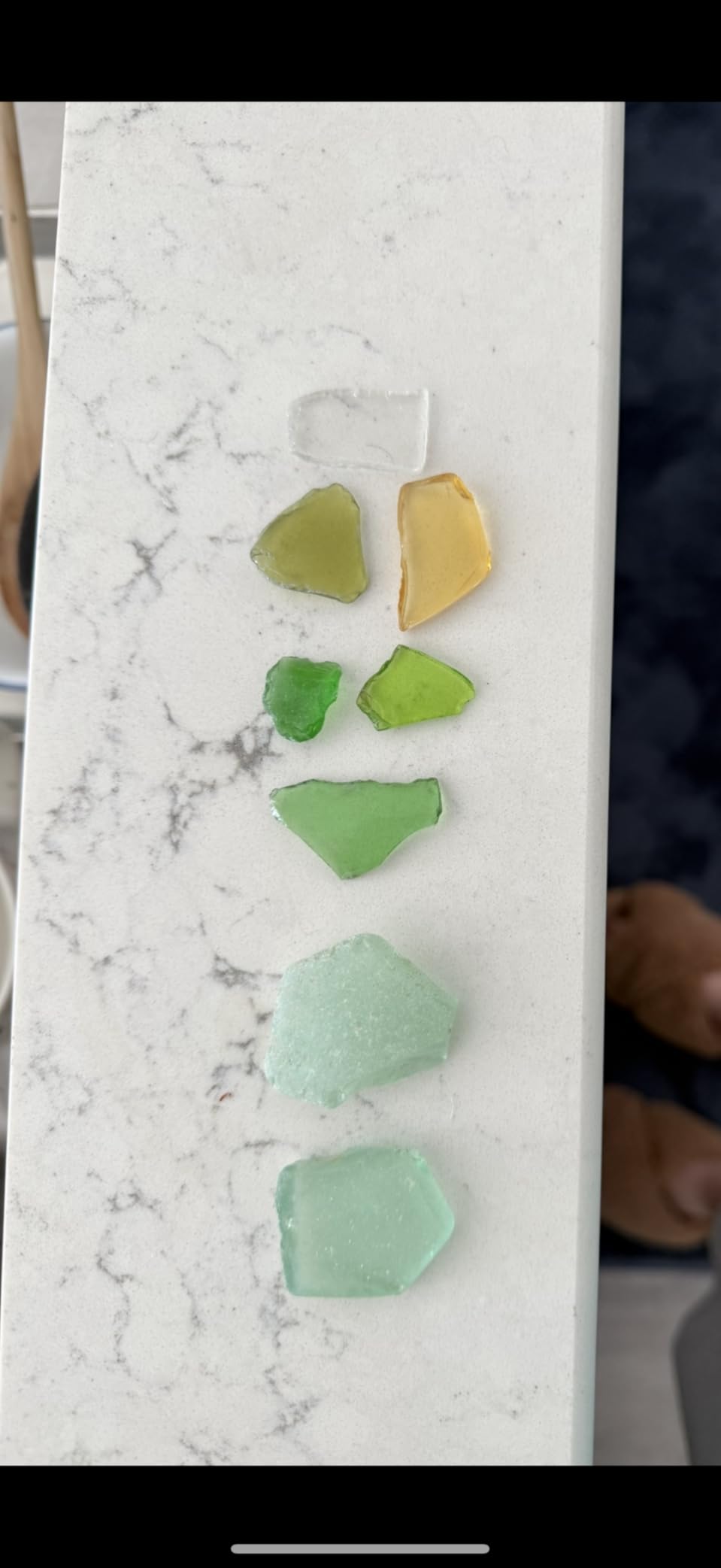
Good tumbling rough is hard enough to take a polish, meaning roughly Mohs 6 to 8. Agate, jasper, quartz in its many forms, aventurine, tiger eye, petrified wood and obsidian are all standard choices, and sea glass works well if you want frosted rather than glassy results.
Keep hardness consistent within a batch. A soft stone tumbling alongside a hard one ends up rounded while the hard stone still shows scratches, and beginners often blame the machine for this when it is really a sorting problem.
Size matters too. If you have a barrel under two cups, stick to rough between about 3/8 and 1 1/4 inches. Larger pieces need a bigger barrel to move properly, and they will sit still at the bottom.
Avoid anything fractured, hollow or full of voids. A rock with an internal crack will sometimes explode mid-stage and take a good portion of the batch with it, which is the most common way beginners lose a load.
The four-stage grit progression and what it costs in year one
Every machine on this list does the same job through the same four stages: coarse silicon carbide, typically 60/90 grit, then medium at 120/220, then a 500 grit pre-polish, then a fine aluminum oxide polish at 8000 or finer. You cannot skip a stage, because each one removes the scratches left by the last.
Plan your first-year consumables before you buy. You will need grit for every stage of every batch, and the kit quantities we see here typically cover one cycle at most. Add ceramic media or a foam polish for stage four, and a spare belt while you are ordering.
A final maintenance habit that costs nothing: lubricate the bearings before the first run. Several threads on r/RockTumbling recommend it, and new bearings arriving stiff or squealing is a common and avoidable source of early complaints.
Frequently Asked Questions
What is a rock tumbler?
A rock tumbler is a motorized machine with a rotating barrel or a vibrating bowl that tumbles rough stones with progressively finer grit and water, grinding away sharp edges and producing smooth, polished stones over a series of stages.
Is a vibratory tumbler better than a rotary tumbler?
No, they do different jobs. A rotary tumbler is the more forgiving first machine and is better at shaping and rounding rough in stages 1 and 2. A vibratory tumbler produces a glassier finish and cuts the pre-polish and polish stages down to roughly a day each, making it a finisher for stages 3 and 4. Owners on r/RockTumbling usually run both.
What is the best rock tumbler for a beginner?
For a first machine, the National Geographic Hobby Rock Tumbler Kit is the pick here. It has a leak-proof rubber barrel, a one-touch timer with automatic shutoff, and it includes four grits, a sifter and nine varieties of rough so you can start a full four-stage cycle immediately.
How long does it take to polish rocks in a tumbler?
A full four-stage cycle on a rotary tumbler typically takes four to six weeks of continuous running. A vibratory finisher shortens the pre-polish and polish stages to roughly a day each, which is why experienced owners pair the two and cut total cycle time by about half.
What rocks should not be tumbled?
Avoid fractured or hollow stones, and any material much softer than Mohs 6. Keep hardness consistent within a batch, because a soft stone tumbled next to a hard one comes out rounded while the hard one still shows scratches. Pieces with internal cracks can also burst mid-stage and damage the rest of the load.
How do I reduce noise from a rock tumbler?
Choose a rubber or rubber-lined barrel rather than plastic, place the machine on a rubber mat, towel or resilient tile to stop vibration travelling into the floor, and run it in a garage, basement or spare room rather than a shared living space. Brushless motors also run cooler and quieter than brushed models.
Which Rock Tumbler Should You Buy?
If you are buying your first machine, choose the National Geographic Hobby Rock Tumbler Kit. It has the best balance of barrel quality, quiet operation and a complete kit in the box, and it is the one we would put in front of a beginner without hesitating.
If the budget is the deciding factor and you only want to finish one batch, the National Geographic Starter Kit does the same job with a smaller barrel. If you want speed control and a metal frame, the Dan and Darci kit adds a nine-day timer and three speeds, and its grit quantity is the one thing you must top up immediately.
If you are stepping up to a serious first machine, the KomeStone K1 or the KoolStone C1 both give you 2.5 pounds of rubber-barrel capacity and settings memory that survives a power cut. For a shared home where noise is the objection, the KomeStone K2 with its brushless motor and noise-reduction cover is the answer. If you have a real rock hounding haul, the Thumler Model B takes fifteen pounds at a time, and if you want a mirror finish afterward, add the Raytech TV-5 as your vibratory finisher.
Whichever one you pick, buy grit before you start and lubricate the bearings on day one. Those two habits account for most of the disappointments beginners report in their first year of rock tumbling. If you also enjoy the tactile side of kit shopping, our outdoor rock speaker guide covers the other end of the rock hobby.






Leave a Comment