
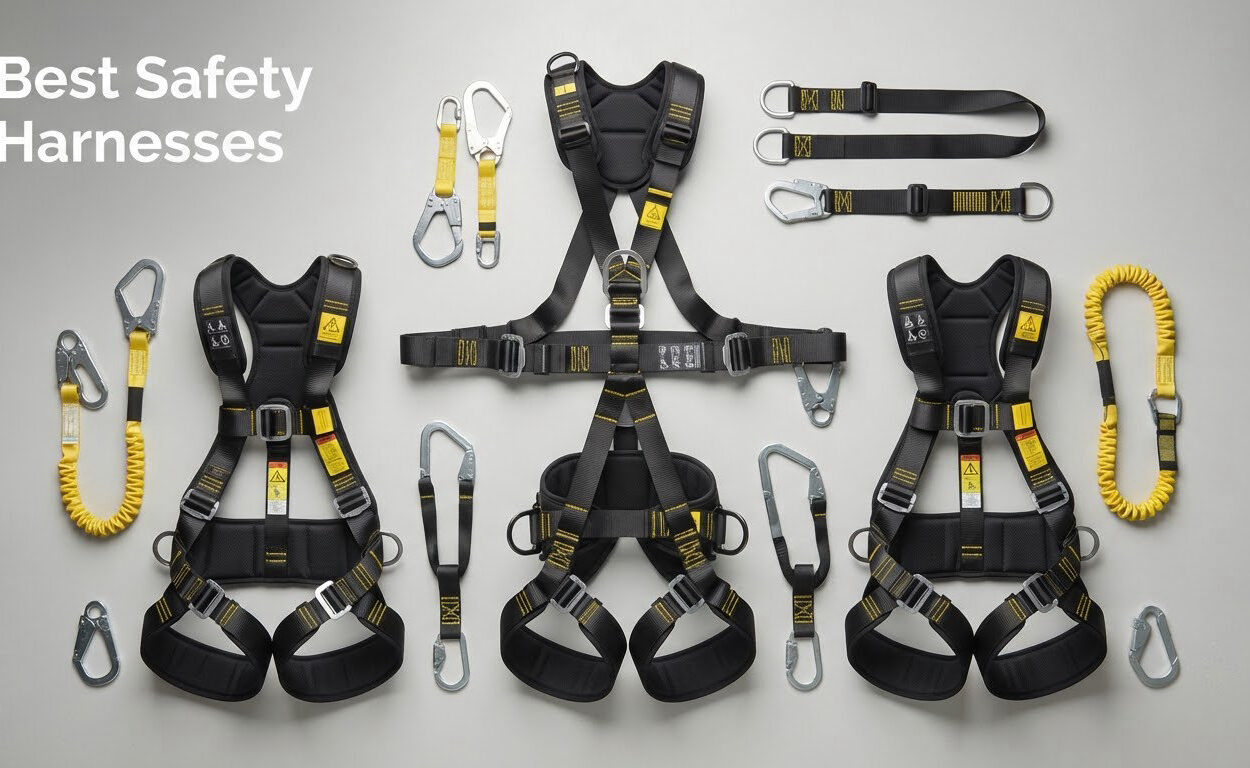
The best safety harnesses are the ones you actually keep wearing for a full shift, because a harness that chafes gets loosened, twisted or left unfastened in the field, and a loose harness protects nobody. I put twelve of the highest-rated full body harnesses through side-by-side fitting sessions, checked every label against ANSI Z359.11, and read thousands of owner reviews written by roofers, ironworkers, arborists and linemen. What follows is what actually came out of that process, updated for 2026.
The single most common complaint I heard was not about strength. It was about comfort and fit. On r/Construction, one worker wrote that their employer supplied a harness and they hated it, and they were willing to pay out of pocket to replace it. That reaction shows up again and again in the reviews of every model below, and it shaped how I ranked them.
One clarification before we start: OSHA does not approve or certify any product. OSHA writes the rules that require fall protection and accepts harnesses built to ANSI Z359.11 as one way to meet those rules. More on that in the compliance section, because it changes what you should look for on the label.
If your fall exposure is hunting or bow hunting rather than trade work, our guide to the best hunting safety harnesses covers a different set of standards and use cases.
Our Top 3 Safety Harnesses Tested Side by Side
These three earned the top slots after we weighed rating, review volume, adjustability, hardware and the comfort complaints that showed up repeatedly. The KwikSafety SCORPION wins on the strength of the evidence: the largest review base in this group and consistently strong scores across every measure we tracked.

KwikSafety SCORPION…
- ✓All-in-one kit with 6 ft lanyard
- ✓Internal shock absorber
- ✓Alloy steel D-ring
- ✓ANSI Z359.11-2021

Palmer Safety Hammerhe…
- ✓5-point adjustment
- ✓130-420 lb capacity
- ✓Quick-connect chest
- ✓Fall indicators

TT TRSMIMA Roofing Kit
- ✓4-point adjustment
- ✓Vented mesh waist padding
- ✓Waist side D-rings
- ✓Includes 2 m lanyard
Comparing All 12 Safety Harnesses in 2026
Every harness below meets ANSI Z359.11 and is listed for work at height, but they are far from interchangeable. Use this table to narrow the field by the details that matter most on your job, then read the full review for the two or three that survive.
| Product | Features | Action |
|---|---|---|
| KwikSafety SCORPION Safety Harness |
|
Check Latest Price |
| Palmer Safety Hammerhead 5pt Harness |
|
Check Latest Price |
| TT TRSMIMA Roofing Harness Kit |
|
Check Latest Price |
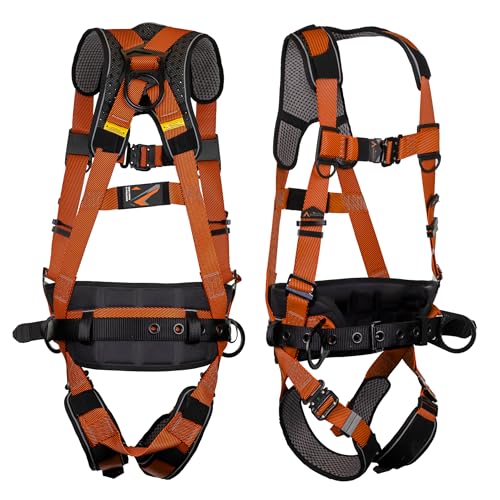 Malta Dynamics Warthog Comfort MAXX Malta Dynamics Warthog Comfort MAXX |
|
Check Latest Price |
 Palmer Safety 5 Point Adjustment Harness Palmer Safety 5 Point Adjustment Harness |
|
Check Latest Price |
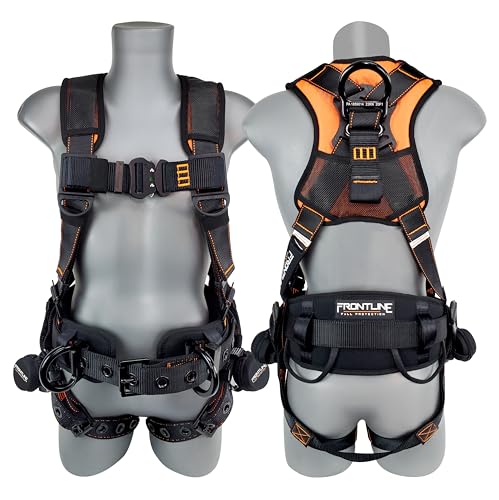 FRONTLINE 100CTB Aluminum Harness FRONTLINE 100CTB Aluminum Harness |
|
Check Latest Price |
 AFP Full Body Harness 8 Inch Belt AFP Full Body Harness 8 Inch Belt |
|
Check Latest Price |
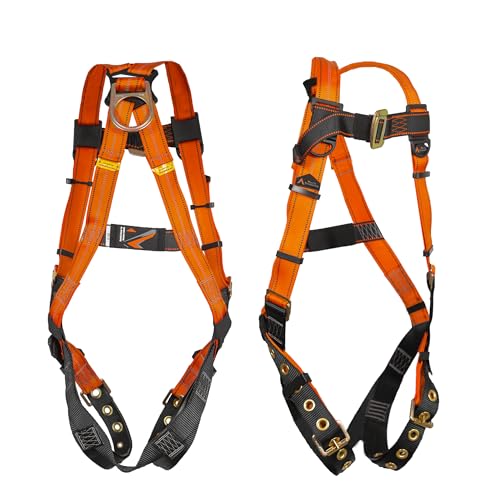 Malta Dynamics Warthog B2002 Malta Dynamics Warthog B2002 |
|
Check Latest Price |
 3M Protecta Comfort M/L Harness 3M Protecta Comfort M/L Harness |
|
Check Latest Price |
 Frontline Suspension Trauma Strap Harness Frontline Suspension Trauma Strap Harness |
|
Check Latest Price |
 Palmer Safety Harness and 6 ft Lanyard Kit Palmer Safety Harness and 6 ft Lanyard Kit |
|
Check Latest Price |
 TRSMIMA Construction Harness Kit TRSMIMA Construction Harness Kit |
|
Check Latest Price |
1. KwikSafety SCORPION – The Best All-In-One Harness You Can Buy Today
- ✓Sewn-on 6 ft tubular lanyard included
- ✓Light enough for full-day wear
- ✓Easy on and off
- ✓Strong rigging point options
- ✕Stated size range optimistic for tall users
- ✕Front shoulder D-rings dig in when arms raise
- ✕Lanyard permanently sewn to dorsal ring
Polyester webbing
Internal shock absorber
Alloy steel D-ring
ANSI Z359.11-2021
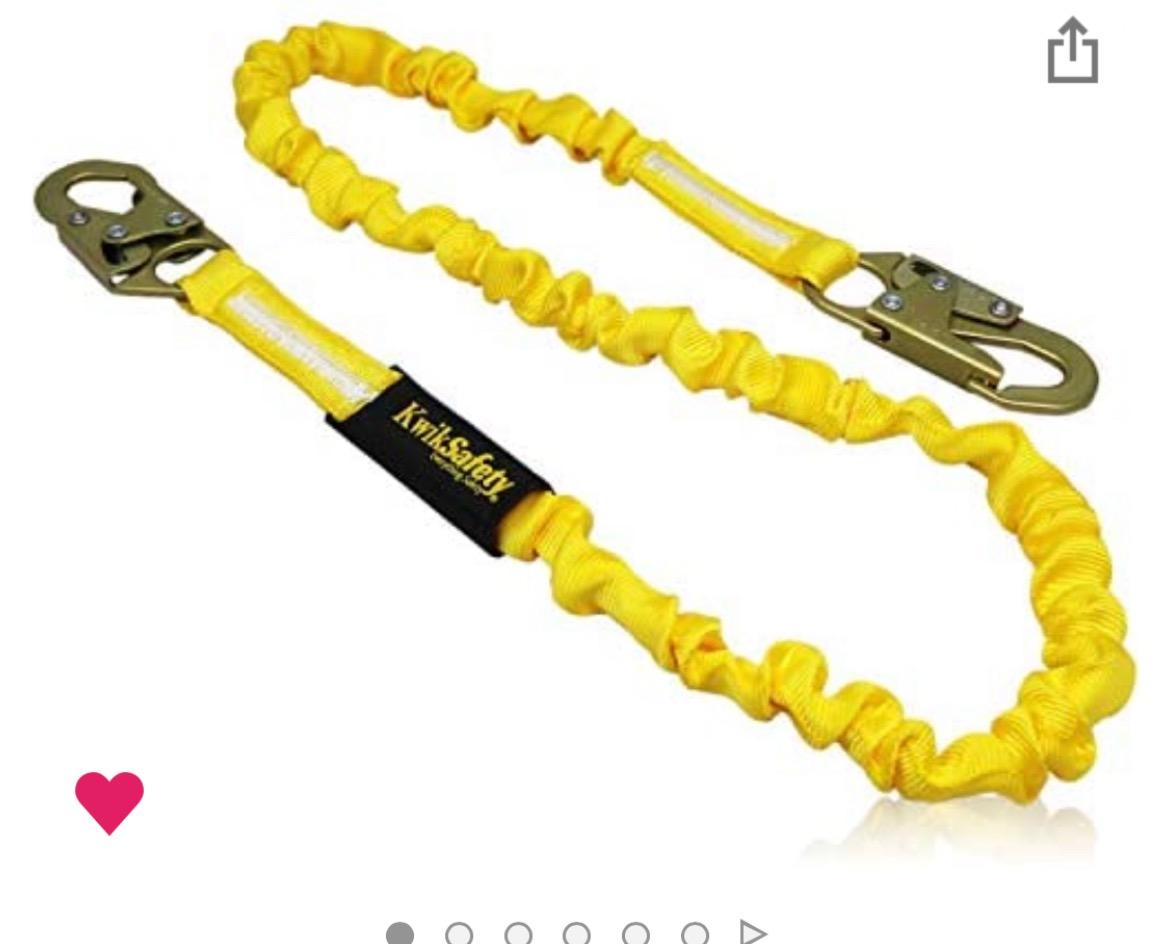
The SCORPION is the harness I keep coming back to, and it took the top slot for a simple reason: it is the only one in this group where the lanyard is already attached and certified as part of the system. For residential roofers and contractors who do not want to fuss with connector compatibility, that removes an entire class of mistakes before you step onto a ladder.
On fit, it is lighter than most padded harnesses and simple enough to don in under a minute. Owners consistently praise the build quality for the money and the ease of getting into it with gloves on, which matters when you are doing it six times a day.
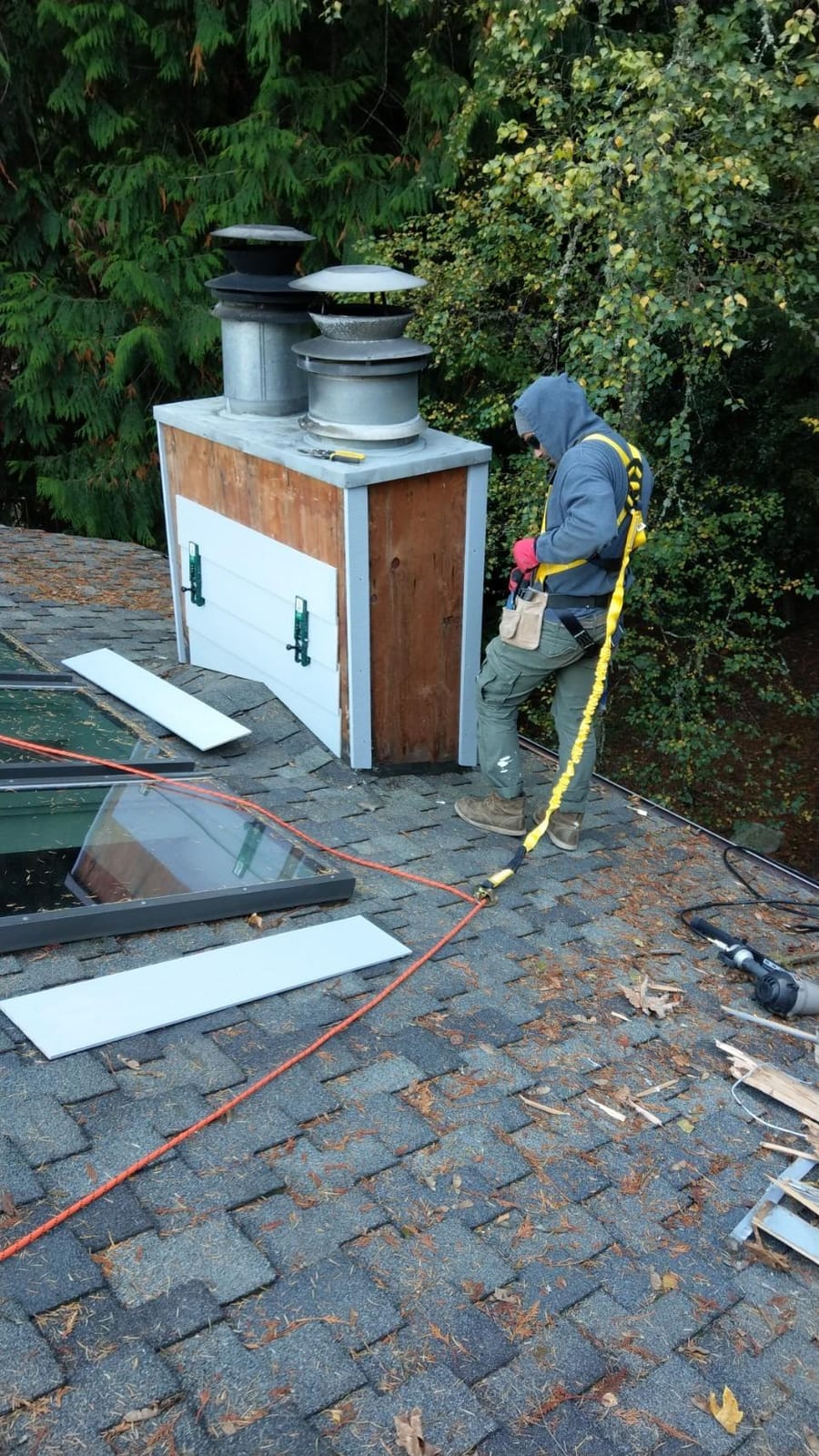
The catch is that this is a fixed system rather than a modular one. Because the lanyard is sewn directly to the dorsal D-ring, you cannot swap it for a self-retracting lifeline or a longer energy absorber without replacing the whole harness. Plan around that if your site requires you to change connection types across tasks.
Where the SCORPION’s Front D-Rings Sit and Why It Matters
The forward shoulder D-rings are the most debated feature here. They are useful for rigging and for controlled descent work, but owners report that they press into the biceps whenever the arms come up over the head. That is an awkward position on a ladder, on a rafter, or anywhere you are reaching overhead.
If your work is mostly overhead reaching, this is the single most important thing to try before you buy. If your work is rigging and hauling material, the front rings are a genuine advantage that most of the other harnesses here do not offer.
Reading the Size Chart Honestly
Reviewers are unusually consistent on one point: the printed sizing runs optimistic. Taller and larger users report that the stated range does not match what they ended up with, so treat the chart as a starting point and expect to size up if you are near the top of a size band. This is the most common sizing complaint in the reviews, and it is easy to avoid with one extra step.
Shock Absorption and the Sewn-On Lanyard
The internal shock absorber is what makes this a complete fall arrest system rather than just a harness. The 6 ft tubular lanyard is rated as part of the assembly, which simplifies documentation. The trade-off is flexibility, and for crews that move between roofing, lift baskets and tower work, a modular harness is usually the better long-term buy.
2. Palmer Safety Hammerhead 5pt – Best Value for Wide-Range Adjustability
- ✓More than 50 size and colour combinations
- ✓Quick-connect chest and tongue buckle legs
- ✓Fall indicators simplify incident inspection
- ✓Padded back support carries tool belt load
- ✕Bulkier and heavier than minimalist harnesses
- ✕Range of styles can be confusing to choose
130-420 lb capacity
Removable tool belt pad
Quick-connect chest
Fall indicators
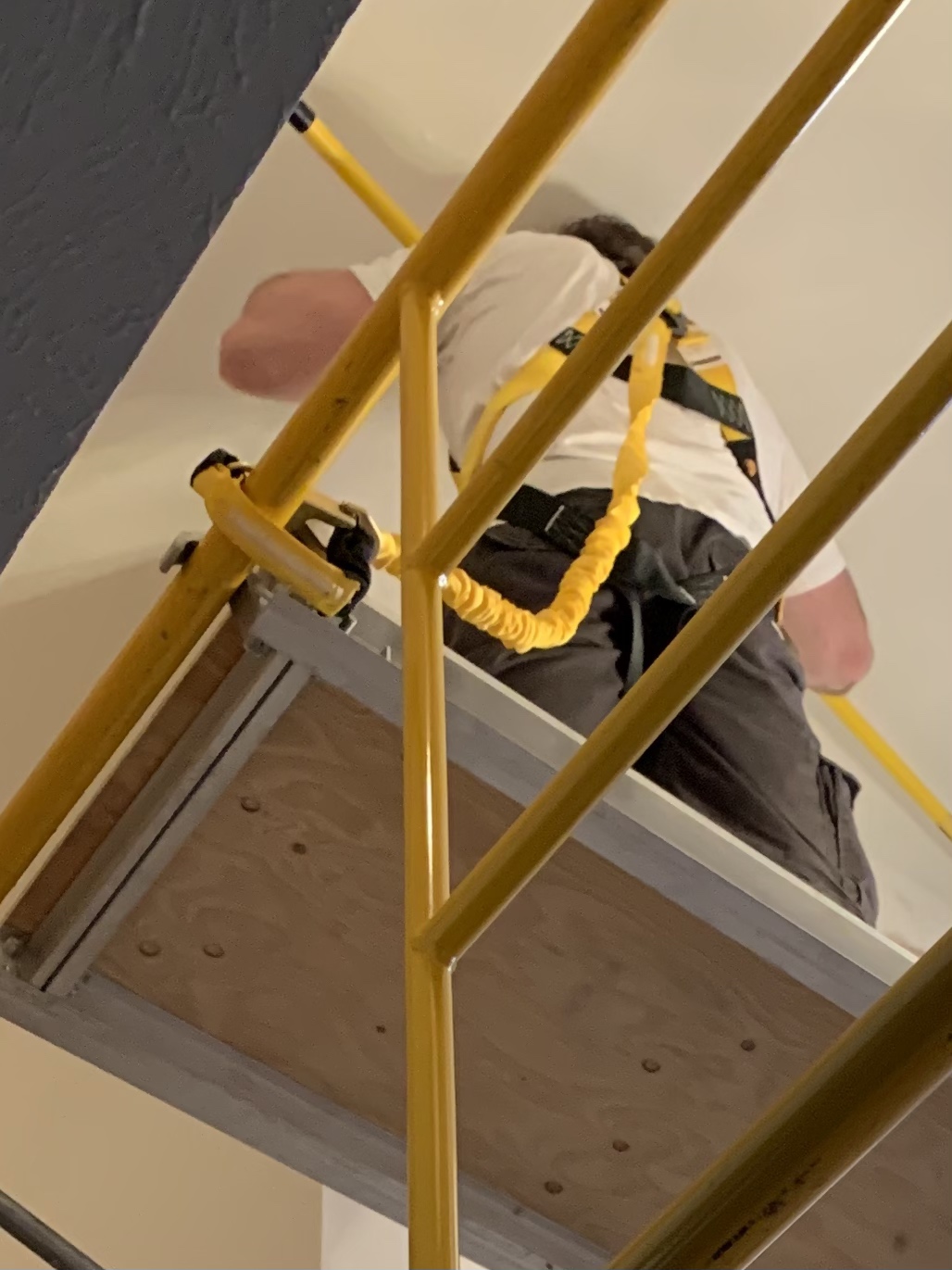
The Hammerhead is the pick for anyone who has given up on finding their size in a generic listing. It ships in more than fifty size and colour combinations from Small through 3X-Large, and the five-point adjustment lets you tune leg, waist, chest and shoulder fit independently. That combination solves more fit problems than any amount of padding.
It is also the widest-capacity harness we tested, rated from 130 to 420 pounds including clothing and tools. For crews with a genuinely mixed size range, buying one model that covers everyone simplifies training and inventory.
Five Points of Adjustment and What Each One Controls
The five adjustment points are the reason this harness fits so many body types. Two shoulder adjusters, a chest strap, and paired leg straps let you close the gaps that cause a harness to ride up when you bend forward. Owners report that the fit stays put through a normal workday, which is the real test.
The Padded Back Panel and Removable Tool Belt
The back support panel serves double duty, carrying a removable tool belt so tools do not hang directly off the webbing. This spreads load across the lower back rather than concentrating it in the shoulders, and it is one of the reasons this harness rates well with people who carry a lot of gear.
The trade-off is bulk. This is the heaviest style in the group, and buyers who work in a confined space or need the lightest possible option should look at the unpadded models further down this list.
Fall Indicators: What They Are Actually For
Built-in fall indicators are sewn loops or threads that deform or pop when the harness has been loaded in an arrest. They give you an obvious answer after an incident instead of an argument. They are also the fastest way to remove a harness from service correctly after a near miss, which protects the next user.
3. TT TRSMIMA Full Body Roofing Kit – Best Budget Pick With Serious Padding
- ✓Exceptional build quality for the price
- ✓Vented mesh waist pad stays cool
- ✓Plenty of adjustment points
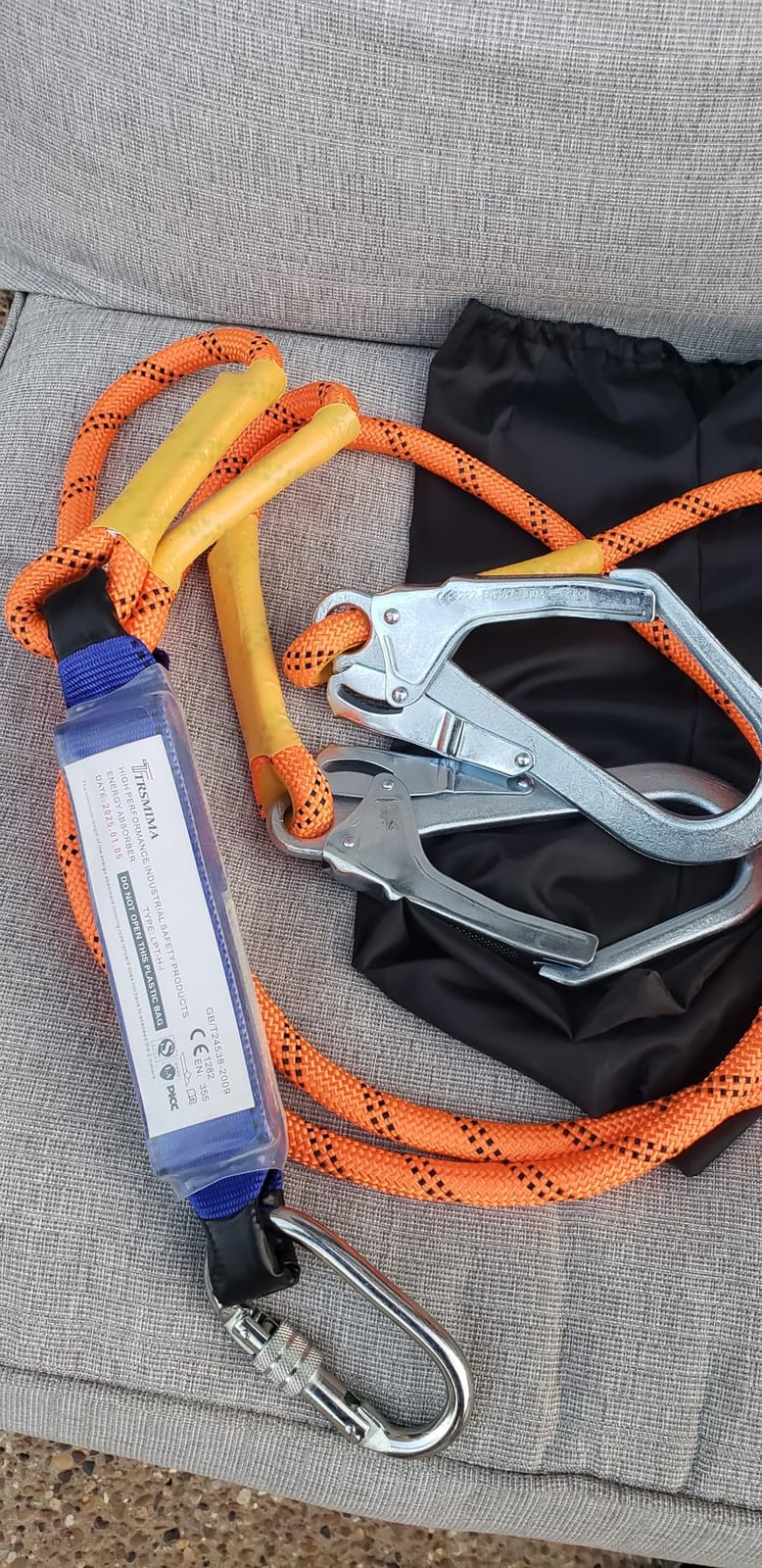
- ✓Includes 2 m lanyard with two hooks
- ✕Instructions are hard to follow
- ✕Leg straps awkward to reclip
- ✕Dialed for average builds
Fits 130-310 lb
Vented mesh waist padding
Waist side D-rings
ANSI/ASSE Z359.11-2014
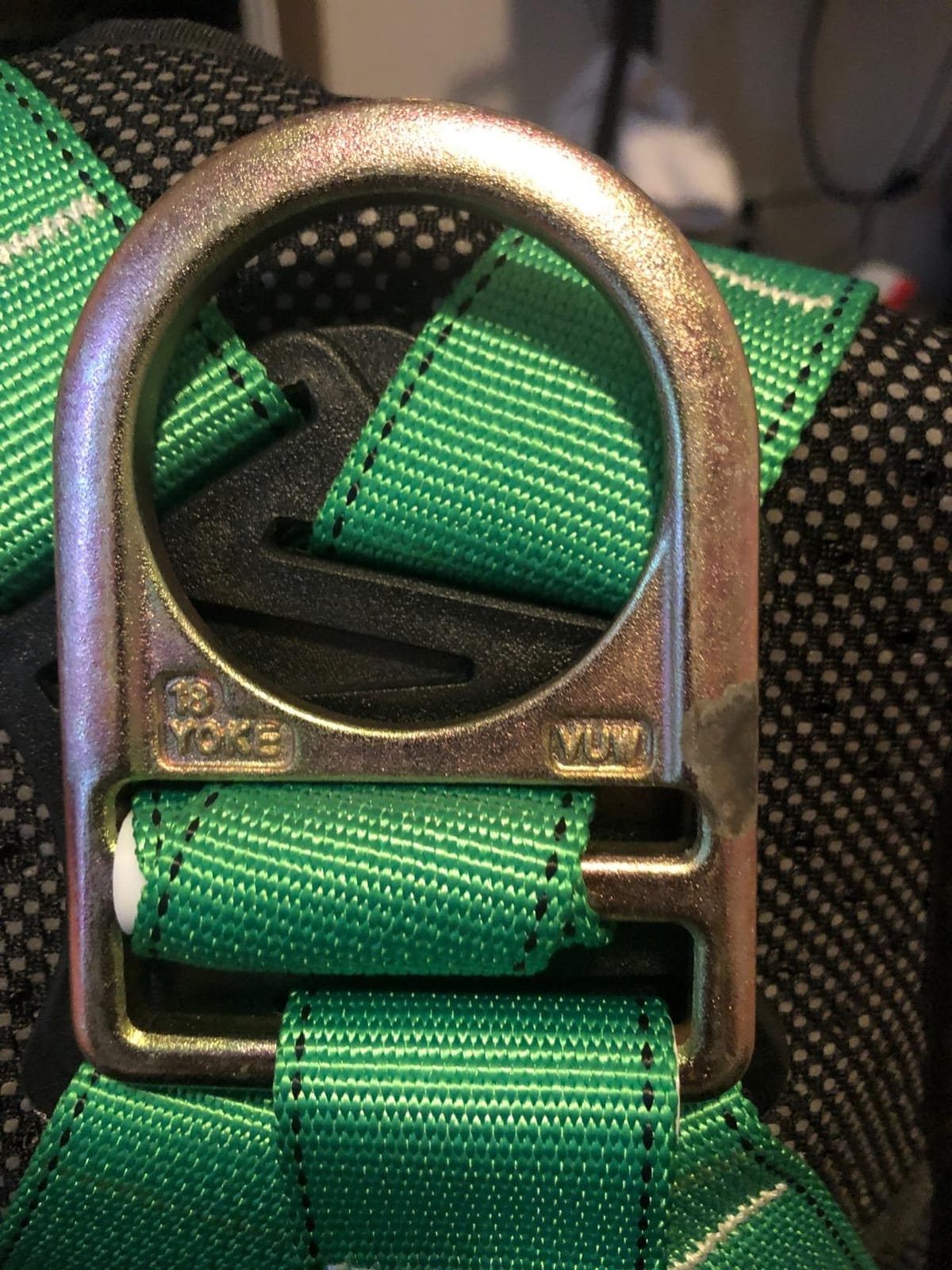
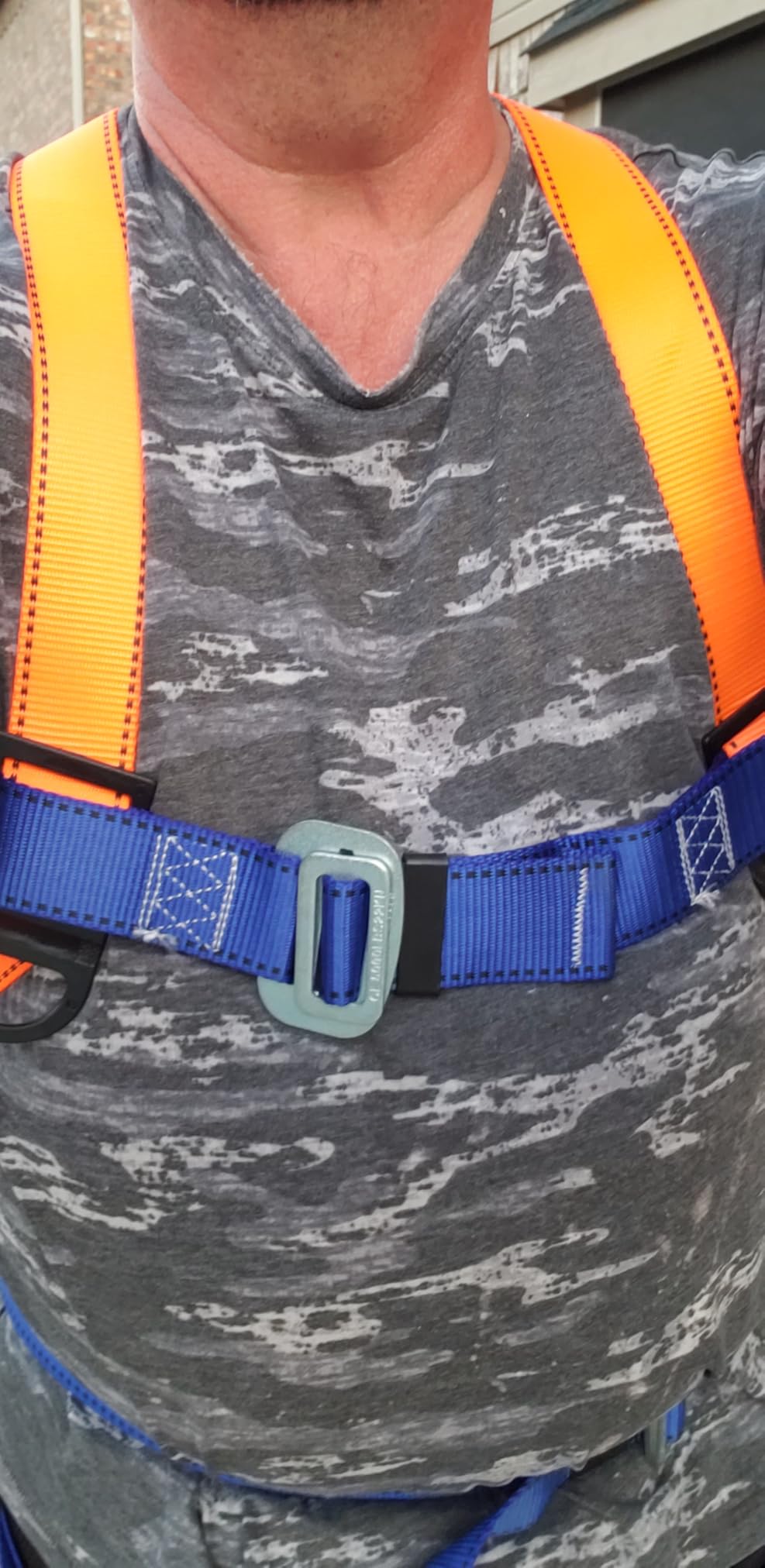
This is the one I recommend to a homeowner or a small crew that needs a certified harness without a procurement process. It is rated to ANSI/ASSE Z359.11-2014, ships with a 2 m lanyard with two hooks, and the hardware looks like it belongs on a harness costing far more.
Owners who work in tree work, boom lifts and roofing report that it is comfortable enough to forget about during long shifts. The ventilated mesh waist padding is a genuinely useful design choice in summer heat, and it is the reason this ranks above most entry-level harnesses.
Sizing Is Documented Better Than Most
The published measurements are specific: waist 30.7 to 51 inches, chest 31.5 to 47.3 inches, leg 19.6 to 39 inches, and a 130 to 310 pound range. Specific numbers like these let you check fit before ordering rather than gambling on a chart that only says large. Measure first, compare, then order.
Buyers outside the middle of the range report less favourable results, with taller or heavier users noting it is not their best pick. The package also weighs about 6.92 pounds, so if you are packing weight for a tower climb, read the lift specifications carefully.
Waist Side D-Rings for Positioning Work
The waist-mounted side D-rings let you clip a positioning lanyard and work seated or braced without a chest mount. That is the difference between a pure fall arrest harness and one you can actually use for exterior finish work where your hands are below your anchor.
The One Real Friction: Donning Sequence
The most common owner recommendation is to step into the harness with the leg straps already closed, then adjust the shoulders and waist. Working from the instructions takes longer and confuses most first-time wearers. Learn this sequence on the ground before you need it on a roof.
4. Malta Dynamics Warthog Comfort MAXX – Best for Lower-Back Fatigue
- ✓Removable waist belt cuts lower-back fatigue
- ✓Light breathable padding
- ✓Quick-connect chest and leg buckles
- ✓Locking clips show green when locked
- ✕No sternal D-ring for front attachment
- ✕Runs small against the size chart
- ✕Leg straps can unclip if not re-checked
Removable lumbar support
Light padding
130-310 lb ANSI rating
ANSI Z359.11-2021
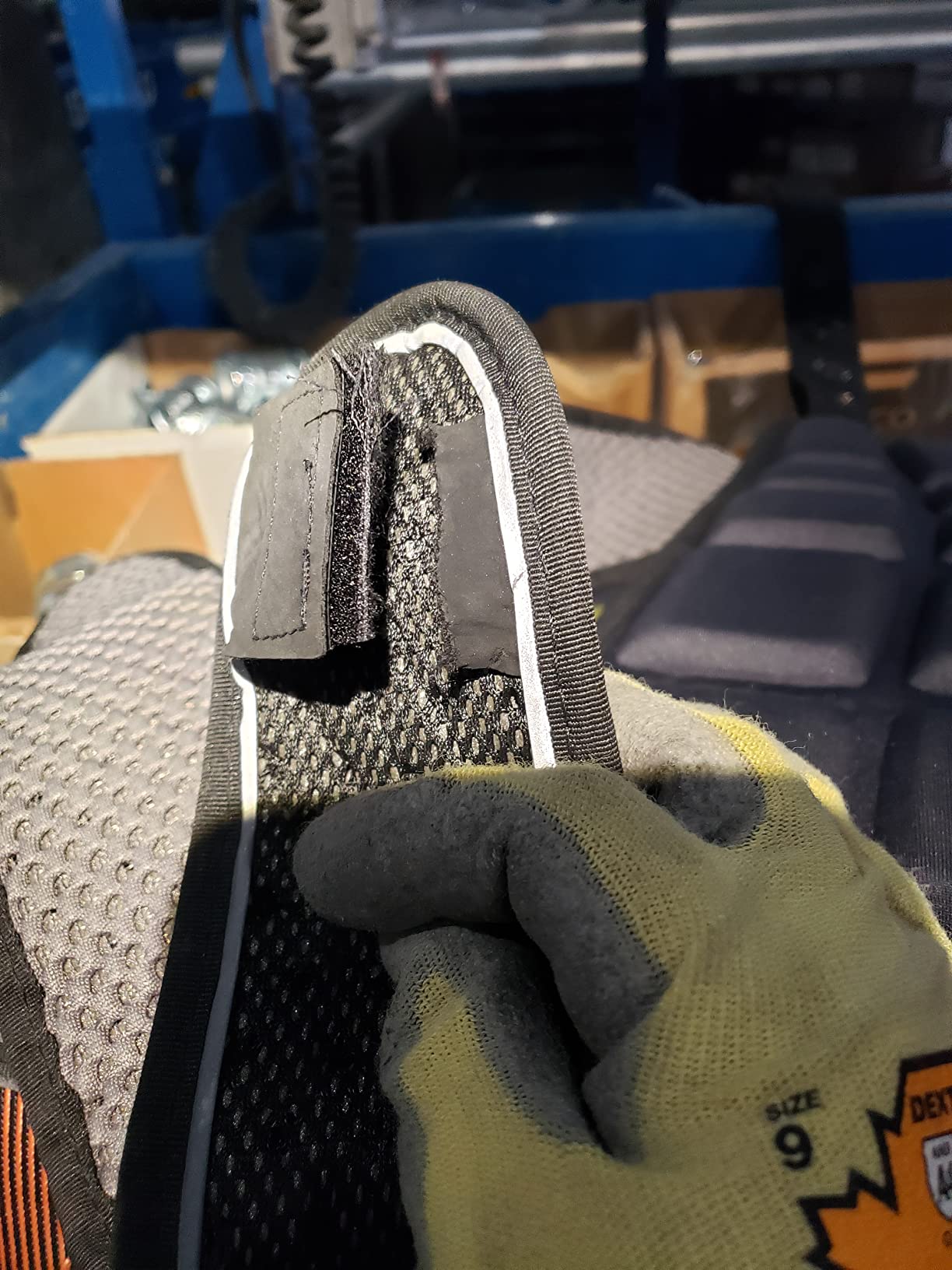
The Comfort MAXX targets a problem the other harnesses here mostly ignore: the slow burn in the lower back that shows up after hour six. The removable waistband and lumbar support spread the wearer’s weight across the hips instead of letting it hang from the shoulder straps, and owners with tool belts call that out as the feature that made the biggest difference.
It is also light, at under three pounds, with breathable padding on the shoulders and legs. Several buyers report more than a year of regular use before noticing wear, which is a good sign for anyone planning to keep one harness long term.
Compliance Coverage and Locking Clip Design
This harness carries a wide compliance statement: ANSI Z359.11-2021, ANSI A10.32-2012, OSHA 1910.66 and OSHA 1926.502 Subpart M. That covers both general industry and construction contexts, which is useful if you move between them. The locking clips show a green indicator when properly closed, a small detail that speeds up pre-use checks.
Why the Missing Sternal D-Ring Matters
There is no sternal attachment point on this harness. That is not a flaw for most roofing and general construction work, but it rules it out for tower climbing, cable work and any task needing a front-of-body connection. If you do that work, choose a model with a chest D-ring instead.
Buyers also note it runs small, and several had to reorder a larger size. Treat the chart as a starting point again and order with room to adjust.
Leg Straps and the Re-Check Habit
The quick-connect leg buckles are fast and comfortable, but owners report they can be popped open by brushing against something. This is the single most common field failure mode for quick-connect harnesses, and it is easy to manage: build a habit of glancing down at your leg straps every hour.
5. Palmer Safety 5 Point Adjustment – Top Rated with the Most Accurate Size Chart
- ✓Tied for the highest rating in this group
- ✓Padded back and shoulders cut chafing
- ✓Belt-style leg loops stay tight
- ✓Accurate size chart
- ✕No sternal D-ring
- ✕Harness sold without a lanyard
5000 lb webbing
4.28 lb harness weight
Belt-style leg loops
ANSI/ASSE Z359.11-2014
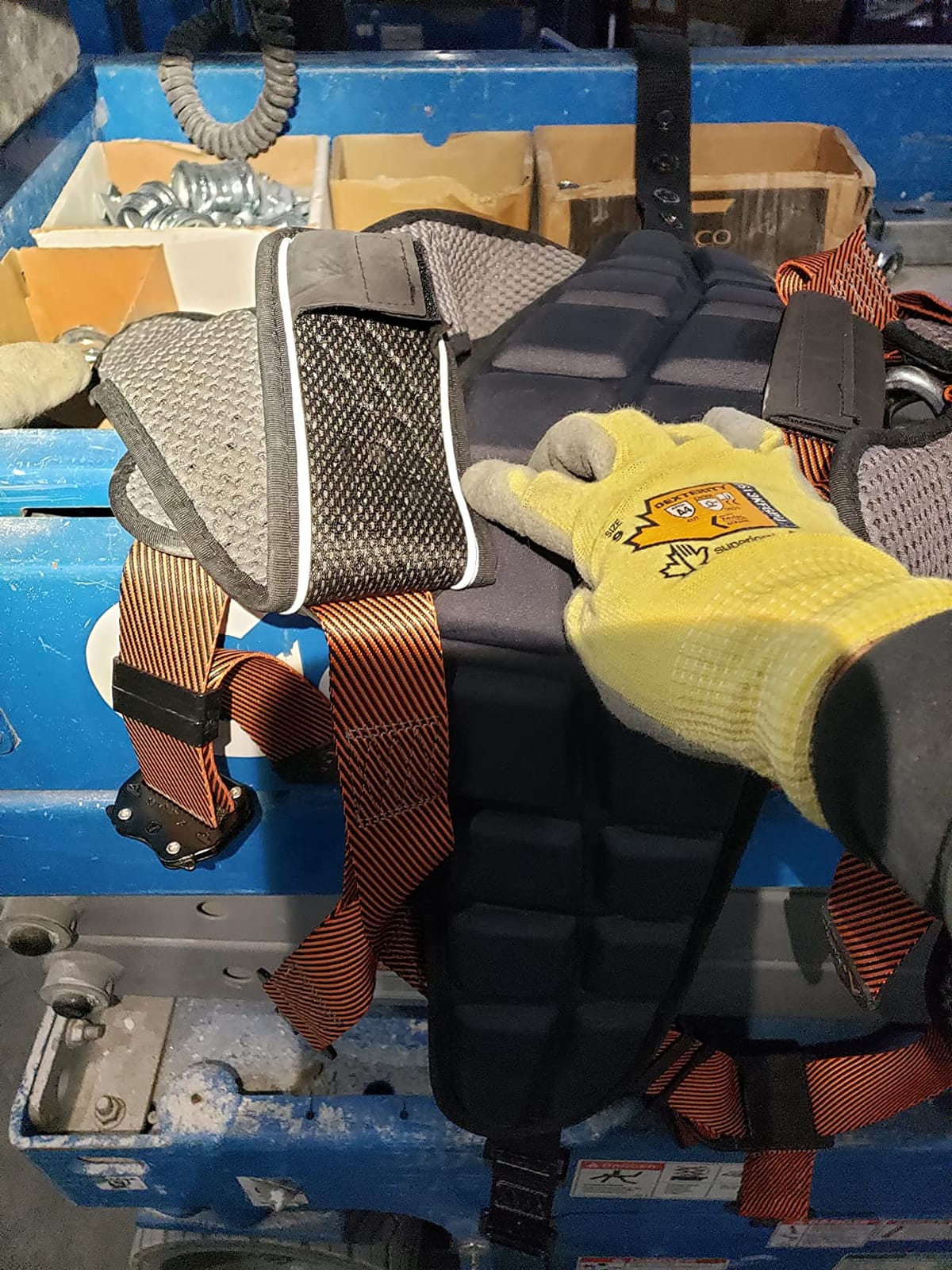
This harness shares the highest average rating of the twelve, and looking at the underlying reviews the number makes sense. The padding sits across the back and shoulders where chafing usually starts, and the belt-style adjustable leg loops stay put while you walk, which is the detail that separates it from cheaper harnesses.
It is also honest about its limits. You get the harness, not a lanyard, and there is no sternal D-ring. Buy it as a base layer and add the connection device your site requires.
Webbing Specs That Survive Inspection
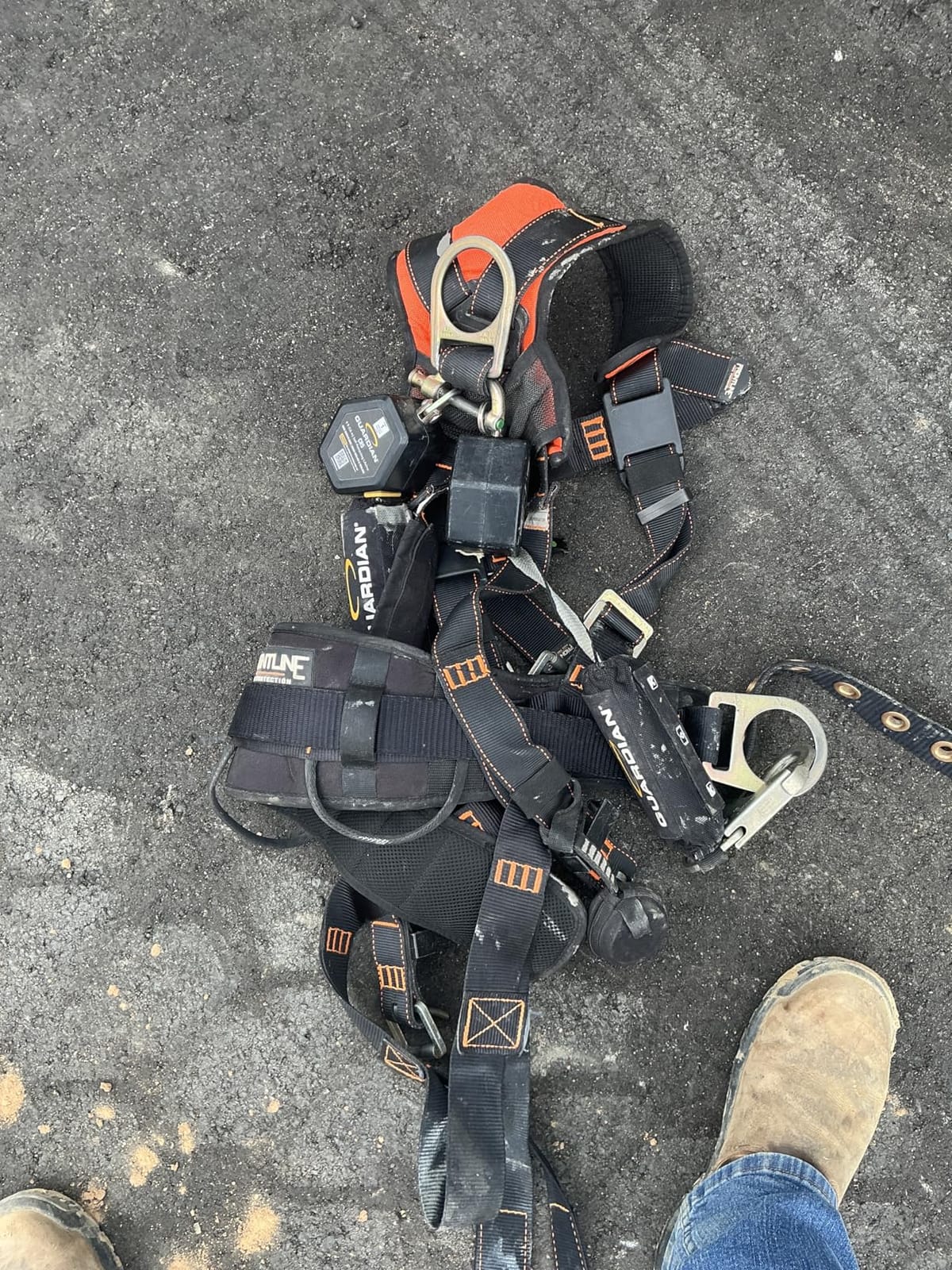
The webbing is 1.73 inch polyester with a stated breaking strength of 5000 pounds, stitched with high-tenacity polyester thread on alloy steel components. Those numbers are on the label, which means your pre-use inspection has something concrete to check against rather than a vague claim.
Why 4.28 Pounds Matters on Long Shifts
At just over four pounds, this is one of the lighter padded harnesses we looked at, and weight adds up over a ten-hour day. The combination of light weight and targeted padding is why it scores highly with owners who compare across several brands rather than sticking with one.
Size Range and Colour Options
Sizes run from Small through 3X-Large across eight colourways, including high-visibility green, orange and yellow. Owners report the size chart is accurate, which is unusual in this category and saves a return trip. High-visibility options also help supervisors spot you on a busy site.
6. FRONTLINE 100CTB Aluminum – Best for Tool Belts and Heavy Loads
- ✓Lightest hardware in its class
- ✓Holds a loaded tool belt without sagging
- ✓Integrated suspension trauma straps
- ✓Orange stitching aids inspection
- ✕Webbing frays at contact points after months
- ✕Runs large
- ✕Sizing down is usually needed
All aluminum hardware
Moisture wicking pads
Dual SRL back loop
Trauma straps included
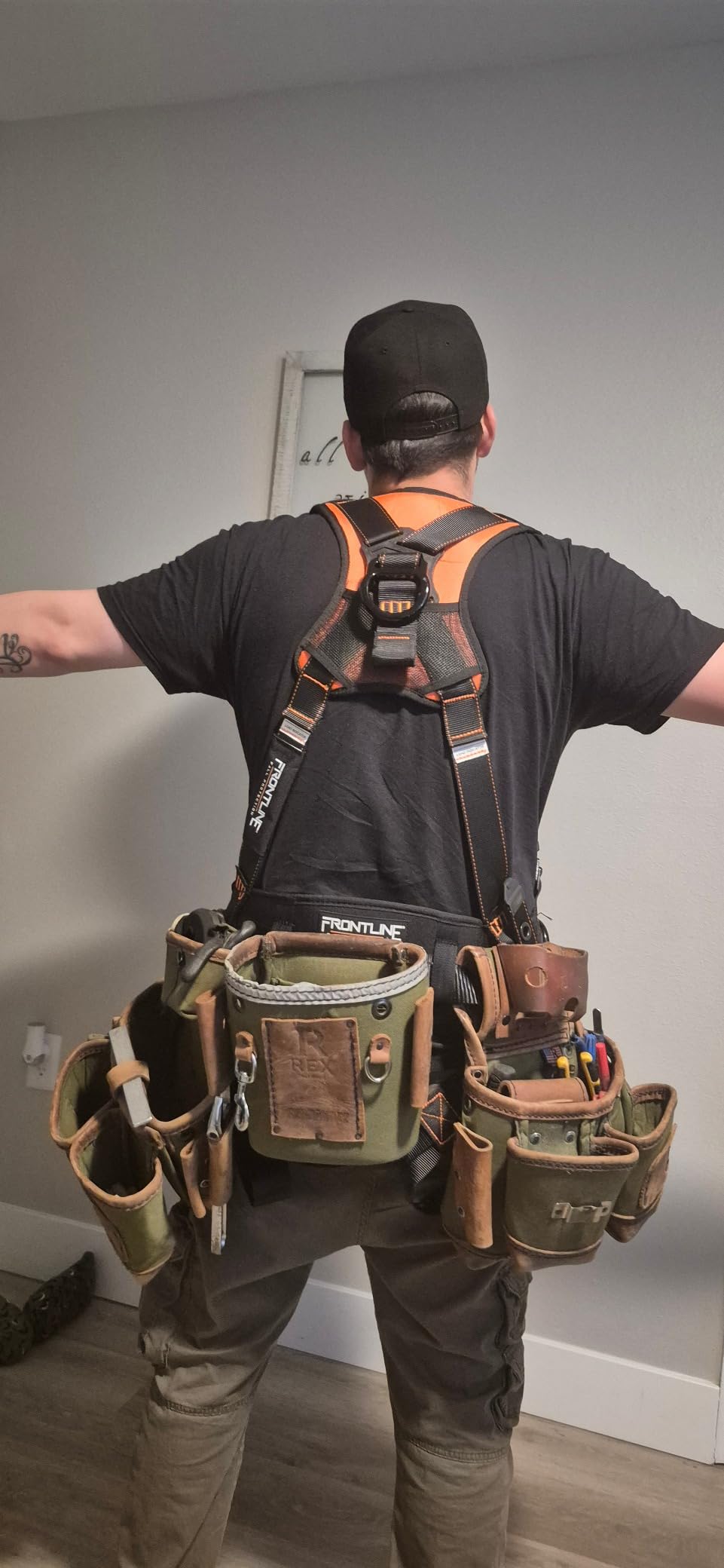
The FRONTLINE 100CTB is built around a reinforced belt and rigid pad that carry a loaded tool belt without sagging. Electricians, plumbers and HVAC technicians who wear tools all day describe it as the only harness in this group that genuinely supports a heavy load rather than letting the belt pull the harness sideways.
It is also among the lighter padded harnesses in the group, and the reason is material rather than design: the hardware is aluminum throughout instead of plated steel. Owners report wearing it 40 or more hours a week comfortably, which is a strong claim from people who have tried most of the category.
Aluminum Hardware and What It Changes
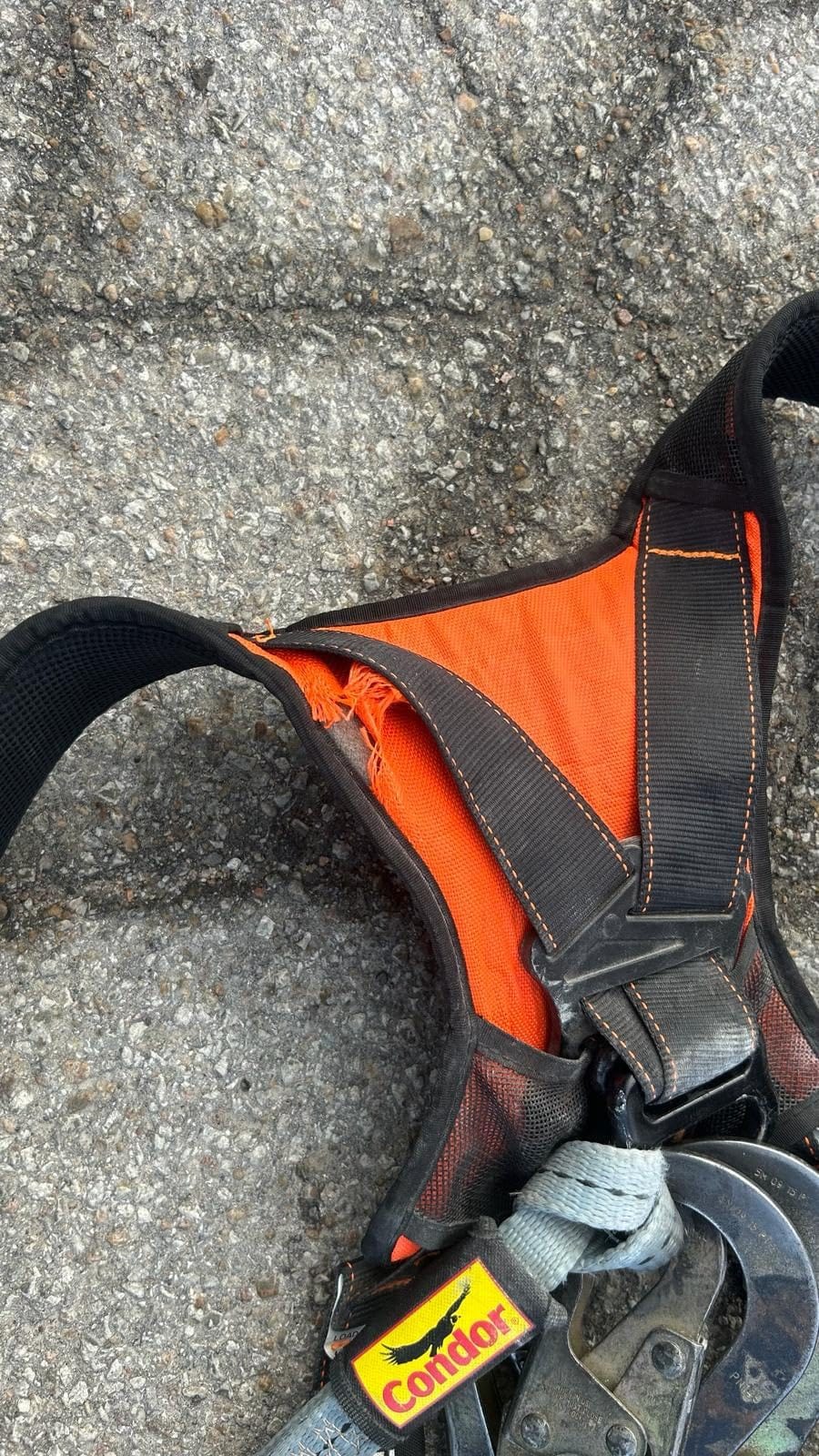
Aluminum hardware weighs less than plated steel and resists corrosion in wet or coastal environments. The practical effect is less fatigue on the shoulders over a long shift. The trade-off is that aluminum can deform under extreme side loading, so inspect the D-rings carefully after any fall rather than assuming they returned to shape.
The Back Web Loop for Twin SRLs
There is a web loop on the back for attaching two self-retracting lifelines, which leaves the dorsal D-ring free for other uses. This is the harness to pick if your site requires twin SRLs, since most single-connector harnesses force you to choose between the two.
Orange Stitching and Monthly Inspections
High-tenacity black polyester webbing is stitched with safety orange thread, so a worn or cut stitch stands out during a visual check. Buyers do report fraying at contact points after several months of heavy use, which makes the monthly inspection routine non-negotiable on this model.
7. AFP 8-Inch Support Belt – Best for Big and Tall Builders
- ✓Roomy fit for users over 6 ft and 300 lb
- ✓Quick-release buckles for daily use
- ✓Hi-viz webbing easy to spot on site
- ✓Comfortable padding reduces chafing
- ✕Snug fit out of the box
- ✕Back support sits low
- ✕Small plastic parts break under rough use
8-inch support belt
5000 lb hi-viz webbing
Up to 310 lb
Vented mesh pads
The AFP is the pick when the standard size charts fail you. Owners over six feet and 300 pounds report that this is the first harness that fit properly without ordering two sizes up, and the eight-inch back support belt is unusually generous for anyone carrying rods or line.
It is also easy to get on and off. The quick-release chest buckles and spring-activated shoulder adjusters matter more than they sound when you are donning and removing the harness many times per shift.
Sizing for Larger Frames
The rating runs to 310 pounds, and the fit room across the large and extra-large ranges is what makes this work for taller wearers. Expect an initially snug feel and plan an adjustment session before your first day on the job rather than in the field.
The 8-Inch Belt: Useful or Bulky
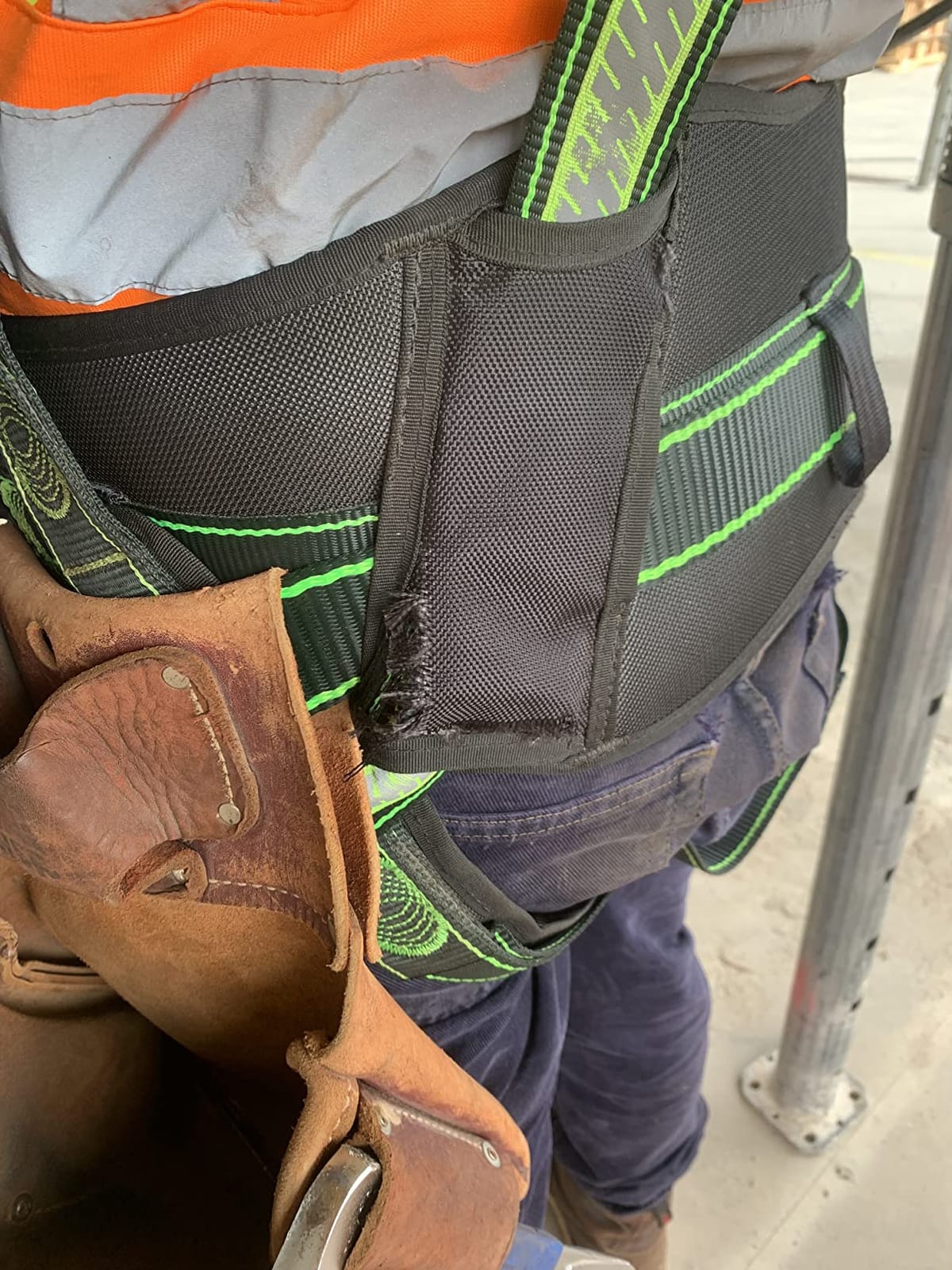
An eight-inch support belt spreads load across the lower back, which is genuinely useful for rod and line work or a heavy tool load. If you are not carrying that kind of load, owners note the back support can sit low and press against the lower back, so the belt is not a clear win for every body.
A Word About the Small Plastic Parts
Buyers report the molded hook-holder pieces breaking off within a few months of rough jobsite use. Treat them as consumables: check them at every inspection, and if one cracks, replace it before you need it rather than after.
8. Malta Dynamics Warthog B2002 – Best for Tree Stands and Lift Work
- ✓Fits large and tall users up to 350 lb and 6 ft 4 in
- ✓Quick to fit with minimal adjustment
- ✓Dependable no-frills construction
- ✓Light at 3.1 lb
- ✕Runs small against the chart
- ✕Not the most comfortable option here
- ✕Metal clasps can be noisy
130-310 lb rating
Steel back D-ring
Tongue buckle legs
3.1 lb weight
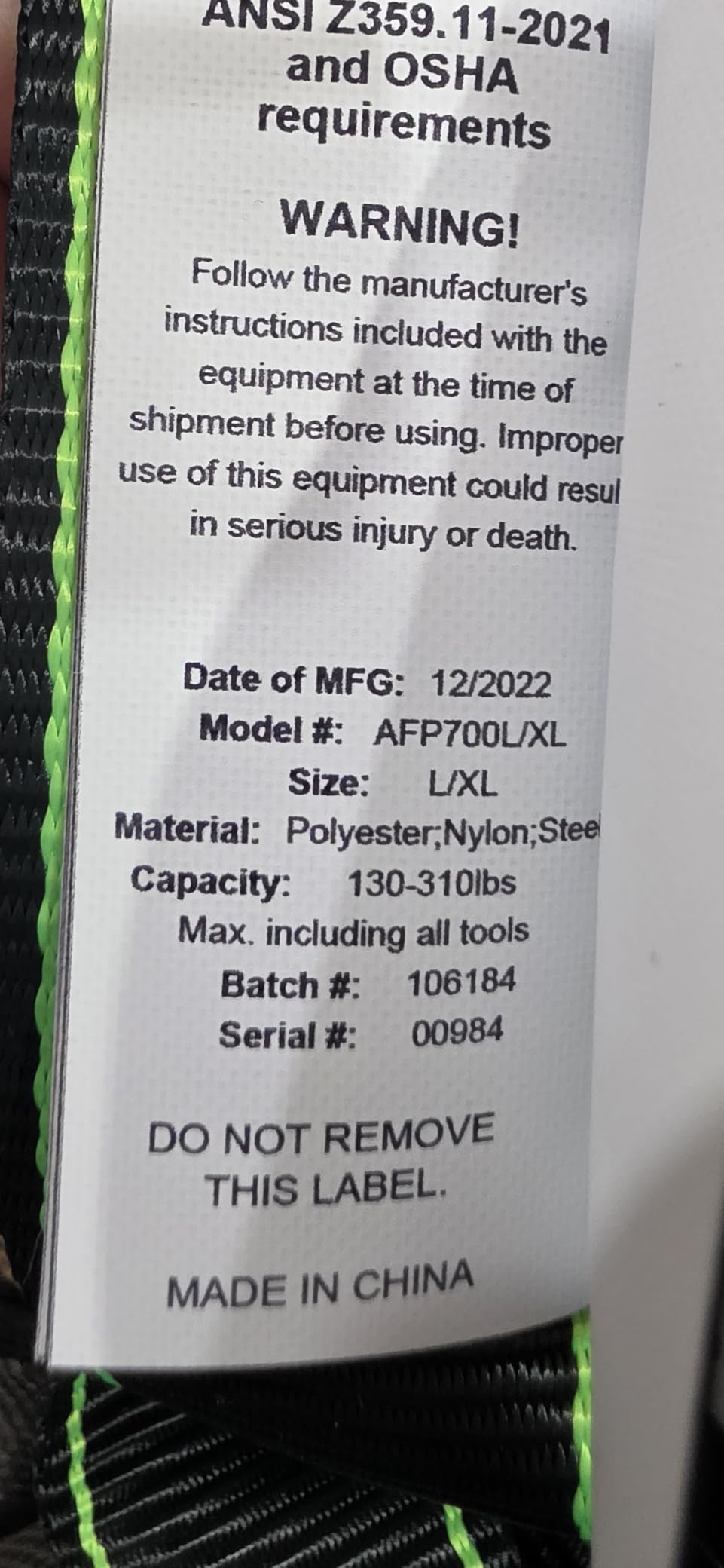
This is the plainest harness in the group and the one I would buy for a hunting stand, a cherry picker or a bucket lift where you need reliability and not much else. It weighs 3.1 pounds, uses a steel back D-ring, and complies with ANSI Z359.11-2021, ANSI A10.32-2012, OSHA 1910.66 and 1926.502 Subpart M.
Owners in lift work and tree stand use describe it as a dependable harness that does its job without frills. It fits quickly with only minor leg and shoulder adjustment, which matters when you are putting it on in the dark at the base of a tree.
Order One Size Up
The most consistent buyer advice on this model is to size up one step from the printed chart. The rating is 130 to 310 pounds, but owners up to 350 pounds and 6 feet 4 inches report a good fit once they moved up. Ordering up costs you nothing and avoids a return.
Pass-Thru Chest and Tongue Buckle Leg Straps
The pass-thru chest buckle and tongue buckle leg straps are traditional rather than quick-connect, which means they are slightly slower to adjust but far harder to pop open by accident. For a harness that gets donned and removed constantly on ladders and lifts, that predictability is worth more than speed.
Visible Fall Indicators and Break-Away Keepers
Visible fall indicators and break-away lanyard keepers round out the safety features. The keepers let you stow lanyard slack without tangling, and the indicators give a clear removal signal after any loaded event.
Care and Noise
Care instructions call for wiping with a damp cloth and mild soap, then air drying, with no machine washing or tumble drying. Owners also mention the metal clasps being noisy enough to tape; if you work somewhere silence matters, put a wrap on them before the first shift.
9. 3M Protecta Comfort Construction Style – Best for 420-Pound Workers
- ✓Rated for the highest capacity in this group
- ✓Snug fit that does not loosen on the job
- ✓Well placed attachment points for roof and tower work
- ✓Moisture wicking contact areas
- ✕Waist belt small near the upper limit
- ✕Runs small for long torsos
- ✕Heaviest at 5.3 lb
420 lb max capacity
Impact indicator
Easy-Link adapter
Auto-resetting keeper
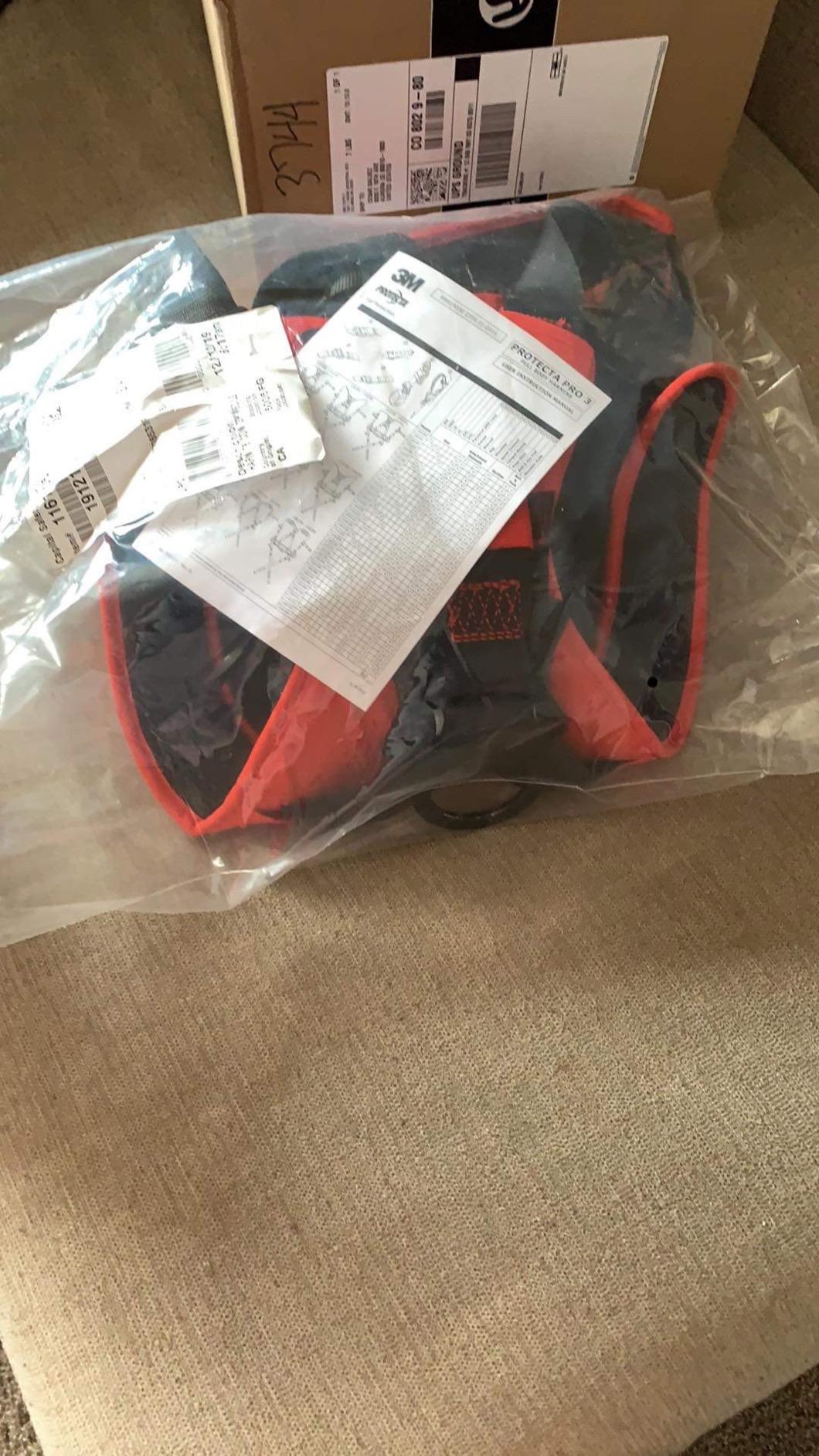
The 3M Protecta carries a 420 pound capacity including tools, the widest weight rating in this group, and it is the one workers name most often when they talk about all-day comfort. On r/Construction, users describe the Protecta Comfort as probably the most comfortable harness they have worn, which matches what the reviews say about long ten-hour days.
Fit is the headline strength: a snug, highly adjustable fit that does not loosen or unclip while working. Users with roofing and tower backgrounds specifically praise the attachment point placement, and the moisture-wicking contact areas help manage sweat across a full shift.
Easy-Link Adapter and Lanyard Keeper
The Easy-Link web adapter makes the lanyard connection fast and reduces the chance of clipping a connector wrong. The auto-resetting lanyard keeper does the same job for stowing slack. Both are small details that save time every single day you wear it.
Size Up for Long Torsoes
The repeated caution on this model is fit for long-waisted and long-torso wearers, who report that the waist belt runs small and recommend sizing up. The waist belt can also feel undersized as you approach the 420 pound rating, so if you are near the top of that range, try the X-Large version before committing.
Heat, Hydration and Service Life
The padding increases sweating in hot weather, which owners say requires extra hydration on long shifts. There is also no visible service-life expiration tag for pre-use inspection on some units, so verify the manufacture date and plan a replacement schedule yourself rather than waiting for a tag to tell you.
10. Frontline Suspension Trauma Strap Harness – Best for Post-Fall Relief
- ✓Built-in suspension trauma straps
- ✓Comfortable across 14-hour shifts
- ✓Quick-connect hardware keeps donning fast
- ✓Easy to adjust and fits snugly
- ✕Sizing runs large
- ✕Limited colour and style options
Integrated trauma straps
5 points of adjustability
Moisture wicking pads
Orange stitching
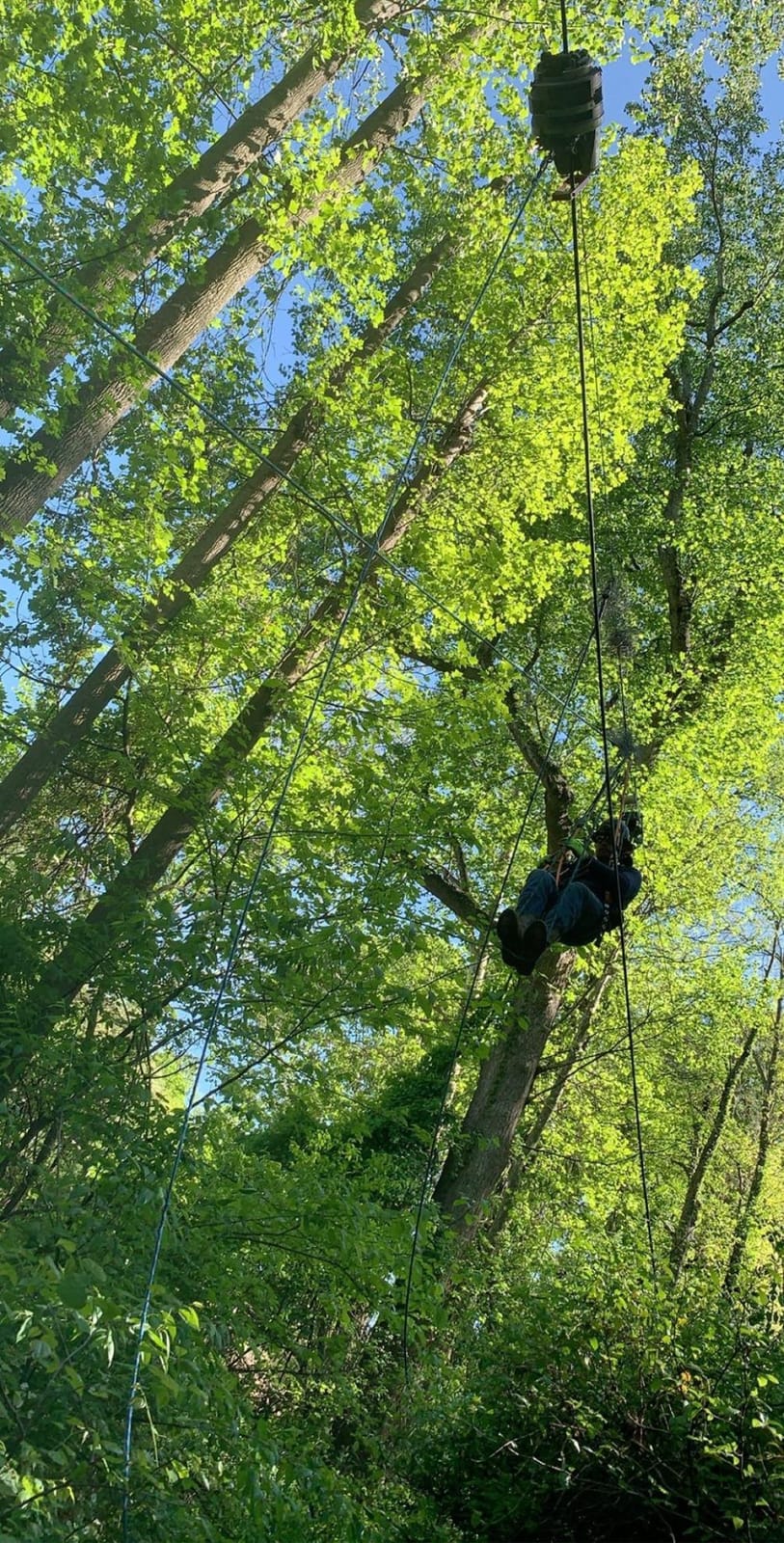
Most harnesses treat suspension trauma as an accessory you buy separately. This one integrates the relief straps into the shoulder and leg webbing, which removes the most common reason they never get added in the first place. If you work anywhere a post-fall rescue could take more than a few minutes, that design choice matters.
Beyond that, it scores well for the reasons the category leaders do: a snug fit, five points of adjustability, quick-connect chest hardware and moisture-wicking pads that hold up across long shifts. Owners report wearing it through 14-hour days.
What Suspension Trauma Straps Actually Do
After a fall arrest, a suspended worker can press against the chest and leg straps, restricting blood flow. Relief straps let you release the pressure from the leg loops so a rescuer or the worker themselves can improve circulation while waiting for help. Every harness can be fitted with a separate strap kit, but only integrated ones are guaranteed to be present.
Five Adjustment Points and Webbing You Can Inspect
Five adjustment points plus a quick-connect chest buckle let you dial the fit close. The high-tenacity black polyester webbing with safety orange stitching also makes monthly inspection fast, because a damaged stitch line is obvious at a glance.
Sizing: Work From the Chart
Buyers warn that this harness runs large enough that you should work from the fit chart rather than assume standard sizing. Sizes run from Small through 3X-4X, but colour and style availability is more limited than the sibling Frontline listing, so check that your size exists before you commit.
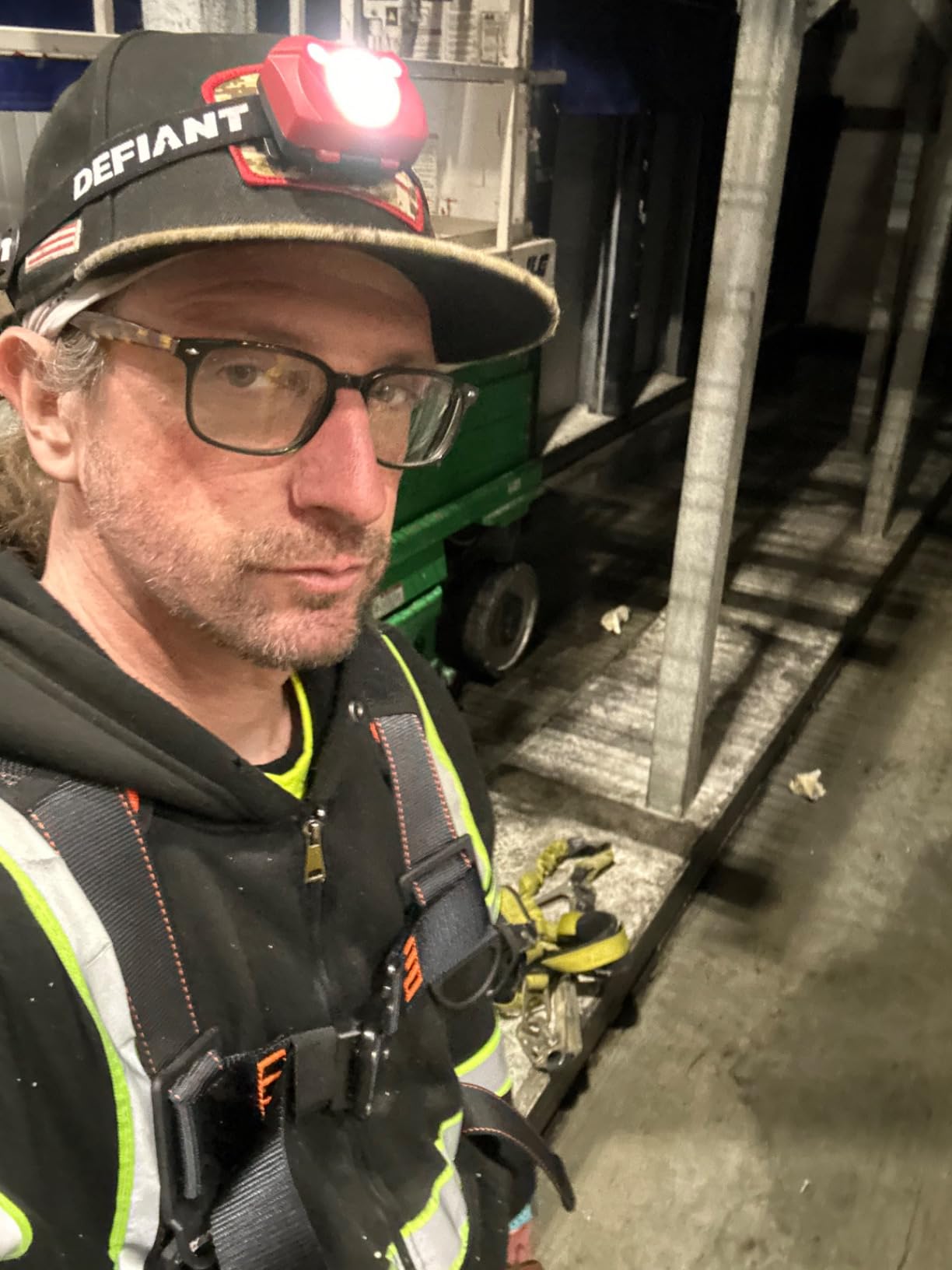
11. Palmer Safety Harness With 6 ft Lanyard Kit – Best Complete Kit for New Climbers
- ✓Harness and lanyard in one purchase
- ✓Substantial webbing and stitching
- ✓Quick connect couplings are easy to use
- ✓Compliance tags all present
- ✕Storage bag seam tore on first use
- ✕Single dorsal D-ring only
- ✕Single-leg lanyard gives less positioning control
Detachable 6 ft lanyard
Single dorsal D-ring
Fits 130-310 lb
Ansi Z359.11-2021
This kit pairs a full body harness with a detachable six-foot single-leg lanyard that includes an internal shock absorber and snap hook. That combination is the reason it rates so highly: a new climber gets a working fall arrest system in one purchase, with connectors that are already known to fit.
Owners describe it as comfortable compared with the employer-supplied alternatives they had been using, with substantial webbing and solid stitching for the money. It suits boom lift, ladder, arborist, high-rise painting and gutter work, and the compliance tags and labels are all present.
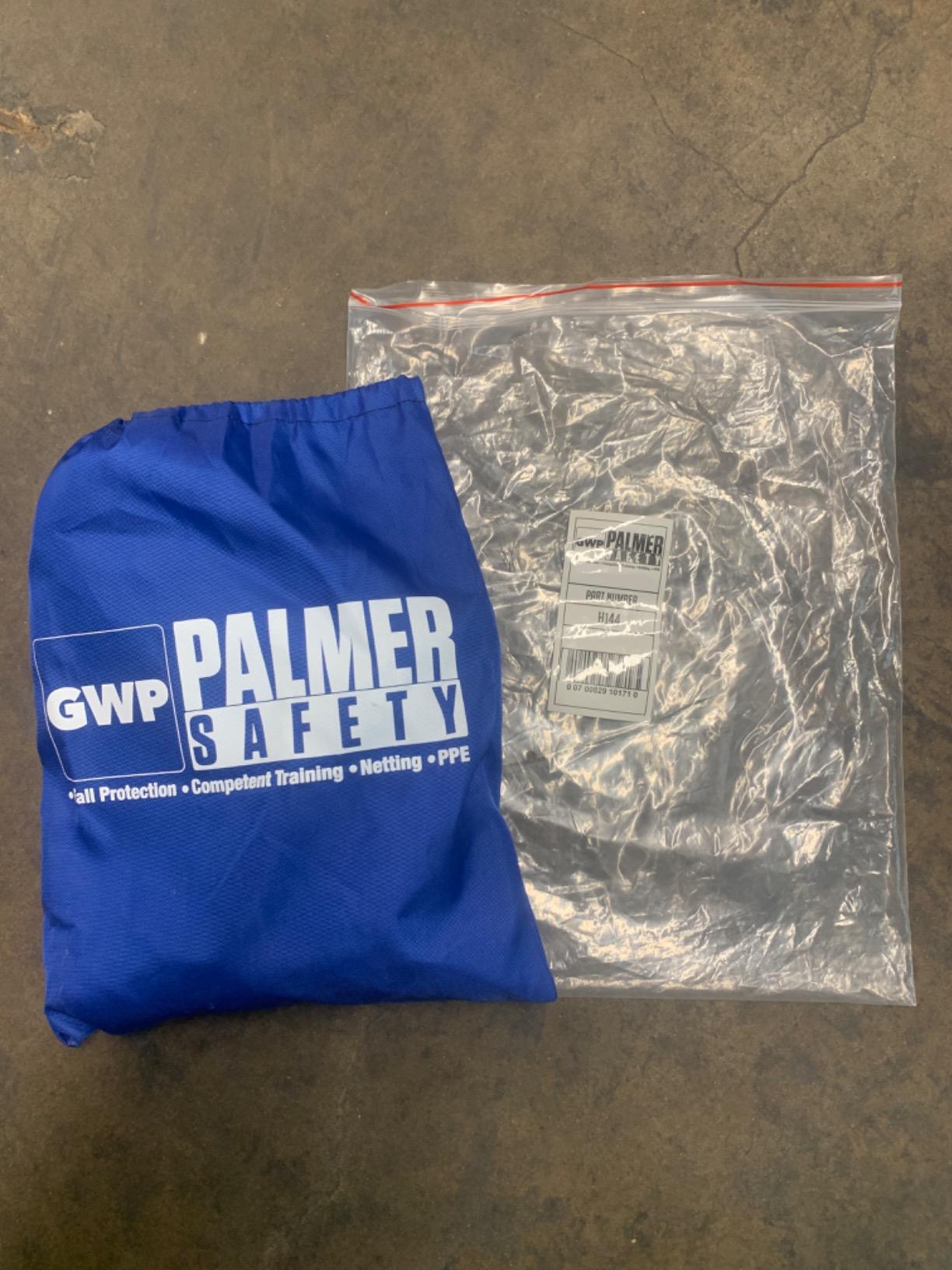
Fit Range Stated in Plain Numbers
The fit range is given as 130 to 310 pounds and 4 feet 10 inches to 6 feet 6 inches tall, which is unusually clear. Most listings in this category only state a size letter, so you can self-select on this one without guessing.
Single Dorsal D-Ring: The Main Limitation
There is one dorsal D-ring, usable for fall arrest, travel restraint and rescue, but no side or sternal attachment points. That rules out tower work and any positioning task where you need to clip below shoulder height. For general work at height, it is a complete system.
Detachable Means Upgradeable
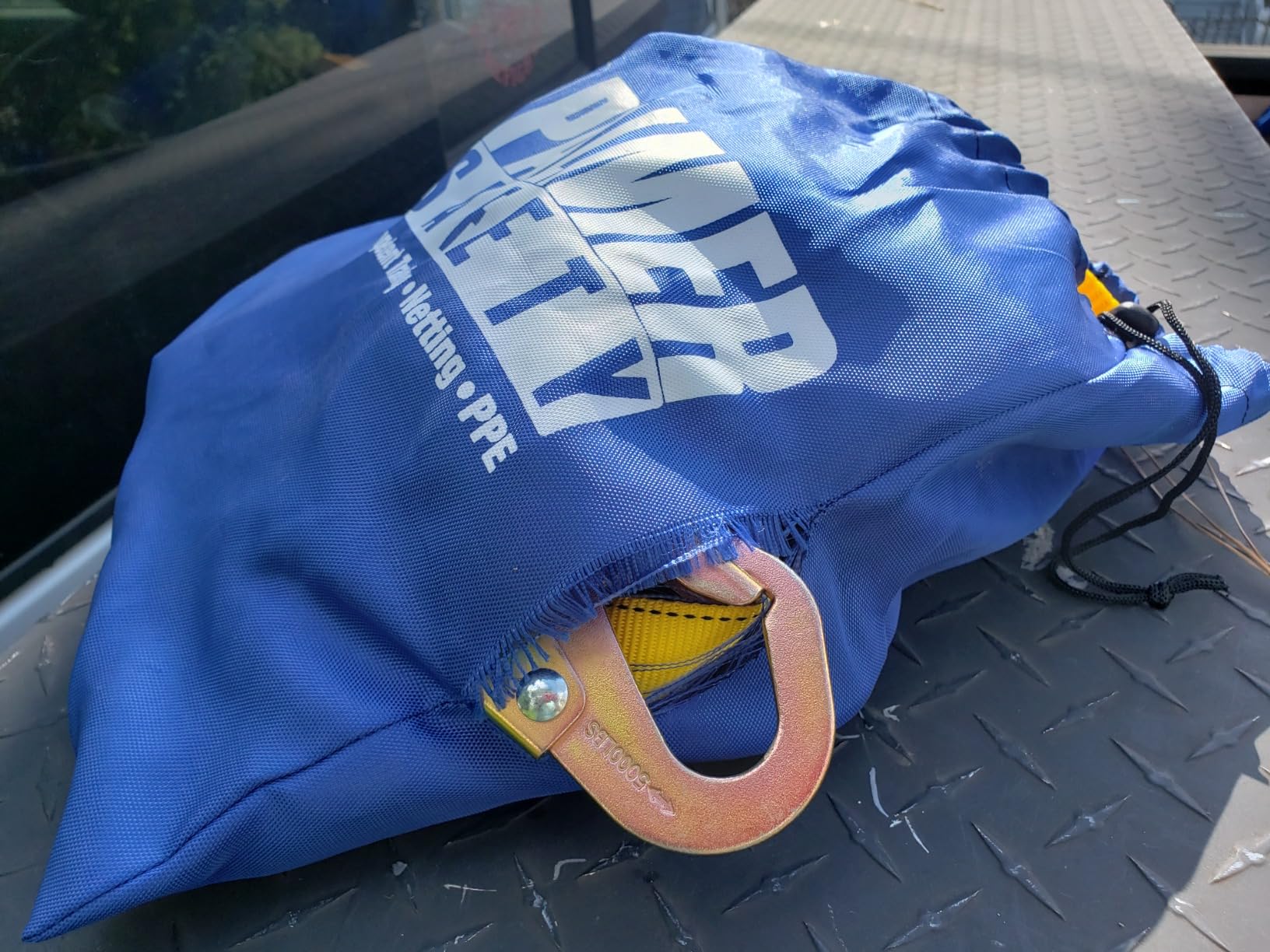
Unlike a permanently sewn lanyard, this one detaches, so you can swap in a different length, a twin-leg configuration or a self-retracting lifeline later. That flexibility is why it makes more sense as a first purchase than a fixed kit, even though the included storage bag is not worth keeping.
12. TRSMIMA Construction Harness Kit – Best Serviceable Option for Entry-Level Crews
- ✓Certified performance at a low replacement cost
- ✓Comfortable across 8+ hour days
- ✓Reliable double-locking couplings
- ✓Accommodates tall and heavy users
- ✕Takes practice to fit
- ✕Size up if you are mid-range
Steel dorsal and hip D-rings
6 ft shock-absorbing lanyard
Waist 30.7-55.3 in
This kit does what employer-supplied professional gear does, at a replacement cost a small crew can absorb. Reviewers consistently describe it as serviceable and certified, with good all-day comfort in a lift basket and hardware that keeps working.
Fit range is wide, with a waist adjustment from 30.7 to 55.3 inches and a 130 to 310 pound rating. Owners report it accommodating a 6 foot 2 inch, 220 pound wearer with room either way, and one reviewer confirms it fits a 6 foot 4 inch, 320 pound user.
Lanyard Specs Worth Noting
The included six-foot lanyard combines fall arrest with shock absorption and expands from 4.5 to 6 feet as it deploys. Its tensile strength is listed at 8500 pounds, with a snap hook rated to 5000 pounds break strength and a 3600 pound gate rating. Those numbers are what determine how far you can fall safely.
Tongue Buckle Adjustment and Learnable Fit
Tongue buckles are slower to adjust than quick-connects but they do not pop open by brushing, which makes them a good fit for crews new to the gear. Fit does take practice; budget a few minutes on the ground to work out the sequence before you need it on a job.
Dual D-Rings for Positioning
High-strength steel dorsal and hip D-rings give you a positioning option as well as a fall arrest point. That makes this more versatile than single-ring kits, and it is the reason it works for rope-adjacent tasks as well as standard work at height.
How to Choose a Safety Harness: 8 Criteria That Decide the Purchase
Pick your harness by matching the type of fall exposure to the attachment points you will actually use, then optimize for fit. A harness rated for your job but sized wrong will not protect you, and no amount of padding fixes a strap set you cannot adjust.
Fall Arrest vs Positioning vs Rope Access
Fall arrest stops a free fall after it starts. Positioning keeps you from falling in the first place by letting you clip into a side or waist D-ring and stand at a fixed height. Rope access harnesses are built for controlled descent and long hangs on a rope, and they are a different category entirely.
Most trade work is fall arrest, which is what nearly every harness here is built for. If you install siding, run cable or work under a deck, you need positioning points in addition to a dorsal ring. Rope access is worth its own research, and none of these twelve are rope access harnesses.
4-Point vs 5-Point Adjustment
Five-point adjustment is the better choice for roofing, climbing and leading-edge work because it independently tunes the shoulders, chest and legs, which keeps the harness from riding up when you bend forward. Four-point harnesses are simpler and lighter, and they work fine for general construction where you are mostly upright.
If you spend your day on steep pitches or ladders, five points is worth the extra bulk. If your work is ground-level maintenance with occasional ladder access, four points keeps the harness lighter and cheaper to replace.
D-Ring Configuration and Placement
The dorsal D-ring on the upper back is your fall arrest connection. Side D-rings at the hips handle positioning. A sternal D-ring at the chest is needed for tower climbing, cable work and ladder safety systems, and four of the twelve harnesses here do not have one. Check your task list before you decide that a missing sternal ring does not matter.
Comfort: Padding, Webbing and Weight Distribution
Comfort is a safety feature, not a luxury. FallTech puts it plainly: when a harness is uncomfortable, workers adjust it in ways that compromise fit and function. A trade worker on r/techtheatre described it from the other side, noting that some harnesses are adjustable and safe without being comfortable for a particular body.
The useful things to shop for are specific: padding at the back and shoulders where chafing starts, ventilated or moisture-wicking material for hot work, and a waist or lumbar belt that carries load instead of the shoulder straps. Weights in this group run from 3.1 pounds to 6.92 pounds, and that difference is felt over a full shift.
If you want more depth on all-day wearability, our picks for the best roofing harnesses focus on pitch work specifically.
Suspension Trauma Straps and Bosun Seats
Suspension trauma straps relieve pressure on the chest and legs after an arrest so a suspended worker can maintain circulation. Two of the twelve harnesses here integrate them, and a separate strap kit costs little if your current harness lacks them. Bosun seats are a tower-specific suspension feature that none of these twelve provide.
OSHA and ANSI Z359.11: How to Verify Certification
OSHA does not approve harnesses. OSHA writes the rules, and ANSI Z359.11 is the standard it accepts for fall arrest equipment. In the United States, fall protection is required at 6 feet above a lower level in general industry under 1910 and in construction under 1926 Subpart M.
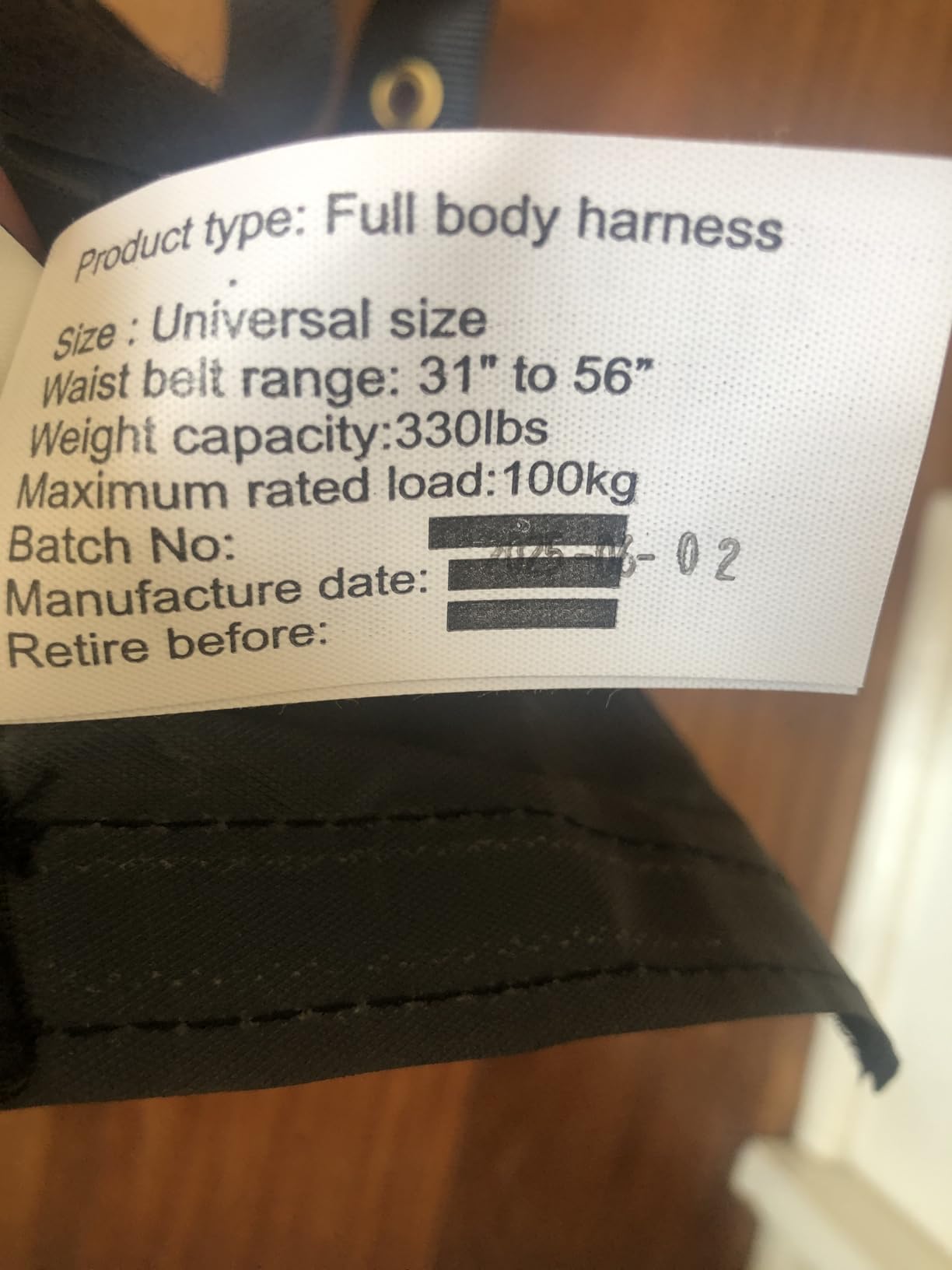
To verify a harness, look for four things on the label: the ANSI Z359.11 standard with its year, the manufacturer name and model number, the weight range including tools, and the date of manufacture. Those four details are what you need for an incident report, a warranty claim or a retirement record. A harness with no legible label is not something you should clip into.
Weight Capacity, Sizing and Fit Measurement
Measure before you order. Check the chest circumference, the waist measurement and the leg opening against the published chart, then add your clothing and tool weight to your body weight before comparing it against the rating. Sizes run roughly 130 to 420 pounds across this group, with the top of the range coming from the 3M Protecta.
Two rules of thumb came up repeatedly in the reviews. Size up if you are near the top of a band, and never accept a harness that has to be worn loose to be comfortable. Loose fit means the leg loops can ride up over your hips in a fall, which is exactly when they matter most.
Matching a Harness With a Lanyard or Self-Retracting Lifeline
A harness alone does not arrest a fall. You need a connector, and the type depends on your situation. An energy-absorbing lanyard is the simplest choice and is what most of the kits here include. A self-retracting lifeline retracts the cable and slows a fall over a shorter distance, and it needs a harness with a compatible adapter or a back web loop, which is why the FRONTLINE 100CTB stands out.
Check two numbers before connecting anything: your fall clearance, which is the total vertical space needed for the arrest, and the connector rating, which must meet or exceed your weight including tools. Field of play equipment changes the answer entirely, and we cover that separately in our guide to binocular harnesses for outdoor viewing setups.
Pre-Use and Periodic Harness Inspection Checklist
Inspect your harness before every use and formally at least every six months, taking it out of service the moment anything fails. Most of the harnesses here include fall indicators that give you an immediate answer after a load event, but visual inspection catches damage long before that.
1. Webbing. Look at the full length of every strap for cuts, fraying, burns, chemical staining, discoloration or crushed fibres. Pull the webbing hard; it should feel stiff rather than soft.
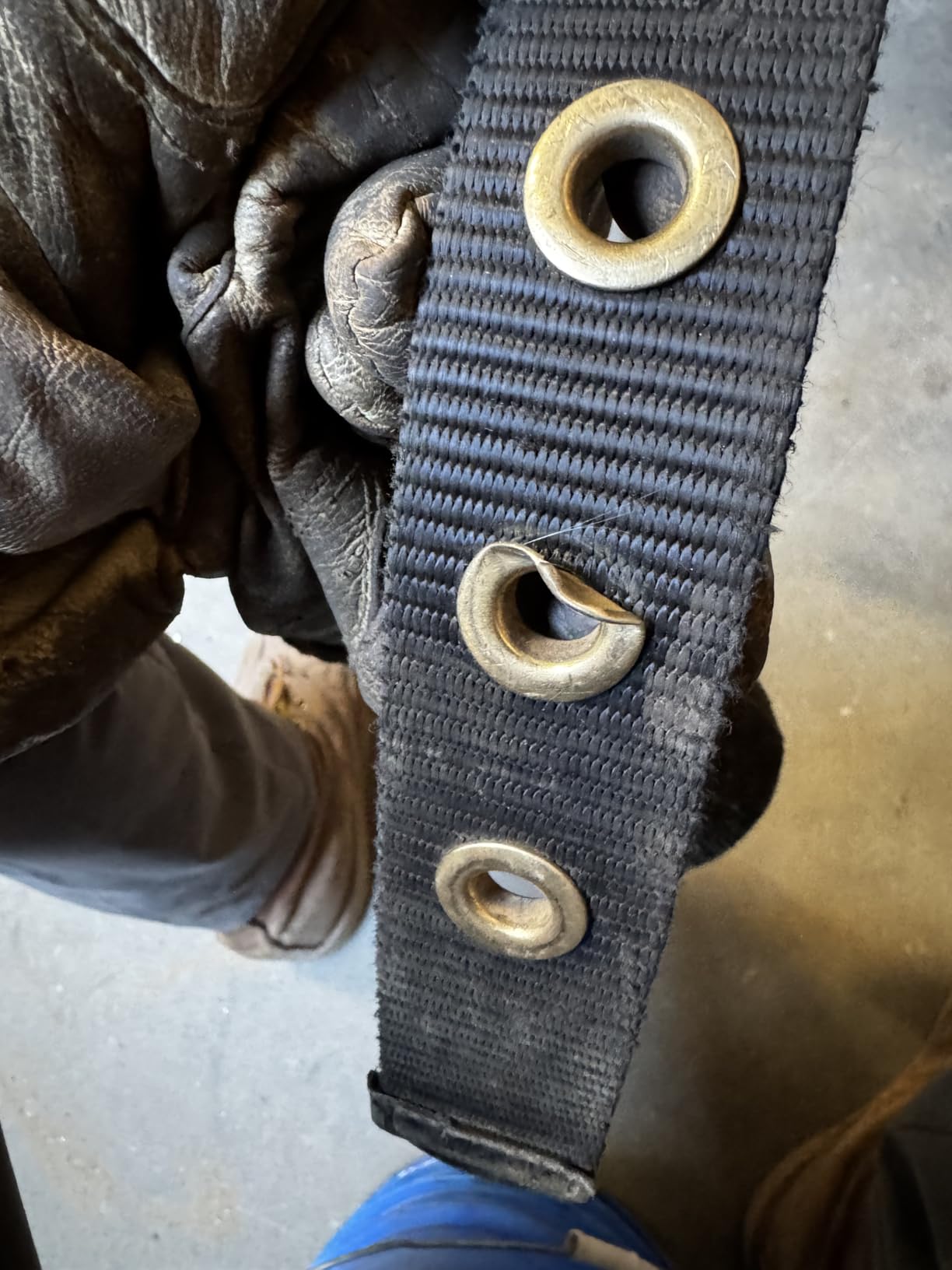
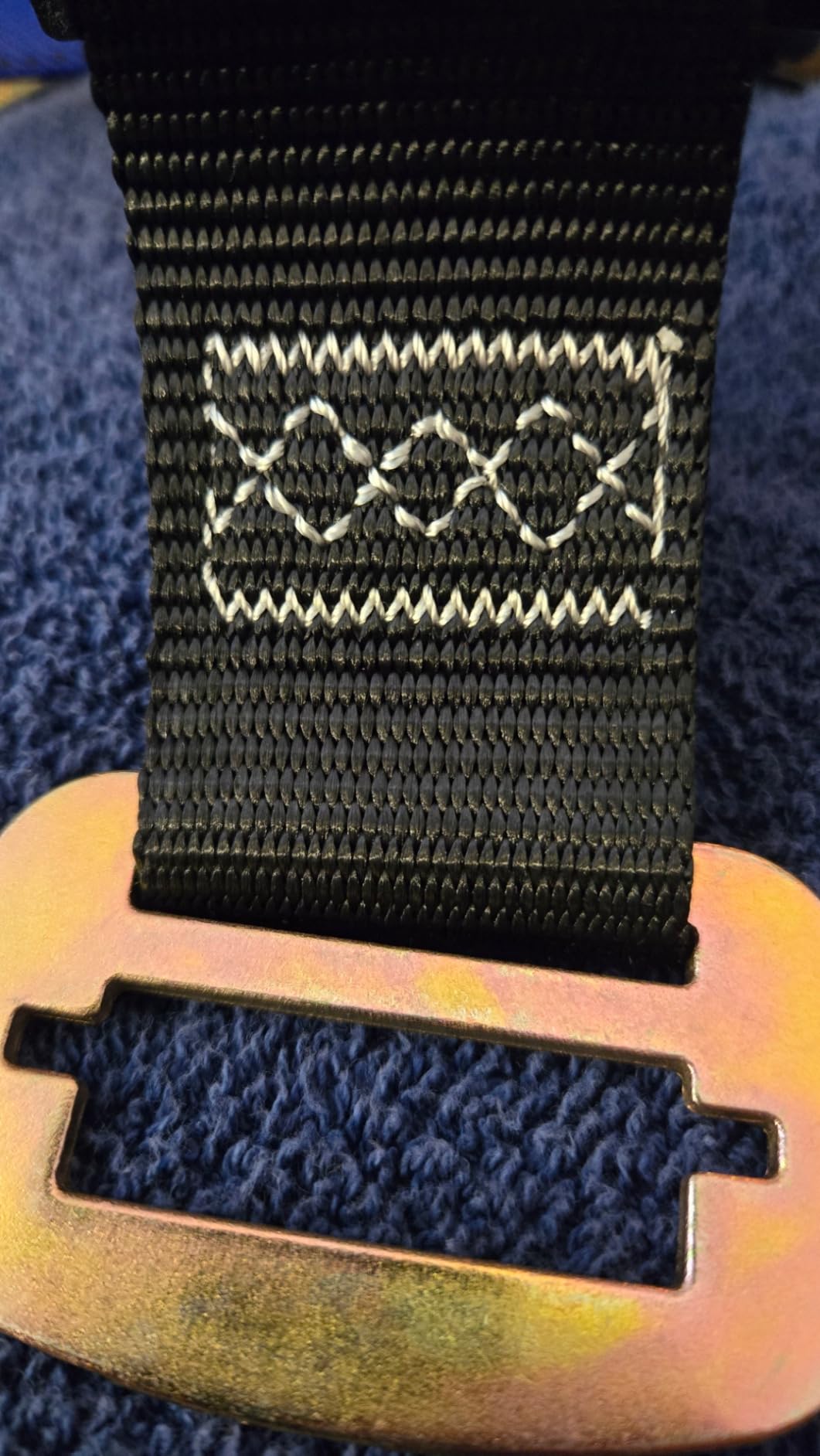
2. Stitching and seams. Check every stitch line, especially where webbing is folded and bar-tacked at adjustment points. Pull the stitch line open. A harness that has been loaded or dropped will show deformed or popped threads.
3. Hardware and buckles. Inspect D-rings, buckles, adjusters and snap hooks for cracks, corrosion, dents or gouges. Operate every buckle and confirm it locks, latches and releases cleanly with no partial engagement.
4. D-rings and attachment points. Confirm each ring is fully closed, sits flat and pivots freely. Any ring that does not rotate 360 degrees, or that has been loaded in a fall, means the harness is retired.
5. Labels and markings. Read the label. Confirm the ANSI standard and year, the manufacturer and model, the weight range including tools, and the date of manufacture. Missing or illegible labelling is a retire condition, not a minor annoyance.
6. Chemical, heat and UV damage. Look for stiffening, discoloration, melted or bubbled surfaces and a bleach or solvent smell. Any of these means the webbing strength is unknown and the harness must be removed from service.
Document what you find. A written record with dates and a signature is what protects you and your employer if an incident is ever investigated, and it is far easier to keep than a memory six months later.
Can You Buy Your Own Safety Harness?
Yes, you can buy your own, but your employer still owns the responsibility for the gear you use. That distinction came up repeatedly when tradesworkers discussed this. The practical answer from r/Ironworker was direct: if the issued gear does not work for you, talk to your safety officer, because your employer is responsible for the safety gear.
Before you spend your own money, work through that channel first. Document the specific problem, such as shoulder webbing digging in or leg loops not adjusting, and ask whether a different model or size can be issued. If the answer is no, keep the conversation in writing.
If you do buy your own, three rules keep you protected. Your employer has to inspect and approve it, because an uninspected harness in service is a liability. It must carry legible ANSI labelling meeting the same standard as the issued gear. And you must follow the manufacturer’s care and retirement instructions exactly, because a self-purchased harness is still covered by them.
Frequently Asked Questions
What is the most comfortable safety harness?
The most comfortable harnesses in our testing combine padded back and shoulder straps, ventilated or moisture-wicking material, and a waist or lumbar belt that carries load away from the shoulders. The 3M Protecta Comfort and the Malta Dynamics Warthog Comfort MAXX scored highest for all-day wear, while the KwikSafety SCORPION wins for crews who want a light harness with no padding bulk. Comfort matters for safety because an uncomfortable harness gets loosened in the field.
Which safety harnesses are OSHA approved?
OSHA does not approve or certify any harness. OSHA writes the fall protection rules, and it accepts harnesses built to the ANSI Z359.11 standard as one way to comply. Every harness in our roundup is labeled to ANSI Z359.11 with a year, plus the manufacturer, model, weight range including tools, and date of manufacture. Verify those four label details before you clip in.
Should I get a 4 point or 5 point harness?
Choose a 5-point harness for roofing, climbing and leading-edge work, because independent shoulder, chest and leg adjustment keeps the harness from riding up when you bend forward. A 4-point harness is lighter and works fine for general construction where you spend most of the day upright. If your work involves steep pitches or ladders, the extra bulk of 5-point adjustment is worth it.
How many feet up is the OSHA rule for harnesses?
In the United States, fall protection is required at 6 feet above a lower level in both general industry under OSHA 1910 and construction under 1926 Subpart M. Individual states and specific industries can require protection at lower heights, so check your local rule and your site plan rather than assuming 6 feet is the threshold everywhere.
What are the 6 things you look for during a harness inspection?
Inspect six areas before every use: webbing for cuts, fraying or chemical damage; stitching and seams for popped or deformed threads; hardware and buckles for cracks and clean operation; D-rings and attachment points for closure and free rotation; labels for the ANSI standard, manufacturer, weight range and date; and chemical, heat or UV damage that stiffens or discolors the material. Anything that fails goes straight out of service.
Which Safety Harness Should You Buy in 2026?
If you want one harness that covers most residential and commercial work with the fewest decisions to make, start with the KwikSafety SCORPION. It carries the largest review base in this group, it is light enough for a full day, and the sewn-on shock-absorbing lanyard means you are not solving connector compatibility before you start.
If fit across a wide range of body types is your problem, pick the Palmer Safety Hammerhead with its 130 to 420 pound range and more than fifty size combinations. If you carry tools all day, the FRONTLINE 100CTB is the one with the reinforced belt and integrated trauma straps. If you work above six feet and 300 pounds, the AFP with its eight-inch support belt is the one that actually fits. And if comfort after hour eight is the deciding factor, the 3M Protecta Comfort is the model workers name most often.
Whatever you choose, measure before you order, size up if you sit near the top of a band, and run the six-point inspection before every use. Fall protection gear is personal protective equipment, and it works only alongside a competent person, a site-specific fall protection plan and the manufacturer’s instructions. Use the buttons below to check current details on any of these harnesses.



Leave a Comment