
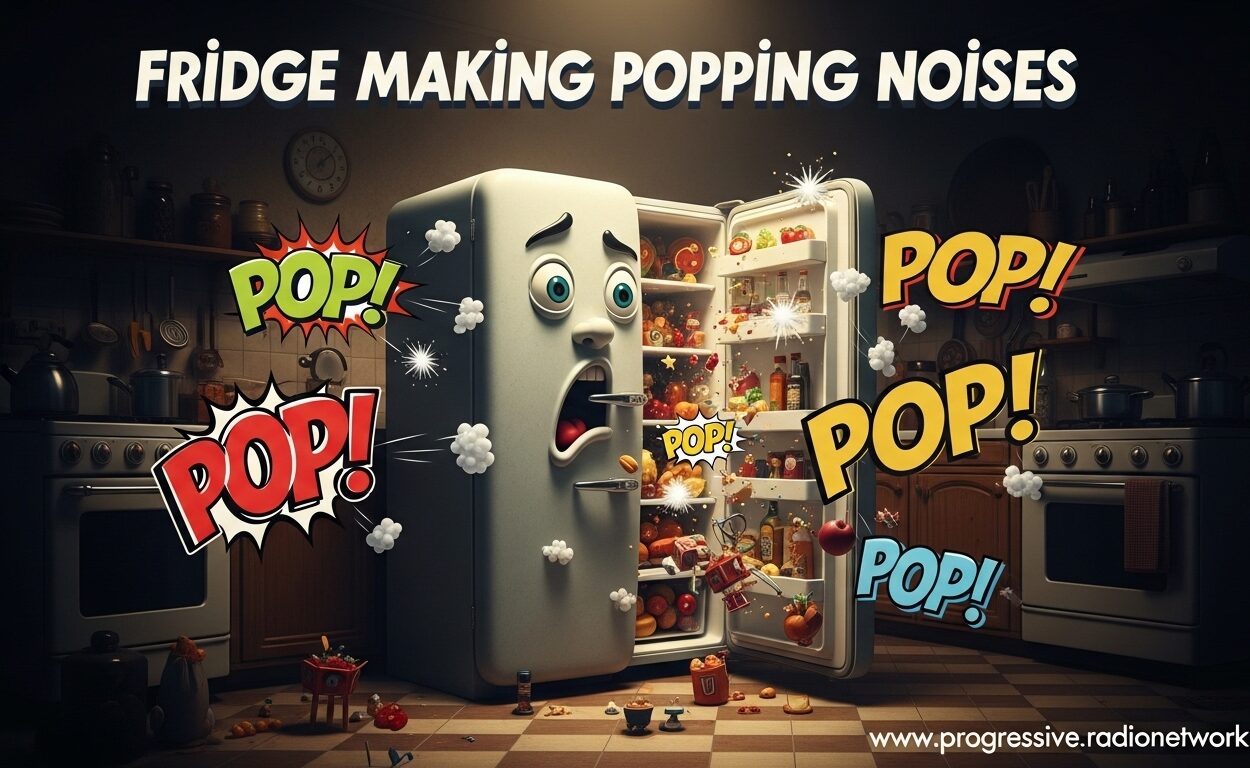
If you’re hearing popping or cracking sounds from your refrigerator, you’re not alone. This is one of the most common concerns homeowners have about their appliances, and the good news is that most popping noises are completely normal.
Whether your fridge is making popping noises at night, during the day, or seemingly at random, understanding what’s happening inside can give you peace of mind. After researching countless homeowner experiences and consulting with appliance experts, I’ve compiled everything you need to know about refrigerator popping sounds, when to worry, and what you can do about it.
Most refrigerator popping noises are caused by normal thermal expansion and contraction as your appliance cools and defrosts. However, some sounds can indicate underlying issues that need attention. Let’s break down exactly what’s happening inside your fridge and how to tell the difference between normal operation and a problem that needs fixing.
Why Your Fridge Makes Popping Noises
Refrigerator popping sounds are typically caused by four main factors. Understanding these will help you identify what’s happening with your specific appliance.
Thermal Expansion and Contraction: This is the most common cause of popping noises in refrigerators. The interior walls, plastic components, and metal parts all expand when warm and contract when cold. When materials change size rapidly due to temperature fluctuations, they can create popping or cracking sounds. This is especially noticeable during the initial cool-down phase after loading groceries or when the defrost cycle begins.
The Defrost Cycle: Modern refrigerators automatically defrost 1-2 times per day to prevent frost buildup. During this cycle, the defrost heater warms the evaporator coils, causing rapid temperature changes that create popping sounds as components expand and contract. This typically lasts 20-30 minutes and is completely normal.
Ice Maker Activity: If your refrigerator has an ice maker, the auger motor, water valve, and ice ejector arms can create popping sounds during operation. Some models make distinct popping noises when ice falls into the bin or when the ice maker cycles to refill.
Refrigerant Flow: As refrigerant moves through the system, pressure changes can cause popping sounds, particularly when the compressor starts or stops. This is more common in older units but can occur in newer refrigerators as well.
Understanding the Defrost Cycle
The defrost cycle is an automatic process that keeps your refrigerator running efficiently. Every 8-12 hours, your fridge temporarily switches from cooling to heating mode. The defrost heater melts any frost that has accumulated on the evaporator coils, preventing ice buildup that would reduce efficiency.
During this cycle, you’ll likely hear popping or cracking sounds as the coils warm up and surrounding components expand. The defrost timer controls this process, and while it might seem alarming, it’s actually a sign that your refrigerator is working properly to maintain optimal performance.
Most defrost cycles occur once or twice daily, typically every 8-12 hours of compressor run time. If you notice popping at roughly the same times each day, this is likely the defrost cycle doing its job.
Normal vs. Problem Popping: Quick Reference
Use this quick reference to determine whether your refrigerator’s popping sounds are normal or indicate a potential problem.
| Sound Type | Duration | Frequency | Other Symptoms | Action Needed |
|---|---|---|---|---|
| Occasional pop or crack | 1-2 seconds | 1-2 times per day | None | Normal – no action |
| Series of pops | 20-30 minutes | During defrost cycle | None | Normal – no action |
| Loud constant popping | Continuous | Frequent/random | Cooling issues | Check compressor |
| Pop then silence | Compressor stops | Repeated attempts | Not cooling | Service needed |
| Popping with buzzing | Variable | When door closes | Electrical smell | Immediate service |
Warning Signs Your Fridge Needs Attention
While most popping sounds are harmless, certain symptoms indicate that your refrigerator may need professional attention. I’ve spoken with appliance repair experts who recommend watching for these warning signs.
Loud, Constant Popping: If the popping is unusually loud and happens frequently throughout the day, this could indicate compressor problems. A failing compressor often makes popping sounds as it struggles to start, followed by a click when it gives up.
Popping Followed by Silence: This is a classic symptom of compressor start relay failure or overload protector issues. The compressor tries to start, makes a popping sound, then shuts down completely. Your refrigerator will stop cooling if this continues.
Cooling Problems: If you notice your food isn’t staying cold enough, or if there’s frost buildup in unexpected places, the popping sounds might indicate a more serious problem with the refrigerant system or defrost components.
Unusual Smells: Any electrical or burning odor accompanying popping sounds requires immediate attention. This could indicate an electrical issue that poses a safety hazard.
Food Spoilage: If your refrigerator is making popping sounds and your food is spoiling faster than normal, this indicates the cooling system is compromised. Professional repair is needed to prevent complete refrigerator failure.
According to appliance expert Garrett Bergstrom, “Knowing the reason for the popping sound will help you fix it before it becomes a bigger problem. Addressing warning signs early can save you hundreds in repair costs and prevent food spoilage.”
Brand-Specific Popping Issues
Different refrigerator brands have unique characteristics when it comes to popping sounds. Understanding these patterns can help you determine whether your specific model’s sounds are normal.
Samsung Refrigerators: Samsung fridge owners frequently report loud popping noises every 1-2 hours, often from the ice maker area. This is typically caused by the auger motor or ice ejector mechanism. Some Samsung models also experience popping from the digital inverter compressor during normal operation.
Whirlpool Refrigerators: Whirlpool fridges are known for pronounced popping during the defrost cycle, especially in models with the adaptive defrost system. The plastic interior components expanding and contracting create noticeable cracking sounds, particularly when the refrigerator is first plugged in or after adding a large amount of room-temperature food.
LG Refrigerators: LG linear compressor models can make popping sounds during normal operation. While generally normal, if accompanied by cooling issues, it may indicate the known linear compressor problems that affected certain LG models manufactured between 2014-2017.
Frigidaire Refrigerators: Frigidaire owners often report popping from the evaporator fan motor area. If the popping is rhythmic and matches fan speed, it could indicate fan blade issues or motor problems that may require replacement.
Why Your Fridge Makes Noise at Night
This is one of the most common questions I see from homeowners. Your refrigerator seems louder at night because background noise is lower, making appliance sounds more noticeable. Additionally, many refrigerators are programmed to run their defrost cycles during off-peak hours when the refrigerator door is less likely to be opened.
The defrost timer typically advances when the compressor runs, and since the refrigerator runs more during the day when doors are opened, the defrost cycle often triggers at night. If you hear consistent popping around the same time each night, this is likely your scheduled defrost cycle working normally.
Some homeowners report that lowering the temperature setting can reduce ice-related popping sounds, as less frost means less dramatic melting during the defrost cycle.
DIY Troubleshooting Steps
If your refrigerator’s popping sounds concern you, there are several steps you can take to diagnose or reduce the noise before calling a professional.
Step 1: Level Your Refrigerator – An unlevel refrigerator can cause components to shift and make unusual noises. Use a level to check your fridge from front to back and side to side. Adjust the leveling legs until the refrigerator sits evenly on the floor.
Step 2: Clean Condenser Coils – Dirty condenser coils force your compressor to work harder, potentially creating more noise. Unplug your refrigerator and vacuum or brush the coils located on the back or bottom of the unit.
Step 3: Check Ice Maker – If you suspect the ice maker is causing the popping, try turning it off for 24 hours to see if the sounds stop. If they do, the issue is with the ice maker components.
Step 4: Clear Vents – Ensure air vents inside the freezer and fresh food compartments aren’t blocked by food items. Overfilled compartments can restrict airflow and cause unusual noises.
Step 5: Monitor the Pattern – Keep a log of when popping occurs, how long it lasts, and any other symptoms. This information will be valuable if you need to call a repair technician.
Step 6: Check Temperature Settings – Ensure your refrigerator and freezer are set to the recommended temperatures (37-40 degrees Fahrenheit for the fridge, 0-5 degrees for the freezer). Improper settings can cause excessive cycling and noise.
If these steps don’t resolve your concerns, or if you notice any of the warning signs mentioned earlier, it’s time to call a professional appliance repair service. Refrigerator repairs involving the compressor, sealed refrigerant system, or electrical components should always be handled by qualified technicians.
Frequently Asked Questions
How do you fix a popping noise on a refrigerator?
Start by leveling your refrigerator and cleaning the condenser coils. If the ice maker is the source, turn it off temporarily to confirm. Check that vents aren’t blocked by overfilled compartments. If popping persists with cooling problems, contact a professional technician to inspect the compressor and start relay.
What are signs of a failing fridge compressor?
Listen for loud popping when the compressor tries to start, followed by clicking and silence. Notice if your refrigerator runs constantly without adequate cooling, or if food spoils faster than normal. A compressor that cycles on and off frequently or makes unusual banging noises likely needs professional replacement.
Is it safe to use a noisy refrigerator?
Most refrigerator popping sounds are normal and safe. However, if you hear popping accompanied by electrical smells, see sparks, or notice the refrigerator isn’t cooling properly, unplug it immediately and contact a technician. Electrical issues can pose fire hazards and should never be ignored.
What are the signs of a dying refrigerator?
Warning signs include excessive condensation inside the compartment, food spoiling quickly, the motor running constantly without stopping, unusual noises beyond normal operation, frost buildup in unexpected places, and the refrigerator feeling hot to the touch on the exterior. These symptoms indicate your appliance may be nearing the end of its lifespan.
Why does my fridge keep making a popping sound?
Your refrigerator makes popping sounds primarily due to thermal expansion and contraction of interior components. The defrost cycle causes materials to expand and contract as temperatures change. Ice maker operation, refrigerant flow, and compressor cycling also contribute. These sounds are typically normal unless accompanied by cooling problems.
What does a refrigerator sound like when the compressor is going out?
A failing compressor often makes loud popping or banging when trying to start, followed by a click and silence. You may hear repeated start attempts every few minutes. The refrigerator may run constantly without achieving proper cooling, and eventually the compressor may stop starting altogether.
Is a noisy fridge dangerous?
Most refrigerator noises are not dangerous and indicate normal operation. However, popping accompanied by burning smells, visible sparks, or electrical issues could indicate a fire hazard. If you notice these symptoms along with the noise, unplug your refrigerator immediately and contact a qualified appliance repair technician.
Conclusion
Most refrigerator popping noises are completely normal and caused by thermal expansion, the defrost cycle, or ice maker operation. By understanding what’s typical for your specific brand and model, you can distinguish between normal operation and actual problems that need attention.
Use the quick reference table in this article to evaluate your specific situation. If your fridge is making popping noises without any cooling issues or other warning signs, you likely have nothing to worry about. However, if you notice loud constant popping, cooling problems, or electrical smells, it’s time to call a professional appliance repair technician.
Regular maintenance like cleaning condenser coils, leveling your refrigerator, and ensuring proper air circulation can help minimize popping sounds and extend your appliance’s lifespan. Most importantly, trust your instincts – if something seems wrong with your refrigerator making popping noises, getting a professional diagnosis can prevent more expensive problems down the road.

Leave a Comment