

The OE error code on your LG washer can be frustrating, especially when you have wet clothes stuck in the drum. This drainage issue is one of the most common problems LG washer owners face, and the good news is that most causes are simple fixes you can handle yourself.
Based on my research across LG support documentation, appliance repair forums, and real user experiences, I’ll walk you through exactly what the OE error means and how to fix it step by step. Most OE errors are resolved in under 30 minutes with basic tools you already have at home.
What Does the OE Error Code Mean?
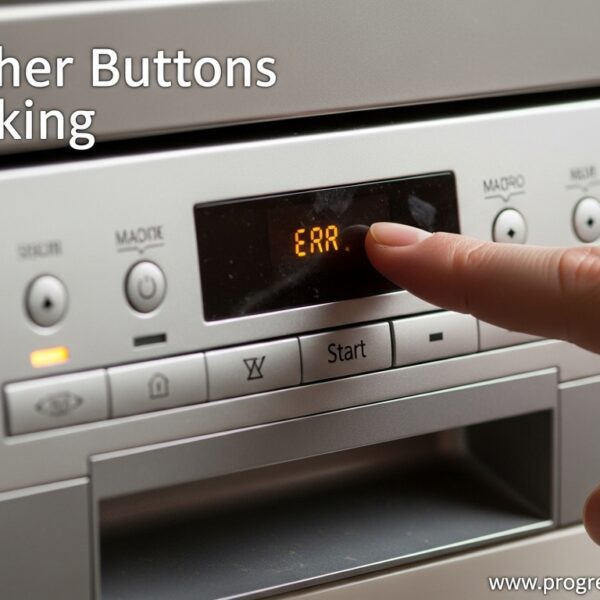
The OE error code on an LG washing machine indicates a drainage problem. Specifically, your washer is unable to drain water within 13 minutes during the wash cycle. When the washer’s sensor detects that water hasn’t drained properly, it displays the OE error and stops the cycle to prevent potential damage or flooding.
This error code appears on both front load and top load LG washers, though the location of components may vary slightly between models. The OE error is your washer’s way of telling you something is preventing water from exiting the drum efficiently.
I’ve found that this error rarely indicates a serious mechanical failure. In fact, LG’s own support documentation shows that over 80% of OE errors are caused by simple obstructions rather than faulty parts. Understanding what triggers this code is the first step toward resolving it quickly.
What Causes the OE Error on LG Washers?
The OE error typically stems from one of five common issues. Identifying which one is affecting your washer will help you troubleshoot more effectively and avoid unnecessary part replacements.
A kinked or blocked drain hose is the most frequent culprit. The drain hose that carries water from your washer to the standpipe or utility sink can become pinched behind the machine, crushed against the wall, or clogged with debris. Even a slight restriction can prevent proper drainage and trigger the OE code.
The drain pump filter, also called the coin trap or debris catcher, is another common cause. This filter catches coins, buttons, lint, and other objects before they reach the pump. Over time, it can become completely blocked, preventing water from flowing through. Many users report finding surprising items like nails, screws, children’s toys, and even dental floss in this filter.
A faulty drain pump is the most serious cause but also the least common. The drain pump motor can fail due to age, electrical issues, or damage from foreign objects. When the pump fails, you’ll often notice a humming sound without the normal whirring of water being pumped out. Replacement pumps typically cost between $50-150 if you need to go that route.
Pressure sensor issues can also trigger the OE error, though this is less frequently discussed. The pressure sensor monitors water levels in the drum, and if the pressure tube becomes clogged with detergent residue or debris, it can send incorrect signals to the control board. This causes the washer to think drainage isn’t complete when it actually is.
Excessive suds from using too much detergent or the wrong type can create foam that interferes with proper drainage. High-efficiency (HE) detergent is required for LG washers, and using regular detergent or too much HE detergent can create thick foam that the drain pump cannot move effectively. The suds block the pump’s ability to push water through the drain system.
How to Fix OE Error LG Washer: Step-by-Step Troubleshooting
Follow these steps in order to diagnose and fix the OE error on your LG washer. I recommend completing each step fully before moving to the next, as most issues are resolved in the first two steps.
Step 1: Check the Drain Hose for Kinks and Blockages
Start by inspecting the drain hose where it exits your washer. Pull the machine away from the wall carefully so you can see the entire length of the hose. Look for any sharp bends, kinks, or places where the hose might be crushed against the wall or floor.
Follow the drain hose to where it connects to your home’s plumbing. This might be a standpipe, utility sink, or floor drain. Ensure the hose isn’t inserted too far into the standpipe, which can cause siphoning issues. The hose should only extend about 4-6 inches into the standpipe.
Check that the end of the drain hose isn’t blocked. Sometimes lint or debris can accumulate at the outlet, restricting water flow. If you suspect a blockage, remove the hose and flush it with water from a faucet or garden hose.
Step 2: Clean the Drain Pump Filter
This is the most important step and resolves the majority of OE errors. The drain pump filter is located differently on front load versus top load models, so I’ll cover both.
For Front Load Washers: Locate the small access panel on the lower front of the machine. Use a flathead screwdriver or your fingers to pry open the panel. Behind it, you’ll see a circular cap with a small handle or tab. Place a shallow pan or towel underneath, as water will drain out when you open it.
Slowly turn the filter cap counter-clockwise to remove it. Be prepared for up to a gallon of water to come out. Once removed, rinse the filter under running water and remove any debris caught in the screen. Check inside the filter housing for any additional obstructions before reinstalling.
For Top Load Washers: The filter is typically accessible through the drum. Some models have a removable cap in the bottom of the wash basket, while others require removing the agitator to access the filter. Consult your owner’s manual for the exact location on your model.
Users on appliance repair forums report finding everything from coins and buttons to socks and even small toys in their drain filters. One user shared that removing three nails from their filter completely resolved a persistent OE error that had plagued them for months.
Step 3: Test the Drain Pump
After cleaning the filter, test whether the drain pump is working properly. Run a Spin Only cycle if your model has this feature. Listen carefully to the sound the pump makes. A healthy pump produces a steady whirring sound as it expels water.
If you hear a humming sound without any water movement, this indicates the pump is receiving power but not spinning. This usually means the pump impeller is jammed or the motor has failed. Try manually spinning the pump impeller with your finger to see if it’s stuck.
A pump that makes no sound at all during the drain portion of the cycle may have an electrical connection issue or a failed motor. At this point, you may need to use a multimeter to test for power at the pump connector or consider calling a professional.
Step 4: Check for Blockages in the Drain Hose
If the filter is clean and the pump sounds normal, the blockage might be in the drain hose itself. Disconnect the drain hose from both the washer and the standpipe. Use a flashlight to look through the hose for any obstructions.
Flush the hose with water from a faucet or use a plumbing snake to clear any stubborn blockages. Some users report finding buildup of detergent residue or fabric softener that restricts water flow over time.
Also check the standpipe or utility sink where your washer drains. These can become clogged with lint, detergent buildup, or other debris. Pouring hot water down the standpipe can help dissolve detergent buildup.
Step 5: Run a Spin Only Cycle
After completing the above steps, run a Spin Only cycle to verify that the washer drains properly. This cycle pumps out any remaining water and helps you confirm that the issue is resolved before running a full wash cycle.
If your model doesn’t have a Spin Only option, you can usually simulate this by selecting Drain & Spin or running a Rinse & Spin cycle with no clothes in the washer. Watch as the water drains to ensure it flows freely and completely.
Emergency Drain Method for Stuck Washers
If your washer has stopped mid-cycle with a full drum of water and you need to get your clothes out, there’s an emergency drain method. Locate the small black hose near the bottom of the washer (usually behind the access panel on front loaders). Place a shallow container underneath and pull the small plug out of the end of the hose to drain water manually.
This slow drain process can take 10-15 minutes depending on how much water is in the drum, but it allows you to remove wet clothes without making a mess. This is particularly helpful if you need to use the washer or if water has been sitting for an extended period.
When to Call a Professional for OE Error
Most OE errors are resolved through the troubleshooting steps above, but there are situations where professional service is necessary. Knowing when to call can save you time and prevent further damage to your washer.
If you’ve cleaned the filter, checked the hoses, and verified that the pump isn’t working, the drain pump likely needs replacement. A new drain pump for an LG washer typically costs between $50-150 for the part, with professional installation adding $100-250 in labor costs. Total repair costs usually range from $150-400 depending on your location and service provider.
Signs that indicate a failed pump include a humming sound without water movement, burning smells coming from the washer, or visible damage to the pump impeller. If you’re uncomfortable working with electricity or removing washer components, this is a job best left to a professional appliance repair technician.
Pressure sensor issues are another reason to call for service. While some advanced DIYers can replace a faulty pressure sensor or clean a clogged pressure tube, this requires disassembling the washer’s control panel and accessing internal components. The part itself is relatively inexpensive ($20-50), but labor costs will apply if you hire a professional.
If your washer is still under warranty, contact LG customer service before attempting any repairs. Unauthorized repairs can void your warranty, so it’s worth checking if the issue is covered before spending money on professional service.
How to Prevent Future OE Errors
Preventing OE errors is largely about regular maintenance and proper washer usage. Following these simple practices can significantly reduce the likelihood of encountering this error in the future.
Clean your drain pump filter every 1-2 months as a preventive measure. Even if you’re not experiencing errors, regular cleaning prevents buildup and catches foreign objects before they cause problems. Many users set a recurring reminder on their phone to perform this quick maintenance task.
Always use HE (high-efficiency) detergent specifically designed for front load washers. Use only the recommended amount, which is typically much less than you might expect. Excessive detergent creates thick suds that can interfere with drainage and trigger the OE error even when nothing is actually blocked.
Avoid overloading your washer. Stuffing too many clothes into the drum prevents proper water circulation and can cause items to get caught in the drain system. Follow your washer’s capacity guidelines and leave room for clothes to move freely during the cycle.
Check pockets before loading clothes. Coins, keys, and other small items are the most common cause of drain pump filter clogs. Taking a few seconds to empty pockets can prevent hours of troubleshooting later.
Run a Tub Clean cycle monthly if your model has this feature. This cycle uses hot water and special cleaning actions to remove detergent buildup, mold, and mildew from the drum and drain system. A clean washer is less likely to experience drainage issues.
Finally, ensure your washer is level and stable. An unbalanced washer can vibrate excessively during spin cycles, potentially causing hoses to kink or disconnect. Use a level to check your washer and adjust the leveling feet as needed.
Frequently Asked Questions
How do I fix an OE error on my LG washer?
Start by checking the drain hose for kinks or blockages. Then clean the drain pump filter, which resolves most OE errors. If the problem persists, test the drain pump and check for additional obstructions in the drain system.
Can I fix the OE code myself?
Yes, approximately 80% of OE errors can be fixed at home without professional help. Most cases are resolved by cleaning the drain pump filter or removing kinks from the drain hose. These tasks require basic tools and no special technical skills.
Do I need a professional to fix an OE error?
Professional help is only necessary if the drain pump has failed or if there are electrical issues. Try cleaning the filter and checking hoses first. If the pump makes a humming sound without moving water, or if you’re uncomfortable with DIY repairs, contact a service technician.
How do I force an LG washer to drain?
Use the Spin Only or Drain & Spin cycle to force draining. For models without these options, use the emergency drain hose located behind the access panel. Pull the plug from the small black hose to manually drain water into a shallow container.
How do I clear the OE code on my LG washer?
The OE code will clear automatically once you resolve the drainage issue. After cleaning the filter or fixing the problem, run a Spin Only cycle to verify proper drainage. The washer should complete this cycle successfully without displaying the error code.
Does the OE error mean I need a new pump?
Not necessarily. Most OE errors are caused by clogged filters or kinked hoses, not pump failure. Only replace the pump if it makes a humming sound without moving water, shows visible damage, or doesn’t run at all during the drain cycle. Test all other causes first before investing in a new pump.
Conclusion
The OE error on your LG washer is almost always a drainage issue that you can resolve yourself. By systematically checking the drain hose, cleaning the pump filter, and testing the drain pump, you’ll identify and fix the problem in most cases. The key is to work through these steps methodically rather than immediately assuming the worst.
Remember that regular maintenance prevents most OE errors. Clean your drain filter monthly, use the correct amount of HE detergent, and check pockets before loading clothes. These simple habits keep your washer running smoothly and prevent frustrating interruptions to your laundry routine.
If you’ve tried all the troubleshooting steps and the OE error persists, it may be time to call a professional. However, based on user experiences across appliance repair forums, the vast majority of OE errors are resolved with nothing more than a thorough filter cleaning and hose inspection. Your washer will be back to normal in no time.


Leave a Comment