
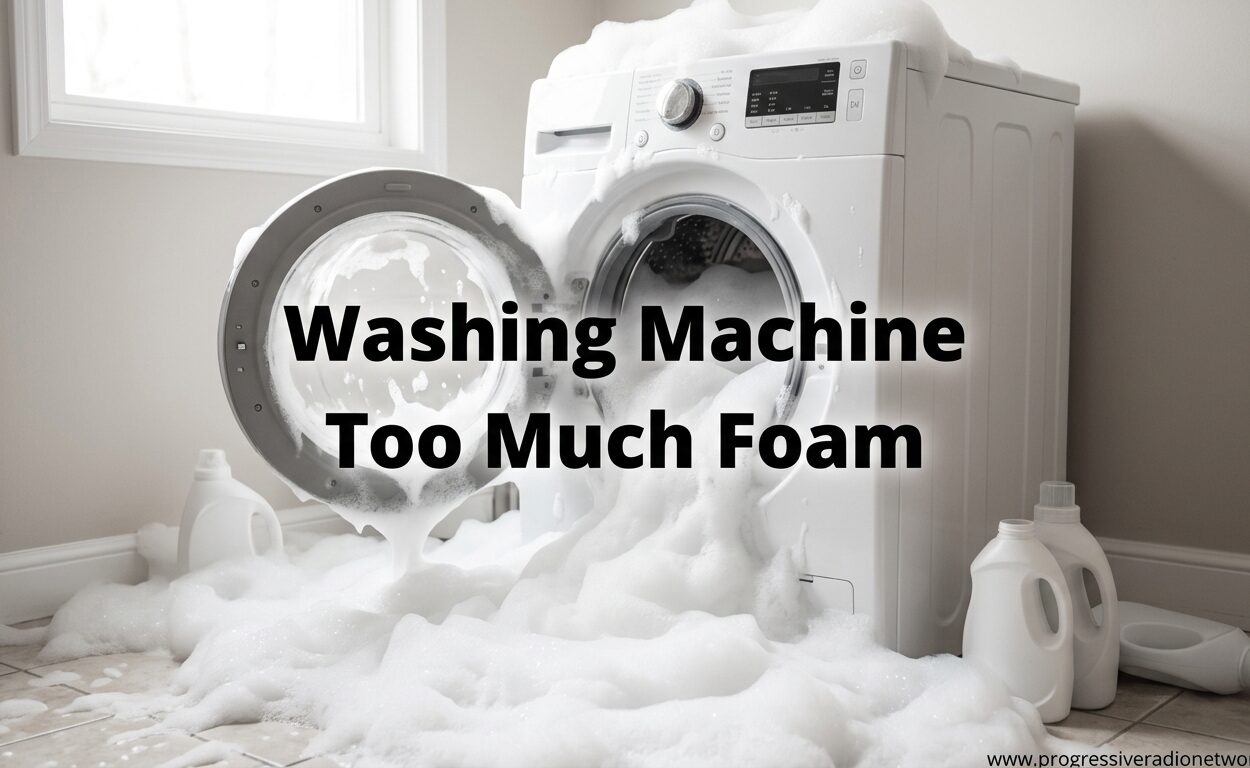
Walking into your laundry room to find it filled with foam is every homeowner’s nightmare. I’ve been there, and I know the panic of seeing suds overflowing from your washing machine like a scene from a comedy movie. But this common laundry problem isn’t funny when you’re dealing with ruined clothes, extended wash cycles, or potential machine damage.
In this guide, I’ll walk you through exactly what causes excessive foam in your washing machine, how to fix it right now, and how to prevent it from happening again. These solutions work for both front load and top load washers, including high-efficiency models from Samsung, LG, Whirlpool, and other major brands.
Why Too Much Foam is a Problem
Excessive foam isn’t just a messy inconvenience; it actually prevents your washing machine from doing its job properly. When there’s too much foam in your washer, the cushioning effect stops clothes from tumbling effectively against each other and the agitator. This means your clothes aren’t getting clean, despite going through a full wash cycle.
I’ve seen this firsthand, clothes coming out with a soapy film or residue that requires additional rinsing. This defeats the purpose of washing in the first place and wastes water, energy, and your time. Modern high-efficiency machines will automatically extend cycle times and add extra rinse attempts when they detect excessive suds, turning what should be a 45-minute wash into a 2-hour ordeal.
Persistent foam issues can trigger SUDS error codes on many machines, particularly Samsung and LG models. These error codes lock your washer and prevent it from completing the cycle until the foam issue is resolved. Over time, excessive suds can also cause damage to seals, gaskets, and internal components, leading to costly repairs down the road.
Washing Machine Too Much Foam: Common Causes
Understanding why your washing machine is producing too much foam is the first step toward fixing it. Through my research and personal experience, I’ve identified the most common culprits.
Using Too Much Detergent
This is by far the most common cause of excessive foam. Most of us are guilty of filling the detergent cap to the top line, but this is often way too much, especially for high-efficiency machines. I’ve tested various detergent amounts and found that using just 1-2 tablespoons of HE detergent is sufficient for a normal load in most modern washers.
Wrong Detergent Type
Using regular detergent in a high-efficiency (HE) washing machine is a recipe for disaster. HE machines are designed to work with low-sudsing detergents specifically formulated for them. Regular detergents create significantly more foam because they’re designed for traditional washers that use much more water to dilute and rinse away the suds.
Soap Residue Buildup
Over time, detergent residue can accumulate in your washing machine’s dispenser drawer, drum, and hoses. This buildup gradually releases soap into each wash cycle, creating foam even when you’re using the correct amount of detergent. This is why some people experience excessive foam even after reducing their detergent usage.
Drain Line Obstruction
A partially clogged drain line can prevent water and suds from draining properly between cycles. This stagnant soapy water creates more foam during the next wash. I’ve seen this issue in homes where the drain line hasn’t been cleaned in years, causing persistent foam problems regardless of detergent amount.
Water Hardness
Hard water contains minerals that react with soap to create more scum and foam. If you live in an area with hard water, you may need to use less detergent or add a water softener to prevent excessive suds. The minerals in hard water also reduce detergent effectiveness, leading some users to add more detergent, which only worsens the foam problem.
How Do I Get Rid of Too Much Foam in My Washing Machine?
If you’re dealing with a foam emergency right now, follow these steps in order. I’ve used these methods countless times, and they work for both immediate relief and long-term prevention.
Step 1: Stop the Cycle Immediately
The first thing you need to do is stop your washing machine. Press pause or cancel to halt the current cycle. Do not open the door if there’s standing water, as this could cause flooding. If the foam has already overflowed, you’ll want to clean up as much as possible before proceeding.
Step 2: Remove Excess Foam Manually
Use a cup, ladle, or even your hands to scoop out as much foam as you can. Place it in a bucket or sink. This might seem tedious, but removing the bulk of the foam manually will make the remaining steps much more effective. I’ve found that removing about half the foam manually significantly speeds up the clearing process.
Step 3: Run a Rinse and Spin Cycle
After removing excess foam, run a rinse and spin cycle with no detergent and no clothes. This helps flush out remaining suds from the machine. If you still see significant foam after this cycle, repeat it. Some machines may require 3-4 rinse cycles to completely clear excessive suds.
Step 4: Use White Vinegar
Add one cup of white vinegar to the drum and run another rinse cycle. Vinegar helps break down soap residue and reduce foam. The acidity cuts through detergent buildup and leaves your machine smelling fresh. This is one of my favorite methods because it’s natural, inexpensive, and highly effective.
Step 5: Try the Fabric Softener Trick
Spray a small amount of liquid fabric softener directly onto the foam. The chemicals in fabric softener break down bubbles almost instantly. This is a trick recommended by laundromat owners and appliance repair technicians. You only need a few sprays, so don’t overdo it.
Step 6: Use Cooking Oil
This method comes from experienced users in laundry forums. Add one tablespoon of cooking oil to the wash water, then run a rinse cycle. The oil breaks down surface tension and collapses foam bubbles without damaging your machine. This is particularly effective for stubborn foam that won’t go away with vinegar alone.
Step 7: Run Multiple Empty Cycles
If the foam persists, run several empty hot water cycles with no detergent. This helps flush out any remaining soap residue from the machine’s internal components. Between each cycle, check for foam and continue until the water runs clear without suds.
Troubleshooting Persistent Foam Issues
If you’ve tried the immediate solutions above but keep experiencing excessive foam, there may be an underlying issue that requires deeper troubleshooting.
Clean the Dispenser Drawer
Remove your detergent dispenser drawer and inspect it for buildup. Soak it in hot water and vinegar for 30 minutes, then scrub with a soft brush. Many people don’t realize that detergent accumulates here over time, gradually releasing soap into every wash. I’ve seen dispensers so clogged that detergent couldn’t even dispense properly.
Check for Drain Line Obstruction
Disconnect the drain hose from the standpipe and check for clogs. Use a drain snake or flush with hot water to clear any blockages. A partially blocked drain line is a common cause of recurring foam problems that many homeowners overlook. If you’re not comfortable doing this yourself, a professional can handle it quickly.
Run a Clean Cycle
Use a washing machine cleaner or run a hot cycle with vinegar to clean the internal components. Modern machines have built-in clean cycles for this purpose. I recommend running a clean cycle monthly if you do frequent laundry, or at least quarterly for average usage. This prevents the gradual buildup that leads to foam issues.
Speed Queen Specific Issues
Speed Queen owners often report excessive foaming even with reduced detergent. This is because Speed Queen washers use different agitation mechanisms that create more suds. If you own a Speed Queen, try using half the recommended detergent amount and switch to a low-sudsing HE detergent specifically designed for traditional-style agitator washers.
Check Water Level Sensor
If your machine consistently misreads water levels, it may not be adding enough water to properly dilute detergent. This can cause excessive foam even with normal detergent amounts. This issue typically requires professional service to recalibrate or replace the sensor.
How to Prevent Excessive Foam in Your Washing Machine
Prevention is always better than dealing with a foam emergency. Follow these guidelines to keep your washing machine running efficiently without excessive suds.
Use HE Detergent in HE Machines
This cannot be overstated. If you have a high-efficiency washing machine, only use detergents marked with the HE symbol. These detergents are formulated to produce minimal suds while still cleaning effectively. Using regular detergent in an HE machine is the leading cause of excessive foam problems.
Measure Detergent Properly
Ignore the fill lines on detergent caps, which are often set too high. For normal loads in HE machines, use only 1-2 tablespoons of liquid detergent or 1-2 teaspoons of powder. For heavily soiled items, you can increase this slightly, but never fill the cap to the top line. I’ve found that the manufacturer’s recommended amount is often excessive.
Adjust for Load Size
Smaller loads require significantly less detergent. If you’re washing just a few items, reduce your detergent amount accordingly. Many people use the same amount regardless of load size, which leads to excessive suds in smaller loads.
Consider Water Hardness
If you have hard water, you may need to use less detergent than recommended. Hard water minerals can react with soap to create more foam and scum. Consider installing a water softener or using a detergent specifically formulated for hard water.
Don’t Overload the Machine
Overloading prevents proper water circulation and detergent distribution, which can cause localized areas of excessive foam. Follow your machine’s guidelines for load capacity, and when in doubt, wash smaller loads.
Clean Regularly
Run a cleaning cycle monthly using a washing machine cleaner or vinegar. Clean the dispenser drawer, door seal, and drum regularly to prevent soap buildup. This maintenance prevents the gradual accumulation that leads to mysterious foam issues months later.
Frequently Asked Questions
Is too much foam bad for a washing machine?
Yes, excessive foam can damage your washing machine over time. It reduces cleaning efficiency, triggers error codes like SUDS, extends cycle times with extra rinses, and can cause residue buildup that damages seals and internal components. Persistent foam issues may lead to costly repairs if not addressed.
How to fix excessive suds in a washer?
Stop the cycle immediately and remove excess foam manually. Run a rinse and spin cycle with no detergent. Add one cup of white vinegar and run another rinse cycle. For stubborn foam, spray fabric softener directly on suds or add one tablespoon of cooking oil. Repeat rinse cycles until foam is gone.
Why is my washing machine foaming without detergent?
Foam without detergent usually indicates soap residue buildup in your machine. Clean the dispenser drawer thoroughly, run multiple empty hot water cycles, and use white vinegar to break down accumulated detergent. A clogged drain line can also cause this issue by preventing proper rinsing between cycles.
How many rinse cycles to clear suds?
It typically takes 2-4 rinse cycles to clear excessive suds, depending on severity. After removing excess foam manually, run a rinse and spin cycle and check for remaining suds. Repeat until the water runs clear without bubbles. Adding vinegar or fabric softener can reduce the number of cycles needed.
Conclusion
Dealing with a washing machine too much foam problem is frustrating, but it’s almost always solvable with the right approach. By understanding the causes, using the immediate solutions I’ve outlined, and following the prevention tips, you can keep your laundry room foam-free and your washing machine running efficiently for years to come.
Remember that most foam issues stem from using too much detergent or the wrong type for your machine. When in doubt, use less detergent than you think you need, your clothes will still get clean and your machine will thank you. If you’ve tried all these solutions and still experience persistent foam problems, it may be time to call a professional appliance repair technician to check for mechanical issues.




Leave a Comment