
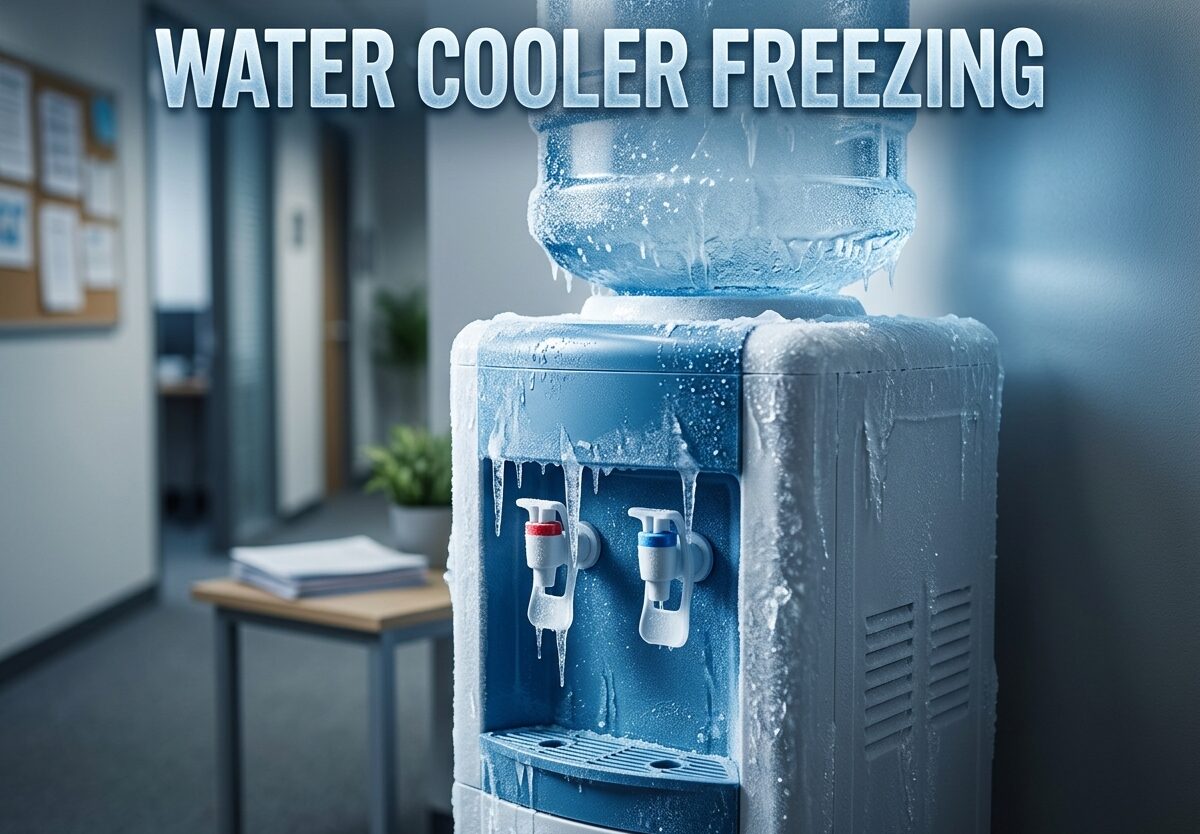
Dealing with a water cooler that keeps freezing up? You’re not alone. Water cooler freezing is a frustrating problem that affects thousands of home and office users each year, leaving you with no cold water when you need it most. This guide will walk you through exactly what’s causing your water dispenser to freeze and how to fix it permanently.
I’ve spent years researching and troubleshooting water cooler issues, and I’ve seen this problem hundreds of times. The good news is that most water cooler freezing problems can be solved with simple adjustments you can do yourself in under an hour. Let me walk you through everything you need to know to get your water cooler working properly again.
What Causes Water Cooler Freezing
Understanding why your water cooler freezes is the first step to fixing it. Water cooler freezing typically happens when the cooling system doesn’t know when to stop running. This creates a block of ice in your cold water tank instead of keeping water at the perfect chilled temperature.
The most common culprit is a faulty thermostat. Your water cooler’s thermostat is supposed to tell the compressor when the water reaches the ideal temperature (usually between 35-45°F). When this component fails, the compressor keeps running and the water freezes solid.
Another frequent issue is the thermistor malfunction. This small temperature sensor monitors water temperature and sends signals to the control board. A bad thermistor can send incorrect readings, causing continuous cooling even after the water is frozen.
Sometimes the solution is simpler. The temperature dial may have been accidentally set too low, or cooling vents could be blocked by dust buildup. In some cases, Freon leaks or compressor problems cause the system to malfunction, though these issues usually require professional repair.
How to Fix Water Cooler Freezing: Quick Thawing Solutions
If your water cooler is currently frozen, you need to thaw it safely before attempting any repairs. Follow these steps exactly to avoid damaging your unit:
Step 1: Unplug Immediately
The moment you notice freezing, unplug your water cooler from the power source. This stops the compressor from making the ice worse and prevents electrical damage during the thawing process.
Step 2: Remove the Water Bottle
Take off the water bottle and set it aside. If you have a bottom-load dispenser, locate and drain the reservoir according to your manufacturer’s instructions. This prevents additional water from freezing in the tank.
Step 3: Let It Thaw Naturally
Leave the unit unplugged for 2-4 hours. Do not use heat guns or hair dryers to speed up the process. Rapid temperature changes can crack the water tank and damage internal components. The ice will melt naturally at room temperature.
Step 4: Check for Ice Blockages
After thawing, check the water spout for any remaining ice crystals. Run warm (not hot) water through the dispenser to clear any blockages in the lines. This ensures proper water flow when you restore power.
Step 5: Test Before Restoring Power
Plug the unit back in and listen for the compressor to start. Wait 30 minutes before testing water flow. If the freezing returns within a few hours, you likely have a thermostat or thermistor issue requiring further troubleshooting.
Adjusting Your Water Cooler Thermostat
If your water cooler keeps freezing after thawing, the thermostat setting is often the problem. Many users don’t realize their water cooler has an adjustable thermostat, or they’ve accidentally set it too low during cleaning or maintenance.
For top-load dispensers, the thermostat is typically located behind the removable drip tray or inside the lower cabinet. Bottom-load models often have the thermostat accessible through a panel on the back or side of the unit. Consult your manual for exact location.
The ideal water cooler temperature is between 35-45°F. Anything below 35°F risks freezing, especially in colder environments or during winter months. Turn the thermostat dial counterclockwise to raise the temperature setting.
After adjusting, wait at least 4 hours before checking the water temperature. The thermostat needs time to stabilize and the system to reach equilibrium. Test the water with a thermometer to ensure it’s in the safe range.
Pro tip: Mark your ideal setting with a small piece of tape. This prevents accidental adjustments and makes it easy to reset if the dial gets bumped during cleaning.
Replacing a Faulty Thermistor
When adjusting the thermostat doesn’t solve the problem, a faulty thermistor is often to blame. This small but crucial component typically costs only $2-15 but can cause major headaches when it fails.
Symptoms of a bad thermistor include water that’s too cold or frozen, the compressor running continuously, or inconsistent water temperatures. You can test the thermistor with a multimeter. A working thermistor should show different resistance readings at different temperatures.
To replace the thermistor, you’ll need a screwdriver set, needle-nose pliers, and a replacement part specific to your water cooler model. Unplug the unit before starting any work.
Locate the thermistor on the cold water tank or reservoir. It’s usually a small probe attached to a wire. Disconnect the wiring harness and carefully remove the old thermistor from its mounting clip. Install the new thermistor in the same position, reconnect the wiring, and reassemble the unit.
Plug in your water cooler and let it run for 2-3 hours before testing. The new thermistor should accurately sense water temperature and prevent future freezing issues.
Brand-Specific Water Cooler Freezing Issues
Different water cooler brands have unique designs and common problems. Understanding your specific brand’s quirks can save you hours of frustration.
Primo Water Dispensers: Primo units are notorious for thermistor failures. The thermostat is typically located behind the bottom panel on bottom-load models. Many users report success simply by cleaning the temperature sensor with rubbing alcohol to remove mineral buildup.
Avalon Water Coolers: Avalon bottom-load dispensers often freeze due to a defective thermostat switch. The part costs around $60 and is relatively easy to replace. Avalon’s customer service provides detailed instructions for common freezing issues.
Brio Water Dispensers: Brio 420 Series bottom-load units have a known issue with the temperature control board freezing. If your Brio keeps freezing inside after thawing, check for software updates from the manufacturer or consider replacing the control module.
Generic/Store Brands: Budget water coolers often lack accessible thermostats. If you can’t locate temperature controls on your unit, it likely uses a fixed thermostat that may need professional replacement.
Preventing Future Water Cooler Freezing
Once you’ve fixed your water cooler freezing issue, preventive maintenance keeps it from happening again. Regular cleaning is essential. Dust buildup on cooling vents and condenser coils forces the compressor to work harder and can cause temperature regulation problems.
Clean your water cooler every 3 months using a mixture of vinegar and water. This removes mineral deposits that can insulate the temperature sensor and cause inaccurate readings. Pay special attention to the cold water tank and thermistor area.
Monitor your water cooler’s temperature weekly using a simple thermometer. Catching temperature drift early prevents freezing before it starts. Keep a log of temperature readings to identify patterns.
Position your water cooler away from direct sunlight, heat sources, and exterior walls. Temperature fluctuations in the environment can confuse your unit’s thermostat. A consistent room temperature helps your cooler maintain proper water temperature.
Most water dispensers last 5-10 years with proper maintenance. If your unit is older than 8 years and frequently freezes, replacement may be more cost-effective than repeated repairs.
When to Call a Professional for Water Cooler Repair
While many water cooler freezing issues are DIY-friendly, some problems require professional expertise. If you suspect a Freon leak, call immediately. Freon is a hazardous substance, and only certified technicians can legally handle refrigerant repairs.
Compressor failure is another job for the pros. A new compressor costs $150-300 plus labor, often exceeding the value of older units. If your compressor is failing, you’re usually better off replacing the entire water cooler.
Electrical issues like sparking, burning smells, or repeated breaker trips indicate dangerous problems that require professional diagnosis. Water and electricity don’t mix, and attempting electrical repairs yourself risks serious injury.
Most professional water cooler repairs cost $60-150 for thermostat replacement and $100-250 for compressor work. Get multiple quotes and compare these costs to the price of a new unit before committing to repairs.
Frequently Asked Questions About Water Cooler Freezing
How to fix a frozen water cooler?
Unplug the unit immediately and remove the water bottle. Let it thaw naturally for 2-4 hours without using heat. After thawing, check the thermostat setting and adjust if needed. If freezing continues, test or replace the thermistor.
How to defrost a water cooler?
Unplug the water cooler and remove the water source. Leave the unit unplugged for 2-4 hours to thaw naturally. Never use heat guns or hair dryers as this can crack the water tank. Run warm water through the spout after thawing to clear any remaining ice.
What is the average lifespan of a water dispenser?
Most water dispensers last 5-10 years with proper maintenance. Regular cleaning every 3 months, prompt repairs, and proper placement away from heat sources extend lifespan. Units older than 8 years with recurring freezing issues should be replaced rather than repaired.
Why does my water cooler keep freezing after thawing?
Recurring freezing indicates a faulty component. The thermostat or thermistor is likely malfunctioning and needs replacement. A bad thermistor costs only $2-15 to replace. If adjusting the thermostat doesn’t help, test the thermistor with a multimeter or consult a professional technician.
Final Thoughts on Water Cooler Freezing
Water cooler freezing is frustrating but almost always fixable. Start with the simple solutions: unplug and thaw, check the thermostat setting, and clean any dust or mineral buildup. Most cases are resolved with these basic steps.
If the problem persists, move on to thermistor testing and replacement. This inexpensive part solves water cooler freezing issues in the majority of remaining cases. Only when these solutions fail should you consider compressor problems or Freon leaks, which typically require professional repair or unit replacement.
Regular maintenance prevents future water cooler freezing. Clean your unit every 3 months, monitor temperature weekly, and address problems promptly rather than waiting for complete failure. With proper care, your water cooler will provide reliable service for years to come.
Leave a Comment