
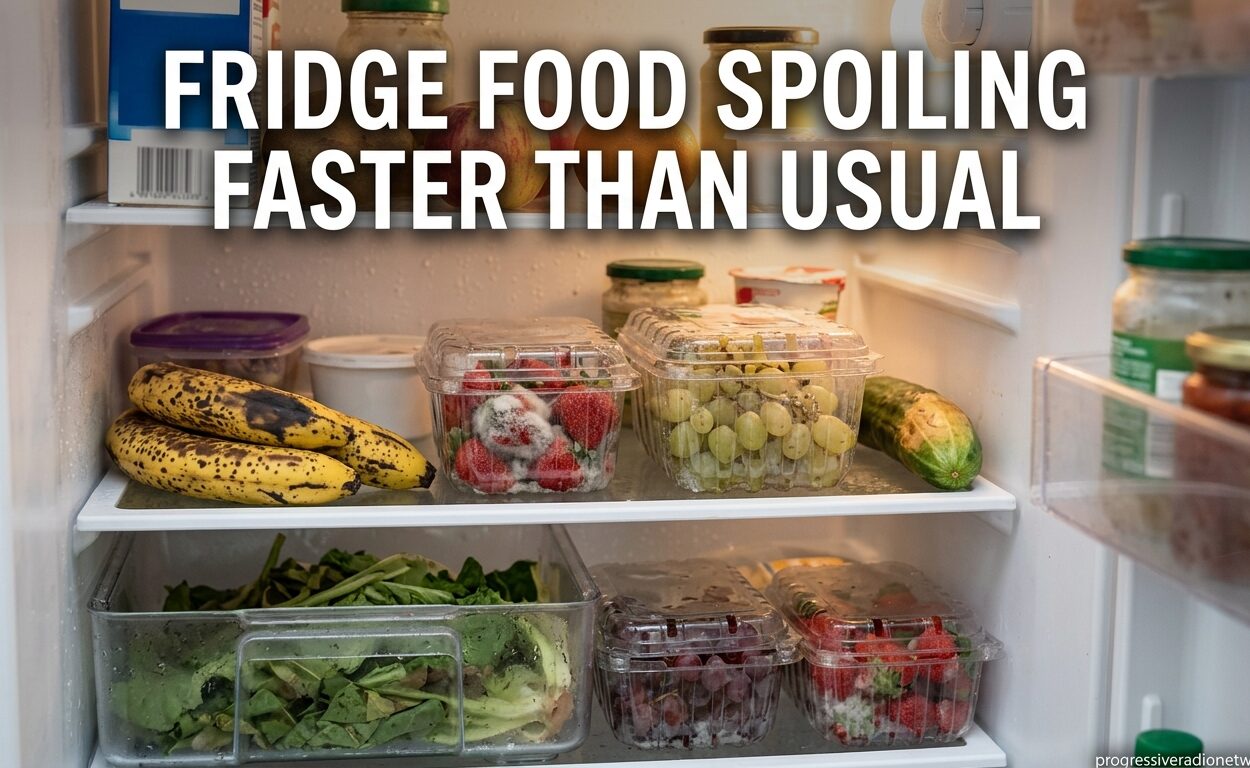
Noticing your groceries going bad before their expiration date can be frustrating and expensive. When you find yourself dealing with fridge food spoiling faster than usual, it usually points to temperature control issues, failing components like door seals or the thermostat, or improper food storage habits that allow bacteria to multiply rapidly.
I’ve seen this problem countless times, and the good news is that most causes are either simple fixes you can handle yourself or clear signs that it’s time to call a professional. Let me walk you through exactly what’s happening and how to resolve it.
While we’re focusing on fridge issues, you might also consider investing in vacuum food sealers as an additional way to extend the life of your groceries once you’ve addressed the root cause.
Why Is Food Spoiling in My Fridge So Quickly?
Food spoiling rapidly in your refrigerator typically happens because the internal temperature rises above 40F, which creates the perfect environment for bacteria to multiply. When your fridge can’t maintain proper cooling, foods that should last a week might spoil in just 2-3 days.
The most common culprits include faulty door seals allowing warm air to enter, a malfunctioning thermostat that can’t regulate temperature, dirty condenser coils reducing efficiency, or simply overfilling the fridge which blocks proper air circulation. Some users report their produce wilting within days despite the fridge feeling cold, which indicates uneven cooling distribution.
I’ve also seen cases where the refrigerant is low or the compressor is failing, both of which require professional repair. The key is identifying which issue you’re dealing with before your food budget takes a bigger hit.
Temperature Control: The 40F Danger Zone
The most critical factor in food preservation is temperature. Bacteria grow most rapidly in the “danger zone” between 40F and 140F, with your refrigerator needing to maintain 35-38F to safely slow bacterial growth and keep food fresh.
When your fridge temperature creeps above 40F, even briefly, bacterial activity accelerates dramatically. This is why milk might sour days before its expiration date or meat develops an off smell within days of purchase. Many people assume their fridge is cold enough because it feels cold, but feeling is unreliable.
I recommend using an appliance thermometer to verify actual temperatures rather than trusting the fridge’s digital display or your sense of touch. Place the thermometer in different areas to check for inconsistent cooling. If you find temperatures above 40F, start by checking if the thermostat setting has been accidentally changed before assuming a mechanical failure.
Door Seal and Gasket Problems
Worn or damaged door seals are one of the leading causes of fridge food spoiling faster than usual. When the rubber gasket around your fridge door no longer creates an airtight seal, warm air constantly infiltrates the compartment, forcing your appliance to work harder and often fail to maintain safe temperatures.
You can easily test your door seals using the dollar bill test. Close the door on a dollar bill and try to pull it out. If it slides out easily with no resistance, your seals aren’t gripping properly. Repeat this test around the entire door perimeter to identify weak spots.
Dirty seals can also cause problems. Food residue and grime buildup prevent proper sealing. Try cleaning the gasket with warm soapy water first. If cleaning doesn’t help and the rubber appears cracked, flattened, or brittle, replacement is necessary. This is typically a DIY-friendly repair that costs significantly less than replacing the entire refrigerator.
Air Circulation and Overfilling Issues
Your refrigerator relies on proper air circulation to maintain consistent temperatures throughout. Cold air needs to flow freely around your food items, but overfilling creates blocked vents and warm pockets where bacteria can thrive.
I’ve found that many people stuff their fridge to capacity, especially after grocery shopping. This prevents the evaporator fan from distributing cold air effectively. The result is inconsistent temperatures with some areas staying cold while others become too warm, leading to selective spoilage.
The solution is maintaining space between items and ensuring vents aren’t blocked. Store food in the designated zones: dairy on upper shelves, raw meat on the bottom shelf to prevent cross-contamination, and vegetables in crisper drawers. Also avoid placing hot foods directly in the fridge, as this raises internal temperature dramatically and forces the compressor to work overtime.
Condenser Coil Maintenance
Dirty condenser coils are a silent killer of refrigerator efficiency. These coils, typically located on the back or bottom of your fridge, release heat from inside the unit. When covered in dust and pet hair, they can’t dissipate heat properly, causing your compressor to work harder and potentially fail to maintain safe temperatures.
I recommend cleaning your condenser coils at least annually, or more frequently if you have pets. Unplug the fridge, locate the coils, and use a coil brush or vacuum with a crevice attachment to remove buildup. This simple maintenance task can significantly improve cooling performance and extend your appliance’s lifespan.
Signs that your coils need attention include the fridge running constantly, unusual warmth on the exterior sides, or the compressor making more noise than usual. If cleaning doesn’t resolve temperature issues, you may be dealing with a failing compressor or low refrigerant, both requiring professional service.
Food Storage Best Practices
Sometimes the issue isn’t your fridge at all, but rather how you’re storing food inside it. Implementing proper food storage techniques can dramatically reduce spoilage even if your refrigerator isn’t performing perfectly.
The First-In-First-Out (FIFO) method is essential. Place newer items behind older ones and use the oldest products first. This simple habit prevents food from languishing in the back until it spoils. I also recommend storing produce properly: some items like apples and bananas release ethylene gas that accelerates ripening of nearby foods, so keep them separate from sensitive produce.
Proper packaging makes a significant difference too. Store leftovers in airtight containers, keep meat in its original packaging or sealed containers, and don’t wash produce until you’re ready to use it. Interestingly, some foods shouldn’t be refrigerated at all: potatoes, onions, garlic, tomatoes, and bread actually last longer at room temperature.
Warning Signs Your Refrigerator Needs Repair
Sometimes the problem requires professional intervention. Recognizing these warning signs early can save you from complete fridge failure and significant food loss.
Inconsistent temperatures throughout the compartment indicate failing components. If you notice some areas feel warmer than others, or if food on certain shelves spoils faster, the cooling system isn’t distributing cold air properly. Unusual noises like clicking, buzzing, or grinding from the compressor area often signal mechanical problems.
Excess moisture or frost buildup suggests the defrost system isn’t working correctly. This could be a faulty defrost timer, heater, or thermostat. A sudden increase in energy bills without explanation often means your refrigerator is running constantly to compensate for failing components. Frequent cycling on and off more often than usual is another red flag.
If you notice multiple symptoms, I recommend calling a professional appliance repair service rather than attempting complex repairs yourself. Refrigerator systems involve pressurized refrigerant and electrical components that require specialized knowledge and tools.
FAQs
Why is food spoiling in my fridge so quickly?
Food spoils quickly in your fridge when temperatures rise above 40F, allowing rapid bacterial growth. Common causes include faulty door seals, malfunctioning thermostats, dirty condenser coils, poor air circulation from overfilling, or failing components like the compressor. Use an appliance thermometer to verify your fridge maintains 35-38F throughout.
What is the 2 2 2 rule for food?
The 2-2-2 rule helps remember food safety timelines: consume refrigerated leftovers within 2 days, freeze food you won’t eat within 2 days, and throw away food that’s been at room temperature for more than 2 hours. This simple guideline helps prevent foodborne illness and reduce waste from spoiled food.
What are the signs of a failing fridge?
Signs of a failing refrigerator include inconsistent temperatures throughout, food spoiling before expiration dates, unusual noises from the compressor or fan, excess moisture or frost buildup, the unit running constantly, higher energy bills, and frequent cycling on and off. If you notice multiple symptoms, professional repair may be needed.
What is the 4 hour 2 hour rule?
The 4-hour/2-hour rule states that perishable food left at room temperature for more than 2 hours should be refrigerated, and food left out more than 4 hours should be discarded. In temperatures above 90F, these times reduce to 1 hour for refrigeration and 2 hours for disposal. Following this rule prevents bacterial growth to dangerous levels.
What foods spoil faster in the fridge?
Berries, leafy greens, mushrooms, and fresh herbs spoil fastest in the fridge, often lasting only 2-3 days. Meat and fish spoil within 1-2 days if temperature exceeds 40F. Milk and dairy sour quickly when temperatures fluctuate. Produce sensitive to ethylene gas spoils faster when stored near apples, bananas, or avocados. Proper storage extends freshness significantly.
How long does food stay good in the fridge after losing power?
Food stays safe in a closed refrigerator for up to 4 hours during a power outage, assuming the door remains closed. A full freezer maintains safe temperatures for 48 hours, while a half-full freezer lasts 24 hours. Discard any perishable food that has been above 40F for more than 2 hours. Never taste food to determine safety.
Conclusion
Dealing with fridge food spoiling faster than usual is frustrating, but most causes are identifiable and fixable. Start by checking the temperature with an appliance thermometer, then inspect door seals, air circulation, and condenser coils. Implement FIFO rotation and proper food storage practices to extend freshness regardless of your refrigerator’s performance.
If you’ve addressed these issues and food continues spoiling prematurely, it’s likely time to call a professional technician. Recognizing the warning signs early and addressing problems promptly will protect both your food budget and your family’s health from foodborne illness.



Leave a Comment