
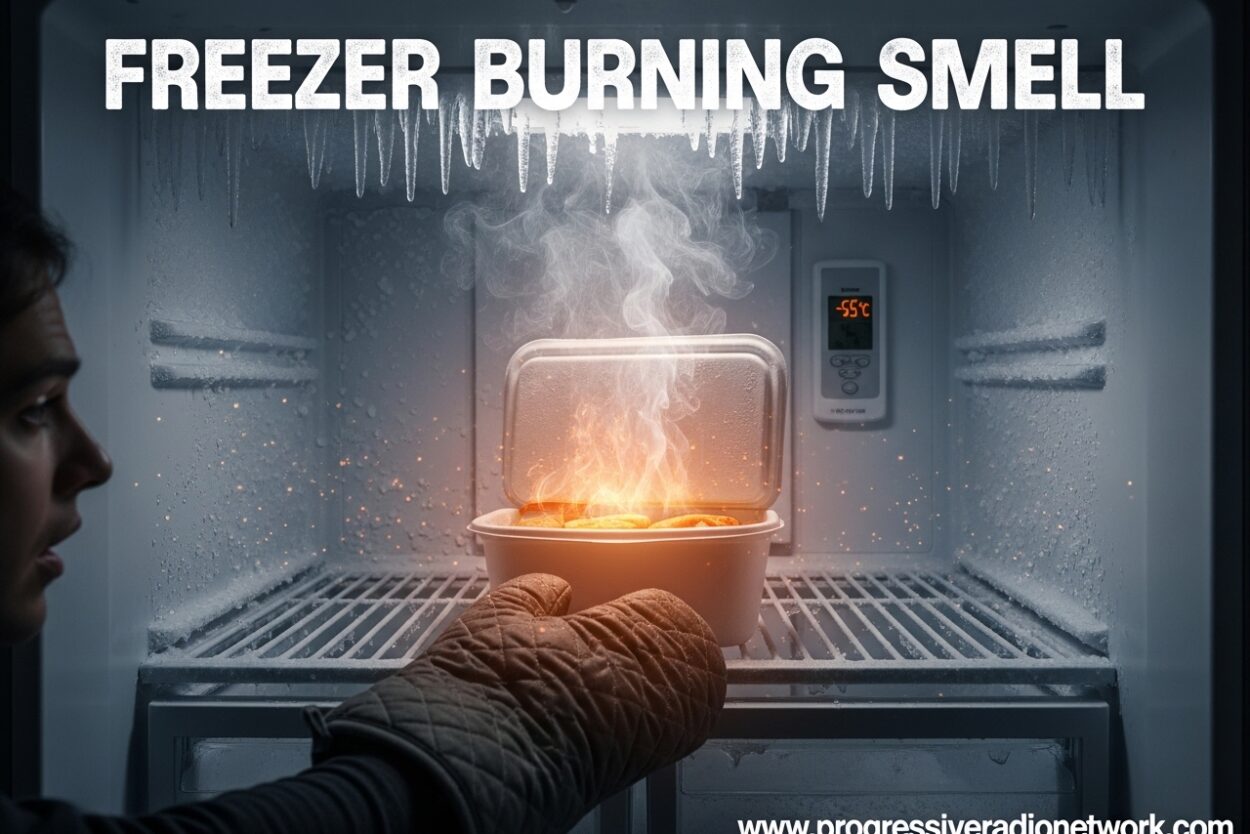
That unmistakable burning smell coming from your freezer can stop you in your tracks. Whether it’s burning plastic, electrical wire, or something you can’t quite identify, a freezer burning smell signals something is wrong with your appliance.
I’ve seen this situation dozens of times over the years. In most cases, catching the issue early prevents costly repairs or dangerous situations. This guide will walk you through exactly what’s causing that smell, what to do about it, and when you need professional help.
Immediate Safety Warning
STOP and read this first: If you smell burning from your freezer, especially if accompanied by smoke or visible signs of melting, unplug your appliance immediately. A burning smell can indicate an active electrical fire hazard.
Do not wait to “see if it goes away.” Electrical issues can escalate quickly. If you see smoke, flames, or the smell is getting stronger, evacuate and call emergency services.
What Causes a Freezer Burning Smell
A freezer burning smell typically occurs when internal components overheat, fail, or experience electrical problems. The most common culprits include the evaporator fan motor, defrost heater, compressor, or electrical connections.
Unlike food spoilage odors, burning smells indicate mechanical or electrical issues. These problems won’t resolve themselves and usually worsen over time if left unaddressed.
Understanding Different Burning Smell Types
The type of burning smell can help identify the problem:
- Burning plastic smell: Often wire insulation melting or plastic components overheating
- Burning wire/electrical smell: Short circuit, failing motor, or electrical connection problem
- Chemical/acrid smell: Possible refrigerant leak or electrical component failure
- Ozone-like smell: Motor arcing or electrical discharge
Each smell type points to different underlying causes, which we’ll explore in detail below.
Evaporator Fan Motor Failure
The evaporator fan motor is the most common source of burning smells in freezers. This motor circulates cold air throughout your freezer and refrigerator compartments. When it starts failing, you’ll often notice symptoms before the burning smell appears.
Listen for unusual sounds like squealing, grinding, or rattling coming from the freezer compartment. A failing fan motor often makes noise before it starts overheating and producing that telltale burning odor.
Why the Fan Motor Burns Out
Fan motors typically fail due to bearing wear, dust accumulation, or electrical shorts. As bearings wear down, the motor works harder and generates more heat. Eventually, the windings can overheat and the insulation burns, creating that electrical burning smell.
Dust buildup around the motor also contributes to overheating. The fan blades themselves can accumulate ice or debris, putting additional strain on the motor.
Identifying Fan Motor Issues
To check if your evaporator fan motor is the culprit:
- Open the freezer door and listen for fan operation (you should hear it running)
- Notice if the sound changes when you open the door (fan should stop)
- Check if the burning smell is stronger near the back of the freezer compartment
- Look for any visible frost or ice buildup around the fan housing
If the fan isn’t running or makes unusual noises, the motor is likely failing and needs replacement.
Electrical Component Problems
Several electrical components in your freezer can produce burning smells when they fail. These issues range from relatively minor problems to serious hazards requiring immediate attention.
Defrost Heater Failure
The defrost heater melts frost buildup on the evaporator coils during defrost cycles. When this heater fails, it can short out against surrounding components or the freezer liner, producing a burning plastic or electrical smell.
You might notice excessive frost buildup on the back wall of your freezer before the burning smell appears. This suggests the defrost system isn’t working properly.
Start Relay Problems
The start relay helps the compressor start up properly. When this component fails, it can cause the compressor to struggle, overheat, or not start at all. A failed start relay often produces a distinct electrical burning smell and may be accompanied by clicking sounds.
This is one of the more common and affordable repairs, typically costing between $20-60 for the part if you’re comfortable replacing it yourself.
Control Board Issues
Modern freezers rely on electronic control boards to manage various functions. When these boards fail, they can produce burning smells, often accompanied by other issues like temperature fluctuations, error codes, or complete failure to operate.
Control board failures usually require professional diagnosis and replacement. The burning smell from a control board failure is typically electrical in nature and may smell like burning electronics or plastic.
Wire Connection Burns
Loose or corroded wire connections create resistance, which generates heat. Over time, this heat can melt wire insulation and damage surrounding components. This is particularly common in older appliances or those in humid environments where corrosion develops more quickly.
Burnt wire connections are a fire hazard and should be addressed immediately by a qualified technician.
Compressor Issues
The compressor is the heart of your freezer’s cooling system. While compressor failures are less common than fan motor issues, they do occur and can produce distinctive burning smells.
Compressor Motor Bearing Wear
As the compressor ages, internal bearings can wear down, creating friction and heat. This may produce a mechanical burning smell along with unusual noises. Compressors typically last 10-15 years, so older freezers are more susceptible to this type of failure.
Start Capacitor Failure
The start capacitor helps the compressor motor start efficiently. When it fails, the compressor may struggle to start, overheat, or not start at all. A failed capacitor can produce an electrical burning smell and is often accompanied by a humming sound that doesn’t result in the compressor running.
Compressor Replacement Considerations
Compressor replacements are expensive repairs, often costing $300-600 or more including labor. For older freezers nearing the end of their lifespan, replacing the entire appliance may be more cost-effective than replacing the compressor alone.
Dust and Debris Buildup
One of the most overlooked causes of freezer burning smells is simple dust accumulation. Your freezer’s condenser coils, typically located at the back or bottom of the appliance, need proper airflow to dissipate heat effectively.
How Dust Causes Overheating
When dust coats the condenser coils, they can’t release heat efficiently. This causes the compressor to work harder and run longer, generating excessive heat. In severe cases, the overheating can produce a burning smell as components reach temperatures beyond their design limits.
Dust can also accumulate on the evaporator fan motor and other internal components, contributing to overheating throughout the system.
Cleaning Your Condenser Coils
Cleaning condenser coils is straightforward DIY maintenance:
- Unplug your freezer or turn off the power at the breaker
- Locate the coils (back panel or bottom front grille)
- Use a coil cleaning brush or vacuum with a hose attachment to remove dust
- For heavy buildup, use a coil cleaning solution following manufacturer instructions
- Allow coils to dry completely before restoring power
Perform this cleaning annually, or more frequently if you have pets or live in a dusty environment. Regular maintenance prevents overheating and extends your appliance’s lifespan.
Refrigerant (Freon) Leak
While less common than mechanical issues, refrigerant leaks can produce distinctive chemical smells that some users describe as burning or acrid. Modern refrigerants are generally odorless, but older appliances using R-12 or R-22 refrigerants may produce noticeable smells when leaking.
Identifying a Refrigerant Leak
Signs of a refrigerant leak include:
- Chemical or sweet smell near the freezer
- Freezer running continuously but not cooling properly
- Ice buildup on the back wall inside the freezer
- Higher than normal energy bills
- Oil residue visible on compressor or lines
Refrigerant leaks require professional repair. Technicians must locate the leak, repair it, and recharge the system with the correct type and amount of refrigerant.
Health and Safety Concerns
While modern refrigerants are generally safer than older types, any chemical leak warrants caution. If you suspect a refrigerant leak, ventilate the area well and avoid prolonged exposure until a professional can assess the situation.
How to Troubleshoot Freezer Burning Smell
Follow these systematic steps to identify the source of your freezer burning smell:
Step 1: Immediate Safety Check
If you smell burning, especially if it’s strong or accompanied by smoke, unplug the freezer immediately. Do not attempt to diagnose the problem while the appliance is plugged in. Safety comes first.
Step 2: Assess the Smell Type
Try to characterize the smell. Is it burning plastic, electrical burning, chemical, or something else? The type of smell provides clues about the source. Electrical burning typically smells sharp and acrid, while plastic burning has a sweeter, more distinctive odor.
Step 3: Check Condenser Coils
Look at the back or bottom of your freezer. Are the condenser coils coated in dust? If so, clean them thoroughly. Sometimes this simple maintenance resolves the issue and prevents future problems.
Step 4: Listen for Unusual Sounds
Plug the freezer back in (if you deemed it safe to do so) and listen carefully. Is the fan running smoothly? Does the compressor start normally, or does it struggle and click? Clicking sounds often indicate start relay or capacitor problems.
Step 5: Check Temperature Performance
Is your freezer maintaining the proper temperature? Temperature fluctuations or warming often accompany the burning smell when components are failing. Use a refrigerator/freezer thermometer to verify the temperature is at or below 0°F (-18°C).
Step 6: Inspect Visible Components
If you’re comfortable doing so, remove any access panels to look for visible signs of damage. Look for burnt wires, melted plastic, scorch marks, or components that appear damaged. If you’re not comfortable with this step, skip to calling a professional.
Step 7: Monitor After Unplugging
If you unplug the freezer and the smell dissipates, it’s likely an internal component issue rather than an active fire hazard. However, the problem will recur when you plug it back in, so further diagnosis is still needed before continued use.
When to Call a Professional
While some freezer issues are suitable for DIY repair, others require professional expertise. Knowing the difference saves time, money, and prevents potential hazards.
Call a Professional If:
- You see visible damage like burnt wires, scorch marks, or melted components
- The smell is strong, persistent, or getting worse
- You’re not comfortable diagnosing electrical issues
- The freezer is under warranty (DIY repairs may void coverage)
- The problem requires specialized tools or knowledge
- You’ve attempted basic troubleshooting without success
DIY-Friendly Repairs:
- Cleaning condenser coils
- Replacing a start relay (simple plug-in component)
- Clearing ice blockages from fan blades
- Replacing door gaskets if they’re torn or damaged
Cost Considerations
Before investing in repairs, consider your freezer’s age and condition. As a general rule, if repair costs exceed 50% of a replacement appliance’s cost, and the unit is over 8-10 years old, replacement often makes more financial sense.
Prevention Tips
Preventing freezer burning smells starts with regular maintenance and attention to your appliance’s operation. These proactive steps can help you avoid unexpected problems:
Regular Maintenance Schedule
- Clean condenser coils annually or semi-annually in dusty environments
- Check door gaskets for cracks or tears that allow warm air infiltration
- Don’t overload the freezer—proper airflow prevents strain on components
- Keep the interior clean and defrost manual-defrost freezers regularly
- Listen for unusual sounds and address them promptly
Warning Signs to Watch For
Pay attention to early warning signs that may precede a burning smell:
- Unusual noises (squealing, grinding, clicking)
- Temperature fluctuations or warming
- Excessive frost buildup
- Appliance running longer than usual
- Higher energy bills without increased usage
Addressing these issues early often prevents more serious problems and expensive repairs down the line.
Proper Installation Matters
Ensure your freezer has adequate ventilation space. Most manufacturers recommend at least 1-2 inches of clearance on sides and back, and 4-6 inches above the appliance. Poor ventilation causes overheating and premature component failure.
Frequently Asked Questions
Is a burning smell from my freezer dangerous?
Yes, a burning smell from your freezer can be dangerous. It may indicate an electrical issue that poses a fire hazard. If you smell burning, especially if accompanied by smoke, unplug the appliance immediately and do not use it until a professional has inspected it. Electrical problems can escalate quickly and should never be ignored.
Can I still use my refrigerator if the freezer smells like burning?
No, you should not continue using your refrigerator if the freezer smells like burning. The cooling system is typically shared between compartments, so the issue affecting the freezer could also impact the refrigerator section. More importantly, a burning smell indicates an electrical or mechanical problem that could worsen or cause a fire. Unplug the entire appliance and have it inspected before using it again.
How do I know if my freezer is leaking Freon?
Signs of a Freon or refrigerant leak include a chemical smell near the appliance, the freezer running continuously without cooling properly, ice buildup on the back wall inside the freezer, and sometimes visible oil residue on the compressor or refrigerant lines. If you suspect a refrigerant leak, contact a professional technician as these repairs require specialized equipment and EPA certification to handle refrigerants properly.
What does it mean when my freezer smells like burning plastic?
A burning plastic smell typically indicates that wire insulation or plastic components are melting due to overheating or an electrical short. Common causes include a failing evaporator fan motor, defrost heater shorting against the freezer liner, or loose wire connections creating heat. This is a serious issue that requires immediate attention—unplug the freezer and call a professional technician to diagnose and repair the problem.
Why does my freezer smell like it’s burning when it’s still cold?
Your freezer may still be cold even with a burning smell because the cooling system hasn’t completely failed yet. However, a component is likely overheating and will eventually cause the system to stop working. The evaporator fan motor is a common culprit—it can overheat and produce a burning smell while the freezer remains cold for a period. Don’t be fooled by the cold temperature; investigate the burning smell immediately before complete failure occurs.
How much does it cost to fix a freezer burning smell?
Repair costs vary widely depending on the cause. Simple fixes like replacing a start relay cost $20-60 for parts, while evaporator fan motor replacement typically runs $100-200. Compressor replacement is the most expensive at $300-600 or more. Professional service calls add $50-150 for diagnosis. If your freezer is over 10 years old and needs a compressor replacement, buying a new appliance may be more cost-effective than repairing the old one.
Conclusion
A freezer burning smell demands immediate attention. Whether it’s a simple dust buildup issue or a serious electrical problem, identifying and addressing the cause promptly prevents further damage and potential safety hazards.
Start with the basics: check for dust on condenser coils, listen for unusual sounds, and assess whether you’re comfortable with DIY troubleshooting. When in doubt, call a professional—the cost of a service call is far less than dealing with a fire or complete appliance failure.
Regular maintenance and attention to warning signs helps prevent many freezer burning smell issues before they start. Keep those coils clean, listen to your appliance, and address problems early for reliable performance and peace of mind.

Leave a Comment