
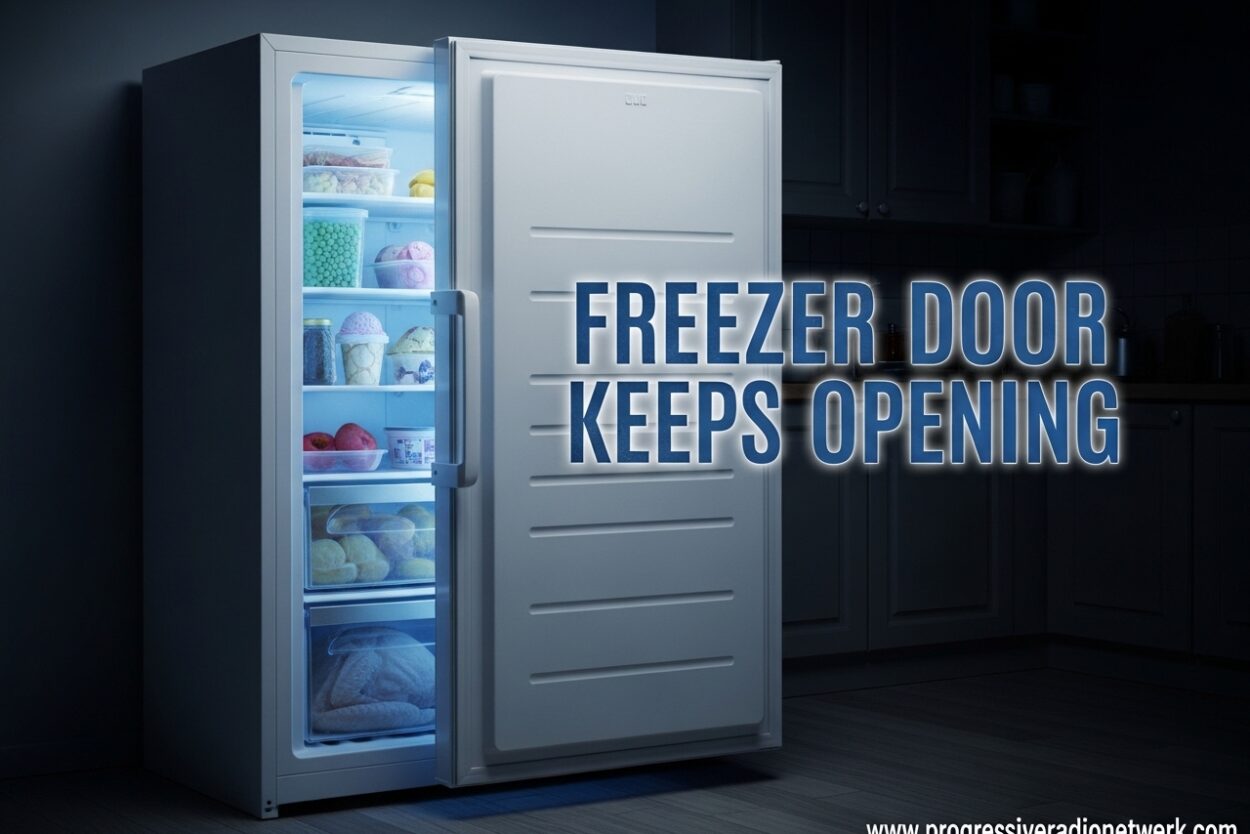
Is your freezer door keeps opening every time you close the refrigerator door? You’re not alone. This frustrating issue affects thousands of refrigerator owners and can lead to spoiled food, wasted energy, and higher electricity bills.
I’ve seen this problem countless times in home improvement forums. The good news is that most causes are simple to fix yourself. In some cases, a slightly popping freezer door is even normal operation.
Let me walk you through why this happens and exactly how to fix it.
Is It Normal for Freezer Door to Pop Open?
Yes, in many cases, a freezer door that pops open slightly when you close the refrigerator door is completely normal. This happens most often with French door refrigerators and side-by-side models.
When you close the refrigerator door forcefully, air needs to escape somewhere. The connected air channels between compartments direct this air pressure toward the freezer. Since the freezer door is typically lighter than the refrigerator door, the air pressure can push it open slightly.
A slight pop (less than half an inch) that recloses on its own within a few seconds is usually normal. However, if the door stays open, opens wider, or happens even with gentle door closing, you have a problem that needs fixing.
I’ve read countless forum posts from users who thought their refrigerator was broken, only to learn this air pressure effect is by design. The key is knowing the difference between normal operation and a real issue.
What Causes Freezer Door Keeps Opening
Understanding the root cause helps you target the right solution. Based on my research and community feedback, here are the main culprits:
Air Pressure Differential: This is the most common cause and often completely normal. When you close the refrigerator door, air is forced through the damper channel into the freezer. If the freezer door seal is weak or the refrigerator isn’t level, this pressure pushes the door open.
Improper Leveling: A refrigerator that’s not level can cause doors to swing open on their own. If the unit tilts forward, gravity works against the door closure. Even a slight tilt can make the difference between a door staying closed and popping open.
Worn or Dirty Door Gasket: The rubber seal around your freezer door (the gasket) creates the magnetic seal that keeps cold air in. Over time, gaskets can become dirty, compressed, or damaged. A weak seal means even normal air pressure can push the door open.
Door Alignment Issues: If the freezer door is misaligned, it won’t seal properly even with a good gasket. This can happen from loose hinge screws, warped door panels, or improper installation.
Overfilled Door Baskets: Heavy items in freezer door baskets put extra weight on the seal. Combined with a weak gasket or poor leveling, this weight can overcome the magnetic seal.
Broken Door Closing Cam: Many refrigerators have a small plastic cam on the bottom hinge that helps the door close properly. When this cam breaks, the door won’t close on its own and may pop open easily.
How to Fix Freezer Door Keeps Opening
Most freezer door issues can be resolved with simple DIY fixes. I’ll walk you through each solution, starting with the easiest and most common.
Level Your Refrigerator
An unleveled refrigerator is one of the most common causes of popping doors. Here’s how to fix it:
Step 1: Check the current level. Place a bubble level on top of your refrigerator. Check both front-to-back and side-to-side. Note which direction the unit is tilting.
Step 2: Adjust the front leveling legs. Most refrigerators have adjustable front legs. Use a wrench to turn the legs clockwise to raise that corner or counter-clockwise to lower it. Make small adjustments and recheck with your level.
Step 3: Verify door swing. After leveling, test both doors. They should swing closed on their own from a partially open position. If they don’t, continue adjusting until the refrigerator is perfectly level.
Step 4: Check from multiple angles. Place your level on the floor inside the refrigerator to verify the unit is level from all directions. Uneven flooring can cause leveling issues that aren’t visible from above.
Proper leveling not only fixes popping doors but also helps your compressor run more efficiently and extends the life of your refrigerator.
Clean and Maintain Door Gasket
A dirty or worn gasket is another leading cause of freezer door issues. Here’s how to restore your seal:
Step 1: Inspect the gasket. Look closely at the rubber seal around the freezer door. Check for cracks, tears, gaps, or areas where the rubber has become hard and brittle. Also look for food debris or sticky residue.
Step 2: Clean the gasket thoroughly. Mix warm water with mild dish soap. Dip a soft cloth or sponge in the solution and wipe down the entire gasket, including the folds and crevices. Rinse with a clean, damp cloth and dry completely.
Step 3: Test the seal. Close the freezer door on a dollar bill or piece of paper. Pull it out gently. You should feel resistance. If it slides out easily, your seal isn’t working properly. Repeat this test around the entire door perimeter.
Step 4: Apply gasket lubricant. If the gasket is clean but still not sealing well, apply a thin layer of petroleum jelly or paraffin-based gasket conditioner. This helps the rubber maintain flexibility and creates a better seal. Wipe away any excess.
For stubborn cases, use a hair dryer on low heat to gently warm the gasket material. This can help restore flexibility to compressed rubber. Be careful not to overheat and damage the seal.
Check Door Alignment and Hinges
Misaligned doors prevent proper sealing even with a good gasket. Here’s how to check and fix alignment issues:
Step 1: Inspect hinge screws. Look at the top and bottom hinges of your freezer door. Check if any screws are loose or missing. Tighten any loose screws with the appropriate screwdriver.
Step 2: Check the door closing cam. This small plastic piece on the bottom hinge helps the door close automatically. If it’s broken or worn, the door won’t stay closed. Replacement cams are available online or through appliance parts stores.
Step 3: Adjust door alignment. Some refrigerators have adjustable hinges that allow you to move the door slightly. Consult your owner’s manual for specific adjustment procedures. If alignment issues persist after tightening hinges, you may need professional service.
Step 4: Check for obstructions. Make sure nothing is preventing the door from closing fully. Ice buildup, food packages, or even the door gasket itself can interfere with proper closure.
Reduce Weight in Door Baskets
Heavy items in freezer door baskets put extra strain on the seal. Here’s how to address this issue:
Step 1: Assess door basket contents. Remove all items from the freezer door and note which are particularly heavy. Frozen vegetables, ice cream, and bulk items are common culprits.
Step 2: redistribute weight. Move heavy items to the main freezer shelves instead of door bins. Place lighter items like frozen herbs, smaller packages, or ice cube trays in the door baskets.
Step 3: Balance the load. Distribute items evenly between the refrigerator and freezer doors. Avoid overloading either door, as this can strain hinges and affect sealing.
Step 4: Test the improvement. After redistributing weight, test the door closure. You should notice the door staying closed more securely. If weight was the only issue, your problem is solved.
Prevention Tips to Stop Freezer Door from Popping Open
Once you’ve fixed the immediate problem, these prevention tips will help keep your freezer door working properly:
Clean your door gaskets monthly with warm soapy water to prevent buildup that can interfere with sealing. Inspect them for signs of wear or damage during cleaning.
Check your refrigerator level every few months, especially after cleaning behind the unit or moving it. Floor settling can affect leveling over time.
Close doors gently rather than slamming them. Forceful closure creates more air pressure that can push the freezer door open. A gentle, firm close is all that’s needed.
Keep door baskets lightly loaded. Store heavy items on main shelves and use door bins for lighter items only. This reduces strain on the seal and hinges.
Check door closure regularly. Make sure nothing interferes with the door closing fully, including ice buildup, misplaced food items, or warped gaskets.
Apply gasket conditioner twice a year to keep seals flexible and prevent cracking. This simple maintenance can extend gasket life significantly.
When to Call a Professional
Most freezer door issues are DIY-friendly, but some problems require professional service. Call a technician if you notice these warning signs:
A broken door closing cam that requires disassembly to replace. While handy homeowners can sometimes handle this repair, it often requires specialized tools and knowledge.
Compressor issues that cause the freezer to warm up significantly. If your food is thawing and the compressor is running constantly, you may have a more serious problem.
Severe door misalignment that persists after hinge adjustment. This could indicate a warped door frame or structural issue that needs professional assessment.
Electrical issues with door switches or sensors. Modern refrigerators have complex electronic systems that require trained technicians for safe repair.
Refrigerator under warranty. If your unit is still covered by warranty, DIY repairs could void your coverage. Contact the manufacturer for authorized service.
Brand-Specific Considerations
Different refrigerator brands have unique features and common issues related to freezer door problems:
Whirlpool: Many Whirlpool models have adjustable door cams that can wear out over time. The company acknowledges that slight door popping is normal due to air pressure design.
GE: GE recommends checking leveling legs first, then the gasket seal. Some GE models have unique gasket designs that require specific cleaning methods.
Samsung: Samsung French door refrigerators are particularly prone to this issue due to their design. The company recommends placing heavier items in the freezer for ballast.
LG: LG models often feature door-alarm systems that alert you when doors aren’t fully closed. If this alarm sounds frequently, check your gasket and leveling.
Frigidaire: Frigidaire side-by-side models may experience door popping due to ice buildup in the door track. Regular defrosting and cleaning can prevent this issue.
FAQ
How to fix a freezer door that keeps popping open?
Start by leveling your refrigerator using the adjustable front legs. Next, clean the door gasket with warm soapy water and apply a thin layer of petroleum jelly to improve the seal. Check for heavy items in door baskets and move them to shelves. If these steps don’t work, inspect the door hinges and closing cam for damage.
How do you fix a freezer door that won’t stay closed?
First check if your refrigerator is level front-to-back and side-to-side. Clean the door gasket thoroughly and test the seal with a dollar bill. If the gasket is damaged, replace it. Tighten any loose hinge screws and check the door closing cam for damage. For persistent issues, consult a professional technician.
What would cause a refrigerator door to open by itself?
The most common cause is air pressure changes when closing the other door. This is often normal in multi-door refrigerators. Other causes include improper leveling, worn door gaskets, misaligned doors, broken door closing cams, or overfilled door baskets. Determining if it’s normal air pressure or an actual problem helps identify the right solution.
Why does my freezer door pop open when I close the fridge?
When you close the refrigerator door, air is forced through the damper channel into the freezer compartment. This air pressure pushes against the freezer door. If the freezer door seal is weak, the refrigerator isn’t level, or the door is misaligned, the pressure can push the door open. A slight pop that recloses quickly is often normal operation.
How do I know if my freezer door gasket is bad?
Close the freezer door on a dollar bill and pull it out. If it slides out easily with no resistance, your gasket needs attention. Visually inspect the rubber for cracks, tears, or areas where it’s become hard and brittle. If the gasket is compressed and doesn’t spring back when pressed, it’s time for replacement.
Conclusion
A freezer door that keeps opening is frustrating but usually fixable without professional help. Start with the simplest solutions: check your refrigerator’s level, clean the door gasket, and redistribute weight from door baskets to shelves.
Remember that a slight door pop from air pressure is often normal operation. The key is distinguishing between normal air pressure effects and actual problems with sealing or alignment.
Regular maintenance like monthly gasket cleaning and periodic level checks can prevent most issues from developing. When you do encounter problems, these troubleshooting steps will help you identify and fix the cause quickly, protecting your food and saving energy.
Leave a Comment