
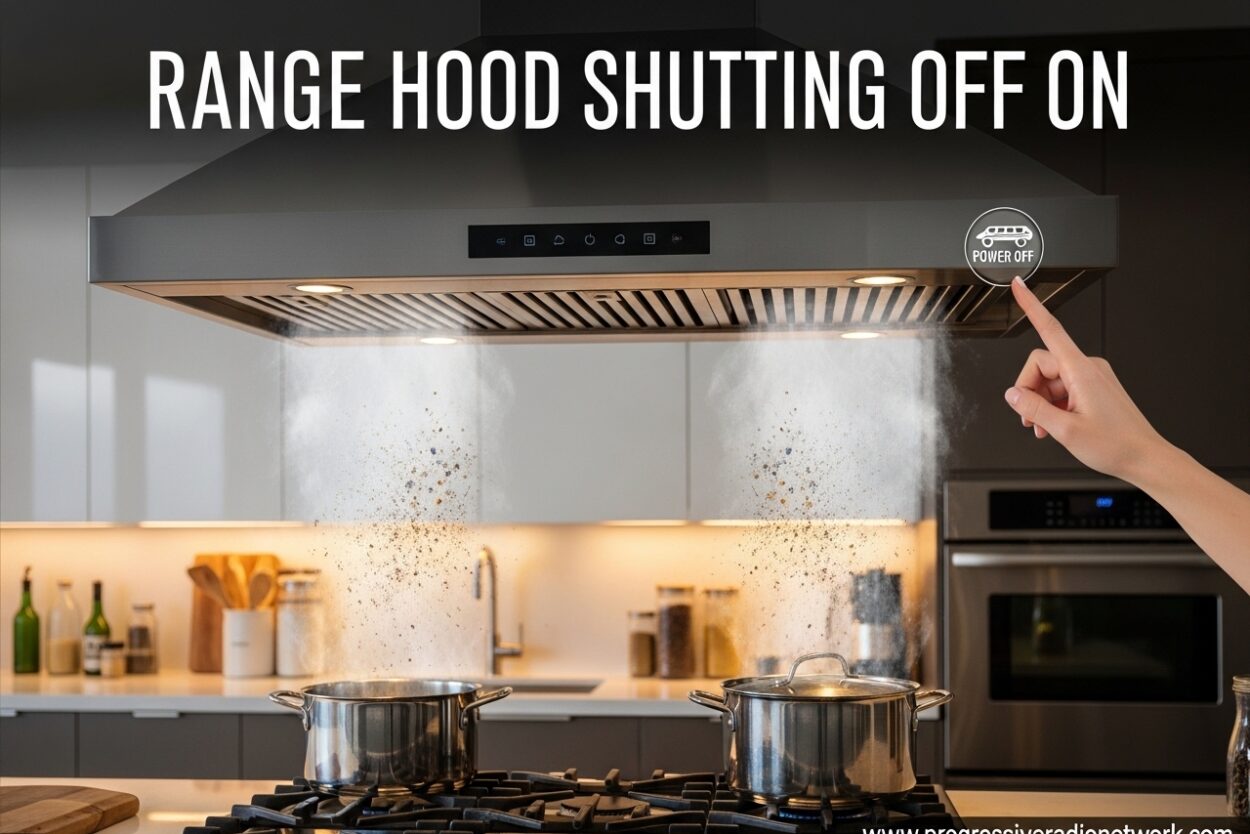
There’s nothing worse than your range hood shutting off right in the middle of cooking a meal. The steam starts building up, smoke from your searing meat has nowhere to go, and you’re left wondering what went wrong. I’ve seen this frustration countless times, and the good news is that most range hood shutdowns have simple fixes you can handle yourself.
A range hood shutting off is typically a built-in safety feature responding to a specific problem. Understanding why this happens and how to fix it will save you time, money, and potentially prevent a fire hazard in your kitchen. Let me walk you through everything you need to know about diagnosing and resolving range hood shutdown issues.
Common Causes of Range Hood Shutting Off
Range hoods are designed with multiple safety mechanisms that automatically shut off the unit when problems arise. The most common culprit is the thermal overload protector, which activates when the motor begins overheating. This typically happens due to restricted airflow, often caused by clogged grease filters or blocked ductwork that prevents proper ventilation.
Power supply issues represent another frequent cause of range hood shutdowns. A tripped circuit breaker, a faulty GFCI outlet, or loose internal wiring connections can all interrupt power to your vent hood. Sometimes the problem is as simple as a loose plug that’s gradually worked its way out of the outlet over time.
Motor problems, while more serious, are also common in older units. A seized motor, worn bearings, or a failing capacitor can cause the motor to overheat quickly, triggering the thermal overload switch. You might hear a distinctive humming sound before the shutdown occurs, which is a key indicator of motor-related issues.
Critical Safety Warning Before Troubleshooting
Before diving into any troubleshooting steps, I need to share an important safety warning. Electrical appliances can be dangerous, and range hoods are no exception. If you notice any burning smells, see sparks, or feel excessive heat coming from your range hood, stop immediately and call a professional technician.
Electrical shorts in range hoods are rare but serious. If your circuit breaker trips repeatedly when you try to use the vent hood, this indicates a potentially dangerous electrical issue that requires professional diagnosis. Don’t attempt to bypass safety features or override the thermal overload protection, as these systems are in place to prevent fires and protect your home.
Step 1: Check Power Supply and Electrical Connections
The first step in diagnosing a range hood shutting off is to verify that power is reaching the unit consistently. Start by checking your home’s electrical panel for any tripped circuit breakers. Range hoods are typically on their own dedicated circuit, so a tripped breaker will completely cut power to the unit.
Reset your circuit breaker by flipping it fully to the off position, waiting 30 seconds, then flipping it back on. If the breaker trips again immediately when you try to use the range hood, you have a more serious electrical issue that requires professional attention.
Next, test the GFCI outlet if your range hood plugs into one. GFCI outlets can trip unexpectedly, cutting power to the appliance. Look for the reset button on the outlet and press it firmly. If it won’t reset or trips again immediately, the outlet itself may need replacement.
Finally, check that the range hood’s plug is firmly seated in the outlet. Vibration from normal operation can gradually loosen plugs over time, causing intermittent power loss. Unplug the unit, inspect the plug for any damage or corrosion, and plug it back in firmly.
Step 2: Inspect and Clean Grease Filters
Clogged grease filters are the most common cause of range hood overheating and shutdown. As you cook, tiny particles of grease and oil accumulate in the filter mesh, gradually restricting airflow. This restriction forces the motor to work harder, generating more heat and eventually triggering the thermal overload protector.
Remove your grease filters and hold them up to a light source. If you can’t easily see light through the filter mesh, they’re overdue for cleaning. Aluminum mesh filters can be washed in the dishwasher or by hand with warm, soapy water. For stubborn grease buildup, use a degreaser specifically designed for kitchen appliances.
Allow your filters to air dry completely before reinstalling them. Wet filters can trap moisture and cause additional problems. As a general rule, clean your grease filters at least once per month if you cook frequently, or every 2-3 months for lighter cooking. This simple maintenance step prevents most range hood shutdown issues.
If your filters are damaged, warped, or have permanent buildup that won’t come clean, replace them with new ones. Filters are relatively inexpensive and crucial for proper range hood operation. Most manufacturers recommend replacing filters annually even with regular cleaning.
Step 3: Check Ventilation and Ductwork
Even with clean filters, your range hood can overheat if the ventilation system is blocked. Start by inspecting the exterior wall vent cap, which is where exhaust air exits your home. Remove any debris, leaves, or bird nests that may have accumulated. Ensure the vent damper opens freely and isn’t stuck closed.
Inside your home, check that the ductwork connections are secure and haven’t come loose. Flexible duct tubing can kink or collapse over time, severely restricting airflow. If you have access to the duct run, inspect it for any crushed sections, excessive bends, or disconnections that would impede proper ventilation.
Backdrafting can also cause range hood performance issues. This occurs when outdoor air flows back down the ductwork and into your home, usually due to inadequate venting or competing exhaust systems. Signs of backdrafting include reduced suction at the range hood and unusual drafts when the unit is running.
Proper duct sizing is critical for range hood performance. If your duct is too small or has too many elbows and turns, the exhaust fan can’t move air efficiently. Ideally, use the largest diameter duct your range hood accommodates, and minimize the number of 90-degree turns in the duct run.
Step 4: Diagnose Motor Problems and Thermal Overload
Motor issues are among the more serious causes of range hood shutting off, and they require careful diagnosis. A healthy range hood motor should run smoothly with minimal vibration. If your motor is making unusual sounds, running hot, or struggling to maintain speed, the problem is likely motor-related.
The thermal overload switch is a safety device designed to protect the motor from overheating. When excessive heat is detected, the switch trips and cuts power to the motor. This is usually triggered by restricted airflow from clogged filters or blocked ductwork, but can also indicate failing motor components.
One telltale sign of motor problems is what technicians call the “hum of death.” If you hear a humming sound when you try to start the range hood, but the fan doesn’t spin, you likely have a seized motor. This occurs when the motor bearings fail completely, locking the rotor in place. In this scenario, the motor attempts to draw excessive current, which quickly trips the thermal overload or circuit breaker.
Motor bearing failure typically progresses gradually. You may notice increased noise, vibration, or reduced performance in the weeks before complete failure. Catching these symptoms early can sometimes allow for bearing replacement rather than full motor replacement.
Capacitor failure is another motor-related issue. The start capacitor provides the initial boost of power needed to overcome inertia and start the motor spinning. When a capacitor fails, the motor may attempt to start, hum briefly, then trip the overload protector. This component is relatively inexpensive and easy to replace if you’re comfortable with electrical work.
Step 5: Control Board and Switch Issues
Modern range hoods with electronic controls use circuit boards to manage fan speeds, lights, and other functions. These control boards can fail over time, causing intermittent shutdown issues. Grease and moisture contamination are the enemies of electronic components, and range hoods are exposed to both regularly.
If your range hood has electronic controls, look for signs of grease contamination on the control panel. Sticky buttons, unresponsive touchpads, or erratic behavior can indicate that grease has penetrated the control board. In some cases, cleaning the control panel with appropriate electronics cleaner can resolve the issue.
Traditional range hoods use mechanical switches and relays rather than electronic control boards. These components can fail due to electrical arcing, moisture damage, or simple wear and tear. A faulty switch may work intermittently before failing completely, explaining random shutdown issues.
Diagnosing control board or switch problems requires some electrical knowledge. If you’re comfortable working with electricity, you can test components with a multimeter. However, for most homeowners, control board replacement is best left to professional technicians who can safely diagnose and repair the issue.
How to Reset Your Range Hood After Shutdown
After addressing the underlying problem causing your range hood to shut off, you’ll need to reset the unit properly. The reset process depends on what triggered the shutdown in the first place.
For thermal overload shutdowns, simply turn off the range hood and allow it to cool for 15-30 minutes. The thermal overload switch will automatically reset once the motor has cooled sufficiently. Do not attempt to restart the range hood immediately after it shuts off, as this can cause additional damage to the motor.
If a tripped circuit breaker was the cause, reset the breaker as described earlier. Flip it fully off, wait 30 seconds, then flip it back on. If the breaker trips again immediately, do not keep resetting it. This indicates a serious electrical problem that requires professional diagnosis.
For GFCI outlet issues, press the reset button firmly on the outlet. If it won’t reset, the outlet may be faulty or there may be a ground fault in the range hood wiring. In this case, stop using the range hood and consult an electrician.
After any reset, test the range hood on the lowest speed setting first. Listen for unusual sounds and observe whether the unit maintains consistent operation. If everything seems normal, gradually increase to higher speeds while monitoring performance.
Repair vs Replace: Making the Right Decision
When faced with a malfunctioning range hood, one of the most difficult decisions is whether to repair or replace the unit. I use what’s called the 50% rule: if the cost of repair exceeds 50% of the cost of a new range hood, replacement usually makes more sense.
Consider the age of your range hood when making this decision. Most range hood motors last 10-15 years with proper maintenance. If your unit is approaching or past this age and requires major repairs like motor replacement, investing in a new range hood with updated features and better efficiency might be the smarter choice.
Simple repairs like filter replacement, ductwork fixes, or capacitor replacement are almost always worth pursuing. These repairs typically cost less than $100 and can extend the life of your range hood by years. However, control board replacement or motor replacement can cost $200-500 or more, which might justify upgrading to a new unit.
Energy efficiency is another factor to consider. Newer range hoods often feature more efficient motors and better LED lighting, which can reduce energy consumption over time. If your current unit is more than 10 years old, a replacement might pay for itself through energy savings alone.
Preventing Future Range Hood Shutdowns
The best way to deal with range hood shutdowns is to prevent them from happening in the first place. Regular maintenance is the key to reliable performance and long life for your range hood.
Clean your grease filters monthly if you cook frequently, or every 2-3 months for lighter cooking. Set a recurring reminder on your phone so you don’t forget. Clean filters not only prevent shutdowns but also improve air quality in your kitchen and reduce fire risk.
Inspect your exterior vent cap annually for any obstructions. Birds often build nests in vent openings, and debris can accumulate over time. A quick visual inspection can prevent major airflow problems before they develop.
Listen to your range hood during normal operation. Any change in sound, vibration, or performance is an early warning sign of developing problems. Addressing these symptoms early can prevent costly repairs down the road.
If you do high-heat cooking frequently, consider upgrading to a range hood with higher CFM (cubic feet per minute) rating. Undersized units for your cooking style are more prone to overheating and shutdown issues. A professional can help you determine the appropriate capacity for your needs.
FAQ
Why does my vent hood turn off by itself?
A vent hood typically turns off by itself due to the thermal overload protector activating. This safety feature triggers when the motor begins overheating, usually caused by restricted airflow from clogged grease filters or blocked ductwork. The system shuts down to prevent motor damage and potential fire hazards.
How to reset range hood?
To reset a range hood after thermal shutdown, turn off the unit and wait 15-30 minutes for the motor to cool. The thermal overload switch will automatically reset once cooled. For circuit breaker issues, flip the breaker fully off, wait 30 seconds, then flip back on. For GFCI outlets, press the reset button firmly. Always start on the lowest speed setting after resetting.
Why does my range hood make a humming noise but not spin?
A humming noise without fan spinning typically indicates a seized motor, known as the ‘hum of death.’ This occurs when motor bearings fail completely, locking the rotor in place. The motor attempts to draw excessive current, which quickly trips the thermal overload protector. This usually requires professional motor replacement.
Is it worth replacing a range hood motor?
Use the 50% rule: if repair costs exceed 50% of a new range hood’s price, replacement makes more sense. Consider the unit’s age – motors typically last 10-15 years. For newer units or minor repairs, replacement is worthwhile. For older units needing motor replacement ($200-500), upgrading to a new efficient model might be the better investment.
How long should a range hood motor last?
A properly maintained range hood motor typically lasts 10-15 years. Regular filter cleaning, proper ductwork installation, and addressing performance issues early can extend motor life. High-heat cooking environments may reduce motor lifespan due to increased heat and grease exposure. Motors approaching this age that require major repairs are often better replaced entirely.
Can a clogged filter cause range hood to shut off?
Yes, clogged grease filters are the most common cause of range hood shutdowns. As filters accumulate grease and oil, they restrict airflow which forces the motor to work harder, generating excessive heat. This triggers the thermal overload protector, shutting down the unit to prevent motor damage. Clean filters monthly for heavy cooking or every 2-3 months for light use.
Why did my range hood shut off while cooking?
Your range hood likely shut off due to thermal overload protection activating. High-heat cooking generates more heat and steam, which can overwhelm a clogged filter or restricted ductwork. The motor overheats from working too hard, triggering the safety shutdown. Clean your filters, check ductwork for blockages, and ensure proper ventilation before resuming use.
Why do the lights work but the fan does not?
When lights work but the fan doesn’t, this typically indicates a fan-specific problem rather than a general power issue. Common causes include a faulty fan motor, failed start capacitor, bad fan switch, or loose wiring specific to the fan circuit. The thermal overload may have tripped only the fan circuit while leaving light power intact. Professional diagnosis is usually recommended for this issue.
Conclusion
Dealing with a range hood shutting off is frustrating, but most issues have straightforward solutions when you understand what’s causing the problem. Start with the basics: check your power supply, clean those grease filters, and inspect your ventilation ductwork. These simple steps resolve the majority of shutdown issues.
For more complex problems like motor failure or control board issues, don’t hesitate to call a professional technician. Electrical work can be dangerous, and the cost of professional diagnosis is often less than the cost of making problems worse through DIY mistakes.
Regular maintenance is your best defense against future range hood shutdowns. Clean those filters monthly, inspect your vent annually, and address any performance changes promptly. With proper care, your range hood should provide reliable service for many years to come.

Leave a Comment