
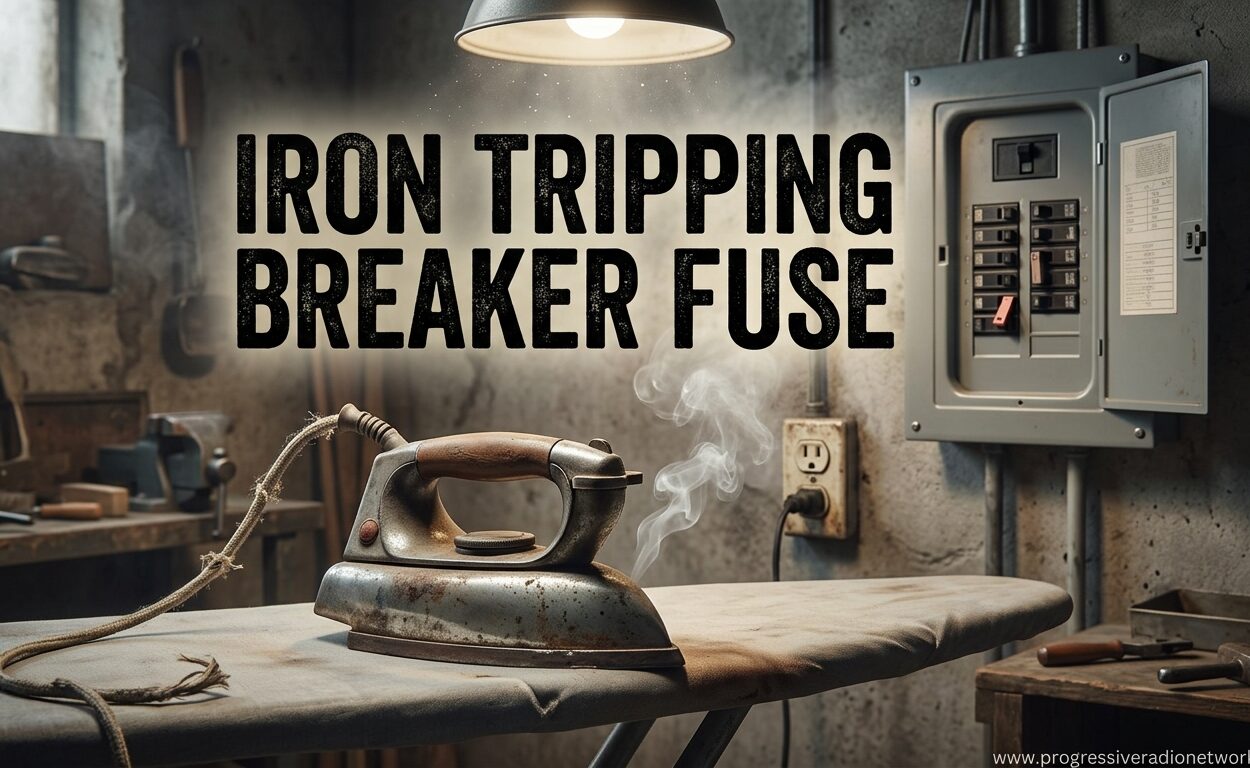
When your iron keeps tripping the breaker or blowing a fuse, it’s more than just frustrating – it’s a warning sign. Iron tripping breaker fuse problems typically happen because of steam leakage creating electrical faults, damaged power cords, or internal short circuits. Based on real user reports, most irons work fine for about 6 months before developing this issue, which then progressively worsens from occasional trips to immediate failure when plugged in.
Understanding why your clothes iron trips the circuit breaker helps you decide whether to repair, replace, or call an electrician. Let’s walk through exactly what’s happening and how to fix it safely.
Understanding Circuit Breakers, Fuses, and Your Iron
Circuit breakers and fuses serve the same purpose: protecting your home from electrical fires. When too much current flows or a dangerous fault occurs, they cut off power instantly. Your iron draws significant power – typically 750-1800 watts depending on whether it’s a standard steam iron or a steam generator model.
A standard 15-amp circuit provides 1800 watts of power. An 1800-watt iron operating at maximum capacity uses nearly the entire circuit capacity. This leaves little room for other appliances or faults. When an iron develops problems, it can cause what electricians call an “earth leakage fault” – where electricity escapes the intended path and flows to the ground.
Modern homes often have RCD (Residual Current Device) or GFCI (Ground Fault Circuit Interrupter) protection. These sensitive devices detect tiny imbalances in current flow and trip much faster than standard breakers. Your iron might trip an RCD even when a standard breaker wouldn’t, which actually protects you from potential electric shock.
Why Does My Iron Keep Tripping My Fuse? Common Causes
Steam leakage causing earth faults is the most common reason irons trip breakers. When steam condenses around live electrical connections inside your iron, it creates a path for electricity to leak to the ground. This triggers earth fault protection instantly. The problem often develops gradually – you might notice occasional trips at first, then more frequent failures as the corrosion and water damage worsen.
Damaged power cords, called “flex” by electricians, rank as the second most common culprit. The constant bending, coiling, and unplugging causes wires inside the cord to break down. Hot spots develop where insulation has worn away, creating short circuits. Many users report the damage occurs right where the cord enters the iron body – the point of maximum stress.
Internal short circuits develop when heating element insulation breaks down. Inside your iron, the heating element typically has around 75 ohms of resistance. When this insulation degrades due to age, moisture, or manufacturing defects, electricity can jump to the metal casing. This causes immediate breaker trips when you turn on the iron.
Thermostat failure causes problems in older irons. The thermostat controls temperature by switching power on and off. When contacts weld together or fail, the iron can overheat, triggering thermal protection. Conversely, failed thermostets might cause rapid cycling that creates electrical noise, confusing sensitive breakers.
Overloaded circuits happen when you plug your iron into a circuit already running near capacity. Remember that 1800-watt figure? If you’re running lights, a TV, or other appliances on the same circuit, adding an iron pushes it over the limit. This isn’t the iron’s fault – it’s a circuit capacity issue. The clue: your iron works fine in some outlets but trips in others.
Age-related deterioration follows a predictable pattern based on hundreds of user reports. Most irons work perfectly for the first 6-12 months. Then occasional trips begin – maybe once a month. Over the next few months, trips become weekly, then daily. Finally, the iron trips immediately when plugged in or turned on. This progressive failure indicates cumulative damage inside the iron.
Step-by-Step Troubleshooting Guide
Step 1: Determine If It’s the Iron or the Circuit
Test your iron in a different room on a different circuit. If it works fine elsewhere, your original circuit has a problem. If it trips every circuit, your iron is faulty. This simple test eliminates half the possibilities immediately. For thorough testing, try at least three different outlets if possible.
Step 2: Visual Inspection of Power Cord
Unplug the iron completely. Examine the entire length of the power cord, especially near where it connects to the iron body. Look for kinks, cuts, fraying, or stiffness. Any visible damage means replace – don’t attempt cord repair on high-power appliances. The cord should feel flexible along its entire length.
Step 3: Check for Steam Leaks and Water Damage
Fill the water tank and look for any drips or moisture around the soleplate or body seams. Steam should only exit from designated vents. Any water escaping elsewhere indicates internal damage. Also check for mineral deposits around buttons or controls – these suggest water has been leaking internally.
Step 4: Test Without Water
Empty all water from the iron and run it dry. If it doesn’t trip when dry but does when filled with water, you’ve confirmed a steam leak issue. The water is reaching electrical components only under operating pressure. This is a clear sign the iron needs replacement.
Step 5: Check the Circuit Breaker Panel
Look at which specific breaker trips. Is it a standard breaker or an RCD/GFCI device? RCD trips indicate earth leakage (steam or short circuit issues). Standard breaker trips typically mean overload. If multiple breakers trip simultaneously, or if the main breaker trips, you have a serious electrical issue requiring professional help.
Step 6: Consider Progressive Failure Timeline
Think about your iron’s history. Did it work fine for months before problems started? Have trips become more frequent over time? This pattern indicates internal deterioration rather than a sudden fault. If a brand new iron trips immediately, you might have a circuit problem instead. Keep notes – this timeline helps electricians diagnose the issue.
Step 7: When to Call a Professional Electrician
Call an electrician if: the breaker feels hot to touch, you see burn marks on outlets, multiple appliances trip the same circuit, or replacing the iron doesn’t solve the problem. Also seek help if you’re uncomfortable with any testing steps. Electrical problems can cause fires – when in doubt, professional inspection is worth the cost.
Prevention and Maintenance Tips
Proper cord care prevents most damage. Always unplug by grasping the plug firmly, not yanking the cord. When storing, avoid tight bends or sharp kinks – loosely coil the cord in large loops. Never wrap the cord tightly around the iron body; this creates stress points that damage internal wires.
Regular descaling extends iron life significantly. Mineral buildup reduces steam efficiency and increases internal pressure, leading to leaks. Use a 50/50 white vinegar and water solution monthly. Fill the tank, heat the iron, steam until empty, then rinse with clean water. This simple maintenance prevents many steam-related faults.
Store your iron properly after use. Empty all water completely before putting it away – standing water causes corrosion and mineral deposits. Let the iron cool completely before storage. Store in a dry place, not a damp basement or bathroom cabinet where moisture accelerates deterioration.
Consider dedicated circuits for high-power appliances. If you frequently trip breakers when ironing, consult an electrician about adding a dedicated circuit. This prevents overload issues and protects both your appliances and your home’s electrical system. The cost is often less than replacing repeatedly damaged irons.
Safety Warnings You Should Know
Never bypass a breaker or fuse to keep an iron running. This removes critical fire protection and can allow dangerous fault currents to flow. If an iron repeatedly trips, something is wrong – using it anyway risks electric shock or fire. The breaker is doing its job by warning you of a problem.
Stop using an iron immediately if you notice: burning smells, smoke, sparks, crackling sounds, or if the iron feels unusually hot even when off. These are serious warning signs of imminent failure. Unplug the iron and don’t use it again until a professional has inspected it.
Don’t attempt DIY repairs on steam irons unless you’re qualified. Internal components carry mains voltage even when unplugged due to stored charge. Water and electricity make DIY repairs particularly dangerous. The cost of professional repair or replacement is far less than the risk of injury.
Frequently Asked Questions
Why does my iron keep tripping my fuse?
The most common cause is steam leakage creating an earth fault. When steam condenses on live electrical components inside your iron, it creates a path to ground that triggers earth fault protection. Other causes include damaged power cords, internal short circuits, or overloaded circuits. The issue typically worsens over time – starting with occasional trips and progressing to immediate failure.
How do you fix an appliance that trips the power?
First, determine if the fault is the appliance or the circuit by testing in different outlets. Check the power cord for visible damage. Test the appliance empty of water to isolate steam leak issues. If the appliance trips on all circuits, it’s faulty and needs repair or replacement. If it only trips one circuit, you may have an overloaded circuit or wiring problem requiring an electrician.
Can an iron work without a fuse?
Most modern irons have internal thermal fuses for safety, not the plug-in type. Running an iron without its internal fuse protection is dangerous and creates fire hazard risk. Never bypass or remove safety fuses from any appliance. If your iron’s thermal fuse has blown, it usually indicates a serious overheating problem that needs professional repair or replacement.
Is it a fire hazard if the breaker keeps tripping?
Repeated breaker trips indicate a fault that could cause fire if ignored. The tripping breaker is actually protecting you by cutting power to a dangerous situation. Continuing to reset the breaker and use the appliance anyway removes this protection. Never ignore repeated trips – they’re warning you of a potentially serious problem that needs immediate attention.
Why does my steam iron keep tripping the electrics?
Steam irons trip electrics primarily due to water reaching live electrical components. This happens through internal leaks, deteriorating seals, or steam condensation in the wrong places. The water creates an earth leakage fault that RCD and GFCI devices detect instantly. This fault type trips breakers even when the iron isn’t overheating or drawing excess power.
Why do new irons start tripping after months?
New irons typically work fine for 6-12 months before tripping issues begin. This gradual failure occurs because cumulative damage builds up inside the iron. Heat cycles weaken insulation, vibrations loosen connections, and water slowly corrodes components. What starts as minor deterioration progresses to failure over time – which explains why replacement irons often develop the same problem if the circuit is contributing to the damage.
What to do if an appliance keeps tripping the breaker?
Stop using the appliance immediately. Test it on a different circuit to isolate whether the problem is the appliance or your electrical system. Check for visible damage to cords and plugs. If the appliance trips all circuits, replace or repair it. If it only trips one circuit, you may need an electrician to inspect your wiring. Never bypass the breaker to keep using a faulty appliance.
How to fix a tripping iron?
Most tripping irons are not worth fixing – replacement is usually safer and more cost-effective. Irons are high-power appliances with water and electricity in close proximity, making DIY repairs risky. If the iron is new and under warranty, contact the manufacturer. Otherwise, replacement is typically the best option. Have your electrical system checked if replacement irons develop the same problem.
Conclusion
Iron tripping breaker fuse problems follow predictable patterns and have specific causes. Steam leakage, damaged cords, internal shorts, and overloaded circuits account for most cases. The key is identifying whether your iron or your electrical system is at fault through systematic testing.
Remember the progressive failure pattern many users experience: 6-12 months of trouble-free use, then occasional trips, then frequent failures. This timeline indicates internal iron deterioration rather than sudden circuit problems. If replacement irons develop identical issues quickly, consult an electrician – your electrical system may be damaging appliances.
Safety comes first with electrical issues. Never ignore repeated breaker trips, never bypass safety devices, and don’t attempt DIY repairs on high-power steam appliances. When in doubt, professional inspection costs less than fire damage or injury.


Leave a Comment