
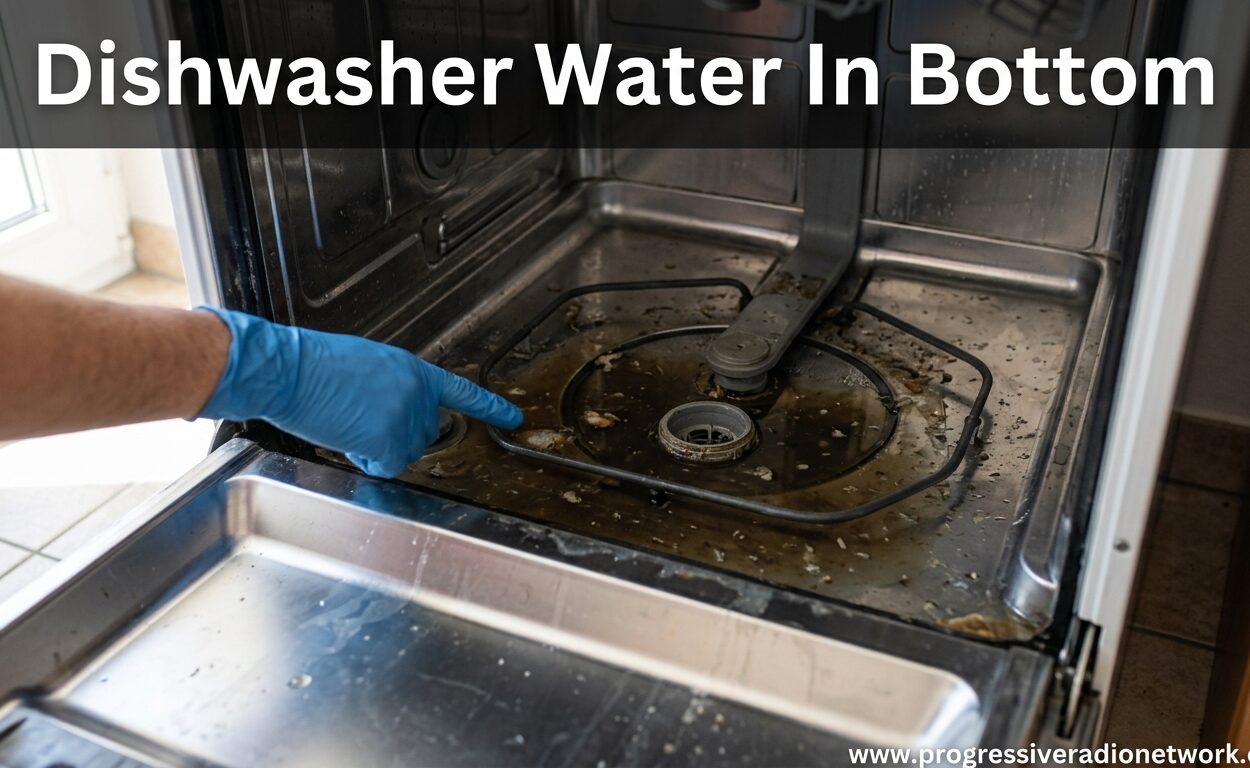
I opened my dishwasher after a wash cycle and found water sitting at the bottom. This is a frustrating problem that many homeowners face, and I’ve been there too. Understanding why dishwasher water in bottom happens and knowing how to fix it can save you time and money.
This guide will walk you through everything you need to know about standing water in your dishwasher. I’ll cover what’s normal, what causes the problem, and step-by-step solutions you can try at home before calling a professional.
Is Water in the Bottom of Your Dishwasher Normal?
Before we dive into troubleshooting, let me address a common question I see in forums. A small amount of water in the bottom of your dishwasher is actually normal. Most modern dishwashers retain 1-2 cups of water in the filter area after a cycle completes.
This standing water serves an important purpose. It keeps the seals and gaskets moist, preventing them from drying out and cracking. However, if you’re seeing more than an inch of water or water that covers the entire bottom of the tub, you have a drainage issue that needs attention.
Newer dishwashers tend to show more visible water than older models because of their design. Don’t panic if you see some water at the start of a new cycle, but do investigate if the amount seems excessive or persists after running the dishwasher.
What Causes Water to Accumulate in Your Dishwasher?
Water accumulation in your dishwasher usually points to a drainage problem. Based on my research and real user experiences, here are the most common culprits.
Clogged Dishwasher Filter (Most Common)
The filter is the number one cause of dishwasher water in bottom. Over time, food particles, grease, and debris build up in the filter assembly. This blocks water from draining properly. I’ve found that cleaning the filter fixes about 70% of drainage issues.
Blocked Drain Hose
The drain hose carries water from your dishwasher to the garbage disposal or drain pipe. If this hose becomes kinked, clogged, or improperly installed, water can’t exit the dishwasher. This is especially common after kitchen remodels or new installations.
Garbage Disposal Obstruction
If your dishwasher drains through a garbage disposal, a clog in the disposal will prevent proper drainage. Also, the knock-out plug may not have been removed during installation, which is a surprisingly common oversight.
Air Gap Clog
The air gap is that chrome cylinder on your countertop near the sink. It prevents contaminated water from flowing back into your dishwasher. When debris accumulates in the air gap, drainage becomes restricted or blocked entirely.
Drain Pump Failure
The drain pump is responsible for pushing water out of your dishwasher. If it fails or becomes obstructed by broken glass or food debris, water will remain in the bottom. This is one of the more serious issues that may require professional repair.
Check Valve Issues
The check valve prevents water from flowing back into the dishwasher after draining. When this valve malfunctions, water can re-enter the tub and accumulate at the bottom.
How to Remove Standing Water From Your Dishwasher
Before troubleshooting, you’ll want to remove the standing water. Here are three methods I recommend, from easiest to most thorough.
Method 1: Turkey Baster or Cup
For smaller amounts of water, a turkey baster works perfectly. Simply suck up the water and squirt it into a bucket or sink. You can also use a cup or small container to scoop out the water manually. This is messy but effective for minor standing water.
Method 2: Wet/Dry Shop Vac
A wet/dry vacuum is the fastest way to remove standing water. I’ve used this method many times, and it clears the water in seconds. Just make sure your vacuum is rated for wet use, and empty the tank afterward.
Method 3: Towels and Sponge
For those without tools, old towels and a sponge will get the job done. Lay towels at the bottom to absorb the water, then use a sponge to wring out what remains. It takes more effort but costs nothing if you already have the supplies.
Dishwasher Water in Bottom: Step-by-Step Fix
Now that the water is removed, let’s tackle the underlying problem. Follow these steps in order, as the most common causes are listed first.
Step 1: Safety First
Before doing any work on your dishwasher, disconnect the power. I can’t stress this enough. Either unplug the unit or turn off the breaker at your electrical panel. Also, turn off the water supply valve under the sink if you’ll be working on drain connections.
Step 2: Remove and Clean the Filter
The filter is usually located at the bottom of the dishwasher tub. Start by removing the bottom rack to give yourself room to work. You’ll see a cylindrical filter assembly, which may have two parts: a coarse upper filter and a fine lower filter.
Twist and pull to remove the filters. Rinse them under warm running water, using a soft brush to remove stubborn debris. For heavily clogged filters, I recommend soaking them in warm, soapy water for 10-15 minutes before scrubbing.
While the filters are out, check the filter area for any debris that may have fallen in. Clean this area thoroughly before reinstalling the filters. This single step resolves most dishwasher water in bottom issues.
Step 3: Check the Drain Pump
Locate the drain pump at the bottom of the dishwasher. You may need to remove the lower access panel to reach it. Look for any obstructions like broken glass, food debris, or small utensils that may have fallen through.
Use a flashlight to inspect the pump impeller. Gently spin it with your finger to ensure it moves freely. If it’s stuck or making a grinding noise, the pump may need replacement. Check for any debris wrapped around the impeller that could prevent it from spinning.
Step 4: Inspect the Drain Hose
The drain hose typically runs from the dishwasher to the garbage disposal or a drain pipe under the sink. First, check for any kinks or sharp bends in the hose that could restrict water flow. The hose should have a high loop, meaning it rises up near the countertop before connecting to the drain.
To check for clogs, disconnect the hose from both ends. Use a straightened coat hanger or a plumbing snake to clear any blockages. Run water through the hose to confirm it flows freely. Reconnect the hose securely, ensuring hose clamps are tight.
Step 5: Check Garbage Disposal Connection
If your dishwasher drains into a garbage disposal, the problem may be there. First, check if the knockout plug was removed during installation. This plug blocks the drain opening and must be removed for the dishwasher to drain properly.
Run the garbage disposal to clear any food waste. Sometimes simply running the disposal resolves the drainage issue. If the disposal is clogged, you may need to clean it or reset it using the button on the bottom of the unit.
Step 6: Clean the Air Gap
The air gap is that chrome cylinder on your countertop. To clean it, unscrew the chrome cap and remove the interior cover. You’ll likely see debris buildup preventing proper drainage. Clean the inside with a brush or flush it with water.
Some homeowners don’t have an air gap and instead use a high drain loop. If you have a high loop, ensure the drain hose is secured high under the sink, creating an upward loop before connecting to the drain. This prevents backflow and is required by code in many areas.
Brand-Specific Tips for Common Dishwasher Models
While the general troubleshooting steps apply to most dishwashers, some brands have unique characteristics worth noting.
Bosch Dishwasher Water in Bottom
Bosch dishwashers are known for their quiet operation, but this can make diagnosing pump issues difficult. Listen carefully when the dishwasher should be draining. If you hear silence, the pump may have failed. Bosch filters are typically located at the bottom front and twist counter-clockwise to remove.
Samsung Dishwasher Water in Bottom
Samsung dishwashers often display error codes when drainage issues occur. Look for codes like 5E, OE, or LE on the display panel. Samsung filters are usually easy to access and remove. Some models have a dual filter system, so make sure to clean both parts thoroughly.
Whirlpool Dishwasher Water in Bottom
Whirlpool dishwashers may have a check valve that can become stuck. If you’ve cleaned everything and still have issues, this valve is worth checking. Whirlpool also offers a cancel/drain button on many models. Try pressing and holding this for 3 seconds to force a drain cycle.
GE Dishwasher Water in Bottom
GE dishwashers sometimes have issues with the drain solenoid. If you hear a humming sound but no draining, the solenoid may be stuck. Try tapping it gently with a screwdriver handle to free it. GE filters are typically circular and pull straight up for removal.
When to Call a Professional
I’ve covered the most common fixes you can do yourself, but sometimes professional help is needed. Here’s when I recommend calling a technician.
Drain Pump Replacement
If the drain pump has failed completely and needs replacement, this is a job for a professional unless you’re comfortable with appliance repair. The part typically costs $50-$150, plus labor if you hire someone.
Electrical Issues
If your dishwasher isn’t getting power or if you suspect a control board issue, don’t attempt repairs yourself unless you have electrical experience. These issues can be dangerous and require specialized knowledge.
Recurring Clogs After Cleaning
If you’ve cleaned everything and the problem keeps coming back, there may be a deeper issue in your plumbing. This could indicate a problem with your home’s drain line that requires a plumber.
Cost Estimates
Based on my research, professional dishwasher repair typically costs $150-$300 for drainage issues. This includes the service call, diagnosis, and most repairs. Getting multiple quotes is always a good idea, and ask specifically what the repair includes before agreeing to the work.
How to Prevent Water From Accumulating in Your Dishwasher
Prevention is always better than repair. Here are some habits I’ve adopted to keep my dishwasher draining properly.
Clean the Filter Regularly
Make filter cleaning part of your monthly routine. I set a reminder on my phone for the first Saturday of each month. A quick rinse under warm water takes just a few minutes and prevents most drainage issues.
Pre-Rinse Dishes
While modern dishwashers can handle dirty dishes, large food particles should be scraped off first. I don’t recommend pre-washing, but a quick scrape into the trash or compost prevents debris from accumulating in the filter.
Run Hot Water Before Starting
Before starting a cycle, run the hot water at your sink until it reaches full temperature. This ensures the dishwasher fills with hot water from the start, which helps dissolve grease and prevents buildup in the drain system.
Use the Right Detergent
Using too much detergent can create excess suds that interfere with drainage. I use the recommended amount or slightly less, and I avoid gel detergents which can leave more residue. Powder or pods tend to work best for preventing buildup.
Monthly Vinegar Wash
Once a month, run an empty cycle with a cup of white vinegar placed in the bottom of the dishwasher. This helps dissolve grease and mineral buildup throughout the system, including the drain hose and pump. Don’t use bleach as it can damage certain components.
Are Your Dishes Still Clean With Standing Water?
This is a common concern I see in forums. If there’s water in the bottom of your dishwasher, are your dishes actually getting clean? The answer depends on when the water appeared.
If the standing water appears after the wash cycle completes, your dishes were likely cleaned properly during the cycle. The issue is simply that the dirty wash water couldn’t drain completely. In this case, your dishes may be clean, but I recommend running them through another cycle once you’ve fixed the drainage issue.
However, if the water was present before the cycle started or appeared very early in the cycle, your dishes may not have been cleaned properly. Food residue and dirty water mixing with clean water can affect washing performance. In this scenario, run a full wash cycle after resolving the drainage problem.
FAQ
How to get rid of standing water at the bottom of a dishwasher?
Start by removing as much water as possible with a wet/dry vac, turkey baster, or towels. Then clean the filter thoroughly, check the drain pump for obstructions, inspect the drain hose for kinks or clogs, and verify the garbage disposal connection is clear. Most cases are resolved by cleaning the clogged filter.
How to force a dishwasher to drain water?
Most dishwashers have a cancel or drain button. Try pressing and holding this button for 3-5 seconds to initiate a drain cycle. You can also try starting a new cycle and canceling it after a few minutes, which may trigger the drain pump. If these methods don’t work, you’ll need to manually remove the water and troubleshoot the drainage system.
How much is it to fix a dishwasher that won’t drain?
Professional repair for dishwasher drainage issues typically costs between $150 and $300. This includes the service call fee and most repairs. Simple fixes like cleaning a filter or clearing a drain hose can be done yourself for free. If the drain pump needs replacement, the part costs $50-$150 plus labor if you hire a professional.
Are dishes still clean if there’s standing water?
If the standing water appeared after the wash cycle completed, your dishes were likely cleaned properly during the cycle. However, if water was present before or during the wash, your dishes may not be fully clean. Run another wash cycle after fixing the drainage issue to ensure your dishes are sanitary.
How much water in dishwasher is normal?
A small amount of water, typically 1-2 cups, in the filter area at the bottom of your dishwasher is completely normal. This water keeps seals and gaskets moist to prevent drying and cracking. However, if you see more than an inch of water or water covering the entire bottom of the tub, you have a drainage issue that needs attention.
Conclusion
Dishwasher water in bottom is a common but solvable problem. In most cases, the issue is a clogged filter that can be cleaned in just a few minutes. By following the troubleshooting steps I’ve outlined, you can diagnose and fix the issue yourself without calling a professional.
Remember that a small amount of water in the filter area is normal. Only worry when the water level exceeds an inch or covers the entire bottom of the tub. Regular maintenance, especially monthly filter cleaning, can prevent most drainage problems before they start.
If you’ve tried all these steps and still have issues, it may be time to call a professional. However, I’ve found that 80% of dishwasher water in bottom problems can be resolved with the DIY methods covered in this guide.





Leave a Comment