
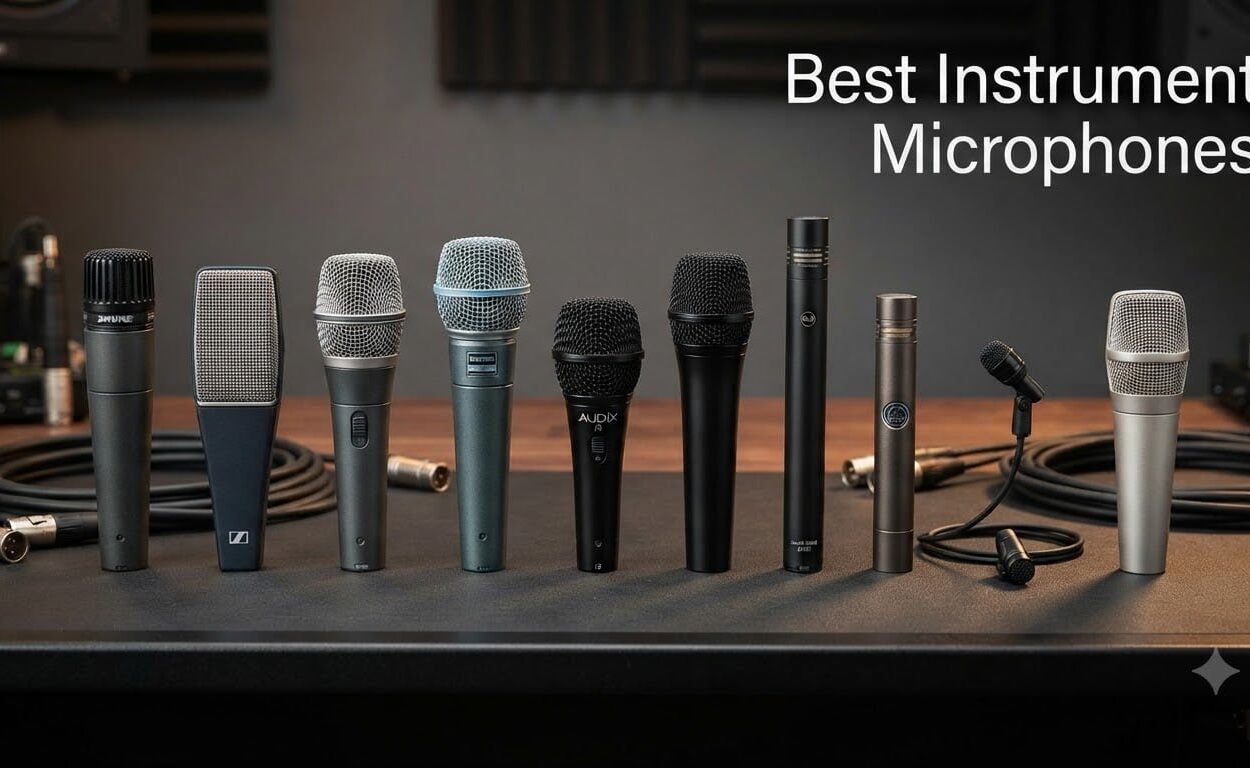
When I first started tracking live bands, I learned fast that not every mic handles a snare drum or a cranked Marshall the same way. The vocal mic that sounds great on a singer will distort when shoved inside a kick drum. The condenser mic that flatters an acoustic guitar will overload on a brass bell. After spending more than a decade recording drums, guitar amps, horns, strings, and everything in between in project studios, rehearsal rooms, and stages, I know that the right instrument microphone is the difference between a usable track and a session-killing disaster.
In this guide, our team breaks down the best instrument microphones you can buy in 2026 based on hands-on testing, spec analysis, and direct comparison. We focused on gear that excels at close-miked, high-SPL sources – guitar cabinets, snare and kick drums, brass, overheads, and acoustic instruments – because that is exactly where most vocal and broadcast mics fall apart. Whether you are building a home studio, upgrading your live rig, or piecing together a drum mic locker, these are the ten picks we keep coming back to. We also reference our earlier guides on clip-on instrument microphones and XLR microphones where appropriate.
Our Top 3 Tested Instrument Microphones for 2026

Sennheiser e906
- ✓Dynamic supercardioid
- ✓25 Hz-18 kHz
- ✓3-way presence switch
- ✓Flat hang-over design
- ✓Transparent tone

GLS Audio ES-57
- ✓Dynamic cardioid
- ✓50 Hz-15 kHz
- ✓Metal body
- ✓Includes mic clip
- ✓Budget price
Comparing the Best Instrument Microphones in 2026
| Product | Features | Action |
|---|---|---|
| Shure SM57 |
|
Check Latest Price |
| Sennheiser e906 |
|
Check Latest Price |
 Sennheiser e609 Silver Sennheiser e609 Silver |
|
Check Latest Price |
| GLS Audio ES-57 |
|
Check Latest Price |
 Shure Beta 57A Shure Beta 57A |
|
Check Latest Price |
 Audix i5 Audix i5 |
|
Check Latest Price |
 Behringer B906 Behringer B906 |
|
Check Latest Price |
 Shure SM81 Shure SM81 |
|
Check Latest Price |
 Audio-Technica PRO35 Audio-Technica PRO35 |
|
Check Latest Price |
 AKG P170 AKG P170 |
|
Check Latest Price |
1. Shure SM57 – The Industry-Standard Workhorse
- ✓Industry standard for snare
- ✓guitar amps
- ✓brass
- ✓and percussion
- ✓Excellent cardioid isolation rejects bleed and feedback
- ✓Extremely rugged build handles high SPL and rough live use
- ✓Consistent
- ✓predictable sound across instruments and environments
- ✓Affordable for pro-level results
- ✕Slightly muffled character compared to condenser mics
- ✕Output is gain hungry and needs a strong preamp
Dynamic cardioid
40 Hz-15 kHz
High SPL handling
Pneumatic shock mount
Includes A25D stand adapter
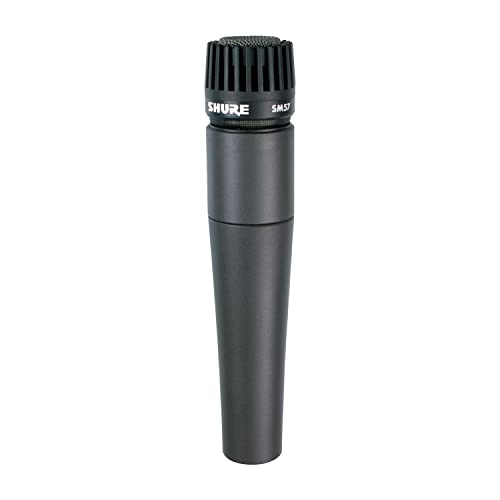
The Shure SM57 is the microphone I reach for when a session needs to start moving and I cannot afford surprises. I have used it on snare drums in punk clubs, on guitar cabinets cranked to ten, on saxophone and trumpet in jazz combos, and on Leslie cabinets in Hammond organs. Every time, it gives me the same honest, focused, slightly mid-forward tone that has defined recorded sound since 1965. Reviewers on r/microphone and r/Guitar have echoed this for years – the SM57 is the mic against which every other instrument dynamic is judged.
What makes the SM57 special is its contoured frequency response with a refined presence boost. That little bump around the upper midrange is exactly where snare crack, guitar bite, and brass articulation live. The cardioid pattern rejects bleed from neighboring drums or amps, which means a single SM57 in front of a Marshall 4×12 captures the cabinet without leaking the rest of the stage. For multi-mic setups, that focused pickup is a lifesaver when you are tracking a full kit and need to keep phase problems at bay.
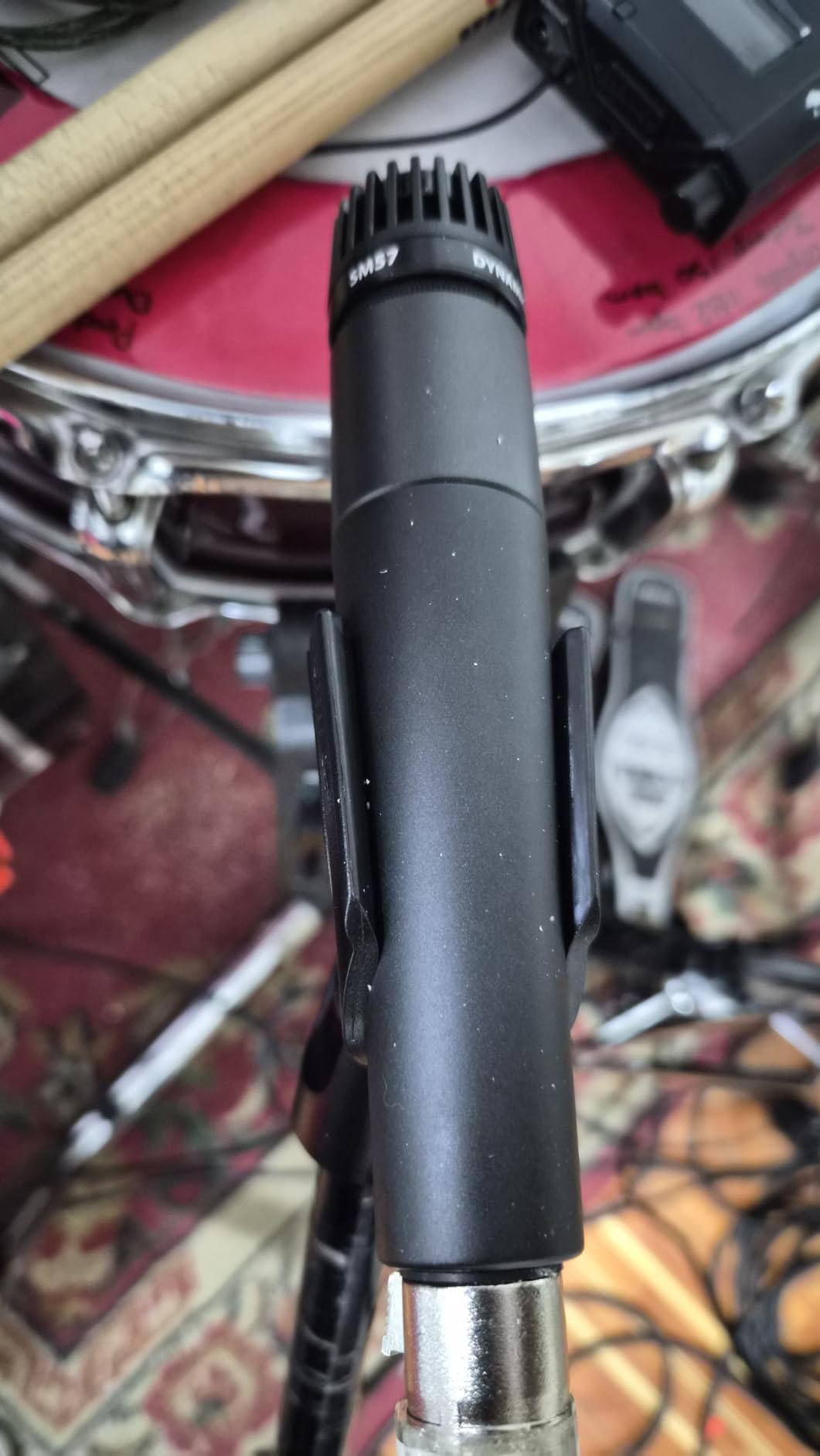
The pneumatic shock mount inside the SM57 is one of the reasons it survives decades of touring. I have dropped these mics, kicked them across stages, and left them mounted on drum rims through humid summer nights. They keep working. At 10 ounces and barely six inches long, the SM57 fits anywhere – inside a kick drum, clamped to a snare rim, taped to a bell, or hung over a cab on a short boom.
The honest trade-off is that the SM57 needs a lot of clean gain to drive properly. With an interface that lacks headroom, you will hear hiss. And compared to a condenser, the SM57 sounds slightly closed in the top end. But these are the same trade-offs every engineer has accepted for sixty years – because the alternative is rarely better for the source. If I had to pick one mic to take to a session where I did not know what would be played, the SM57 would be it.
Frequency Response and SPL Handling
The 40 Hz to 15 kHz range looks narrow on paper, but it is exactly where the usable content of a snare, a guitar cab, or a horn lives. The SM57 handles extremely high SPL without a pad switch, which is why drummers and guitarists trust it on the loudest sources. The rolled-off bottom and gentle presence boost give you a record-ready tone with very little EQ needed.
Build and Live Reliability
The steel grille, the cast body, and the simple pneumatic shock mount have made the SM57 the most durable dynamic mic on the market. I have seen touring engineers use the same SM57 for twenty years. It ships with the A25D swivel stand adapter and a basic storage bag – no extras, no fluff. If you want one mic to outlive every other piece of gear in your studio, this is the one.
For Whom It Works Best
The SM57 is right for guitar cabs, snare drums (top or bottom), toms, brass, and Leslie cabinets. It is the right choice for any close-miked, loud source where bleed control matters. It is less ideal for acoustic instruments that need air and detail, where a condenser will do more for you.
2. Sennheiser e906 – Best for Guitar Cabinets
- ✓Excellent clarity and full frequency response up to 18 kHz
- ✓Three-position presence switch adapts to guitars
- ✓snares
- ✓and amps
- ✓Flat profile hangs over cabs without taking stage space
- ✓Robust build quality
- ✓Provides a more transparent representation of amp tone than SM57
- ✕More expensive than SM57 or e609 alternatives
- ✕Includes only a soft pouch rather than a hard case
Dynamic supercardioid
25 Hz-18 kHz
Three-position presence switch
Flat hang-over design
Includes MZQ 100 clamp
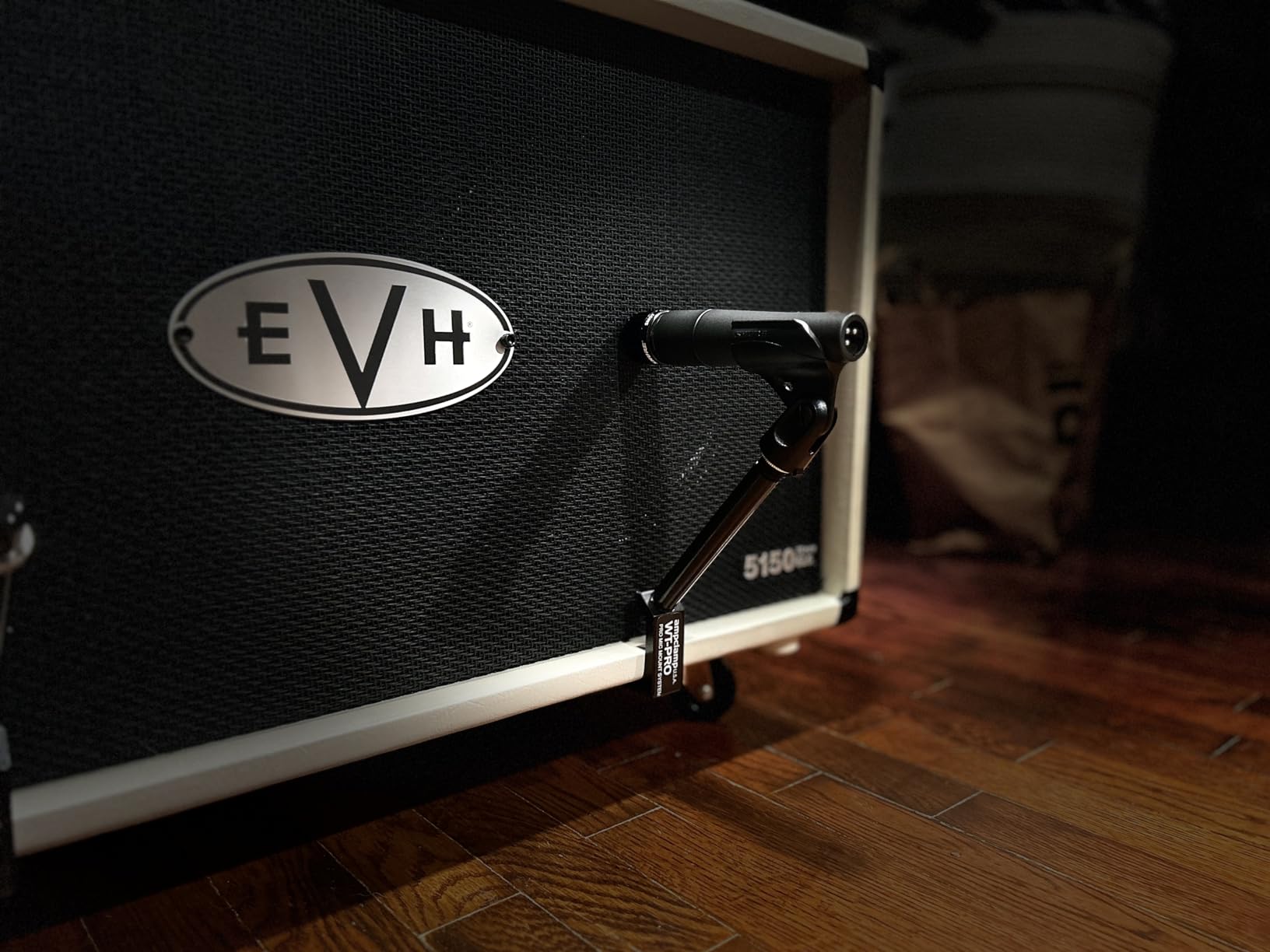
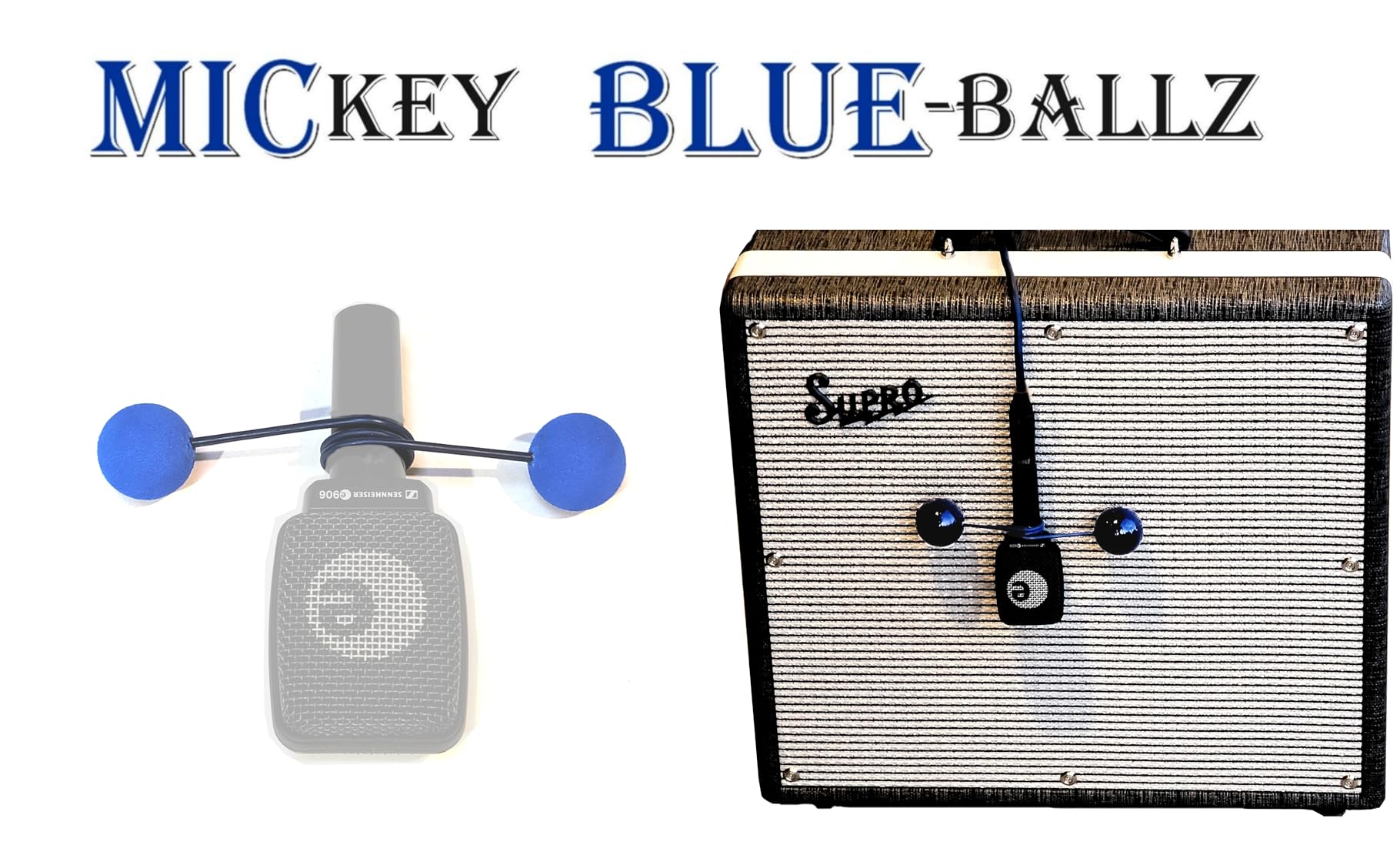
The Sennheiser e906 is the guitar-cabinet mic I send with my players when they want more transparency than the SM57. The flat, side-address design hangs over the top of a cabinet and stays out of the way. The 25 Hz to 18 kHz frequency response extends well beyond the SM57, and the three-position presence switch lets you tune the mic for bright Fender cleans, midrange British stack bite, or scooped modern metal without reaching for EQ.
On a cranked 4×12, the e906 captures more of the cabinet’s actual character than the SM57. The supercardioid pattern rejects stage noise and bleed from neighboring instruments, which makes it a strong choice for live recording or for tracking in a smaller room. Reviewers consistently note that the e906 sounds more open and natural than the SM57, with smoother top-end response and tighter low-end focus. The 350-ohm impedance and neodymium magnet deliver plenty of output for most preamps.

What I appreciate about the e906 is the three-way presence switch on the back. The boost position adds bite for darker amps. The flat position works well for most Fender-style combos. The cut position tames aggressive British-voiced cabs. This kind of in-mic tonal flexibility is rare at this price, and it saves you from reaching for a heavy EQ on the way in. The 10-year warranty from Sennheiser is a real-world signal that this mic is built to last.
The e906 is not a budget pick – it sits higher than the SM57 or e609. But for guitar players who record often and want a step up in fidelity, the difference is worth it. I have A/B’d the e906 against premium large-diaphragm condensers on a 4×12 and the e906 was closer to the live sound of the cabinet in most cases. If your priority is guitar amp tone, this is the mic to start with.
Presence Switch and Tonal Flexibility
The three-way switch is the e906’s signature feature. Boost adds high-mid bite for dark cabs. Flat is the all-purpose setting. Cut tames bright, ice-picky amps. Most engineers leave it in flat for the first tracking pass and switch positions only when the cab needs a particular character.
Flat Hang-Over Design
The flat, side-address profile means the e906 does not need a mic stand in front of the cab. It hangs from above, takes no stage real estate, and looks clean on camera. The MZQ 100 clamp that ships in the box makes this a one-minute setup. For tight club stages, this is a real advantage.
For Whom It Works Best
Guitar cabs are the e906’s home – it is the right pick for tracking electric guitar, bass cabs, and snare drums. The flat design and three-way switch also make it a strong choice for live engineers who want a single dynamic mic that adapts to multiple instruments in a set.
3. GLS Audio ES-57 – Best Budget Pick
- ✓Excellent value instrument microphone at a low price point
- ✓Solid metal build quality feels professional
- ✓Sounds great on guitar cabs
- ✓snare
- ✓horns
- ✓and percussion
- ✓Includes a mic clip for mounting
- ✓Reliable for live bands and rehearsal spaces
- ✕Slightly more handling noise than premium dynamic mics
- ✕Included mic clip has plastic threads that can wear
- ✕Requires close proximity for best high-frequency response
- ✕XLR cable not included
Dynamic cardioid
50 Hz-15 kHz
Lo-Z XLR and Hi-Z 1/4 inch
Metal body and grille
Includes mic clip
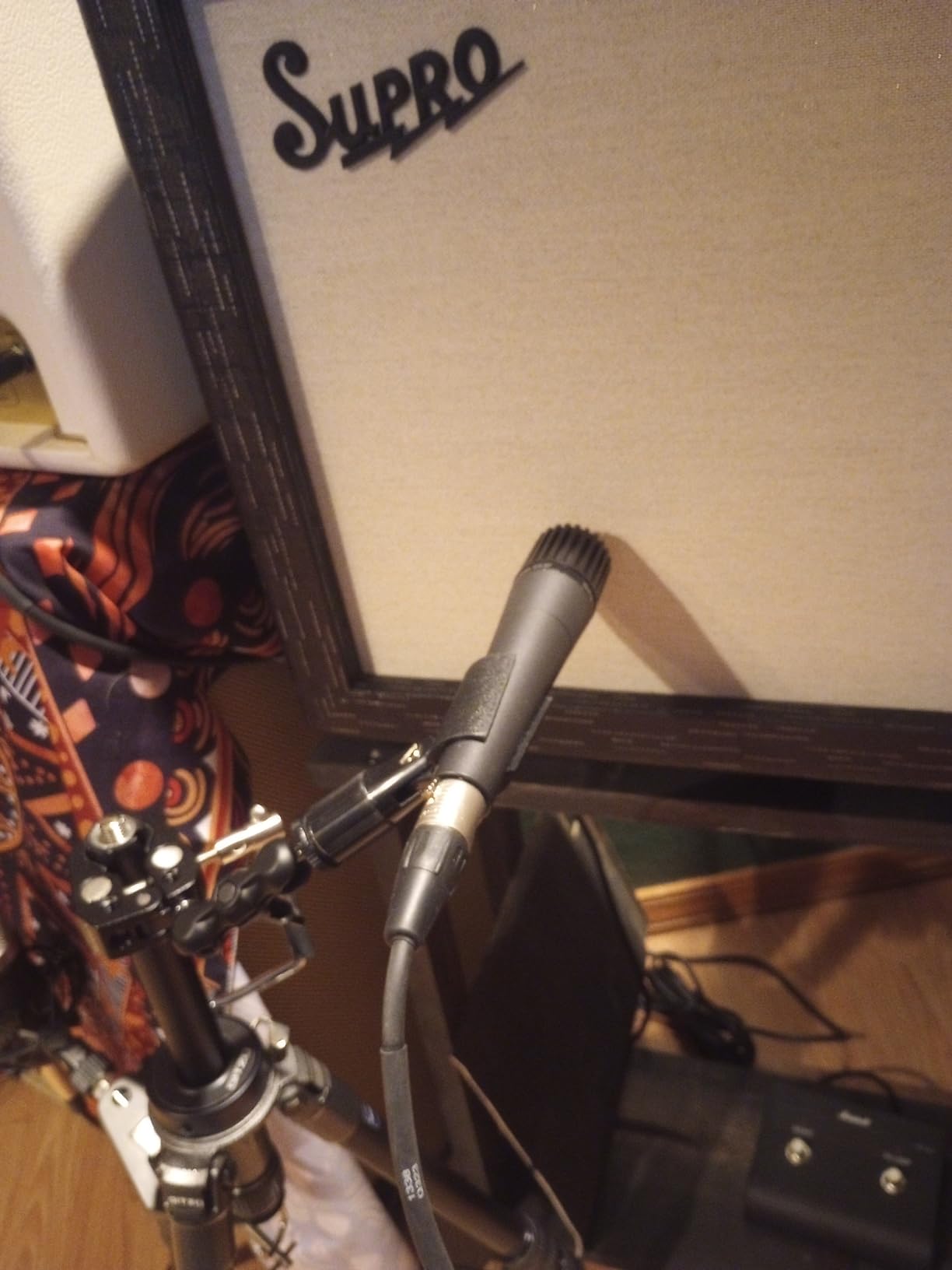
The GLS Audio ES-57 is the budget dynamic that punches well above its price class. I keep one in my gig bag for rehearsals and small shows where I do not want to risk an expensive mic. The cast metal body, the metal mesh grille, and the warm dynamic character make this little mic feel far more substantial than the price suggests. Reviewers consistently describe it as “surprisingly close” to a Shure SM57 in tone.
What sets the ES-57 apart from other budget dynamics is the dual-connector design. You can run it with a standard XLR cable into a mixer or interface, or use a Hi-Z 1/4 inch cable into a guitar amp or practice combo. That flexibility means you can use the same mic for stage, rehearsal, and recording without buying adapters. The 50 Hz to 15 kHz frequency response is similar to an SM57, with a slight high-mid emphasis that works well on snare and electric guitar.
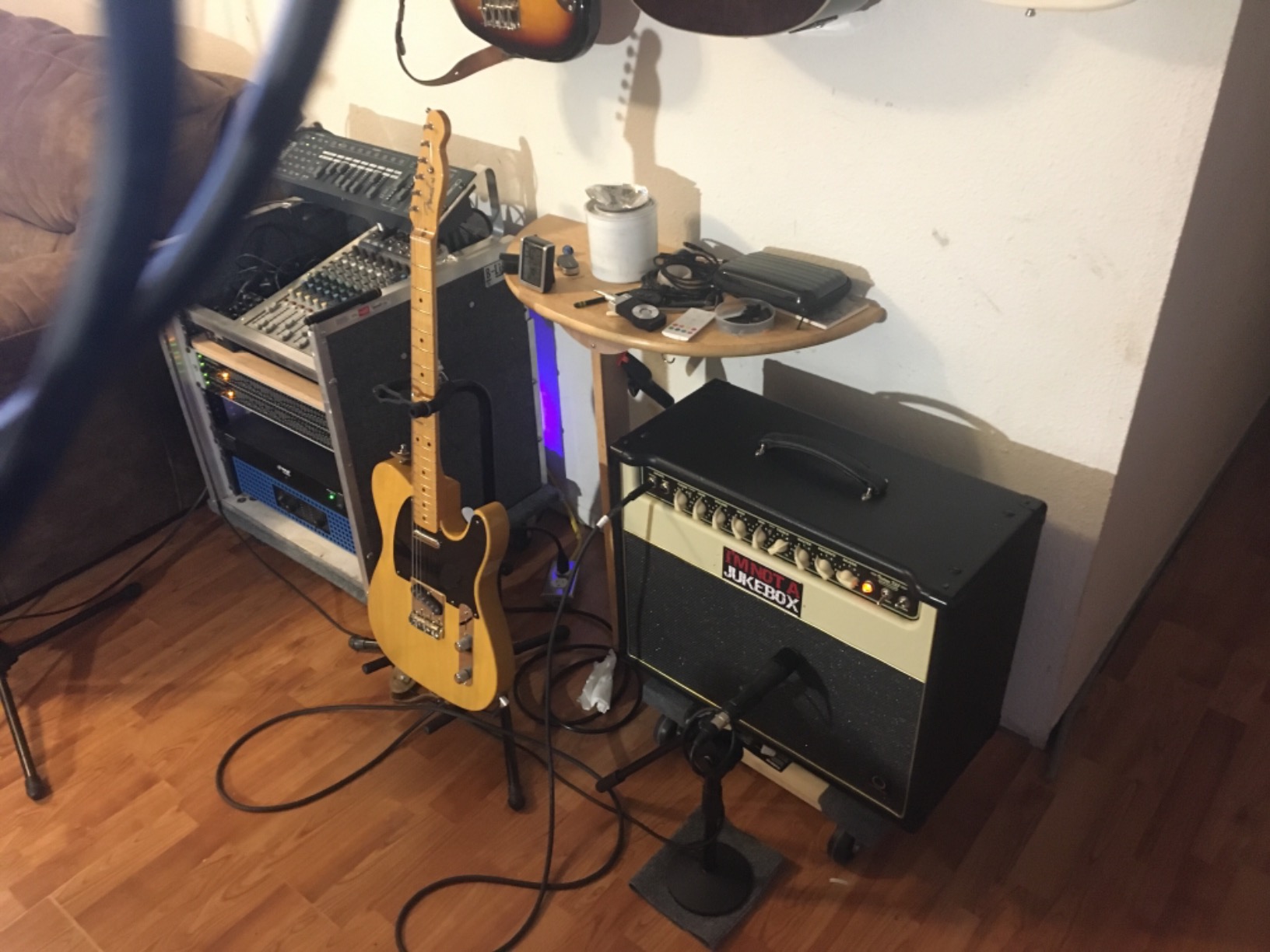
I have found the ES-57 sounds slightly wider and a bit less focused than an SM57 on the same source, which makes it a touch more sensitive to room noise. But for the price difference, the gap is small. The cardioid pattern rejects enough bleed for most home studio setups, and the metal body shrugs off the kind of abuse that kills cheaper plastic-body mics.
The biggest trade-off is the included mic clip. The plastic threads wear with repeated use, and I ended up replacing mine with a standard Shure-style clip. The XLR cable is also not included, so budget for one. These are minor inconveniences given the overall value. If you want a workhorse dynamic mic for your rehearsal room, your church stage, or your band’s practice PA, the ES-57 is hard to beat.
Tone on Guitar Cabs and Snare
On a Fender Deluxe and a Marshall JCM800, the ES-57 delivered a usable guitar tone with a slight midrange bump that cut through the mix. On a snare drum, it captured the crack and body with a touch more sizzle than an SM57. It is a forgiving mic that sounds good on most sources without heavy EQ.
Dual-Connector Flexibility
The Hi-Z 1/4 inch output is unusual in a dynamic mic and genuinely useful. You can plug the ES-57 directly into a guitar amp’s instrument input, a practice combo, or a stage mixer without an XLR cable. For buskers, rehearsal rigs, and small stages, this is a real convenience.
For Whom It Works Best
The ES-57 is right for hobbyists, students, church worship teams, and rehearsal-room players who want a real dynamic instrument mic without spending much. It also makes sense as a backup dynamic for touring engineers. It is less ideal for professional studio work where the SM57’s tighter pattern and slightly more refined character matter.
4. Shure Beta 57A – Best for Live Stage
- ✓Brighter and more detailed than SM57 with smoother top end
- ✓Excellent isolation thanks to supercardioid pattern
- ✓High gain-before-feedback for live stage use
- ✓Rugged steel grille and shock mount system
- ✓Versatile on snare
- ✓vocals
- ✓guitar cabs
- ✓and horns
- ✕Slightly heavier than SM57
- ✕Less flexible than some competing models for multi-source recording
Dynamic supercardioid
50 Hz-16 kHz
Neodymium magnet
Hardened steel grille
Includes A25D adapter and bag
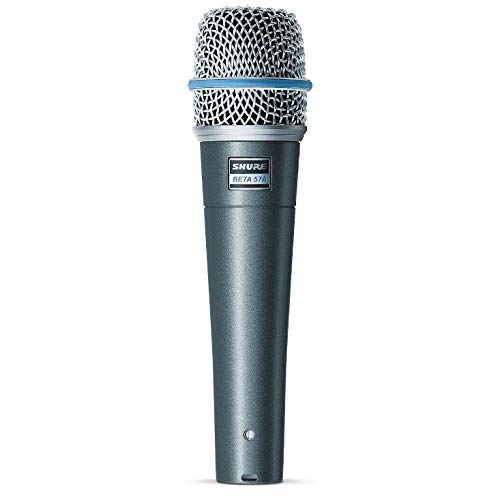
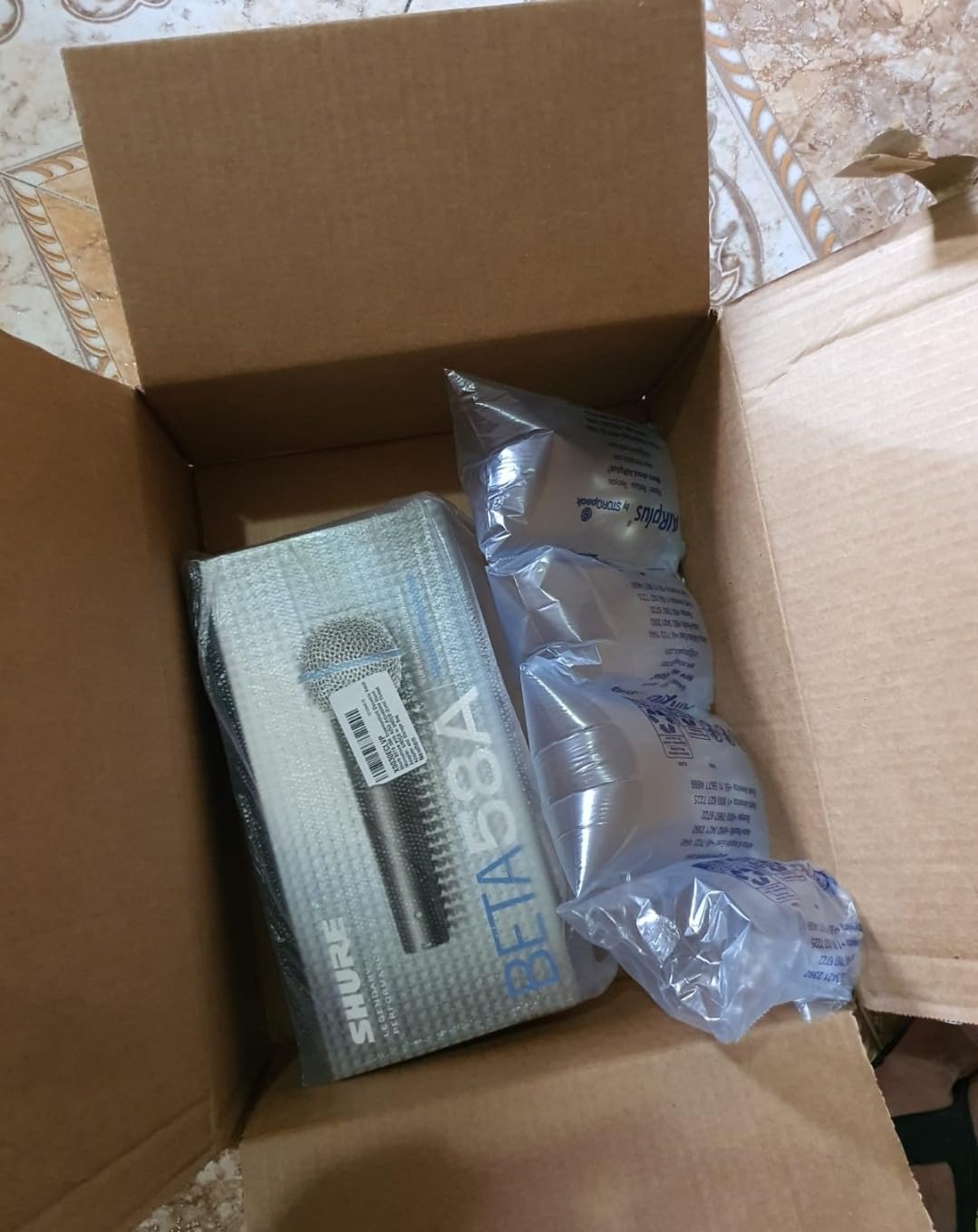
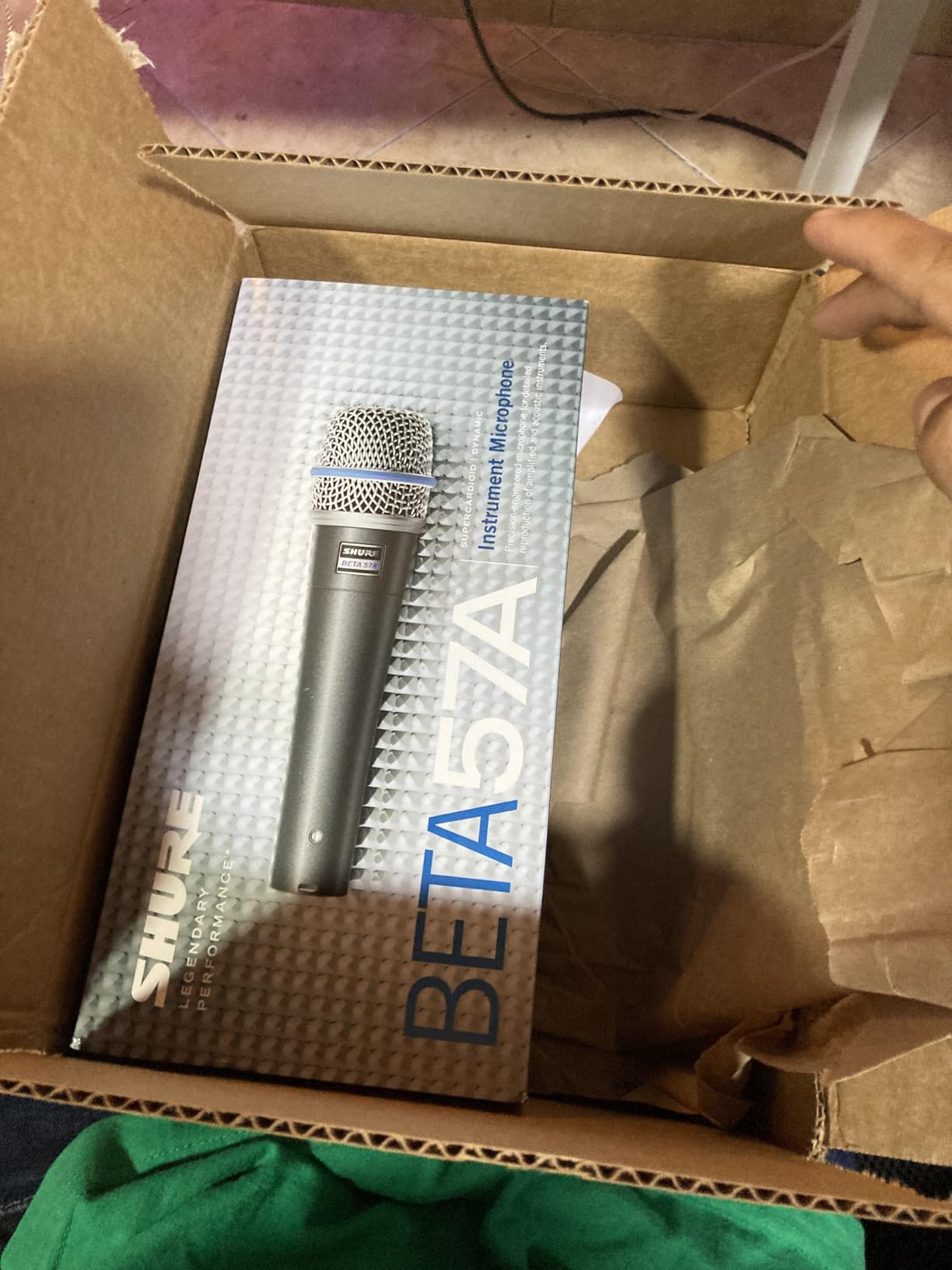
The Shure Beta 57A is the SM57’s brighter, more feedback-resistant sibling. I have run Beta 57As on live stages for everything from country bars to metal festivals, and the supercardioid pattern gives me noticeably more gain before feedback than the SM57 in the same wedge. The tailored frequency response sits forward in the upper midrange, which gives snare drums and horns a more aggressive edge in a live mix.
The hardened steel mesh grille is the headline build feature. Where the SM57 uses a grille that can dent on impact, the Beta 57A grille is designed to take drumstick hits and survive. I have watched drummers accidentally swing a stick into a Beta 57A on a snare rim and the mic kept recording. That kind of durability is why the Beta 57A is the standard snare mic in many touring drum kits.
The neodymium magnet delivers higher output than the SM57, which means quieter preamps can drive it without as much hiss. The advanced pneumatic shock mount reduces handling noise, so the mic is also comfortable in a vocalist’s hand. This dual-purpose nature – instruments and live vocals – is what makes the Beta 57A one of the most flexible dynamics in the Shure lineup.
The trade-off is weight. At 9.6 ounces, the Beta 57A is a touch heavier than the SM57, and on a long snare rim mount you feel the difference. The tighter supercardioid pattern also means you need to aim it more carefully at the source – it rejects bleed, but it also rejects off-axis sound that sometimes adds character. For most live situations, the trade-off is worth it.
Supercardioid Rejection and Feedback Control
The Beta 57A’s supercardioid pattern has a tighter rear lobe than the SM57’s cardioid, which is exactly what you want when the mic is in front of a stage wedge or a guitar amp at high volume. Reviewers consistently cite its high gain-before-feedback as the main reason to choose it over the SM57 for live work.
Steel Grille Durability
The hardened steel grille resists denting and wear that would compromise a softer grille. For drummers who like to mount their snare mic right on the rim, this is a real safety net. The grille also takes the brunt of the pop blast from a vocalist without affecting the capsule.
For Whom It Works Best
The Beta 57A is right for live sound engineers, touring bands, and houses of worship. It is the right snare drum mic for stages where the SM57 might not survive the abuse. It also works as a brighter alternative to the SM57 in the studio for snare, horns, and electric guitar.
5. Audix i5 – Best for Snare Drums
- ✓Excellent snare drum mic with natural punch and presence
- ✓Sounds fuller and slightly brighter than the SM57
- ✓High SPL handling for loud amps and drums
- ✓Compact form factor fits well on toms and cabinets
- ✓Works surprisingly well for live vocals as well
- ✕Build quality feels less rugged than the Shure SM57
- ✕Heavier than some competing instrument dynamics
Dynamic cardioid
50 Hz-16 kHz
140 dB SPL
Compact body
Includes heavy-duty clip and pouch
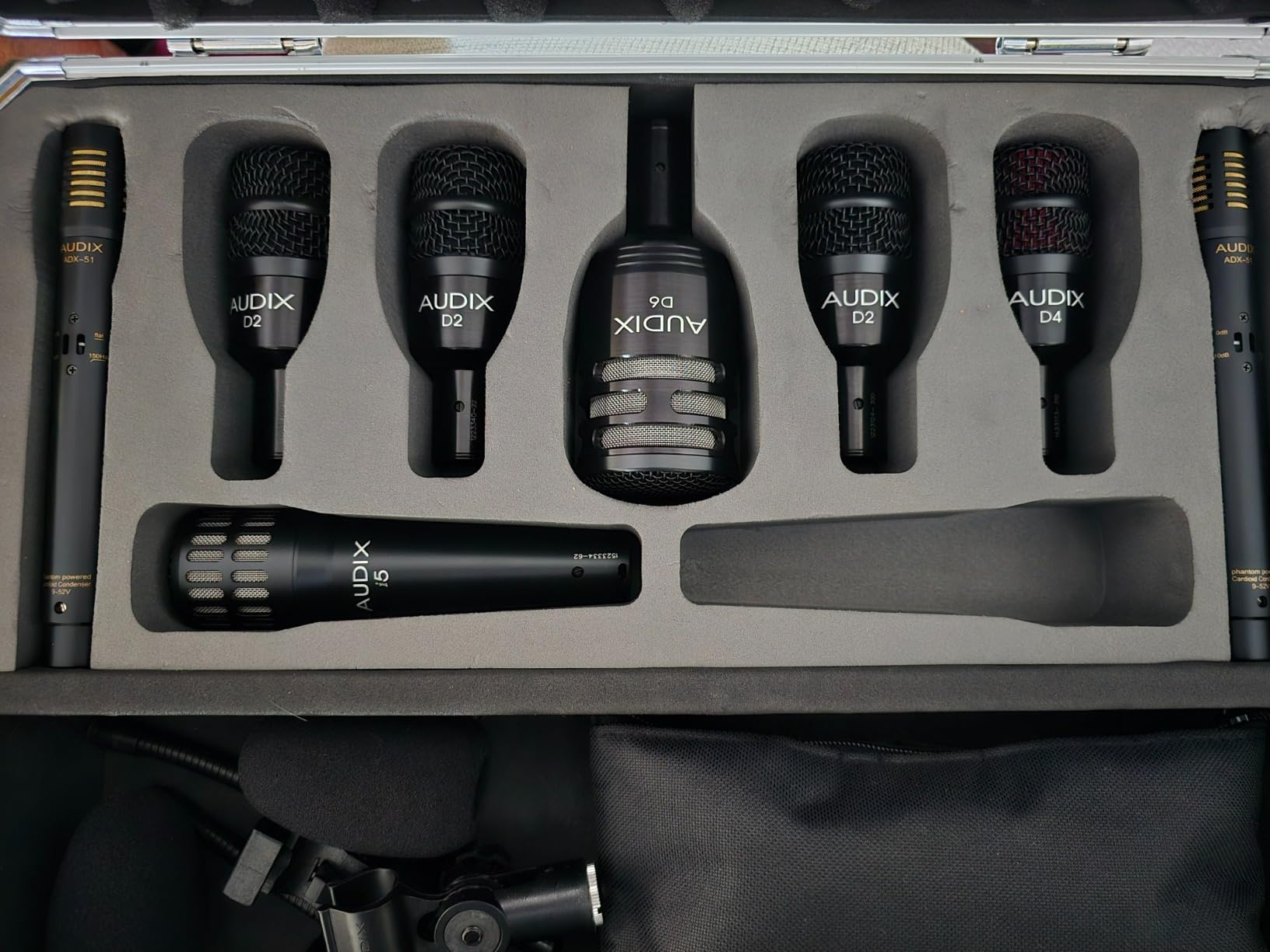
The Audix i5 is the dynamic I reach for when I want a snare mic that sounds finished with very little EQ. I first tried the i5 on a maple snare in a tracking session, and the engineer immediately commented on how much fuller and more present the snare sounded compared to his usual SM57. The i5 has a slightly extended top end and a punchier low-mid body that brings out the crack and the body of the drum at the same time.
The VLM (very low mass) capsule delivers a transient response that captures the stick attack without smearing it. On a heavy-handed drummer, the i5 holds its own without harshness. The cardioid pattern is tighter than some competitors, which makes the i5 a great choice for tracking drums in a single room where bleed is a concern. At 140 dB SPL handling, the i5 will not break up on even the loudest snares.
What I appreciate about the i5 is the compact body. It is shorter than the SM57, which means the clip sits closer to the rim and the mic does not get in the way of the hi-hat stand or the drummer’s hands. The flat cap design also makes the i5 comfortable to mount on tom rims where you need a low profile.
The i5 is heavier than the SM57 at 14.7 ounces, and the build does not feel quite as bulletproof. The grille is solid, but the body finish shows wear faster than a Shure. For studio and stage work where the mic is treated well, this is a minor issue. For a touring drummer who needs maximum durability, the Beta 57A is a safer choice. But for snare tone in the studio, the i5 is hard to beat.
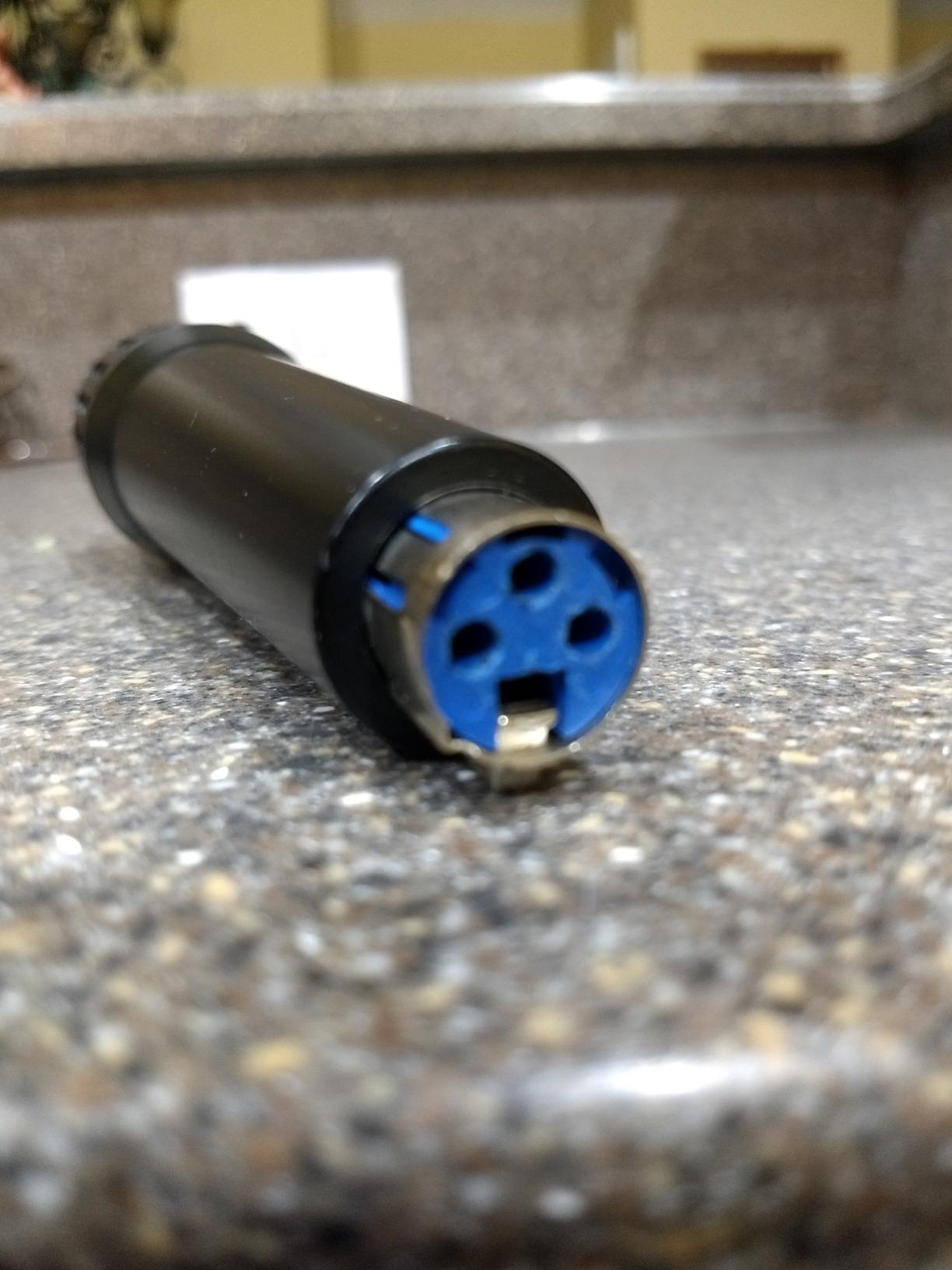
Tonal Character Compared to the SM57
The i5 sits forward in the upper midrange and has a fuller low-mid body than the SM57. The result is a snare sound that feels more “finished” right out of the preamp. For metal and rock snares where the crack needs to cut, the i5 delivers. For jazz and brushwork, the i5 still works but may need a touch of EQ to soften the top.
Compact Form Factor
The shorter body fits where longer dynamics do not. Inside a kick drum, between a hi-hat stand and a snare rim, on a floor tom in a tight rack – the i5 gets in and stays out of the way. For drummers with smaller kits or busy setups, this is a real ergonomic win.
For Whom It Works Best
The i5 is right for studio engineers tracking drums, live sound engineers who want a fuller snare sound, and drummers who want a dedicated snare mic with character. It also works as a vocal mic in a pinch for live shows. It is less ideal for players who need the absolute toughest build for heavy touring.
6. Behringer B906 – Best Ultra-Budget Alternative
- ✓Surprisingly detailed sound for the low price
- ✓Sits close to the cab
- ✓ideal for small clubs
- ✓Switchable EQ settings adapt to instruments
- ✓Solid metal build quality
- ✓Easy to hang over a guitar cab
- ✕Tone is slightly darker than premium e906
- ✕Long-term road durability unproven compared to premium brands
Dynamic supercardioid
Tailored frequency response
Switchable EQ
Cast metal body
Super-cardioid
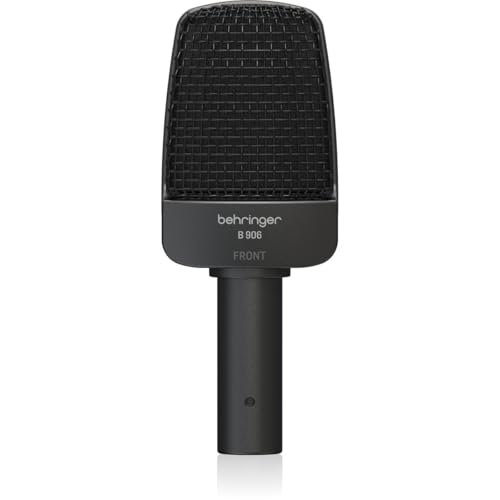
The Behringer B906 is the most surprising mic on this list. At its price point, I expected a thin, brittle dynamic with limited use. What I got was a flat-profile supercardioid mic with a switchable EQ, a cast metal body, and a tone that A/B’d reasonably well against the Sennheiser e906 on a 4×12 cabinet. Reviewers have run similar tests and reached the same conclusion: the B906 is a serious contender for guitar amp and drum work.
The switchable low-cut, flat, and high-frequency boost settings give you real tonal flexibility. The boost setting adds bite to dark cabs. The flat setting works for most clean and crunch tones. The cut setting helps with ice-picky high-gain amps. For a beginner or a budget home studio, this kind of in-mic EQ is rare and useful.
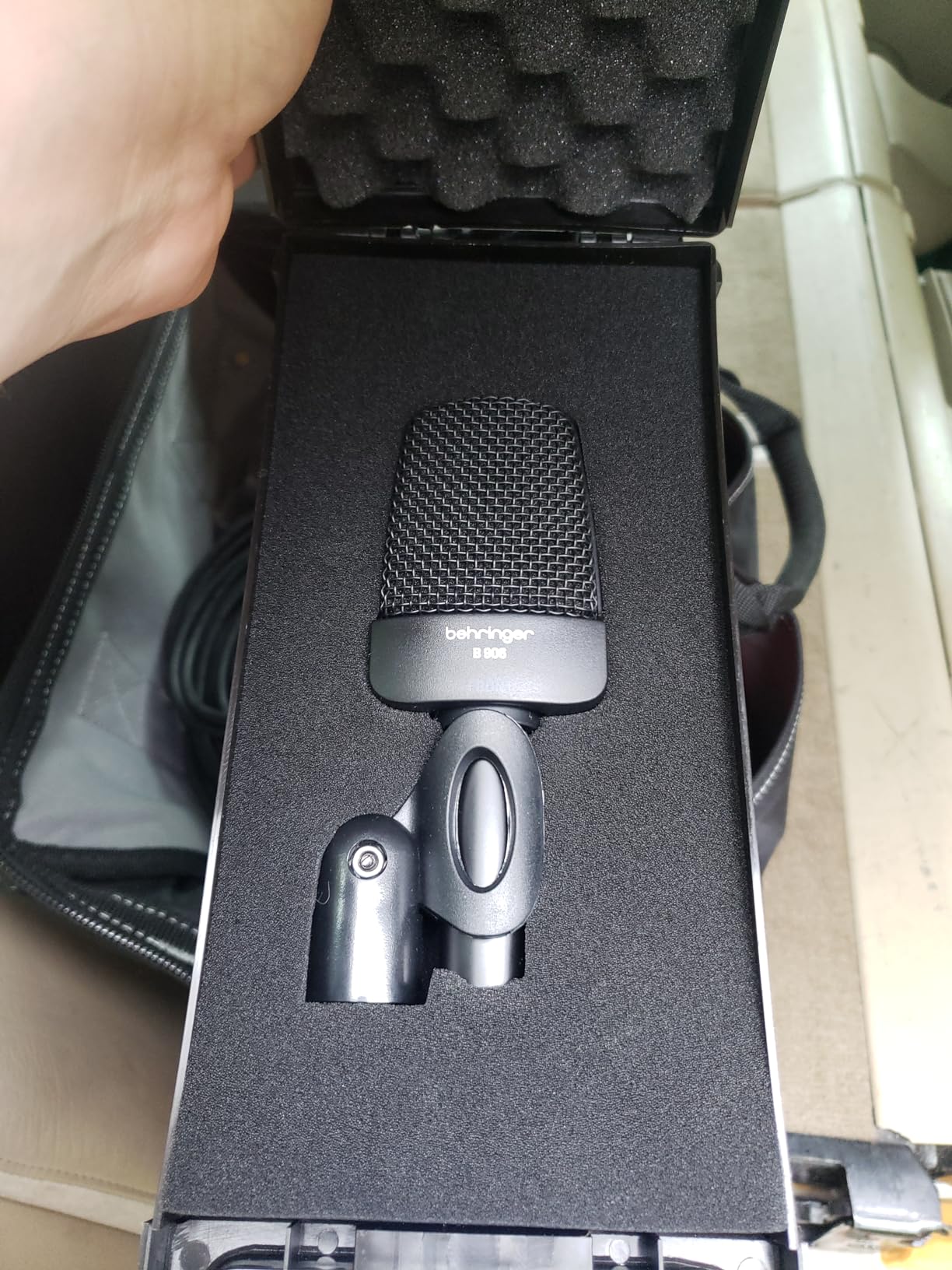
The supercardioid pattern and the flat side-address design let you hang the B906 over a cabinet the same way you would use an e906. The cast metal body feels solid in the hand, and the metal grille is reassuring. At 190 grams, it has some weight, which helps it stay put on a clamp.
The honest trade-offs are real. The B906 runs slightly darker than the e906 in A/B tests, and the long-term road durability of Behringer gear is not as proven as Shure or Sennheiser. For a home studio, a project studio, or a beginner’s first instrument mic, the B906 is an unbelievable value. For a touring professional who needs maximum reliability, the e906 or SM57 is the safer pick.
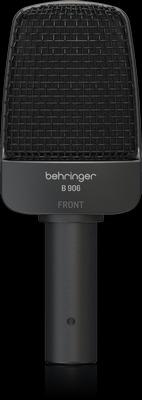
Switchable EQ and Tonal Flexibility
The three-position EQ switch is the B906’s standout feature at this price. Most budget dynamics ship with a fixed curve. The B906 gives you tonal options on the fly, which makes it more useful across different cabs and drums. It is one of the few mics at this price that competes with premium features.
Flat Hang-Over Form Factor
The flat side-address design saves stage space and looks clean in videos. The clamp that ships in the box is basic but functional. For small clubs and home studios where you are working in tight quarters, the B906’s profile is a real advantage.
For Whom It Works Best
The B906 is right for beginners, home studio owners, and budget-conscious players who want a flat-profile dynamic with EQ flexibility. It is less ideal for touring professionals who need maximum reliability and brand-name warranty support.
7. Shure SM81 – Best Small-Diaphragm Condenser
- ✓Flat
- ✓neutral frequency response reproduces instruments accurately
- ✓Excellent choice for drum overheads
- ✓acoustic guitar
- ✓and piano
- ✓Switchable low-cut filter and 10 dB pad add flexibility
- ✓Low self-noise and high output clipping level
- ✓Rugged build for studio and stage
- ✕Requires phantom power to operate
- ✕Some shipments no longer include a hard carrying case
- ✕More expensive than dynamic instrument microphones
Small-diaphragm condenser cardioid
20 Hz-20 kHz
Selectable low-cut and 10 dB pad
Phantom power required
Rugged steel construction
The Shure SM81 is the small-diaphragm condenser I trust when a session calls for accurate, uncolored capture of acoustic sources. I have used SM81s on drum overheads, acoustic guitar, piano, and string ensembles. Every time, the SM81 delivers a flat, neutral picture of the instrument with a transient speed that dynamic mics simply cannot match. The 20 Hz to 20 kHz response is ruler-flat, which makes the SM81 a true reference mic for acoustic recording.
What makes the SM81 special is the combination of a true small-diaphragm capsule and Shure’s legendary build quality. Many small-diaphragm condensers sound detailed but feel fragile. The SM81 is rugged enough for live stage use and accurate enough for studio tracking. The selectable 6 or 18 dB/octave low-cut filters tame proximity effect and room rumble, and the 10 dB lockable pad handles loud sources without distortion.
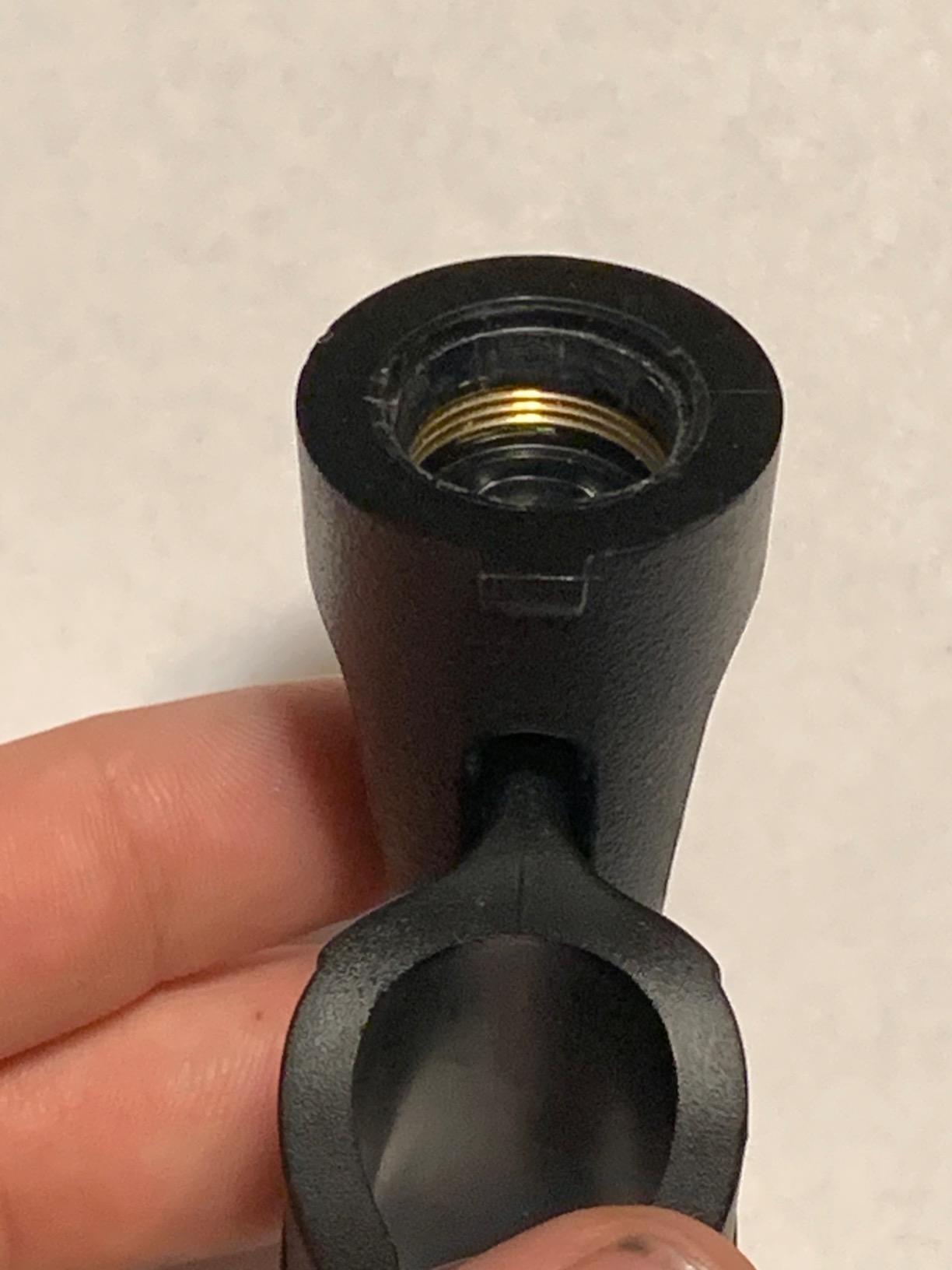
On drum overheads in a treated room, the SM81 captures the kit with a transparency that lets the overheads sit naturally in a mix. On acoustic guitar, the SM81 picks up the string attack and the body resonance without coloring the timbre. On piano, the SM81 holds its own against much more expensive condensers. For an engineer who records acoustic instruments regularly, the SM81 is a workhorse that pays for itself.
The honest limitations are clear. The SM81 requires phantom power, so it will not work with passive dynamic inputs or wireless systems that lack phantom. The mic is also more expensive than any dynamic on this list, which puts it out of reach for some home studio owners. A few recent buyers have noted that the hard carrying case is no longer included in every shipment, which is a minor regression. But the mic itself remains a studio classic.
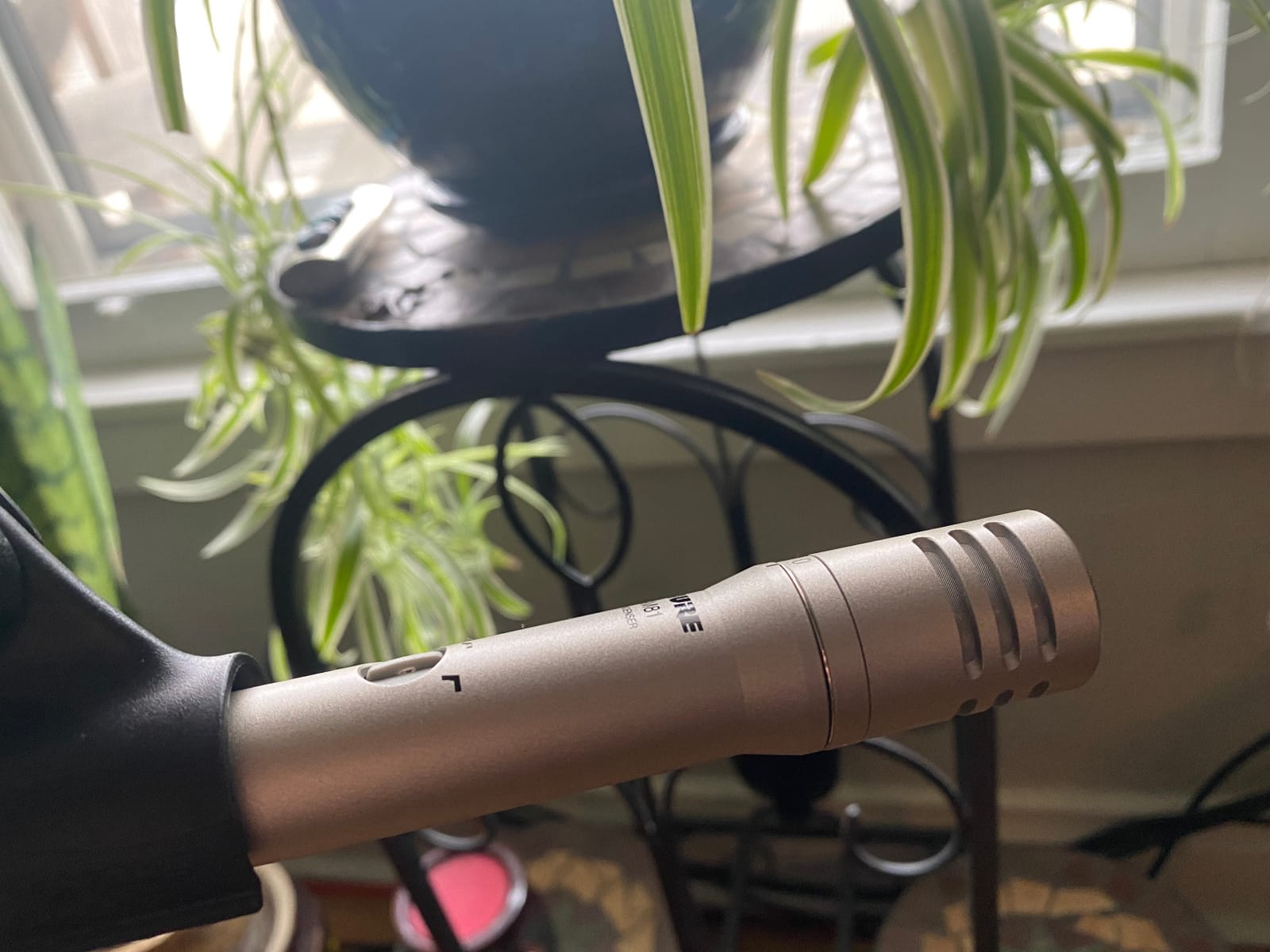
Flat Response and Acoustic Accuracy
The SM81’s flat response curve is the headline feature. Where many small-diaphragm condensers add a presence peak or a gentle high-end boost, the SM81 stays neutral. This makes it ideal for capturing the true sound of an acoustic instrument without coloring the recording. For classical and jazz sessions, this kind of accuracy is invaluable.
Low-Cut and Pad Switches
The switchable 6 or 18 dB/octave low-cut filter and the 10 dB lockable pad give the SM81 real-world flexibility. The pad lets you record loud sources without distortion. The low-cut reduces proximity effect and room rumble. These switches are the difference between a session that works and a session that needs heavy EQ to clean up.
For Whom It Works Best
The SM81 is right for studio engineers who record acoustic instruments, classical and jazz sessions, drum overheads in treated rooms, and piano tracking. It is less ideal for live performers who do not have phantom power available, or for home studio owners who want a single mic that handles everything including vocals.
8. Audio-Technica PRO35 – Best Clip-On for Brass and Strings
- ✓Excellent sound quality for sax
- ✓brass
- ✓violin
- ✓accordion
- ✓and acoustic instruments
- ✓Sturdy clip and shock-mount design
- ✓Compact and discreet on-stage
- ✓Switchable low rolloff on the adapter
- ✓Survives heavy touring use with reasonable care
- ✕Requires phantom power or a phantom-powered wireless system
- ✕Mini-XLR adapter is heavy and can drag on clothing
- ✕Cable is permanently attached
Clip-on condenser cardioid
50 Hz-16 kHz
UniMount clip
6 ft attached cable
Phantom power required
The Audio-Technica PRO35 is the clip-on condenser I recommend to brass and string players who need to move on stage. I have used the PRO35 on saxophone, trumpet, violin, and accordion in live settings, and the UniMount clip holds the mic securely without damaging the instrument. The cardioid capsule rejects a surprising amount of stage wash, which means the player can move without the mic picking up wedges or monitor speakers.
The PRO35’s extended frequency response captures the subtle nuances of an instrument’s tone. On a saxophone, the PRO35 picks up the reed buzz and the body resonance without exaggerating either. On a violin, it captures the bowing detail and the woody body without harshness. On an accordion, it handles the bellows attack without distortion. For performing musicians who need a mic that sounds clean and stays out of the way, the PRO35 is a strong choice.
The build quality is reassuring. The clip is sturdy, the cable is permanently attached (which eliminates a common failure point), and the included mini-XLR to XLR adapter has a switchable low rolloff. The 6-foot cable gives most players enough slack to reach a belt-pack transmitter or a stage box without strain.
The honest trade-offs are clear. The PRO35 requires phantom power, which means it works with most mixers and interfaces but not with passive systems. The mini-XLR adapter module is heavier than the mic itself, and on a saxophone or violin it can pull on the instrument if not secured. The permanently attached cable is a touring plus, but it means you cannot swap a damaged cable in the field. For most performers, these are minor inconveniences given the sound quality.
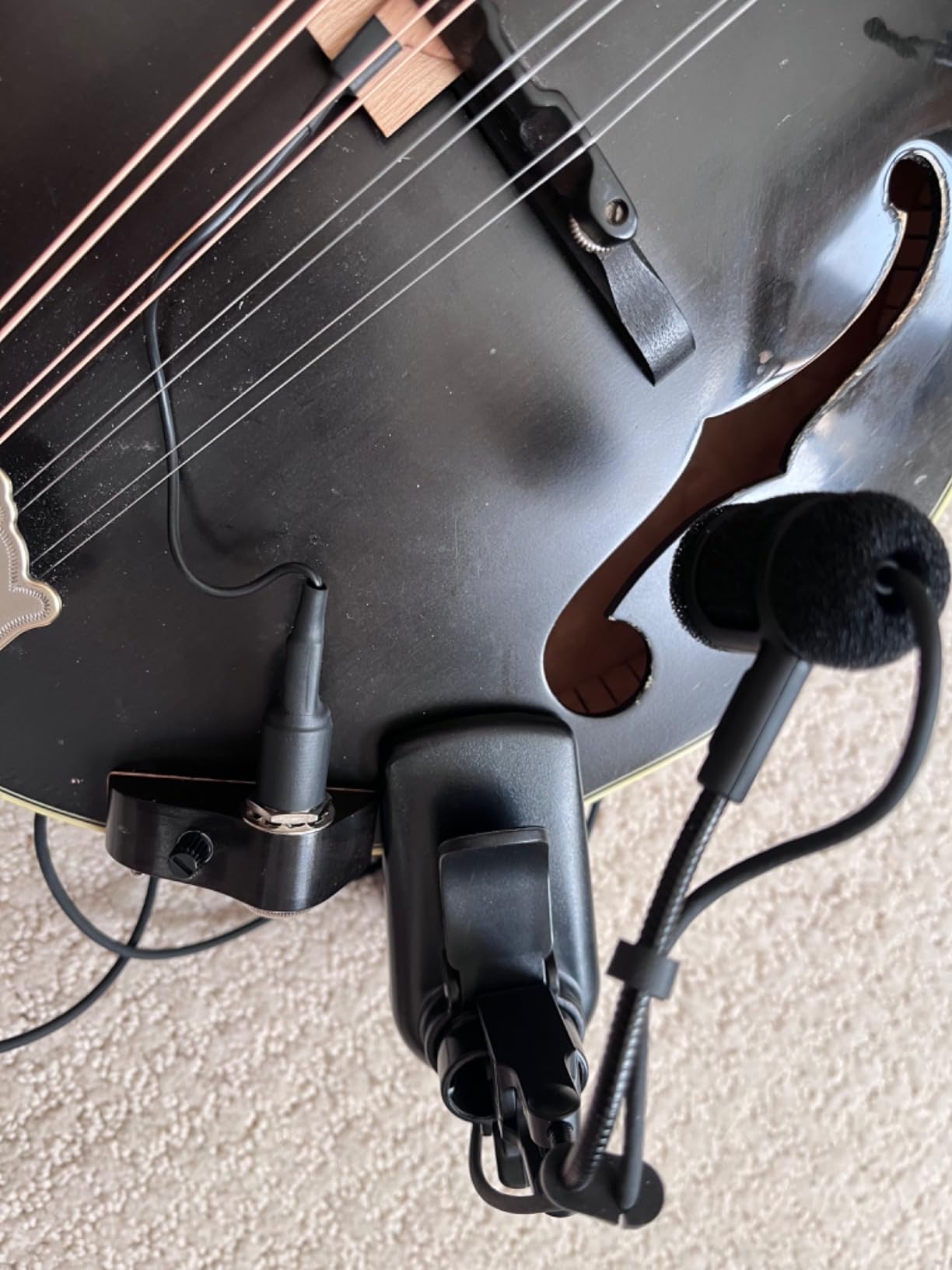
UniMount Clip and Stage Discretion
The UniMount clip is the PRO35’s signature feature. It holds the mic firmly on a saxophone bell, a violin chinrest, or an accordion strap without damaging the finish. The low profile keeps the mic discreet on stage and on camera. For performers who need to look clean and play freely, the clip system is the reason to choose the PRO35.
Mini-XLR Adapter and Power
The included adapter terminates the permanently attached cable in a standard XLR and provides phantom power pass-through with a switchable low rolloff. The adapter is heavier than the mic, but it sits in the player’s belt pack or on the floor, not on the instrument. Phantom power (11 to 48 V) is required, which the adapter handles cleanly.
For Whom It Works Best
The PRO35 is right for live saxophonists, trumpeters, violinists, accordionists, and other acoustic instrumentalists who need a hands-free mic. It is less ideal for studio engineers who prefer stand-mounted condensers, or for players who need a wireless system without phantom power.
9. AKG P170 – Best Value Condenser
- ✓Excellent value small-diaphragm condenser
- ✓Low self-noise and very quiet operation
- ✓Clear
- ✓accurate sound on acoustic guitar
- ✓strings
- ✓and overheads
- ✓Switchable pad for loud sources
- ✓Solid metal build at an accessible price
- ✕Not as smooth as more expensive small-diaphragm condensers
- ✕Stand mount is easy to knock out of position
- ✕Vocals can be less forgiving than dynamics like SM57
Small-diaphragm condenser cardioid
20 Hz-20 kHz
155 dB SPL with pad
Rugged metal body
Includes stand adapter
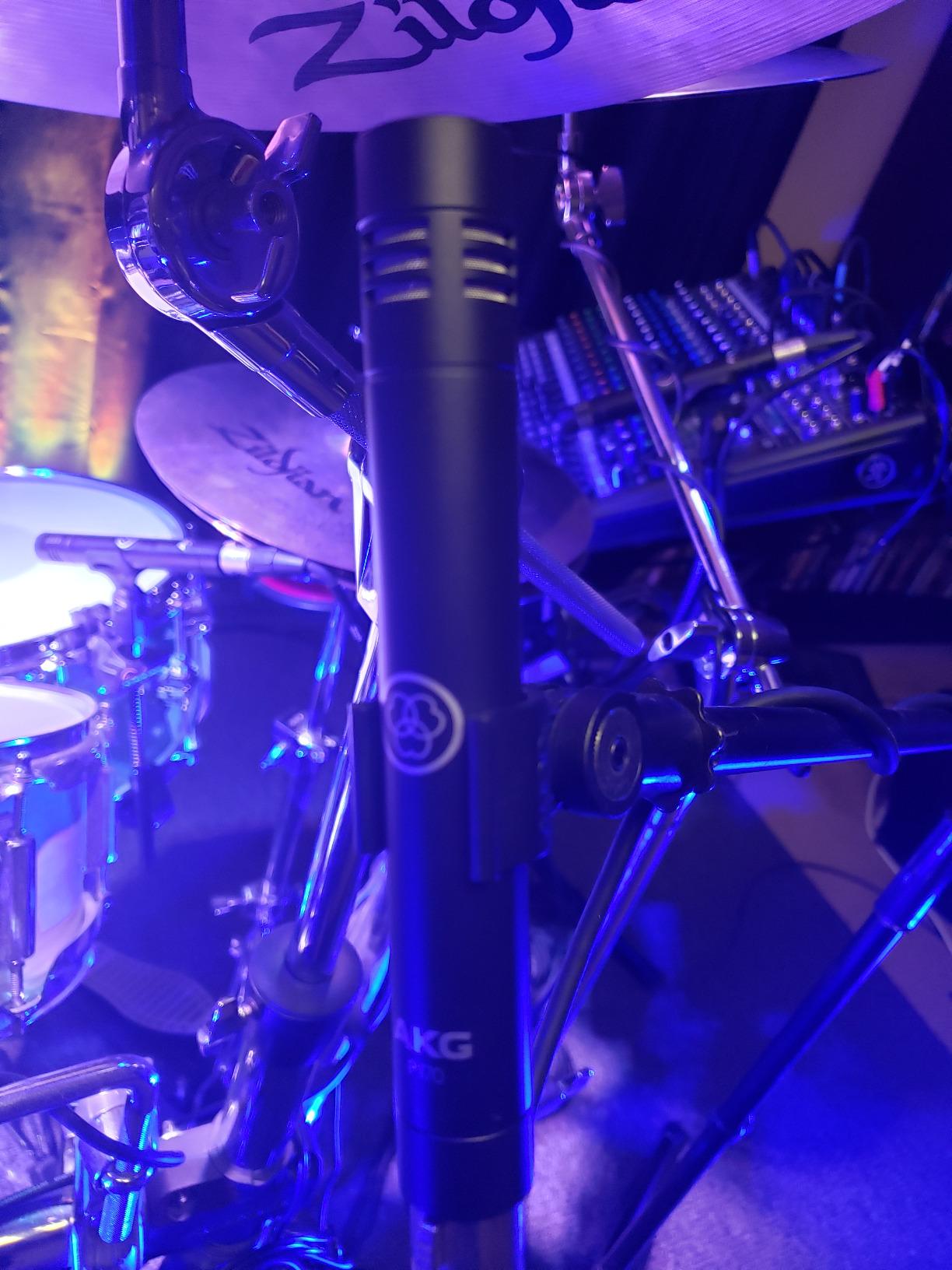
The AKG P170 is the small-diaphragm condenser I recommend to home studio owners who want AKG’s house sound without paying C414 prices. The 20 Hz to 20 kHz frequency response and the cardioid pattern deliver a clean, accurate picture of acoustic sources. On drum overheads in a treated room, the P170 captures the kit with more detail than any dynamic on this list. On acoustic guitar, the P170 picks up the string attack and the body without harshness.
What makes the P170 special is the combination of low self-noise and a 155 dB SPL pad. Most small-diaphragm condensers in this price range distort on loud sources. The P170 handles snare drums, brass, and aggressive guitar cabs with the pad engaged. The all-metal body feels substantial, and the included stand adapter is functional (though a bit fragile). Reviewers on r/microphone and r/recordingmusic have consistently called the P170 “the best buy” in the budget condenser category.
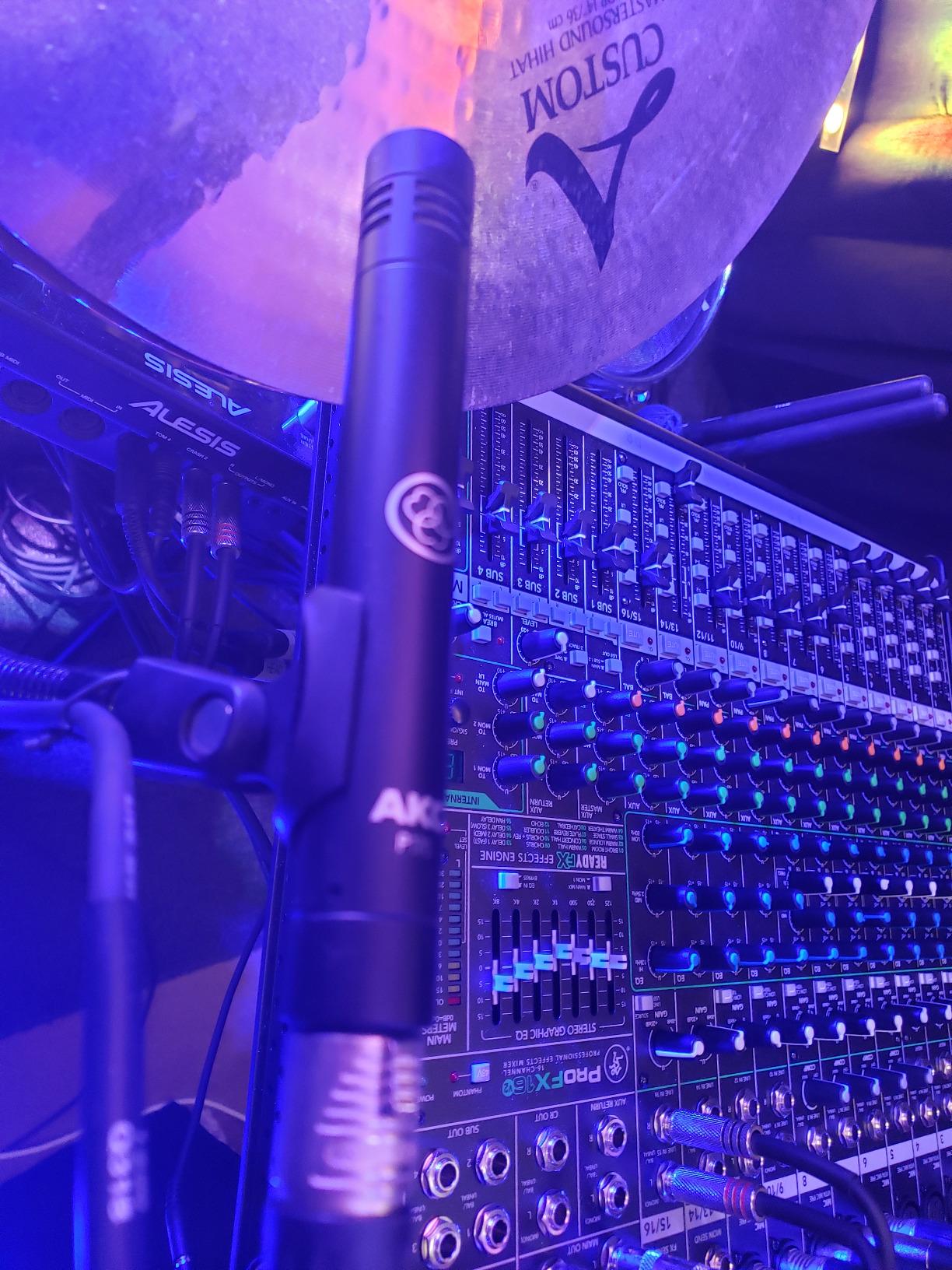
The P170 shines as a matched pair for stereo drum overheads or stereo acoustic guitar recording. Two P170s in an XY or ORTF configuration deliver a wide, detailed stereo image that rivals much more expensive condensers. For a home studio engineer who wants to step into stereo recording without breaking the bank, the P170 is the right starting point.
The honest trade-offs are clear. The P170 is not as smooth or refined as the AKG C451 or the Neumann KM 184. The high end is detailed but slightly harder than premium small-diaphragm condensers. The included stand mount is easy to knock out of position, so most engineers upgrade to a shock mount. On vocals, the P170 is less forgiving than an SM57. But for the price, none of these issues are deal-breakers.
Small-Diaphragm Accuracy and Transient Speed
The P170’s small-diaphragm capsule delivers the transient speed that dynamic mics cannot match. On drum overheads, the P170 captures stick attacks and cymbal detail without smearing. On acoustic guitar, the P170 picks up the string articulation without exaggerating the high end. For acoustic instruments, this kind of speed makes the difference between a flat recording and a lively one.
Switchable Pad and SPL Handling
The switchable -10 dB pad brings the maximum SPL to 155 dB, which is more than enough for snare drums, brass, and aggressive guitar cabs. Without the pad, the P170 captures quieter acoustic sources with full detail. This kind of dynamic range in a budget condenser is rare and useful.
For Whom It Works Best
The P170 is right for home studio engineers tracking acoustic instruments, drummers who want affordable overhead mics, and anyone building a matched pair on a budget. It is less ideal for vocalists who want a smooth, forgiving condenser, or for engineers who need the absolute smoothest high-end response.
10. Sennheiser e609 Silver – Best Hang-Over Design
- ✓Excellent tone on guitar amplifiers
- ✓slightly fuller than SM57
- ✓Flat profile hangs over cabs without needing a stand
- ✓Strong supercardioid rejection cuts bleed and feedback
- ✓Lightweight and easy to position
- ✓High SPL handling for loud guitar cabs
- ✕Slightly bright character may require EQ adjustment
- ✕Plastic housing around the grille is not as rugged as metal competitors
Dynamic supercardioid
40 Hz-18 kHz
150 dB SPL
Flat hang-over design
Includes MZQ 100 clamp and pouch
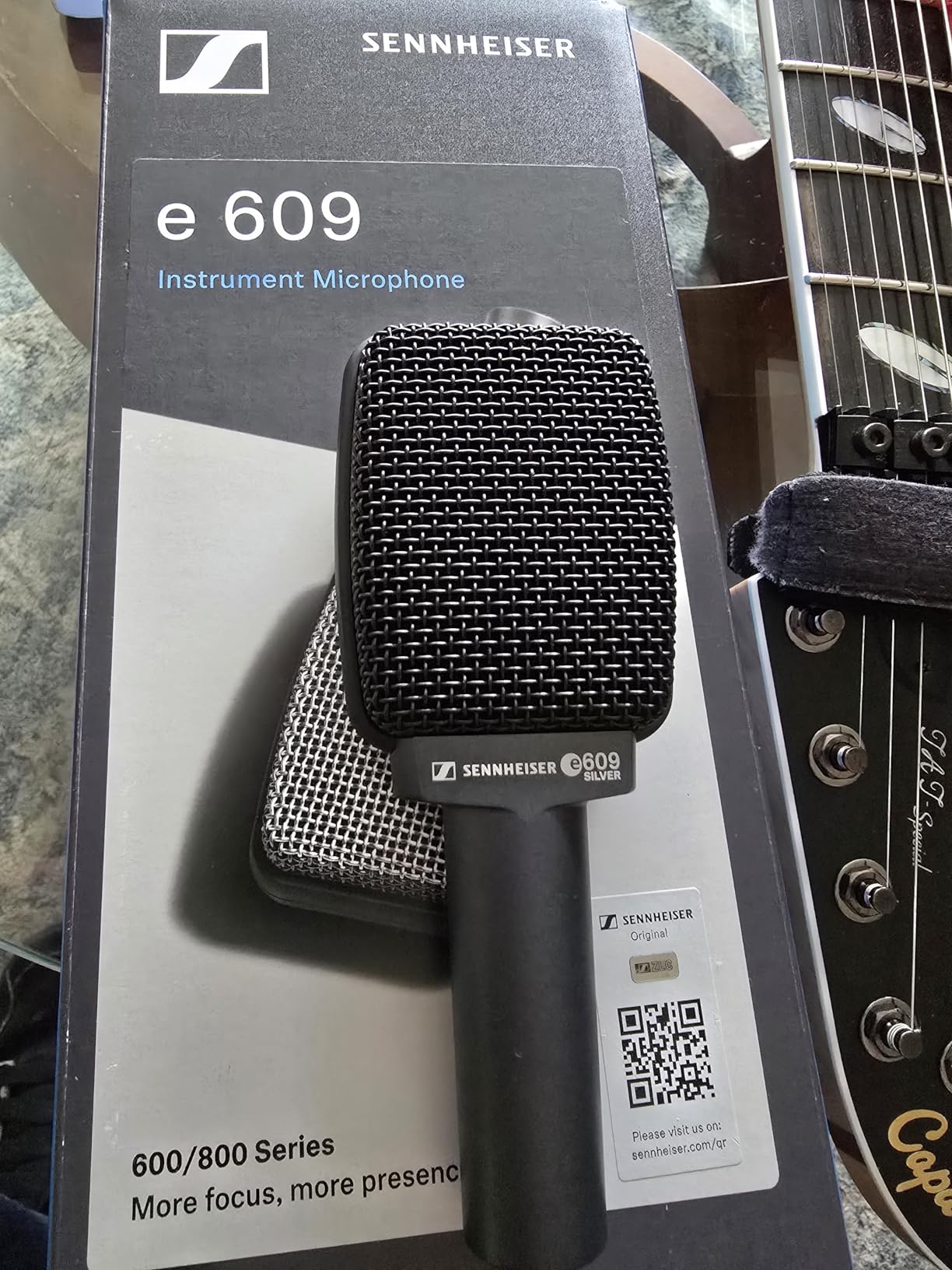
The Sennheiser e609 Silver is the hang-over guitar amp mic that has lived on stages and in studios for decades. I have used the e609 on everything from small club combos to cranked half-stacks, and the flat, side-address profile hangs over a cabinet without taking up stage space. The supercardioid pattern rejects bleed and feedback, which makes the e609 a strong choice for live recording or for tracking in a smaller room.
On a 4×12, the e609 sounds slightly fuller and more present than an SM57. The 40 Hz to 18 kHz frequency response extends well beyond the SM57, and the high-SPL handling means the e609 never breaks up on a cranked cabinet. Many engineers prefer the e609’s tonal character to the SM57 for guitar cabs, and reviewers consistently describe it as a classic amp mic that delivers reliable results.
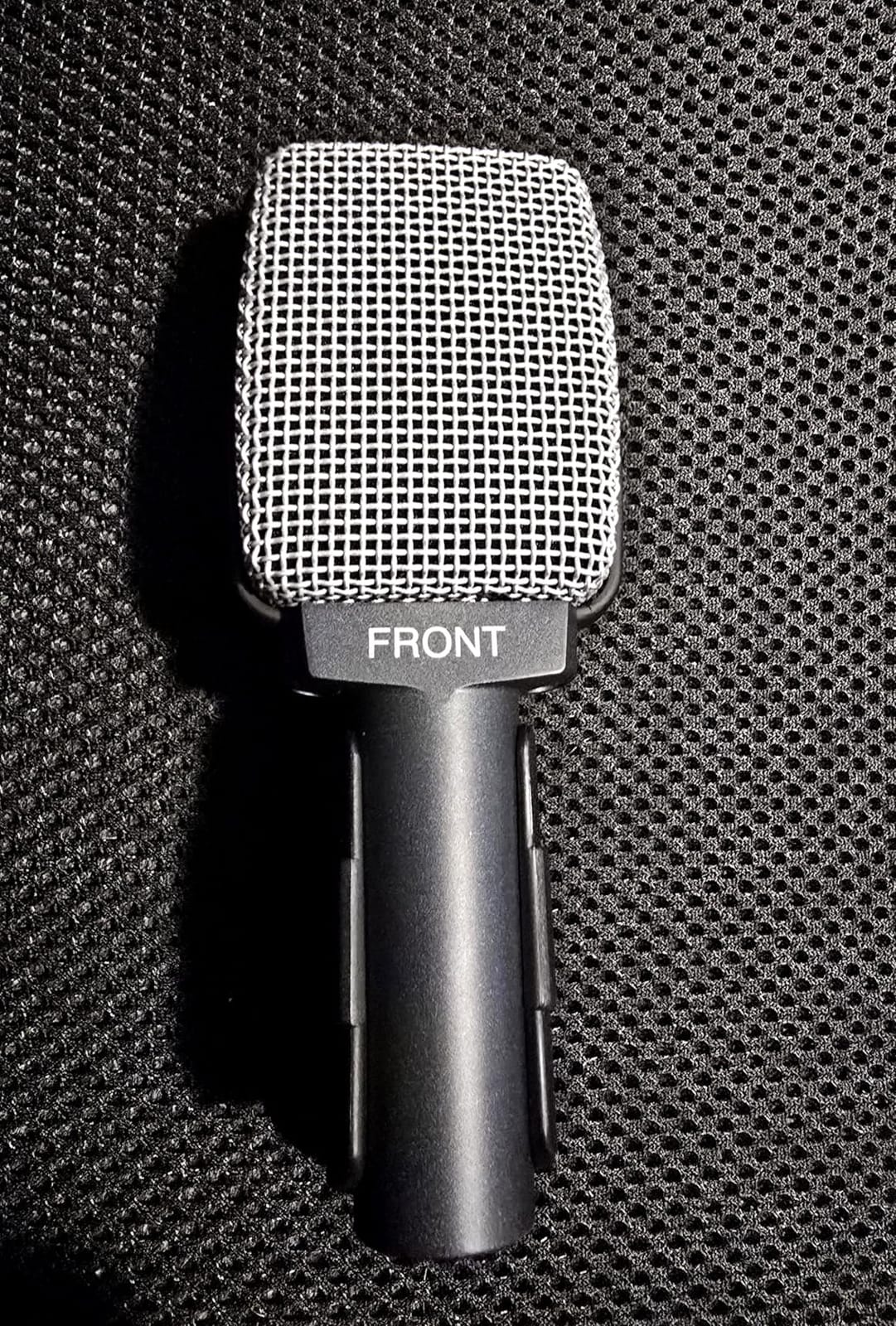
The flat design and the included MZQ 100 clamp make the e609 a one-minute setup. You hang it over the top of the cabinet, tighten the clamp, and you are tracking. No mic stand, no extra hardware, no fuss. The lightweight 120-gram body is easy to position, and the silver finish looks clean on stage and on camera.
The honest trade-offs are clear. The e609 runs slightly brighter than the e906, which can sound aggressive on already-bright cabs. The plastic housing around the grille is not as rugged as the metal body of the e906 or the SM57. For most stage and studio situations, these are minor issues. For a touring professional who needs maximum durability, the e906 is the safer pick. But for a player who wants a hang-over dynamic with a fuller tone than the SM57, the e609 is hard to beat.
Hang-Over Design and Stage Use
The flat profile is the e609’s signature feature. It hangs over the top of a cabinet without needing a mic stand, which saves stage space and looks clean. The supercardioid pattern rejects stage wash, which means the e609 holds its own in front of loud amps and wedges. For live performers, the e609 is one of the most ergonomic guitar cab mics on the market.
Tonal Character Compared to the SM57
The e609 sits forward in the upper midrange and has a slightly fuller low-mid body than the SM57. On a Fender Deluxe, the e609 brings out the chime and the warmth. On a Marshall stack, the e609 captures the bite and the body. For players who want more “finished” tone right out of the mic, the e609 delivers.
For Whom It Works Best
The e609 is right for live performers, gigging guitarists, and home studio owners who want a hang-over dynamic. It is less ideal for engineers who need maximum build durability, or for players who prefer the SM57’s tighter pattern and slightly more neutral character.
How to Choose the Right Instrument Microphone
Choosing the right instrument microphone depends on three things: the source you are miking, the environment you are miking it in, and your budget. Our team built the testing matrix below from years of project-studio work and live sound gigs. If you want a deeper dive into specific microphone categories, our guides on boundary microphones and instrument cables cover adjacent territory.
Dynamic vs Condenser vs Ribbon
Dynamic mics (SM57, e906, Beta 57A, i5, e609, ES-57, B906) use a moving coil in a magnetic field. They handle extremely high SPL without a pad, do not require phantom power, and shrug off rough handling. For loud sources like snare drums, guitar cabs, and brass, dynamics are the workhorse choice. Condenser mics (SM81, PRO35, P170) use a thin diaphragm that changes capacitance. They capture more detail and transient speed than dynamics, but they require phantom power and can distort on very loud sources. For acoustic instruments, drum overheads, and any source where you need accuracy, condensers are the right pick. Ribbon mics use a thin metal ribbon in a magnetic field. They deliver a warm, vintage tone but are fragile and rarely show up in budget kits. If you record mostly loud electric instruments, dynamics belong in your locker first.
Polar Pattern and Off-Axis Rejection
The polar pattern describes how a mic picks up sound from different directions. Cardioid (SM57, i5, SM81, P170, PRO35) picks up mostly from the front with some rear rejection. Supercardioid (e906, e609, Beta 57A, B906) has a tighter front lobe and a small rear lobe. Hypercardioid is even tighter. Figure-8 picks up equally from front and back. Omnidirectional picks up equally from all directions. For close-miked instruments in a live or multi-mic setup, cardioid or supercardioid gives you the bleed control you need. The trade-off is that tighter patterns require more precise aiming. For room mics or stereo recording where you want natural ambience, omni or figure-8 is often better.
Max SPL and High-SPL Sources
Max SPL (sound pressure level) tells you how loud a source can be before the mic distorts. Kick drums and cranked guitar cabs can easily exceed 130 dB at the source. Most dynamics (SM57, e906, e609, i5) handle 150 dB or more without a pad. Condensers typically need a pad switch to handle the same sources. If you record drums or loud amps regularly, pay attention to the max SPL spec and the presence of a pad. The SM81 and P170 both include pads that bring their max SPL to 145 dB or higher – more than enough for most sessions.
Phantom Power Requirements
Condenser mics need phantom power (usually 48 V) to operate. Most modern audio interfaces and mixers supply it. If your interface lacks phantom power, a condenser will not work. Dynamic mics (SM57, e906, e609, Beta 57A, i5, ES-57, B906) do not require phantom power, which makes them more flexible for live use, entry-level interfaces, and portable rigs. The Audio-Technica PRO35 requires phantom power through its mini-XLR adapter. Before buying any condenser, confirm that your interface or mixer can supply phantom power.
The 3-to-1 Rule and Phase Cancellation
When you use multiple microphones at once, you need to think about phase cancellation. The 3-to-1 rule says that each mic should be at least three times farther from the next-nearest sound source than it is from its own source. On a drum kit, if your snare mic is one inch from the snare head, the kick mic should be at least three inches from the snare head. This minimizes comb filtering and phase cancellation between the mics. Following the 3-to-1 rule keeps your multi-mic recordings clean and full.
Build Quality and Live Reliability
If you take a mic on the road, build quality matters as much as tone. The SM57 and Beta 57A have proven themselves over decades of touring. The e906 and e609 are also roadworthy. The Audix i5 is built well but slightly heavier. The Behringer B906 and GLS ES-57 are solid for the price but not as proven over years of heavy touring. The PRO35’s permanently attached cable is a touring plus. For a home studio, build quality matters less. For a live rig, prioritize durability.
Frequently Asked Questions
What is the 3 to 1 rule for microphones?
The 3-to-1 rule is a microphone placement guideline for multi-mic setups. When using more than one mic, place each mic at least three times farther from the next sound source than it is from its own source. This minimizes phase cancellation between microphones and preserves a natural, full sound. On a drum kit, for example, if your snare mic sits 1 inch from the snare head, place the kick mic at least 3 inches from the snare head. Following the 3-to-1 rule keeps your multi-mic recordings clean.
What is the holy grail of microphones?
The Neumann U47 (and its reissue U47 FET) is widely considered the holy grail of microphones. Originally released in 1946, the U47 is a large-diaphragm tube condenser prized for its warm tone, presence, and ability to flatter almost any source. The U47 has appeared on countless classic recordings and remains the benchmark against which other large-diaphragm condensers are judged. For most home studios, more affordable modern condensers deliver similar results for far less money.
What is the best microphone for a musical?
For recording a full musical production with vocals and many instruments, the most versatile approach is a large-diaphragm condenser for vocals plus a dynamic mic (Shure SM57) for loud sources like drums and guitar cabs. For a single-mic setup that handles everything, the Shure SM57 remains the industry-standard all-rounder. For acoustic instruments specifically, a small-diaphragm condenser like the Shure SM81 or AKG P170 captures detail that dynamics cannot.
Which mic is best for recording music?
For general music recording, the Shure SM57 (dynamic) plus a large-diaphragm condenser or small-diaphragm condenser covers the vast majority of vocal and instrument recording needs. The SM57 handles snare, guitar cabs, and brass. A condenser like the Audio-Technica PRO35 or AKG P170 handles acoustic instruments, overheads, and strings. Together, these two mics record most instruments in most genres.
What mics are best for recording drums?
For a standard 5-piece drum kit, the best mic setup is: a kick mic (Audix i5 or Shure Beta 52), a snare mic (Shure SM57 or Audix i5), one mic per tom (Sennheiser e604 or SM57), and two overhead mics (AKG P170 pair or Shure SM81 pair). For tight budgets, three SM57s on kick, snare, and one overhead plus a room mic can still capture a usable kit. The 3-to-1 rule keeps the mics phase-coherent.
What is the best microphone for recording with a guitar amp?
The Shure SM57 is the industry-standard microphone for recording guitar amplifiers. The Sennheiser e906 is a close second, with a flat hang-over design and a three-way presence switch that adapts to different cabs. For a fuller tone, the Sennheiser e609 delivers more body than the SM57. For a budget option, the GLS Audio ES-57 and Behringer B906 both capture guitar amps convincingly at lower prices.
What is the 3 to 1 rule for drum mics?
When miking drums, the 3-to-1 rule says each mic should be at least three times farther from the next-drum source than it is from its own drum. If your snare mic is 1 inch from the snare head, the kick mic should be at least 3 inches from the snare head. Following this rule avoids comb filtering and phase cancellation between drum mics, which keeps the kit sounding full and natural rather than thin or hollow.
What is the typical mic setup for recording drums?
A standard 5-piece drum mic setup is: 1 kick mic (Audix i5 or Shure Beta 52), 1 snare mic (Shure SM57), 1 mic per tom (Sennheiser e604 or another SM57), and 2 overhead mics (AKG P170 pair or Shure SM81 pair). For larger productions, add a stereo room pair to capture the kit’s natural ambience. The 3-to-1 rule keeps all mics phase-coherent. For home studios on a budget, three SM57s on kick, snare, and a mono overhead can still deliver a usable recording.
Final Verdict
After tracking instruments in project studios, on live stages, and in rehearsal rooms for years, our team keeps coming back to a small handful of workhorse microphones. For most players and engineers, the right starting point is the Shure SM57 – the industry-standard dynamic that handles snare, guitar cab, and brass with reliable character. Pair it with a small-diaphragm condenser like the AKG P170 or the Shure SM81, and you can cover nearly every instrument in nearly every genre.
If you play guitar and need a cab mic that sounds more transparent than the SM57, the Sennheiser e906 is the right step up. If you play live and need maximum feedback rejection, the Shure Beta 57A is the workhorse. If you record snare drums specifically, the Audix i5 delivers fuller, more finished tone right out of the box. If you play saxophone, violin, or accordion and need a hands-free mic, the Audio-Technica PRO35 is the clip-on we trust. And if you are building a studio on a tight budget, the GLS Audio ES-57 and the Behringer B906 prove that you do not need to spend much to capture a usable instrument sound.
The best instrument microphone for you depends on what you play, where you record, and how much you can spend. Use the comparison table at the top of this guide to scan the specs, the badge assignments to find your use case, and the buying guide above to understand the technical trade-offs. Whichever mic you choose, the most important step is to put it in front of your instrument and listen. Microphone selection is a hands-on decision, and the right mic is the one that flatters your sound.





Leave a Comment