
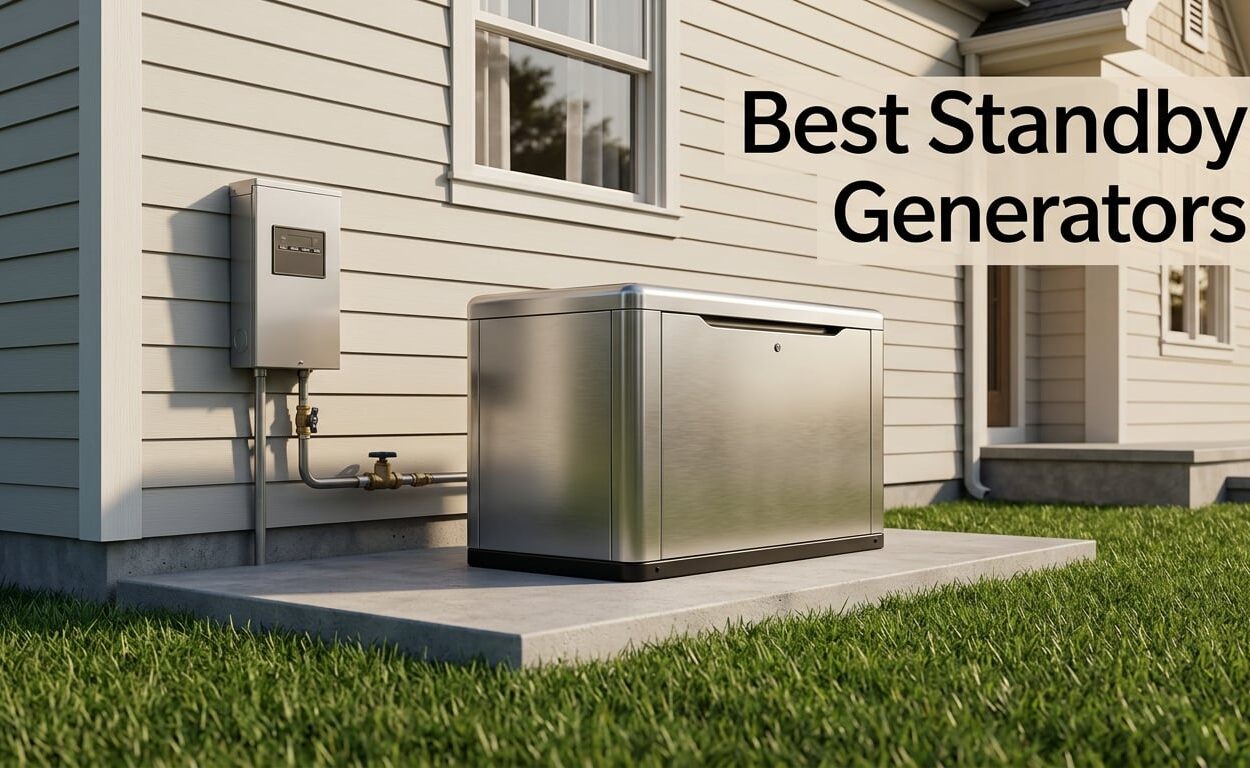
A standby generator is a permanently installed machine, permanently connected to natural gas or liquid propane, that starts on its own within seconds of an outage and powers your home without anyone dragging a cord through a window. That automatic behaviour is the whole difference between it and a portable unit, and it is the reason the best standby generators cost several times more than anything in your garage.
We spent weeks reading the specification sheets, owner reviews and service records behind the six machines in this guide, then cross-checked them against what owners actually argue about on r/Generator, r/Nightshift and the Power Equipment Forum. Almost every page ranking for this keyword right now is written by a dealer selling one brand, which is a real problem: the person writing the page has a financial interest in the answer. This guide is built to be read without that filter.
Six standby generators are covered here, and that is not a rounding error. After collapsing the many kW variants of the same product line into single entries, these are the residential standby systems actually sold in the US channel, and every one of them is a legitimate, currently-produced machine. Padding the list with portable generators or accessory kits would be dishonest, so we did not. Every specification quoted in this 2026 guide comes from the manufacturer’s published data, and every owner comment is attributed to a review or a forum thread you can go and read.
If you want the wider picture of whole-home backup options, including systems that sit outside this roundup, read our guide to the best whole house standby generators before you start shopping.
Our Top 3 Standby Picks for Whole-Home Backup
We narrowed six machines down to three standouts. Each of them carries a specific reason to exist rather than being a generic winner.
Best overall: Generac Guardian 26kW (model 7291). The most reviewed machine in this guide, and the only one that arrives with a 200 Amp automatic transfer switch in the same box, which removes the single most common install surprise. Twenty-six kilowatts means central air, a well pump and most of the house can run at once.
Best for most homes: Generac Guardian 22kW (model 7042). Highest average rating of the group and the Quiet-Test self-test cycle that drops RPM during the weekly check, so the machine makes less noise when you and your neighbours are not dealing with an outage.
Best value: Generac Guardian 18kW (model 7226). Lighter at 420 pounds, cheaper to pad and install, and still rated at 18,000 running watts with under 5 percent harmonic distortion. It is the right call for essential circuits on a home without central air.
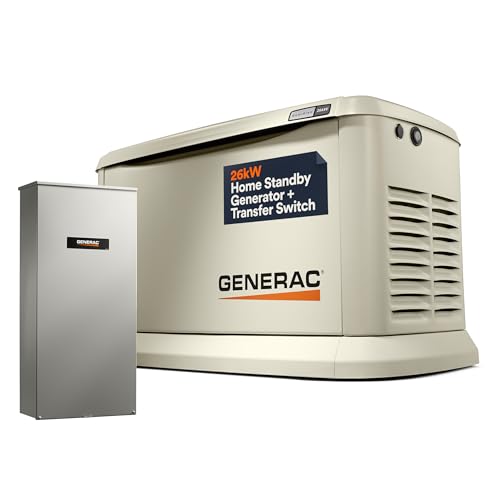
Generac Guardian 26kW
- ✓26000W with under 5% harmonic distortion
- ✓200 Amp transfer switch included
- ✓Mobile Link Wi-Fi monitoring
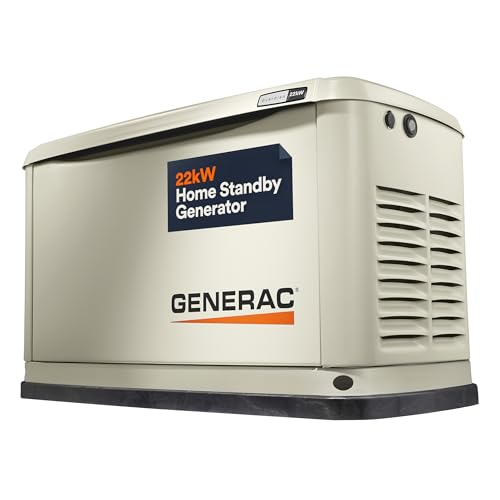
Generac Guardian 22kW
- ✓22000W True Power output
- ✓Quiet-Test self-test at lower RPM
- ✓Mobile Link Wi-Fi monitoring
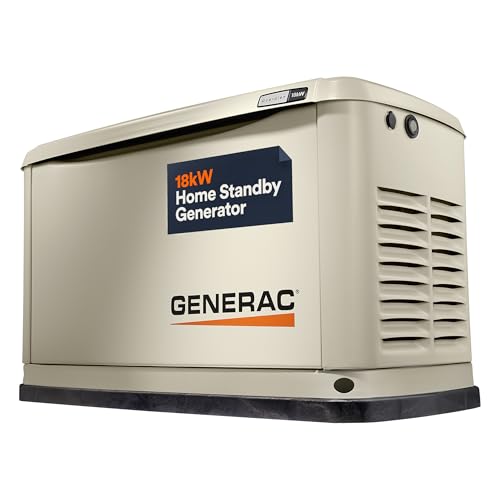
Generac Guardian 18kW
- ✓18000W running watts
- ✓Quiet-Test self-test mode
- ✓Automatic voltage regulation
Every Standby Generator in This Guide, Side by Side
All six systems, with the specs that actually change a buying decision: rated output, fuel flexibility, what monitoring hardware comes in the box, warranty length and the physical weight your concrete pad has to carry.
| Product | Features | Action |
|---|---|---|
| Generac Guardian 26kW Home Generator |
|
Check Latest Price |
| Generac Guardian 22kW Home Standby Generator |
|
Check Latest Price |
| Generac Guardian 18kW Home Standby Generator |
|
Check Latest Price |
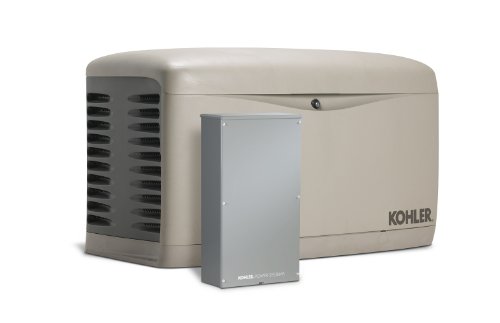 Kohler 20RESCL Air-Cooled Standby Generator Kohler 20RESCL Air-Cooled Standby Generator |
|
Check Latest Price |
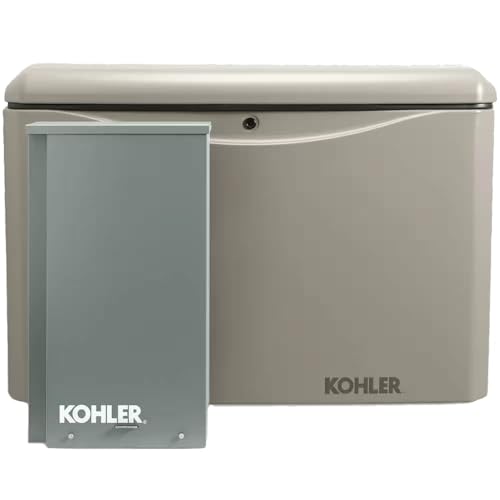 Kohler 26RCAL Air-Cooled Standby Generator Kohler 26RCAL Air-Cooled Standby Generator |
|
Check Latest Price |
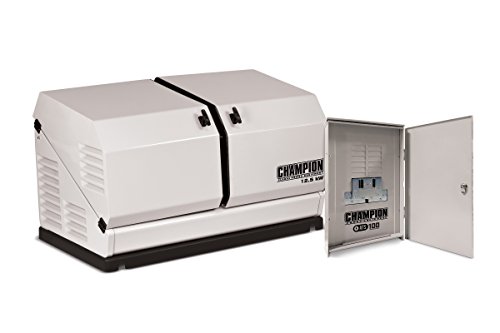 Champion 12.5kW Home Standby Generator Champion 12.5kW Home Standby Generator |
|
Check Latest Price |
One pattern jumps out of that table. Every single air-cooled machine here is dual fuel, meaning natural gas or liquid propane, with only the Kohler 26RCAL dropping from its headline number on natural gas. That matters for rural properties that are not on a municipal gas line.
1. Generac Guardian 26kW – Maximum Headroom With an Included 200A Transfer Switch
- ✓26000W of clean power under 5% harmonic distortion
- ✓200 Amp automatic transfer switch included in the box
- ✓Mobile Link Wi-Fi status and maintenance alerts
- ✓G-Force 1000 Series engine assembled in the USA
- ✓Fully enclosed aluminum outdoor enclosure
- ✕Professional installation by a licensed electrician is required
- ✕One-star reviews make up 13% of the rating distribution
- ✕Mobile Link setup and upkeep fall to the owner
26000W True Power output
Under 5% harmonic distortion
200 Amp automatic transfer switch included
518 pounds
This is the machine we keep coming back to, and the reason is boring rather than glamorous: it ships with a 200 Amp automatic transfer switch. On most competing systems the transfer switch is a separate line item ordered from the dealer, and on several listings here it is a separate purchase entirely. Having it in the same package removes the most expensive surprise in the whole purchase.
Power output is 26,000 watts from a Generac G-Force 1000 Series engine, a 999 cubic centimetre four-stroke with electronic ignition, running on natural gas or liquid propane at 240 volts and 60 hertz. Under 5 percent total harmonic distortion is the number to care about if you have computers, audio equipment or medical gear, because a dirtier waveform stresses sensitive electronics even when the voltage looks correct.
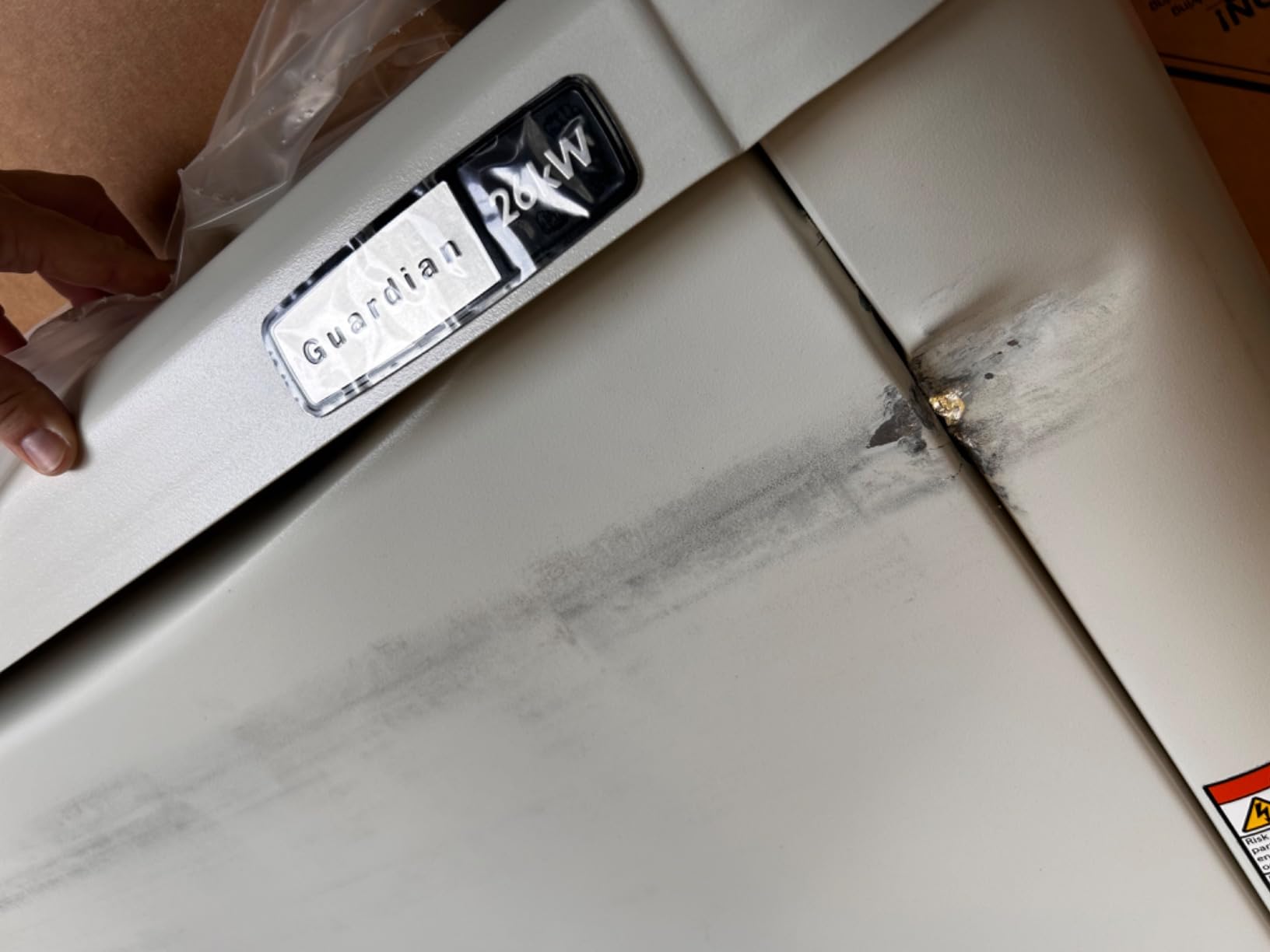
Enclosure and footprint are worth planning around. At 48.5 by 25.1 by 28.6 inches and 518 pounds, this is not a machine you slide into a side yard after the fact. The pad has to be poured to suit the dimensions, and the fuel line run and transfer switch placement are decided before the concrete cures.
Being honest about the reviews: 58 verified reviews averaging 4.2 stars, with 69 percent at five stars and a 13 percent one-star slice. The negative reviews cluster on installation and early-unit problems rather than on power delivery, which tracks with what owners say elsewhere about buying a large machine through a bundled retailer listing.
Owners on r/Nightshift repeatedly land on the 26kW as the default consensus pick at the top end, which matches what we found. If you have central air, a full family and a well pump, this is the one that stops you from wondering whether you sized too small.
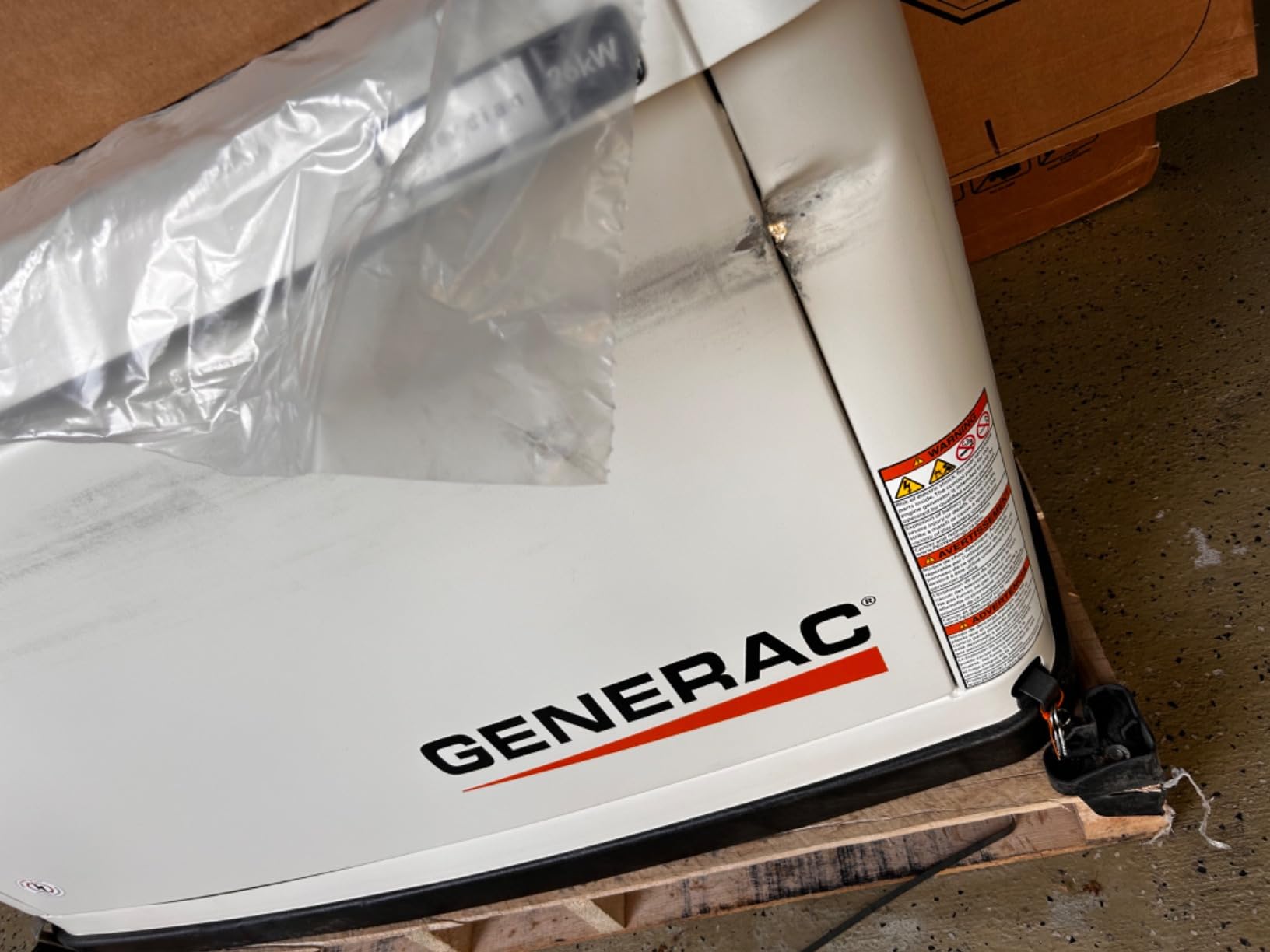
Where the 26kW earns its size
The case for going to 26 kilowatts is simple arithmetic. A three ton central air conditioner draws roughly 3,500 watts while running and far more while starting, a one horsepower well pump surges past 4,000 watts, and an electric water heater is a 4,500 watt resistive load. Stack those against a refrigerator, a freezer, lights, internet and a gas furnace blower and you are near 20,000 watts before you turn on a single microwave.
Buying above your measured load is not a mistake. It gives headroom for an addition, a future induction range, or an electric vehicle charger, and it means the machine is not running near its ceiling every time a neighbour’s dryer spins up.
What to watch before you buy
Mobile Link connectivity is genuinely useful but it only works if someone sets it up and keeps the module healthy. It is a monitoring convenience, not an automatic feature, and owners who never configure it tend to forget the unit exists between services.
The 13 percent one-star share is worth taking seriously. On a machine this size, an early electrical fault or a commissioning problem is expensive to diagnose. That is a strong argument for buying from an authorised dealer who will stand behind warranty work rather than a marketplace listing alone.
2. Generac Guardian 22kW – The Sweet Spot for Most Two-Storey Homes
- ✓Highest average rating in this guide at 4.7 stars
- ✓Quiet-Test self-test runs at lower RPM to cut noise and fuel
- ✓Proven long-term reliability with old examples still running
- ✓Under 5% harmonic distortion
- ✓5 year limited warranty
- ✕Transfer switch may not be included with the generator
- ✕One review reports a dented rear panel on delivery
- ✕Professional installation required for a permanently installed machine
22000W True Power output
Quiet-Test self-test at lower RPM
Mobile Link Wi-Fi monitoring
466 pounds
The 22kW is the model most buyers should actually be looking at. It carries 22,000 watts of rated output, which is enough for a two or three storey home with a three ton air conditioner, a gas furnace and a normal appliance load, and it is meaningfully easier to pad, fuel and ventilate than the 26kW.
What makes it stand out from its larger sibling is the Quiet-Test self-test mode. The weekly exercise cycle runs at lower RPM, so the machine uses less fuel and makes less noise during the check than competing systems that run their full weekly cycle at working speed. If you have close neighbours or an HOA, that weekly noise is the thing people complain about, not the noise during a real outage.
Mobile Link Wi-Fi on model 7042 gives you status and maintenance alerts from your phone, and the fully enclosed aluminum body is built for permanent outdoor mounting. The 5 year limited warranty is standard across the Guardian line.
What owners like most
Nineteen reviews averaging 4.7 stars with 81 percent at five stars is the strongest rating profile in this group. Owners describe dependable runtime through extended outages and a weekly self-test that is unobtrusive enough to stop noticing, which is exactly the behaviour you want from a machine that runs unattended for a decade.
Several buyers also report meaningful savings compared with buying through a supplier that mandates its own installer. That is a real structural advantage of buying the machine directly, and it is worth asking a dealer about before you commit.
Where it falls short
Read the listing carefully. Several owners note the transfer switch may not be included with the generator on this listing, so confirm what is in the carton before you plan your electrical budget. This is exactly the kind of detail that turns an affordable machine into an expensive one halfway through the install.
One review reports a dented rear panel on delivery. Enclosures are aluminium, they travel a long way, and a knock during freight handling is not unusual. Inspect the machine the day it arrives, photograph any damage, and have the dealer address it before installation rather than after.
3. Generac Guardian 18kW – Best Value for Essential-Circuit Backup
- ✓18000W rated output covers most essential circuits
- ✓Quiet-Test self-test reduces weekly noise and fuel use
- ✓Automatic voltage regulation for steadier output
- ✓Lightest unit in this guide at 420 pounds
- ✓Installers report straightforward setup
- ✕Only 7 reviews on Amazon so long-term owner history is thin
- ✕One review reports the transfer switch was not available
- ✕Owners note wide price swings between suppliers
18000W running watts
Quiet-Test self-test mode
Automatic voltage regulation
420 pounds
The 18kW is the value pick in this lineup, and the value is structural rather than promotional. At 420 pounds it is the lightest machine here, which means the smallest pad, the least excavation and the cheapest footing. Installers report it is straightforward to hook up, and that translates directly into a smaller install day.
It runs a G-Force 800 Series engine, an 816 cubic centimetre four-stroke with electronic ignition, producing 18,000 running watts and 25 kW of starting capability on natural gas or liquid propane. Automatic voltage regulation is a nice addition on this tier, and the Quiet-Test self-test behaves the same way it does on the larger Guardians.
Who this capacity actually covers
Eighteen kilowatts is not a whole-home number if you have central air and a well pump. It is an essentials number, and essentials is where the real value sits: refrigerator, freezer, lights, internet and router, sump pump, gas furnace blower, a few outlets and a television. That is a genuinely useful backup for a home that does not need every circuit.
Forum buyers planning essential-circuit backup tend to land in this range for exactly that reason. The r/Generator conversations are full of people working out their real load rather than buying the largest number they can justify.
What you give up
The single negative review on this listing is not about performance. It centres on the transfer switch not being available with the generator, and on price variability between sellers for the same machine. Both are purchase-process issues, but they are the issues that determine whether the install goes smoothly.
Seven reviews is a very thin sample. The 4.6 average looks excellent, but there is not enough owner history here to tell you how the unit behaves at year eight. Weigh the specification sheet more heavily and treat the rating as encouraging rather than conclusive.
4. Kohler 20RESCL – Load Shedding and a Corrosion-Proof Coastal Enclosure
- ✓Load shedding 200 Amp service entrance transfer switch
- ✓Power restored to the home in about 10 seconds
- ✓Corrosion-proof enclosure rated for coastal conditions
- ✓Owners report smooth extended runtimes
- ✓5 year 2000 hour limited warranty
- ✕OnCue monitoring has no reset button and needs a laptop
- ✕Monitoring shows voltage and frequency but not load percentage
- ✕Exercise and run-time settings need a technician
- ✕Group 51 battery is required and not included
20000W air-cooled output
200 Amp load shedding transfer switch
Power restored in about 10 seconds
500 pounds
The Kohler 20RESCL is the standout pick for coastal and humid properties, and the reason is the enclosure. It is described as 100 percent corrosion-proof and rated for harsh seaside conditions, which is not marketing language you can say about an aluminium box sitting a hundred yards from salt water.
Output is 20,000 watts, air-cooled, and it includes a 200 Amp whole-house service entrance rated transfer switch with load shedding. Load shedding is the feature to understand: the switch manages connected circuits so the generator is not driven into an overload. On a home with a central air conditioner and a well pump, that logic is the difference between a controlled load shedding sequence and a machine that drops out mid-storm.
Power reaches the home in about ten seconds of the outage, measured by the manufacturer at a standard operating speed, and the warranty is 5 years or 2,000 hours. Dimensions are 48 by 26.2 by 29 inches at 500 pounds, so the pad is large and must be sized to the machine rather than to the space you have left over.
The monitoring complaints, in detail
Thirty-two reviews averaging 4.1 stars, with complaints concentrating on the OnCue monitoring controller rather than the engine. Owners report the controller has no reset button, so a lost connection can require a laptop to reload, and the monitoring reports voltage and frequency but not load percentage.
Several buyers also note that exercise interval and run-time settings require a technician to change, which means the behaviour you want is not a setting you own. A number of owners describe calling ahead to confirm a local technician is willing to service the unit, and some report technicians declining retail-sold machines outright. That is a service-network question, and it is worth asking in your own postcode before you buy.
Several buyers also report the engine needs a tune-up to idle smoothly after commissioning. A post-install adjustment is normal work, but ask whether your dealer includes it.
Why people still pick it
Power delivery gets consistent praise, as does the load-shedding transfer switch, and owners report smooth twelve-hour runtimes without the household noticing anything unusual. Installation instructions are clear enough that competent DIY installers follow them successfully, which matters if you plan to handle the mechanical side and use a dealer only for warranty work.
Our Generac generators guide covers the competing service network in more detail if you are weighing the two brands on dealer reach rather than on specifications.
5. Kohler 26RCAL – A 999cc V-Twin With OnCue Plus Built In
- ✓26kW rated output on liquid propane
- ✓Command Pro V-Twin engine from Kohler premium line
- ✓200 Amp automatic transfer switch with OnCue Plus included
- ✓Owners cite it as good value for accessibility backup needs
- ✕Only 3 reviews on Amazon and no long-term owner history
- ✕Output drops to 24kW when running on natural gas
- ✕Heaviest machine here at 625 pounds
- ✕Pricing must be obtained through a dealer
26kW on propane and 24kW on natural gas
999cc Command Pro V-Twin
200 Amp transfer switch with OnCue Plus
625 pounds
This is the most interesting machine in the guide on paper, and the one with the least evidence behind it. The Kohler 26RCAL pairs a 999 cubic centimetre Command Pro V-Twin engine with a 200 Amp automatic transfer switch and OnCue Plus monitoring, which is the most complete monitoring package on this list.
It rates 26 kilowatts on liquid propane and 24 kilowatts on natural gas. That drop is normal for a dual-fuel engine and matches what the smaller Kohler does, but it means the headline number is a propane number. If you are piping natural gas, plan on the lower figure when you size.
At 625 pounds and 47 by 26 by 32 inches, it is the heaviest machine here. Foundations and pads have to be sized for the wet weight of a full enclosure, not just the dry spec sheet, and a heavier pad is a more expensive pad.
OnCue Plus is the differentiator
If you have read the 20RESCL reviews, the first thing to check is whether you are being drawn to this machine for OnCue Plus rather than for capacity. OnCue Plus reports load and operating state from the transfer switch itself, which is the information the earlier controller left out. That is a genuine functional difference, not a cosmetic one.
Owners who fitted this unit cite accessibility as the driving reason and describe it as good value for accessible backup power needs, which is a use case the bigger air-cooled machines handle comfortably. If anyone in the household depends on powered medical equipment, this capacity class is the right one to be looking at.
The evidence problem
Three reviews, all five stars, and every one of them recent. That is not enough owner history to extrapolate a decade of service, and the one written review is from a buyer who installed for accessibility and praised the price they obtained. Treat the specification sheet as reliable and the rating as unproven.
Pricing is not published here and has to come through a dealer, which also means the dealer relationship is the only channel you have. Ask about service response in your area before committing to a machine in this class.
6. Champion 12.5kW Standby – Quietest Running and a 12-Circuit Transfer Switch
- ✓Longest warranty in this guide at 10 years with free lifetime support
- ✓Claimed 63 dBA operating level with low-tone muffler
- ✓24V starting system rated from minus 22F to 104F
- ✓12-circuit ATS100 gives controllable backup circuits
- ✓Weekly self-diagnostic exercise tests
- ✕Smallest capacity here at 12500W
- ✕100 Amp transfer switch is a step down from 200 Amp
- ✕Returns are not accepted on home standby machines
- ✕Dealer sourcing required for pricing
12500W on propane and 11000W on natural gas
63 dBA with low-tone muffler
ATS100 with 12 circuits
Rated to minus 22F
The Champion 100179 is the odd one out in this lineup, and in two ways it wins. It is the only machine here with a stated noise figure, a claimed 63 dBA operating level achieved through sound dampening and a specially designed low-tone muffler, and it carries a 10 year limited warranty with free lifetime technical support. Nobody else in this guide offers either.
The second win is the transfer switch. The ATS100 is an outdoor-rated automatic transfer switch with 12 available circuits, which is a fundamentally different proposition from a 100 Amp or 200 Amp service entrance box. With individual circuits you choose what stays live during an outage, and you can keep the generator load inside its comfortable range without cutting whole rooms.
Output is 12,500 watts continuous on propane and 11,000 watts on natural gas from a 717 cubic centimetre four-stroke. The 24-volt starting system is rated from minus 22 degrees Fahrenheit to 104 degrees Fahrenheit with no warming kit required, which is a meaningful advantage in northern climates where most standby machines need a cold weather package bolted on.
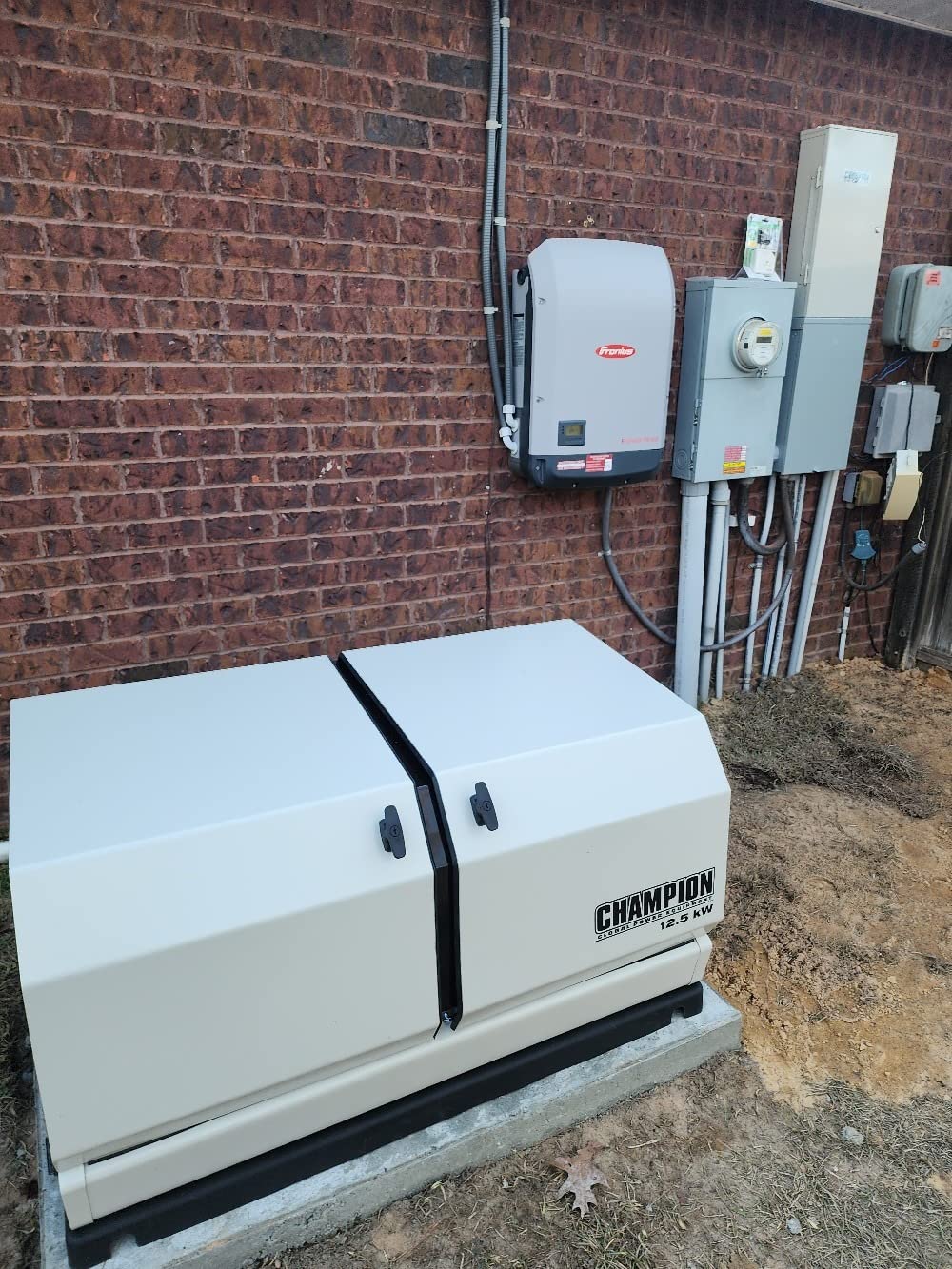
Where the size limit bites
Twelve and a half kilowatts is a small machine. It will not carry large central air or multiple high-draw appliances, and anyone buying it for whole-home backup of a large house is buying the wrong tool. What it will do is essentials, done quietly, for a long time, with a warranty that outlasts the others here.
It is also the only standby machine in this guide offered in smaller and larger steps, with 8.5kW and 50 Amp and 14kW aXis with a 200 Amp transfer switch configurations, so the same product family can grow with the house.
What the reviews flag
Twenty reviews averaging 4.0 stars, with a 59 percent five-star share and a 14 percent one-star share. The majority value quiet operation, the automatic 12-circuit transfer switch and the 10 year warranty. The negative slice points to a smaller group who hit setup or support problems, which is worth asking the dealer about directly.
Returns are not accepted on home standby machines, which limits your protection if the model turns out to be wrong for the house. Treat the sizing carefully before ordering, and if you are still comparing approaches, our Champion generators guide covers the wider range including their portable units.
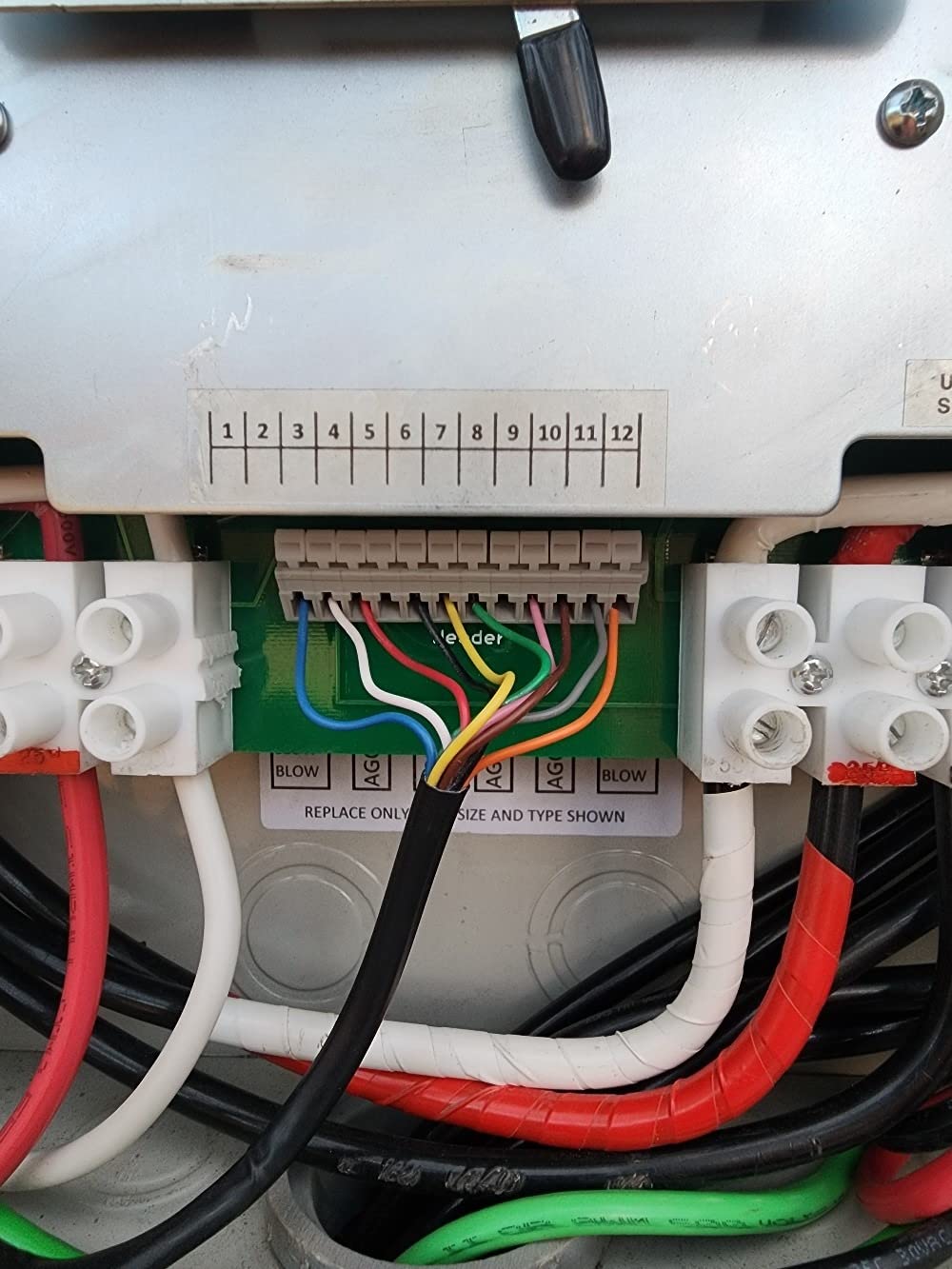
One more practical note on this machine: the dimensions, 50 by 30.1 by 40.2 inches, make it the tallest enclosure in the guide. Check overhead clearance for a roof overhang, an eave or a covered porch before the pad goes down.
How to Size a Standby Generator for Your Home
Sizing is where most expensive mistakes happen, and the most common one is buying a machine that is too small. Underpowering a home means the generator trips when the compressor kicks in, and a machine that trips is worth nothing in the storm you bought it for. The second most common is oversizing, which drags a larger pad, a larger transfer switch and a larger fuel line into the budget.
The reliable method is not square footage alone. Square footage is a rough proxy. The actual number comes from your appliances, and the single biggest hidden load in most homes is the air conditioner.
Step one: read the air conditioner data plate
Open the outdoor condenser cabinet and find the nameplate on the side. It lists the model number, and the first two digits are the nominal tons. One ton equals 12,000 BTU per hour of cooling, and one ton equals roughly 3,517 watts of electrical draw. A three ton system is about 10,500 watts while running, and considerably more while starting.
If there is no central air and the house relies on window units or a mini split, subtract that load entirely and you have far more flexibility on the size of the machine.
Step two: list the essentials, honestly
Write down what must stay on, not what you would like on. The standard essentials list is the refrigerator, the freezer, a sump pump, a gas furnace or boiler blower, lighting, internet and networking, a television, a well pump if you have one, and any medical equipment. A one horsepower well pump surges past 4,000 watts, which surprises people more than any other single number.
Step three: add it up and round up one size
Add the essential load, add the cooling load if you have central air, and then round up to the next standard capacity. The rounding is not padding, it is headroom for starting surges and for a house that will change over the next fifteen years.
- Under 1,500 sq ft, essentials only, no central air: a 12.5kW class machine such as the Champion 100179 covers this comfortably, and the 12-circuit transfer switch lets you control exactly what stays live.
- 1,500 to 2,000 sq ft with central air up to three tons: an 18kW to 22kW class machine. This is the band most buyers should be shopping in, and the Generac Guardian 18kW or 22kW sit in it.
- 2,000 to 2,500 sq ft with a three ton system, a well pump and a large appliance load: a 22kW to 26kW machine. The Generac Guardian 26kW and Kohler 26RCAL live here.
- Above 2,500 sq ft, four ton cooling, or an electric range, welder, or planned electric vehicle charger: 26kW and above, or a consultation with a dealer who will run an in-home load assessment rather than guessing from square footage.
Essential circuits versus whole home
These are different products, not different marketing. Essential circuits back up ten to twelve circuits and cost less to install because the transfer switch does not sit at the main panel. Whole home backup means a service entrance rated switch at 200 Amp or higher, which is what the Kohler 20RESCL, the Kohler 26RCAL and the Generac 26kW package.
Our whole house standby generator guide works through the whole-home decision in more depth if you are moving toward full-panel coverage.
Engine Design, Fuel Type and Noise: What Actually Decides Longevity
Most buying guides stop at kilowattage. That misses the two decisions that determine whether the machine is still running in fifteen years: how the engine is built and what you feed it.
The 1800 RPM versus 3600 RPM question
Residential standby engines run at roughly 1800 RPM, which is half the speed of a typical portable generator engine. A Power Equipment Forum poster summarised the owner consensus well when they flagged 1800 RPM engine design as the reliability differentiator between brands, and that framing is repeated across the long-running threads on r/Generator.
The physics favours it. An engine turning half as fast for the same output experiences proportionally less mechanical wear per hour, runs cooler, and is inherently quieter because the combustion and mechanical events happen half as often. It is also why these machines cost more than portable units with similar wattage: a heavier, better-balanced engine that is not being overworked.
One more forum signal worth carrying into the showroom. A poster on r/Nightshift updated their thread to say they landed on the Generac Guardian 26kW after research, confirming the Generac Guardian as the default consensus pick at the top end. Another buyer, on r/Generator, shortlisted the Cummins RS20A, the Kohler 20RCA and the Generac 7260 as near-identical on cost and leaned toward the Cummins specifically because it seemed better built. Build quality, not headline price, decided it.
Natural gas, propane or diesel
Natural gas is the default for most homes because the fuel is already there, it is the cheapest per kilowatt-hour of the three, and a long fuel line from the utility meter carries an outage’s worth of supply with no tank to maintain. The trade-off is that a natural gas installation depends on the gas utility, and the line has to be run and permitted.
Liquid propane is the answer for rural properties, wells and anywhere off the municipal gas grid. Every machine in this guide runs on both, with the caveat that output drops on natural gas: the Champion goes from 12,500 watts to 11,000, and the Kohler 26RCAL from 26 kilowatts to 24. Size on the natural gas figure and the switch-over will never surprise you.
Residential propane standby units run on a large tank, typically several hundred gallons for rural properties, and the tank refill is another scheduled cost nobody mentions until it arrives. Diesel is a commercial choice. It costs more per unit of energy, stores better over long periods and is not practical for a homeowner who wants fuel delivered like propane.
Air-cooled versus liquid-cooled
All six machines here are air-cooled, and that is the correct choice for most homes. A liquid-cooled engine adds a radiator, hoses, a pump and a coolant loop, all of which are extra failure points and extra service items. The trade is that a liquid-cooled machine absorbs heat better and can hold a larger sustained load for longer.
Choose liquid cooling only if you are running a genuinely large whole-home load for extended periods on a commercial property. For a house running a three ton air conditioner and a fridge, the extra complexity buys you nothing.
Noise and the fence line
The number that matters is decibels measured at 23 feet, because that is how residential noise is conventionally rated. Standby machines cluster in the low to mid sixties. The Champion in this guide is the only one with a stated figure, a claimed 63 dBA with a low-tone muffler, and it also has a low-RPM self-test mode that reduces the noise of the weekly exercise cycle.
That weekly self-test is the noise source neighbours complain about, because it fires when nobody is expecting it. Generac Quiet-Test runs the check at lower RPM specifically to address this. If you are in a dense neighbourhood or under an HOA with a setback, ask the dealer to measure or model noise at your property line before the pad is poured.
For perspective on the other end of the market, our Westinghouse generators guide covers larger dual-fuel machines if your load calculation points above this guide’s ceiling.
Transfer Switch, Permits and the Real Cost of an Install
The generator is the part you can research. The install is the part that determines whether the project is comfortable or painful, and it is where the money and the time surprises live.
Matching the transfer switch to your panel
An automatic transfer switch has to match the amperage of your electrical service. A 100 Amp or 150 Amp panel, which is common in older homes, takes a 100 Amp transfer switch. A 200 Amp panel, which is standard in most average homes, takes a 200 Amp service entrance rated switch. Anything above that moves into the 400 Amp territory and a different cost conversation.
The service entrance rated switches included with the Kohler 20RESCL, the Kohler 26RCAL and the Generac 26kW sit at the main panel and can backfeed the whole house. Smaller essential-circuit boxes, including the Champion ATS100, wire individual circuits instead and are the cheaper path in.
What a licensed electrician has to do, and why permits matter
Standby generators are listed for permanent installation by a licensed electrician, and Generac states this directly on its own listings. The work includes disconnecting the utility feed, installing the transfer switch at the panel, running the control wiring and the low-voltage signal wires between the switch and the machine, and bonding the system correctly so the generator can backfeed safely.
Permits and inspection are not optional bureaucracy. They exist because an improperly bonded standby system can energise the utility line, which is a hazard to lineworkers and a serious liability in your house. Installers who skip the permit leave you with an uninsailable electrical installation and a warranty the manufacturer can void.
The four steps of a typical install
First, an in-home load assessment where a technician measures your actual circuits and confirms the machine is the right capacity. If a dealer quotes without one, that is a signal. Second, permits and paperwork through the local building department, plus the gas utility if a fuel line is being run. Third, install day, where the pad, the machine, the switch, the wiring and the fuel line go in. Fourth, commissioning and an outage simulation, where they cut the power deliberately and confirm the machine starts, carries the load and transfers back.
Ask for that outage simulation in writing. It is the only way to know the system works before you need it.
Hidden line items to ask about up front
The Group 51 battery required by the Kohler 20RESCL is not included in the package. Cold weather kits or extreme cold weather packages are separate for most machines if you are not in a mild climate, and the Champion is the notable exception here because its 24-volt starting system is rated from minus 22 degrees Fahrenheit without one. Long fuel line runs, pad excavation in rocky soil, and panel upgrades all add cost. Ask for an itemised quote that separates the machine from everything installed around it.
Standby vs Portable Generators: The 10-Year Ownership Question
This is the most common debate in the generator community, and it comes up in three separate threads on Reddit that rank for this category. It is also a cost argument, not a spec argument, so let us frame it honestly.
A portable generator is cheaper to buy and cheaper to store. It also has to be moved, fuelled, started and monitored by a person, in the dark, possibly in weather, while a house floods or the temperature drops. That labour is the real cost of ownership and it does not show up on any invoice.
A standby generator costs more and then costs almost nothing to run in human terms, because it starts itself. More importantly, it acts before the damage happens rather than after. A sump pump running unattended stops a basement flooding. A furnace running unattended stops pipes freezing and bursting, which is the most expensive single failure mode in a winter home. Those are losses measured in tens of thousands, not in equipment cost.
The honest counterpoint is that a standby generator is a large fixed asset in a house that may not have frequent outages. If your area has one brief outage every few years, a portable unit and a well-stocked fuel rotation may genuinely be enough. If your area has hurricanes, ice storms, wildfire or anything that regularly cuts power for more than a few hours, the calculation shifts quickly.
There is also resale. A professionally installed standby system is a selling point, because the next buyer is buying their own outage insurance at the same time.
Standby Generator Maintenance and the Dead-Battery Failure Mode
The most common reason a standby generator fails to start is a flat battery, and this is worth repeating because it is the most expensive avoidable failure in the whole category. The machine sits for weeks between uses, the starter battery slowly discharges, and the first time it is asked to start after an outage it may not have the charge for one crank. Generators that fail this way often do so during the first real storm of the season, not during a test.
Plan on replacing the battery every two to three years, and test it annually. This single habit removes the majority of standby generator callouts.
What an annual service covers
An oil and filter change on the engine, a check of the spark plug, a battery load test, inspection of the fuel line and connections, a coolant top-off on liquid-cooled machines, a transfer switch exercise test, an air filter check, a run cycle, a look at what is accumulating inside and around the enclosure, and a leak check at every fuel connection.
Skipping annual service voids warranty coverage in most brands’ terms. That is not a sales tactic, it is the condition of the warranty.
Let the machine exercise itself
Every machine in this guide ships with a weekly self-test. The Generac Guardians use Quiet-Test at lower RPM, the Champion runs weekly self-diagnostic tests, and the Kohlers use their exercise schedule. Leave the schedule alone and let it run. A machine that starts weekly keeps its oil circulating, its fuel lines wet, its battery charged and its controller awake.
If you plan to service the machine yourself and use a dealer only for installation and warranty work, that is a reasonable approach and it is exactly what some buyers in the forum discussions describe planning. Buy the parts list and a service manual for your model, and keep the receipts, because a warranty claim will want the service history.
Frequently Asked Questions
Which brand of standby generator is best?
Generac has the deepest dealer and service network in the residential standby market, which is why it is our overall pick and the consensus choice in owner forums. Kohler is the alternative worth serious consideration, with a corrosion-proof enclosure and load-shedding transfer switch on the 20RESCL and a 999cc V-Twin with OnCue Plus on the 26RCAL. Champion wins on noise, with a claimed 63 dBA operating level and a 10 year warranty. Judge the brand by local service response as much as by the specification sheet.
Is a Kohler or a Generac better for a standby generator?
Kohler and Generac are close, and the honest answer is that the difference is smaller than any dealer will admit. Generac offers more capacity steps and deeper service coverage. Kohler leads on enclosure corrosion resistance for coastal homes and includes load-shedding logic in its 200 Amp transfer switch. Forum owners also flag engine design, with 1800 RPM architecture treated as the reliability differentiator. Choose by local dealer service response and by the capacity that fits your measured load.
What size standby generator do I need for a 1500 square foot house?
For a 1,500 square foot home, a 12.5kW to 18kW class machine covers essentials, and 18kW to 22kW covers essentials plus a three ton central air conditioner. Size from your actual load rather than square footage: read the air conditioner data plate, multiply tons by 3,517 watts, then add the essentials you refuse to lose, including any well pump at more than 4,000 watts of surge. Round up one capacity step for starting headroom.
How much does a whole home standby generator cost installed?
The unit itself is only part of it. A residential standby system priced in full includes the generator, an automatic transfer switch matched to your panel amperage, a concrete pad, a fuel line, permits and inspection, and licensed electrical and mechanical labour. The transfer switch alone can match the cost of a smaller machine if it is not included, so ask for the itemised quote. Check the current figures for each machine using the buttons in this guide.
How loud is a standby generator?
Residential air-cooled standby machines generally fall in the low to mid sixties measured at 23 feet, and the Champion in this guide is the only one with a published figure, a claimed 63 dBA using sound dampening and a low-tone muffler. The noise that actually annoys neighbours is usually the weekly self-test rather than a real outage, so a low-RPM Quiet-Test cycle is worth paying attention to. Ask the dealer to check noise at your property line if you have close neighbours or an HOA setback.
Do standby generators need annual maintenance?
Yes, and skipping it usually voids warranty coverage. Annual service covers an oil and filter change, spark plug check, battery load test, fuel line and leak inspection, air filter check, transfer switch exercise and a run cycle. The single most valuable habit is testing the starter battery and replacing it every two to three years, because a discharged battery is the most common reason a standby generator fails to start, usually during the first real storm of the season rather than during a test.
The Verdict: Which Standby Generator Should You Buy?
If your home has central air, a well pump or a family that will not tolerate a dark house, the Generac Guardian 26kW is the pick. It carries the most owner history in this guide, delivers 26,000 watts of clean power under 5 percent harmonic distortion, and it is the only machine here that arrives with a 200 Amp transfer switch in the box.
If your home is mid-sized and you want the strongest rating profile with a quiet weekly test, take the Generac Guardian 22kW. If you are running essentials only and want the lightest machine and the smallest pad, the Generac Guardian 18kW is the value choice. If you live near salt water, the Kohler 20RESCL earns its place with a corrosion-proof enclosure and load-shedding transfer switch. If OnCue Plus load reporting matters to you, look at the Kohler 26RCAL, accepting the thin review history. If the neighbourhood is tight and quiet running is the priority, the Champion 12.5kW with its 63 dBA claim and 10 year warranty is the one.
Whichever you choose, size from a measured load rather than a square foot figure, match the transfer switch to your panel amperage, and get an itemised quote that separates the machine from the installation. That is the difference between a backup system you never think about and one you think about constantly. The best standby generators are the ones sized honestly, installed properly and serviced on schedule.
Use the buttons above to check current figures for each machine, and read our Honda generators guide if you want the portable side of the market compared as a backup plan alongside a permanently installed system.






Leave a Comment