
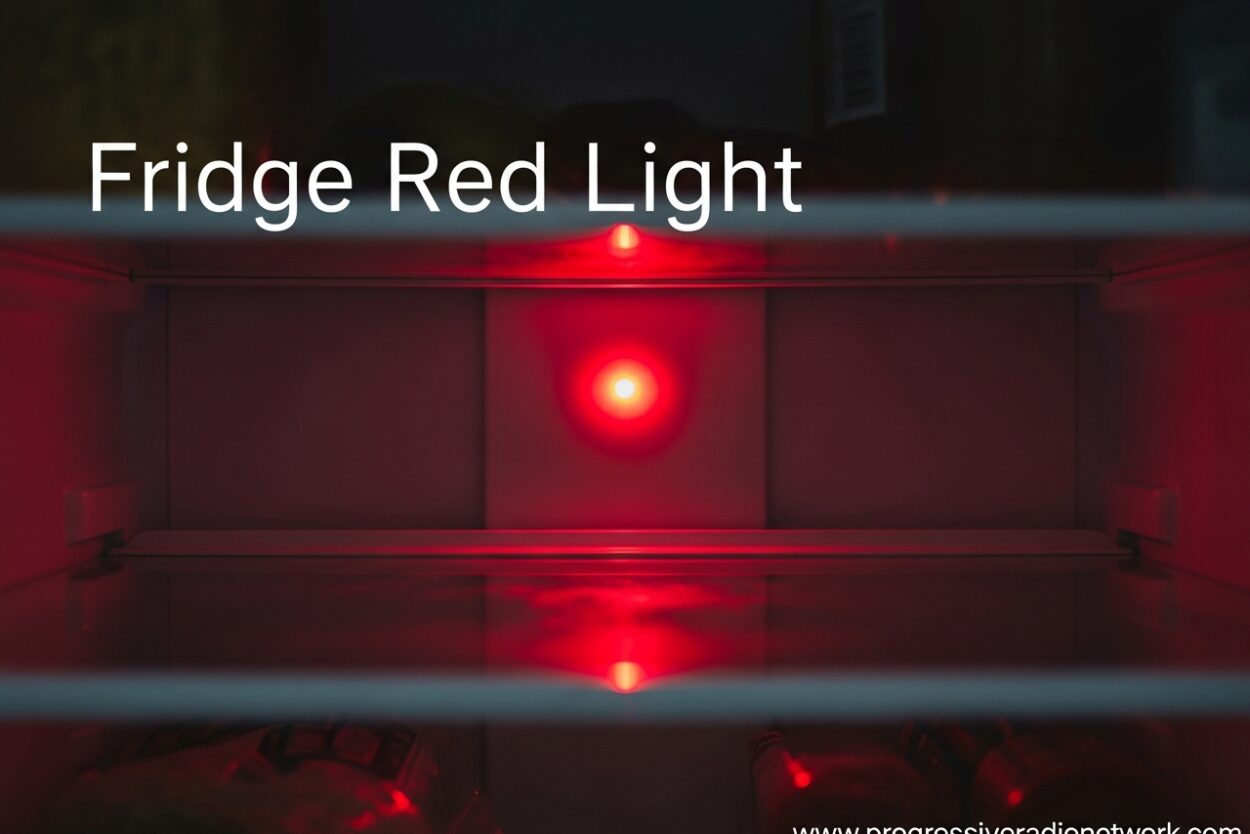
Seeing a red light illuminated on your refrigerator can be an unsettling experience. That warning indicator exists for an important reason, but understanding what it means and how to respond can save you from unnecessary panic or expensive service calls. I’ll walk you through everything you need to know about fridge red lights, from what triggers them to practical troubleshooting steps you can try yourself.
What Does a Red Light on Your Fridge Mean?
A red light on your refrigerator is typically a warning indicator that signals something needs your attention. Most modern refrigerators use this red warning light to alert you to three main issues: high internal temperatures, a door that’s been open too long, or a water filter that needs replacement. The specific meaning depends on your fridge model and which red light is illuminated, but the message is consistent, something requires action to maintain proper food storage conditions and prevent potential appliance damage.
Temperature-related red lights are the most common and urgent. When your fridge detects temperatures rising above safe levels (usually above 5°C or 41°F for the fresh food compartment), it triggers a high-temperature alarm to warn you that food safety could be compromised. This is your cue to check the temperature settings, ensure doors are sealed properly, and investigate whether the cooling system is functioning correctly.
Common Causes of Fridge Red Light
Understanding why your refrigerator’s red light activated helps you determine the appropriate response. Based on my research of manufacturer guidelines and user experiences, here are the most frequent triggers:
- High-Temperature Alarm: The internal temperature has risen above safe levels, typically due to door being left open, power outage, warm food loading, blocked vents, dirty condenser coils, or compressor issues.
- Door Open Alarm: The door has been left open for an extended period (usually 2-5 minutes), triggering both an audible alarm and red light indicator.
- Water Filter Alert: The water filter needs replacement (typically every 6 months), and the indicator reminds you it’s time for maintenance.
- Power Failure Memory: Some models display red light after power interruption to warn that food may have spoiled during the outage.
- Malfunction Indicator: A component failure (compressor, sensor, control board) is detected and requires professional service.
Reddit users frequently report confusion about different red light patterns, so understanding the specific behavior of your indicator light (solid red, blinking red, or flashing with other symbols) is crucial for accurate diagnosis.
High-Temperature Alarm Explained
The high-temperature alarm is the most serious red light indicator because it directly relates to food safety. When triggered, this means your refrigerator compartment has exceeded the safe temperature threshold, putting perishable foods at risk of bacterial growth and spoilage.
Several factors can cause this alarm to activate. The most common culprit, according to appliance repair forums, is simply the door being left ajar. Even a slightly open door allows warm air to enter, causing the compressor to work harder and potentially failing to maintain safe temperatures. Other frequent causes include overloading the fridge with warm groceries after shopping, blocking the internal vents with food items, or a buildup of dust on the condenser coils that prevents efficient heat transfer.
When this alarm sounds, I recommend acting quickly but calmly. Check the door seals first, then verify nothing is blocking the internal vents. If the temperature display shows numbers significantly higher than your set point, you may need to move perishable items to a cooler while troubleshooting.
Door Open Alarm Explanation
The door open alarm is designed to prevent the high-temperature situation by alerting you before significant temperature rise occurs. Most modern refrigerators feature a door switch that detects when the door is open and activates both a beeping sound and red warning light after 2-5 minutes of continuous opening.
This alarm commonly activates during normal use when you’re restocking the fridge after grocery shopping or cleaning shelves. However, if it activates when you believe the door is closed, the issue may be a faulty door switch rather than an actually open door. This is a well-documented problem in appliance forums, where users report their door alarm going off intermittently despite the door being securely closed.
Testing your door seal is simple, place a dollar bill in the door jamb and close the door. If it slides out easily, your door gasket may need replacement. Door seal replacement is a straightforward DIY repair that costs considerably less than a service call.
Water Filter Replacement Alert
Many refrigerators with water dispensers and ice makers feature a dedicated red light indicator for the water filter. This light typically illuminates after approximately 6 months of use or after a specific number of gallons have been filtered, depending on your model.
Replacing your water filter is important for both water quality and appliance longevity. A clogged filter can reduce water flow to the ice maker, cause strange tastes or odors in your water and ice, and potentially allow contaminants to pass through that should be filtered out.
Resetting the filter indicator after replacement varies by brand. Samsung models typically require pressing and holding the ice type and child lock buttons simultaneously for 3 seconds, while Whirlpool models often use a dedicated filter reset button. Consult your owner’s manual for the exact procedure for your specific model.
Understanding Different Fridge Indicator Lights
Refrigerators use a color-coded system to communicate various status messages. Understanding these different indicator lights helps you respond appropriately to each warning:
- Green Indicator: Shows that the appliance is properly connected to power supply and functioning normally.
- Amber/Yellow Indicator: Often indicates the fast freeze function is activated or that the appliance is in a specific operating mode.
- Red Indicator: A warning that requires attention, either high temperature, door open, or maintenance needed.
- Blinking Red Light: Usually indicates an urgent situation or a malfunction that needs immediate attention.
The meaning can vary slightly between brands, so always consult your user manual for model-specific information. Some manufacturers also include symbols or letters alongside colored lights to provide additional context about what the warning indicates.
Brand-Specific Red Light Meanings
While most refrigerators follow similar conventions, there are notable differences between major manufacturers. Understanding these brand-specific variations can help you troubleshoot more effectively:
Samsung: Samsung refrigerators often display red lights for both high-temperature warnings and water filter alerts. A common issue reported by Samsung owners is the red light persisting even after replacing the water filter, which typically requires performing a specific reset procedure involving the ice type and child lock buttons. The temperature alarm on Samsung models usually shows the actual temperature on the display, making it easier to monitor the situation.
Whirlpool: Whirlpool refrigerators frequently feature an H20 indicator with red light for water filter replacement. The reset procedure varies by model but often involves pressing and holding the filter button for 3-10 seconds. Whirlpool also uses red lights in conjunction with X symbols on some models to indicate specific component failures.
LG: LG refrigerators typically use a sophisticated error code system where red lights are accompanied by alphanumeric codes on the display. These codes can be looked up in the manual or online to identify the specific issue. Common LG red light scenarios include temperature warnings, door alarms, and smart diagnosis notifications that can be interpreted using the LG smartphone app.
Fridge Red Light Troubleshooting Steps
When you encounter a red light on your refrigerator, follow these systematic troubleshooting steps to identify and resolve the issue:
Step 1: Identify Which Red Light Is On
Check whether it’s the high-temperature alarm, door open indicator, water filter alert, or a general warning light. The location and any accompanying symbols or text will help identify the specific warning.
Step 2: Check for Obvious Issues First
Verify that all doors are completely closed and the seals are making proper contact. Check that the refrigerator is plugged in and receiving power. Look for any vents blocked by food items that could restrict airflow.
Step 3: Monitor the Temperature Display
If your model shows actual temperatures, compare them to your set points. A difference of more than a few degrees indicates a problem. Note whether the temperature is rising or stable.
Step 4: Check Condenser Coils
Dirty condenser coils are a common cause of cooling issues. Locate the coils (either behind the kick plate at the bottom or on the back of the unit) and clean them with a vacuum or coil brush.
Step 5: Verify Proper Airflow
Ensure that items aren’t blocking the internal vents. Rearrange contents if necessary, maintaining at least an inch of clearance around vents for proper air circulation.
Step 6: Check for Recent Events
Have you experienced a power outage recently? Did you just add a large amount of warm food? These situations can temporarily trigger red lights but should resolve within 24 hours.
Step 7: Perform a Reset if Needed
For filter alerts or some temperature warnings, performing a reset procedure may clear the indicator after addressing the underlying issue. Consult your manual for model-specific instructions.
Step 8: When to Call a Technician
If the red light persists after troubleshooting, or if you notice other warning signs like unusual noises, frequent cycling, or complete cooling failure, it’s time to contact professional service. Compressor issues, control board failures, and sealed system problems require specialized tools and expertise to repair safely.
When to Call a Technician
While many fridge red light issues can be resolved through simple troubleshooting, certain situations require professional service. Consider calling a technician if you notice these signs alongside the red light indicator:
- The compressor runs continuously without stopping or never turns on at all
- You hear unusual clicking, buzzing, or grinding noises from the appliance
- The temperature continues rising despite your troubleshooting efforts
- The red light is accompanied by error codes you can’t resolve
- The refrigerator is under warranty, as DIY repairs could void coverage
- You’re uncomfortable performing any of the recommended troubleshooting steps
Professional service is particularly important for issues related to the sealed refrigeration system, electrical components, or any repair requiring specialized tools. Attempting these repairs yourself could be dangerous and may cause further damage to the appliance.
FAQ
Why is there a red light on my fridge?
A red light on your fridge typically indicates a warning condition that needs attention. The most common causes are high internal temperature, a door that’s been open too long, or a water filter that needs replacement. The specific meaning depends on your refrigerator model and which red indicator is illuminated, but it always signals that something requires action to maintain proper operation.
What are the signs of a dying refrigerator?
Common signs of a failing refrigerator include frequent temperature fluctuations, food spoiling prematurely, excessive condensation inside, the motor running continuously or not running at all, unusual noises like clicking or grinding, higher than normal energy bills, ice buildup in the freezer, and persistent warning lights or error codes that won’t reset. If you notice multiple symptoms together, professional service is likely needed.
Why is my fridge filter light red?
The red filter light indicates your water filter needs replacement, typically after 6 months of use or a specific number of gallons filtered. A clogged filter reduces water quality and can affect ice maker performance. After replacing the filter, you’ll need to reset the indicator by pressing and holding the filter button (or a button combination) for 3-10 seconds, depending on your model. Consult your manual for the exact reset procedure.
How do I reset my fridge red light?
Reset procedures vary by brand and issue type. For water filter alerts on most models, press and hold the filter button for 3-10 seconds. Samsung models often require holding the ice type and child lock buttons together. For temperature alarms, the light typically resets automatically once temperatures return to normal. If the light won’t reset after addressing the issue, try unplugging the fridge for 5 minutes to perform a hard reset.
Is a red light on fridge an emergency?
Not necessarily. A red light indicates an issue that needs attention, but the urgency depends on the cause. A high-temperature alarm requires prompt action to prevent food spoilage, while a water filter alert can be addressed within a few days. A blinking red light typically indicates a more urgent situation than a solid red light. If the red light is accompanied by unusual sounds or complete cooling failure, you should address it immediately.
Why is my fridge red light blinking?
A blinking red light usually indicates a more urgent or active problem than a solid red light. Common causes include rapidly rising temperatures, an actively malfunctioning component, or a system that has been in alarm state for an extended period. Blinking often means the situation is worsening and requires immediate attention. Check your temperature display first, then proceed with troubleshooting steps or contact service if the issue isn’t quickly resolved.
Conclusion
A red light on your fridge doesn’t have to be a cause for panic. Most of the time, it’s simply your refrigerator doing its job by alerting you to a condition that needs attention. Whether it’s a high-temperature warning, door open alarm, or water filter reminder, understanding what the red light means allows you to respond appropriately and keep your appliance running efficiently.
By following the troubleshooting steps I’ve outlined and knowing when to call a professional, you can handle most red light situations confidently. Remember that preventive maintenance like cleaning condenser coils annually, checking door seals regularly, and replacing water filters on schedule can help prevent many red light issues before they occur. Your refrigerator is designed to keep your food safe, and paying attention to its warning signals helps ensure it can continue doing that job effectively for years to come.




Leave a Comment