
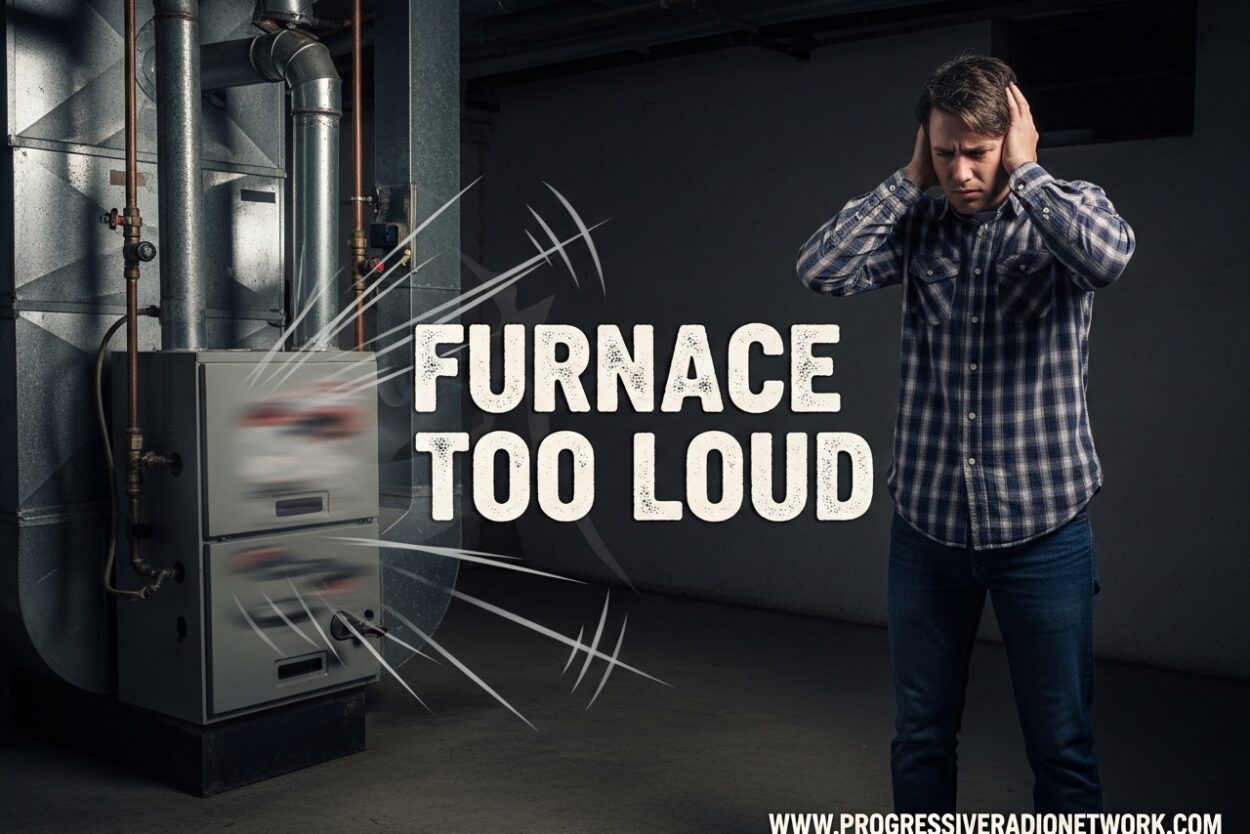
Is your furnace too loud? If you’re dealing with banging, squealing, whistling, or other concerning noises coming from your heating system, you’re not alone. A noisy furnace can disrupt your sleep, make it impossible to concentrate, and often signals underlying problems that need attention.
Most furnaces produce some sound during normal operation. You’ll typically hear a gentle hum when the blower runs and clicking sounds when the system cycles on. However, loud or unusual furnace noises often indicate issues ranging from minor maintenance needs to serious safety concerns.
Understanding what your furnace is trying to tell you can save you money, prevent breakdowns, and keep your home safe. Let’s break down the most common furnace noises, what causes them, and what you should do about each one.
Furnace Too Loud? Quick Noise Identification Guide
Before diving into detailed troubleshooting, here’s a quick reference to help you identify your furnace noise and assess its severity:
Banging or Booming: Often caused by dirty burners or delayed ignition. Can be serious if gas buildup occurs. Professional inspection recommended.
Squealing or Screeching: Usually indicates blower motor issues, worn bearings, or a loose belt. Annoying but typically not urgent. Schedule repair soon.
Grinding or Scraping: Metal-on-metal sound suggesting blower wheel or motor failure. Shut off furnace and call professional immediately.
Whistling: High-pitched whistle usually means clogged air filter or duct leaks. DIY-friendly fix. Replace filter first.
Rattling or Vibrating: Loose panels, screws, or ductwork connections. Often an easy DIY fix. Tighten components.
Humming or Buzzing: Constant hum might indicate failing capacitor or inducer motor issues. Monitor closely; professional repair likely needed.
Banging or Booming Sounds When Furnace Starts
That loud bang or boom when your furnace kicks on is one of the most alarming noises homeowners hear. This sound typically occurs when burners are dirty and gas builds up before ignition. When the gas finally ignites, it creates a small explosion.
Dirty furnace burners accumulate dust, rust, and carbon buildup over time. This debris partially blocks the gas ports, preventing proper ignition. The result is delayed ignition that causes the banging sound you hear.
The fix: Professional furnace cleaning is usually required for this issue. An HVAC technician will remove the burners, clean them thoroughly, and ensure proper gas flow. This typically costs between $100 and $200 depending on your location and furnace accessibility.
While banging burners are annoying, they can become dangerous if left untreated. The gas buildup that causes the bang can eventually damage your furnace components. In rare cases, it can create a safety hazard.
If your furnace makes banging sounds only when shutting off, the issue might be ductwork expansion. Metal ducts expand and contract as temperature changes, creating popping or banging noises. This is normal and not a cause for concern.
Squealing or Screeching Noises From Your Furnace
That high-pitched squeal or screech is hard to ignore and usually points to blower motor problems. The blower motor is responsible for circulating warm air through your home, and it contains several components that can wear out over time.
The most common cause of squealing is worn bearings in the blower motor. These bearings allow the motor shaft to spin smoothly. When they wear out, you’ll hear that characteristic squealing sound that often gets worse as the motor warms up.
Some older furnaces use a belt to drive the blower. If this belt becomes loose, worn, or misaligned, it will squeal loudly. Newer furnaces typically use direct-drive motors without belts.
What to do: Squealing from a failing blower motor won’t fix itself. The repair typically costs between $300 and $600 for a professional to replace the motor or bearings. While not an emergency, you should address this promptly before the motor fails completely, leaving you without heat.
If you’re handy and comfortable working with furnaces, you might attempt to lubricate accessible bearings on older motors. However, most modern motors are sealed and cannot be serviced. In this case, replacement is the only option.
Grinding or Scraping Furnace Sounds
Grinding or scraping noises from your furnace are concerning because they indicate metal-on-metal contact. This typically means something has come loose or is failing within the blower assembly.
The most common culprit is the blower wheel itself. This wheel spins at high speed to push air through your ductwork. If it comes loose from the motor shaft, it can scrape against the furnace housing. You’ll often hear the grinding sound change as the furnace cycles through different blower speeds.
Another possibility is a completely failed blower motor bearing. When bearings seize completely, the shaft can grind against the bearing housing. This creates a harsh grinding or scraping sound.
Immediate action needed: If you hear grinding or scraping, turn off your furnace immediately. Continuing to run it can cause extensive damage to the blower housing, heat exchanger, or other furnace components. This repair can cost $500 to $1,200 if the blower wheel and motor both need replacement.
Grinding noises are one of the few furnace sounds that warrant an immediate shutdown. Call an HVAC professional as soon as possible to prevent further damage to your system.
Whistling Sounds Coming From Furnace
A whistling furnace is usually telling you that air is moving somewhere it shouldn’t be, or it’s being forced through a restricted opening. The good news is that whistling is often one of the easiest furnace noise problems to fix.
The most common cause of whistling is a severely clogged air filter. When your filter becomes dirty and blocked, air forces its way through the smaller remaining openings. This creates a whistling or wheezing sound similar to breathing through a straw.
Quick fix: Check your air filter first. If it’s clogged with dust and debris, replace it with a new one. This simple fix costs less than $20 and takes about two minutes. Make sure to note the filter size printed on the frame so you buy the correct replacement.
If a new filter doesn’t stop the whistling, check your ductwork for loose connections or gaps. Leaky ducts can create whistling sounds as air escapes. Use metal foil tape or mastic sealant to seal any visible gaps in exposed ductwork.
In some cases, whistling indicates undersized ductwork or too many closed vents in your home. Your furnace needs proper airflow to operate quietly and efficiently. Avoid closing more than 20% of your home’s vents to maintain adequate airflow.
Rattling or Vibrating Furnace Noises
Rattling and vibrating sounds are usually the least concerning furnace noises but can still be annoying. These sounds typically indicate loose components somewhere in your heating system.
The most common source of rattling is the furnace access panels or doors. These panels cover the blower compartment and burner area. Over time, the screws holding them in place can loosen, allowing the panels to vibrate when the blower runs.
Easy DIY fix: With the furnace running, carefully press on each access panel. If the rattling stops, you’ve found the culprit. Simply tighten the screws securing the panel. This takes less than five minutes and requires only a screwdriver.
If the panels are tight but rattling persists, check the duct connections near the furnace. Loose ductwork can vibrate and create rattling sounds. Tighten any accessible duct straps or supports.
In some cases, rattling comes from objects stored near the furnace that vibrate when the system runs. Remove any items stored within three feet of your furnace to eliminate this possibility.
Persistent rattling that doesn’t originate from panels or nearby objects might indicate a loose blower motor or blower wheel. These internal components require professional diagnosis and repair.
Loud Humming or Buzzing From Furnace
All furnaces produce a gentle humming sound during normal operation. This comes from the blower motor, inducer motor, and transformer doing their jobs. However, loud or unusual humming often signals an electrical or mechanical problem.
A failing capacitor often causes loud humming from the blower motor. The capacitor provides the electrical boost needed to start the motor. When it fails, the motor might struggle to start or run inefficiently, creating a loud humming or buzzing sound.
The inducer motor, which vents exhaust gases, can also create excessive noise when failing. This small motor typically runs quietly, but a failing bearing will make it noticeably louder.
What to watch for: If the humming is accompanied by the blower not starting or running at reduced speed, a bad capacitor is likely the cause. Capacitor replacement is a relatively inexpensive repair, typically costing $150 to $250 including labor.
Transformer buzzing is another possibility. The furnace transformer steps down voltage for the control system. A failing transformer can create a loud buzzing or humming sound and eventually prevent the furnace from operating.
Electrical buzzing should be addressed promptly by a professional HVAC technician. While not immediately dangerous, failing electrical components can leave you without heat when you need it most.
Dangerous Furnace Noises That Require Immediate Action
While most furnace noises are merely annoying, some indicate serious problems that require immediate attention. Recognizing these dangerous sounds can protect your family from safety hazards.
Cracked heat exchanger: A cracked heat exchanger can produce a rumbling or vibrating sound. This is a serious safety concern because it allows carbon monoxide to enter your home’s air supply. If you suspect a cracked heat exchanger, turn off your furnace immediately and call a professional.
Carbon monoxide is odorless, colorless, and deadly. Every home should have working CO detectors on each level, especially near sleeping areas. Test your detectors monthly and replace batteries annually.
Delayed ignition banging: While we mentioned banging earlier, repeatedly loud booms indicate excessive gas buildup before ignition. This can damage your furnace and creates a potential explosion hazard. Professional service is urgently needed.
Scraping metal sounds: As discussed, grinding or scraping indicates serious mechanical failure. Continued operation can cause extensive damage to your furnace and potentially create fire hazards from overheating components.
If you ever smell gas near your furnace, leave your home immediately and call your gas company’s emergency line from outside. Don’t turn any electrical switches on or off, and don’t use your phone inside the house.
DIY Furnace Noise Fixes You Can Try Safely
Not every furnace noise requires a professional service call. Several common noise problems have simple DIY solutions that homeowners can safely tackle.
Replace your air filter: This is the single most effective DIY furnace maintenance task. A clogged filter causes whistling, reduces efficiency, and can damage your furnace. Check your filter monthly and replace it at least every three months. Homes with pets or allergies may need monthly replacements.
Tighten access panels: As mentioned, loose panels cause rattling. Inspect all screws and fasteners on your furnace cabinet. Tighten any that have loosened over time. This takes just a few minutes and often solves persistent rattling.
Check your thermostat: Sometimes the noise isn’t coming from the furnace at all. A malfunctioning thermostat can cause your furnace to short-cycle, creating frequent on-off noises. Replace batteries and check for loose wiring connections.
Inspect visible ductwork: Look for disconnected or loose duct sections near your furnace. Seal small gaps with metal foil tape and support sagging ducts with proper straps. This improves both noise and efficiency.
Clear the area around your furnace: Ensure nothing is touching or vibrating against your furnace. Maintain at least three feet of clearance on all sides. This prevents objects from amplifying or mimicking furnace noises.
Never attempt to work on gas lines, electrical components, or internal furnace parts. These repairs require professional training and equipment. Your safety is worth the service call.
When to Call a Professional HVAC Technician
Knowing when to tackle furnace repairs yourself and when to call a pro can save you money and prevent dangerous situations. Some furnace noises definitely warrant professional attention.
Call a professional if: You hear grinding or scraping metal sounds, your furnace makes loud banging or booming noises, you smell gas near your furnace, the furnace stopped working after making a loud noise, or you’re unsure about any aspect of furnace repair.
Professional HVAC technicians have the training, tools, and experience to safely diagnose and repair furnace problems. They can identify issues that might not be obvious to homeowners and recommend the most cost-effective solutions.
What is the $5000 rule for furnace? This common guideline suggests that if your furnace repair costs exceed $5,000, you should consider replacement instead. However, most furnace repairs cost significantly less than this threshold. Typical repairs range from $100 for simple fixes to $1,500 for major component replacements.
When hiring an HVAC technician, look for licensed, insured professionals with good reviews. Get multiple quotes for expensive repairs, and ask about warranties on both parts and labor. A reputable technician will explain the problem clearly and provide options rather than pushing unnecessary replacements.
Prevent Furnace Noise With Regular Maintenance
The best way to deal with furnace noise is to prevent it from starting in the first place. Regular maintenance keeps your furnace running quietly and efficiently for years.
Annual professional tune-ups: Schedule a professional furnace inspection and cleaning each fall before heating season begins. During this visit, the technician will clean burners, inspect the heat exchanger, check electrical connections, lubricate moving parts, and identify potential problems before they cause noise or failure.
Monthly filter checks: Make air filter replacement part of your regular routine. Set a reminder on your phone to check your filter on the first day of each month. It only takes a minute and can prevent numerous problems.
Keep vents clear: Ensure all supply and return vents are unobstructed by furniture, curtains, or rugs. Blocked vents increase pressure in your ductwork and can cause whistling or other noises. They also reduce efficiency and comfort.
Monitor your furnace: Pay attention to how your furnace normally sounds and operates. You’ll be better equipped to notice changes that might indicate developing problems. Early detection often means simpler, less expensive repairs.
Consider a newer furnace: If your furnace is more than 15 years old and making noise, replacement might be more cost-effective than continued repairs. Modern furnaces are significantly quieter and more efficient than older models.
By following these maintenance guidelines, you can extend your furnace’s lifespan, improve energy efficiency, and enjoy quiet, reliable heating for years to come.
Frequently Asked Questions
How can I make my furnace quieter?
Start by replacing a clogged air filter, which often causes whistling noises. Tighten loose access panel screws that cause rattling. Ensure vents aren’t blocked and maintain three feet of clearance around the furnace. For persistent noise from blower motors or burners, professional cleaning or component replacement is needed. Regular annual maintenance prevents most noise issues.
Why is my furnace so loud when it runs?
Loud furnace operation usually indicates specific problems based on the noise type. Squealing suggests blower motor or bearing issues. Banging often means dirty burners causing delayed ignition. Whistling typically indicates a clogged air filter. Rattling usually comes from loose panels or components. Grinding signals serious mechanical problems requiring immediate shutdown and professional repair.
What is the $5000 rule for furnace?
The $5000 rule states that if your furnace repair costs would exceed $5,000, replacement is usually more cost-effective than repair. However, most furnace repairs cost between $100 and $1,500, well below this threshold. Factors like furnace age, efficiency, and repair history should also influence your repair vs. replace decision.
Can I fix a noisy furnace myself?
Some furnace noise problems are safe DIY fixes, including replacing clogged air filters, tightening loose access panel screws, and sealing visible duct gaps. However, never attempt repairs involving gas lines, electrical components, or internal furnace parts. Grinding, banging, and scraping sounds always require professional diagnosis. When in doubt, call an HVAC technician.
Is a loud furnace dangerous?
Some loud furnace noises indicate serious safety hazards. Banging from delayed ignition can damage your furnace and create explosion risks. Rumbling from a cracked heat exchanger allows carbon monoxide into your home. Scraping metal sounds can cause fires from overheating components. Install carbon monoxide detectors and immediately shut off furnaces making these sounds. Always prioritize safety with furnace noises.
Why does my furnace sound like a jet engine?
Jet engine-like sounds from your furnace usually indicate restricted airflow or a failing blower motor. High-efficiency furnaces with variable-speed motors often run at higher speeds than older models, creating more noise. Check your air filter first—a clogged filter is the most common cause. If the filter is clean, the blower motor or its capacitor may be failing and need professional replacement.
Why is my furnace louder at night?
Furnace noise often seems worse at night due to lower background noise levels in your home. However, some furnaces do run louder at night if they’re working harder to maintain temperature. Check your thermostat settings—lower nighttime setbacks can cause longer run times. Duct expansion noises from temperature changes might also be more noticeable in quiet nighttime conditions.
Conclusion
A furnace that’s too loud is more than just a nuisance—it’s often a warning sign that something needs attention. By identifying the type of noise and understanding its cause, you can take appropriate action to fix the problem and prevent further damage.
Remember that some furnace noises are normal and harmless. Gentle humming during operation and soft clicking at startup are typical. However, loud banging, squealing, grinding, whistling, or persistent rattling all indicate problems that should be addressed.
Simple fixes like replacing a clogged air filter or tightening loose panels can solve many noise issues. For more serious problems involving blower motors, burners, or heat exchangers, professional repair is the safest choice. The cost of prompt repair is almost always less than the cost of ignoring the problem until it causes a complete breakdown.
Regular maintenance is your best defense against furnace noise. Annual professional tune-ups, monthly filter checks, and keeping vents clear will keep your furnace running quietly and efficiently for years to come. If you’re unsure about any furnace noise, err on the side of caution and call a professional HVAC technician.
Your furnace works hard to keep your home comfortable. Taking care of it with timely repairs and regular maintenance will ensure it continues to do so quietly and reliably for years to come.
Leave a Comment