
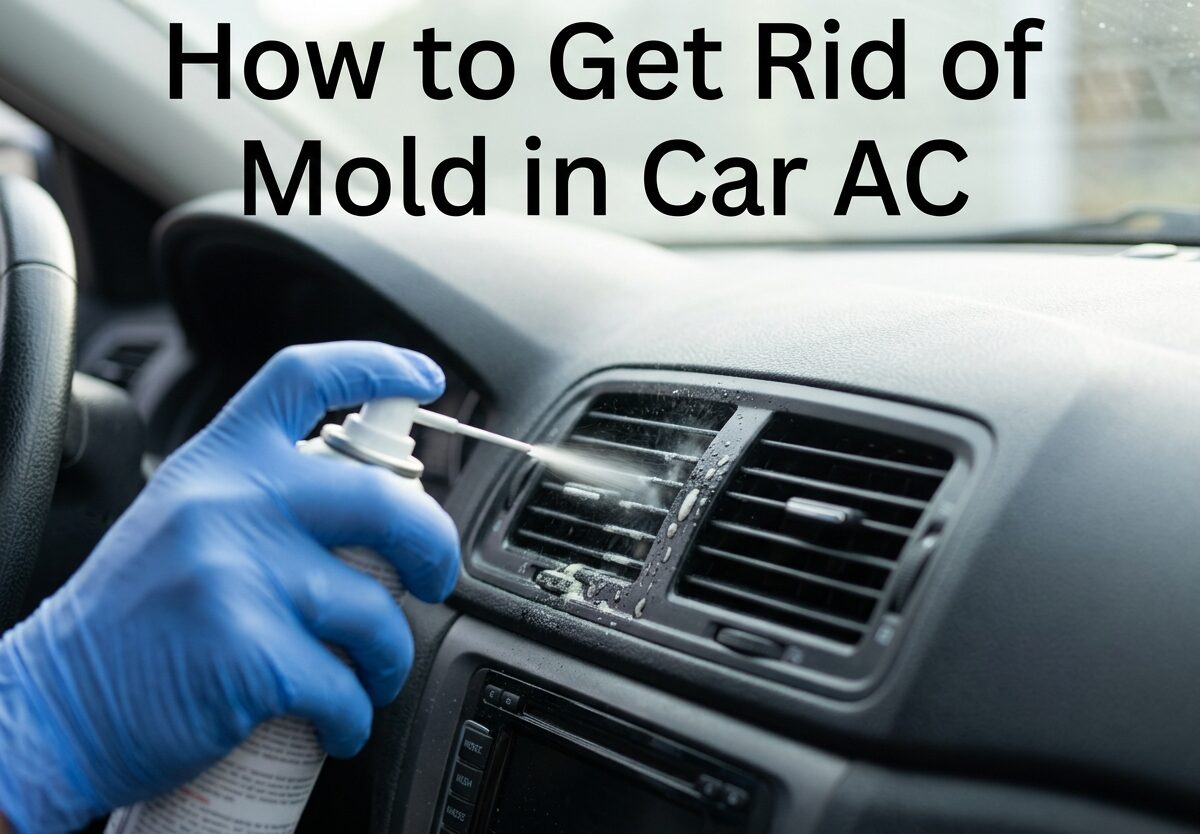
That musty smell hitting you when you turn on your car’s air conditioning isn’t just unpleasant—it’s a sign something is growing inside your HVAC system. Learning how to get rid of mold in car AC vents can save you from breathing in mold spores every time you drive and prevent the embarrassing situation of passengers asking what that smell is.
I’ve dealt with this issue personally in multiple vehicles, and after researching the most effective methods and speaking with mechanics, I’ve compiled everything you need to know about eliminating car AC mold for good.
Why Mold Grows in Your Car AC
Your car’s air conditioning system creates the perfect breeding ground for mold and bacteria. Here’s what happens: when you run your AC, the evaporator coil (which looks like a small radiator) gets extremely cold, causing moisture from the air to condense on its surface—just like water droplets form on a cold soda can on a hot day.
This water should drain away through a tube and out underneath your car. But when some water remains trapped in the dark, warm environment behind your dashboard, mold and mildew begin growing within 24-48 hours. The problem gets worse in humid climates or if you rarely use your AC, allowing stagnant moisture to sit for extended periods.
Why does this matter? Breathing in mold spores can trigger allergies, asthma attacks, and respiratory issues. Plus, that musty smell only gets stronger over time as the mold colony expands throughout your ventilation system.
What Causes Mold to Grow in Car AC Systems
Understanding the root causes helps you prevent mold from returning after treatment. The primary culprit is the evaporator core located inside your dashboard. This component is responsible for cooling the air before it enters your cabin, but it also produces significant condensation during operation.
Several factors contribute to mold growth in car AC systems:
Excess Condensation: The evaporator naturally produces water as it cools air. If your condensate drain tube becomes clogged with debris, this water backs up and creates a stagnant pool where mold thrives.
Clogged Cabin Air Filter: Most modern cars have a cabin air filter that cleans incoming air. When this filter gets dirty, it restricts airflow and can trap moisture, becoming a breeding ground for mold itself.
Infrequent AC Use: Ironically, not using your AC enough can cause problems. Running the AC helps circulate refrigerant and prevents moisture from stagnating in the system. Vehicles that sit for weeks at a time are especially prone to mold issues.
High Humidity: If you live in a humid climate, your AC works harder and produces more condensation. More moisture means more opportunities for mold to establish itself.
Running AC Without Proper Ventilation: Constantly using the recirculation mode traps already-cooled air inside the cabin but also traps moisture, creating a humid environment perfect for mold growth.
Signs You Have Mold in Your Car AC
Before diving into cleaning methods, let’s confirm you actually have a mold problem. Here are the telltale signs:
Musty or Mildew Smell: This is the most obvious indicator. That distinct earthy, damp odor that hits you when you first turn on the AC—especially on hot days—is a sure sign mold is present. The smell may be worse when the AC first starts up and improve slightly after running for a few minutes.
Allergic Reactions While Driving: If you notice yourself sneezing, coughing, or experiencing itchy eyes specifically when the AC is running, you might be reacting to mold spores being circulated through the vents. Some people report headaches or fatigue after driving with the AC on.
Visible Mold Around Vents: In severe cases, you might actually see black or dark specks around the vent openings. This indicates a significant mold problem that needs immediate attention.
Reduced Airflow: If your AC isn’t blowing as strong as it used to, mold buildup on the evaporator or a mold-clogged cabin filter could be restricting airflow. This often happens gradually, so you might not notice until the problem is severe.
Smell Worse on Humid Days: Mold thrives in humidity, so you’ll notice the odor is much more intense on rainy or muggy days. This is because the moisture activates the mold and causes it to release more volatile organic compounds (VOCs) into the air.
How to Get Rid of Mold in Car AC
Now let’s get to the solution. I’ve tested multiple methods, and here’s the most effective step-by-step process for eliminating car AC mold:
Step 1: Gather Your Supplies
You don’t need expensive equipment for most mold problems. For basic treatment, you’ll need: a disinfectant spray (Lysol or a specialized AC treatment), a new cabin air filter (if your car has one), a screwdriver (for filter access), and gloves for protection. For deeper cleaning, you might need socket wrenches to access the blower motor.
Step 2: Spray Disinfectant into the Intake Vent
This is the most common DIY method and works for mild to moderate mold issues. Locate the exterior air intake vent—usually at the base of the windshield outside the car, often under the plastic cowl. Start your car and turn the AC to maximum with the fresh air mode (not recirculation). Windows should be down for ventilation.
Spray the disinfectant directly into the intake vents while the AC is running full blast. Use the entire can according to instructions. The AC will pull the disinfectant through the evaporator core, killing mold and bacteria throughout the system. Let it run for 5-10 minutes after spraying.
Step 3: Replace Your Cabin Air Filter
This step is crucial and often overlooked. Your old filter is likely contaminated with mold spores and will re-contaminate your freshly cleaned system. Cabin filters are usually located behind the glove box or under the dashboard—check your owner’s manual for exact location. Replace it with a new filter, preferably one with antimicrobial properties.
Step 4: Run the AC System
After treatment, keep the AC running on high for at least 15 minutes with windows down to thoroughly ventilate the system. This helps dry out any remaining moisture and distributes the disinfectant throughout all ductwork.
Step 5: Deep Clean Option (For Stubborn Cases)
If the smell persists after the spray treatment, you may need direct access to the evaporator core. On many vehicles, you can remove the blower motor (usually held by 3-4 bolts) to gain access to the evaporator. This allows you to visually inspect for mold and clean it directly with a coil cleaner and brush. This method requires some mechanical skill but is much more effective than spray treatments alone.
Step 6: Check and Clear the Condensate Drain
Locate the condensate drain tube underneath your vehicle (usually on the passenger side near the firewall). Use a flexible wire or compressed air to clear any blockages. Proper drainage is essential to prevent moisture from pooling and mold from returning.
Step 7: Test and Verify
Let the car sit for a few hours, then test the AC again. If you still notice an odor, repeat the disinfectant spray process or consider professional treatment for severe cases.
Products That Kill Mold in Car AC
Not all products are equally effective against car AC mold. Based on real-world testing and user experiences, here are the options that actually work:
Lysol Disinfectant Spray: The most popular DIY solution and for good reason—it’s inexpensive and effective. The original formula or variants labeled “antibacterial” work best. Spray it into the exterior intake vents while the AC runs on high. Users report success rates around 70-80% for mild to moderate mold problems.
Specialized AC Treatments: Products like Kool-It, Frigi-Fresh, and BG Frigi Fresh are formulated specifically for automotive HVAC systems. These contain stronger antimicrobial agents designed to penetrate the evaporator coils. They cost more than Lysol ($15-25 per can) but have higher success rates for stubborn cases.
Ozium Air Sanitizer: Originally developed for hospitals, Ozium is effective at killing airborne bacteria and mold spores. It’s great as a supplemental treatment after cleaning but doesn’t penetrate the evaporator as well as spray treatments designed for AC systems.
Enzyme-Based Cleaners: Products containing enzymes actually digest organic matter (mold, bacteria) rather than just killing it. These can be especially effective for stubborn cases but may require multiple applications. They’re generally more expensive but provide longer-lasting results.
What to Avoid: Avoid air fresheners or odor maskers—they don’t kill mold and can actually make the problem worse by adding more moisture to the system. Also avoid bleach, which can damage your AC components and corrode metal parts.
DIY vs Professional Cleaning Costs
The cost difference between DIY and professional mold removal is substantial, which explains why so many car owners attempt to fix the problem themselves.
DIY Cost: $10-50 for basic supplies (disinfectant spray, new cabin filter). This method takes 30-60 minutes and works for about 70-80% of cases. If you need specialized AC treatment products, budget $20-40 total.
Professional Detailing: $100-300 for a thorough AC system cleaning. Detailers have access to professional-grade equipment and can reach areas that DIY methods can’t. This typically includes fogging treatments that penetrate the entire system.
Dealer HVAC Service: $200-600 for complete evaporator cleaning or replacement. This is the most expensive option but may be necessary for severe cases where mold has penetrated deeply or if the drain system needs professional repair.
My recommendation? Start with the DIY method—it’s inexpensive and often sufficient. Only upgrade to professional cleaning if the problem persists after multiple DIY attempts.
How to Prevent Mold from Returning
Treating existing mold is only half the battle. Prevention is key to keeping your car’s AC smelling fresh long-term. These habits have saved me from repeated mold issues:
Run the Fan Before Turning Off Your Car: This is the single most effective prevention method. Before you reach your destination, turn off the AC but leave the fan running for 2-3 minutes. This dries out the evaporator coil by circulating ambient air, removing the moisture that mold needs to grow. I do this every time I drive, and I haven’t had a mold recurrence in over two years.
Replace Your Cabin Filter Regularly: Check your owner’s manual, but most cabin filters should be replaced every 12,000-15,000 miles or once a year. A clean filter prevents mold spores from entering the system and maintains proper airflow to reduce moisture buildup.
Use Your AC Regularly: Even in cooler months, run your AC for a few minutes weekly. This keeps refrigerant circulating, prevents stagnation, and helps the system stay dry. Many people don’t realize the AC runs automatically when you use the defroster—this is actually good for preventing mold.
Avoid Constant Recirculation Mode: While recirculation cools your car faster, it traps moisture inside. Use fresh air mode when you first start the car, then switch to recirculation once the cabin is cool. This allows humid air to escape rather than getting trapped.
Park in Sunlight When Possible: UV rays from sunlight naturally kill mold and bacteria. Parking in direct sunlight (with windows cracked slightly) helps dry out your interior and reduces overall humidity in the vehicle.
Schedule Annual Professional Cleaning: Even if you don’t have noticeable mold issues, having your AC system professionally cleaned annually as part of routine maintenance prevents problems before they start. Many shops include this in their AC service packages.
Health Risks of Car AC Mold
It’s important to understand that mold in your car’s AC isn’t just an odor problem—it’s a legitimate health concern, especially for those with respiratory conditions.
Respiratory Issues: Breathing mold spores can irritate your lungs and airways, causing coughing, wheezing, and shortness of breath. This is particularly dangerous for people with asthma or COPD, as mold exposure can trigger severe attacks.
Allergic Reactions: Many people are allergic to mold without realizing it. Symptoms include sneezing, runny nose, itchy eyes, and skin irritation. If these symptoms improve when you’re not in your car, your AC system might be the culprit.
Headaches and Fatigue: Mold releases volatile organic compounds (VOCs) that can cause headaches, dizziness, and fatigue. These symptoms are often worse in newer cars with tighter seals and less ventilation.
Long-Term Exposure Risks: Prolonged exposure to mold spores can sensitize your immune system, making you more allergic over time. Children, elderly individuals, and those with compromised immune systems are especially vulnerable.
If you experience persistent symptoms that improve when you’re not driving, consult a healthcare provider. In the meantime, addressing the mold problem in your car’s AC should be a priority for your health and safety.
Frequently Asked Questions
How expensive is it to clean a car AC of mold?
DIY cleaning costs $10-50 for disinfectant spray and a new cabin filter. Professional detailing runs $100-300, while dealer HVAC service can cost $200-600. Most cases can be resolved with the inexpensive DIY method.
Do car detailers get rid of mold?
Yes, professional car detailers offer AC system cleaning services using specialized fogging equipment and antimicrobial treatments. They can reach areas DIY methods can’t and typically charge $100-300 for thorough mold removal.
What kills mold in an AC unit?
Antibacterial products like Lysol, specialized AC treatments (Kool-It, Frigi-Fresh), and enzyme-based cleaners effectively kill mold in car AC systems. Spray these into the exterior intake vents while the AC runs on high to treat the entire system.
How to tell if car AC has mold?
The most common sign is a musty or mildew smell when you first turn on the AC. Other indicators include allergic reactions while driving, reduced airflow, visible dark specks around vents, and smells that worsen on humid days.
Conclusion
Learning how to get rid of mold in car AC systems is an essential skill for any car owner. The problem is common, especially in humid climates, but it’s entirely preventable and treatable with the right approach.
Start with the DIY disinfectant spray method—it’s inexpensive and effective for most cases. Replace your cabin air filter, check your drain system, and adopt the habit of running your fan before turning off the car. These simple steps can prevent mold from returning and keep your car’s interior smelling fresh.
If the problem persists after multiple DIY attempts, don’t hesitate to seek professional help. The cost is worth it for your health and comfort. Remember, breathing clean air in your car isn’t just about eliminating an unpleasant smell—it’s about protecting your respiratory health every time you drive.





Leave a Comment