
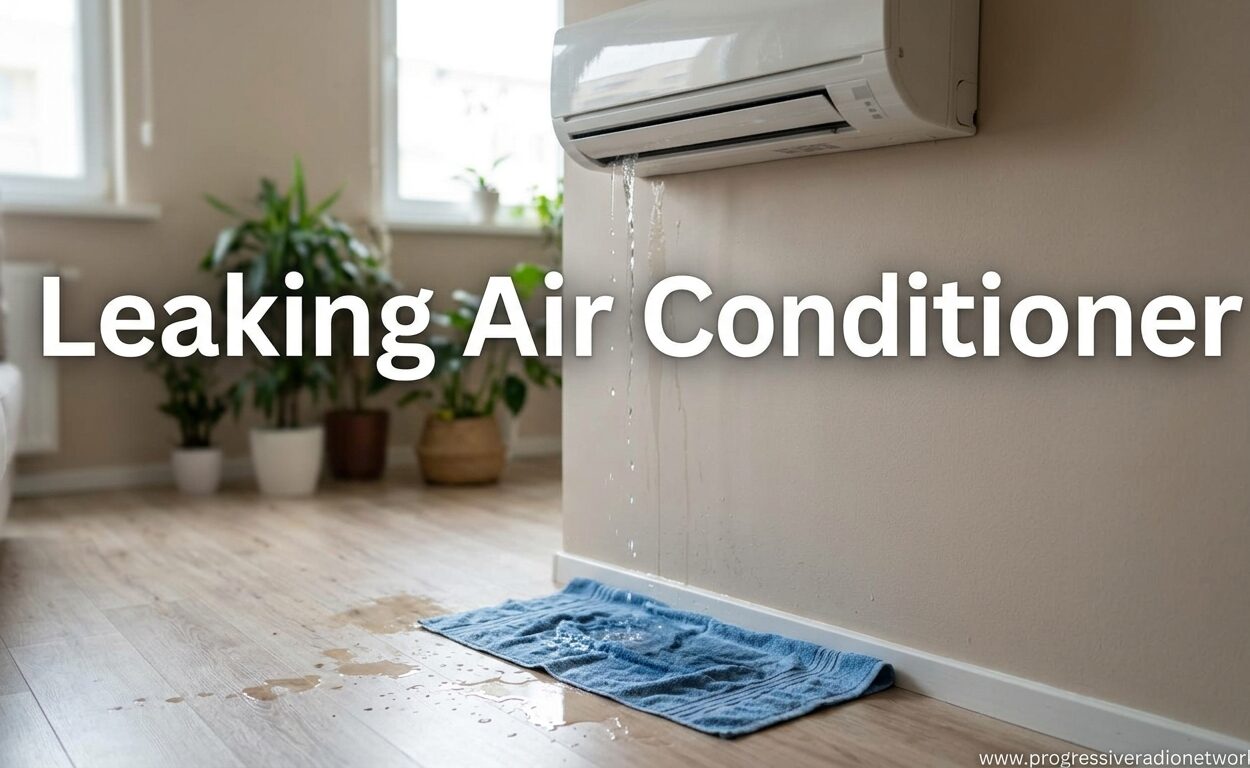
Water pooling around your air conditioner is never a welcome sight. I’ve seen homeowners panic when they notice their AC leaking water, worrying about expensive repairs or water damage to their home. The good news is that most leaking air conditioner problems have straightforward solutions once you understand what’s causing the issue.
In this guide, I’ll walk you through everything you need to know about why air conditioners leak water, how to diagnose the problem yourself, and when it’s time to call in a professional. Whether you have a central AC system, a window unit, or a portable air conditioner, understanding these common issues can save you time, money, and frustration.
Why Is My Leaking Air Conditioner Dripping Water?
Before we dive into the specific causes, it’s important to understand that some water production is completely normal. Your air conditioner works by removing heat and humidity from your indoor air. As warm air passes over the cold evaporator coils, moisture condenses on the coils—just like water droplets form on a cold glass of iced tea on a hot day.
This condensation drips into a drain pan and flows out through the condensate drain line. Under normal conditions, you might see 5-20 gallons of water drained per day depending on humidity levels. Problems arise when something disrupts this drainage process, causing water to back up and leak into your home instead of draining properly outside.
How Your Air Conditioner Produces Water
Understanding the basics of how your AC creates water helps you identify when something is wrong. The cooling process naturally produces condensation as a byproduct. Warm indoor air contains water vapor in the form of humidity. When this air contacts the cold evaporator coil (typically around 40F), the water vapor condenses into liquid droplets.
In a properly functioning system, this water collects in the drain pan beneath the evaporator coil and flows through the condensate drain line to the outside of your home or into a floor drain. The entire system relies on gravity and sometimes a condensate pump to keep water moving away from your unit. When any component in this chain fails, you end up with a leaking air conditioner.
Top 7 Causes of a Leaking Air Conditioner
Based on my research and HVAC industry data, these are the most common reasons your air conditioner might be leaking water:
- Clogged condensate drain line – The number one cause of AC leaks. Dirt, dust, mold, and algae can accumulate in the drain pipe over time, completely blocking water flow. This causes water to back up into the drain pan and overflow into your home.
- Dirty or clogged air filter – A restricted filter reduces airflow over the evaporator coil. When insufficient air passes through, the coil temperature drops below freezing and ice forms. When the AC cycles off, this ice melts and overwhelms the drain system with excess water.
- Frozen evaporator coil – Low refrigerant levels, dirty coils, or poor airflow can cause the evaporator coil to freeze solid. The resulting ice buildup can crack components or cause massive water overflow when it eventually melts.
- Cracked or rusted drain pan – Over time, the drain pan beneath your evaporator coil can corrode, rust, or develop cracks—especially in units over 10 years old. Water simply leaks through these damaged areas instead of draining properly.
- Broken condensate pump – If your AC unit uses a pump to move water (common in basements or attics), a failed pump motor or float switch will cause water to back up and overflow. Pump failures typically require professional replacement.
- Low refrigerant levels – When refrigerant is low, pressure in the system drops and the evaporator coil runs much colder than designed. This causes freezing and subsequent leaking. Low refrigerant also means your AC isn’t cooling efficiently.
- Improper installation – Units installed without the correct tilt (typically a slight downward angle toward the drain) won’t drain properly. Incorrect drain line sizing or missing insulation can also contribute to leaking problems.
How to Fix a Leaking Air Conditioner: Step-by-Step Guide
Before attempting any DIY repairs, I recommend turning off your AC unit to prevent further water damage and electrical hazards. Here’s my systematic approach to troubleshooting and fixing a leaking air conditioner:
Step 1: Turn off the AC unit immediately. This prevents additional water damage and gives ice time to melt if frozen coils are the issue. Switch off the breaker for safety before inspecting any electrical components.
Step 2: Check for ice on the evaporator coil. Remove the access panel and look at the coils. If you see ice or frost, you’re dealing with a freezing issue. Allow the ice to melt completely before proceeding—this can take several hours.
Step 3: Inspect and replace the air filter. A clogged filter is one of the easiest problems to fix. If your filter looks dirty and you can’t see light through it, replace it with a new one. This simple step resolves many leaking issues and should be done every 1-3 months anyway.
Step 4: Clean the condensate drain line. Locate the drain line (typically a PVC pipe near the outdoor unit). Use a wet/dry vacuum to suck out any clogs, or flush the line with a mixture of vinegar and water to kill algae buildup. For stubborn clogs, a plumber’s snake can clear the blockage.
Step 5: Check the drain pan for damage. Inspect the pan under the evaporator coil for cracks, rust holes, or misalignment. Small cracks can sometimes be sealed with waterproof epoxy, but severely damaged pans usually need professional replacement.
Step 6: Test the condensate pump. If your system uses a pump, pour water into the pump reservoir to see if it activates and properly pumps the water out. No response means the pump or float switch needs replacement—a job best left to professionals.
Step 7: Know when to call a professional. If you’ve completed these steps and the leak persists, or if you discover refrigerant issues, electrical problems, or a completely failed condensate pump, it’s time to contact a licensed HVAC technician. Some repairs require specialized tools and EPA certification for refrigerant handling.
Is a Leaking Air Conditioner an Emergency?
Not all AC leaks constitute an emergency, but some situations require immediate professional attention. Emergency situations include: water leaking near electrical components or outlets, extensive water already damaging walls, ceilings, or flooring, or if you suspect a refrigerant leak (which presents health risks). In these cases, turn off the system immediately and contact an HVAC professional.
Non-emergency situations include: small amounts of water that you can contain with towels, leaks that have just started and are minimal, or situations where the AC is still cooling effectively despite the leak. These can often be addressed with DIY troubleshooting or scheduled during regular business hours for professional repair.
AC Leak Repair Costs: What to Expect
Understanding potential repair costs helps you make informed decisions about your leaking air conditioner. DIY fixes like changing air filters or cleaning drain lines cost between $10-50 in materials—minimal investment that can resolve many issues.
Professional repair costs vary by problem: condensate drain line cleaning ($100-$200), drain pan replacement ($300-$600), condensate pump replacement ($400-$700), refrigerant recharge and leak repair ($200-$600 depending on the extent of the leak), and evaporator coil replacement ($1,000-$2,500).
The $5000 rule for HVAC suggests that if the cost of repairs approaches 50% of a new system’s value (roughly $5,000 for a typical central AC installation), you should strongly consider replacement rather than repair—especially if your unit is over 10 years old. This rule accounts for the fact that newer systems offer improved efficiency and come with fresh warranties.
How to Prevent Your Air Conditioner from Leaking
Prevention is always more cost-effective than repair. Here are my top recommendations for keeping your AC leak-free:
- Change air filters regularly – Every 1-3 months depending on usage and household factors like pets or allergies. Clean filters ensure proper airflow and prevent coil freezing.
- Schedule annual professional maintenance – A qualified technician will clean coils, check refrigerant levels, inspect drain lines, and identify potential problems before they cause leaks.
- Keep the condensate drain line clear – Monthly, pour a cup of vinegar down the drain line to kill algae and prevent buildup. This simple maintenance task can prevent the most common cause of AC leaks.
- Monitor for early warning signs – Watch for reduced cooling performance, unusual sounds, musty odors (indicating mold growth), or any visible moisture around your indoor unit. Addressing small issues early prevents major water damage.
- Consider a float switch installation – This safety device shuts off your AC if the drain pan overflow is detected, preventing water damage. It’s a worthwhile investment of $100-$150 for peace of mind.
Frequently Asked Questions About Leaking Air Conditioners
How do I stop my air conditioner from leaking?
First, turn off your AC unit to prevent further damage. Check and replace a dirty air filter if needed. Inspect the condensate drain line for clogs and clean it with vinegar or a wet/dry vacuum. If the drain pan is cracked, it may need replacement. For frozen coils, allow them to melt completely before restarting. If these DIY steps don’t resolve the issue, contact a professional HVAC technician.
Can I still run my AC if it’s leaking water?
I recommend turning off your AC if it’s leaking water. Running a leaking unit can cause extensive water damage to your home, promote mold growth, and potentially create electrical hazards. Small leaks might seem minor, but they can quickly escalate. Turn off the system and identify the cause before running it again. If you must use AC temporarily, place towels under the unit and monitor closely, but this should only be a short-term solution.
How expensive is it to fix an AC leak?
Repair costs vary widely depending on the cause. DIY fixes like changing filters or cleaning drain lines cost $10-50. Professional drain line cleaning runs $100-200. Drain pan replacement costs $300-600. A new condensate pump ranges from $400-700. Refrigerant leak repairs cost $200-600. Complete coil replacement can reach $1,000-2,500. Always get multiple quotes for expensive repairs and consider the $5000 rule if your unit is over 10 years old.
Should I be worried if my AC is leaking?
Yes, you should address any AC leak promptly. Even small leaks can cause water damage, mold growth, and structural issues over time. Leaks near electrical components pose safety hazards. Refrigerant leaks present health risks and indicate system problems. However, not all leaks are emergencies. Small, contained leaks that just started can usually be addressed without panic. The key is taking action quickly to prevent the problem from worsening and causing more extensive damage to your home.
What is the $5000 rule for HVAC?
The $5000 rule is a guideline for deciding whether to repair or replace your air conditioning system. If the cost of repairs approaches 50% of a new system’s value (approximately $5,000 for a typical central AC installation), replacement becomes the smarter financial choice. This is especially true for units over 10 years old, as newer systems offer better efficiency and come with full warranties. The rule accounts for diminishing returns on investing in aging equipment that may soon need additional repairs.
Is a leaking AC unit an emergency?
Some leaking situations require emergency service, while others can wait. Emergency situations include water leaking near electrical components, extensive water already damaging your home, or suspected refrigerant leaks (which can be harmful to health). These require immediate professional attention. Non-emergency situations include small contained leaks that just started, especially if the AC is still cooling properly. When in doubt, turn off the unit and call a professional rather than risking further damage or safety hazards.
Can I sleep in my house with a refrigerant leak?
No, I don’t recommend sleeping in your house if you suspect a refrigerant leak. Refrigerant leaks can cause health issues including headaches, dizziness, nausea, and in severe cases, breathing difficulties. Refrigerant displaces oxygen, which is particularly dangerous in closed bedrooms. If you notice hissing sounds, ice on refrigerant lines, or reduced cooling performance combined with any health symptoms, evacuate the area and contact an HVAC professional immediately. Don’t take chances with your health.
Are HVAC leaks covered by insurance?
Standard homeowners insurance typically doesn’t cover the AC leak repair itself or the cost of fixing your air conditioning system. However, insurance may cover water damage to your home caused by sudden and accidental leaks—like if a sudden pipe burst damages your ceiling or flooring. Gradual leaks from lack of maintenance are usually considered preventable and aren’t covered. Coverage varies by policy, so check with your insurance provider. Flood insurance specifically excludes water damage from plumbing and HVAC systems. Document all damage with photos for potential claims.
Conclusion: Don’t Ignore a Leaking Air Conditioner
A leaking air conditioner is more than just a nuisance—it’s a warning sign that needs attention. Whether you’re dealing with a simple clogged drain line or a more serious issue like a failed condensate pump, addressing the problem promptly can prevent extensive water damage and more expensive repairs down the road.
Most homeowners can handle basic troubleshooting like filter changes and drain line cleaning themselves. But knowing when to call a professional is just as important. If you’re uncomfortable with any repair or if the leak persists after your DIY efforts, there’s no shame in calling a licensed HVAC technician. Your comfort and your home’s safety are worth the investment.
Remember that prevention is always the best strategy. Regular filter changes, annual maintenance, and keeping an eye on your system’s performance can help you avoid most leaking problems altogether. Stay cool, stay dry, and keep your AC running efficiently all season long.




Leave a Comment