
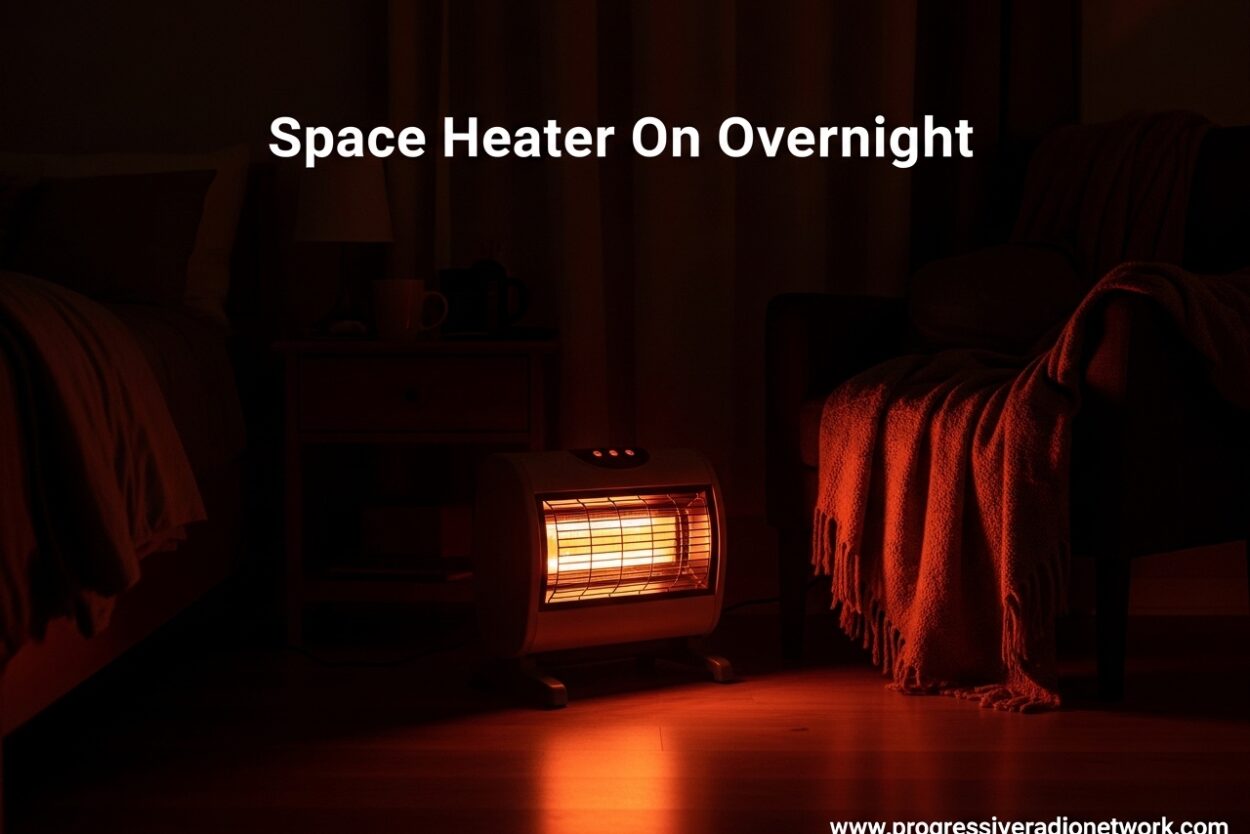
Can you leave a space heater on overnight? The short answer is no—fire safety experts and government agencies strongly advise against running space heaters while you sleep. Space heaters cause approximately 1,700 residential fires, 70 deaths, and 160 injuries annually in the United States, with most incidents occurring during overnight operation when no one is awake to respond to problems.
Many people consider using a space heater on overnight to stay warm during cold winter months. Whether you’re dealing with a broken furnace, trying to save on heating bills, or living in an older home with poor insulation, the temptation to run a portable heater while sleeping is understandable. However, the risks significantly outweigh the convenience.
In this comprehensive guide, I’ll explain exactly why leaving a space heater on overnight is dangerous, what specific hazards you face, and what safer alternatives exist for keeping your bedroom warm at night. After researching fire safety statistics, electrical requirements, and real experiences from homeowners and electricians, I’ll give you actionable safety protocols if you absolutely must use supplemental heating.
Can I Leave a Space Heater on Overnight?
No, you should not leave a space heater on overnight. Fire safety organizations including the National Fire Protection Association (NFPA) and Consumer Product Safety Commission (CPSC) explicitly recommend against running space heaters while sleeping or leaving them unattended. The primary concern is fire risk—space heaters are involved in 43% of home heating fires despite being used in only 32% of homes, making them disproportionately dangerous compared to central heating systems.
The danger comes from multiple factors: space heaters can tip over, malfunction, overheat, or ignite nearby flammable materials like bedding, curtains, or clothing. When you’re asleep, you can’t smell smoke, hear unusual sounds from the heater, or respond quickly if something goes wrong. This delay in response time is what makes overnight operation particularly deadly.
Space Heater On Overnight: Fire Hazards and Statistics
Space heater fires are more common and deadly than many people realize. According to NFPA data, space heaters account for approximately 1,700 residential fires each year in the United States. These fires result in about 70 deaths annually and 160 injuries requiring medical treatment. The statistics become even more alarming when you consider that most of these fires occur between December and February, during peak heating season.
What makes these numbers particularly concerning is that space heater fires tend to be more deadly than other types of residential fires. When space heaters start fires overnight, the victims are often asleep and don’t discover the fire until smoke has already filled the room. The combination of delayed detection and rapid fire spread creates a dangerous situation that accounts for the disproportionate death rate.
How Space Heater Fires Start
Space heater fires typically start through one of several mechanisms. The most common cause is placing the heater too close to flammable materials—bedding, curtains, furniture, or clothing that can ignite from the heat output. The NFPA recommends maintaining a three-foot clearance zone around space heaters, but this rule is frequently violated in bedrooms where space is limited.
Another common fire cause is electrical malfunction. Space heaters draw significant power—typically 1,500 watts or 12.5 amps— which can overload circuits, melt outlets, or cause wiring to overheat. Older homes with outdated wiring are particularly susceptible to this type of fire. Extension cords, which should never be used with space heaters, can overheat and ignite when forced to handle the high current draw.
Tip-over incidents represent a third major fire cause. If a space heater falls onto carpet, bedding, or other combustible materials, the heating element can quickly ignite these surfaces. While many modern heaters include tip-over shut-off switches, these safety features can fail, and older models may lack them entirely.
How Long Does It Take for a Space Heater to Start a Fire?
A space heater can start a fire in as little as 3 to 5 minutes under the right conditions. If a heater tips over onto flammable material, or if bedding falls against a hot heating element, ignition can occur almost immediately. Even without direct contact, radiant heat can gradually raise the temperature of nearby materials to their ignition point over 15 to 30 minutes of exposure.
What makes this timeline especially dangerous for overnight use is that you’re asleep when the fire starts. By the time smoke detectors wake you, the fire may have already grown beyond containment. Fire safety experts emphasize that the combination of rapid ignition and delayed detection is what makes space heaters particularly hazardous during sleep hours.
Carbon Monoxide and Other Health Risks
While fire represents the most obvious danger from running a space heater on overnight, it’s not the only health risk. Carbon monoxide poisoning is a serious concern with fuel-burning space heaters including propane, kerosene, or natural gas models. Carbon monoxide is a colorless, odorless gas that can build up to deadly levels without any warning signs.
Carbon monoxide poisoning occurs when fuel-burning heaters malfunction or aren’t properly ventiled. The gas displaces oxygen in your bloodstream, leading to symptoms including headache, dizziness, nausea, and confusion. At high concentrations, carbon monoxide can cause unconsciousness and death within minutes. Because you’re asleep when using a space heater on overnight, you wouldn’t notice these symptoms until it’s too late.
Electric space heaters don’t produce carbon monoxide, but they still pose health concerns. The dry air they create can aggravate respiratory conditions, cause dry skin and throat irritation, and worsen allergy symptoms. For people with asthma, COPD, or other breathing issues, running a space heater overnight can make symptoms significantly worse.
Oxygen Depletion Concerns
While less common than carbon monoxide issues, oxygen depletion can occur with fuel-burning space heaters in small, poorly ventilated rooms. As the heater consumes oxygen for combustion, oxygen levels in the room can drop below safe levels. This creates a dangerous situation where you might not wake up if oxygen levels become critically low.
Electric space heaters don’t consume oxygen, making them safer from this particular risk. However, any space heater that reduces ventilation or creates extremely dry conditions can affect breathing quality during sleep, especially for those with existing respiratory conditions.
Electrical Dangers You Need to Understand
One of the most overlooked dangers of leaving a space heater on overnight is the electrical load it places on your home’s wiring. Most portable space heaters draw 1,500 watts of power, which converts to approximately 12.5 amps on a standard 120-volt circuit. This represents nearly the full capacity of a typical 15-amp household circuit, leaving very little margin for other electrical devices.
When you run a space heater overnight, you’re asking your electrical system to handle this heavy load for hours without any supervision. Older homes with outdated wiring are particularly vulnerable to problems. The continuous high current draw can cause wires to heat up within walls, potentially melting insulation and creating fire hazards that you won’t discover until it’s too late.
Circuit Overload Explained
Circuit overload occurs when electrical demand exceeds what the wiring can safely handle. A standard 15-amp circuit is designed to handle approximately 1,800 watts continuously, but this assumes perfect conditions and no degradation over time. In reality, older wiring, corroded connections, or backstabbed outlets (where wires are pushed into connection holes rather than wrapped around screws) can fail at much lower loads.
The danger with space heaters is that they push circuits to their limit for extended periods. While your circuit breaker might not trip immediately, the heat generated in connections and wiring can accumulate over hours. By the time a problem becomes apparent, damage may already be done to your electrical system, creating a latent fire hazard that could manifest even after you’ve stopped using the heater.
Extension Cord Dangers
Using extension cords with space heaters is universally condemned by fire safety experts, yet it remains one of the most common mistakes people make. Extension cords are not designed to handle the continuous high current draw of space heaters. The cord can overheat, melt its insulation, and ignite surrounding materials without tripping any circuit breakers.
Even heavy-duty extension cords rated for space heaters present risks. The longer the cord, the more resistance it creates, which generates heat. Connections between cords can become loose over time, creating electrical arcing and fire hazards. Fire safety officials recommend plugging space heaters directly into wall outlets only, never using extension cords, power strips, or surge protectors.
Who’s Most at Risk from Space Heater Dangers
While space heaters pose risks to everyone, certain groups face disproportionately higher dangers. Children are particularly vulnerable due to their limited ability to recognize and respond to hazards. A child might knock over a space heater, place toys or blankets too close, or accidentally damage the power cord without understanding the consequences.
Elderly individuals face increased risk from space heaters for several reasons. Reduced mobility may prevent quick escape if a fire starts. Diminished sense of smell or hearing might delay detection of smoke or unusual heater sounds. Memory issues could lead to forgetting safety protocols or leaving heaters running unattended. Additionally, older adults are more likely to live in older homes with outdated electrical systems that can’t safely handle space heater loads.
People with Disabilities and Pets
Individuals with mobility, sensory, or cognitive disabilities may not be able to respond quickly to space heater malfunctions or fires. Someone who uses a wheelchair might have difficulty escaping a fire quickly. A person with hearing impairment might not hear smoke alarms or unusual sounds from a malfunctioning heater. These considerations make overnight space heater use particularly dangerous for those with disabilities.
Pet owners face unique risks as well. Cats and dogs can knock over space heaters, chew on power cords, or place bedding and toys too close to heating elements. Even heaters with tip-over protection can be dangerous if a pet moves the heater onto a flammable surface or blocks ventilation grilles. The combination of sleeping owners and active pets creates a hazardous situation when space heaters run overnight.
Space Heater On Overnight: Safety Protocols
If you absolutely must use a space heater for overnight warmth, following strict safety protocols is essential. The three-foot clearance rule is non-negotiable—keep all combustible materials at least three feet away from the heater in all directions. This includes bedding, curtains, furniture, clothing, and any other flammable items. In small bedrooms, this may mean rearranging furniture or choosing a different heating method altogether.
The placement of your space heater matters significantly. Position the heater on a flat, level surface away from foot traffic areas where it might be knocked over. Never place a heater on a bed, table, or elevated surface where it could fall. Avoid placing heaters near doorways where the door might hit them, or in areas where curtains or blinds could blow against the heating element.
Maintenance Requirements
Proper maintenance is critical for safe space heater operation, especially if you’re considering overnight use. Before each heating season, inspect your heater for damage to the power cord, housing, or heating element. Clean dust and debris from intake and exhaust grilles—accumulated dust can burn and create smoke or fire hazards. Listen for unusual sounds when operating the heater, which might indicate internal problems.
For heaters with filters, clean or replace them according to manufacturer recommendations. Check that all safety features—tip-over switches, overheat protection, thermostats—function correctly. If your heater shows any signs of malfunction, unusual odors, or inconsistent operation, discontinue use immediately. Never attempt to repair a space heater yourself; replace it if it shows any signs of problems.
What to Do If You Must Use a Space Heater Overnight
If you have no alternative but to use a space heater on overnight, take these additional precautions. Choose a heater model with modern safety features including tip-over protection, overheat shut-off, and cool-touch exteriors. Look for certification marks from recognized testing laboratories like UL (Underwriters Laboratories) or ETL (Intertek). These certifications indicate the heater has been tested for safety.
Set the heater to the lowest effective temperature rather than maximum heat. Consider using a timer function if available so the heater turns off after you’ve fallen asleep. Place a working smoke detector and carbon monoxide detector (for fuel-burning heaters) in the bedroom and test them regularly. Keep a clear path to the bedroom door and ensure all family members know the escape plan.
Safety Features to Look For
When choosing a space heater for any use, prioritize models with comprehensive safety features. Tip-over protection is essential—this feature automatically shuts off the heater if it falls over or is tilted beyond a certain angle. This single feature prevents countless fires each year and should be considered non-negotiable for any heater purchase.
Automatic overheat protection is another critical safety feature. This sensor monitors the heater’s internal temperature and shuts it down if it exceeds safe operating limits. Overheat protection prevents fires caused by blocked vents, motor failure, or other malfunctions that could cause the heater to become dangerously hot. Combined with tip-over protection, these two features address the most common fire causes.
Additional Safety Features
Cool-touch exteriors prevent burns if you accidentally touch the heater while it’s operating. This feature is particularly important in homes with children or pets. While cool-touch housings don’t prevent fires, they reduce injury risk from accidental contact during the night or in dark conditions.
Timer functions allow you to program the heater to operate for a set period before automatically shutting off. This feature lets you pre-warm your bedroom before sleep while avoiding overnight operation. Some advanced models include programmable schedules, thermostatic controls, or even smartphone connectivity that lets you control the heater from bed.
Certification marks from independent testing laboratories provide assurance that the heater meets safety standards. Look for UL (Underwriters Laboratories), ETL (Intertek), or CSA (Canadian Standards Association) certification labels. These marks indicate the heater has undergone rigorous safety testing beyond basic manufacturer claims.
Safer Alternatives to Space Heater On Overnight Use
Rather than risking the dangers of overnight space heater operation, consider safer alternatives for bedroom heating. A programmable thermostat allows you to lower your home’s temperature at night while maintaining comfort. Set the temperature to drop 5-10 degrees after bedtime and rise again before you wake. This reduces heating costs without the fire risks associated with space heaters.
Heated mattress pads and electric blankets provide targeted warmth at a fraction of the energy cost and risk of space heaters. These products are specifically designed for overnight use and include safety features appropriate for sleep hours. A heated mattress pad placed under your sheets provides warmth from below, while an electric blanket can be used on top. Most models include automatic shut-off timers for additional safety.
Bedding and Pre-Heating Strategies
Simple bedding choices can significantly improve bedroom warmth without additional heating. Flannel sheets, thermal blankets, and down comforters provide excellent insulation. Layering multiple blankets creates air pockets that retain body heat effectively. For cold feet, consider wearing warm socks to bed rather than heating the entire room.
Pre-heating your bedroom before sleep is another effective strategy. Run your space heater for 30-60 minutes before bedtime to warm the room, then turn it off completely before getting into bed. This gives you the comfort of a warm bedroom for falling asleep without the risks of overnight operation. The residual heat will typically last for several hours, especially if you use appropriate bedding.
Hot water bottles provide safe, localized warmth for cold nights. Modern versions include covers to prevent burns and retain heat for several hours. Unlike electric heating devices, hot water bottles pose no fire risk and can be placed exactly where you need warmth—whether that’s at the foot of your bed or against your back.
For longer-term solutions, consider improving your bedroom’s insulation. Thermal curtains can significantly reduce heat loss through windows. Weatherstripping around doors and windows prevents cold drafts. Even simple improvements like using a door draft stopper can make a noticeable difference in bedroom comfort without requiring supplemental heating.
Safety Checklist for Space Heater Use
If you must use a space heater, follow this comprehensive safety checklist. Keep combustible materials at least three feet from the heater in all directions. This includes bedding, curtains, furniture, clothing, and any other flammable items. Never place anything on top of or directly in front of the heater.
Plug the heater directly into a wall outlet—never use extension cords, power strips, or surge protectors. Inspect the power cord for damage before each use. Ensure the outlet is in good condition with no signs of overheating or looseness. Do not overload the circuit by running other high-draw appliances on the same circuit.
Place the heater on a flat, level surface away from foot traffic. Choose a location where the heater won’t be blocked by furniture, curtains, or other obstacles. Avoid placing heaters near water sources like bathrooms or kitchens. Never leave a space heater running unattended, and always turn it off before leaving the room or going to sleep.
Test smoke detectors monthly and replace batteries annually. If using a fuel-burning heater, install carbon monoxide detectors as well. Keep a fire extinguisher rated for electrical fires nearby and ensure all family members know how to use it. Develop and practice a home fire escape plan with two ways out of every room.
Inspect your space heater before each heating season. Check for damage to the housing, cord, or plug. Clean dust from vents and grilles. Verify that all safety features function correctly. Replace any heater that shows signs of wear, damage, or malfunction. When in doubt, replace rather than repair—space heaters are relatively inexpensive compared to the cost of a fire.
FAQ
Is it safe to sleep with a space heater on?
No, it is not safe to sleep with a space heater on. Fire safety experts strongly advise against running space heaters while sleeping due to fire risks. Space heaters cause 1,700 residential fires annually, and most fatal fires occur during overnight operation when victims are asleep and can’t respond quickly to problems.
Can space heaters run all night and catch fire?
Yes, space heaters can and do catch fire when run all night. Fire statistics show that space heaters are involved in 43% of home heating fires despite being used in only 32% of homes. Fires can start from tip-overs, electrical malfunctions, or ignition of nearby flammable materials like bedding or curtains.
Are there any space heaters you can leave on overnight?
No space heater is completely safe for overnight use, but some models are safer than others. Oil-filled radiators are generally considered safer because they don’t have exposed heating elements and maintain heat longer. However, fire safety organizations still recommend against leaving any space heater running while you sleep.
What happens if you don’t turn off a space heater?
If you don’t turn off a space heater, several risks emerge. The heater could tip over and ignite nearby materials, malfunction and overheat, or overload electrical circuits. Overnight, these dangers increase because you’re asleep and can’t respond to smoke, unusual sounds, or other warning signs.
How long does it take for a space heater to start a fire?
A space heater can start a fire in as little as 3 to 5 minutes under the right conditions. If a heater tips onto flammable materials or if bedding falls against a hot heating element, ignition can occur almost immediately. Even without direct contact, radiant heat can ignite materials within 15 to 30 minutes.
Can I leave my space heater on low while I sleep?
No, you should not leave your space heater on low while you sleep. Even on low settings, space heaters pose fire risks from tip-overs, electrical problems, or nearby flammable materials. The danger isn’t eliminated by lower temperatures—malfunctions can still occur, and you won’t be awake to respond to them.
Are electric space heaters safer than fuel-burning heaters for overnight use?
Electric space heaters eliminate carbon monoxide risks associated with fuel-burning models, but they are still not safe for overnight use. Electric heaters pose significant fire hazards from electrical overload, tip-overs, and ignition of nearby materials. No space heater type is recommended for overnight operation.
What should I do if my bedroom stays cold even with central heating?
If your bedroom stays cold, try safer alternatives before considering a space heater. Use heated mattress pads or electric blankets designed for overnight use. Improve insulation with thermal curtains and weatherstripping. Pre-warm the room with a space heater before bed, then turn it off completely before sleeping. Layer bedding with flannel sheets and extra blankets for warmth.
Conclusion
Leaving a space heater on overnight creates unacceptable risks that far outweigh the convenience of a warm bedroom. With 1,700 residential fires, 70 deaths, and 160 injuries annually attributed to space heaters, fire safety experts are unanimous in their recommendation against overnight operation. The combination of fire hazards, carbon monoxide risks, and electrical dangers makes space heater on overnight use a practice you should avoid.
If you’re struggling with cold bedrooms, consider the safer alternatives outlined in this guide. Heated mattress pads, electric blankets, improved insulation, and pre-heating strategies can provide warmth without the life-threatening risks. For those who must use supplemental heating, follow the strict safety protocols outlined above and always prioritize safety over convenience.
Remember that no amount of warmth is worth the risk of a house fire. By understanding the dangers and choosing safer alternatives, you can stay warm this winter without putting your household at risk. Share this information with family members who might be using space heaters unsafely—education and awareness are our best tools for preventing these preventable tragedies.


Leave a Comment