
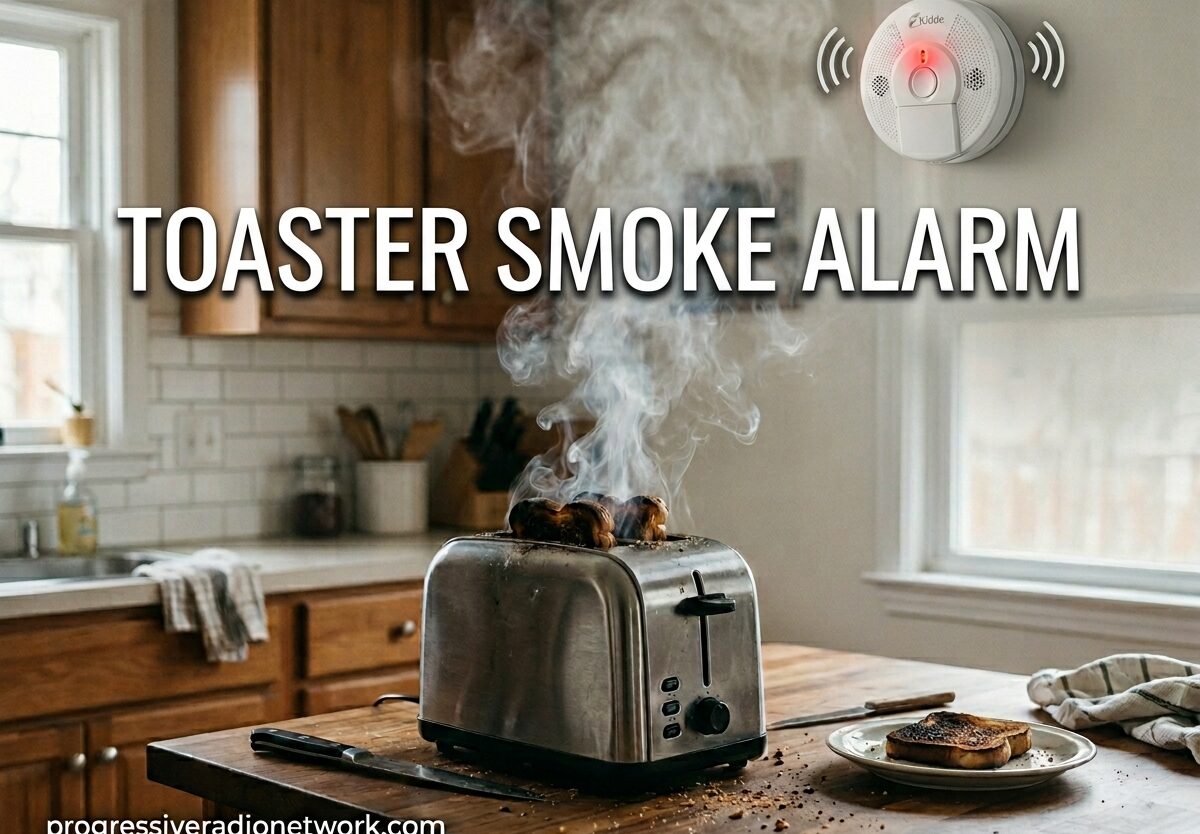
Yes, toasters can and do set off smoke alarms. If you’ve ever scrambled to silence a blaring detector while making breakfast, you’re not alone. The toaster smoke alarm problem affects countless households, especially in smaller kitchens or apartments with poorly placed detectors. Understanding why this happens and how to address it without compromising your safety is essential for every home.
The frustrating cycle of cooking, triggering the alarm, and frantically waving a towel isn’t something you should have to live with. Before we dive into solutions, let’s be clear about one thing: never disable your smoke alarm entirely. The nuisance of false alarms is annoying, but working smoke detectors save lives. Instead, let’s explore the root causes and proven solutions that keep your kitchen peaceful and your home protected.
Why Does Your Smoke Alarm Go Off When You Make Toast?
Your smoke alarm goes off when you make toast because of how modern detectors are designed to sense particles in the air. Ionization smoke detectors, which are common in many homes, are incredibly sensitive to even microscopic particles. When bread burns slightly or crumbs at the bottom of your toaster char, they release smoke particles that trigger these sensitive detectors. Even steam from fresh bread can sometimes confuse ionization detectors into thinking there’s smoke present.
The problem often worsens with toaster placement and maintenance. When your toaster accumulates crumbs at the bottom, each toasting cycle burns those particles anew, creating a steady stream of smoke. Many users report that their toaster smoke alarm problem escalated over time as residue built up inside the appliance. This gradual accumulation explains why a toaster that didn’t trigger alarms for months might suddenly become problematic.
New toasters can also trigger smoke alarms due to manufacturing residues and protective coatings burning off during the first few uses. This “new toaster smell” typically dissipates after several cycles, but it can cause false alarms initially. Some users report noticing an electrical burning smell that’s particularly alarming, though this is usually just normal off-gassing from heating elements and internal components.
Photoelectric vs Ionization Smoke Detectors: Which is Better for Kitchens?
Understanding the difference between detector types is crucial for solving your toaster smoke alarm problem. Ionization smoke detectors use a small amount of radioactive material to ionize air between two electrically charged plates. When smoke particles enter this chamber, they disrupt the electrical current and trigger the alarm. This technology excels at detecting fast-flaming fires but is notoriously sensitive to cooking activities and steam from typical kitchen tasks.
Photoelectric smoke detectors work differently. They use a light beam and a sensor positioned at an angle. When smoke particles enter the chamber, they scatter the light beam onto the sensor, which triggers the alarm. This technology is better at detecting smoldering fires and significantly less prone to false alarms from cooking activities. For kitchens with toasters, photoelectric detectors offer a practical solution that maintains fire safety while reducing nuisance alarms.
The National Fire Protection Association recommends having both types of detectors or dual-sensor alarms for comprehensive protection. However, if you must choose one for areas near cooking, photoelectric detectors are generally the smarter choice. Many false alarm problems can be traced back to having ionization detectors installed too close to cooking appliances without considering their sensitivity profile.
What Is a Toast Proof Smoke Alarm?
A toast proof smoke alarm is specifically designed to reduce false alarms from cooking activities. These specialized detectors often combine photoelectric technology with enhanced algorithms that distinguish between cooking particles and actual fire smoke. Some models feature adjustable sensitivity settings that can be calibrated for kitchen environments. While no detector is completely immune to false alarms, toast-proof models significantly reduce the frequency of nuisance triggers from normal cooking activities like toasting bread.
Some advanced models even include smart features that learn your cooking patterns over time, automatically adjusting sensitivity based on your habits. However, be cautious about detectors that claim to be completely immune to cooking triggers – the technology exists to reduce false alarms, not eliminate the possibility entirely when significant smoke is present.
How to Stop Smoke Alarm When Toasting: Quick Solutions
When your smoke alarm starts blaring mid-toast, you need immediate solutions that don’t compromise safety. The fastest response is to open windows and doors to create airflow. This simple action clears smoke particles from the air near the detector and often stops the alarm within seconds. If you have a range hood or exhaust fan, turn it on immediately – these systems are designed specifically to remove cooking particles and steam from your kitchen environment.
The hush or silence button on your smoke detector is there for exactly these situations. Most modern detectors include a temporary silence function that disables the alarm for 7-10 minutes before automatically resetting. This feature allows you to finish cooking without constant noise while ensuring protection returns automatically. Remember that this is a temporary solution only – never remove the batteries or permanently disable the detector.
Adjusting your toasting habits can also help reduce false alarms. Lower the browning setting on your toaster to prevent burning. Stay near the toaster while it’s operating so you can catch any problems before they generate significant smoke. Some users find success by using shorter toasting cycles and checking progress between cycles, rather than setting the toaster to maximum darkness and walking away.
Regular cleaning is one of the most effective preventive measures. Unplug your toaster and shake it upside down over a trash can or sink to dislodge accumulated crumbs. Use a brush or compressed air to clean hard-to-reach areas. Many users report that their toaster smoke alarm problems decreased dramatically after establishing a weekly cleaning routine. Pay special attention to the bottom crumb tray, which is often the source of chronic smoke issues.
Long-Term Solutions for Persistent Toaster Smoke Alarm Problems
If quick fixes aren’t solving your toaster smoke alarm problem, it’s time to consider more permanent solutions. The 10-foot rule is a crucial guideline for smoke detector placement. Detectors should be installed at least 10 feet away from cooking appliances to prevent false alarms while maintaining adequate fire protection. In smaller kitchens where this distance isn’t possible, consider relocating the detector to a nearby hallway or adjoining room where it can still detect kitchen fires without being triggered by routine cooking activities.
Replacing ionization detectors with photoelectric models is often the most effective permanent solution. This straightforward swap maintains your home’s fire protection while dramatically reducing sensitivity to cooking particles. Photoelectric detectors are specifically recommended for areas near kitchens by many fire safety experts. If you’re unsure what type of detector you currently have, check the label – ionization detectors typically contain a radioactive symbol and warning, while photoelectric detectors usually specify their technology type on the packaging.
Heat detectors offer another alternative for kitchen areas. Unlike smoke detectors that sense airborne particles, heat detectors only trigger when temperatures reach a specific threshold or rise rapidly. This makes them virtually immune to false alarms from cooking activities while still providing fire protection for the kitchen area. Many fire safety professionals recommend using heat detectors in or near kitchens in combination with smoke detectors in adjacent areas.
For renters who cannot modify detector placement, portable air purifiers with HEPA filters can help remove cooking particles from the air before they reach the detector. While not a perfect solution, this approach can reduce false alarm frequency without requiring any permanent changes to the rental unit. Some users report success with small fans positioned to direct airflow away from the detector during cooking activities.
Toaster Maintenance and Cleaning Guide
A well-maintained toaster is less likely to trigger your smoke alarm. Start by establishing a weekly cleaning routine. Unplug the toaster completely before cleaning – safety first. Remove the crumb tray if your model has one, empty it into the trash, and wash it with warm soapy water. Most crumb trays are dishwasher safe, but check your manufacturer’s instructions first. While the tray is out, turn the toaster upside down and shake gently to dislodge loose crumbs from the heating elements.
For deeper cleaning, use a soft brush or compressed air to remove particles from around the heating elements. Never insert metal objects into your toaster – this can damage heating elements and create electrical hazards. A pastry brush works well for gently sweeping crumbs away from internal components. If you notice significant residue buildup that brushing won’t remove, check your manufacturer’s guidelines for safe cleaning methods specific to your model.
Clean the exterior of your toaster regularly with a damp cloth and mild detergent. Avoid abrasive cleaners that can damage the finish. For stainless steel models, use appropriate cleaning products that won’t scratch or damage the surface. A clean exterior doesn’t directly affect smoke production, but regular exterior cleaning often leads to better maintenance habits overall, including keeping the interior clean.
Know when your toaster needs replacement. If you notice persistent smoking even after thorough cleaning, unusual smells that don’t dissipate, inconsistent toasting, or visible damage to heating elements, it’s time for a new toaster. Modern toasters include safety features that older models lack, and replacing an aging unit can solve multiple problems at once, including persistent smoke alarm issues.
Why You Should Never Disable Your Smoke Alarm
It might be tempting to remove the batteries or disconnect your smoke detector to stop the nuisance, but this decision could have tragic consequences. Cooking is the leading cause of home fires and home fire injuries. According to the National Fire Protection Association, nearly half of all home fires start in the kitchen area. Your smoke detector is your first line of defense, providing early warning that gives you and your family critical time to escape in case of a real fire.
Disabled smoke detectors have been directly linked to fire fatalities. In homes where smoke alarms were present but not working, fire death rates are significantly higher. The risk is simply not worth the convenience of silencing a nuisance alarm. Every false alarm is annoying, but it’s also proof that your detector is working and would alert you in a real emergency.
Beyond safety concerns, disabling smoke detectors can have legal and insurance implications. Many jurisdictions require working smoke detectors by law, and insurance companies may deny claims if a fire occurs and detectors were found to be disabled. Landlords typically require working detectors in rental units, and tampering with them can result in lease violations or eviction proceedings in some areas.
The good news is that you don’t have to choose between peace and safety. The solutions outlined in this guide allow you to dramatically reduce false alarms while maintaining full fire protection. From relocating detectors to switching technologies, there are multiple approaches that address the root cause without compromising your family’s safety.
When to Be Concerned About Toaster Smoke
While some smoke from toasting is normal, there are situations where smoke indicates a genuine problem. If you notice flames or significant smoke that doesn’t dissipate quickly, unplug your toaster immediately and move it away from cabinets and curtains. Allow it to cool completely before investigating. Burning plastic or electrical smells indicate serious problems – stop using the toaster and replace it if you notice these odors, as they suggest internal component failure.
Visible sparks or smoking that doesn’t stop quickly after the heating elements turn off are warning signs. Modern toasters include safety features designed to prevent fire, but these features can fail as units age. If your toaster is more than 5-7 years old and exhibiting problems, replacement is generally safer than repair. The cost of a new toaster is minimal compared to potential fire damage.
If smoke only appears when using specific settings or with certain types of bread, the problem might be your toasting habits rather than the toaster itself. Dense breads, bagels, and frozen items require different settings than standard sliced bread. Experiment with lower settings and shorter cycles to find what works for your typical usage patterns.
FAQ
Will a toaster set off a smoke alarm?
Yes, toasters can and do set off smoke alarms, especially ionization detectors which are highly sensitive to the small smoke particles produced when bread burns slightly or crumbs char at the bottom of the toaster.
Why does my smoke alarm go off when I make toast?
Your smoke alarm goes off when making toast because ionization detectors sense tiny smoke particles from burnt crumbs or slightly charred bread. The detector’s high sensitivity, combined with accumulated crumbs in your toaster and close placement, creates frequent false alarms during normal toasting.
What is a toast proof smoke alarm?
A toast proof smoke alarm is a detector designed specifically to reduce false alarms from cooking activities. These typically use photoelectric technology rather than ionization, making them less sensitive to the small particles produced during normal cooking and toasting while still detecting actual fire smoke effectively.
Why does my toaster keep setting off the fire alarm?
Your toaster keeps setting off the fire alarm because of accumulated crumbs burning at the bottom, the detector being an ionization type that’s highly sensitive to cooking particles, or the detector being placed too close to the toaster. Regular cleaning, relocating the detector, or switching to a photoelectric model can solve this problem.
Is it normal for the toaster to have smoke coming out?
Some visible steam or minimal smoke is normal when toasting, especially with new toasters that are burning off manufacturing residues for the first few uses. However, persistent smoke, burning plastic smells, or visible flames are not normal and indicate a problem that requires investigation or replacement.
Why does my smoke alarm keep going off but there’s no smoke?
Smoke alarms can be triggered by steam, dust, insects, low batteries, or simply being too old. Ionization detectors are particularly susceptible to steam from cooking. If there’s no visible smoke, check your detector’s age, clean it with compressed air, replace batteries, and consider if steam from cooking might be the invisible trigger.
How far should a smoke alarm be from a toaster?
Smoke alarms should be placed at least 10 feet away from cooking appliances including toasters, according to the National Fire Protection Association. This distance reduces false alarms from cooking while still providing adequate fire protection for the kitchen area.
Can I replace my smoke alarm with a heat detector?
Yes, heat detectors can be used in or near kitchens as they respond to temperature increases rather than smoke particles, making them immune to cooking-related false alarms. However, for complete fire protection, use heat detectors in combination with smoke detectors in adjacent areas rather than as a complete replacement.
Conclusion
The toaster smoke alarm problem is frustrating but solvable. By understanding why your detector reacts to cooking activities, implementing proper cleaning routines, and choosing the right detector technology for your kitchen setup, you can dramatically reduce false alarms without sacrificing safety. Whether you’re dealing with an old toaster, a poorly placed detector, or simply the wrong type of sensor for your kitchen environment, there’s a solution that will restore peace to your morning routine.
Remember that while false alarms are annoying, working smoke detectors are non-negotiable for home safety. Cooking fires are too common and too dangerous to risk disabling your protection. Instead, use the strategies outlined here – from relocation to technology changes to better maintenance – to address the root cause of your toaster smoke alarm problem. With the right approach, you can enjoy your toast without the unwanted breakfast soundtrack of a blaring smoke detector.






Leave a Comment