
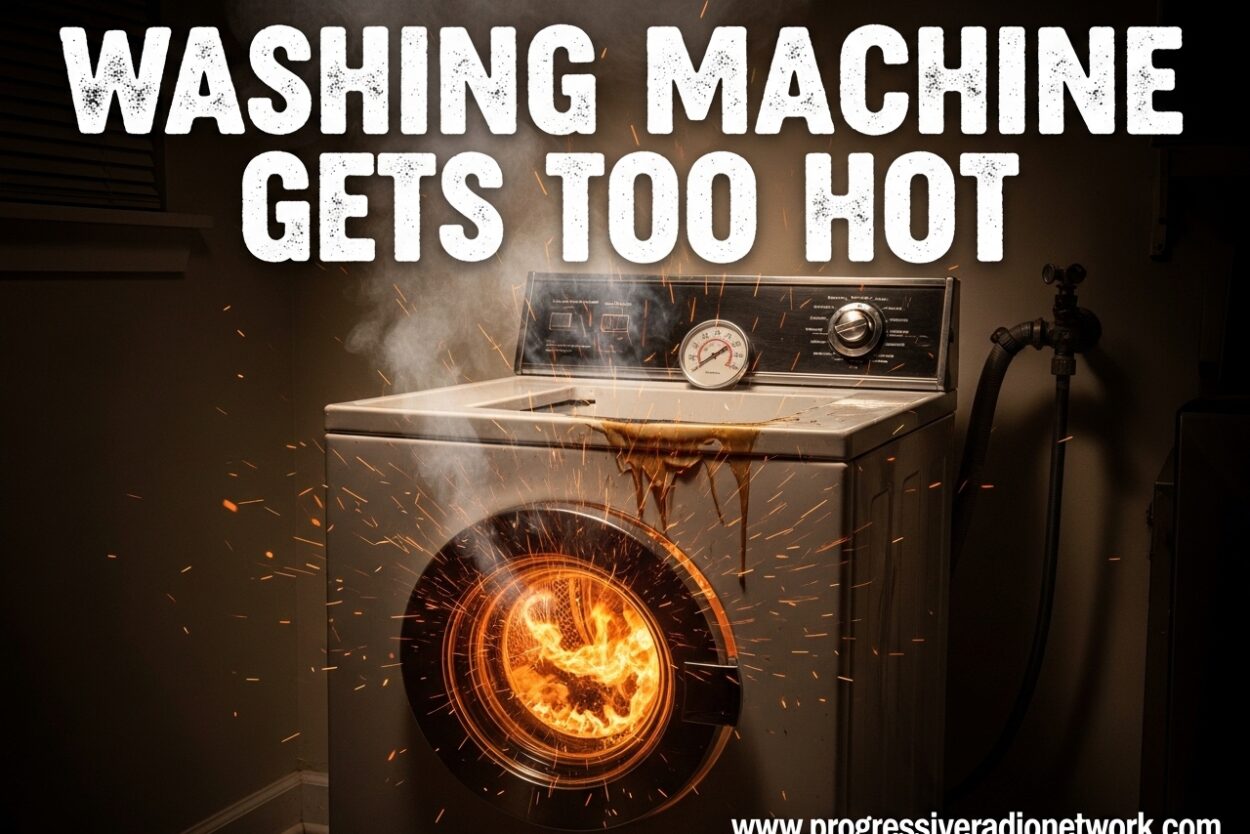
When your washing machine gets too hot, it’s more than just an annoyance—it can signal serious problems that need immediate attention. I’ve seen countless cases where a simple thermostat issue escalated into costly repairs because homeowners ignored the early warning signs.
Whether you’re noticing clothes coming out scorching hot, smelling burning rubber, or seeing steam where there shouldn’t be any, understanding why your washer is overheating is the first step toward fixing it safely.
Is It Normal for a Washing Machine to Get Hot?
Before you panic, it’s important to understand that some heat is normal during operation. Front-loading washers, in particular, can develop warm exteriors during high-temperature cycles like sanitize or steam settings. This happens because the heating element is located near the front of the drum, and some heat transfer is expected.
However, normal warmth becomes abnormal when you can’t comfortably keep your hand on the machine for more than a few seconds, when steam escapes from the drum, or when your clothes emerge hotter than they should be for the selected cycle.
Warning Signs Your Washing Machine Is Overheating
Recognizing the signs of an overheating washing machine early can prevent serious damage and keep your home safe. Based on my experience troubleshooting appliance issues, these are the warning signs that demand immediate attention.
A burning smell, whether resembling rubber or electrical components, is never normal. This distinctive odor often indicates that motor bearings are failing, belts are slipping, or electrical components are overheating. If you catch this smell during a cycle, stop the washer immediately and unplug it.
Steam escaping from your washer when it shouldn’t be producing any—like during a cold or warm cycle—signals that the heating element isn’t shutting off properly. You might notice steam from the detergent drawer, around the door seal, or even through vent holes in the machine’s cabinet.
Clothes coming out of the washer unusually hot, damaged, or shrunken even on warm or cold settings indicate that your washing machine is heating water beyond the selected temperature. Some users report clothes so hot they’re difficult to touch immediately after the cycle ends.
Error codes displaying on your washer’s control panel often relate directly to overheating issues. Look for codes like HE ( Heater Error), HOT (overheating detected), LE (load error sometimes related to overheating), or brand-specific codes we’ll cover in detail later.
An exterior cabinet that becomes excessively hot to touch—more than just warm—suggests internal heat isn’t dissipating properly. This can indicate failing insulation, blocked ventilation, or internal components generating excessive heat.
Unusual noises during operation, especially grinding, squealing, or whining sounds, often accompany overheating. These noises typically point to motor problems, worn bearings, or belt issues that generate excess friction and heat.
Washing Machine Gets Too Hot: 7 Common Causes
Understanding what’s causing your washing machine to overheat is essential for determining whether it’s a DIY fix or time to call a professional. These seven causes account for the vast majority of overheating problems I encounter.
Faulty Thermostat or Temperature Sensor
The thermostat acts as your washer’s temperature control system, signaling the heating element when to turn on and off based on your selected cycle temperature. When this component fails, the heating element may continue running indefinitely, causing water temperatures to climb dangerously high.
Temperature sensors can fail in two ways: they can stick in the “closed” position, telling the heating element to stay on constantly, or they can fail to communicate accurate temperature data to the control board. Either scenario results in uncontrolled heating.
Testing a thermostat typically requires a multimeter to check for continuity. If the component shows no continuity or inconsistent readings, replacement is necessary. This repair usually costs between $50-$150 for parts, depending on your washer brand and model.
Stuck Heating Element
A heating element that’s physically stuck in the “on” position will continuously heat water regardless of cycle settings or temperature readings. This can happen due to sediment buildup, mechanical failure, or electrical shorts within the element itself.
Signs of a stuck heating element include water that’s too hot even on cold settings, unusually long heating times, or tripped circuit breakers when the washer attempts to heat water. In some cases, you might even see visible damage or corrosion on the element itself.
Replacing a stuck heating element is a moderate DIY project for those comfortable with appliance repair, but it does require accessing the internal components of your washer. Parts typically cost $75-$200, while professional repair runs $200-$400 including labor.
Defective Motor or Worn Bearings
The washing machine motor generates significant heat during operation, especially during high-speed spin cycles. When motor windings begin to fail or bearings wear out, friction increases dramatically, causing the motor to overheat.
Bearing wear typically produces a distinctive grinding or rumbling noise that gets louder during spin cycles. As bearings deteriorate, the motor must work harder to turn the drum, generating excessive heat that can spread throughout the machine.
Motor replacement is one of the more expensive washing machine repairs, typically costing $300-$600 when done professionally. However, some newer models with modular motors may be more affordable to repair, so it’s worth getting a quote before considering replacement.
Overloading the Machine
Stuffing too many clothes into your washer might seem like a time-saver, but it’s one of the most common causes of overheating. Overloaded washers strain the motor, restrict drum movement, and prevent proper water circulation—all of which generate excess heat.
When clothes are packed too tightly, the drum can’t tumble properly, causing the motor to work harder and heat up. Additionally, restricted water flow means the heating element may stay on longer trying to reach target temperatures in water that can’t circulate freely.
The solution is simple: reduce your load sizes to the manufacturer’s recommended capacity. As a general rule, clothes should move freely during the wash cycle, and the drum should never be more than three-quarters full.
Blocked Drainage or Water Pump Issues
Your washing machine relies on proper drainage to function safely. When water can’t drain effectively, the machine may continue heating water that’s not circulating properly, creating dangerous temperature buildup.
Common blockage points include the drain pump filter, drain hose, and the house drain connection. Small items like coins, buttons, or lint can accumulate over time, restricting water flow and causing the pump to overheat as it works harder to push water through.
Cleaning your drain pump filter monthly can prevent most blockage-related overheating issues. If your washer has a clean-out access panel near the bottom, this is typically a simple DIY task that takes just a few minutes.
Electrical Problems
Electrical issues account for some of the most serious washing machine overheating problems. Faulty wiring, failing control boards, or loose connections can cause electrical resistance that generates dangerous heat throughout the machine.
The electronic control board, which manages all washer functions including temperature regulation, can develop short circuits or failing components that send incorrect signals to the heating element. When this happens, the element may receive continuous power regardless of temperature settings.
Electrical problems are rarely DIY-appropriate repairs due to the safety risks involved. If you suspect an electrical issue—especially if you notice flickering lights, tripped breakers, or burning smells—contact a qualified appliance repair technician immediately.
Poor Ventilation or Confined Space
Where you install your washing machine matters more than many homeowners realize. Units tucked into tight closets, enclosed cabinets, or spaces with restricted airflow can’t dissipate heat properly during operation.
Most manufacturers recommend leaving at least 2-4 inches of clearance around all sides of the washer for proper ventilation. Without this airflow, heat builds up inside the machine cabinet and can trigger thermal shutoff switches or cause premature component failure.
If space constraints prevent adequate clearance, consider improving ventilation with a small fan directed toward the washer or leaving doors/panels open during operation when safe to do so.
Safety First: What to Do Immediately
When you discover your washing machine gets too hot, taking immediate action can prevent further damage and protect your home. I recommend following these safety steps before attempting any diagnosis or repair.
Stop the current cycle immediately by pressing pause or cancel. Don’t wait for the cycle to complete—continued operation with an overheating issue can cause permanent damage or create fire hazards.
Unplug the machine from the electrical outlet. This step is crucial because many washers have components that remain energized even when turned off. Unplugging ensures no power reaches heating elements or motors that may be malfunctioning.
Don’t open the door immediately if you see or hear steam. Pressurized steam can cause serious burns, and opening the door suddenly can cause hot water to rush out. Wait at least 30-60 minutes for the machine to cool completely before investigating further.
Check for burning smells or smoke. If you notice either of these signs, don’t attempt to use the machine again until a professional has inspected it. These odors often indicate electrical or mechanical failures that could restart the problem.
Document what you observed—the cycle selected, time into the cycle when overheating occurred, any error codes displayed, and unusual sounds or smells. This information will be valuable whether you attempt DIY repair or call a technician.
How to Troubleshoot an Overheating Washing Machine
Once your washer has cooled and you’ve taken safety precautions, you can begin systematic troubleshooting. This step-by-step approach helps identify the most likely causes before you decide on repairs.
Step 1: Check Load Size and Balance
Remove all clothes and inspect the drum. Was the load excessive or heavily unbalanced? Try running a short cycle with no clothes to see if the overheating continues. If the machine runs normally empty, the issue was likely overloading rather than a mechanical problem.
Step 2: Verify Temperature Settings
Run a cold water cycle and monitor the water temperature. If the water becomes hot during a cold cycle, your water inlet valves or temperature control system are malfunctioning. This specific symptom often points to a faulty mixing valve or thermostat.
Step 3: Inspect for Blockages
Check the drain pump filter (usually located behind a small access panel near the bottom front of the machine). Remove any debris, coins, or accumulated lint. Also inspect the drain hose for kinks or clogs that might restrict water flow.
Step 4: Check Error Codes
Consult your owner’s manual or look up the specific error code displayed by your machine. Many modern washers have diagnostic modes that provide detailed error information. Write down any codes for reference during repair.
Step 5: Test Thermostat
For those comfortable with electrical testing, use a multimeter to check the thermostat for continuity. This typically involves accessing the machine’s internal components, so only proceed if you have experience with appliance repair.
Step 6: When to Call Professional
If you’ve completed these steps without identifying the issue, or if the problem involves electrical components, control boards, or motor replacement, it’s time to call a qualified appliance repair technician. These repairs require specialized tools and expertise to complete safely.
Brand-Specific Error Codes
Different washing machine manufacturers use unique error codes to signal overheating problems. Knowing what these codes mean can speed up diagnosis and help you communicate effectively with repair technicians.
LG washers commonly display HE (Heater Error), HOT (overheating detected), or LE (Motor Locked/error). The HE code specifically indicates a problem with the heating circuit, while LE can signal motor overheating. These codes often require professional diagnosis to determine whether the issue is the heating element, thermostat, or control board.
Samsung washers may show E3 (high temperature error), DE (door error sometimes related to overheating), or SE (drain motor error). Samsung’s E3 code is particularly common and typically indicates that the water temperature exceeds safety limits.
Whirlpool washers use F-series codes, with F5 and F6 often related to temperature sensing issues. F5 typically indicates a problem with the temperature sensor, while F6 can signal communication errors between the control board and temperature components.
If your machine displays an error code not listed here, search online for your specific model number along with the error code for the most accurate interpretation.
How to Prevent Your Washing Machine from Overheating
Preventive maintenance can significantly reduce the likelihood of overheating issues and extend your washer’s lifespan. These simple habits can help you avoid costly repairs down the road.
Don’t overload your machine. Follow the manufacturer’s guidelines for load capacity, and remember that heavy items like blankets or jeans should be washed in smaller loads. As a rule, clothes should tumble freely during the wash cycle.
Clean lint filters and drain pump filters monthly. Lint buildup can restrict airflow and drainage, both of which contribute to overheating. Most front-load washers have a debris filter accessible from the front lower panel.
Ensure proper ventilation around your washer. Leave the recommended clearance between the machine and walls or cabinets, and avoid enclosing the washer in tight spaces without adequate airflow.
Check water inlet valves periodically, especially if you notice temperature irregularities. A stuck hot water valve can cause the machine to fill with hot water even on cold cycles, creating unexpected heat buildup.
Schedule annual professional maintenance for washers over five years old. A technician can identify potential issues before they become serious problems, cleaning internal components and checking electrical connections.
Use appropriate cycle settings. Reserve high-temperature sanitize cycles for occasions when they’re truly necessary rather than as your default setting. Lower temperature settings reduce stress on heating elements and other components.
Frequently Asked Questions
Why is my washing machine overheating and producing steam?
Steam production during cold or warm cycles typically indicates a stuck heating element or faulty thermostat. The heating element continues running beyond the selected temperature, boiling water and creating steam. This is a serious issue that requires immediate attention—stop the cycle and unplug the machine to prevent potential damage or safety hazards.
What are the signs of a dying washing machine?
Common signs include unusual noises (grinding, squealing, or banging), frequent error codes, failure to complete cycles, water not draining properly, excessive vibration during spin, visible leaks, and consistently poor cleaning performance. When multiple symptoms appear together, especially in machines over 8-10 years old, replacement is often more cost-effective than repair.
How to fix an overheated washing machine?
First, stop the cycle and unplug the machine. Let it cool completely before investigating. Check for simple causes like overloading or unbalanced loads. Clean the drain pump filter and verify proper ventilation. If problems persist, the issue likely involves faulty thermostats, heating elements, or motors—repairs best handled by professional technicians due to electrical safety concerns.
Is a hot washing machine dangerous?
Yes, an overheating washing machine can pose serious risks including electrical fires from failed components, scalding injuries from hot water or steam, and water damage from burst hoses or failed seals. The risk increases significantly when you notice burning smells, smoke, or persistent steam. These symptoms indicate immediate action is necessary—stop using the machine and contact a qualified appliance repair technician.
Conclusion
When your washing machine gets too hot, identifying the cause quickly can mean the difference between a simple repair and a costly replacement. From faulty thermostats to overloaded drums, most overheating issues stem from manageable problems that respond well to prompt attention.
While minor issues like blocked filters or unbalanced loads are often DIY-friendly repairs, electrical problems, motor failures, and control board issues typically require professional expertise. The key is knowing your limits—when in doubt, consult a qualified appliance repair technician rather than risking safety or causing further damage.
Regular maintenance and proper use remain your best defense against overheating problems. By following load capacity guidelines, cleaning filters regularly, and ensuring proper ventilation, you can extend your washer’s lifespan and prevent many common overheating issues before they start.


Leave a Comment