
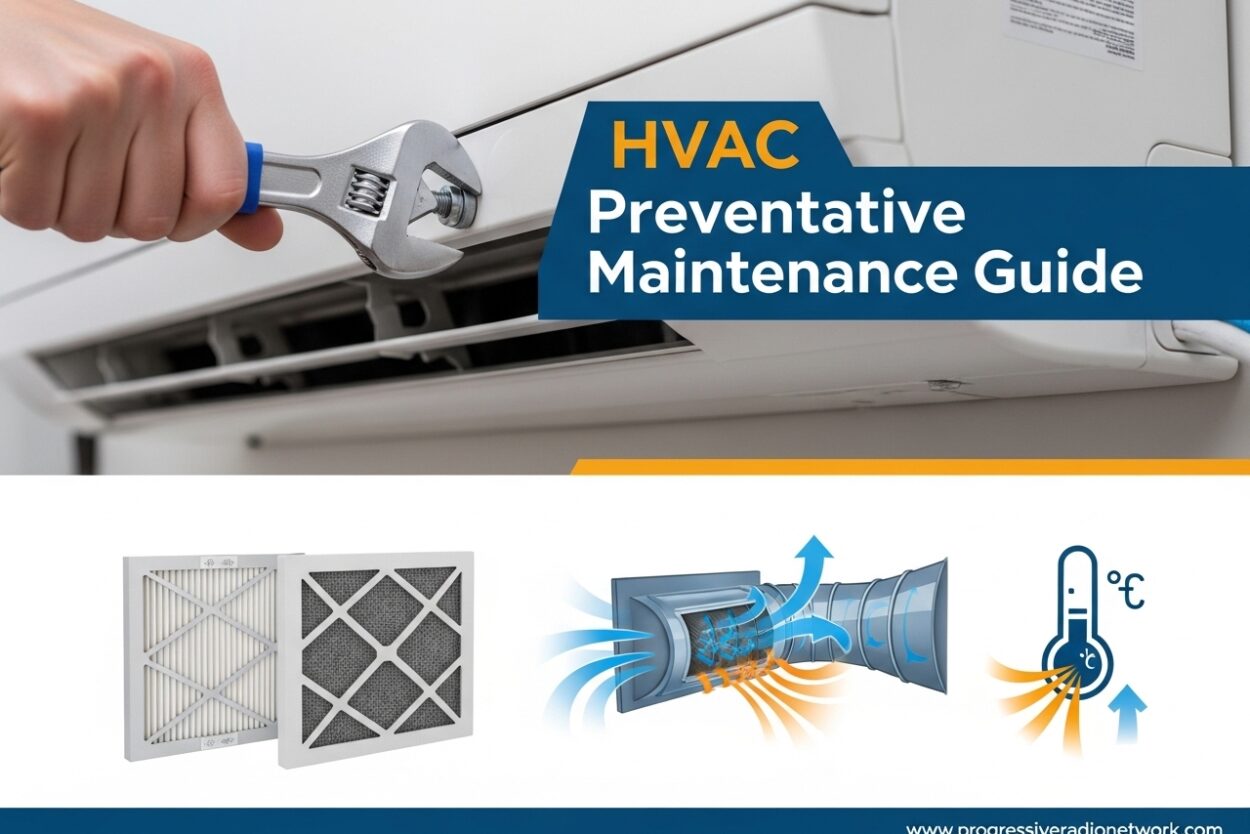
Your HVAC system works hard year-round to keep your home comfortable. HVAC preventative maintenance is the key to keeping it running efficiently, avoiding costly breakdowns, and extending its lifespan. We’ve seen firsthand how regular maintenance can save homeowners thousands in emergency repairs and energy costs over the life of their system.
In this comprehensive guide, we’ll walk you through everything you need to know about HVAC preventative maintenance, including what it involves, why it matters, professional vs. DIY tasks, seasonal checklists, and how to recognize when your system needs attention.
What is HVAC Preventative Maintenance?
HVAC preventative maintenance is the routine inspection, cleaning, testing, and servicing of your heating, ventilation, and air conditioning system to prevent problems before they occur. Unlike reactive maintenance, which addresses breakdowns after they happen, preventative maintenance is proactive—catching small issues before they become expensive emergencies.
A complete preventative maintenance program typically includes professional servicing twice a year (spring and fall) plus regular DIY tasks homeowners perform monthly. This dual approach ensures your system operates at peak efficiency throughout the year, whether you’re relying on air conditioning during summer heat or heating during winter cold.
During a professional HVAC preventative maintenance visit, technicians inspect, clean, test, and adjust all system components. They check refrigerant levels, clean coils, inspect electrical connections, lubricate moving parts, and verify safety controls. Homeowners complement this professional care with simple tasks like changing air filters and keeping outdoor units clear of debris.
Why HVAC Preventative Maintenance Matters
Regular HVAC preventative maintenance delivers significant benefits that directly impact your comfort, wallet, and peace of mind. Here’s why investing in routine service pays off:
Improved Energy Efficiency
A well-maintained HVAC system operates more efficiently, using less energy to heat or cool your home. Dirty coils, clogged filters, and poorly calibrated components force your system to work harder and run longer to maintain temperature. The U.S. Department of Energy estimates that proper maintenance can improve efficiency by 5-15%, which translates to noticeable savings on monthly utility bills.
Extended System Lifespan
HVAC systems represent significant investments, typically costing thousands to replace. Regular preventative maintenance can extend that lifespan by years. We’ve routinely seen well-maintained systems last 15-20 years, while neglected systems often fail within 10-12 years. The small cost of maintenance spreads over many more years of service, dramatically reducing your annual ownership cost.
Prevention of Costly Breakdowns
Most HVAC emergencies don’t happen without warning—they’re usually the result of small, unnoticed problems that worsen over time. During preventative maintenance, technicians identify and address these issues early, replacing worn parts before they fail completely. This proactive approach prevents inconvenient breakdowns during extreme weather when repair costs are highest and technicians are booked solid.
Improved Indoor Air Quality
Your HVAC system circulates air throughout your home 5-7 times per day. If components are dirty or the system isn’t functioning properly, it can distribute dust, allergens, and other contaminants. Regular maintenance includes cleaning or replacing air filters, removing buildup from coils, and ensuring proper ventilation—all of which contribute to healthier indoor air quality for your family.
Safety Assurance
For homes with gas furnaces, regular maintenance includes critical safety checks. Technicians inspect heat exchangers for cracks that could release carbon monoxide, check gas connections for leaks, and verify proper combustion. These inspections protect your family from potentially life-threatening hazards and provide essential peace of mind.
Professional HVAC Maintenance Checklist
When you schedule professional HVAC preventative maintenance, here’s what a thorough service should include. We recommend using this checklist to ensure your technician covers all essential components:
1. Thermostat Calibration and Testing
Technicians verify that your thermostat accurately reads and maintains temperature settings. They check calibration, test programming functions, and ensure the thermostat properly communicates with your HVAC system. Smart thermostats receive additional checks for Wi-Fi connectivity and app functionality.
2. Electrical Connection Inspection
Loose or corroded electrical connections cause system failures and pose fire hazards. Technicians tighten all connections, measure voltage and current on motors, and inspect wiring for wear or damage. This step prevents electrical failures that can leave you without heating or cooling when you need it most.
3. Lubrication of Moving Parts
Friction in motors, bearings, and other moving parts increases energy consumption and causes premature wear. Technicians lubricate all components requiring it, reducing energy use and extending component life. This simple step prevents costly motor replacements down the road.
4. Condensate Drain Inspection and Cleaning
Your HVAC system produces condensation that must drain properly. Clogged drains cause water damage and high humidity. Technicians inspect the drain line, clear any blockages, and ensure proper drainage. In some systems, they may treat the drain with algae-preventing solutions.
5. Evaporator and Condenser Coil Cleaning
Dirty coils significantly reduce system efficiency and can cause compressor failure. Technicians clean both the indoor evaporator coil and outdoor condenser coil, removing dirt, debris, and buildup that restricts airflow and heat transfer. This cleaning is one of the most impactful maintenance tasks for efficiency.
6. Refrigerant Level Check
Proper refrigerant charge is essential for efficient cooling. Technicians measure refrigerant levels and recharge if necessary. More importantly, they check for leaks that could cause refrigerant loss—a critical step since running a system low on refrigerant can damage the compressor.
7. Heat Exchanger Inspection
For heating systems, technicians inspect the heat exchanger for cracks or corrosion that could allow carbon monoxide to escape into your home. This safety check is crucial for families with gas furnaces and should never be skipped during annual maintenance.
8. Gas Connection Safety Check
Technicians inspect all gas connections and piping for leaks, verify proper gas pressure, and check burner combustion. These safety checks ensure your heating system operates safely and efficiently, preventing gas leaks and carbon monoxide hazards.
9. Blower Component Inspection and Cleaning
The blower motor and fan circulate air throughout your home. Technicians clean the blower assembly, check the fan belt for wear and proper tension, and ensure the blower wheel is clean and balanced. Proper airflow is essential for efficiency and preventing strain on the system.
10. System Performance Testing
Finally, technicians run your system through a complete cycle to verify proper operation. They measure temperature differential, check airflow, and ensure the system starts, runs, and shuts off correctly. This performance test confirms that all components are working together properly.
Seasonal HVAC Maintenance Tasks
Optimal HVAC performance requires maintenance timed to seasonal needs. Different components need attention before cooling season begins and before heating season starts. Here’s what you should schedule and when:
Spring and Summer Maintenance
Schedule your spring maintenance before temperatures climb and you rely on air conditioning. Spring visits focus on preparing your cooling system for heavy summer use. Technicians prioritize cleaning condenser coils, checking refrigerant levels, and ensuring the compressor is in good condition.
Spring tasks include cleaning outdoor condenser units that accumulated debris during winter, checking and cleaning evaporator coils, verifying proper refrigerant charge, and testing cooling performance. This timing ensures your system operates efficiently during summer’s peak demand when electricity costs are highest.
Summer maintenance for homeowners primarily involves keeping the outdoor condenser unit clear. Ensure vegetation at least two feet away from the unit, hose off debris from the condenser fins monthly, and monitor for any unusual sounds or performance issues during heavy cooling use.
Fall and Winter Maintenance
Fall maintenance prepares your heating system for winter’s cold. Schedule this service before temperatures drop to ensure reliable heating when you need it. Technicians focus on furnace components, heat exchangers, ignition systems, and safety controls during fall visits.
Key fall tasks include inspecting and cleaning the heat exchanger, checking burners and ignition systems, testing safety controls, inspecting gas connections, and verifying proper airflow. In regions with harsh winters, this maintenance is essential for preventing mid-winter breakdowns when temperatures are dangerous.
Winter maintenance for homeowners primarily involves monitoring system performance, regularly changing filters, and keeping vents unobstructed. If you have a heat pump, continue to keep the outdoor unit clear of snow and ice, maintaining the two-foot clearance around the unit.
DIY HVAC Maintenance Tasks for Homeowners
While professional servicing is essential, homeowners can perform simple maintenance tasks that significantly impact system performance and longevity. These DIY tasks complement professional service and should be performed regularly between professional visits.
Monthly Air Filter Replacement
This is the single most important DIY maintenance task. Dirty filters restrict airflow, reducing efficiency and potentially damaging your system. Check your filter monthly and replace it when dirty—at minimum every 90 days. Homes with pets, allergies, or high occupancy may need monthly changes. This simple task alone can improve efficiency by 5-15%.
Keep Outdoor Units Clear
Maintain at least two feet of clearance around your outdoor condenser unit. Trim vegetation, remove leaves and debris, and ensure nothing blocks airflow to the unit. During summer, hose off the condenser fins monthly to remove dirt and pollen buildup. In winter, gently brush off snow accumulation and keep the unit clear of ice.
Thermostat Battery Replacement
If your thermostat uses batteries, replace them annually—many homeowners do this when they change smoke detector batteries. Dead batteries can cause your thermostat to lose programming or fail completely, leaving you without heating or cooling. Write the replacement date on the battery with a marker to track when they were last changed.
Visual Inspections
Monthly, take a few minutes to visually inspect your HVAC system. Look for unusual sounds during operation, water leaks around indoor units, refrigerant lines that appear damaged or icy, and vents that aren’t emitting air. Catching these issues early allows for proactive repair before complete system failure.
Keep Vents Unobstructed
Ensure all supply and return vents are unobstructed by furniture, curtains, or rugs. Blocked vents restrict airflow, reduce efficiency, and can cause system strain. Vacuum vent registers monthly to remove dust buildup, and consider having ductwork professionally cleaned every 3-5 years if you notice excessive dust or reduced airflow.
Important: What NOT to DIY
Safety first—certain HVAC tasks should only be performed by licensed professionals. Never attempt to repair gas lines, electrical components, or refrigerant systems yourself. These tasks require specialized training, tools, and certifications. DIY attempts on these components can cause system damage, create safety hazards, and may void manufacturer warranties.
7 Signs Your HVAC System Needs Maintenance
Don’t wait for a complete breakdown to service your system. Watch for these warning signs that indicate your HVAC needs professional attention:
1. Unusual Noises
HVAC systems run quietly in normal operation. Grinding, squealing, rattling, or banging sounds indicate problems ranging from loose components to failing motors. These noises rarely resolve themselves and typically worsen over time, leading to more extensive damage if ignored.
2. Inconsistent Temperatures
If some rooms are too hot while others are too cold, or if your system struggles to maintain temperature settings, something is wrong. Causes range from thermostat calibration issues to ductwork problems to failing components. These inconsistencies indicate your system isn’t operating efficiently and needs professional diagnosis.
3. Higher Energy Bills
Rising energy costs without increased usage typically signal declining HVAC efficiency. If your bills are climbing even though your usage patterns haven’t changed, your system is likely working harder than necessary to maintain comfort. Professional maintenance can restore efficiency and reduce energy consumption.
4. Poor Airflow
Weak airflow from vents indicates problems ranging from clogged filters to failing blower motors to ductwork issues. If you notice reduced airflow, check your filter first. If a new filter doesn’t resolve the problem, schedule professional service to identify and address the underlying cause.
5. Frequent Cycling
Your system should run for relatively long cycles to maintain temperature efficiently. If it’s constantly turning on and off (short-cycling), it indicates problems with thermostat calibration, refrigerant levels, or system sizing. Short-cycling wastes energy, increases wear, and reduces comfort.
6. Unusual Odors
Musty smells indicate mold or mildew in your system or ductwork. Burning odors suggest electrical problems or overheating components. Rotten egg smells (in gas systems) indicate gas leaks and require immediate action and evacuation. Most unusual odors warrant professional inspection to identify and address the source.
7. Humidity Problems
Your HVAC system helps control indoor humidity. If your home feels excessively humid in summer or excessively dry in winter, your system may not be functioning properly. High humidity can indicate cooling problems, while low humidity often signals heating system issues. Both affect comfort and can impact your home.
HVAC Maintenance Costs and the $5000 Rule
Understanding HVAC maintenance costs helps you budget effectively and make informed decisions about service plans. While prices vary by region and system complexity, typical professional maintenance visits cost between $100-200 for a single system without a service contract.
Many HVAC companies offer maintenance plans that provide two visits per year (spring and fall) for $150-300 annually. These plans often include additional benefits like priority scheduling, repair discounts (typically 10-20%), and waived service call fees for emergency repairs. For homeowners with older systems or those in extreme climates, these plans often pay for themselves through prevented breakdowns and efficiency gains.
The $5000 Rule
The $5000 rule is a helpful guideline for deciding whether to repair or replace your HVAC system. If the cost of repairs exceeds $5000, replacement is typically more cost-effective. This rule acknowledges that sinking large repair costs into aging systems is rarely economical, especially when newer systems offer significantly improved efficiency.
However, the $5000 rule isn’t absolute. Consider your system’s age—if it’s less than 8-10 years old, repairs may still be worthwhile. Also consider the repair type—major components like compressors often justify the expense in younger systems, while multiple smaller failures in older systems typically signal replacement is needed.
The 20 Degree Rule
The 20 degree rule helps you evaluate your system’s efficiency and decide when maintenance or replacement is needed. Your HVAC system should be able to maintain a temperature that’s about 20 degrees different from outdoor temperature. If it’s struggling to maintain more than a 20-degree differential, your system may be undersized, aging, or in need of maintenance.
For example, if it’s 95°F outside, your air conditioner should be able to maintain 75°F indoors. If it can only cool to 80°F or higher, something is wrong. The same applies in winter—if it’s 20°F outside, your system should maintain around 40°F or higher. Failure to meet this standard indicates your system needs professional evaluation to determine whether maintenance, repair, or replacement is needed.
ROI of Preventative Maintenance
The return on investment for preventative maintenance is substantial. According to industry studies, every $1 spent on maintenance saves $4-5 in repair costs over the system’s lifetime. Additionally, maintained systems operate 10-25% more efficiently, reducing monthly energy bills. When you factor in extended lifespan (adding 3-7 years of service), preventative maintenance delivers clear financial benefits beyond just preventing inconvenient breakdowns.
FAQ
What is the $5000 rule for HVAC?
The $5000 rule helps you decide whether to repair or replace your HVAC system. If repair costs exceed $5000, replacement is typically more cost-effective, especially for systems over 10 years old. This rule acknowledges that investing large repair amounts in aging systems rarely makes sense when newer, more efficient options are available.
What is preventative HVAC maintenance?
Preventative HVAC maintenance is routine inspection, cleaning, testing, and servicing of heating and cooling systems to prevent problems before they occur. It includes professional servicing twice yearly plus monthly homeowner tasks like filter changes. This proactive approach prevents breakdowns, improves efficiency, extends system lifespan, and ensures safe operation.
What are the 7 elements of preventive maintenance?
The 7 elements of HVAC preventive maintenance are: (1) inspection and calibration of thermostats, (2) tightening electrical connections and measuring voltage/current, (3) lubrication of moving parts, (4) inspection and cleaning of condensate drains, (5) cleaning of evaporator and condenser coils, (6) checking refrigerant levels and inspecting for leaks, and (7) inspecting heat exchangers and gas connections for safety.
What is the 20 degree rule for HVAC?
The 20 degree rule states that your HVAC system should maintain an indoor temperature approximately 20 degrees different from outdoor temperature. If your system struggles to cool or heat beyond this 20-degree differential, it may indicate problems with system sizing, age, or function that need professional evaluation to determine whether maintenance, repair, or replacement is necessary.
Conclusion
HVAC preventative maintenance is one of the smartest investments you can make in your home. The combination of professional servicing twice yearly and simple DIY tasks throughout the year delivers significant benefits: lower energy bills, fewer breakdowns, extended system life, improved comfort, and enhanced safety for your family.
Don’t wait for a breakdown to service your system. Schedule spring maintenance before cooling season begins and fall maintenance before winter arrives. Use the checklists and guidelines in this article to ensure your technician covers all essential components and to identify warning signs that your system needs attention.
Remember the $5000 and 20-degree rules when facing repair decisions, and consider maintenance plans for peace of mind and priority service. By staying proactive with HVAC preventative maintenance, you’ll enjoy reliable comfort year-round while protecting your investment in your home’s heating and cooling system.
Leave a Comment