
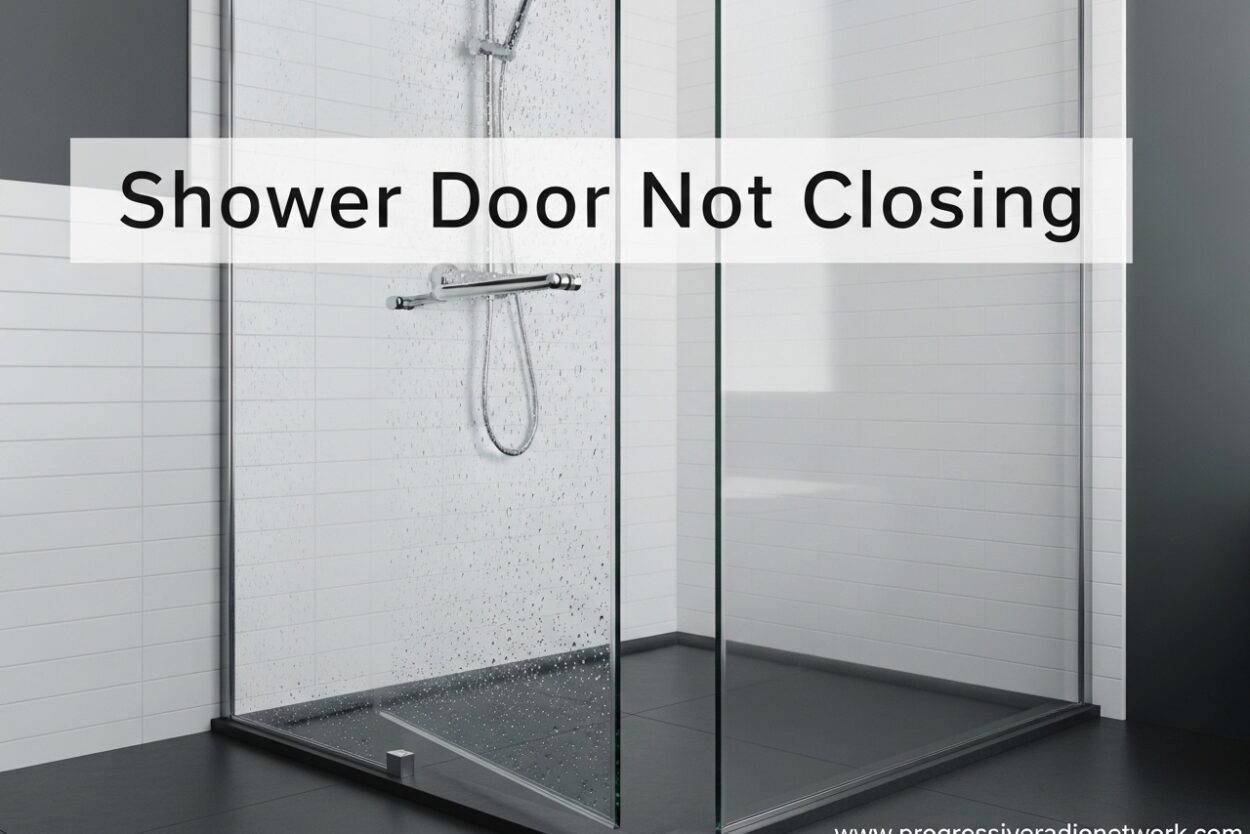
Dealing with a shower door not closing properly is one of those frustrating bathroom problems that can quickly turn your daily routine into a mess. I’ve seen this issue hundreds of times, and it usually happens at the worst possible moment—right before you’re rushing to work or hosting guests.
The good news is that most shower door closure issues are simple to diagnose and fix yourself. In this guide, I’ll walk you through the common causes of shower doors not closing and show you exactly how to fix them, whether you have a frameless glass door, a framed model, or a sliding system.
Why Is My Shower Door Not Closing?
Before grabbing your toolbox, it helps to understand what’s actually happening. A shower door not closing properly is typically caused by loose hinges, misaligned hardware, worn seals, or residue buildup preventing the door from sealing flush against the frame.
Shower doors rely on precise alignment of hinges or rollers along a track. Over time, screws loosen from daily use, seals wear down from moisture exposure, and the heavy glass panels can sag or shift slightly. Even cleaning product residue can interfere with magnetic seals and prevent proper closure.
I’ve worked with dozens of homeowners on this exact issue, and the cause usually falls into one of five categories. Let me break them down so you can quickly identify what’s happening with your door.
Common Causes of Shower Door Not Closing
Loose or Worn Hinges
This is the most common culprit I encounter, especially with frameless glass shower doors. The weight of tempered glass panels (typically 60-80 pounds) puts constant stress on hinge screws. Over months and years of daily use, these screws gradually loosen until the door no longer hangs perfectly plumb.
When hinges loosen, the door might close but leave a gap at the top or bottom. In some cases, the door might swing open on its own because it’s no longer properly balanced in the frame.
Misalignment Issues
Shower doors depend on precise alignment to function correctly. Even a fraction of an inch of shift can prevent proper closure. Misalignment typically happens gradually from normal use, but it can also occur suddenly if someone leans on the door or if it’s slammed forcefully.
I’ve seen cases where the entire door has shifted on its mounting brackets, causing it to rub against the frame or sit crookedly. This is especially common with pivot-style shower doors that rotate on a single point.
Seal and Buildup Problems
Your shower door’s seals and sweeps play a crucial role in proper closure. The magnetic strips that help frameless doors seal shut can accumulate soap scum, hard water deposits, and cleaning product residue. This buildup prevents the magnets from making full contact.
Similarly, rubber sweeps along the bottom of the door can warp or crack over time. A damaged sweep might not sit flush against the shower curb, leaving you with a gap that lets water escape onto your bathroom floor.
Track Issues (Sliding Doors)
If you have a sliding shower door, problems often occur in the track system. Debris, hair, and mineral deposits can accumulate in the rollers and track, causing the door to stick or not slide fully into the closed position.
I’ve also seen cases where the rollers themselves wear out or become damaged. When rollers don’t roll smoothly, the door might not reach its fully closed position, leaving you with a persistent gap.
Magnetic Seal Failures
Frameless shower doors rely on magnetic seals to stay closed. These magnets are embedded in the glass edges and can weaken over time. In some cases, the magnetic strips can become dislodged from their mounting positions.
When magnets fail, you might notice the door closing but immediately swinging back open. This is especially frustrating because the door appears to work correctly but won’t stay shut.
Quick Fixes You Can Try Today
Before calling a professional, try these simple fixes. I’ve found that about 70% of shower door closure issues can be resolved with basic adjustments and cleaning. Start with the easiest solutions and work your way through the list.
Tighten All Hinge Screws
For hinge-mounted doors, this is your first line of defense. Grab a screwdriver and check every visible screw on your shower door hinges. You’ll often find that at least one or two have loosened over time.
Tighten each screw firmly but be careful not to overtighten, especially if you’re working with screws going into tile or glass. Overtightening can crack the surrounding material. After tightening, test the door to see if it closes more securely.
Clean Seals and Magnetic Strips
Sometimes the issue is simply buildup preventing proper contact. I’ve seen doors that wouldn’t close properly transform after a thorough cleaning of the seals and magnetic strips.
Use a mixture of warm water and mild dish soap to clean all rubber seals, sweeps, and magnetic strips. For stubborn mineral deposits, white vinegar works wonders. Pay special attention to the magnetic areas—any residue here can prevent the magnets from making full contact.
Check and Adjust Magnetic Strips
If cleaning doesn’t solve the issue, inspect the magnetic strips themselves. Sometimes they become slightly dislodged from their mounting position. Gently press them back into place if they’ve shifted.
In cases where the magnetic strip has come completely loose, you may need to reattach it with a small amount of clear silicone adhesive. Let it cure fully before testing the door again.
Lubricate Moving Parts
For sliding doors, a little lubrication can work wonders. Use a silicone-based lubricant specifically designed for shower doors—avoid oil-based products that can attract grime and damage rubber components.
Apply the lubricant to the rollers, track, and any pivot points. Work the door back and forth several times to distribute the lubricant evenly. This simple maintenance step often resolves sticking and closure issues.
Step-by-Step Troubleshooting Guide
Tools You’ll Need
Before diving into more involved repairs, gather these basic tools. Having everything ready will make the process smoother and safer:
- Screwdriver set (both Phillips and flathead)
- Adjustable wrench
- Level (at least 2 feet long)
- Silicone lubricant
- Cleaning supplies (soap, vinegar, soft cloth)
- Replacement seals (if needed)
Adjusting a Frameless Shower Door
Frameless shower doors require a bit more finesse to adjust. These heavy glass panels depend on precise hinge alignment, and even small adjustments can make a big difference.
Start by locating the adjustment screws on your hinges. Most frameless door hinges have two types of screws: those that secure the hinge to the wall and those that control the door’s position. The position adjustment screws are typically smaller and located on the hinge face.
Loosen the position screws slightly—just enough to allow movement. Have a helper hold the door in the correct closed position while you tighten the screws back down. For doors that sag at the bottom, you may need to lift the door slightly while tightening.
I learned this technique from a Reddit DIY community member who shared their experience: “Took off the bottom sweep, used a small wedge under the door’s outer bottom edge, loosened the two upper hinge screws, and slowly lifted the door into position. Fixed the gap instantly!”
Repairing a Framed Shower Door
Framed shower doors are generally easier to work with because the metal frame provides more adjustment points. Start by checking the frame screws around the perimeter of the door.
If the frame has shifted, you may need to loosen the entire frame, reposition it, and retighten. Use a level to ensure the door frame is perfectly vertical before securing it in place.
For framed doors with magnetic closures, check that the magnetic strike plate is properly aligned with the magnet on the door. These can sometimes shift slightly, preventing proper contact. Adjust the strike plate position as needed.
Fixing Sliding Shower Door Tracks
Sliding door issues often stem from track problems. Begin by thoroughly cleaning the track—remove any debris, hair, or mineral buildup that might obstruct the rollers.
Inspect the rollers for damage. If a roller is cracked, worn, or not spinning freely, it will need replacement. Most sliding door systems allow you to lift the door out of the track to access the rollers. This is a two-person job due to the weight of the glass.
Check that the track itself is securely mounted and level. If the track has become loose or warped, it may need to be remounted. In severe cases, track replacement might be necessary.
When to Call a Professional
While many shower door issues are DIY-friendly, some situations require professional expertise. I recommend calling a specialist if you encounter any of these scenarios:
- The door or glass is cracked or damaged
- Mounting points are pulling away from the wall
- You’re uncomfortable working with heavy glass panels
- Multiple adjustment attempts haven’t resolved the issue
- The door system is extremely old and replacement parts aren’t available
Professional shower door repair typically costs between $150-400, depending on the extent of the problem and your location. While this might seem steep, it’s often worth it to avoid the risk of broken glass or improper repairs that could lead to water damage.
Tempered glass shower doors are extremely heavy and can be dangerous to work with. If you’re unsure about any step of the repair process, there’s no shame in calling a professional. Your safety is worth more than the cost of a service call.
Preventive Maintenance Tips
Once you’ve got your shower door closing properly again, a little maintenance goes a long way toward preventing future issues. I recommend these simple habits:
- Check hinge screws every six months and tighten as needed
- Clean magnetic seals monthly with mild soap and water
- Keep tracks clear of debris for sliding doors
- Avoid slamming the door, which can loosen components over time
- Lubricate moving parts annually with silicone-based lubricant
These simple steps take just minutes but can significantly extend the life of your shower door and prevent the frustration of dealing with closure issues.
Frequently Asked Questions
How to fix a shower door that doesn’t close?
Start by tightening all visible hinge screws with a screwdriver. Clean all seals and magnetic strips with warm water and mild soap to remove buildup. For frameless doors, loosen the hinge position screws slightly, lift the door into correct alignment, and retighten. If the door still won’t close, check that magnetic strips are properly aligned and making full contact.
Why is my glass door not closing fully?
Your glass door likely has loose hinges causing it to hang unevenly, or there’s buildup on seals and magnetic strips preventing full contact. The door may have also shifted in its mounting over time. Check hinge tightness first, then clean all sealing surfaces thoroughly.
Why does my shower door keep opening when I turn the shower on?
This happens when water pressure or steam pushes against a door that isn’t properly sealed. The magnetic seals may be weak or not making full contact due to misalignment. Clean the magnetic strips and adjust the door position so magnets fully engage when closed.
How do I realign my shower door?
Loosen the hinge adjustment screws slightly, have someone hold the door in the correct closed position, then retighten the screws. For frameless doors, you may need to lift the door slightly while tightening to correct sagging. Use a level to verify the door is plumb before finalizing adjustments.
What tools do I need to fix a shower door?
Basic screwdriver set (Phillips and flathead), adjustable wrench, a 2-foot level, silicone lubricant, cleaning supplies, and potentially replacement seals. Most minor adjustments can be completed with just a screwdriver and cleaning supplies.
Conclusion
Dealing with a shower door not closing is frustrating, but in most cases, it’s a problem you can solve yourself with basic tools and a bit of patience. Start with the simplest fixes—tightening screws and cleaning seals—before moving on to more involved adjustments.
Remember that shower doors are heavy and contain tempered glass that requires careful handling. If at any point you feel unsure or uncomfortable with the repair process, it’s better to call a professional than risk injury or further damage.
With the right approach and regular maintenance, your shower door should provide years of reliable service. Most importantly, you’ll avoid those annoying puddles on the bathroom floor and get back to enjoying your shower without frustration.

Leave a Comment