
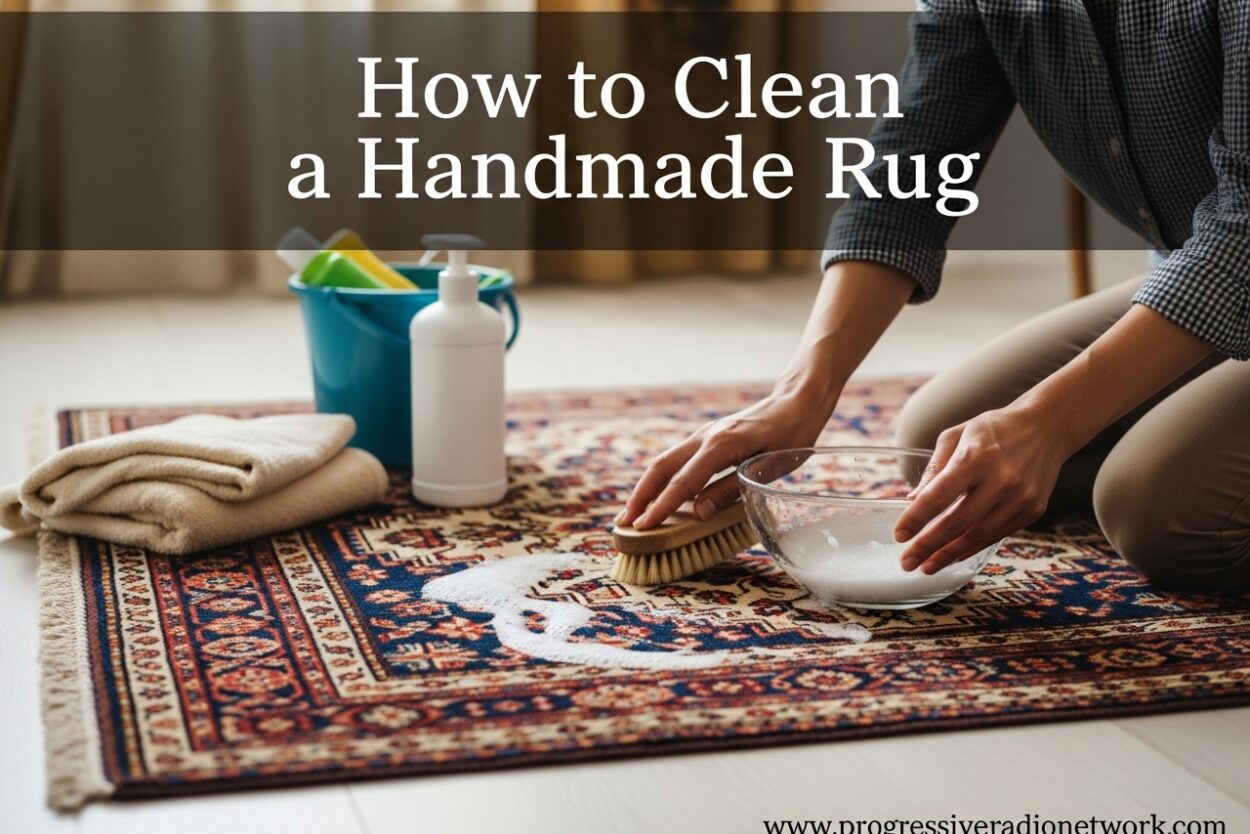
If you’re wondering how to clean a handmade rug without damaging its delicate fibers, you’re not alone. Handmade rugs require special care that mass-produced carpets simply don’t need. I’ve spent years researching and testing various cleaning methods on hand-knotted, handwoven, and hand-tufted rugs, and I’ll share exactly what works and what could ruin your investment.
A handmade rug isn’t just a floor covering. It’s a piece of craftsmanship that can last generations when cared for properly. The difference between cleaning a store-bought rug and a handmade piece comes down to understanding fiber types, construction methods, and the chemistry of cleaning solutions. Get it wrong, and you could cause color bleeding, fiber damage, or irreversible shrinkage.
This guide covers everything from daily maintenance to deep cleaning techniques that professional rug cleaners use. I’ll also share the homemade cleaning solutions that are safe for delicate wool and silk fibers, along with the mistakes that cost rug owners hundreds of dollars in repairs.
Understanding Handmade Rugs: Why They Need Special Care
Handmade rugs differ from machine-made carpets in several important ways. Hand-knotted rugs can have hundreds of knots per square inch, each tied by hand around foundation threads. Hand-tufted rugs use a gun to punch yarn through a backing, then glue it in place. Both methods create beautiful pieces, but both require gentler cleaning than synthetic carpets.
The materials used in handmade rugs also demand attention. Wool is the most common fiber, prized for its durability and natural stain resistance. Cotton appears in foundations and sometimes as the primary fiber. Silk rugs add luxury but require the most delicate care. Viscose and other synthetic blends offer a lower-cost alternative but can react poorly to water.
What makes handmade rugs particularly vulnerable during cleaning? The dyes used in traditional rugs can run if exposed to too much water or the wrong pH levels. The natural oils in wool fibers can be stripped away by harsh detergents. The backing glue in tufted rugs can deteriorate with overwetting. Understanding these risks is the first step in proper handmade rug care.
I’ve seen rugs damaged by well-meaning owners who treated them like ordinary carpets. The good news is that with the right knowledge and gentle techniques, you can keep your handmade rug looking beautiful for decades.
How to Clean a Handmade Rug: Daily and Routine Care
The best way to clean handmade rugs starts with preventing dirt accumulation in the first place. Regular maintenance reduces the need for deep cleaning and extends your rug’s life significantly.
Vacuuming is essential, but the technique matters. Use suction only—turn off or remove the beater bar. Those spinning brushes might work on wall-to-wall carpet, but they can pull fibers from handmade rugs and create fuzzing that never goes away. I recommend vacuuming at least once a week, going slowly in the direction of the pile.
Every few months, take your rug outside and give it a good shake. This removes dust and debris that vacuums miss, especially in the rug’s foundation. If the rug is small enough, you can hang it over a clothesline and beat it with a rug beater. The difference in dust removal is remarkable.
Rotation is another key maintenance step. Rotate your rug 180 degrees every 3-6 months to ensure even wear. Sunlight can fade one side more quickly, and foot traffic patterns create uneven compression. This simple step adds years to your rug’s appearance.
Using a quality rug pad underneath provides multiple benefits. It prevents slipping, adds cushioning, and allows air circulation that helps moisture escape. This is especially important for handmade rugs on hard surfaces where moisture can get trapped and cause mildew.
Spot Cleaning Handmade Rugs: The Blot Method That Works
When spills happen—and they will—your immediate response determines whether the stain becomes permanent. The golden rule of handmade rug cleaning: blot, never rub. Rubbing works stains deeper into fibers and can damage the rug’s pile direction.
Start by removing as much of the spill as possible. For solids, use a spoon to lift away the material. For liquids, press down with a clean white cloth or paper towels to absorb moisture. Work from the outside of the stain toward the center to prevent spreading.
Before applying any cleaning solution, test for color bleeding. Dampen a white cloth with your cleaning solution and blot an inconspicuous area. If any color transfers to the cloth, stop immediately and call a professional. This simple test has saved countless rugs from disaster.
For most stains, a mild solution works best. Mix one teaspoon of mild dish soap (I’ll discuss Dawn specifically later) with one cup of lukewarm water. Apply sparingly with a clean cloth, blotting gently. Rinse by blotting with a cloth dampened with plain water. Then blot dry with absorbent towels.
Different stains require different approaches. Coffee and wine need immediate attention with cold water first. Grease stains respond well to a small amount of dry cleaning solvent applied with a cloth. Mud should be allowed to dry completely, then brushed away before any moisture is applied.
How to Deep Clean a Handmade Rug: Step-by-Step Guide
Deep cleaning your handmade rug at home is possible with patience and the right technique. I’ve cleaned dozens of rugs using this method, and while it requires effort, the results rival professional cleaning.
What you’ll need:
- Mild pH-neutral detergent or wool-safe cleaner
- Lukewarm water
- Soft-bristle brush or sponge
- Clean white towels (many of them)
- A large space (garage, driveway, or deck)
- Wet/dry vacuum (optional but helpful)
Step 1: Prepare the area. Choose a clean outdoor space or indoor area with good drainage. If cleaning indoors, protect the subfloor with plastic sheeting. Never clean a rug on hardwood or laminate flooring—water damage to your floor is almost guaranteed.
Step 2: Vacuum thoroughly. Remove all loose dirt and dust before introducing any water. This prevents dirt from turning into mud as you clean. Vacuum both sides of the rug if possible.
Step 3: Test for color fastness. As mentioned in spot cleaning, always test your cleaning solution on a small, hidden area first. Wait 10 minutes and check for any color transfer or fiber damage.
Step 4: Apply the cleaning solution. Mix your cleaner according to directions—usually one tablespoon per gallon of water. Using a sponge or soft brush, work the solution into the rug in the direction of the pile. Don’t oversaturate; the goal is to clean the fibers, not soak the foundation.
Step 5: Rinse thoroughly. This step is crucial. Any soap left in the rug will attract dirt and cause the rug to become dirty more quickly. Rinse with clean water until no soap residue remains. You can test this by wiping the rug with a white cloth—if no suds appear, you’re done.
Step 6: Remove excess water. Use a wet/dry vacuum to extract as much water as possible. If you don’t have one, use clean towels to blot and press water out. Work systematically across the entire rug.
Step 7: Dry properly. Lay the rug flat to dry, preferably on a raised surface that allows air circulation underneath. Never fold a wet rug—mildew will develop in the creases. Keep it out of direct sunlight, which can fade colors. Drying can take 24-48 hours depending on humidity and rug thickness.
Step 8: Brush the pile. Once completely dry, brush the pile gently in the direction it naturally lies. This restores the rug’s appearance and removes any stiffness from the cleaning process.
DIY Natural Cleaning Solutions for Handmade Rugs
Commercial rug cleaners can contain harsh chemicals that damage delicate fibers over time. I prefer natural solutions that clean effectively without compromising the rug’s structure or color.
Dawn dish soap solution: Yes, you can use Dawn dish soap on handmade rugs, and it’s one of the gentlest options available. The original blue Dawn formula is pH-neutral and effective on most stains. Mix one teaspoon with one cup of lukewarm water for spot cleaning, or one tablespoon per gallon for deep cleaning. Dawn works particularly well on food-based stains and general soil.
White vinegar mixture: White cleaning vinegar is excellent for neutralizing odors and breaking down mineral deposits. Mix equal parts white vinegar and water for general cleaning, or use full strength on tough stains. The vinegar smell dissipates as the rug dries. This solution is especially good for pet accidents and musty odors.
Baking soda application: For odors and light freshening, sprinkle baking soda liberally over the dry rug. Let it sit for several hours or overnight, then vacuum thoroughly. The baking soda absorbs odors without any risk to the fibers. I recommend doing this quarterly for rugs in high-traffic areas.
What to avoid: Never use bleach, oxygen cleaners, or harsh detergents on handmade rugs. These can strip natural oils from wool, break down dyes, and weaken fibers. Also avoid hot water, which can set stains and cause shrinkage. Stick to lukewarm or cool water—around 100°F is ideal.
When in doubt about any cleaning solution, test it first or consult a professional. The cost of a phone call is much less than the cost of rug repair.
Material-Specific Care: Wool, Cotton, Silk, and Viscose
Different fibers require different cleaning approaches. What works beautifully on wool might damage silk or viscose. Understanding your rug’s material is essential for proper care.
Wool rugs: Wool is naturally stain-resistant and durable, but it’s also sensitive to pH and temperature. Clean wool rugs with pH-neutral solutions only—both highly acidic and highly alkaline cleaners can damage the fibers. Avoid excessive agitation, which can cause wool to felt and become matted. Wool rugs should dry flat; hanging wet wool can cause stretching and distortion.
Cotton rugs: Cotton is more forgiving than wool and can withstand slightly more aggressive cleaning. However, cotton tends to shrink when wet, so avoid overwetting. Cotton rugs can generally handle slightly warmer water than wool, but still avoid hot temperatures. These rugs often have bright colors that may bleed, so always test for color fastness first.
Silk rugs: Silk is the most delicate rug fiber and should be cleaned by professionals whenever possible. If you must spot clean a silk rug, use distilled water and the gentlest detergent available. Never scrub silk fibers—blot only. Silk is extremely sensitive to sunlight and water spots. I recommend professional cleaning for anything beyond minor spot treatment on silk rugs.
Viscose and rayon rugs: These synthetic fibers are marketed as affordable alternatives to silk, but they behave differently when wet. Viscose can yellow when exposed to water, and it’s prone to browning. Clean viscose rugs with minimal moisture and dry them quickly. These rugs often look worse after cleaning than before, which is why professional cleaning is strongly recommended.
Oriental and Persian rugs: These traditional hand-knotted rugs are usually wool but may include silk highlights. The dyes used in authentic oriental rugs can be unstable, especially in red and orange colors. Extra care should be taken with color testing, and deep cleaning should be approached with caution. When in doubt with valuable oriental rugs, professional cleaning is the safest choice.
Pet Stain and Odor Removal from Handmade Rugs
Pets and handmade rugs can coexist, but accidents require prompt attention. The combination of organic stains and odors makes pet messes particularly challenging.
Act immediately when an accident occurs. The longer pet urine or feces remains on the rug, the more it penetrates the fibers and backing. For solid waste, remove as much as possible with a spoon or dull knife before applying any moisture.
For fresh urine stains, start by blotting with absorbent towels to remove as much liquid as possible. Then apply a solution of equal parts white vinegar and water. The vinegar neutralizes the ammonia in urine and helps prevent permanent staining. Blot thoroughly, then apply clean water to rinse and blot again.
For dried stains or strong odors, enzymatic cleaners are your best option. These products contain bacteria that break down the organic compounds causing odor. Apply according to the product directions, usually involving spraying, letting sit, and blotting. Enzymatic cleaners are safe for most rug fibers but should still be tested in an inconspicuous area first.
To discourage repeat incidents, clean the area thoroughly and consider using a pet deterrent spray. Animals often return to the same spot due to lingering scent markers that humans can’t smell. Breaking this cycle requires complete odor removal.
When pet damage involves large areas, multiple incidents, or has penetrated to the rug’s backing, professional cleaning becomes necessary. Rug specialists have equipment and solutions beyond what’s available to consumers. They can also apply protective treatments that make future accidents easier to clean.
Common Mistakes to Avoid When Cleaning Handmade Rugs
I’ve seen more rugs damaged by well-intentioned cleaning mistakes than by neglect. Knowing what NOT to do is as important as knowing the proper techniques.
Machine washing: Never put a handmade rug in a washing machine, even on gentle cycle. The agitation can damage fibers, loosen knots, and cause color bleeding. The spinning action can tear rugs apart. I’ve seen beautiful antique rugs destroyed by a single machine wash. If your rug is small enough to fit in a washer, it’s small enough to hand wash in a bathtub.
Overwetting: Excessive water is the enemy of handmade rugs. Too much moisture can cause dyes to bleed, fibers to weaken, and backing glue to deteriorate. It also leads to longer drying times, which increases the risk of mildew. Use cleaning solutions sparingly and extract as much water as possible during the drying process.
Rubbing stains: The instinct to rub when treating a stain is exactly the wrong approach for handmade rugs. Rubbing forces stains deeper into fibers and can permanently alter the pile direction. Always blot—press down and lift, working from the outside in. Patience with the blotting method produces better results than aggressive rubbing.
Using harsh chemicals: Bleach, ammonia, and strong alkaline cleaners have no place in handmade rug care. These products strip natural oils, break down dyes, and can actually set stains rather than remove them. Stick to pH-neutral, mild detergents specifically formulated for wool or natural fibers.
Ignoring professional cleaning needs: Some rugs simply require professional expertise. Antique rugs, silk rugs, and large oriental pieces are often best cleaned by specialists. The cost of professional cleaning is far less than the cost of repairing a damaged rug. When in doubt about whether to DIY or call a pro, err on the side of caution and consult a professional.
When to Call a Professional Rug Cleaner
While many handmade rugs can be cleaned at home, some situations call for professional expertise. Knowing when to make that call can save your rug from irreversible damage.
Antique and valuable rugs should always be cleaned by professionals. These pieces may have structural weaknesses, unstable dyes, or other issues that only a trained eye can identify. The risk of damaging a valuable rug far outweighs the cost of professional cleaning. As a general rule, if your rug is worth more than $500 or is over 50 years old, consider professional cleaning.
Deep-set stains that resist home treatment often require professional solutions. Pet stains that have penetrated to the backing, wine stains that have set for weeks, and mysterious discolorations may need specialized treatments. Professional cleaners have access to cleaning agents and techniques beyond consumer products.
Large rugs present practical challenges for home cleaning. Anything larger than 6×9 feet becomes difficult to move, clean, and dry properly in a home setting. Professional facilities have the space and equipment to handle large rugs without risk of incomplete drying or water damage to your home.
Cost considerations vary widely based on rug size, material, and condition. Most professional cleaners charge by the square foot, with prices typically ranging from $2 to $6 per square foot for standard cleaning. Specialized treatments like urine damage removal or moth damage repair cost more. While this isn’t inexpensive, it’s generally far less than the cost of rug replacement.
When choosing a professional cleaner, look for specialists who understand handmade rugs. Ask about their cleaning process, whether they clean in-house or send rugs out, and what guarantees they offer. A reputable cleaner will be happy to explain their methods and may even offer to inspect your rug before providing a quote.
Frequently Asked Questions
How to clean a handmade rug?
To clean a handmade rug properly, vacuum regularly without a beater bar, blot spills immediately with a dry cloth, and use mild pH-neutral cleaning solutions. For deep cleaning, hand wash with lukewarm water and wool-safe detergent, rinse thoroughly, and air dry flat away from direct sunlight. Never machine wash or use harsh chemicals.
Can you use Dawn dish soap to clean an area rug?
Yes, original blue Dawn dish soap is safe for most handmade rugs. It’s pH-neutral and effective on food stains and general soil. Mix one teaspoon with one cup of lukewarm water for spot cleaning. Always test for color bleeding in an inconspicuous area first, as some dyes may be unstable even with mild soap.
What is a good homemade rug cleaner?
Effective homemade rug cleaners include: 1) Dawn dish soap solution (1 tsp per cup water) for general cleaning, 2) Equal parts white vinegar and water for odors and pet stains, 3) Baking soda sprinkled on dry rugs for odor absorption. These natural solutions clean effectively without damaging delicate fibers or causing color bleeding.
Do dust mites live in wool rugs?
Yes, dust mites can live in wool rugs, as they’re attracted to the natural fibers. Regular vacuuming helps reduce dust mite populations. Professional cleaning every 1-2 years can further control mites. While wool rugs can harbor dust mites, they’re generally no worse than other carpeting, and regular maintenance keeps populations manageable.
How much does it cost to clean a 9×12 rug professionally?
Professional cleaning for a 9×12 rug typically costs between $200 and $500, depending on material, condition, and location. Wool and silk rugs cost more to clean than synthetic. Additional treatments like urine removal or moth damage repair add to the cost. Pickup and delivery services may also charge extra. Get quotes from several rug specialists before choosing.
Conclusion
Learning how to clean a handmade rug properly is one of the best investments you can make in your home’s decor. These pieces combine artistry and craftsmanship that deserves careful preservation. With regular maintenance, prompt attention to spills, and proper deep cleaning techniques, your handmade rug can remain beautiful for generations.
Remember the key principles: always blot instead of rubbing, use pH-neutral solutions, test for color bleeding before cleaning, and never overwet your rug. When in doubt, consult a professional cleaner rather than risking damage through experimentation.
Your handmade rug tells a story through its patterns, materials, and construction. By caring for it properly, you ensure that story continues for years to come. Whether it’s a family heirloom or a new piece you’ve chosen for your home, the right cleaning approach preserves both its beauty and its value.






Leave a Comment