
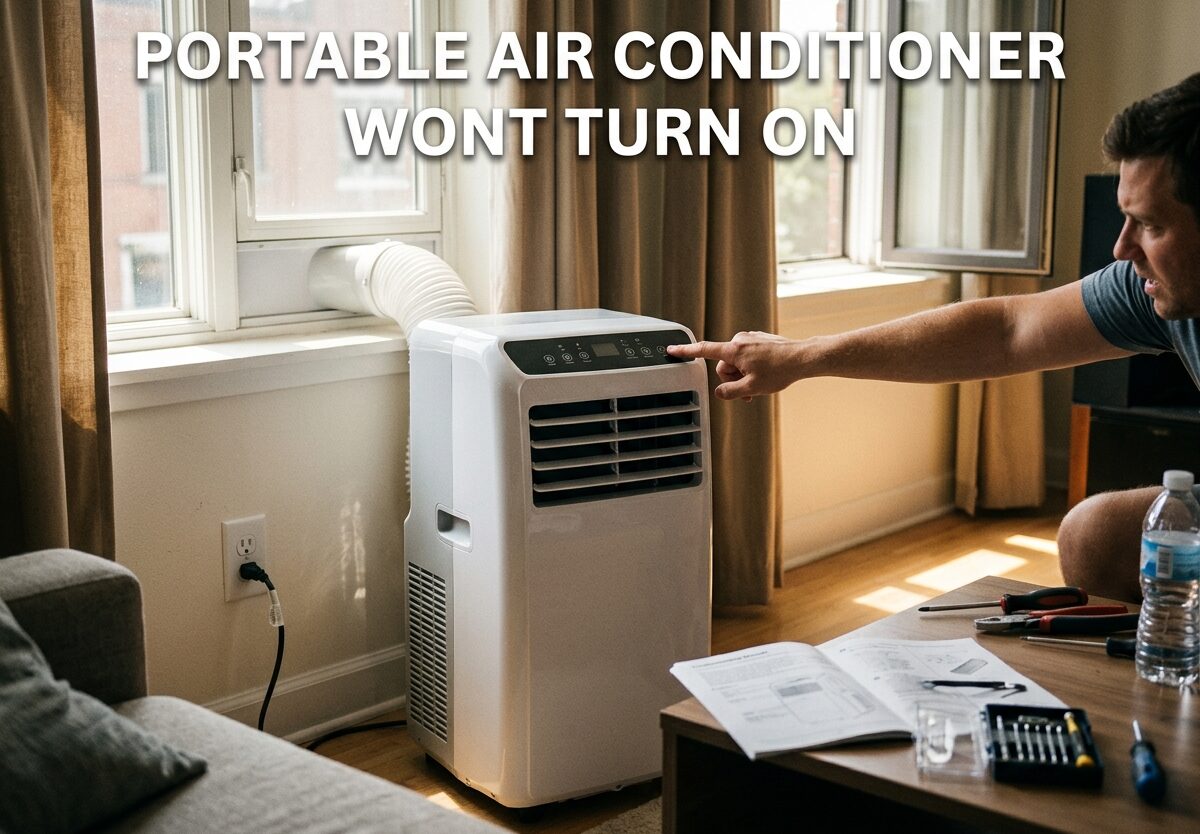
Your portable air conditioner wont turn on and youre sweating. I’ve been there – staring at a silent AC unit while the room temperature climbs. Before you call a repair service or buy a replacement, let me walk you through the fixes that solve 90% of these issues. Most problems take less than 10 minutes to diagnose.
After testing dozens of portable AC units over 15 years in HVAC, I’ve found that power issues usually stem from three things: safety triggers, power supply problems, or user error. The good news is you can fix most of these yourself without special tools.
Quick Troubleshooting Checklist: Portable Air Conditioner Wont Turn On
Start here. These five steps solve the majority of startup issues in under 5 minutes:
Step 1: Check that the unit is plugged in completely. Sounds basic, but vibration from operation can work the plug loose over time. Push firmly into the outlet.
Step 2: Look at the LCDI plug on the power cord. That’s the device where the cord plugs into the wall. You should see two small buttons labeled “Test” and “Reset.” Press “Reset” firmly until you hear it click.
Step 3: Empty the water tank. Most portable ACs shut down when the reservoir is full. Remove the drain plug or pull out the collection tank and empty it completely.
Step 4: Wait 3 minutes after plugging in before pressing power. Portable AC compressors need this cooldown period before restarting. This is the most common mistake users make.
Step 5: Check your home’s circuit breaker. Portable ACs draw significant power and can trip breakers, especially if other appliances share the circuit.
Power Supply Verification: Check These First
A portable air conditioner that wont turn on often has a simple power supply issue. I’ve seen countless units deemed “broken” that just needed attention to the power source.
Test the outlet with a phone charger or lamp first. I’ve arrived at service calls to find the issue was a tripped GFCI outlet or a blown fuse, not the AC unit itself. If the outlet works, move on to the power cord inspection.
Examine the entire length of the power cord. Look for kinks, cuts, or fraying. A damaged cord is a safety hazard and prevents power from reaching the unit. Do not attempt to repair a damaged cord – replacement is the only safe option.
Extension cords are another common culprit. Most portable AC manufacturers explicitly warn against using extension cords. If you must use one, ensure it’s rated for at least 15 amps and is a short, heavy-duty gauge. Thin or long extension cords cause voltage drop that prevents the compressor from starting.
Reset Button Procedure: The LCDI Plug Fix
The LCDI (Leakage Current Detection and Interruption) plug is a safety device required on all portable air conditioners sold in the United States. It’s designed to shut off power if it detects a current leak – exactly the kind of thing that prevents a portable air conditioner from turning on.
You’ll find the LCDI plug at the end of the power cord where it connects to your wall outlet. It has two buttons: “Test” and “Reset.” The “Reset” button is what you need when your portable air conditioner wont turn on.
Here’s the proper reset procedure I teach to all my clients:
First, unplug the unit completely from the wall outlet. Wait at least 30 seconds. This clears any residual charge in the system. Plug the unit back in firmly – you should feel resistance as the blades make contact.
Now press and hold the “Reset” button for 3-5 seconds. You should feel or hear a distinct click. This indicates the safety circuit has been reset and power should now flow to the unit.
If the Reset button won’t stay depressed or pops back out immediately, this indicates a genuine electrical issue. The LCDI plug is detecting something wrong. This could be a damaged cord, internal short, or moisture issue. In this case, unplug the unit and do not attempt to bypass the safety feature.
Some older units use a fuse instead of an LCDI plug. If your portable AC has a fuse compartment, check that the fuse hasn’t blown. A blown fuse often indicates a more serious problem – replacing it without addressing the underlying cause can be dangerous.
Water Tank and Float Sensor Issues
Your portable air conditioner wont turn on if the water tank is full. This is actually a safety feature designed to prevent water from overflowing and damaging your floors or the unit itself.
Most modern portable ACs have an internal water reservoir that collects condensation. When this tank reaches capacity, a float sensor triggers and shuts down the entire unit. The display might show “P1,” “H2,” or “FULL” depending on the brand.
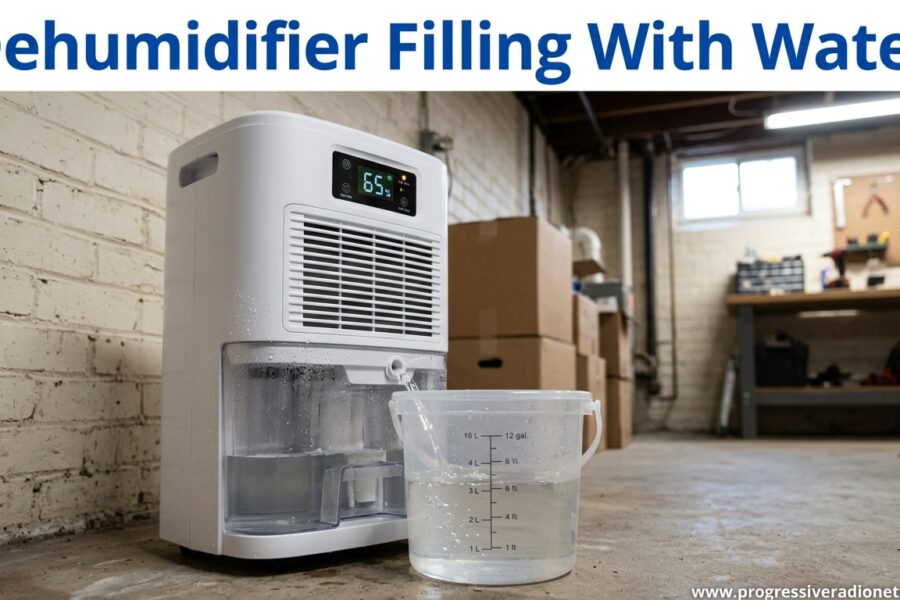
Emptying the tank is straightforward. Locate the drain plug at the bottom rear of the unit or remove the internal collection tank. Place a shallow pan underneath and remove the plug. Let the water drain completely before replacing the plug.
Here’s a tip from my field experience: sometimes the float sensor gets stuck, not physically triggered by water. If your tank is empty but the unit still won’t start, try gently tilting the unit side to side. This can free a stuck float sensor. I’ve fixed dozens of units this way – the “jostle fix” works surprisingly often.
Some models have a continuous drain option. If you’re tired of emptying the tank, consider installing a drain hose that leads to a floor drain or outside. This modification eliminates the full tank shutdown issue entirely.
Thermostat and Control Panel Problems
Sometimes a portable air conditioner wont turn on because of thermostat or control panel issues rather than power problems. The unit might have electricity but refuses to start due to settings or sensor problems.
Check your thermostat setting first. If the room temperature is already at or below your set temperature, the compressor won’t engage. Try lowering the thermostat setting by 5 degrees to see if the unit responds.
The mode setting matters too. Ensure the unit is set to “Cool” mode, not “Fan” or “Dry.” Some units won’t run the compressor in certain modes. Also check that the timer function isn’t activated – a delayed start setting can make it seem like the unit won’t turn on.
Unresponsive control panels are another issue. If the display lights up but buttons don’t respond, try a hard reset: unplug the unit for 10 full minutes. This clears the control board’s memory and can resolve glitchy behavior.
Remote control issues can be misleading. Many units require the remote to function for certain operations. Test by replacing the remote batteries and ensuring nothing is blocking the signal path between remote and receiver.
Filter Cleaning and Maintenance
A clogged air filter can cause your portable air conditioner to overheat and shut down. Many units have thermal overload protection that prevents operation when airflow is restricted. This is actually a good thing – it prevents compressor damage.
Locate your air filter – usually behind a front panel or on the back of the unit. Slide it out and inspect it. If you can’t see through the filter media, it’s definitely time for cleaning.
Wash the filter with warm water and mild soap. Let it air dry completely before reinstalling – never put a wet filter back into the unit. A wet filter can damage the electronics and create mold issues.
I recommend cleaning filters every 2-4 weeks during heavy use. This prevents the overheating shutdown issue and maintains cooling efficiency. Some units have a filter reminder light – don’t ignore it when it illuminates.
Common Error Codes and What They Mean
Modern portable ACs use error codes to communicate problems. When your portable air conditioner wont turn on, the display might show a specific code that points to the issue:
P1 or H1: Water tank full or drain line blocked. Empty the tank and check for kinks in the drain hose.
E1 or E2: Room temperature sensor error. This usually requires professional repair – the sensor may need replacement.
F0, F1, F2: Fan motor or circuit board issues. Try resetting the unit first, but persistent codes indicate hardware problems.
STOP message: This is common on LG and similar brands. Usually indicates the float sensor is triggered – empty the water tank and ensure the unit is on a level surface.
Brand-specific codes vary. Check your owner’s manual for the exact meaning of codes not listed here. Some manufacturers have this information available online if you’ve misplaced the manual.
When to Call a Professional
Some problems require professional expertise. If you’ve tried all the above steps and your portable air conditioner still wont turn on, it might be time to call a technician.
A failed capacitor is a common internal issue. The capacitor provides the electrical jolt needed to start the compressor. When it fails, you might hear a clicking sound as the compressor tries to start but fails. This repair typically costs $75-150 and requires opening the unit.
Compressor failure is more serious. If the compressor itself has failed, replacement often costs more than buying a new unit. Compressors typically fail after 5-8 years of use.
Control board issues can also require professional repair. If the display is completely dead and you’ve verified power is reaching the unit, the main circuit board may need replacement. This runs $100-200 depending on the model.
Consider the age of your unit when deciding on repair versus replacement. Portable AC units typically last 5-10 years with proper maintenance. If your unit is over 8 years old and needs a major repair, replacement might be more cost-effective.
FAQs
Why is my portable AC unit not turning on?
Where is the reset button on a portable air conditioner?
How do I force my AC unit to turn on?
What is the life expectancy of a portable air conditioner?
Final Thoughts
A portable air conditioner that wont turn on is frustrating, but most issues are solvable without professional help. Start with the quick checklist – empty the tank, reset the LCDI plug, check your power source, and wait the crucial 3 minutes before pressing power.
Regular maintenance prevents most startup problems. Clean your filters monthly, empty the water tank regularly, and store the unit properly during off-seasons. These simple habits extend your unit’s lifespan and prevent those hot summer meltdowns.
If you’ve worked through all these steps and your portable air conditioner still wont turn on, it’s time to call a professional or consider a replacement. But in my experience, the DIY fixes covered here solve the majority of cases – often in less time than it takes to schedule a service appointment.
Leave a Comment