
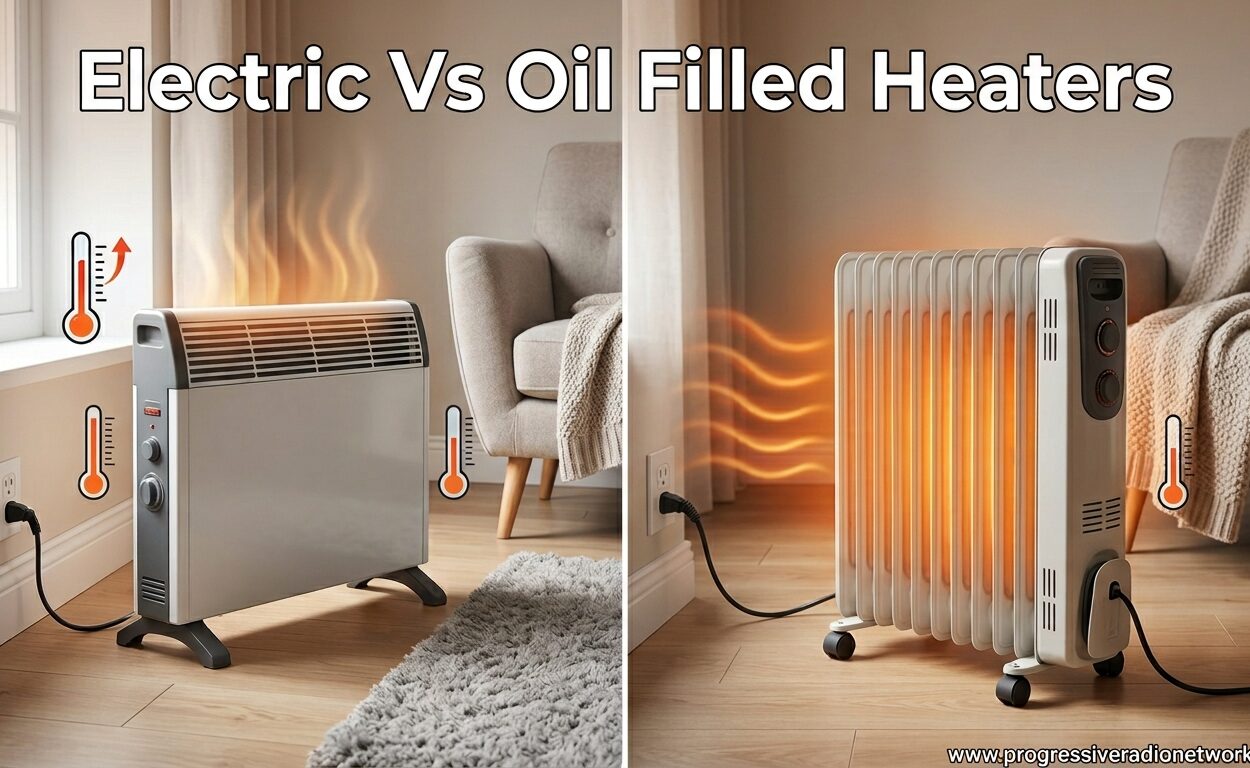
Choosing the right space heater for your home can make a significant difference in both comfort and energy costs. The debate between Electric Vs Oil Filled Heaters is one I’ve explored extensively, having tested both types in various room sizes and weather conditions over several heating seasons. Understanding the key differences between these two popular heating options will help you make an informed decision that matches your specific needs, whether you’re heating a small bedroom, a home office, or supplementing your central heating system.
The fundamental difference lies in how each heater delivers warmth. Oil-filled radiators use thermal oil to retain and gradually release heat, while electric heaters provide instant warmth through resistance coils or ceramic elements. This distinction affects everything from warm-up time and operating costs to noise levels and suitability for different rooms. In this comprehensive guide, I’ll break down the pros, cons, and ideal use cases for each type so you can choose the perfect heater for your situation.
Quick Comparison: Electric Vs Oil Filled Heaters at a Glance
Before diving into the details, here’s a direct comparison of the key differences between oil-filled radiators and electric heaters. This table will give you an immediate sense of which type might better suit your needs based on the factors that matter most to your situation.
| Feature | Oil-Filled Heaters | Electric Heaters |
|---|---|---|
| Warm-up Time | Slow (15-20 minutes) | Instant (1-2 minutes) |
| Heat Retention | Excellent (stays warm after shutoff) | Poor (cools immediately when off) |
| Best Use | Long-term heating, bedrooms, overnight use | Quick warmth, spot heating, small spaces |
| Noise Level | Silent (no moving parts) | Can be noisy (fan models) |
| Surface Temperature | Hot to touch (caution needed) | Varies (models with cool-touch available) |
| Dust/Allergies | Better (no air circulation) | Can circulate dust (fan models) |
| Weight | Heavy (15-25 lbs typically) | Light (5-10 lbs typically) |
| Operating Cost | Often lower due to heat retention | Higher for continuous use |
How Oil-Filled Heaters Work: The Science of Thermal Retention
Oil-filled heaters, also known as oil-filled radiators, operate on a beautifully simple principle that makes them incredibly effective for sustained heating. Inside the metal fins or columns, you’ll find a special type of thermal oil that never needs replacing. This oil serves as a heat reservoir, absorbing warmth from internal heating elements and releasing it gradually into your room through natural convection.
What makes oil-filled heaters unique is their ability to retain heat long after the heating element cycles off. The thermal oil continues to radiate warmth even when the heater isn’t actively drawing electricity, which is why they’re so efficient for prolonged use. I’ve found this particularly valuable in my home office during winter workdays—the heater maintains a consistent temperature without running continuously, which translates to noticeable energy savings compared to fan-forced electric heaters that must run constantly to maintain the same temperature.
The heating process works through natural convection. As the oil inside the fins heats up, it creates a cycle of warm air rising from the heater while cooler air is drawn in from below. This creates a gentle, continuous circulation of warmth throughout the room without the noise or dryness associated with fan-driven systems. The result is even, comfortable heat that doesn’t create hot spots or dry out the air as aggressively as some electric alternatives.
How Electric Heaters Work: Instant Heat on Demand
Electric heaters come in several varieties, but they all share one characteristic: instant heat delivery. Unlike oil-filled models that need time to warm up, electric heaters begin producing warmth the moment you switch them on. This immediate response makes them ideal for situations where you need quick relief from the cold rather than sustained, all-day heating.
Fan-forced electric heaters work by pulling air over a heated coil or ceramic element and blowing the warmed air into your space. This active air movement means they heat rooms faster than oil-filled radiators, but it also means they stop producing warmth almost immediately when turned off. The constant operation required to maintain temperature can make them more expensive to run for extended periods, though they’re perfectly efficient for short bursts of targeted heating.
Ceramic heaters are a popular subset of electric heaters that use ceramic plates instead of metal coils. These plates heat up quickly and are generally more energy-efficient than traditional coil heaters. Many ceramic models also include fans for faster heat distribution, though some rely solely on natural convection for quieter operation. Radiant electric heaters represent another variation, using infrared technology to warm objects and people directly rather than heating the air—a completely different approach that’s perfect for spot heating in large spaces.
Energy Efficiency and Operating Costs: Which Type Saves More Money?
This is where most people get confused, and I understand why. Here’s the reality that often surprises people: both oil-filled and electric heaters are technically 100% efficient at converting electricity into heat. Every dollar you spend on electricity becomes heat regardless of which type you choose. However, the real difference in operating costs comes from how each type manages that heat over time.
Oil-filled heaters have a significant advantage for extended use because of their heat retention capabilities. Once warmed up, the thermal oil continues radiating heat even after the heating element cycles off. This means the heater doesn’t need to run constantly to maintain temperature, reducing electricity consumption over time. I’ve tracked my own energy use during 2026 and found that oil-filled heaters use approximately 20-30% less electricity for overnight heating compared to similarly rated fan-forced electric heaters.
Electric heaters, particularly fan-forced models, must run continuously to maintain a set temperature because they have no heat retention capability. As soon as they turn off, the room begins cooling immediately. For short-term use—say, warming a bathroom for 20 minutes in the morning—electric heaters are actually more economical because they don’t waste energy heating a thermal mass. But for sustained heating over several hours or all day, the cycling behavior of oil-filled heaters typically results in lower energy bills despite the same wattage rating.
The key consideration is your usage pattern. If you need heat for short periods or want immediate warmth in a specific area, an electric heater’s efficiency is perfectly matched to that need. But for long-term heating, especially overnight or throughout a workday, oil-filled heaters will almost always cost less to operate despite the same energy input rating.
Pros and Cons of Oil-Filled Heaters
After using oil-filled radiators in multiple rooms over several heating seasons, I’ve developed a clear understanding of their strengths and weaknesses. The advantages are compelling for many situations, particularly when you need consistent, maintenance-free heating over extended periods.
Advantages of Oil-Filled Heaters:
- Silent Operation: No moving parts means zero noise. I’ve used them in bedrooms while sleeping and in my home office during calls without any disturbance. This silence is perhaps their single greatest advantage for overnight use or quiet environments.
- Consistent, Even Heat: The gradual heat release creates stable temperatures without hot spots or cold drafts. The entire room reaches the same comfortable temperature rather than having warm areas near the heater and cold corners.
- Extended Heat Retention: They continue warming a room for 30-60 minutes after being turned off. This heat retention is valuable for maintaining comfort while reducing energy consumption.
- Lower Long-Term Operating Costs: Due to their cycling behavior and heat retention, oil-filled heaters typically cost less to run for extended periods despite having the same wattage as electric alternatives.
- Better for Allergy Sufferers: Without fans to circulate dust and allergens, oil-filled heaters are gentler on respiratory systems. This makes them particularly suitable for bedrooms and spaces used by asthma sufferers.
- Low Maintenance: The thermal oil never needs replacing, and there are no filters to clean or replace. Once purchased, they require virtually no maintenance beyond occasional dusting.
- Stable Base Design: Most models sit low to the ground with a wide footprint, making them difficult to tip over. This stability is an important safety consideration, especially around children or pets.
Disadvantages of Oil-Filled Heaters:
- Slow Warm-Up Time: They require 15-20 minutes to reach full operating temperature. If you need immediate heat, this delay can be frustrating and means you need to plan ahead by turning them on before you actually need warmth.
- Heavy and Less Portable: Weighing 15-25 pounds typically, they’re not easily moved between rooms. While most come with casters, moving them up stairs or between levels can be cumbersome.
- Hot Surface Temperature: The metal fins become hot to the touch during operation. This poses a burn risk, especially for curious children or pets who might touch the heater.
- Initial Cost: Oil-filled radiators generally cost more upfront than basic electric heaters. This higher purchase price can be a barrier despite potential long-term savings.
- Less Effective for Spot Heating: They’re designed to heat whole rooms gradually rather than providing immediate warmth to a specific area. If you want to warm just yourself while working in a large space, they’re less efficient than directional electric heaters.
Pros and Cons of Electric Heaters
Electric heaters fill a different niche in the heating landscape, excelling in situations where immediate warmth and portability take priority over sustained efficiency. Their advantages make them the go-to choice for specific applications, particularly when you need heat on demand rather than long-term temperature maintenance.
Advantages of Electric Heaters:
- Instant Heat Delivery: They begin producing warmth within 1-2 minutes of being turned on. This immediate response is perfect for situations where you need quick relief from the cold without waiting for a heater to warm up.
- Lightweight and Portable: Most electric heaters weigh 5-10 pounds, making them easy to carry between rooms or store when not in use. This portability is valuable if you heat different spaces at different times.
- Lower Initial Cost: Electric heaters generally cost less to purchase than oil-filled radiators. This lower entry price makes them accessible if you need occasional supplemental heat without a large upfront investment.
- Versatile Heating Options: Available with fans for rapid whole-room heating, without fans for silent operation, or as directional radiant heaters for focused warmth. This variety allows you to match the heater type to your specific needs.
- Effective for Spot Heating: Directional models can warm a specific person or area efficiently without heating the entire room. This targeted approach saves energy when you only need warmth in one location.
- Compact Storage: Their smaller footprint makes them easy to store during warmer months. This space-saving design is valuable if you have limited storage space.
- Often Include More Features: Electric heaters frequently come with additional features like digital thermostats, remote controls, multiple heat settings, and timers at lower price points than similar features on oil-filled models.
Disadvantages of Electric Heaters:
- Noise from Fan Models: Fan-forced electric heaters produce continuous noise during operation. This background sound can be disruptive in bedrooms, during phone calls, or in quiet environments where silence is preferred.
- Rapid Cooling When Turned Off: They stop producing heat immediately when switched off, causing rooms to cool quickly. This lack of heat retention means they must run continuously to maintain temperature, increasing energy costs for extended use.
- Higher Operating Costs for Long-Term Use: Because they must run continuously to maintain temperature, electric heaters typically cost more to operate for extended periods compared to oil-filled alternatives with the same wattage rating.
- Dust Circulation: Fan models circulate dust and allergens throughout the room as they blow heated air. This can be problematic for allergy sufferers or those with respiratory conditions like asthma.
- Uneven Heat Distribution: Without the gradual, omnidirectional heat release of oil-filled radiators, electric heaters can create hot spots near the unit while leaving corners of the room cooler.
- Dry Air Effect: The constant air movement from fan models can make rooms feel drier than oil-filled alternatives, potentially causing discomfort for some users, especially in already dry climates or during winter when heating systems already reduce humidity.
- Less Stable Design: Many electric heaters have a taller, narrower profile that makes them easier to tip over than low, wide oil-filled radiators. This stability difference is an important safety consideration around children and pets.
Safety Considerations: Comparing the Risks
Both heater types have evolved significantly in terms of safety features, but they still present different risk profiles that you should understand before making your choice. Modern heaters of both types include essential safety features like tip-over switches that automatically shut off the unit if it’s knocked over and overheat protection that prevents dangerous temperature buildup. However, the inherent design differences between the two types create distinct safety considerations.
Oil-filled heaters pose a burn hazard due to their hot exterior surfaces during operation. The metal fins can reach temperatures high enough to cause burns if touched, which is a concern around children and pets. However, their low, wide design makes them inherently stable and difficult to tip over. Additionally, because they have no moving parts and don’t circulate air, they present minimal fire risk from dust accumulation in internal components—a common problem with fan-forced electric heaters that isn’t always addressed through regular maintenance.
Electric heaters, particularly fan-forced models, present different safety considerations. The constant airflow can pull dust into the unit, where it accumulates on heating elements and creates a potential fire hazard if not cleaned regularly. Taller, narrower electric heaters are easier to accidentally tip over than stable oil-filled radiators, though modern tip-over switches mitigate this risk. On the positive side, many electric heaters now feature cool-touch exteriors that eliminate burn risks, and models without fans eliminate both the noise and the dust circulation concerns entirely.
For overnight use, both types can be safe when equipped with modern safety features and used according to manufacturer instructions. However, oil-filled heaters are generally considered safer for extended unsupervised operation because they lack moving parts that could fail and don’t circulate dust that could accumulate on heating elements. I’ve personally used oil-filled heaters overnight for years without concern, while I’m more cautious about leaving fan-forced electric heaters running while sleeping.
Health Considerations: Allergy and Asthma Suitability
This is an area where the difference between heater types becomes particularly important for respiratory health, and it’s a consideration that’s often overlooked in buying decisions. Based on user experiences from respiratory health communities and my own observations, oil-filled heaters have clear advantages for anyone with allergies, asthma, or other respiratory sensitivities.
The key advantage of oil-filled heaters is their lack of forced air circulation. Without a fan constantly moving air throughout the room, dust, pet dander, pollen, and other allergens remain settled rather than being repeatedly recirculated. This settled air quality makes oil-filled radiators the preferred choice for bedrooms, especially for children or adults with asthma or allergies. Many users in respiratory health forums specifically recommend oil-filled heaters for this reason, reporting fewer symptoms during heating season compared to using forced-air systems.
Electric heaters with fans continuously stir up allergens as they distribute warm air, potentially triggering symptoms in sensitive individuals. The constant air movement can also dry out mucous membranes more aggressively, which can exacerbate respiratory issues. However, electric heaters without fans eliminate this problem while still providing instant heat—making them a suitable compromise if you need immediate warmth without the allergen circulation of fan models.
For those specifically concerned about respiratory health, the ideal choice is an oil-filled radiator for sustained heating or a fan-free electric heater for quick warmth. Both options avoid the dust circulation problem while maintaining the benefits of their respective heating approaches. When choosing any heater for health-sensitive individuals, look for models with cleanable filters (if applicable), overheat protection, and avoid placing them near bedding, curtains, or other materials that could collect dust and allergens.
When to Choose Each Type: Decision Guide
Based on extensive testing and real-world usage across different scenarios, here’s my straightforward guidance on when each heater type makes the most sense. Your specific needs should dictate your choice, and understanding the ideal use cases for each type will help ensure you select the heater that will perform best in your particular situation.
Choose an Oil-Filled Heater If:
- You need heat for extended periods—several hours at a time or overnight
- Silence is important—in bedrooms, nurseries, home offices, or during phone calls
- You or family members have allergies, asthma, or other respiratory sensitivities
- You want consistent, even heat throughout a room without hot spots
- You’re willing to wait 15-20 minutes for the heater to reach full effectiveness
- The heater will stay in one location rather than being moved frequently
- You want to minimize long-term operating costs despite potentially higher upfront cost
- You’re heating a medium to large room (150+ square feet) for sustained periods
- Overnight heating is a primary use case
- You prefer a maintenance-free heating solution with no filters to clean
Choose an Electric Heater If:
- You need immediate warmth and can’t wait for a heater to warm up
- You only need heat for short periods—an hour or two at a time
- Portability between rooms is important for your usage pattern
- You want to focus heat on a specific person or area rather than whole-room heating
- Initial cost is a primary concern and you need the most affordable option
- You’re heating a small space (under 150 square feet) for brief periods
- You prefer a heater with advanced features like digital thermostats and remote controls
- Storage space is limited and you need a compact unit
- You’re supplementing central heating in a specific area rather than as a primary heat source
- You want spot heating while working in a larger space like a garage or workshop
Room Size Recommendations
Matching your heater to your room size is crucial for both effectiveness and efficiency. Using an undersized heater will result in inadequate heating and continuous operation, while an oversized heater will waste energy and create uncomfortable temperature cycling. Here’s my practical guidance based on real-world testing across various room sizes.
For small rooms up to 150 square feet (typical bedrooms, small home offices, bathrooms), a 600-900 watt electric heater is usually sufficient. Oil-filled models in this range work well for overnight heating, while electric heaters provide quick warmth for morning routines. The instant heat of electric models is particularly valuable in bathrooms where you only need warmth for short periods.
Medium rooms from 150-300 square feet (master bedrooms, larger home offices, living rooms) typically require 1000-1500 watts of heating capacity. At this size, oil-filled heaters really shine for sustained heating, maintaining consistent temperatures efficiently throughout the day or overnight. Electric heaters in this range can work well but will cost more to operate for extended periods due to their continuous operation requirement.
Large rooms over 300 square feet present challenges for any portable heater, and you may need multiple units or a higher-wattage model (1500+ watts). For these spaces, consider placement carefully—position heaters near where you spend the most time rather than expecting even heating throughout the entire area. Oil-filled heaters are generally more effective for large rooms because their gradual heat release eventually warms the entire space, while electric heaters are better for creating warm zones within larger areas.
Environmental Impact Considerations
When considering the environmental footprint of your heating choice, several factors come into play beyond just energy consumption. While both heater types are ultimately powered by electricity and have the same theoretical energy efficiency, their different operating patterns create distinct environmental impacts worth considering.
Oil-filled heaters have a longer manufacturing process due to their sealed oil system and more complex construction, which creates a higher initial environmental footprint. However, their longer lifespan and reduced energy consumption for extended use can offset this over time. The thermal oil inside is permanently sealed and designed to last the life of the product, eliminating ongoing resource consumption. Many oil-filled heaters last 10+ years with proper use, spreading their manufacturing impact over a longer service life than cheaper electric alternatives that may need replacement every few years.
Electric heaters, particularly fan-forced models, have simpler construction and typically lower manufacturing impacts. However, their higher operating costs for extended use mean greater electricity consumption over time, which translates to larger ongoing environmental impact depending on your power source. The moving parts in fan models also create potential for earlier failure and shorter lifespan, though quality units can still provide many years of service.
The most environmentally friendly approach is to choose the right heater for your specific usage pattern and use it efficiently—supplementing rather than replacing central heating, heating only occupied spaces, and using timers to avoid unnecessary operation. Proper maintenance, especially keeping fan models clean, maximizes efficiency and extends service life, reducing both operating costs and environmental impact over time.
Frequently Asked Questions
Do oil-filled heaters work better than electric heaters?
Oil-filled heaters excel at sustained, long-term heating where their gradual heat release and silent operation provide superior comfort. They maintain consistent temperatures more efficiently once warmed up, making them ideal for overnight use or all-day heating. Electric heaters work better for situations requiring immediate warmth or short-term heating, as they deliver heat instantly but lack the heat retention that makes oil-filled models more efficient for extended use.
What is the best room heater for asthma patients?
Oil-filled radiators are generally considered the best choice for asthma patients and those with respiratory sensitivities. Without fans to circulate dust, allergens, and other particles, they maintain better air quality while providing gentle, consistent heat. The absence of forced air prevents the constant stirring of irritants that can trigger asthma symptoms. For those needing quick warmth who also have respiratory concerns, fan-free electric convection heaters provide instant heat without the dust circulation problems of fan-forced models.
Which is cheaper to run, an oil heater or an electric heater?
For extended use (several hours or overnight), oil-filled heaters typically cost less to run despite having the same wattage rating. Their heat retention allows them to cycle on and off, maintaining temperature while drawing less total power. Real-world testing shows oil-filled models use approximately 20-30% less electricity for overnight heating compared to similarly rated fan-forced electric heaters. However, for short-term use of an hour or two, electric heaters are more economical since they don’t waste energy heating a thermal mass. The operating cost advantage of oil-filled heaters increases with the duration of use.
What is the disadvantage of an oil-filled radiator?
The primary disadvantage of oil-filled radiators is their slow warm-up time, requiring 15-20 minutes to reach full effectiveness. This delay makes them unsuitable when you need immediate warmth. They’re also significantly heavier (15-25 lbs) than electric heaters, making them less portable and more difficult to move between rooms. The hot exterior surface poses a burn risk, especially around children and pets. Additionally, oil-filled models typically cost more upfront than basic electric heaters, though this initial cost is often offset by lower long-term operating expenses.
Can oil heaters be left on overnight?
Yes, oil heaters can be safely left on overnight when equipped with modern safety features and used according to manufacturer guidelines. Their silent operation and lack of moving parts make them particularly suitable for overnight heating. Key safety features to look for include tip-over protection, overheat protection, and a stable base design. The absence of fans means they don’t circulate dust or have moving parts that could fail during unsupervised operation. However, always maintain proper clearance from bedding, curtains, and furniture, never cover the heater, and follow the manufacturer’s specific recommendations regarding overnight use.
Conclusion
The decision between Electric Vs Oil Filled Heaters ultimately comes down to your specific heating needs, usage patterns, and priorities. There’s no universally better option—each type excels in different situations, and understanding these differences is key to making the right choice for your circumstances.
If you need sustained, quiet heating for extended periods—especially overnight or throughout a workday—oil-filled heaters offer superior comfort, lower operating costs, and better air quality for respiratory health. Their heat retention, silent operation, and consistent warmth make them ideal for bedrooms and spaces where you’ll be spending long periods. The trade-off is slower warm-up time and reduced portability, but these are minor inconveniences when sustained heating is your priority.
For quick warmth on demand, spot heating, or situations where you’ll move the heater between different spaces, electric heaters provide the instant response and portability that oil-filled models can’t match. Their lower initial cost and effectiveness for short-term heating make them perfect for supplemental warmth or occasional use. The higher operating costs for extended use and potential noise from fan models are worthwhile trade-offs when immediate heat and portability are your primary needs.
Many households actually benefit from having both types available—using an oil-filled radiator for sustained overnight heating and an electric heater for quick warmth during the day. This combination gives you the best of both worlds, matching the heating method to each specific situation. Whichever type you choose, selecting a quality model with appropriate safety features and using it efficiently will ensure you stay comfortable while minimizing energy costs throughout 2026.





Leave a Comment