
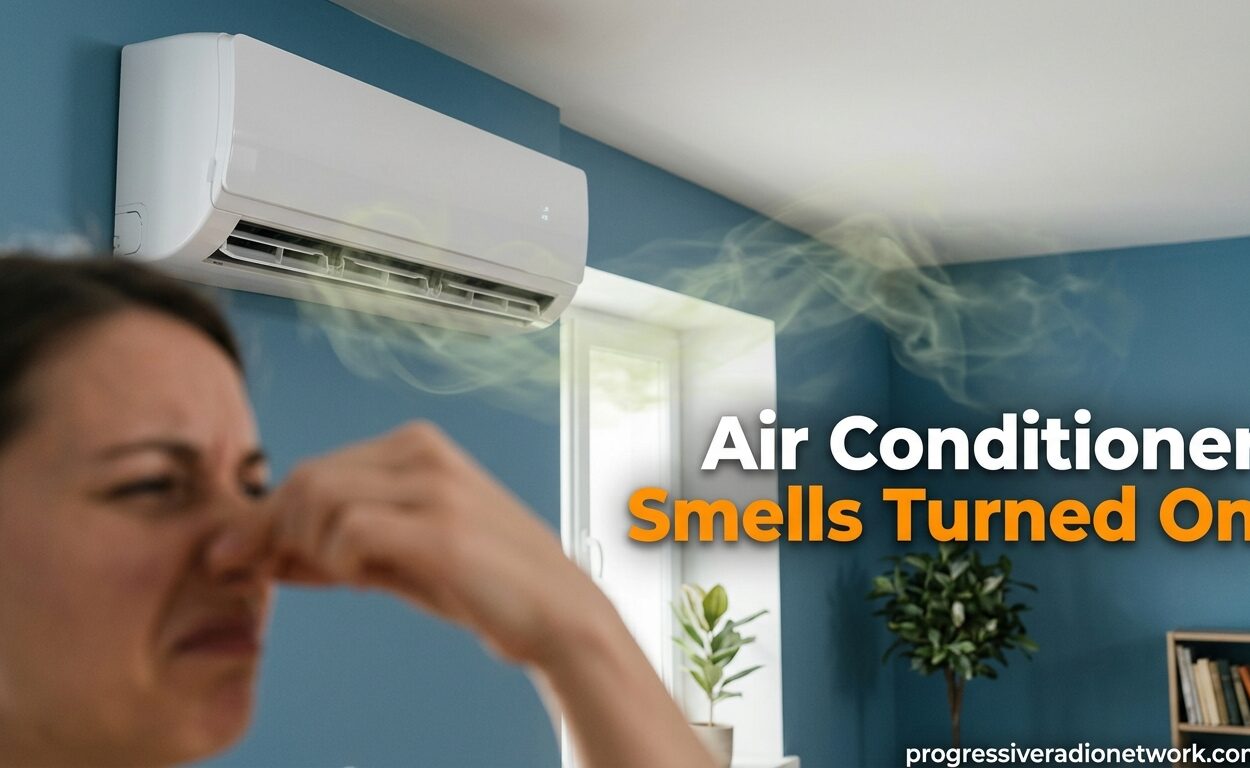
That first blast of air from your air conditioner should feel refreshing. Instead, you’re hit with a smell that makes you want to open every window immediately. Whether it’s musty, burning, chemical, or something entirely unidentifiable, air conditioner smells turned on are more than just unpleasant – they’re often warning signs that something needs attention.
I’ve spent years researching HVAC issues and talking with homeowners about their AC problems. The confusion and frustration is real. You don’t know if the smell is dangerous, if you can fix it yourself, or if you’re about to face a massive repair bill. Let me walk you through everything you need to know about identifying, treating, and preventing those mysterious AC odors.
Quick Answer: Why Air Conditioner Smells When Turned On
The most common causes of air conditioner smells when turned on are mold or mildew growth on the evaporator coil, a clogged air filter, standing water in the drain pan, or more serious issues like refrigerant leaks and electrical problems. These smells develop because your AC naturally removes moisture from the air, creating the perfect damp environment for organic growth when maintenance is neglected.
The good news? Most AC smells are preventable and fixable. The key is identifying which type of smell you have and understanding whether it’s a quick DIY fix or time to call a professional.
Why Air Conditioner Smells Turned On Happen
Understanding why your air conditioner smells when turned on starts with knowing how your system works. Your AC doesn’t just cool air – it dehumidifies it. As warm air passes over the cold evaporator coils, moisture condenses on the coils like water on a cold soda can. This water drips into a drain pan and flows out through a drain line.
This moisture removal is essential for comfort, but it creates perfect conditions for smells to develop. When water sits in the drain pan, when organic matter accumulates on damp coils, or when the drain line gets clogged, mold and bacteria thrive. The first time your AC kicks on after sitting idle, it blows all those accumulated odors throughout your home.
Your AC system is essentially a giant air circulator. Anything growing inside gets distributed to every room. This is why smells seem to appear the moment you turn on the system, and why they’re often stronger at startup before fading as the system runs continuously.
Musty or Moldy Smell from Air Conditioner
That characteristic musty odor is by far the most common AC smell complaint. It’s the smell of dampness, old books, and that distinct earthy scent that signals mold or mildew growth somewhere in your system.
The evaporator coil is the usual culprit. Located inside your air handler, this coil is constantly damp during cooling season. Dust, pollen, and other airborne particles settle on the wet coil surface, creating a perfect food source for mold spores. Before long, you’ve got a mold colony that sends spores circulating through your home every time the system runs.
Other common sources of musty smells include a clogged condensate drain line that’s allowing water to back up, or standing water in the drain pan itself. In more severe cases, mold can grow inside the ductwork, especially if there have been any leaks or if your ducts are in a damp crawlspace or basement.
Health concerns are real with mold exposure. Symptoms can range from mild allergic reactions like sneezing and itchy eyes to more serious respiratory issues, especially for those with asthma or compromised immune systems. Children and elderly family members are particularly susceptible.
The fix for musty smells starts with thorough cleaning. Your evaporator coil needs professional cleaning with a specialized coil cleaner that kills mold and removes buildup. The drain line should be flushed, and the drain pan cleaned and treated with antimicrobial tablets. In homes with recurring issues, UV lights installed near the coil can prevent future growth by sterilizing the coil surface.
Burning Smell When AC Turns On
A burning smell when your air conditioner turns on is never normal and should always be taken seriously. This smell typically indicates an electrical problem or overheating component that could become a fire hazard if left unchecked.
The most common cause is a problem with the blower motor. If the motor is failing or if the bearings are worn and seizing, it can overheat and produce a distinct burning rubber or electrical smell. This is often accompanied by unusual sounds from your air handler or reduced airflow.
Electrical issues are another serious cause. Frayed wiring, loose connections, or a failing capacitor can all produce burning odors. Sometimes you’ll notice the smell only when the system first starts, as the initial power surge causes arcing at a damaged connection point.
In some cases, a burning smell might be dust burning off the components. This is common when you first turn on your heating system for the season, as dust that has accumulated on the heat elements burns away. However, if you smell burning when cooling starts, or if the smell persists more than a few minutes, this is not normal dust burn-off.
Safety first with burning smells. Turn off your AC immediately at the thermostat. Don’t wait to see if the smell goes away on its own. Check your air filter – a severely clogged filter can cause the system to overheat as it struggles to pull air through. If the filter is fine, or if replacing it doesn’t solve the problem, call a professional technician. Electrical problems in HVAC systems can escalate quickly and should only be diagnosed and repaired by qualified technicians.
Chemical or Sweet Smell from AC
A chemical smell from your air conditioner, often described as sweet, like acetone, or similar to paint thinner, typically indicates a refrigerant leak. Your AC uses refrigerant to absorb heat from your home’s air, and this chemical circulates through sealed copper lines under pressure.
When these lines develop a leak, either from corrosion, physical damage, or faulty connections, refrigerant escapes into the air. The smell is distinctive and unlike other household odors. You might also notice your AC isn’t cooling as effectively as before, or you might see ice forming on the refrigerant lines.
Refrigerant leaks are more than just a performance issue. Depending on the type of refrigerant your system uses, exposure can cause health problems. Symptoms of refrigerant exposure include dizziness, headaches, nausea, and in severe cases, difficulty breathing. The area around your outdoor condenser might also show signs of dead or dying vegetation if refrigerant has been leaking onto the ground.
Repairing a refrigerant leak is not a DIY job. Specialized equipment is needed to locate the leak, repair it properly, and recharge the system with the correct amount of refrigerant. Continuing to run your AC with a leak can cause compressor damage and will only make the repair more expensive.
Cost for refrigerant leak repair varies widely depending on the location and severity of the leak. Simple repairs like fixing a loose connection might cost $150-300, while replacing a damaged coil can run $800-1,500 or more. Getting quotes from multiple licensed HVAC contractors is smart for this type of repair.
Rotten Egg or Sulfur Smell from Air Conditioner
This is the smell that should trigger immediate action. A rotten egg or sulfur smell coming from your air conditioner is almost always associated with a gas leak. While this might seem strange since your AC runs on electricity, the smell can be drawn into your system from elsewhere in your home.
Natural gas is actually odorless, but utility companies add mercaptan – a chemical that smells like rotten eggs – specifically so that gas leaks are easily detected. If you smell this distinctive odor, it could indicate a gas leak from a furnace, water heater, stove, or other gas appliance that’s being pulled into your AC intake and distributed throughout your home.
Less commonly, the smell could come from a dead animal in your ductwork. Birds, rodents, or other small animals can become trapped and die, producing a strong odor as they decompose. While unpleasant, this is not immediately dangerous like a gas leak.
If you suspect a gas leak, take immediate safety precautions. Don’t turn any electrical switches on or off. Don’t use your phone inside the house. Evacuate everyone from the home immediately. Once you’re safely outside and away from the building, call your gas company or emergency services from your mobile phone. Do not re-enter the home until it has been cleared by professionals.
If a dead animal is the culprit, you’ll need to locate and remove it, then clean and disinfect the affected ductwork. This often requires professional duct cleaning services, especially if the animal has decomposed significantly or if the ducts are difficult to access.
Dirty Sock Syndrome and Other Unusual AC Smells
Dirty sock syndrome is the industry term for that distinctive gym locker or dirty laundry smell that sometimes comes from air conditioners. It’s caused by bacteria growing on your evaporator coil, often in combination with mold. The bacteria produce compounds that smell remarkably like sweaty socks or dirty gym clothes.
This smell is most common in climates where heating is needed in the morning and cooling in the afternoon, or during seasons with moderate temperatures. The coil never gets cold enough to kill the bacteria or warm enough to dry it out completely, creating perfect breeding conditions. High-efficiency systems can be particularly prone because they remove so much moisture from the air.
Treatment for dirty sock syndrome includes thorough coil cleaning with products designed specifically to kill the bacteria. Some homeowners find success with UV light installations, which sterilize the coil surface and prevent bacterial growth. In severe cases, replacing the evaporator coil might be necessary, especially if it’s old and heavily coated with buildup.
Sewage smells from your AC typically indicate a problem with your plumbing, not your air conditioning system. If the AC condensate drain line connects to your sewer line and that connection fails, sewer gas can be drawn back up through the drain and into your system. This requires a plumber to fix the connection and install proper backflow prevention.
Fishy smells are less common but particularly concerning. This can indicate overheating electrical components or burning plastic – a serious fire hazard that requires immediate professional attention. In some cases, the smell might come from certain types of melting insulation materials.
Car Air Conditioner Smells Turned On
Car AC smells follow similar patterns to home systems, but with some unique causes. The most common is mold growth in the evaporator case behind your dashboard. Car AC systems are even more prone to mold because they’re used less frequently and the dark, damp environment is ideal for growth.
That musty smell when you first turn on your car’s AC is usually mold that’s grown while the car sat. The smell is strongest at startup because the system is blowing concentrated spores that have accumulated in the evaporator case and ducts. Running the car for a while might reduce the smell, but it will return stronger next time.
Prevention is key for car AC smells. Before turning off your car, turn off the AC but leave the fan running for a few minutes. This dries out the evaporator coil and reduces moisture buildup. Parking in the sun can also help – the heat dries out the system. Using the fresh air mode instead of recirculation can reduce moisture accumulation.
Treatment options include professional AC cleaning services that access the evaporator case and apply antimicrobial treatments. DIY options include AC vent cleaner sprays that you apply through the exterior air intake while the system runs. These can be effective for mild cases but won’t solve severe mold problems.
Some car smells aren’t mold-related. A sweet smell in your car could indicate a coolant leak from the heater core, which is part of your car’s climate control system. This typically shows up as fog on the windshield and a sweet smell when the heater is running, not just the AC.
How to Get Rid of Air Conditioner Smells
Tackling AC smells yourself is possible for many common issues, provided you’re comfortable with basic DIY tasks and you know when a problem is beyond your skill level. Here’s a step-by-step approach to eliminating most AC odors.
Step 1: Change Your Air Filter
Start with the simplest fix first. A clogged air filter restricts airflow, causes moisture buildup, and can harbor mold and bacteria. Remove your current filter and hold it up to a light source. If you can’t see light through it, or if it’s been more than 90 days since you last changed it, replace it immediately. Use a filter with at least a MERV 8 rating for better filtration.
Step 2: Clean the Evaporator Coil
Access your evaporator coil, which is located inside your air handler or furnace cabinet. You may need to remove an access panel. Visually inspect the coil – if it’s covered in dust, dirt, or visible mold growth, it needs cleaning.
Use a commercial coil cleaner spray specifically designed for AC evaporator coils. These foaming cleaners loosen debris and kill mold and bacteria. Apply according to the manufacturer’s directions, typically spraying generously and allowing it to work for 15-30 minutes before rinsing. Be careful not to bend the delicate aluminum fins on the coil.
Step 3: Clean the Condensate Drain Line
Locate your condensate drain line, usually a PVC pipe that exits your air handler and drains outside. Use a wet/dry vacuum to suck out any clogs from the exterior end. Then, flush the line from the inside using a mixture of warm water and a small amount of bleach or vinegar. This kills algae and bacteria that commonly clog drain lines.
For stubborn clogs, you can use a specialized drain line cleaning tool or call a professional. Some homeowners pour bleach down the drain monthly as prevention, but be cautious – bleach can damage some drain line materials over time.
Step 4: Clean the Drain Pan
The drain pan sits beneath your evaporator coil and collects condensation. Remove any standing water and clean thoroughly with a mixture of warm water and mild detergent. For stubborn mold or algae, use a solution of one part bleach to ten parts water. After cleaning, place antimicrobial drain pan tablets in the pan to prevent future growth.
Step 5: Apply Disinfectant Spray
After cleaning all components, apply an HVAC disinfectant spray designed for air conditioning systems. These products kill remaining bacteria and mold spores and leave a protective coating that inhibits future growth. Spray into the return air duct while the system is running to distribute the treatment throughout your ductwork.
Natural Cleaning Alternatives
If you prefer eco-friendly options, several natural cleaners work well for AC maintenance. White vinegar is excellent for killing mold and bacteria – use it undiluted for drain line cleaning or mixed with water for general cleaning. Baking soda absorbs odors and can be sprinkled in the drain pan. Tea tree oil is a natural antifungal – add a few drops to your cleaning solution for extra mold-fighting power.
Tools You’ll Need
Before starting, gather these supplies: replacement air filter, coil cleaner spray, wet/dry vacuum, flexible brush for coil cleaning, screwdriver for access panels, bleach or vinegar for drain lines, cleaning rags, and HVAC disinfectant spray. Having everything ready makes the job go smoothly and ensures you don’t skip steps.
How to Prevent Air Conditioner Smells
Preventing AC smells is far easier than dealing with them after they develop. A consistent maintenance routine keeps your system clean, efficient, and odor-free year after year.
Monthly Air Filter Changes
The single most effective prevention step is regular air filter replacement. Check your filter monthly and replace it at least every 90 days, more often if you have pets, allergies, or a dusty environment. A clean filter prevents debris from reaching your evaporator coil and maintains proper airflow, which reduces moisture buildup.
Seasonal Professional Maintenance
Schedule professional AC maintenance annually, ideally in spring before cooling season begins. A technician will clean coils, check refrigerant levels, inspect electrical connections, clean the drain line, and identify potential problems before they become serious. This maintenance typically costs $100-200 but can prevent much more expensive repairs.
Humidity Control
Excess humidity in your home creates more condensation in your AC system, leading to mold growth. Use exhaust fans in bathrooms and kitchens to remove moisture at the source. Consider a whole-house dehumidifier if you live in a humid climate. Target indoor humidity levels of 30-50% for optimal comfort and mold prevention.
Proper Thermostat Settings
Avoid constantly turning your AC on and off, which prevents the system from running long enough to dehumidify properly. Setting your thermostat to a consistent temperature rather than making large adjustments helps maintain steady humidity levels. Use the AUTO fan setting rather than ON – this runs the fan only when cooling is active, allowing moisture to drain between cycles.
UV Light Installation
UV lights installed near your evaporator coil can prevent mold and bacterial growth. These lights sterilize the coil surface as air passes through, preventing organic growth before it starts. Installation costs $500-1,000 but provides ongoing protection and can significantly reduce maintenance needs.
Keep the Area Around Your Unit Clean
For outdoor units, keep at least two feet of clearance around the condenser. Remove leaves, grass clippings, and debris that can restrict airflow. Trim back any vegetation growing near the unit. For indoor air handlers, ensure the area is clean and dry with adequate ventilation.
Seasonal Maintenance Calendar
Spring: Schedule professional maintenance, change filters, clear outdoor unit of winter debris. Summer: Monthly filter checks, monitor for unusual smells, keep outdoor unit clear. Fall: Final professional maintenance before heating season, clean around indoor unit. Winter: Change filters monthly even when using heat, keep area around air handler clean and dry.
When to Call a Professional for AC Smells
While many AC smell issues can be handled DIY, some situations require professional expertise. Knowing the difference saves time, money, and potentially prevents dangerous situations.
Call Immediately For: Burning smells, chemical/refrigerant odors, rotten egg/sulfur smells, any smell accompanied by unusual noises, smoke, or visible damage. These indicate serious problems that require immediate professional attention and could be safety hazards.
Call Soon For: Persistent musty smells that don’t improve after DIY cleaning, smells that return quickly after treatment, reduced cooling performance combined with odors, water leaks around your indoor unit, or if anyone in your household experiences worsening allergy or asthma symptoms when the AC runs.
Expected Professional Costs: Diagnostic visit typically costs $75-150. Coil cleaning runs $150-300. Complete drain line treatment costs $100-200. UV light installation ranges $500-1,000. Duct cleaning costs $300-700 depending on home size. Refrigerant leak repair varies widely from $150 for simple fixes to $1,500+ for coil replacement.
Finding a Qualified Technician: Look for HVAC contractors who are licensed, bonded, and insured. Check online reviews and ask for references. Verify they have experience with your specific AC brand and type. Get multiple written quotes for expensive repairs. Ask about warranties on both parts and labor. A reputable technician will explain the problem clearly, provide options, and never pressure you into unnecessary services.
Emergency Situations: If you smell gas or rotten eggs, evacuate immediately and call your gas company or emergency services from outside. For burning smells accompanied by smoke or visible sparks, turn off the AC at the thermostat and call an emergency HVAC service. These situations don’t wait for regular business hours.
Frequently Asked Questions About AC Smells
Why is my AC smelling when I turn it on?
AC smells when turned on are typically caused by mold or mildew growth on the evaporator coil, a clogged air filter, standing water in the drain pan, or more serious issues like refrigerant leaks and electrical problems. The smell appears at startup because the system is blowing accumulated odors that have developed while the AC was idle.
What is dirty sock syndrome?
Dirty sock syndrome is a bacterial growth on your AC evaporator coil that produces an odor similar to dirty gym socks or locker room smell. It’s most common in climates where the system switches between heating and cooling frequently, creating conditions where bacteria thrive. Treatment includes professional coil cleaning and sometimes UV light installation to prevent recurrence.
What smell indicates an electrical fire?
Burning smells, especially those resembling burning plastic, rubber, or electrical components, indicate potential electrical problems that could become fire hazards. If you smell burning when your AC turns on, turn off the system immediately and check your air filter. If the filter isn’t severely clogged, or if replacing it doesn’t solve the problem, call a professional technician right away.
How do I get rid of musty smell from my AC?
Eliminate musty AC smells by changing your air filter, cleaning the evaporator coil with commercial coil cleaner, flushing the condensate drain line with vinegar or bleach solution, and cleaning the drain pan thoroughly. Apply HVAC disinfectant spray afterward to kill remaining mold spores. For persistent issues, schedule professional coil cleaning and consider UV light installation.
Can a dirty air filter cause my AC to smell?
Yes, a clogged air filter is a common cause of AC odors. Dirty filters restrict airflow, causing moisture to accumulate on the evaporator coil where mold and bacteria grow. The filter itself can also harbor mold spores and bacteria that get distributed through your home. Change your air filter every 30-90 days, or monthly if you have pets or allergies.
Is AC mold dangerous to my health?
AC mold can cause various health problems, especially for those with respiratory conditions, allergies, or weakened immune systems. Symptoms include sneezing, coughing, itchy eyes, sore throat, and worsening asthma. Children and elderly individuals are particularly susceptible. While minor mold growth might only cause mild irritation, extensive mold exposure can lead to more serious respiratory issues and should be addressed promptly.
Conclusion: Taking Action on Air Conditioner Smells
Air conditioner smells turned on are more than just a nuisance – they’re your system’s way of telling you something needs attention. Whether it’s the common musty odor of mold growth, the serious warning of a burning smell, or the distinctive scent of a refrigerant leak, identifying and addressing these smells promptly protects both your health and your HVAC investment.
Most AC smells can be prevented with regular maintenance: change your air filter monthly, schedule annual professional maintenance, control indoor humidity, and keep your system clean. When smells do develop, many can be resolved with DIY cleaning using the steps outlined above. But know when to call a professional – burning, chemical, and rotten egg smells require immediate expert attention.
Don’t ignore unusual odors from your air conditioning system. The longer you wait, the worse the problem becomes and the more expensive the fix. Use this guide to identify the type of smell, understand its cause, and take appropriate action. Your nose – and your family’s health and comfort – will thank you.



Leave a Comment