
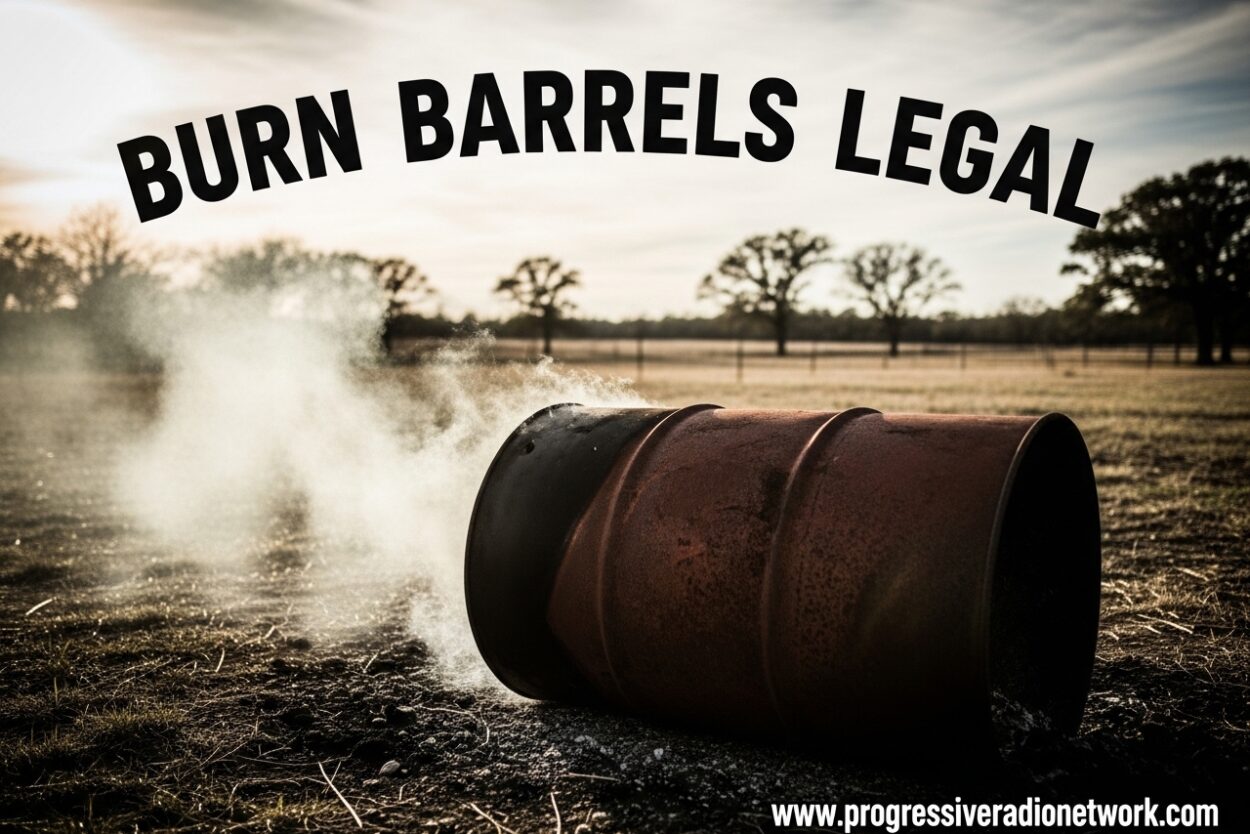
If you live in a rural area or manage a property with lots of yard waste, you’ve probably wondered about the legality of using a burn barrel. These simple metal drums have been a go-to solution for debris disposal for generations. However, burn barrels legal status has become increasingly complicated as environmental and health concerns have prompted stricter regulations across the country.
Understanding whether burn barrels are legal in your area isn’t just about following the rules. It’s about protecting your family’s health, avoiding hefty fines, and being a responsible member of your community. The regulations vary significantly from state to state and even county to county, making it essential to understand the specific laws that apply to your location.
Are Burn Barrels Legal? The Short Answer
The short answer is that burn barrels are legal in some areas under specific conditions, but completely illegal in others. Generally speaking, burning household trash in a burn barrel is illegal everywhere in the United States. However, many states allow burning of yard waste and landscape materials in burn barrels, provided you have the proper permits and follow strict safety guidelines.
The legality of burn barrels comes down to two main factors: your location and what you plan to burn. States like California, Washington, and Florida have complete bans on burn barrels regardless of the material. Other states permit burning of vegetative waste like leaves, branches, and grass clippings, but require a burn permit and prohibit burning during certain times of the year. Always check with your local fire department or county officials before using a burn barrel on your property.
Why Burn Barrels Are Regulated
Burn barrels face strict regulation because of the serious health and environmental risks they pose. When materials burn in a barrel with limited oxygen, they create far more pollution than controlled burning or modern waste management methods. The incomplete combustion produces toxic smoke that stays close to the ground and can drift directly into neighboring properties.
The most concerning pollutants from burn barrels are dioxins, which are highly toxic compounds that can cause cancer, reproductive problems, and immune system damage. According to the EPA, burn barrels produce 2 times more dioxins than municipal incinerators. Even burning seemingly harmless materials like leaves and brush can release harmful particulates, carbon monoxide, benzene, and formaldehyde into the air.
Fire safety is another major reason for burn barrel regulations. These devices can easily spark wildfires, especially during dry conditions. The open flame combined with wind-carried embers creates a significant risk that can quickly escalate into dangerous situations. Many communities have experienced devastating fires that started from seemingly controlled barrel burning.
What Cannot Be Burned in a Burn Barrel
Understanding what materials are prohibited is crucial for staying on the right side of the law. Even in areas where burn barrels are permitted for certain materials, burning the wrong items can result in fines and environmental damage. Here’s what you can never legally burn in a burn barrel:
- Household trash and garbage – This includes food waste, packaging, and everyday household items
- Plastic products – Plastic bags, bottles, containers, and any synthetic materials release toxic chemicals when burned
- Rubber and vinyl – Tires, hoses, and vinyl products produce harmful smoke
- Treated or painted wood – Pressure-treated lumber, painted wood, and plywood contain chemicals that release toxins when burned
- Construction materials – Drywall, insulation, and building debris often contain harmful substances
- Chemicals and hazardous waste – Paint, solvents, pesticides, oil, and any chemical products
- Metal and glass – These materials don’t burn and can create hazards in your barrel
- Paper and cardboard – While these might seem safe to burn, many areas prohibit them due to chemical treatments and inks
State-by-State Overview of Burn Barrel Legality
Burn barrel laws vary dramatically across the United States, with some states banning them completely and others allowing limited use with permits. Here’s a general overview of how different regions approach burn barrel regulation:
States with complete bans: California, Washington, Florida, and several other states prohibit burn barrels entirely, regardless of what material you intend to burn. In these states, you’ll need to find alternative disposal methods for all yard waste. The bans typically stem from air quality concerns and wildfire risks in these regions.
States allowing yard waste burning with permits: Many Midwestern and Southern states permit burning of landscape waste in burn barrels, provided you obtain a burn permit from local authorities. These states typically restrict burning to certain times of the year and may impose additional requirements during drought conditions. Examples include parts of Illinois, Indiana, Ohio, and Tennessee.
States with partial restrictions: Some states allow burn barrels only in rural areas outside of municipalities or urban growth boundaries. For instance, certain areas of Montana and Oregon permit barrel burning in unincorporated counties while banning it in cities and their surrounding areas. These states often have strict distance requirements from structures and property lines.
Urban vs rural considerations: Even in states where burn barrels are legal, most municipalities and cities ban them within their limits. Counties may impose additional restrictions beyond state law, making it essential to check with your local government. What’s legal on one side of a county line might be illegal on the other.
How to Get a Burn Permit (If Allowed in Your Area)
If you live in an area where burn barrels are legal, you’ll likely need to obtain a burn permit before using one. Here’s the typical process for getting approved:
Step 1: Contact your local fire department or county office. They will tell you whether burning is currently allowed and what permits you need. Some areas have online applications, while others require in-person visits.
Step 2: Complete the permit application. You’ll need to provide your location, what you plan to burn, and when you intend to burn. Some jurisdictions charge a small fee for the permit, while others offer them free of charge.
Step 3: Wait for approval. Many areas have specific burning seasons and may deny permits during dry conditions or air quality alerts. You might receive immediate approval or have to wait several days for processing.
Step 4: Follow all permit conditions. Your permit will specify what materials you can burn, what hours burning is allowed, and any safety requirements you must follow. Violating permit terms can result in fines and loss of burning privileges.
Remember that burn permits are typically valid for a specific period, often ranging from a single day to an entire burning season. You’ll need to renew your permit if you plan to continue burning beyond the expiration date.
Safety Requirements When Burning Legally
Even when burning is legal in your area, you must follow strict safety guidelines to prevent fires and protect your community. These requirements aren’t optional – they’re typically conditions of your burn permit and failing to follow them can result in penalties.
Location is critical for safe burning. Most regulations require burn barrels to be at least 50 feet from any structure, including your home, outbuildings, and your neighbors’ buildings. You should also maintain clearance from overhanging trees, power lines, and other fire hazards. The barrel itself should be placed on a non-flammable surface like dirt, gravel, or concrete.
Fire attendance is non-negotiable. You must never leave a burn barrel unattended while it’s actively burning or smoldering. Embers can escape and ignite nearby vegetation, especially on windy days. Keep a working garden hose, fire extinguisher, or bucket of water nearby at all times. A shovel or rake can help contain escaped embers.
Weather conditions play a huge role in safe burning. Most areas prohibit burning during windy conditions, dry spells, or when air quality is poor. Many regions implement burn bans during summer months when wildfire risk is highest. Even if you have a permit, you must respect these temporary bans – burning during a ban can result in significant fines and liability for any fires you cause.
Your burn barrel should be in good condition with proper ventilation. Use a metal drum in good condition with holes punched near the bottom for airflow. Cover the top with a metal screen or grate to contain larger sparks. Some areas require a safety ring of rocks or gravel around the barrel for additional fire protection.
Legal Alternatives to Burn Barrels
Given the complexity of burn barrel regulations and the health risks involved, many property owners are turning to legal alternatives for yard waste disposal. These options are often more convenient, safer, and better for the environment.
Curbside yard waste pickup: Many municipalities offer scheduled collection of leaves, branches, and grass clippings. This service might be included in your waste management fees or available for a small additional charge. Check with your local waste management provider to see what options exist in your area.
Composting: Composting turns yard waste into nutrient-rich soil amendment for your garden. Leaves, grass clippings, and small branches can all be composted successfully. You can build a simple compost bin from pallettes or wire mesh, or purchase a ready-made composting system. The finished compost improves soil quality and reduces the need for fertilizers.
Mulching: Rather than removing leaves and grass clippings, consider mulching them back into your lawn. Mulching mowers chop material into small pieces that decompose quickly, returning nutrients to the soil. This approach saves time and money while improving lawn health.
Recycling centers: Many communities have facilities that accept yard waste for composting or mulching. These centers often take materials that curb-side programs won’t accept, such as larger branches and stumps. Some facilities offer free drop-off, while others charge a nominal fee based on volume.
Community collection events: Many areas host special collection events in fall and spring when yard waste accumulates. These events provide free or low-cost disposal opportunities for residents. Check your city or county website for scheduled events in your area.
Professional hauling services: For large amounts of yard waste, professional hauling might be the most practical solution. Tree services and landscape companies often offer debris removal as part of their services. While more expensive than other options, professional hauling can handle volumes that would be impractical to manage yourself.
How to Report Illegal Burning
If you observe illegal burning in your area, reporting it helps protect your community’s health and safety. The process varies by location, but most areas provide straightforward ways to file complaints about open burning violations.
Contact your local fire department: For active burning that poses an immediate threat, call 911 or your local fire department’s non-emergency number. They can respond quickly to dangerous situations and educate property owners about proper burning practices.
File a complaint with your state environmental agency: Each state has an agency responsible for air quality enforcement. These agencies accept complaints about illegal burning and investigate violations. Document what you observed, including the location, time, and materials being burned if known.
Contact your local health department: Some areas handle burning complaints through county or local health departments. They may coordinate with other agencies to address persistent violations.
When reporting illegal burning, provide as much specific information as possible. Include the address, date and time of the violation, description of what’s being burned, and any smoke or odor issues. Photos or videos can strengthen your complaint but should only be taken if it’s safe to do so.
Many jurisdictions protect the identity of complainants, so you don’t have to worry about confrontation with your neighbors. However, some agencies may follow up with you if they need additional information to investigate the complaint effectively.
FAQ
Why are burn barrels illegal in the USA?
Burn barrels are illegal in many states because they produce toxic emissions including dioxins, which are 2 times higher than from municipal incinerators. The incomplete combustion in barrels creates harmful pollutants that cause cancer, reproductive problems, and immune system damage. They also pose significant wildfire risks, especially in areas prone to dry conditions.
Can I use a burning bin in my garden?
Using a burning bin in your garden is only legal if your local regulations allow it. Many cities and municipalities prohibit all open burning within their limits, even in gardens. You must check with your local fire department or county office before using any burning device. In areas where garden burning is permitted, you may only burn untreated yard waste like branches and leaves, never household trash or treated materials.
Can you go to jail for burning during a burn ban?
Yes, burning during a burn ban can result in criminal charges including jail time, especially if your fire causes damage or injuries. Most burn ban violations are misdemeanor offenses punishable by fines up to $5,000 and potential jail sentences. If your illegal burning causes a wildfire or property damage, you could face felony charges, restitution costs, and significant prison time. Always respect burn bans issued by authorities.
What happens if I get caught burning trash?
Burning household trash in a burn barrel is illegal everywhere in the United States. If caught, you could face fines ranging from $100 to $10,000 depending on your state and local laws. Repeat offenses or burning that creates health hazards can result in higher fines, mandatory environmental clean-up costs, and criminal charges. Some jurisdictions also confiscate burn barrels used for illegal trash burning.
Do burn permits cost money?
Burn permit fees vary widely by location. Some areas provide permits free of charge to encourage responsible burning practices. Others charge nominal fees ranging from $5 to $25 to cover administrative costs. A few jurisdictions charge higher fees, especially for commercial or large-scale burning operations. Contact your local fire department or county office to learn about specific permit costs in your area.
How long will a burn barrel last?
A typical 55-gallon metal burn barrel lasts 2-3 years with regular use before rust and heat damage make it unsafe. The intense heat from burning causes the metal to deteriorate from both inside and out. You should inspect your barrel regularly for rust holes, weak spots, or structural damage. Using a barrel with holes larger than a few inches is dangerous as embers can escape and ignite surrounding vegetation.
What’s the difference between a burn barrel and a fire pit?
The main difference is intended use and design. Burn barrels are designed for waste disposal and are typically 55-gallon drums with ventilation holes for burning yard debris. Fire pits are designed for recreational use and warmth, usually built into the ground or as above-ground structures. Many areas that ban burn barrels still allow recreational fire pits, provided they meet specific size requirements and burn only clean, dry firewood rather than yard waste or trash.
Is burning cardboard illegal?
Yes, burning cardboard is illegal in most areas, even in places where yard waste burning is permitted. Cardboard often contains chemical treatments, inks, and coatings that release toxic fumes when burned. Additionally, cardboard can easily float out of burn barrels as it burns, creating fire hazards. Most jurisdictions require recycling cardboard through official recycling programs rather than burning.
Can I burn tree branches in my backyard?
Burning tree branches may be legal depending on your location and the size of the branches. Many areas allow burning of untreated yard waste including tree branches with a proper permit. However, most regulations require branches to be under a certain diameter, typically 3-6 inches. Larger branches and trunks usually need to be disposed of through other means. Always check local regulations before burning any yard waste.
Are burn barrels legal in rural areas?
Burn barrels are more likely to be legal in rural areas than urban ones, but it’s not guaranteed. Many states allow burning in unincorporated counties while prohibiting it within municipalities. Even in rural areas, most states require permits for burning. Rural residents must still follow state regulations regarding what materials can be burned and typically cannot burn household trash, treated wood, or plastics regardless of how remote their location.
Conclusion
Navigating burn barrels legal requirements takes some research, but understanding the regulations in your area is essential for responsible property management. Whether burn barrels are legal in your specific location depends on a complex web of state, county, and municipal laws that can change based on weather conditions and air quality concerns. The only way to know for sure is to contact your local authorities before burning.
Remember that even where burn barrels are permitted, burning household trash and treated materials is universally prohibited. The health risks from toxic emissions and the danger of wildfires make strict regulation necessary. When in doubt, choose legal alternatives like composting, mulching, or curbside yard waste collection. These options are safer for your family, better for the environment, and won’t put you at risk of hefty fines.
Laws and regulations regarding open burning continue to evolve as our understanding of environmental health grows. Stay informed about changes in your area and always prioritize safety and compliance over convenience. Your community will be healthier and safer for it.



Leave a Comment