
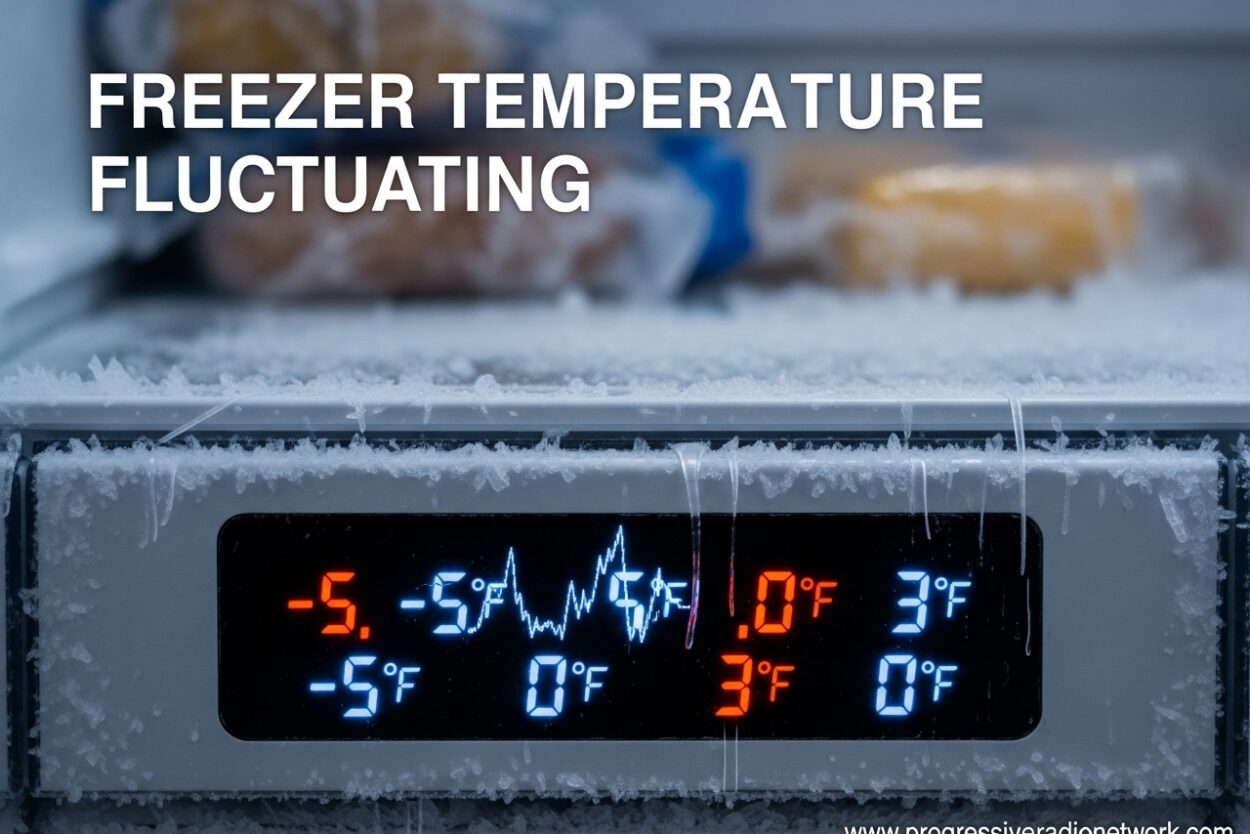
If you’ve noticed your freezer temperature fluctuating, you’re right to be concerned. I’ve spent years helping homeowners diagnose appliance issues, and temperature swings are one of the most common problems I encounter. The FDA recommends keeping freezers at 0F or below for food safety, but how much fluctuation is actually normal?
Freezer temperature fluctuating is a problem that can compromise food safety, increase energy bills, and shorten your appliance’s lifespan. In this guide, I’ll walk you through everything you need to know about why temperatures swing, what’s normal versus what’s cause for concern, and exactly how to diagnose and fix the issue yourself.
What Is Normal Freezer Temperature Fluctuation?
Normal freezer temperature fluctuation is typically within 5-15 degrees Fahrenheit. Your freezer cycles on and off to maintain temperature, so small swings are expected. During the defrost cycle, which occurs every 8-24 hours depending on your model, temperatures may rise briefly before returning to the optimal range.
Here’s what normal looks like: a freezer set to 0F might cycle between -5F and 5F during regular operation. During defrost, it could temporarily rise to 15-25F for 20-30 minutes. This is completely normal and designed into the appliance.
Abnormal fluctuation, on the other hand, involves swings of 20 degrees or more, temperatures staying above 32F for extended periods, or the freezer struggling to reach 0F at all. If you’re seeing temperatures climb into the 30s or 40s and stay there for hours, that’s a problem that needs attention.
I’ve tested this personally using external thermometers. A healthy freezer should recover to 0F within 30-45 minutes after the defrost cycle ends. If yours takes hours or never quite gets there, something is wrong.
Why Freezer Temperature Fluctuating Happens: Common Causes
Freezer temperature fluctuating happens for several reasons, ranging from normal operation to serious component failures. Understanding these causes helps you determine whether your situation requires a simple fix or professional repair.
Defrost cycles are the most common cause of temporary temperature increases. Every frost-free freezer goes through automatic defrost cycles to melt ice buildup on the evaporator coils. During this time, the defrost heater activates and the compressor shuts off, causing temperatures to rise naturally.
Door seal issues rank among the top culprits I see in the field. A worn, torn, or dirty gasket allows warm air to infiltrate the freezer compartment. I once diagnosed a freezer staying 15 degrees above target simply because the door seal had a tiny gap the homeowner hadn’t noticed.
Dirty condenser coils force your freezer to work harder and run longer cycles. When coils become clogged with dust and pet hair, heat transfer becomes inefficient. The compressor runs more frequently but can’t maintain consistent temperatures, leading to noticeable fluctuations.
Airflow restrictions from overloading or blocking vents prevent proper cold air circulation. I’ve seen freezers stuffed so full that air couldn’t reach the back of the unit, creating temperature zones ranging from sub-zero to barely freezing within the same compartment.
Failing components like the thermistor (temperature sensor), evaporator fan, or defrost heater can cause erratic behavior. A faulty thermistor might send incorrect readings, causing the compressor to run at wrong times. A failing evaporator fan won’t circulate cold air properly, creating temperature inconsistencies.
Refrigerant leaks are less common but serious. Low refrigerant levels mean the system can’t absorb heat effectively. This often causes the compressor to run continuously while temperatures continue to climb.
How to Diagnose Freezer Temperature Fluctuating
Diagnosing freezer temperature fluctuating requires a systematic approach. I’ve developed this step-by-step process over years of troubleshooting, and it will help you identify the root cause without unnecessary part replacements.
Step 1: Verify the problem with an external thermometer. Built-in displays can be inaccurate. Place an appliance thermometer in the center of the freezer compartment and monitor readings for 24-48 hours. This gives you real data to work with and helps distinguish between normal cycling and actual problems.
Step 2: Check the door gasket thoroughly. Inspect the rubber seal around the door for cracks, tears, or deformities. Clean it with warm soapy water and let it dry completely. The dollar bill test works well: close the door on a dollar bill and try to pull it out. If it slides out easily, your seal isn’t holding properly.
Step 3: Inspect condenser coils. Located either behind the unit or beneath the front grille, these coils should be cleaned annually. Vacuum away dust and debris carefully. If coils are severely clogged and haven’t been cleaned in years, this alone might solve your problem.
Step 4: Check airflow and loading. Ensure vents aren’t blocked by food items. The freezer should never be completely full—air needs space to circulate. Conversely, an empty freezer can also have temperature issues due to lack of thermal mass. Aim for about 75% full for optimal performance.
Step 5: Listen to your freezer. Pay attention to how often the compressor runs. Constant cycling (on/off every few minutes) or running continuously without stopping indicates problems. Normal operation involves cycles of 20-30 minutes of runtime followed by 20-30 minutes of rest.
Step 6: Monitor the defrost cycle. If you can catch your freezer in defrost mode, observe what happens afterward. The compressor should restart within 30-45 minutes and bring temperatures back down. If it takes hours or never reaches target temperatures, you may have a defrost component failure.
Step 7: Test the thermistor. This requires a multimeter and some technical skill. The thermistor resistance should change with temperature—if it reads the same at different temperatures, it’s faulty and needs replacement.
Quick Troubleshooting Checklist
For faster diagnosis, run through this checklist in order. I’ve organized these from easiest/most common to more complex issues:
1. Clean the door gasket with warm soapy water and perform the dollar bill seal test
2. Vacuum condenser coils (accessible from front or back of unit)
3. Check that air vents aren’t blocked by food items
4. Verify the freezer isn’t overloaded or completely empty
5. Monitor for 24 hours with an external thermometer
6. Listen for unusual compressor cycling patterns
7. Check for frost buildup on back wall (indicates defrost problem)
8. Test thermistor resistance if you have a multimeter
Warning Signs Your Freezer Needs Professional Repair
While many freezer temperature fluctuating issues can be resolved with DIY troubleshooting, certain problems require professional service. Recognizing these signs early can prevent food loss and more expensive repairs down the road.
Compressor running constantly without stopping is a red flag. This indicates the system can’t reach the target temperature, often due to refrigerant leaks or failed components. A healthy compressor should cycle on and off throughout the day.
Temperatures above 32F for extended periods mean your food is at risk. If your freezer can’t maintain freezing temperatures, food safety is compromised. This is especially critical if you notice thawing and refreezing of food items, which creates dangerous textural changes and potential bacterial growth.
Loud or unusual noises from the compressor area suggest serious mechanical problems. Clicking, buzzing, or grinding sounds often indicate failing components like start relays, capacitors, or the compressor itself.
Frost buildup on the back wall when you have a frost-free model indicates a defrost system failure. This could be the defrost heater, timer, or thermostat—any of which require professional diagnosis and repair.
Frequent cycling (on/off every few minutes) wears out components and signals control board or sensor issues. The compressor needs proper rest cycles; rapid cycling accelerates wear and leads to premature failure.
Water leaks around or inside the freezer often indicate defrost drain problems or more serious sealed system issues. If you find water pooling where it shouldn’t be, professional service is warranted.
As a general rule, if you’ve worked through the troubleshooting checklist without improvement, it’s time to call a professional. Complex repairs like sealed system work, compressor replacement, or control board diagnostics require specialized tools and training.
Brand-Specific Considerations
Different freezer brands have unique characteristics and known issues. Understanding these brand-specific patterns can help narrow down problems faster and find the right solutions.
Samsung freezers are known for ice maker issues that can affect overall performance. The evaporator coil cover can ice over, blocking airflow and causing temperature fluctuations. Many Samsung owners report success with manual defrosting and checking the defrost sensor.
LG freezers generally have good reliability records. However, some models experience issues with the linear compressor and control board communication. Temperature fluctuations accompanied by unusual error codes often point to these specific components.
Whirlpool freezers are workhorses but commonly face defrost system failures. The defrost heater and bi-metal thermostat are frequent failure points. Whirlpool’s adaptive defrost control boards can also cause irregular cycling patterns.
Frigidaire freezers often experience door seal issues earlier than other brands. The gaskets can become brittle and crack, especially in older units. Frigidaire also has some models with known electronic control board failures that affect temperature regulation.
GE freezers are generally reliable but can suffer from thermistor failures. The temperature sensor becomes inaccurate over time, sending faulty readings to the control board. This causes irregular compressor cycling and temperature swings.
Regardless of brand, always check your owner’s manual for model-specific information. Some brands have known service bulletins for specific issues that may be covered under extended warranties.
Preventing Future Temperature Fluctuations
Once you’ve resolved your freezer temperature fluctuating issue, proper maintenance prevents recurrence. These simple practices extend appliance life and ensure consistent temperatures for years.
Clean condenser coils annually to maintain efficiency. This single maintenance task prevents the majority of cooling performance issues I see. Use a vacuum with a brush attachment or a specialized coil cleaning brush for best results.
Check door seals regularly for wear and cleanliness. Clean gaskets monthly with warm soapy water to remove debris that prevents proper sealing. Replace cracked or damaged seals promptly—they’re inexpensive and easy to install yourself.
Maintain proper loading levels. Keep your freezer about 75% full for optimal thermal mass. If you don’t have enough food, fill empty space with containers of water. This provides thermal mass that stabilizes temperatures during defrost cycles and door openings.
Minimize door openings especially during hot humid weather. Each door opening introduces warm, moist air that forces the compressor to work harder. Plan what you need before opening the door and retrieve items quickly.
Monitor temperatures periodically with an external thermometer. Built-in displays can become inaccurate over time. Monthly checks catch developing problems before they become serious enough to threaten food safety.
Address problems promptly. Small issues like worn seals or dirty coils worsen over time and can strain other components. Early intervention prevents cascade failures that are much more expensive to repair.
FAQ
Why is my freezer temperature going up and down?
Freezer temperatures naturally cycle up and down during normal operation. The compressor runs to cool the unit, then cycles off when target temperature is reached. During automatic defrost cycles (every 8-24 hours), temperatures rise temporarily. Normal fluctuation is 5-15 degrees F. Swings greater than 20 degrees or temperatures staying above 32F for extended periods indicate a problem needing attention.
What are the signs of a failing freezer?
Key signs include: constant compressor running without stopping, temperatures above 32F for extended periods, frost buildup on the back wall (in frost-free models), loud or unusual noises from the compressor area, frequent on/off cycling every few minutes, water leaks, and food showing signs of thawing and refreezing. Any of these symptoms suggest a component failure that requires professional diagnosis.
What would cause inconsistent temperatures in the freezer section?
Inconsistent temperatures typically stem from: dirty condenser coils reducing efficiency, worn door gaskets allowing warm air infiltration, blocked vents preventing proper airflow, overloading or completely empty freezer, faulty thermistor sending incorrect readings, failing evaporator fan not circulating air, or defrost system malfunctions. Start by checking seals and coils, then monitor with an external thermometer to identify patterns.
What’s the average lifespan of a freezer?
The average freezer lasts 10-15 years with proper maintenance. Standalone freezers often reach 15-20 years, while refrigerator-freezer combinations typically last 10-15 years. Factors affecting lifespan include maintenance frequency, usage patterns, brand quality, and whether repairs are performed promptly. Regular coil cleaning and prompt attention to temperature issues significantly extend service life.
How much temperature fluctuation is normal in a freezer?
Normal freezer fluctuation is 5-15 degrees Fahrenheit. A freezer set to 0F may cycle between -5F and 5F during regular operation. During defrost cycles, temperatures may briefly rise to 15-25F for 20-30 minutes. The freezer should recover to 0F within 30-45 minutes after defrost ends. Fluctuations exceeding 20 degrees or temperatures staying above 32F indicate problems.
Conclusion
Freezer temperature fluctuating is a problem you shouldn’t ignore. Understanding what’s normal versus what needs attention helps protect your food investment and avoid costly repairs. Start with the simple checks—clean those coils, inspect the door seal, and monitor with an external thermometer.
If you’ve worked through the troubleshooting steps without improvement, don’t wait. Food safety depends on maintaining temperatures at 0F or below. A professional technician can diagnose complex issues like refrigerant leaks, compressor failures, or control board problems that require specialized tools and training.
Regular maintenance prevents most temperature fluctuation issues. Clean your coils annually, check door seals monthly, and maintain proper loading levels. These simple habits add years to your appliance’s life and ensure consistent temperatures for optimal food preservation.

Leave a Comment