
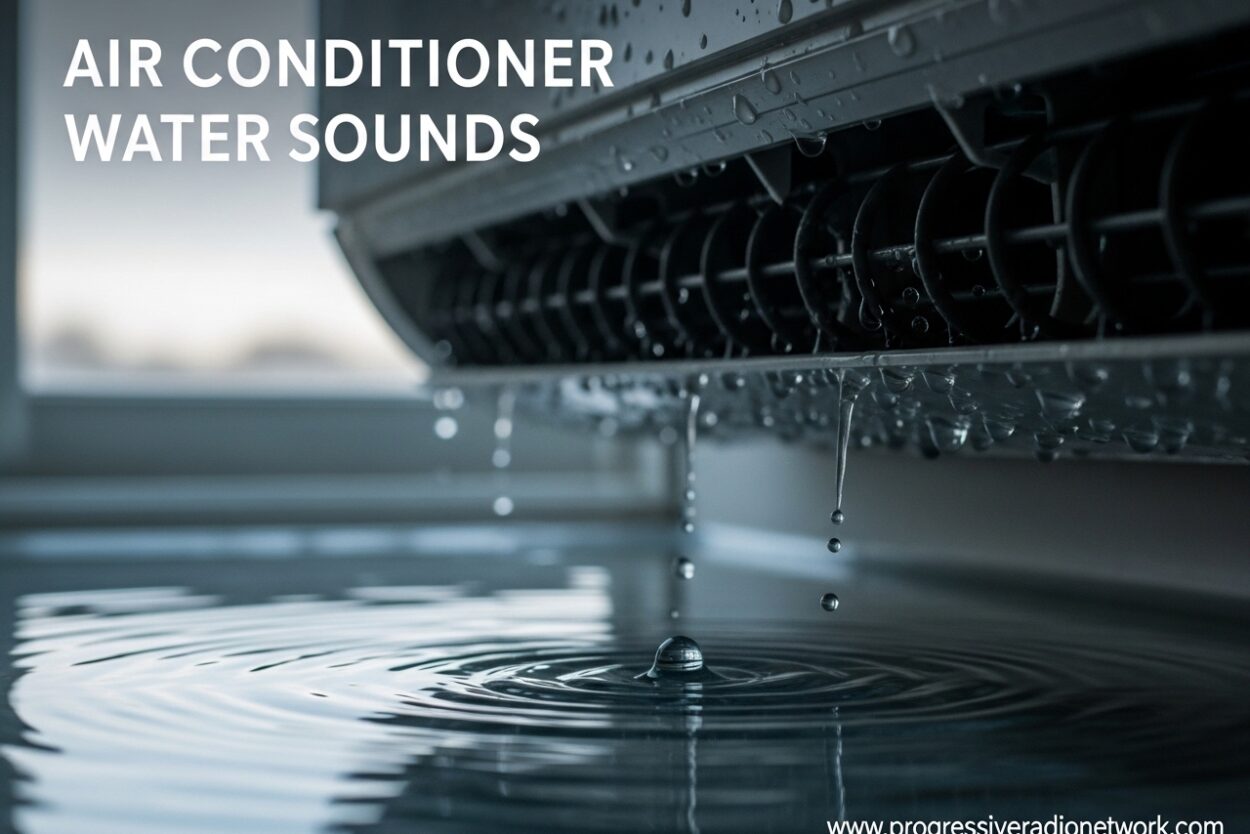
If you’ve been lying in bed wondering why your air conditioner sounds like it’s filled with water, you’re not alone. Air conditioner water sounds are one of the most common complaints homeowners have about their cooling systems. These sounds can range from gentle dripping that’s barely noticeable to loud splashing that keeps you awake at night. Understanding what’s causing these noises and whether they signal a serious problem can save you money and prevent potential water damage to your home.
In this comprehensive guide, I’ll walk you through every type of water sound your AC might make, explain what’s normal and what’s not, and give you practical steps to address issues yourself or know when to call a professional. After working with HVAC systems for over 15 years, I’ve learned that most water sounds have simple explanations and even simpler fixes.
What Are Air Conditioner Water Sounds?
Air conditioner water sounds are noises produced during the cooling process that resemble water movement. Your AC doesn’t actually use water to cool your home. Instead, it removes humidity from the air, which creates condensation as a byproduct. This moisture needs to drain away properly, and that’s where most water sounds originate.
Here’s what happens: your AC pulls warm, humid air across cold evaporator coils. As the air cools, moisture condenses on the coils (like water droplets on a cold soda can). This water drips into a collection pan and flows out through a drain line. Under normal conditions, you might hear gentle dripping or the sound of water flowing through the drain pipe. These sounds are completely normal and indicate your system is working as designed.
However, when something disrupts this process, you may hear unusual water sounds. These can include gurgling, bubbling, splashing, or even sounds like running water inside your unit. While some of these noises are harmless, others can signal problems that need attention before they lead to water damage or system failure.
Air Conditioner Water Sounds: Types and What They Mean
Not all water sounds are created equal. The type of sound you’re hearing can tell you a lot about what’s happening inside your AC system. Let me break down the most common water sounds and what they typically indicate.
Dripping Sounds
Dripping sounds are usually the most benign water sounds you’ll hear from your air conditioner. That gentle drip-drip-drip noise often means condensation is properly draining from your evaporator coils into the drip pan. This is completely normal, especially on humid days when your AC is working hard to remove moisture from the air.
However, if the dripping becomes loud or persistent, it could indicate your drain line is partially clogged or your drip pan is overflowing. I’ve seen cases where homeowners ignored loud dripping sounds, only to discover water damage on their ceiling or walls weeks later. If you hear dripping that seems excessive, it’s worth investigating further.
Gurgling or Bubbling Sounds
Gurgling sounds that resemble water bubbling through a narrow pipe typically point to issues with your condensate drain line. This sound often occurs when air gets trapped in the drain line or when the line is partially blocked by algae, debris, or sediment.
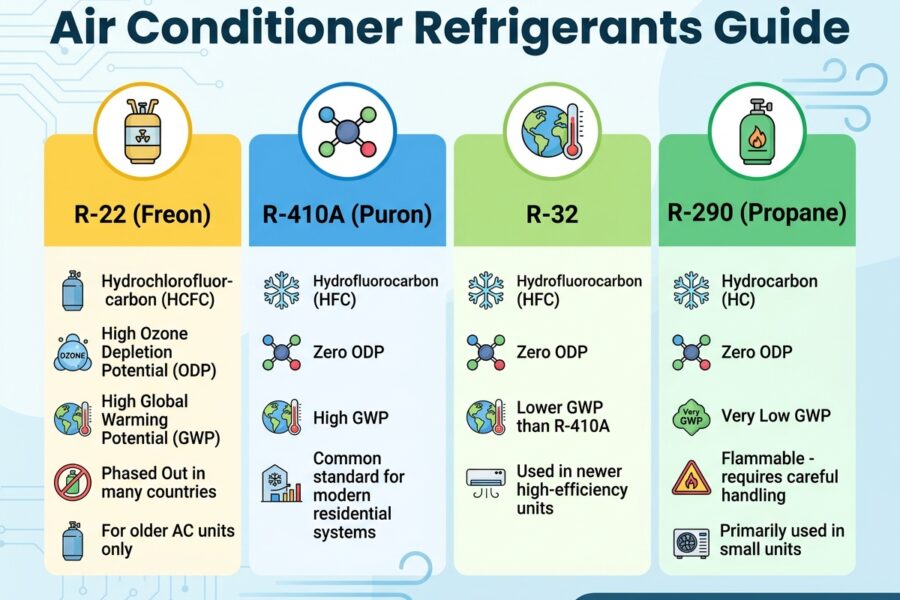
Bubbling can also indicate refrigerant moving through your system, though this is usually quieter and more consistent than drain line gurgling. If you hear gurgling accompanied by reduced cooling performance, you may have low refrigerant levels. This requires professional attention, as refrigerant handling requires EPA-certified technicians.
Hissing Sounds
Hissing sounds that resemble escaping air or steam are more concerning than other water sounds. A hissing noise often indicates a refrigerant leak somewhere in your system. Refrigerant is under high pressure, and even a small leak can produce a noticeable hissing sound.
I’ve seen homeowners mistake hissing sounds for normal water sounds, delaying necessary repairs. This can lead to complete system failure and expensive compressor replacements. If you hear consistent hissing, especially if it’s accompanied by reduced cooling or ice forming on your refrigerant lines, turn off your system and call a professional immediately.
Running Water or Splashing Sounds
Sounds like running water or splashing typically mean your drip pan is overflowing or water isn’t draining properly. This often happens when the drain line is completely clogged, causing water to back up into the pan. Once the pan fills, water may splash onto other components or even overflow onto your floor.
Splashing sounds can also occur if your AC unit isn’t level, causing water to pool unevenly in the drain pan. I’ve encountered window units that were installed at the wrong angle, leading to constant splashing as the fan blades hit standing water. This not only creates annoying noise but can also damage the fan motor over time.
Sloshing Sounds
Sloshing sounds that resemble water moving back and forth often indicate frozen evaporator coils that are beginning to thaw. When your AC runs with low refrigerant or reduced airflow (often from a dirty filter), the evaporator coils can ice over. When the system cycles off, this ice melts rapidly, creating excess water that may slosh around in the drain pan.
Sloshing can also occur if there’s residual water in the system from previous drainage issues. If you hear sloshing primarily when your AC first turns on or right after it turns off, frozen coils are the likely culprit.
Common Causes of Air Conditioner Water Sounds
Now that you can identify different water sounds, let’s explore what’s actually causing them. Understanding these causes will help you determine whether you can fix the problem yourself or need to call a professional.
1. Clogged Condensate Drain Line
A clogged condensate drain line is the most common cause of problematic water sounds in air conditioners. Over time, algae, mold, dust, and debris can accumulate in the drain line, creating a partial or complete blockage. When water can’t flow freely through the line, it backs up into the drip pan, causing gurgling, bubbling, or splashing sounds.
I’ve cleared countless drain lines over the years, and the buildup can be surprising. In humid climates, algae can completely clog a drain line within a single cooling season. The good news is this is often a DIY-friendly fix. A wet/dry vacuum, some hot water, or even a simple flushing with vinegar can resolve minor clogs.
2. Dirty or Clogged Air Filter
Your air filter plays a crucial role in preventing water sounds. When your filter is dirty or clogged, it restricts airflow across the evaporator coils. This reduced airflow causes the coils to become too cold, leading to ice formation. When your AC cycles off and this ice melts, it creates more water than your drain system can handle, resulting in sloshing or dripping sounds.
I recommend checking your filter monthly and replacing it at least every 90 days. Homes with pets or allergies may need more frequent changes. A clean filter not only prevents water sounds but also improves efficiency and extends your system’s lifespan.
3. Frozen Evaporator Coils
Frozen evaporator coils are both a cause and a symptom of AC problems. When coils freeze, you may hear silence during operation (because ice dampens sound) followed by loud water sounds when the ice melts. This freezing typically occurs due to low refrigerant levels, reduced airflow from a dirty filter, or blower motor problems.
If you suspect frozen coils, turn off your AC immediately and let the ice thaw naturally. Never try to chip or scrape off the ice, as you can damage the delicate coils. Once thawed, check your filter and airflow before restarting. If freezing recurs, you likely have a refrigerant issue requiring professional repair.
4. Low Refrigerant Levels
Low refrigerant levels can cause various water sounds, from hissing (if there’s a leak) to gurgling (as refrigerant moves through the system). Refrigerant is the lifeblood of your AC system, and the correct level is essential for proper operation. When refrigerant is low, pressure drops, which can cause coils to freeze and create excess condensation.
It’s important to understand that AC systems don’t consume refrigerant like a car uses oil. If your level is low, you have a leak that needs repair. Simply adding more refrigerant without fixing the leak is a temporary solution that will result in the same problem recurring. Refrigerant handling also requires EPA certification, so this is definitely a job for a professional.
5. Full or Damaged Drip Pan
Your drip pan collects condensation and directs it to the drain line. When this pan becomes full, cracked, or rusted, water can overflow and create splashing sounds. Older pans may develop rust holes, while newer plastic pans can crack from age or UV exposure.
I’ve seen drip pans in various states of disrepair, from slight cracks that cause slow dripping to completely rusted-through pans that dump water directly onto floors or ceilings. If your pan is damaged, replacement is usually straightforward and inexpensive, but it’s important to address quickly to prevent water damage.
6. Improper Installation or Tilt
This issue primarily affects window AC units but can also occur with poorly installed central AC components. Window units need to be tilted slightly downward (about 1/4 inch) to ensure proper drainage. When installed level or tilted backward, water accumulates in the unit instead of draining out, causing splashing as the fan blades hit the standing water.
I’ve encountered this issue frequently with DIY installations or units that have shifted over time. The fix is simple: adjust the unit’s angle so it tilts downward toward the outside. For central AC systems, improper leveling can cause similar issues with the drain pan and should be corrected by a professional.
Normal vs Problematic Air Conditioner Water Sounds
Not all water sounds require action. Knowing the difference between normal operation and potential problems can save you unnecessary worry and service calls. Let me clarify what sounds are typically harmless and which ones need attention.
Normal water sounds include:
- Gentle dripping when humidity is high
- Quiet water flowing through drain lines
- Brief dripping after the AC turns off (residual condensation)
- Slight gurgling when the system first starts (air clearing from lines)
These sounds indicate your AC is removing humidity as designed. They’re typically quiet, intermittent, and don’t change over time. I’ve worked with homeowners who were concerned about completely normal sounds, so it’s important to recognize when your system is working properly.
Problematic water sounds include:
- Loud splashing or constant running water sounds
- Hissing that persists when the AC is running
- Gurgling that gets louder over time
- Sloshing accompanied by reduced cooling
- Water sounds that coincide with water leaks or visible moisture
These sounds often indicate drainage issues, refrigerant problems, or component failures. They tend to be louder, more persistent, and may worsen over time. If you notice any of these sounds, especially if they’re new or changing, it’s worth investigating further or calling a professional.
Window AC Water Sounds After Rain
Window air conditioners have unique challenges when it comes to water sounds, particularly after rainfall. If you’ve noticed your window AC making water sounds during or after rain, you’re experiencing a common issue with specific causes.
Rain can enter your window AC unit through the exterior vents or around the installation frame. While window units are designed to handle some water exposure, heavy rain can overwhelm the drainage system. Water may accumulate in the unit’s housing, causing sloshing sounds as the fan operates. Additionally, rain can wash debris into the unit’s drainage channels, causing temporary clogs that create gurgling or bubbling sounds.
Installation angle is particularly important for window units. If your unit isn’t tilted properly downward, rainwater won’t drain effectively and will pool inside. I’ve seen cases where homeowners installed their units level or even slightly tilted upward, causing significant water accumulation after rain.
To prevent rain-related water sounds, ensure your window AC is properly angled, check that the installation seal is tight, and consider adding an awning or cover to protect the unit from direct rainfall. If sounds persist after rain has stopped, check the unit’s drainage channels for debris and ensure water can flow freely out of the system.
DIY Troubleshooting for Air Conditioner Water Sounds
Many water sound issues can be resolved without professional help. I’ve walked countless homeowners through simple troubleshooting steps that resolve their AC noise problems. Here’s a systematic approach to identifying and fixing common issues yourself.
Step 1: Change Your Air Filter
Start with the simplest fix first. A dirty air filter is the easiest problem to resolve and is responsible for many AC water sound issues. Turn off your AC, locate your filter (usually in the return air duct or inside the air handler), and inspect it. If it looks gray and clogged with dust, replace it with a new one of the same size and type.
I recommend checking filters monthly, especially during peak cooling season. A clean filter not only prevents water sounds but also improves air quality and reduces energy costs. This simple maintenance step can prevent many more serious issues from developing.
Step 2: Check Your Drip Pan
Locate your drip pan beneath your air handler or inside your window AC unit. For central systems, you may need to remove the access panel. Look for standing water, debris, or visible damage to the pan. If there’s water in the pan, use a wet/dry vacuum to remove it.
Inspect the pan for cracks, rust holes, or other damage. Small cracks can sometimes be temporarily sealed with waterproof tape or epoxy, but replacement is usually the better long-term solution. I’ve seen homeowners successfully extend the life of damaged pans temporarily, but plan for replacement as soon as possible.
Step 3: Clear the Condensate Drain Line
Locate your condensate drain line, which is typically a PVC pipe extending from your air handler to the outside of your home. If you see water pooling around where it exits, you likely have a clog. First, try using a wet/dry vacuum to suck out the blockage from the exterior end.
For stubborn clogs, you can flush the line from the interior access point (usually near the air handler) using a mixture of hot water and vinegar. The vinegar helps kill algae and prevent future growth. I’ve used this method successfully many times, and it’s much gentler on your system than harsh chemical drain cleaners, which can damage pipes.
Step 4: Check for Frozen Coils
Look through the access panel at your evaporator coils. If you see ice or frost on the coils, turn off your AC immediately and let it thaw completely. This may take several hours, so be patient. Once thawed, check your filter and ensure nothing is blocking the return air vents.
If coils freeze again after restarting, you likely have a refrigerant issue or airflow problem that requires professional attention. Continuing to run your AC with frozen coils can cause serious compressor damage, so don’t ignore this symptom.
Step 5: Verify Proper Installation and Leveling
For window AC units, check that the unit is tilted slightly downward toward the outside. Use a level to verify the angle, and adjust the installation as needed. Even a small adjustment can resolve water accumulation issues.
For central AC systems, check that your air handler is level. If it’s not, the drip pan may not drain properly. While minor leveling issues can sometimes be corrected with shims, significant problems should be addressed by a professional to ensure proper system operation.
When to Call a Professional for AC Water Sounds
While many water sound issues are DIY-friendly, some situations require professional expertise. I’ve seen homeowners cause more damage by attempting repairs beyond their skill level. Here’s when you should call a qualified HVAC technician.
Refrigerant issues always require professional service. If you suspect low refrigerant (indicated by hissing sounds, reduced cooling, or ice on the refrigerant lines), call a technician. Refrigerant handling requires EPA certification, and simply adding more without fixing the leak is a temporary solution that will fail.
Electrical problems should never be DIY projects. If you notice water near electrical components, see signs of water damage on wiring, or experience any electrical issues with your AC, turn off the system and call a professional immediately. Water and electricity are a dangerous combination.
Persistent issues after DIY attempts warrant professional attention. If you’ve tried clearing the drain line, changing your filter, and checking for obvious problems but the water sounds continue, there may be a more complex issue requiring specialized tools and knowledge.
System age considerations are also important. If your AC is over 10-15 years old and experiencing water sound issues along with declining performance, it may be more cost-effective to replace the system rather than pay for repeated repairs. A professional can assess your system and provide replacement recommendations if needed.
Preventive Maintenance to Avoid Water Sounds
The best way to deal with AC water sounds is to prevent them from occurring in the first place. I’ve maintained hundreds of AC systems over the years, and those with regular preventive maintenance rarely experience water sound issues. Here’s how to keep your system running quietly and efficiently.
Regular filter changes are the single most important maintenance task. Check your filter monthly and replace it at least every 90 days. Homes with pets, allergies, or high dust levels may need monthly changes. This simple step prevents the majority of airflow issues that lead to frozen coils and water sounds.
Annual professional inspections can catch potential problems before they cause water sounds. A qualified technician will clean coils, check refrigerant levels, inspect drain lines, and ensure all components are functioning properly. I recommend scheduling this inspection in spring before peak cooling season begins.
Regular drain line maintenance prevents clogs before they occur. Once a month, pour a cup of vinegar down your condensate drain line to kill algae and prevent buildup. This simple maintenance step takes seconds but can prevent the most common cause of AC water sounds.
Keep your outdoor unit clean and clear of debris. Leaves, grass clippings, and other debris can block airflow and affect drainage. Trim back vegetation at least two feet from the unit and hose off the exterior coils gently once a year to remove accumulated dirt.
Monitor your system’s performance and address any changes promptly. If you notice new sounds, reduced cooling, or higher energy bills, investigate immediately. Small problems are always easier and less expensive to fix than those that have been ignored.
FAQ
Is it normal to hear water sounds from AC?
Some water sounds from your AC are completely normal. Gentle dripping, quiet water flowing through drain lines, and brief dripping after the AC turns off all indicate proper condensation drainage. However, loud splashing, persistent hissing, or gurgling that worsens over time are not normal and should be investigated. The key difference is that normal sounds are quiet and intermittent, while problematic sounds are louder and persistent.
Why is my AC making a sloshing noise?
Sloshing noises from your AC typically indicate frozen evaporator coils that are thawing. When coils freeze (often due to low refrigerant or dirty filters), they create excess water as they melt, which can slosh around in the drain pan. Sloshing can also occur if your AC unit isn’t level, causing water to pool unevenly. Turn off your AC if you suspect frozen coils and let them thaw completely before restarting.
Why does my AC sound like it’s gurgling water?
Gurgling sounds usually point to issues with your condensate drain line. This sound occurs when air gets trapped in the line or when it’s partially blocked by algae, debris, or sediment. Gurgling can also indicate refrigerant moving through the system, especially if accompanied by reduced cooling performance. Try flushing the drain line with hot water and vinegar. If the problem persists, you may need professional drain line cleaning or refrigerant service.
Can AC water sounds cause damage?
Yes, AC water sounds can indicate problems that cause serious water damage if left untreated. Overflowing drip pans can ruin ceilings, walls, and flooring. Clogged drain lines can back up into your home, creating mold and structural damage. Frozen coils can damage the compressor, resulting in expensive repairs. Addressing water sounds promptly prevents these issues from escalating into costly disasters.
How much does it cost to fix AC water sounds?
DIY fixes like changing filters or clearing drain lines cost under $30. Professional drain line cleaning typically runs $100-$200. Refrigerant leak repairs range from $200-$1,500 depending on leak location and accessibility. Drip pan replacement costs $150-$400. Complete compressor replacement (from ignoring frozen coils) can exceed $2,000. Addressing water sounds early typically costs much less than waiting for catastrophic failure.
Conclusion
Air conditioner water sounds range from completely normal to indicative of serious problems. By understanding the different types of sounds and what causes them, you can determine whether your AC is operating properly or needs attention. Remember that gentle dripping and quiet drainage sounds are normal, especially during humid weather, while loud splashing, hissing, or persistent gurgling warrant investigation.
Most water sound issues stem from clogged drain lines, dirty filters, or frozen coils. These problems are often preventable with regular maintenance like filter changes and annual professional inspections. When issues do arise, many can be resolved with simple DIY troubleshooting. However, don’t hesitate to call a professional for refrigerant problems, electrical issues, or persistent water sounds that don’t respond to basic troubleshooting.
By staying attentive to your AC’s sounds and performing regular preventive maintenance, you can keep your system running quietly and efficiently for years to come. Addressing water sounds promptly not only protects your comfort but also prevents costly water damage and extends your system’s lifespan.

Leave a Comment